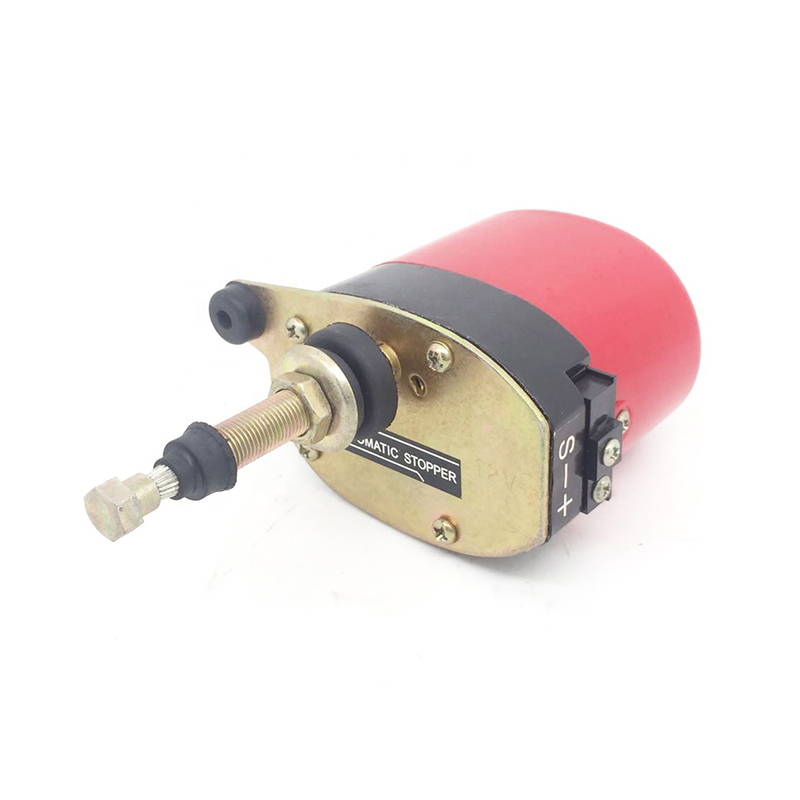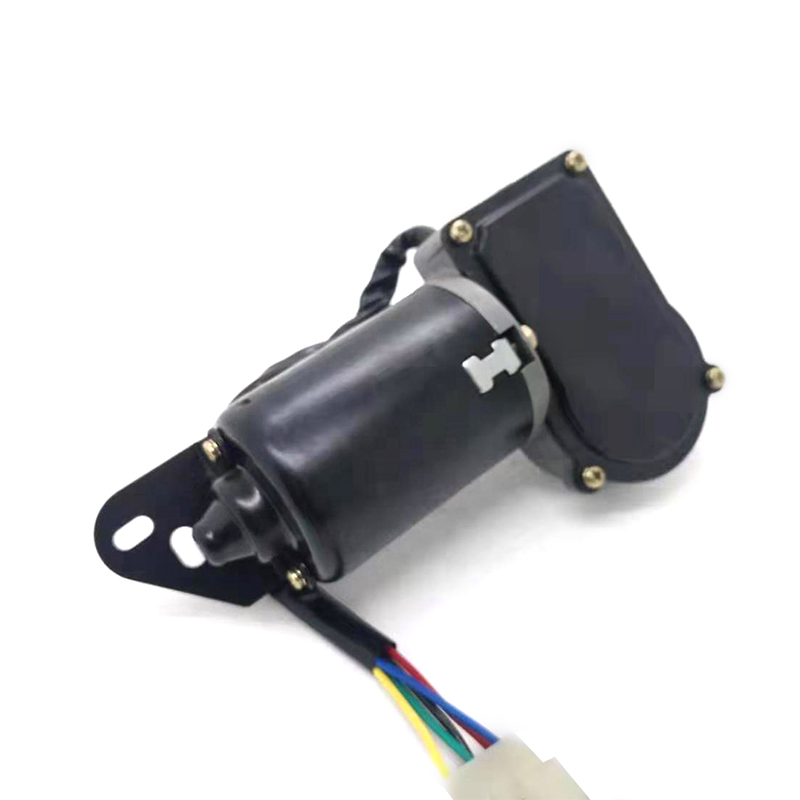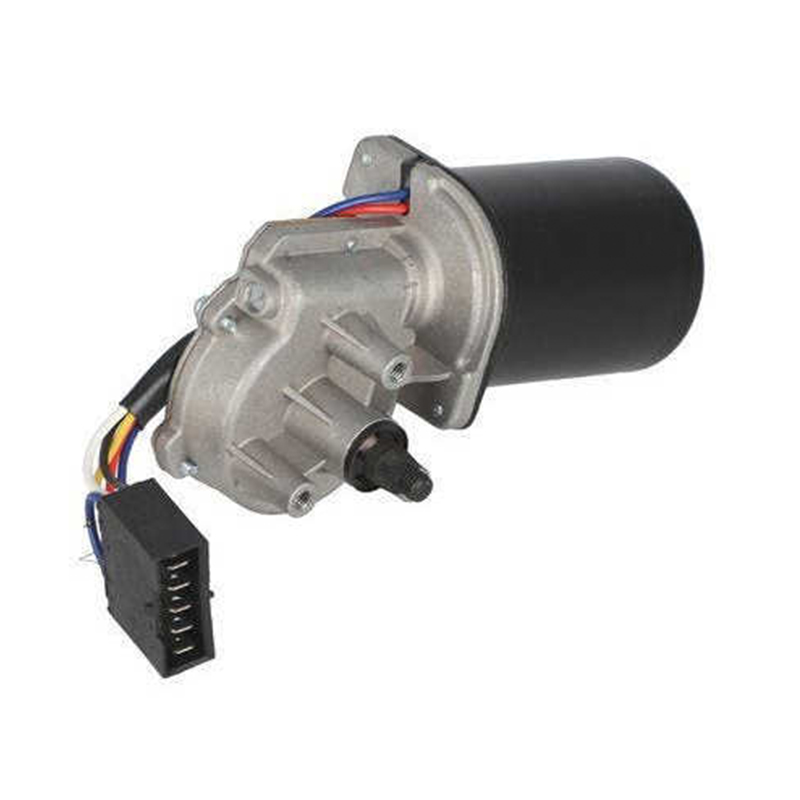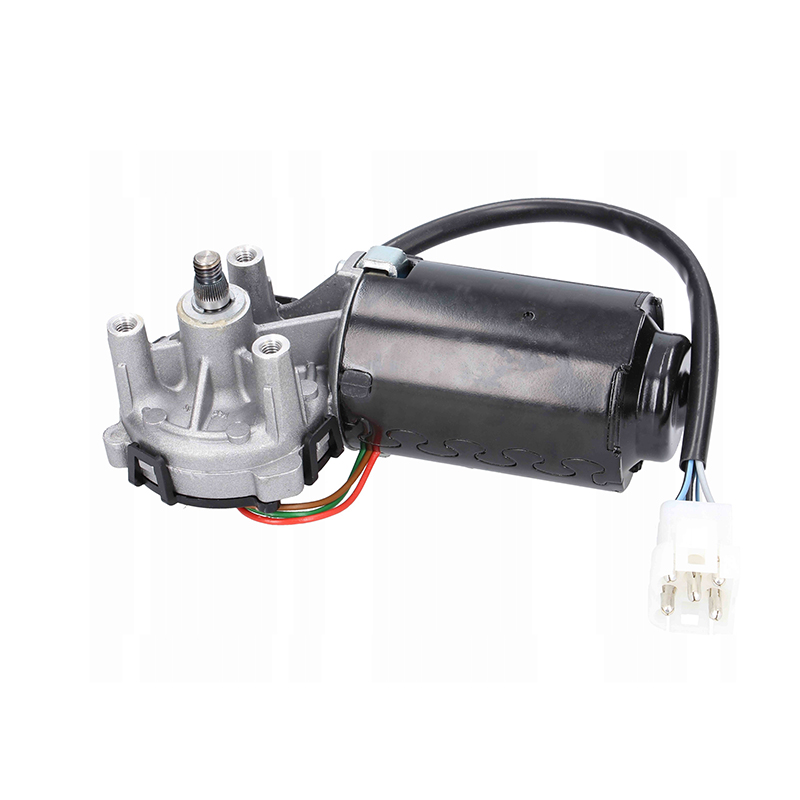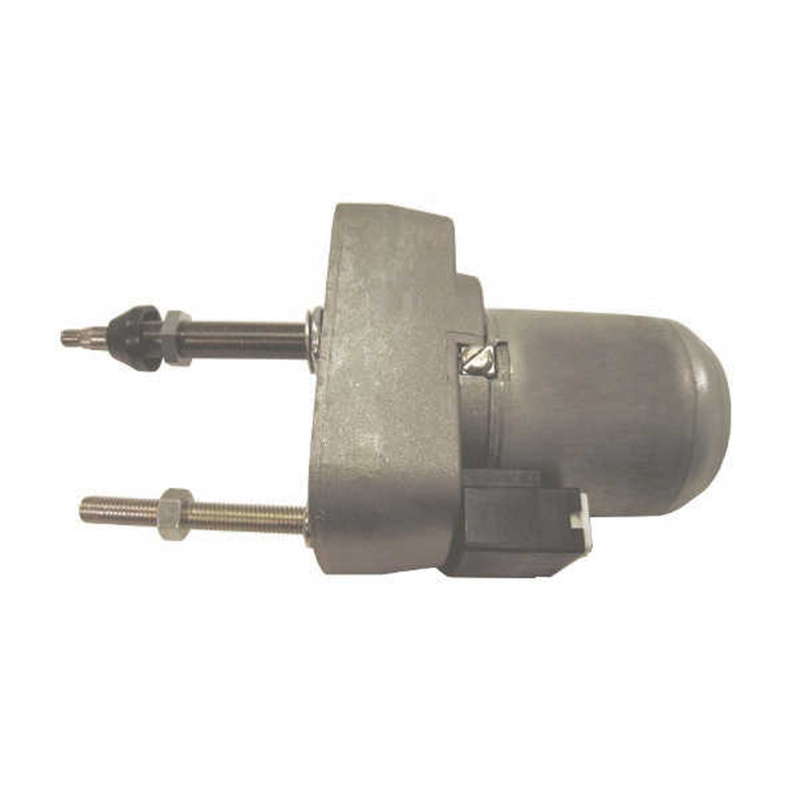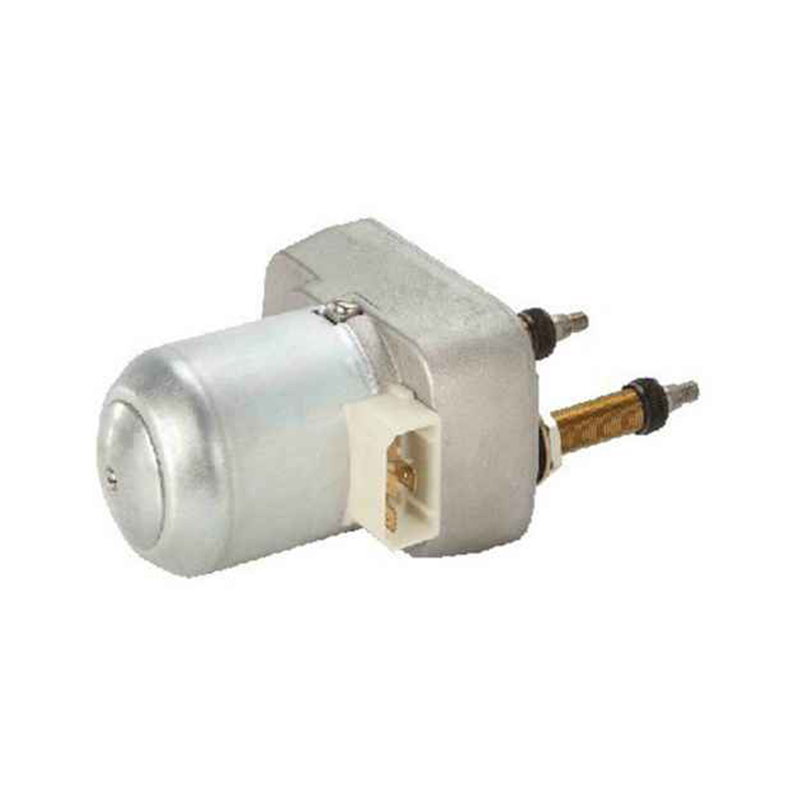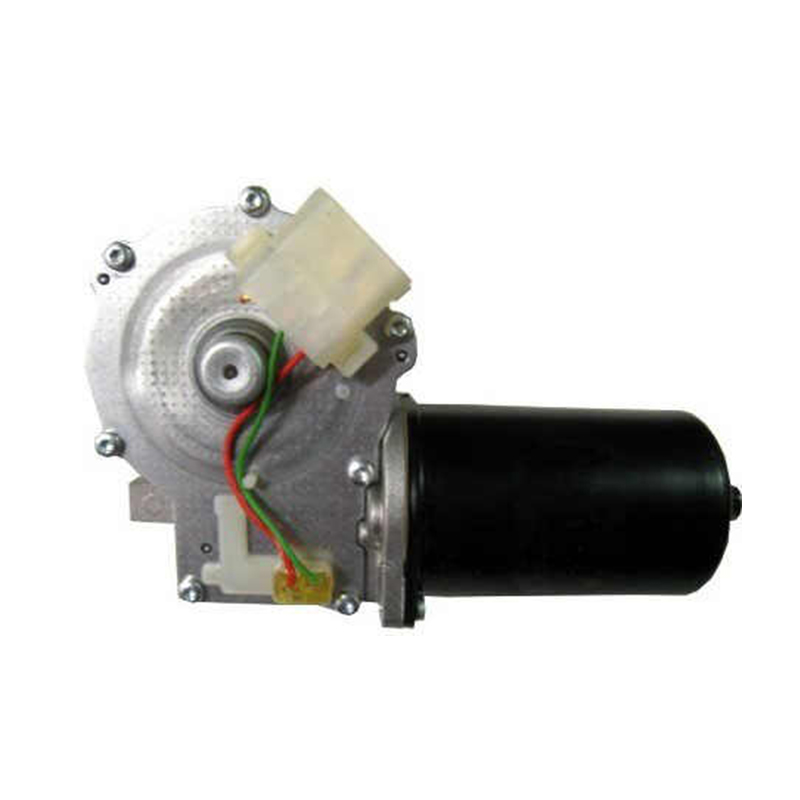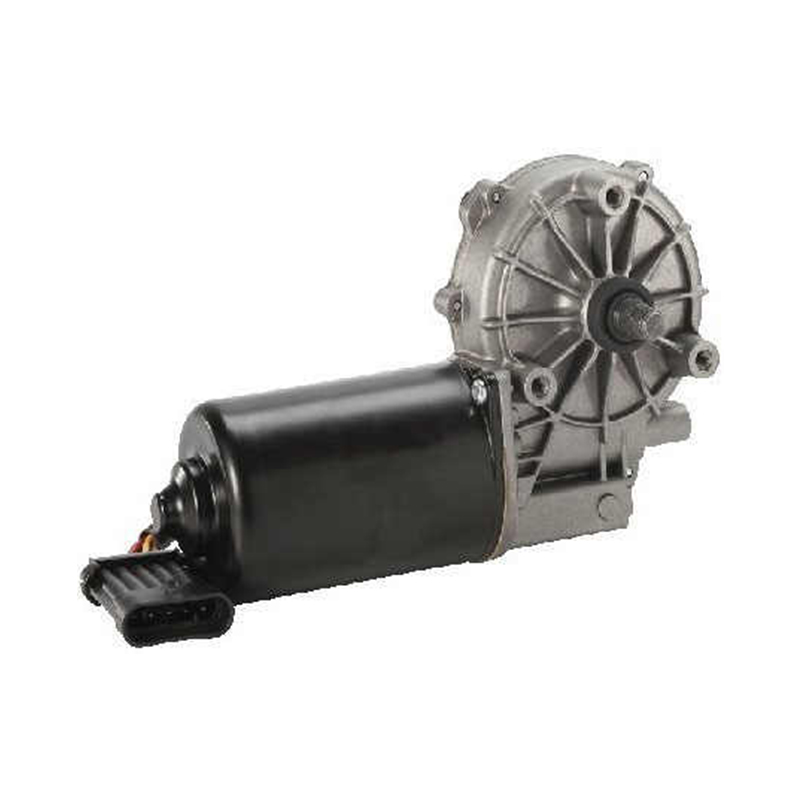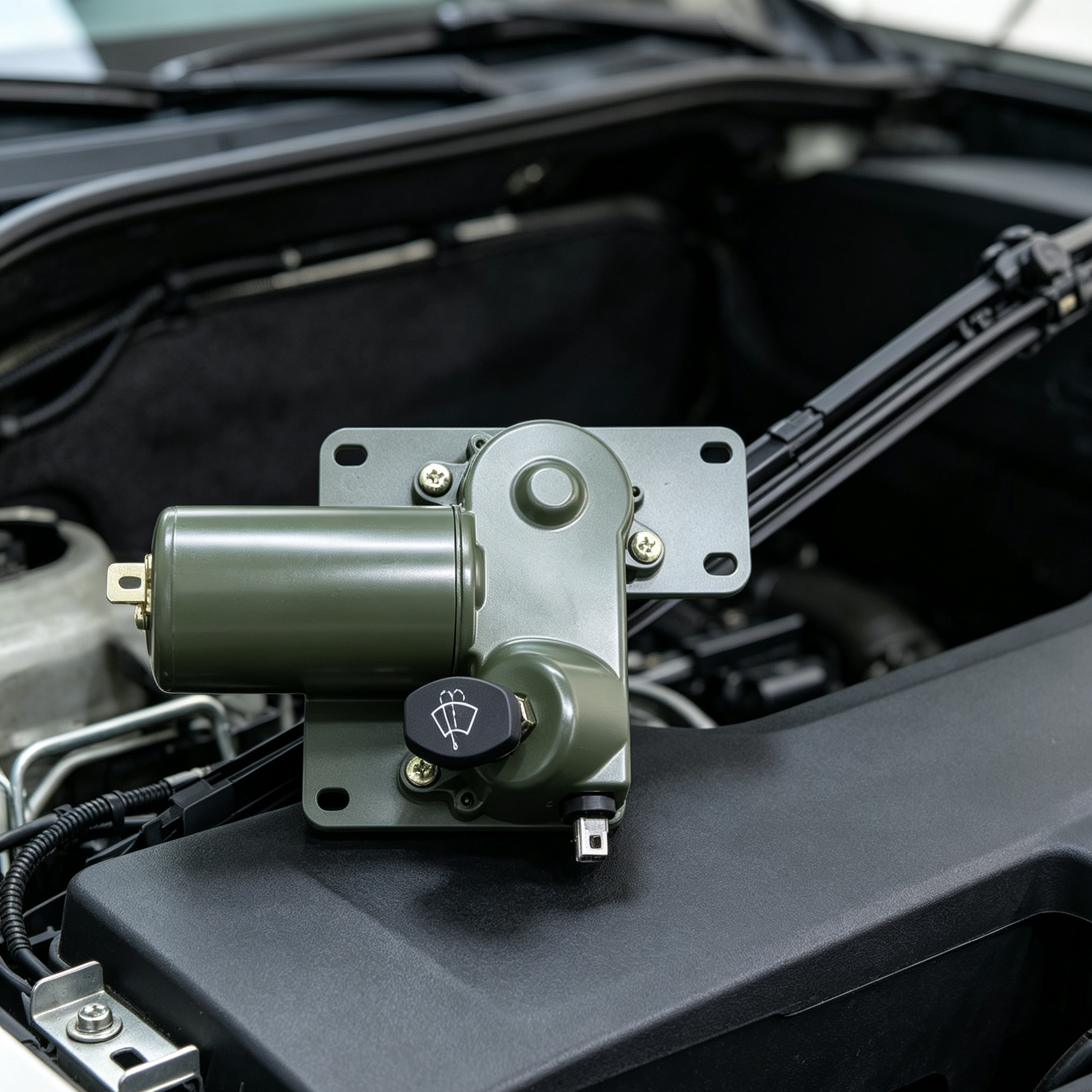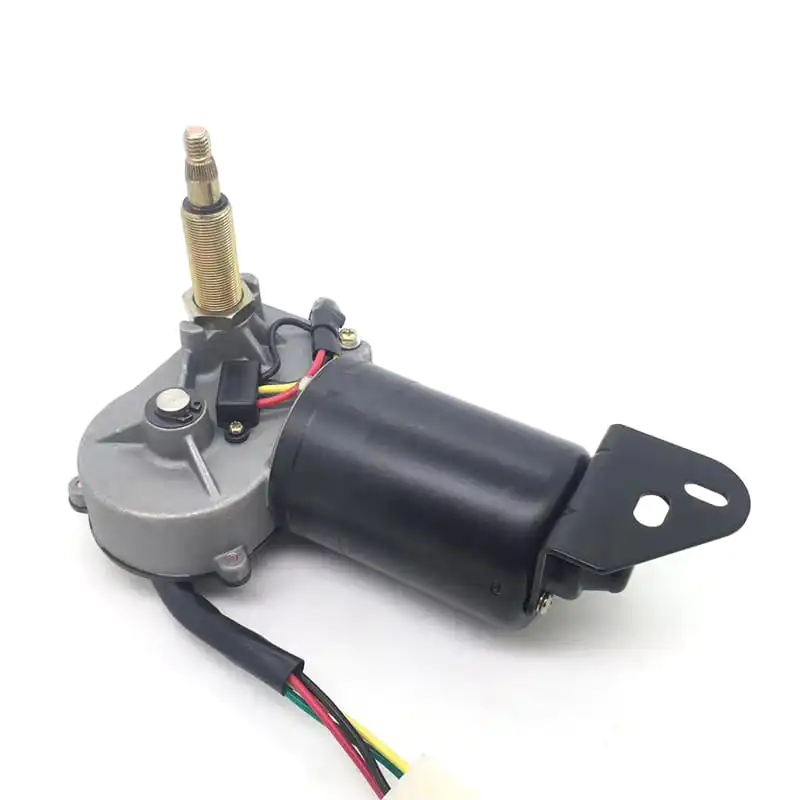
A wiper motor is not a complicated-looking part. It sits behind the wiper system, does its job quietly, and most drivers probably never think about it until the wipers stop working.
For buyers, though, there is more to it.
If you are sourcing wiper motors for an aftermarket brand, distributor, wholesaler, or vehicle manufacturer, choosing a factory is not simply about getting a quotation and checking whether the motor can turn. The motor has to fit the vehicle, work with the linkage, handle the expected load, and keep doing the same job from one batch to the next.
That is where supplier selection becomes important.
Before getting into price or customization, look at the factory's existing products.
Does it already make the type of wiper motor you need? A manufacturer may have plenty of automotive motors in its catalog, but that does not necessarily mean it has experience with your particular application.
For example, you may need a 12V front wiper motor for a passenger vehicle, while another buyer needs a 24V motor for a truck or bus. The requirements can be quite different.
It is worth asking about:
The catalog is a useful starting point. After that, ask for actual specifications, drawings, and application information. Those usually tell you much more.
This sounds obvious, but fitment problems are one of those things that can become expensive very quickly.
Two motors can look almost identical and still have different mounting holes, shaft dimensions, wiring, or rotation directions. A connector may even look the same while the electrical arrangement is different.
For buyers, these details should be checked before an order is confirmed.
| Item | What to Check |
|---|---|
| Voltage | 12V, 24V, or required vehicle voltage |
| Mounting | Hole position and installation dimensions |
| Shaft | Diameter, length, and connection |
| Connector | Plug type and wiring |
| Rotation | Correct operating direction |
| Speed | Required wiping speed |
| Torque | Load the motor can handle |
| Fitment | Vehicle model and application |
If you have an original motor, part number, drawing, or vehicle information, send it to the factory. A physical sample can also be useful when developing a replacement product.
This is where buyers need to look beyond the words “factory direct.”
Ask what the manufacturer really does in-house.
Depending on the product, manufacturing may involve motor assembly, gear production, shaft machining, metal stamping, plastic injection molding, housing production, winding, and final testing. Some factories handle most of these processes themselves. Others rely heavily on outside suppliers.
Outsourcing is not automatically a problem. What matters is whether the factory controls the process properly.
For example, if a component changes supplier, how is that change checked? If the same motor is ordered six months later, how does the factory make sure the important dimensions and performance remain consistent?
Those are much more useful questions than simply asking how large the factory is.
A wiper motor has to move an actual mechanism. The blades have contact with the windshield, the linkage creates resistance, and weather conditions can change the load.
So a motor spinning quickly on a test bench does not tell you everything.
When reviewing specifications, look at things such as rated voltage, current, operating speed, output torque, rotation direction, duty cycle, and temperature range.
If possible, test the sample with the actual linkage or a test setup that is close to the final application.
That is where small problems often show up. A motor may look fine during a simple test but behave differently once it has to move the complete wiper mechanism.
The motor itself gets most of the attention, but the gearbox is doing an important part of the work.
The motor spins quickly. The gearbox reduces that speed and provides the movement and torque needed by the wiper system. Gear material, lubrication, backlash, assembly accuracy, and housing design can all affect how the finished motor behaves.
Ask the factory about these points, especially if noise, vibration, or long operating life matters for your application.
A motor and gearbox should really be looked at as one system. There is not much value in having good electrical performance if the mechanical side creates problems.
Automotive parts do not always get an easy life.
Wiper motors can see rain, road water, dust, humidity, salt, vibration, heat, and cold. In some vehicles, they may also be exposed to quite a lot of temperature changes over time.
So ask how the motor is protected.
Housing construction, sealing, corrosion protection, surface treatment, and temperature resistance are all worth discussing. If you sell into cold-weather markets, low-temperature performance may need more attention. For hot regions, heat resistance becomes more relevant.
The important thing is to match the product with the actual environment in which it will work.
A motor can look completely normal and still have a problem.
That is why a factory's inspection process matters. Depending on the design, testing may include electrical checks, dimensional inspection, rotation testing, torque testing, noise testing, endurance testing, and temperature testing.
| Test | What It Helps Check |
|---|---|
| Dimensional inspection | Critical component dimensions |
| Electrical testing | Current, voltage, and circuit behavior |
| Rotation testing | Operating direction |
| Torque testing | Output under load |
| Noise testing | Unusual mechanical noise |
| Endurance testing | Repeated operation |
| Temperature testing | Performance in different conditions |
| Sealing inspection | Protection against moisture and contaminants |
You do not necessarily need every possible test for every motor. The better question is whether the factory's testing makes sense for the product and its intended use.
A wiper does not run continuously like some industrial motors, but it can still complete a lot of operating cycles over the life of a vehicle.
Endurance testing can expose problems that a short functional test will miss. Gears, bearings, electrical contacts, brushes, and seals can behave differently after repeated operation.
Ask the factory how it performs life testing and what conditions are used. Voltage, load, temperature, and cycle count all matter.
If a supplier cannot clearly explain how the product is tested, that is something worth noting during the evaluation.
Not every buyer wants a standard catalog motor.
Sometimes the mounting position is different. Sometimes the shaft needs to be changed. Sometimes the connector does not match the vehicle harness. In other cases, the speed or gear ratio needs adjustment.
This is where engineering support becomes useful.
A capable factory may be able to help with:
You do not always need a completely new motor. A small change to an existing design may solve the problem.
The word “custom” can make a project sound more complicated than it actually is.
For wiper motors, customization may involve fairly specific details such as mounting brackets, shaft dimensions, wiring, connectors, housing dimensions, gear configuration, labels, or packaging.
| Custom Area | Typical Requirement |
|---|---|
| Mounting | Different vehicle installation |
| Shaft | Match existing linkage |
| Connector | Fit vehicle wiring |
| Wiring | Adjust cable length |
| Housing | Fit available space |
| Gear ratio | Change speed or torque |
| Labeling | Private-label products |
| Packaging | Distributor requirements |
If you have a drawing or sample, send it at the beginning. It gives the engineering team something concrete to work with.
For aftermarket businesses, this part can save a lot of trouble later.
If a motor is listed for the wrong vehicle, the problem does not stop with one bad sale. You can end up dealing with returns, replacement shipping, customer complaints, and inventory that is difficult to move.
Ask the factory for detailed application information, including part numbers, vehicle models, dimensions, and installation requirements.
Also check whether the motor is a direct replacement. Some replacement motors may require a small installation adjustment, and that should be clear before the product is sold.
A good sample is encouraging, but it does not tell you whether the factory can handle regular orders.
This becomes particularly important when a product starts selling well.
Before moving forward, ask about normal production capacity, lead times, MOQ, component availability, and how repeat orders are managed.
You do not need a huge factory just because the supplier has a large building. What matters is whether it can keep your production schedule under control when order quantities change.
Price obviously matters in B2B purchasing. But the cheapest quotation is not necessarily the cheapest option once the whole process is considered.
Think about sample costs, tooling, inspection, packaging, shipping, warranty replacements, returns, and delays.
A motor that costs a little less but creates frequent fitment complaints can become expensive very quickly.
For distributors and wholesalers, consistency often has a direct connection with actual purchasing cost.
This sounds like a small thing, but it really isn't.
During the sample stage, notice how the factory handles technical questions. Do they ask for vehicle information? Do they check drawings carefully? Can they explain why a certain connector or shaft size is needed?
Good communication does not mean writing long emails. Sometimes a clear answer and a useful drawing are enough.
Technical documents may include product specifications, drawings, fitment lists, inspection records, test reports, packaging details, and relevant certificates.
A short checklist can help keep the comparison practical.
| Question | Why It Matters |
|---|---|
| Does the factory already make this motor? | Shows relevant experience |
| Can it confirm vehicle fitment? | Reduces aftermarket problems |
| What tests are performed? | Helps assess product consistency |
| Can the motor be customized? | Useful for OEM projects |
| What is the production capacity? | Important for repeat orders |
| Can samples be tested? | Allows actual evaluation |
| Can technical drawings be provided? | Helps confirm dimensions |
| What is the normal lead time? | Helps with inventory planning |
| How are quality issues handled? | Important for long-term supply |
This is probably the simplest step in the whole process, and it is easy to skip when buyers are in a hurry.
Don't.
Install the sample if possible. Check the connector, mounting, rotation, speed, noise, and operation under load. If you are buying for an aftermarket application, test it on the intended vehicle or a matching setup.
Once the sample is approved, keep its specifications and test results as a reference for future batches.
Choosing a Wiper Motor Factory is not just about finding a motor that works.
The bigger question is whether the factory can keep producing the same product, support technical changes, provide useful fitment information, and maintain stable quality as your orders continue.
For a distributor, fitment data and supply consistency may be the main concerns. For an OEM buyer, engineering support and customization may matter more.
Start with the actual vehicle requirements. Then look at the factory's products, manufacturing process, testing, sample performance, and production capacity.
That extra checking takes some time at the beginning. In automotive sourcing, though, it is usually much easier to solve a problem before the first large order than after the goods have already arrived.

Tel:+86-0577-66009580
Mobile: +86-18858801083
E-mail:juntmotor@126.com
Whatsapp:+8618858801083
WeChat: +86-18858801083
 WeChat

Automotive Reduction Motors Manufacturer

 +86-0577-66009580
 juntmotor@126.com
 Language
  English
 Português