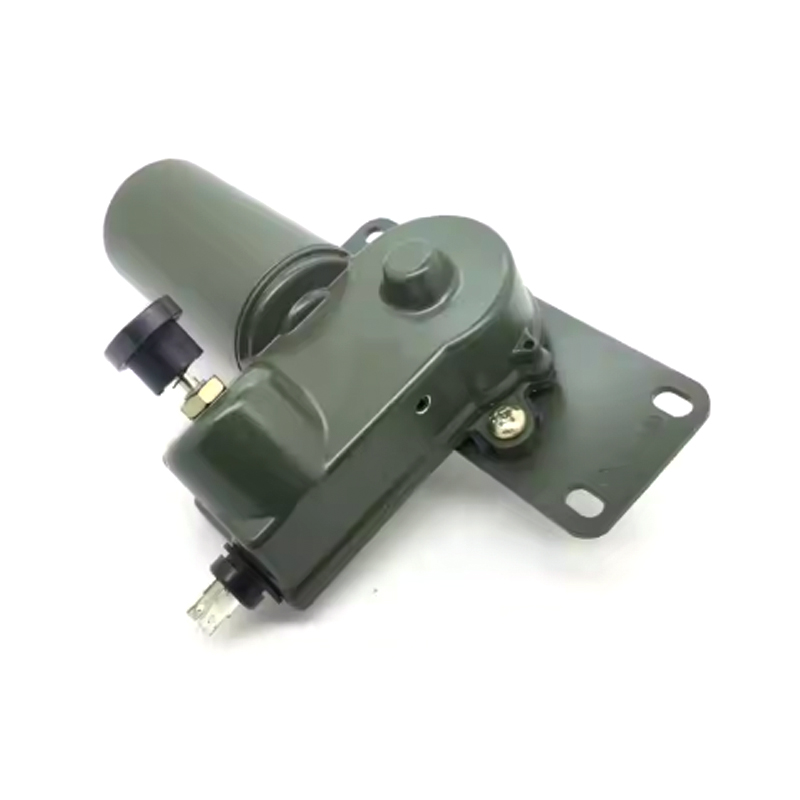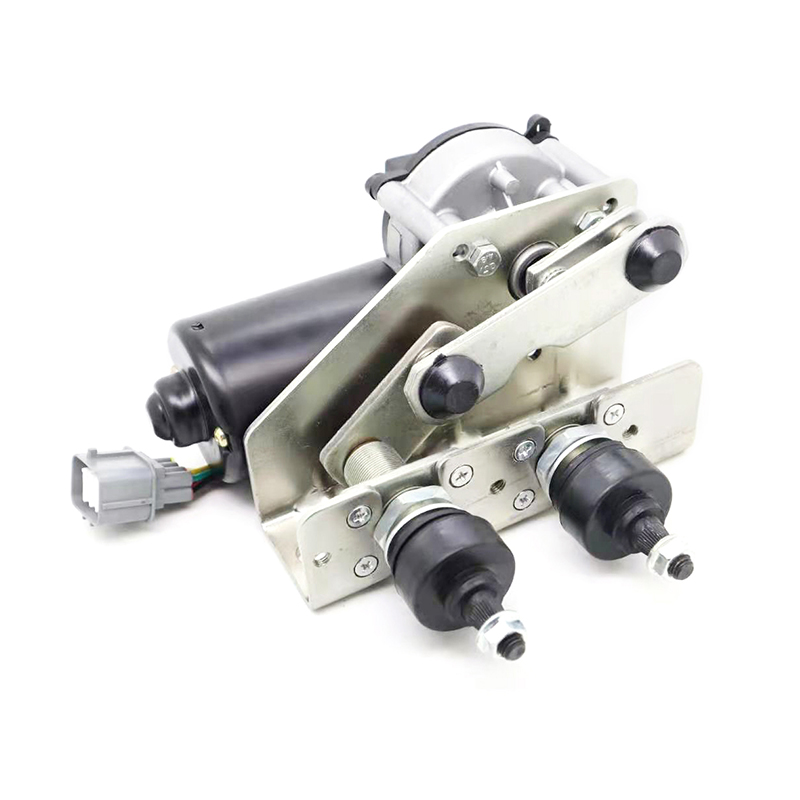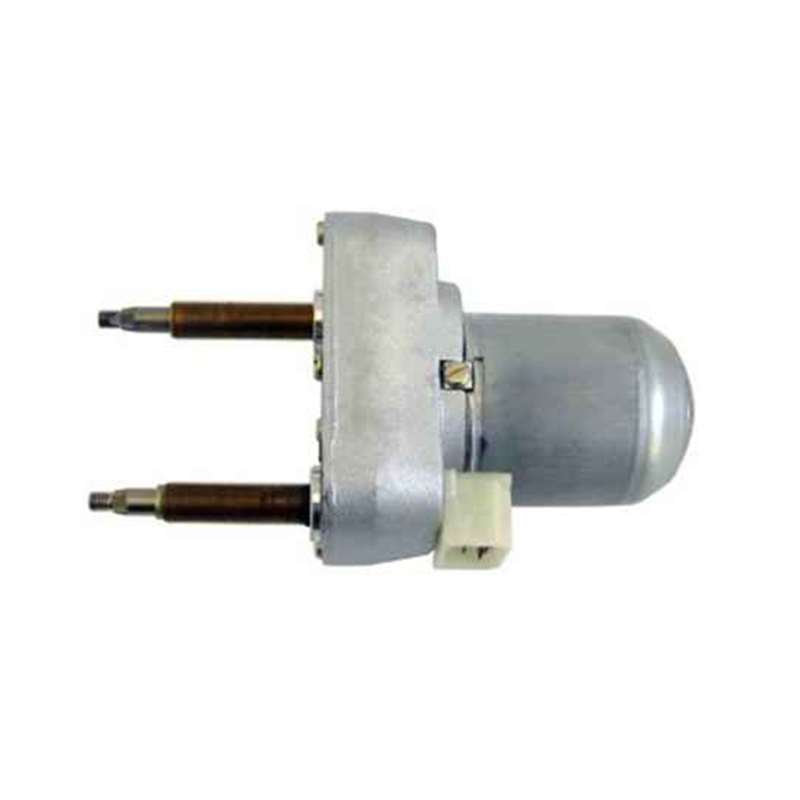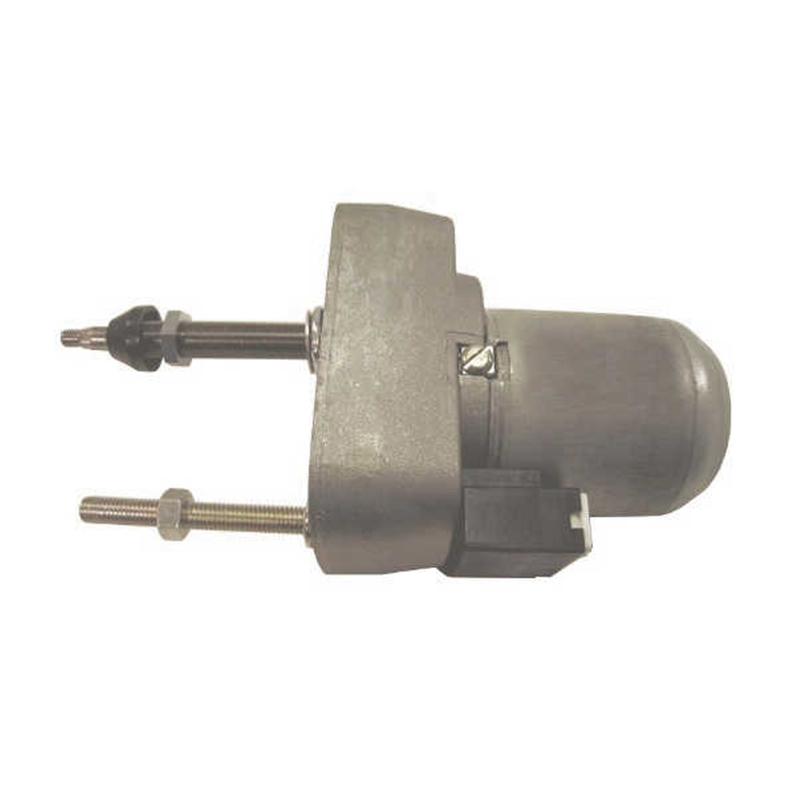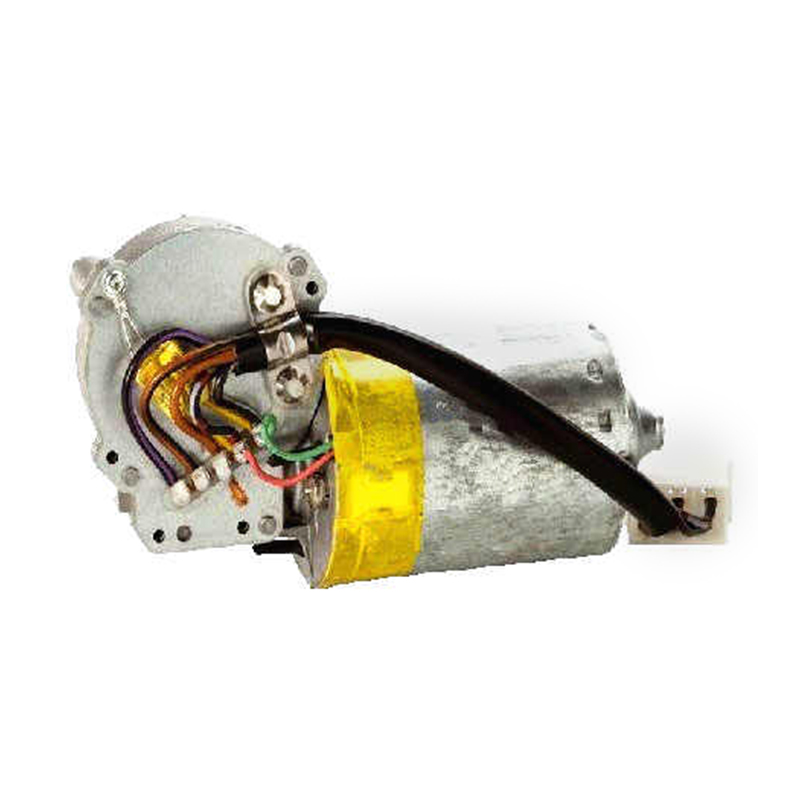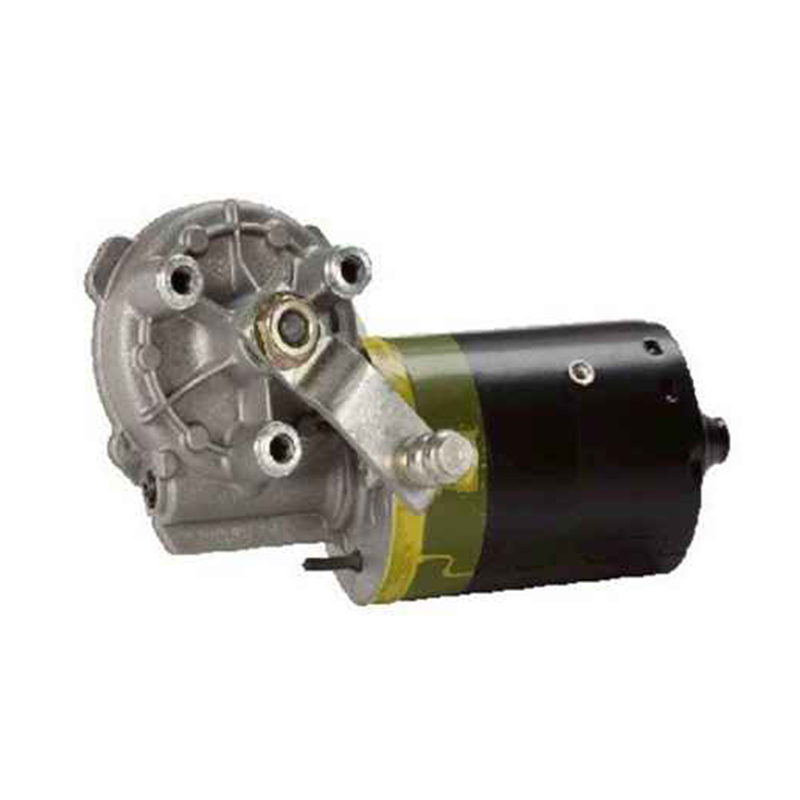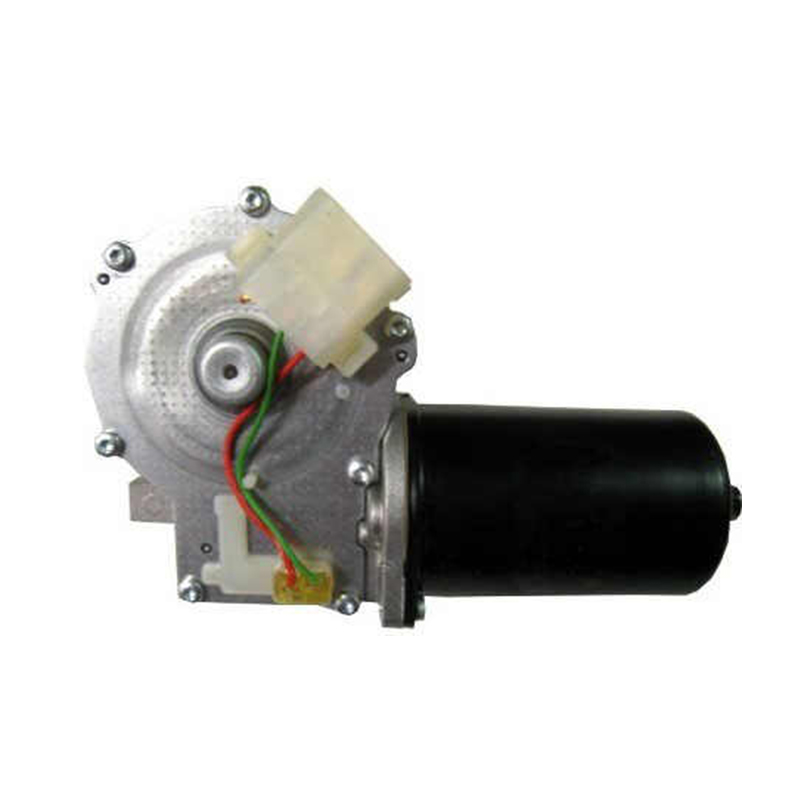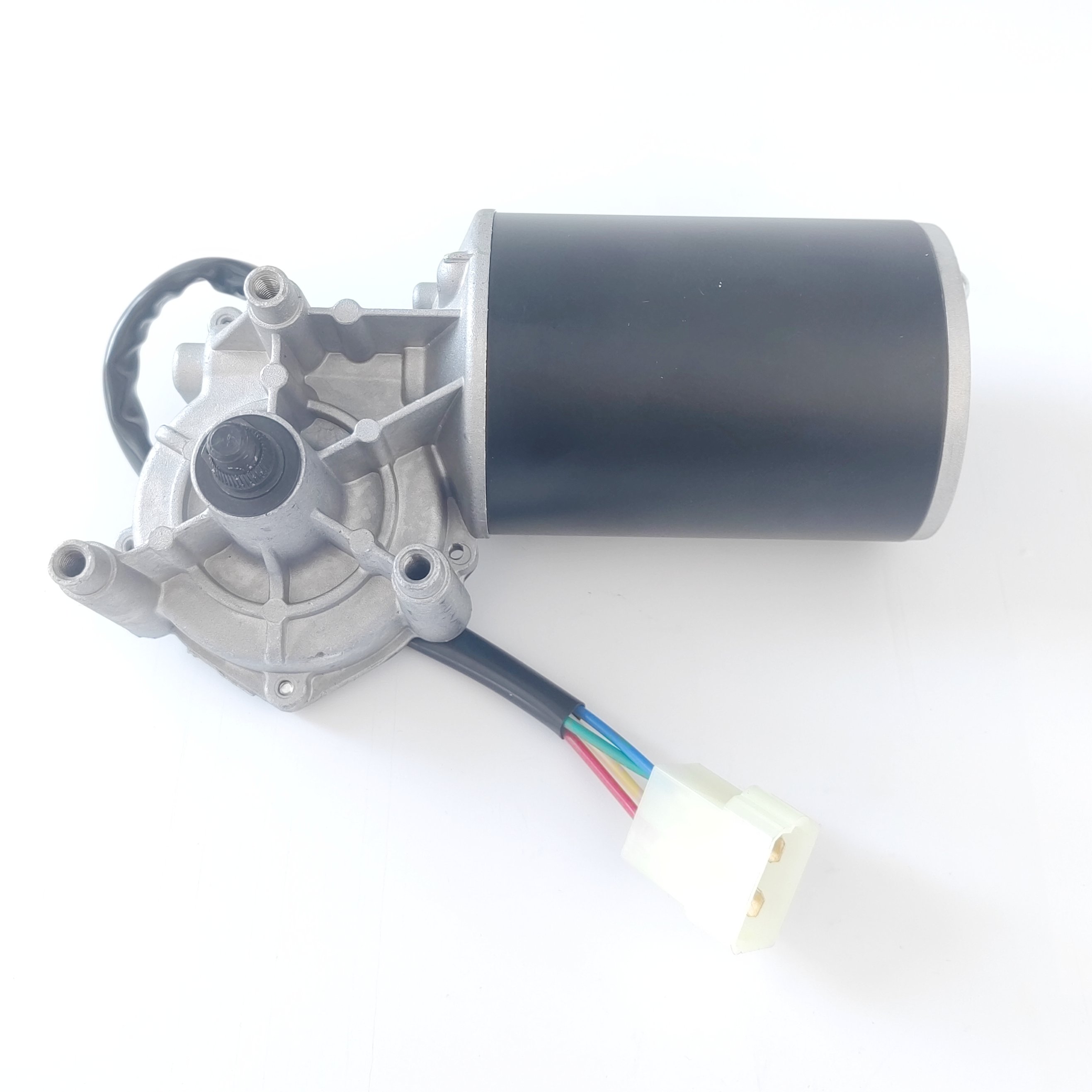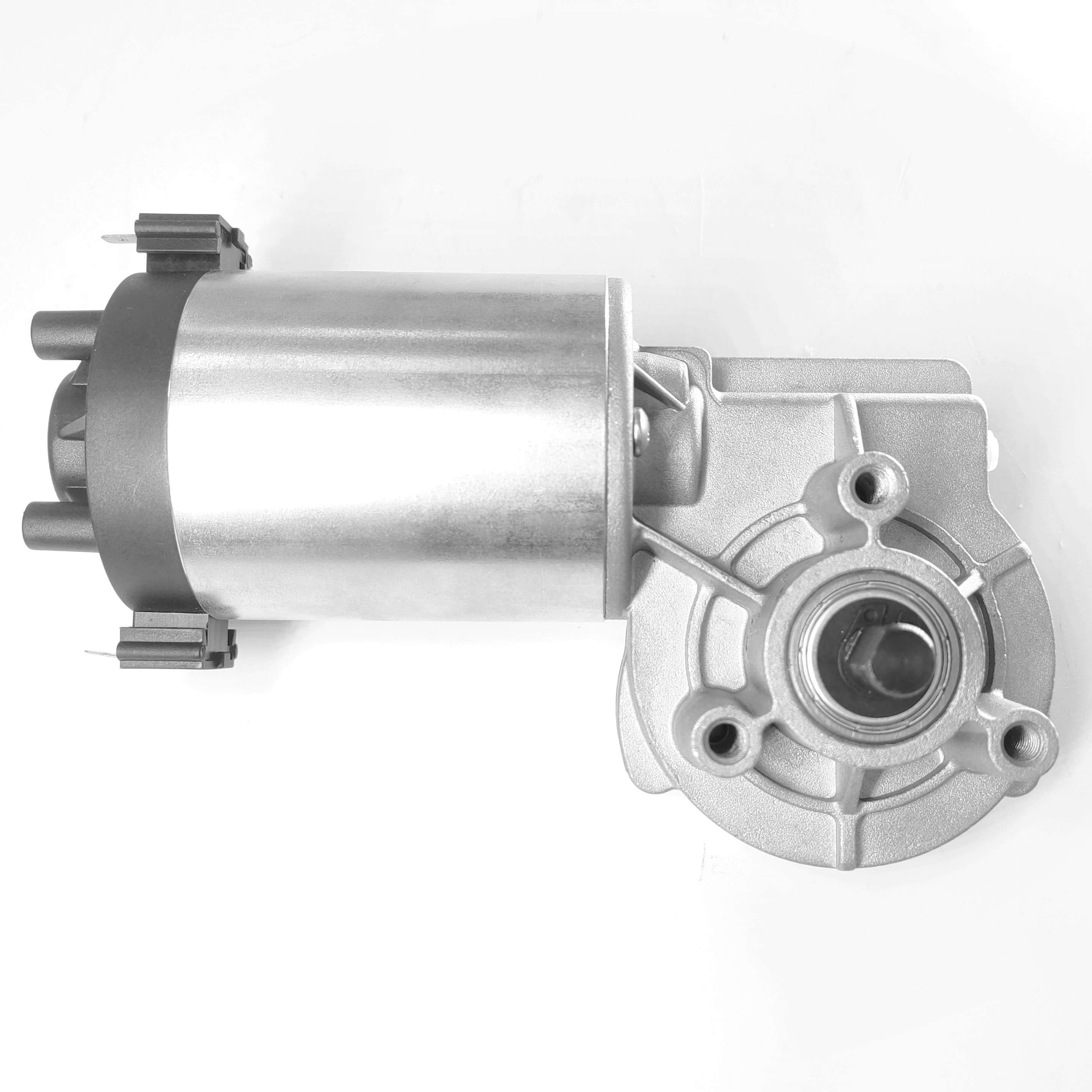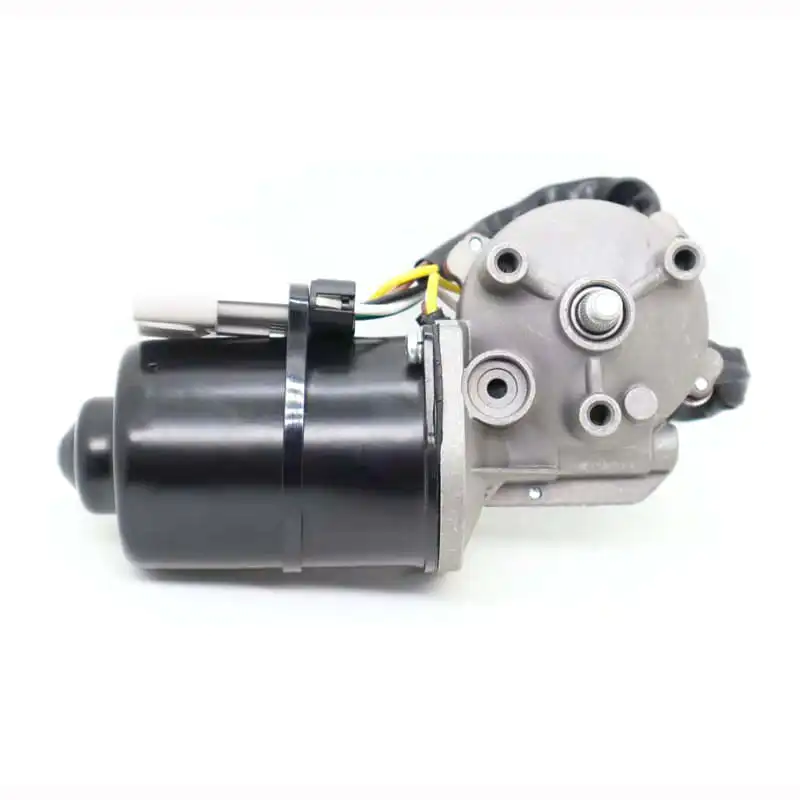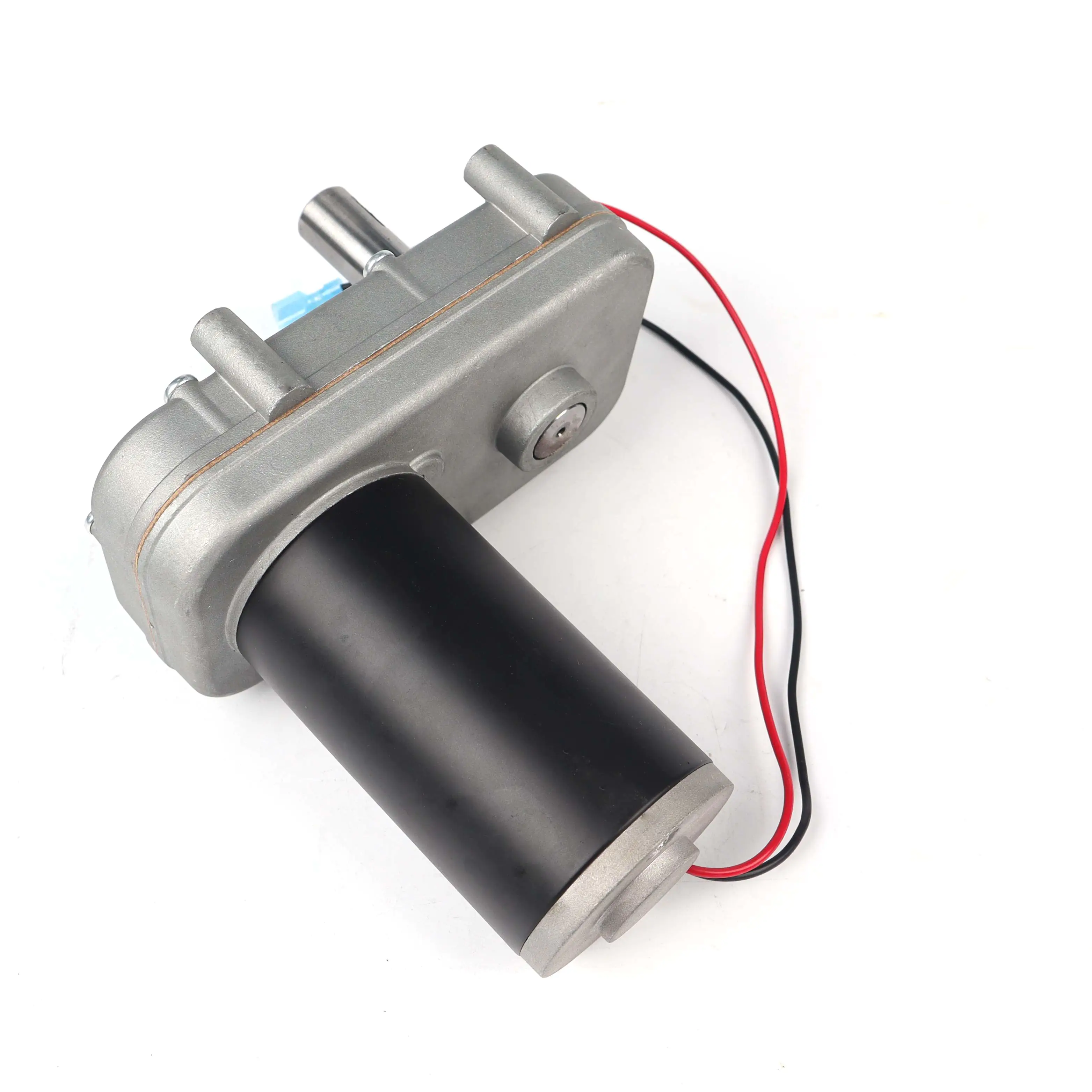
Wiper systems are safety equipment, plain and simple. Drivers need them to see during rain, snow, and whatever the road throws up. A wiper motor looks small next to powertrain hardware, but its reliability shows up directly in wiping performance, driver safety, and how the vehicle is judged overall.
So for automotive OEMs, picking reliable Car Wiper Motors isn't a box-ticking exercise. Electrical performance, mechanical durability, environmental resistance, supplier quality systems—all of it has to be weighed. The motor also has to meet vehicle-specific requirements and hold that performance across its expected service life.
Understand the Vehicle's Wiper System Requirements
Start with how the motor will actually operate in the vehicle. Windshield size, wiper arm configuration, wiping angles, operating conditions—none of these are universal across vehicle categories.
Passenger cars, commercial vehicles, buses, specialty vehicles all tend to need different torque and speed characteristics. Bigger windshields and heavier wiper arms create greater mechanical loads, especially when blades hit resistance from snow or ice.
Before evaluating suppliers, OEM engineers should pin down the required wiping frequency and operating speed, motor torque under normal and high-load conditions, voltage and current limits of the vehicle electrical system, wiper linkage configuration and mounting dimensions, expected operating temperature and environmental exposure, and required service life and operating cycles. Those parameters form the technical foundation for comparing motor designs and heading off compatibility problems during integration.
Evaluate Motor Performance and Electrical Specifications
Electrical performance probably deserves the closest look. The motor has to provide enough torque to drive the wiper mechanism while staying compatible with the vehicle's electrical architecture.
Most conventional passenger vehicles run 12V systems; many heavy-duty vehicles use 24V. Even so, OEMs should always confirm the actual voltage requirements of the target platform rather than assuming.
| Technical parameter | What OEM buyers should evaluate |
|---|---|
| Rated voltage | Compatibility with the vehicle electrical system |
| Operating current | Electrical load during normal operation |
| Starting current | Current demand during motor startup |
| Output torque | Ability to drive the wiper linkage |
| Rotational speed | Support for required wiping frequency |
| Thermal performance | Resistance to overheating during extended use |
Starting current deserves special mention. Motors can pull substantially more current during startup or under heavy mechanical loads. Engineers should verify that wiring, switches, relays, and control modules can accommodate the motor's electrical characteristics. If they can't, you'll find out in the field.
Check Mechanical Design and Installation Compatibility
A reliable motor still has to fit the complete wiper assembly. Excellent electrical specs won't save a motor whose mounting points, output shaft, or linkage connections don't match the vehicle design.
Look at housing dimensions, mounting brackets, shaft geometry, connector positions, gear mechanisms. These details influence installation efficiency, vibration behavior, long-term mechanical stability.
The gearbox matters too. Many automotive wiper motors use reduction gears to convert high motor speed into the torque needed to move the wiper arms. Gear material, lubrication, tooth design, manufacturing accuracy all affect noise, wear, operating consistency.
Before approving a motor for mass production, run installation trials with the actual vehicle linkage and windshield configuration. That's how interference, excessive vibration, and wiping-angle problems get caught—before production, not after.
Assess Durability Under Automotive Operating Conditions
Wiper motors live in moisture, temperature swings, dust, vibration, repeated mechanical loading. Their design has to account for all of it throughout the vehicle's expected service life.
Moisture protection comes down to sealing—it should keep water out of the motor housing and electrical connections. Temperature resistance means materials, lubricants, and insulation tolerate the expected operating range. Vibration resistance calls for housings and mounting structures that withstand vehicle vibration. Corrosion protection relies on suitable coatings and materials, particularly in humid or salt-exposed environments. Cycle durability means the motor survives repeated wiping operations without unacceptable performance loss.
OEM buyers should request test reports and confirm the methods used to evaluate environmental resistance and service life. Testing should reflect the intended vehicle application and applicable automotive requirements.
Review Supplier Quality Management and Manufacturing Capability
Supplier choice matters as much as motor choice. Automotive OEM manufacturing demands consistent product quality across large volumes. Suppliers need to demonstrate control over raw materials, manufacturing processes, assembly operations, final inspection.
An established automotive quality management system, such as IATF 16949 where applicable, provides evidence of structured process control. Buyers should also review inspection procedures, traceability systems, corrective-action processes, production capacity.
| Supplier evaluation area | Evidence to request |
|---|---|
| Quality management | Relevant certifications and audit records |
| Production capability | Manufacturing equipment and capacity information |
| Product testing | Electrical, mechanical, and durability test reports |
| Traceability | Batch identification and production records |
| Process control | Inspection plans and documented procedures |
| Technical support | Engineering communication and problem-solving capability |
Certifications indicate something, but they don't replace product-specific validation. OEM purchasing teams should assess actual production performance and quality data before approving a supplier.
Conduct Sample Testing Before Mass Production
Sample evaluation confirms whether a proposed motor meets vehicle-level requirements. Testing should cover electrical measurements, operating noise, torque performance, wiping speed, installation compatibility.
A useful validation process might go like this: check dimensions and connector compatibility, measure current consumption under different operating conditions, evaluate wiping performance with the actual linkage, test operation under temperature and humidity variations, run repeated operating cycles to assess durability.
Document acceptance criteria before testing begins. If a design change appears during development, affected performance and durability tests may need repeating. Skipping that step usually costs more later.
Consider Total Cost and Long-Term Supply Stability
Purchase price is one slice of the overall cost. Defective products, warranty claims, production interruptions, replacement expenses can create much larger costs over time.
Compare suppliers on product quality, delivery reliability, technical support, production scalability. Confirm whether the supplier can maintain consistent specifications throughout the vehicle production cycle. A dependable sourcing arrangement includes clear technical agreements, approved samples, quality requirements, delivery schedules, procedures for managing engineering changes.
Build a Reliable OEM Wiper Motor Supply Chain
Selecting reliable Car Wiper Motors takes engineering evaluation plus supplier assessment. Electrical compatibility, mechanical integration, environmental durability, manufacturing consistency all shape the final product's performance. Automotive OEMs should establish clear specifications, request documented test results, validate samples using representative vehicle conditions. Working with a supplier that has strong quality controls and technical support reduces integration risks and helps maintain consistent production quality.

Tel:+86-0577-66009580
Mobile: +86-18858801083
E-mail:juntmotor@126.com
Whatsapp:+8618858801083
WeChat: +86-18858801083
 WeChat

Automotive Reduction Motors Manufacturer

 +86-0577-66009580
 juntmotor@126.com
 Language
 English
 Português