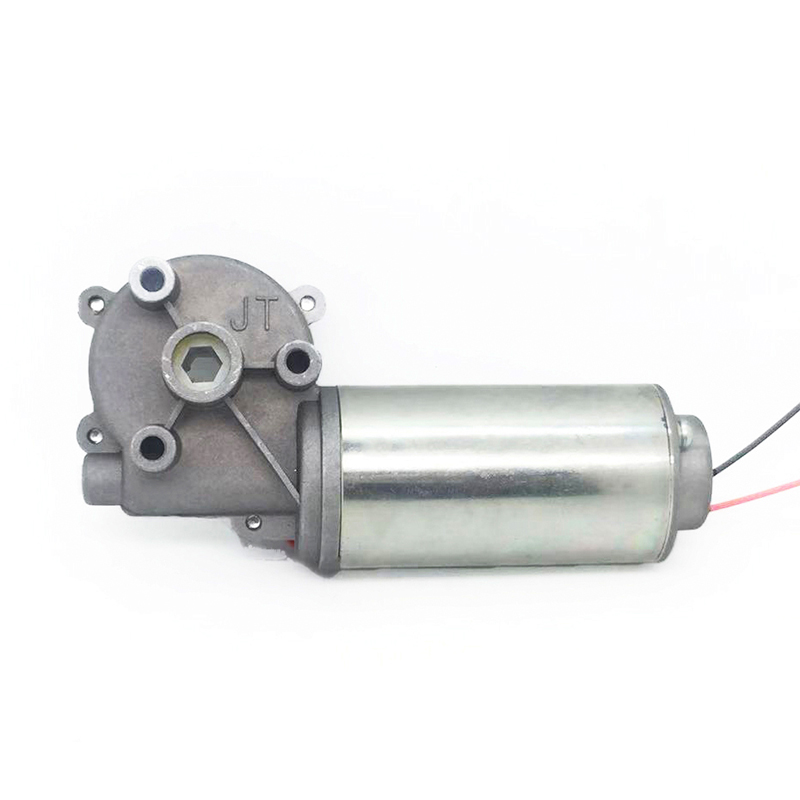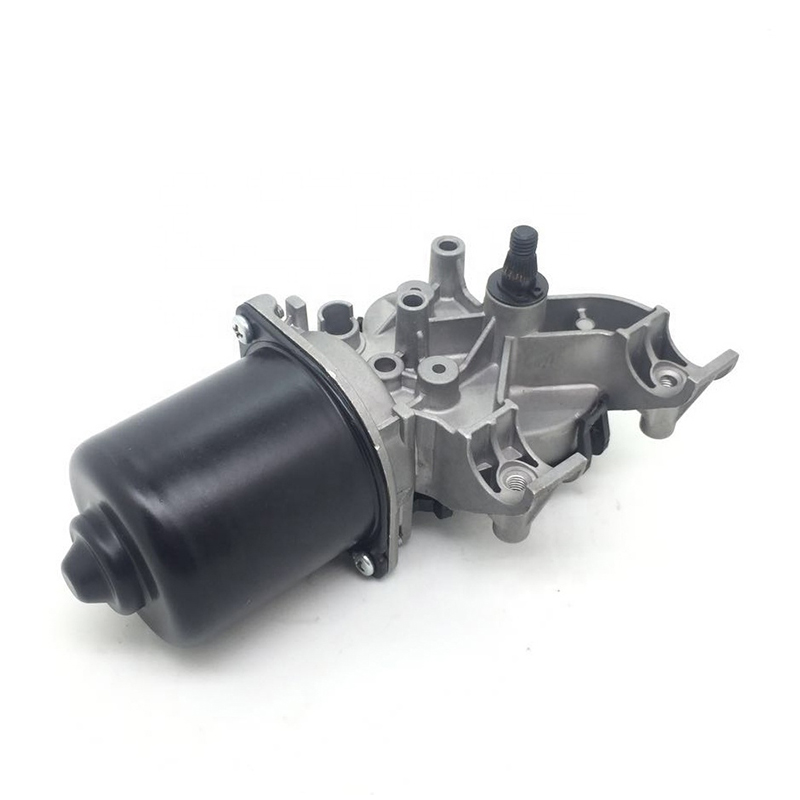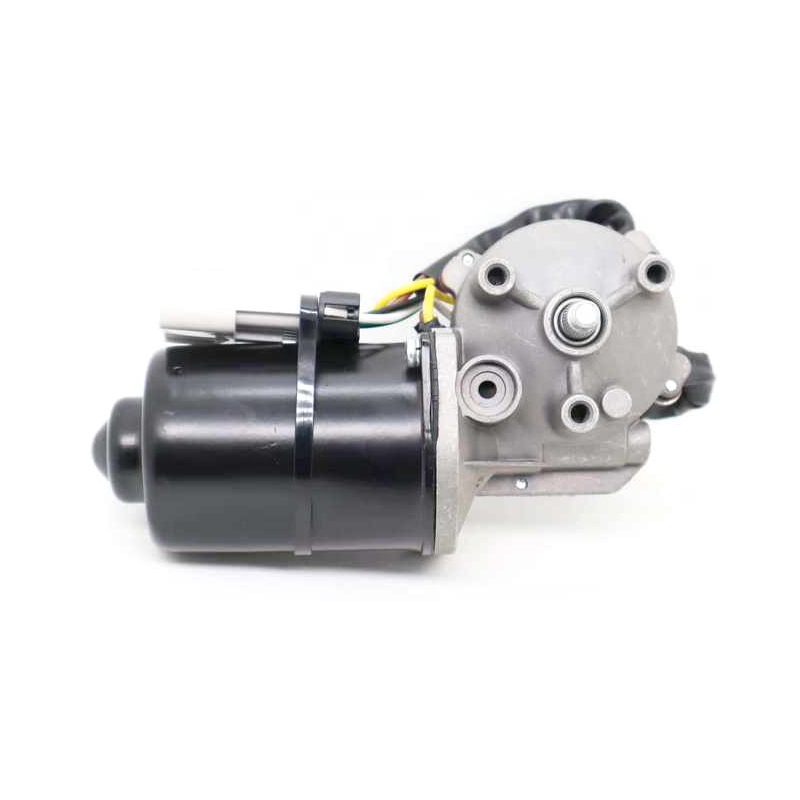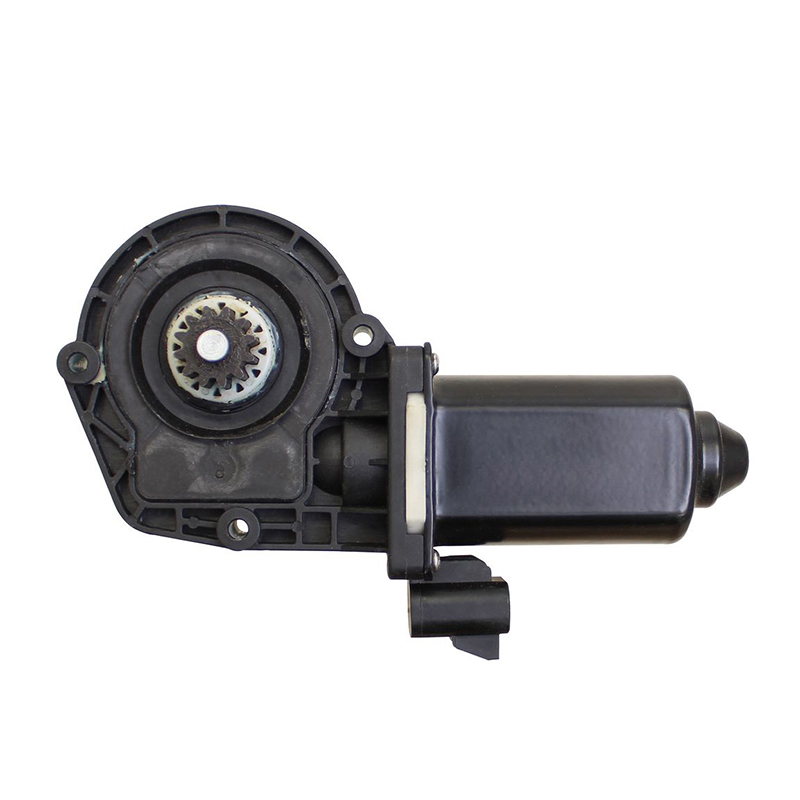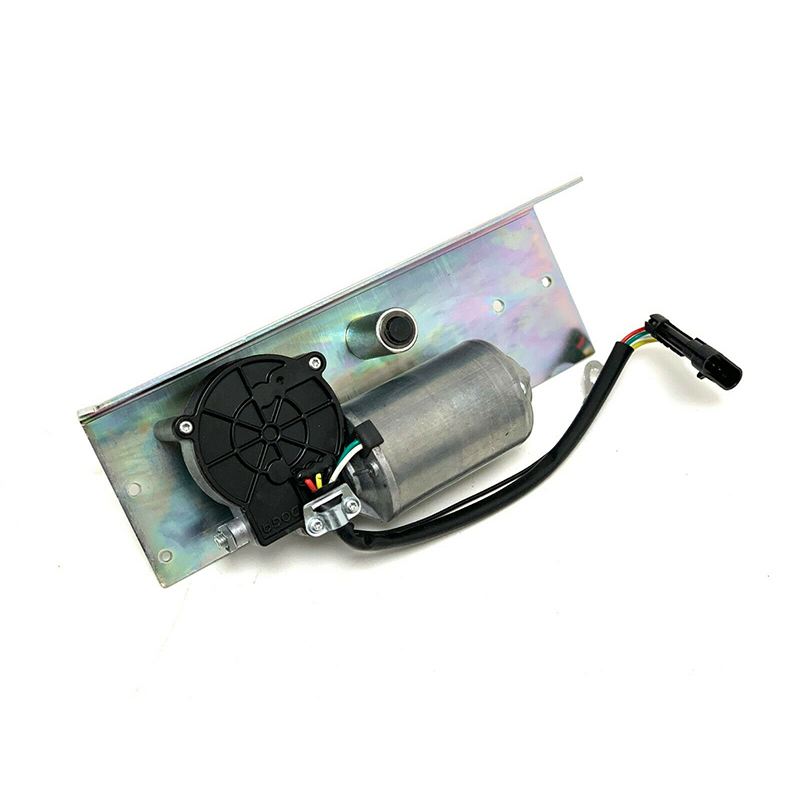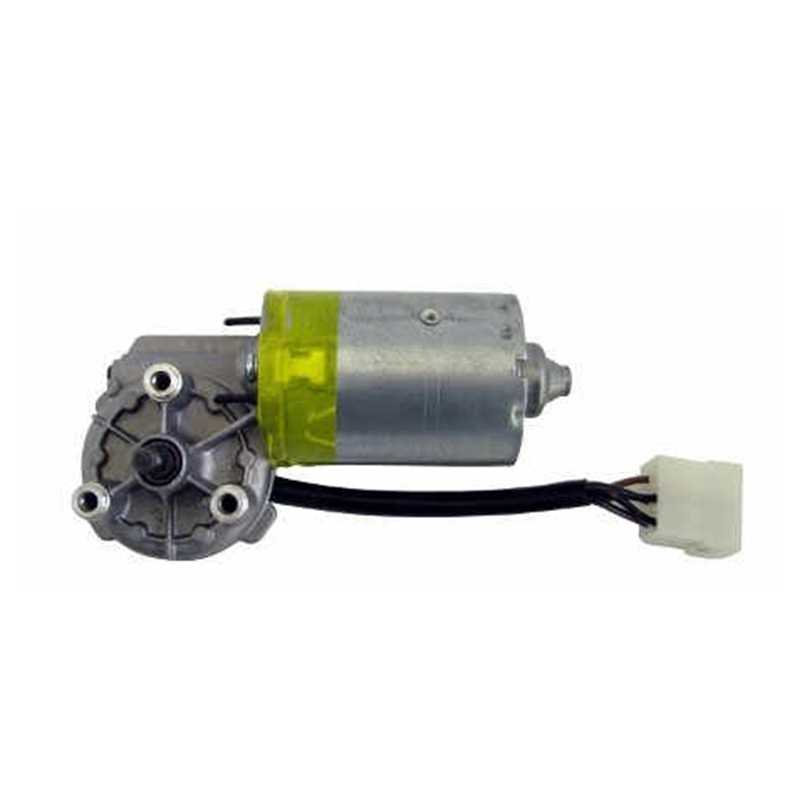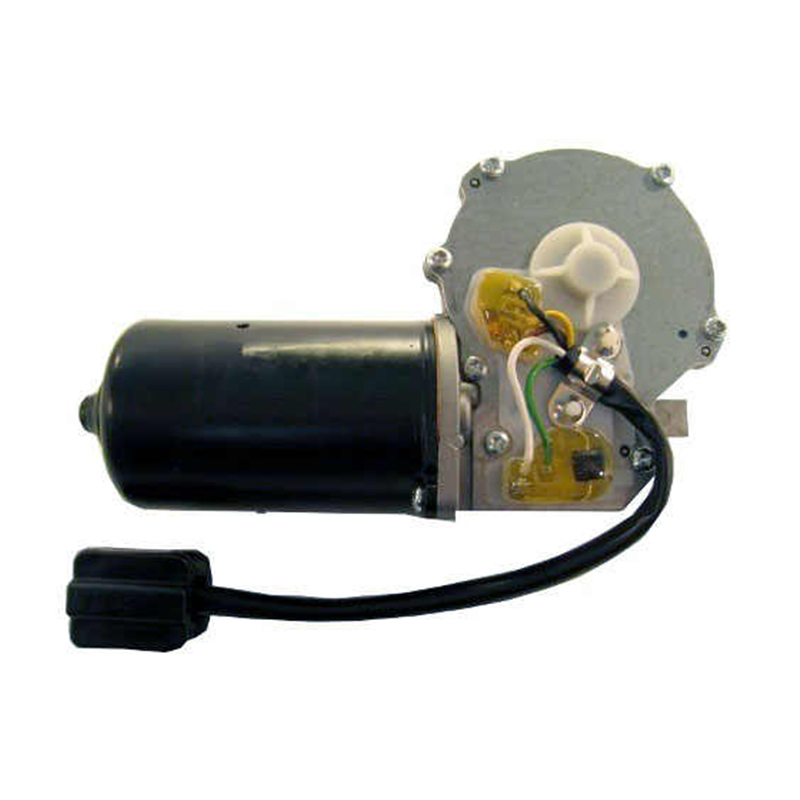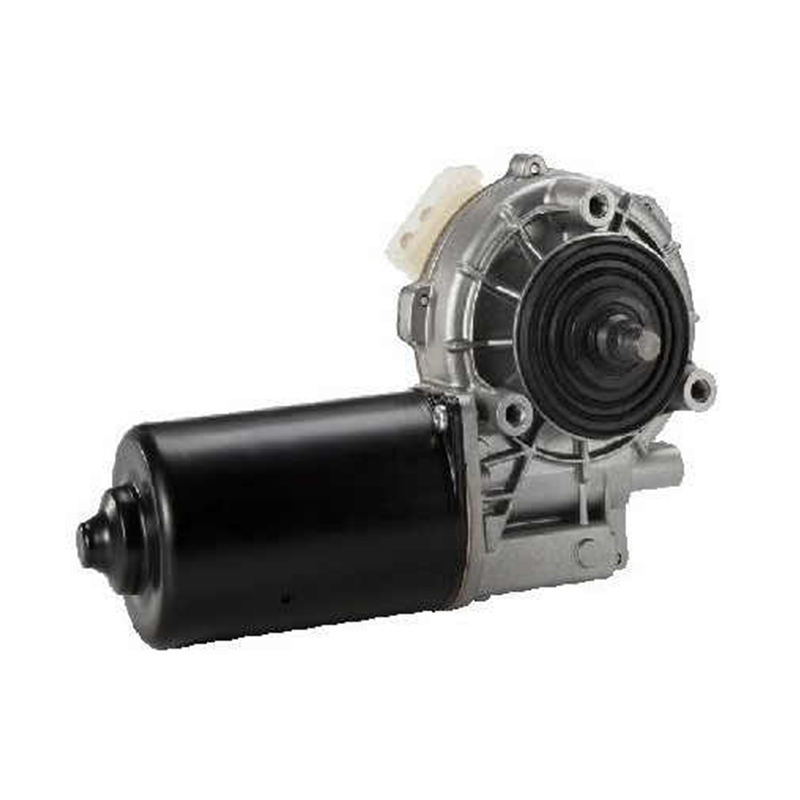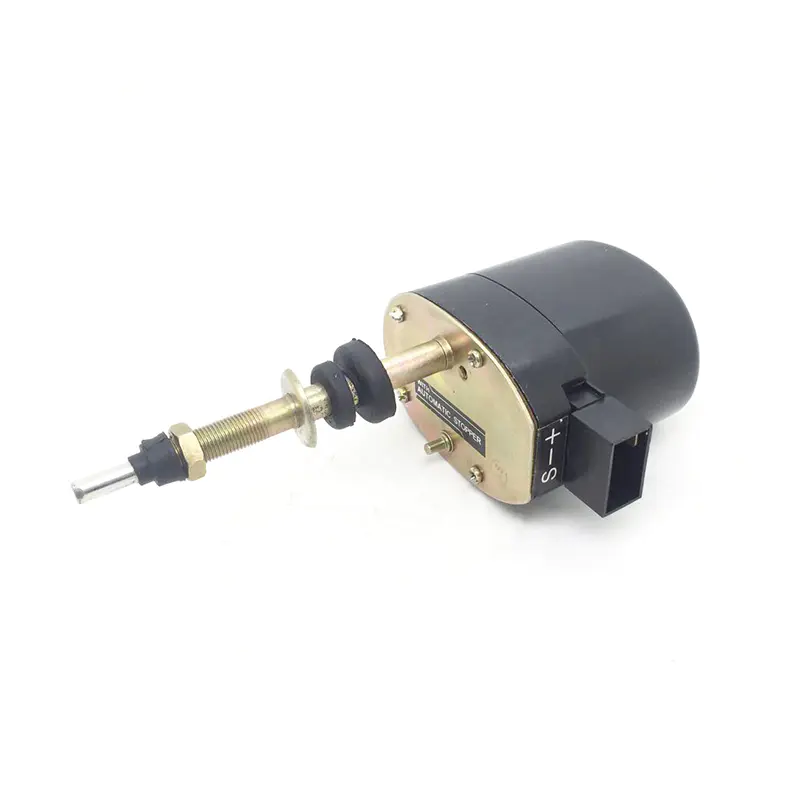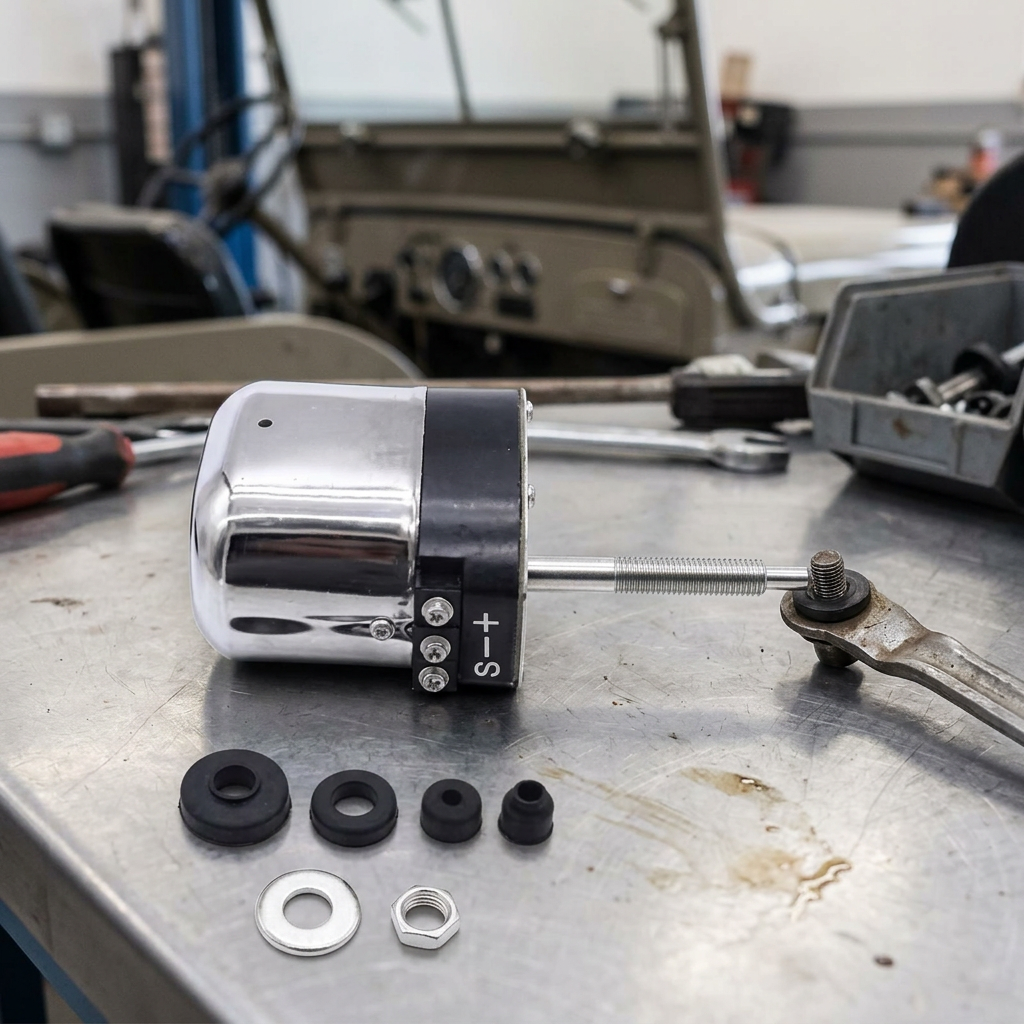
A windshield wiper may look like a simple moving arm swinging back and forth, but its movement depends on several parts working together behind the scenes. The motor provides the driving force, while the linkage, wiper arm, blade, and windshield surface create resistance that changes throughout operation depending on the weather outside.
This is why motor torque genuinely matters in a wiper system built for everyday driving. The motor needs to transfer enough turning force through the mechanism to move the wiper across the glass in a controlled way, rather than jerking or stalling mid-sweep. The demand isn't always the same from one drive to the next. Dry glass, rain, snow, dirt, and changes in blade contact can all affect how much effort the system genuinely requires at any given moment.
For a Wiper Motor Manufacturer, understanding these changing conditions matters when developing products for different vehicle applications on the road. A suitable Wiper Windshield Motor needs to work with the complete mechanism, rather than getting considered as an isolated component sitting on its own.
Motor torque describes the turning force produced by the motor itself. In a windshield wiper system, this force needs to travel through the drive mechanism before it ever reaches the wiper arm and blade sweeping across the glass.
The motor doesn't move the blade directly across the windshield in a straight line. Instead, its rotation gets transferred through connected parts that change the movement into the back-and-forth motion a driver actually sees during a rainstorm.
The basic relationship can get viewed through several parts working in sequence.
| System Part | Role in Movement |
|---|---|
| Wiper motor | Produces the driving force |
| Drive mechanism | Transfers motor movement |
| Linkage | Coordinates wiper arm movement |
| Wiper arm | Carries movement toward the blade |
| Wiper blade | Moves across the glass |
Each part influences the amount of force needed during operation on any given trip. If resistance increases somewhere in the system, the motor has to work harder just to maintain the intended movement across the glass. This makes torque a genuinely important consideration when the complete system gets designed from the start.
The motor produces rotational movement spinning in a circle, but the wiper blade needs a sweeping motion moving side to side instead. The mechanical connection between these parts handles transferring and changing that movement along the way.
The process can get described fairly simply once broken down. The motor begins rotating, and the drive section transfers that rotation onward through the mechanism. The linkage then converts the movement into a sweeping action that the wiper arm follows in turn, ultimately moving the blade across the windshield in front of the driver.
Every connection along this chain creates an opportunity for resistance to creep in. Friction, misalignment, wear, or an unsuitable connection can all affect how smoothly the movement gets transferred from one part to the next.
A motor may therefore have sufficient torque in isolation but still experience genuine difficulty if the rest of the system creates unnecessary resistance elsewhere. This is why motor selection needs consideration alongside the mechanical arrangement surrounding it, rather than in isolation.
Wiper resistance isn't constant throughout a drive. The blade may move easily across wet glass during a light rain but behave genuinely differently when the windshield turns dry or gets covered with other material like pollen or road grime.
The condition of the blade itself also matters quite a bit here. A blade that's grown stiff or damaged may create more resistance against the glass than a fresh one would under the same conditions.
Several factors can influence the load on the system at any given moment.
| Condition | Possible Effect on Wiper Movement |
|---|---|
| Wet windshield | Can reduce resistance during normal wiping |
| Dry glass | May increase contact resistance |
| Dirt on glass | Can make movement less smooth |
| Snow or heavy buildup | Can place additional load on the system |
| Aged blade | May increase friction or uneven contact |
| Cold conditions | Can change blade flexibility and surface behavior |
These changes explain why a wiper motor can't get considered under only one operating condition and called done. The system needs to handle normal changes without making the driver constantly aware of the motor itself grinding away underneath the hood.
Starting movement can create a genuinely different demand from simply maintaining movement once it's underway. When the wiper blade rests on the windshield between uses, the system needs to begin moving the arm and blade from a completely stationary position.
If the blade sits pressed against a surface with significant resistance, the motor needs to provide enough turning force to actually begin that movement in the first place. This proves especially relevant when the windshield isn't in a favorable condition to start with.
A dry windshield may create greater resistance than a wet surface would under the same push. Snow or ice can create another type of load entirely if the wiper gets operated before the glass has been properly cleared first.
The motor therefore needs to work alongside the mechanical design to handle that starting condition appropriately every time. For manufacturers, this means considering the beginning of the wiping cycle specifically, rather than looking only at movement after the blade is already traveling smoothly across the glass.
The torque produced by the motor is only genuinely useful if it can get transferred through the system efficiently from start to finish. Every connection between the motor and blade affects how the movement actually reaches that final component out at the edge of the glass.
A loose connection can introduce unwanted movement that wastes energy along the way. Excessive friction can absorb part of the available force before it ever reaches the blade. Poor alignment can make the whole system genuinely harder to move than it should be.
The transmission path can include the motor output feeding into the drive connection, which then passes through linkage joints toward the wiper arm connection. From there, it reaches the blade contact with the glass itself.
These points work together as a chain rather than isolated stops. A problem in one area can influence the behavior of the whole system downstream. A Wiper Windshield Motor therefore needs matching with the mechanical structure it drives, with motor torque and mechanical resistance considered together during product development rather than separately.
The linkage changes the motor's rotation into the sweeping motion of the wiper arms moving across the glass. Its geometry affects how the force gets distributed during that movement from one side to the other.
As the wiper changes direction mid-sweep, the relationship between the connected parts also changes along with it. The motor may therefore experience genuinely different levels of resistance at different points throughout a single wiping cycle.
A suitable linkage arrangement helps the motor transfer movement in a controlled way without sudden jolts. Manufacturers can examine joint condition for how it affects smooth movement, alongside alignment that helps reduce unnecessary resistance building up.
Connection strength matters for supporting reliable force transfer, while movement range determines how far the blade actually travels across the glass. Mechanical balance ties into all of this by influencing overall motor load throughout the cycle.
| Linkage Consideration | Why It Matters |
|---|---|
| Joint condition | Affects smooth movement |
| Alignment | Helps reduce unnecessary resistance |
| Connection strength | Supports reliable force transfer |
| Movement range | Determines how the blade travels |
| Mechanical balance | Influences motor load |
The linkage shouldn't get viewed as some secondary component tucked out of sight. Its condition can directly influence how much of the motor's available force actually reaches the wiper arms in the end.
A dry windshield creates a genuinely different operating condition from normal rain falling on the glass. The blade may drag more heavily across the surface, particularly when the rubber edge makes direct contact with dry glass rather than a wet film.
This increases resistance and can make the movement feel genuinely less smooth to anyone watching from inside the car. Repeated operation under such conditions may place additional demand on the motor and mechanical connections over time.
It can also increase wear on the blade itself as it drags repeatedly. For this reason, the condition of the glass and blade should get considered when discussing motor load in any real sense.
A wiper system gets designed for practical weather use, but the surrounding conditions still influence how much force the mechanism actually requires during each cycle it completes.
Rain usually changes the contact between the blade and windshield in a noticeable way. Water can help the blade move across the glass more smoothly, although the amount of resistance still depends on the blade condition, glass surface, and amount of water present at that moment.
Light rain and heavy rain can also create genuinely different operating habits behind the wheel. A driver may use slower wiping during a light drizzle and switch to faster movement when visibility drops during a heavier downpour.
This means the motor may operate through genuinely different movement patterns during the same single journey. A suitable system needs to maintain controlled motion as the wiping speed changes back and forth. The motor, linkage, and blade should continue working together rather than creating sudden or uneven movement that catches the driver's attention.
Snow and ice can create a genuinely more demanding condition for a windshield wiper than rain ever does. Material can build up around the blade and windshield, increasing resistance considerably before normal wiping can even begin.
If a blade sits frozen to the glass overnight, attempting to move it can place additional stress on the motor and mechanical connections right from the first push. This is why vehicle users generally get advised to clear snow and ice before operating the wipers whenever conditions call for it.
The wiper system is intended to move across the windshield, rather than act as a tool for removing heavy frozen material stuck to the glass. From a product development perspective, these conditions still matter because they show how sharply the load on the system can shift from one morning to the next.
The wiper blade is the part that directly contacts the windshield with every pass. Its condition therefore has a genuinely clear relationship with the resistance experienced by the rest of the system behind it.
A flexible blade can follow the glass more naturally as it sweeps across. A worn or hardened blade may behave differently and create uneven contact that the motor has to push through unevenly.
The blade may also collect dirt or other material during regular use on the road. This can affect movement and may create additional resistance that builds up gradually over weeks.
Manufacturers and vehicle users can therefore consider blade condition alongside motor condition rather than treating them separately. A motor shouldn't get expected to compensate for every problem caused by a worn blade, damaged linkage, or poorly maintained windshield sitting in front of it.
Wiper speed and motor torque are related concepts, but they describe genuinely different parts of system behavior underneath the hood. Torque concerns the motor's ability to produce turning force, while speed describes how quickly the wiper actually completes its movement across the glass.
A system needs a suitable balance between the two working in tandem. When resistance increases from dry glass or heavy grime, maintaining the intended movement may require greater motor effort than usual to keep pace.
If the motor can't respond appropriately to that changing load, the wiping motion may become slower or genuinely less consistent from one pass to the next. This can become noticeable when weather conditions shift partway through a drive.
A well-matched system allows the motor and mechanical components to work together smoothly as operating conditions change around them throughout the trip.
A Wiper Motor Manufacturer needs to look beyond the motor body itself when developing a product for vehicle use out on the road. The surrounding system determines how the motor's torque will actually get used once installed.
Development can include load assessment that considers the resistance created by the wiper mechanism and blade together. Torque transmission review comes next, checking how motor movement travels through each connection along the chain.
Weather conditions deserve attention too, considering changes caused by rain, dry glass, snow, and other surface conditions the vehicle might encounter. Mechanical coordination matters for checking whether the motor and linkage work together smoothly without fighting each other.
Repeated operation testing examines how the system behaves during regular wiping cycles over time, while installation requirements ensure the motor can get integrated properly into the intended vehicle system without complications. This broader approach helps manufacturers understand how a motor will behave in practical applications, rather than evaluating it separately from the rest of the wiper system around it.
A China Wiper Motor may get supplied for different vehicle applications across various markets, which means the motor needs to correspond with the mechanical arrangement in which it will actually operate day to day.
Different windshield sizes, wiper arm arrangements, linkage structures, and operating habits can create genuinely different load conditions from one vehicle to another. A motor intended for one application shouldn't automatically get treated as a direct replacement for another without checking first.
Compatibility involves more than simple physical installation bolted into place. Buyers can consider whether the motor connection matches the vehicle system it's going into, and whether the linkage movement arrangement proves compatible with what's already there.
Checking whether the motor can provide suitable movement for the wiper arms matters too, alongside confirming the operating pattern supports the intended wiping modes the vehicle offers. Weather exposure deserves a look as well, considering whether the application involves changing resistance the motor needs to handle.
| Application Area | Question to Consider |
|---|---|
| Motor connection | Does it match the vehicle system? |
| Linkage | Is the movement arrangement compatible? |
| Wiper arms | Can the motor provide suitable movement? |
| Operating pattern | Does the system support the intended wiping modes? |
| Weather exposure | Can the application involve changing resistance? |
Clear communication between manufacturers and buyers can help reduce compatibility problems that might otherwise surface during installation on the assembly line.
Friction exists throughout a wiper system from one end to the other. Joints, connections, moving parts, and the blade itself can all contribute to resistance building up during operation.
A small amount of resistance stays genuinely normal in any mechanical system like this one. The concern comes when friction becomes higher than expected or changes because of wear, contamination, or poor alignment creeping in over time.
Excessive friction can require genuinely more effort from the motor than the design intended. It may also make movement noticeably less smooth to anyone paying attention from the driver's seat.
Regular inspection of mechanical connections can therefore support the overall operation of the system as a whole. When troubleshooting a wiper system, checking the motor alone may not reveal the actual cause of a problem. The linkage, arm, blade, and mounting points should also get considered before pointing fingers at any one part.
Motor torque has a genuine relationship with durability because repeated force travels through the system during every single wiping cycle it completes. If the mechanical arrangement creates unnecessary resistance somewhere along the chain, the motor and connected parts may experience additional stress accumulating over time.
A suitable design distributes the required movement across the system, rather than placing excessive demand on one single component that wears out faster than the rest. This is why durability evaluation can include repeated wiping movement alongside changing resistance patterns.
Linkage operation matters here too, along with motor response and connection stability throughout the mechanism. Blade contact with the glass rounds out the picture worth checking regularly.
The purpose is understanding how the complete system behaves under regular use over months and years of driving. A motor that operates smoothly under changing loads can contribute to a genuinely more stable wiper mechanism, while other components still need proper design and maintenance to hold up their end.
When a wiper system moves slowly, stops unexpectedly, or behaves unevenly during use, torque is one possible area worth considering. The motor shouldn't get blamed right away without checking the rest of the mechanism first, though.
Troubleshooting can begin with simple observations anyone can make from the driver's seat. The blade condition can get checked for wear, and the windshield can get inspected for grime or damage. Linkage joints can get examined for unusual resistance building up somewhere along the chain.
Electrical connections and motor operation can also get reviewed according to the vehicle manufacturer's procedures laid out in the manual. A useful troubleshooting sequence may start by observing the wiper movement itself, then checking the blade and windshield condition together.
Inspecting accessible mechanical connections comes next, followed by reviewing the linkage for unusual resistance anywhere in the chain. Checking the motor and its connections rounds things out, with a final test of the system after addressing whatever issue turned up. This approach helps distinguish motor-related problems from resistance created elsewhere in the system entirely.
A windshield wiper motor needs to operate within a genuinely changing environment from one drive to the next. The glass may be wet, dry, dirty, or affected by cold weather depending on the season. The blade may also change condition gradually as it gets used over time.
For a Wiper Motor Manufacturer, this means torque should get considered as part of a larger system, rather than as an isolated product feature sitting on a spec sheet. The motor must transfer its movement through the drive mechanism, linkage, and wiper arm while responding to changing resistance in real time.
At the same time, the surrounding components need to support smooth movement and suitable contact with the windshield throughout every drive. This system-level view makes it genuinely easier to understand why torque matters in practice, rather than as an abstract number.
It isn't simply about producing more force for its own sake. It's about providing suitable force for the actual movement, resistance, and operating conditions the wiper system experiences on the road, day after day, in whatever weather comes along.
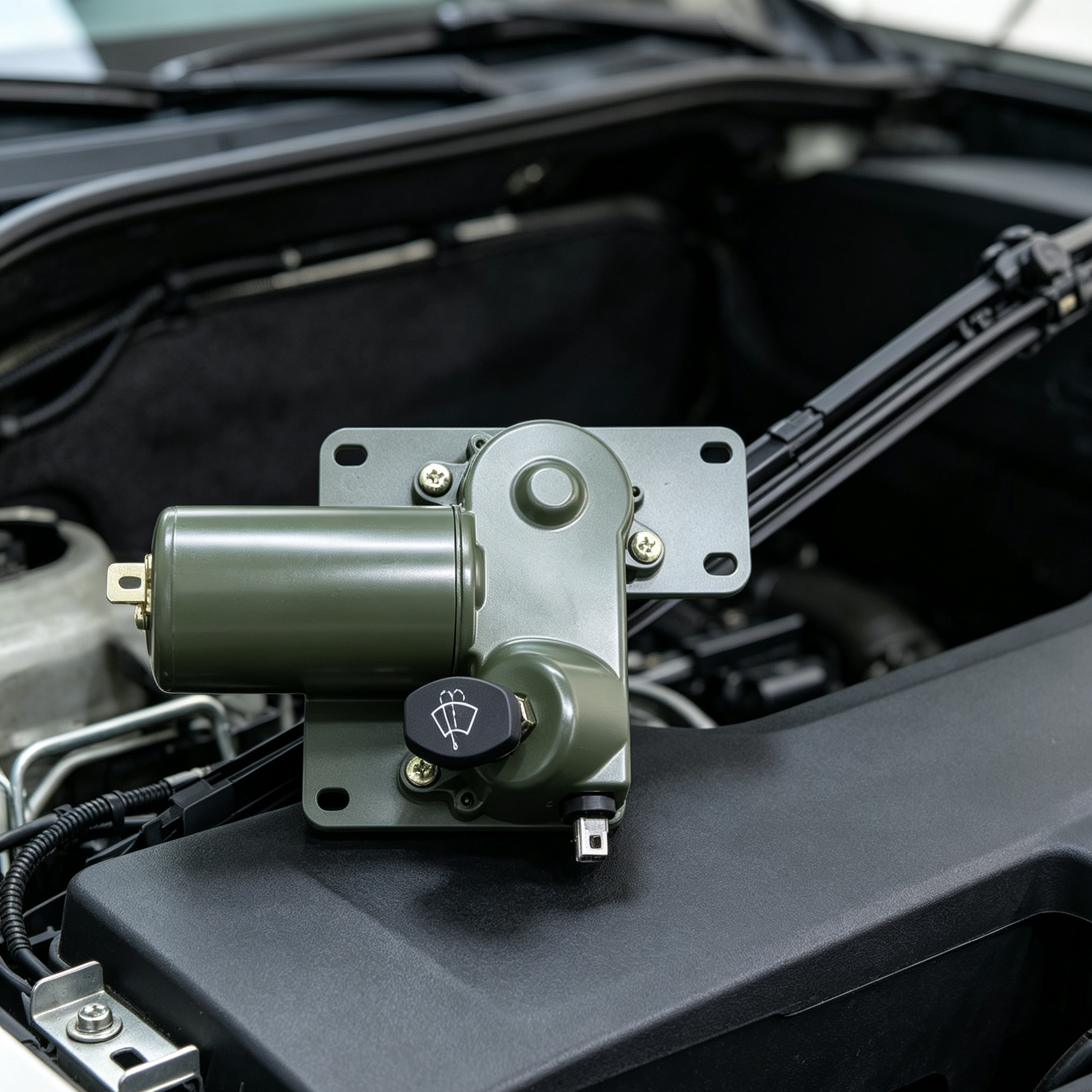

Tel:+86-0577-66009580
Mobile: +86-18858801083
E-mail:juntmotor@126.com
Whatsapp:+8618858801083
WeChat: +86-18858801083
 WeChat

Automotive Reduction Motors Manufacturer

 +86-0577-66009580
 juntmotor@126.com
 Language
  English
 Português