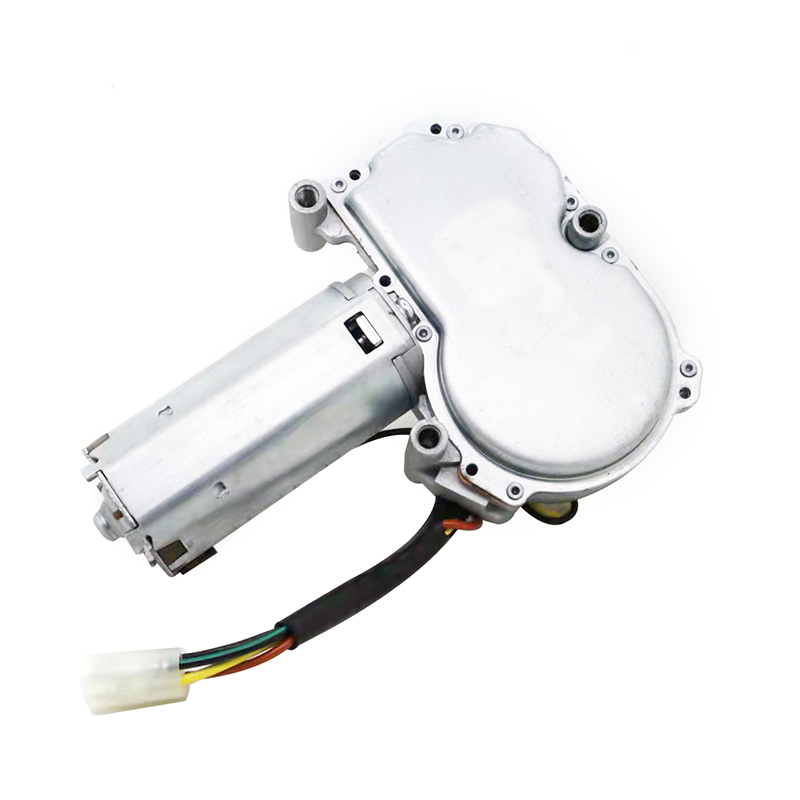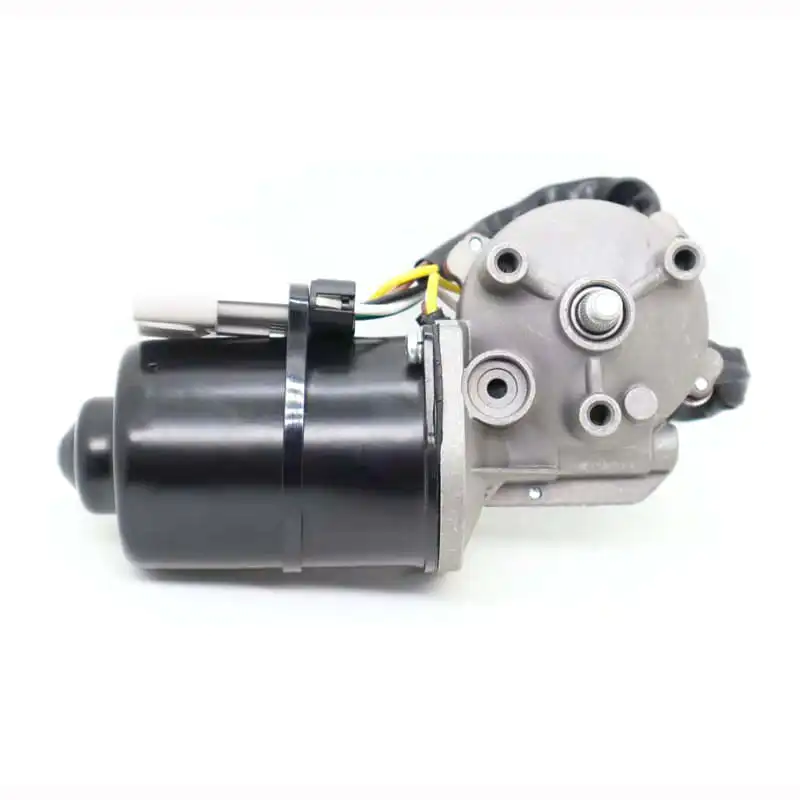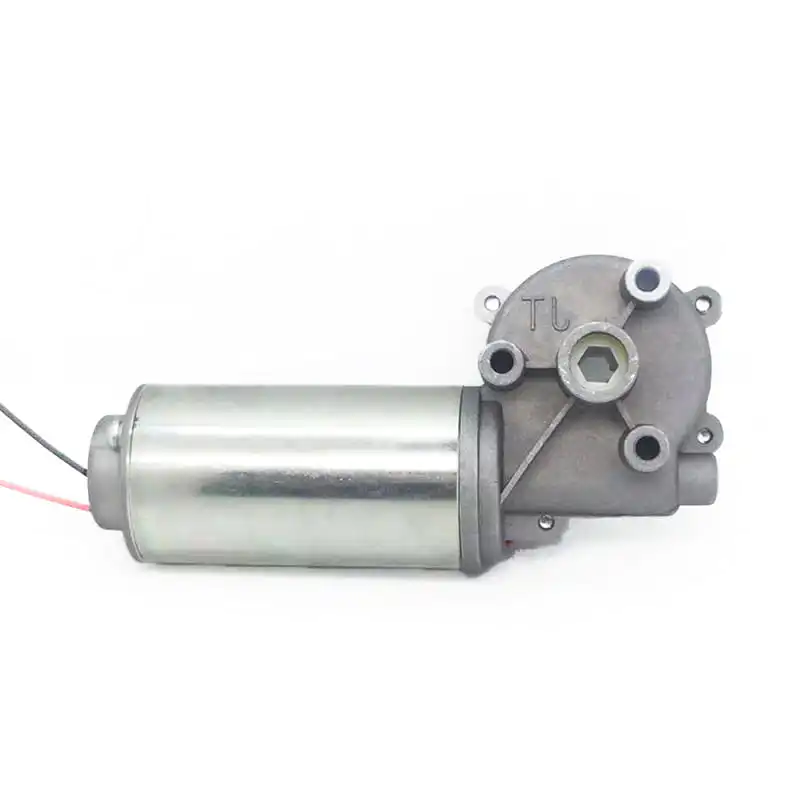
Motor technology affects a fan’s energy use, airflow control, operating noise, maintenance, and total ownership cost. For manufacturers sourcing motors for HVAC systems, industrial ventilation, refrigeration, or appliances, the main options are alternating-current (AC), brushless DC (BLDC), and electronically commutated (EC) motors.
These terms can overlap: many EC motors use brushless permanent-magnet technology, while BLDC often emphasizes the motor and its electronic commutation. Buyers should compare the complete motor-and-control solution for the intended application. A capable Fan Motor Factory should provide performance data and application guidance, not only a price.
When an AC Fan Motor Makes Sense
AC motors are established choices for exhaust fans, basic ventilation, and cost-sensitive equipment. Depending on the design, they can offer straightforward installation and broad availability. Some models connect directly to a compatible AC supply, keeping controls simple.
Performance varies by design. Shaded-pole motors are often inexpensive but can be less efficient than alternatives. Induction motors may suit continuous operation. Speed control also depends on the motor: some AC designs require a compatible controller or variable-frequency drive.
Consider AC technology when the fan runs at a fixed speed and measured efficiency meets the project target. Compare input power, starting behavior, temperature rise, noise, and performance at the required operating point. The “AC” label alone does not establish suitability.
Benefits of BLDC Motor Technology
Brushless DC motors use electronic commutation instead of mechanical brushes. Permanent magnets and electronically controlled windings support efficient operation and speed adjustment. BLDC motors are common in air purifiers, compact ventilation systems, appliances, and fans that change airflow according to demand.
When a fan runs at reduced speed for long periods, a well-matched BLDC motor and controller can reduce energy use. Electronic control may also support soft starting, speed feedback, and sensor-based operation.
The trade-off is the need for compatible electronics. Consider controller cost, wiring, electromagnetic compatibility, cooling, and serviceability. If the controller is supplied separately, validate the motor and controller together across the expected speed and load range.
What EC Motors Add to a Fan System
EC means “electronically commutated.” In fan applications, an EC motor commonly combines a brushless motor with integrated drive electronics. Depending on the model, speed may be controlled through a voltage signal, PWM, or a digital interface.
EC fan motors are often used in commercial HVAC and demand-controlled ventilation. Integrated control can simplify wiring and adjust airflow as conditions change. Initial cost may be higher than for a basic AC motor, and the electronics must suit the site's temperature, humidity, vibration, and electrical conditions. An integrated drive failure may require replacement of a larger assembly.
Because EC and BLDC terminology varies among manufacturers, ask what is included: motor, driver, control interface, sensors, and accessories.
Compare the Options Before Requesting a Quote
| Factor | AC motor | BLDC motor | EC motor |
|---|---|---|---|
| Initial cost | Often economical for basic designs | Varies with motor and controller | Often higher than basic AC options |
| Speed control | Depends on motor and external controls | Electronic controller required | Often integrated |
| Efficiency | Depends on design and load | Often high when correctly matched | Often high at variable speeds |
| Integration | Simple for fixed-speed use | Requires motor-controller coordination | Can simplify control wiring |
| Typical applications | Basic exhaust and ventilation | Compact variable-speed fans | Commercial HVAC and demand-based airflow |
These are general tendencies, not guarantees. Actual efficiency depends on the motor, drive, fan impeller, and operating point as a complete system.
Match the Motor to the Operating Conditions
Start with required airflow and static pressure. Rated motor wattage does not prove that the fan will deliver the required air volume against system resistance. Request the fan performance curve and identify the operating point. Then consider daily operating hours, speed range, power supply, ambient temperature, mounting space, and noise limits.
For fixed-speed equipment with tight cost constraints, AC may be sufficient. BLDC is worth evaluating when speed changes frequently or compact efficiency matters. EC can be attractive when integrated control and connection to a building-management system are useful.
For fans that run many hours, compare lifecycle costs instead of purchase price alone. Estimate energy use using realistic operating profiles, then include controller cost, installation, maintenance, and service life. Base projected savings on supplier data or testing, not assumptions.
What to Verify With a Fan Motor Factory
Request model-specific documentation, including rated voltage and frequency, input power, speed range, efficiency, temperature-rise limits, insulation class, ingress protection, and control requirements. For the full fan assembly, request airflow and static-pressure curves and acoustic data with stated test conditions.
Confirm mounting dimensions, shaft or impeller fit, wiring, and connectors. Check required protection features and certifications for the destination market. Clarify sample testing, production quality checks, lead times, warranty terms, and replacement-part availability.
Before approving mass production, test a representative sample under realistic conditions. Verify airflow, power consumption, temperature, vibration, and noise. Testing can reveal mismatches that a nameplate or brief datasheet may not show.
Choose Based on Total Performance
AC motors can suit simple, cost-sensitive operation. BLDC motors offer flexible electronic control and strong efficiency potential, while EC motors may simplify integration by combining motor and drive. The right option depends on the application and the performance of the complete fan system.
When sourcing from a Fan Motor Factory, compare documented performance, control compatibility, service requirements, and lifecycle cost. A clear specification and validated sample help buyers select a motor that meets reliability and performance targets.

Tel:+86-0577-66009580
Mobile: +86-18858801083
E-mail:juntmotor@126.com
Whatsapp:+8618858801083
WeChat: +86-18858801083
 WeChat

Automotive Reduction Motors Manufacturer

 +86-0577-66009580
 juntmotor@126.com
 Language
 English
 Português