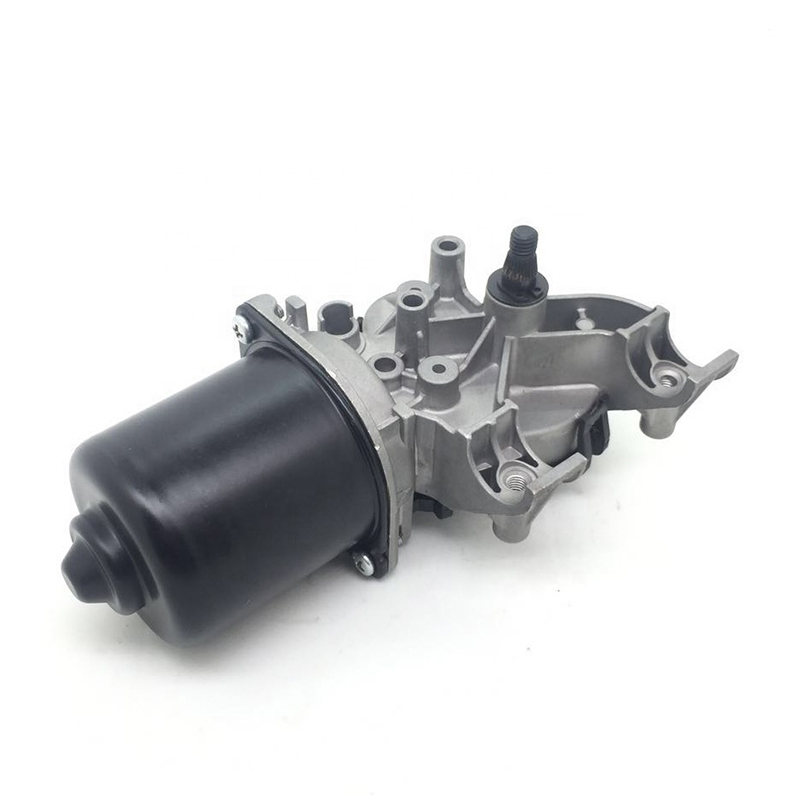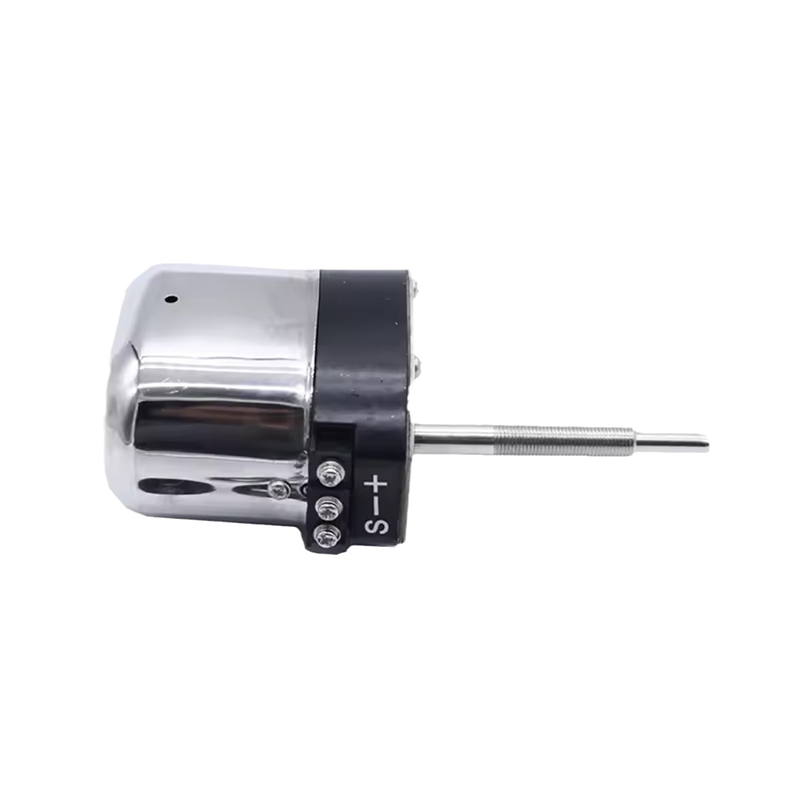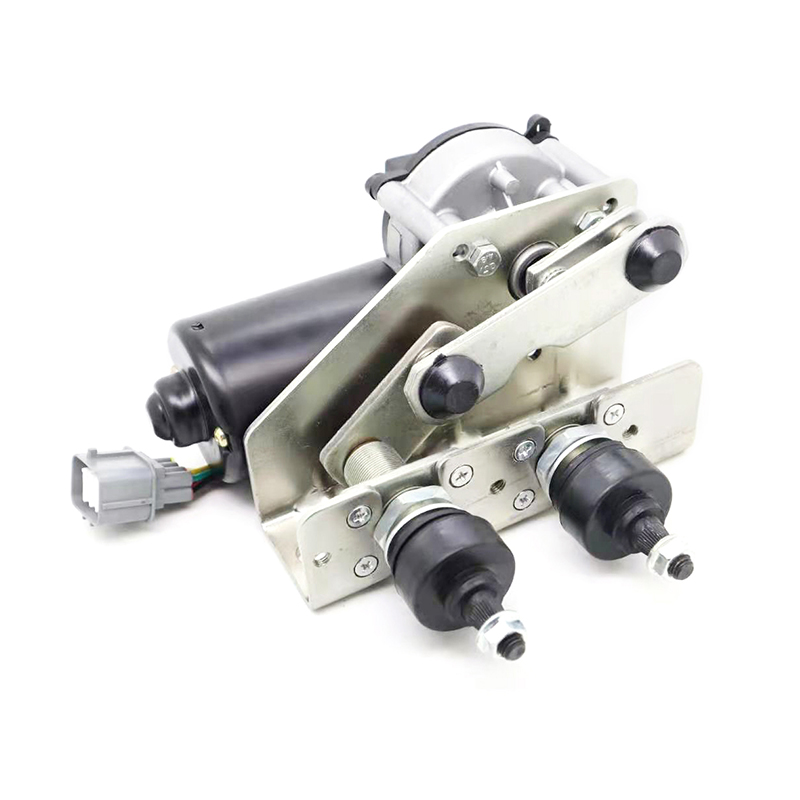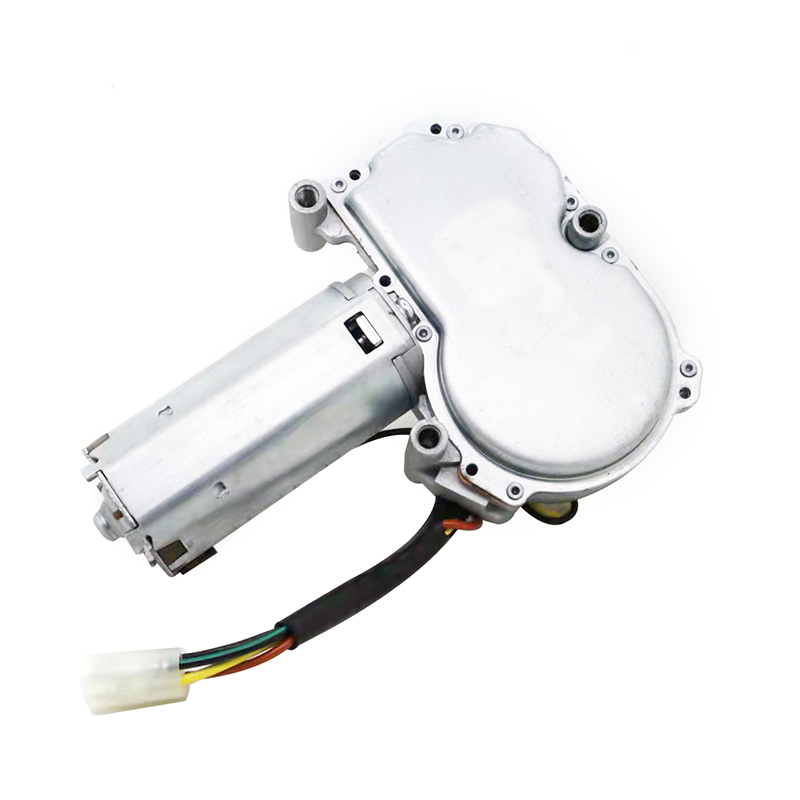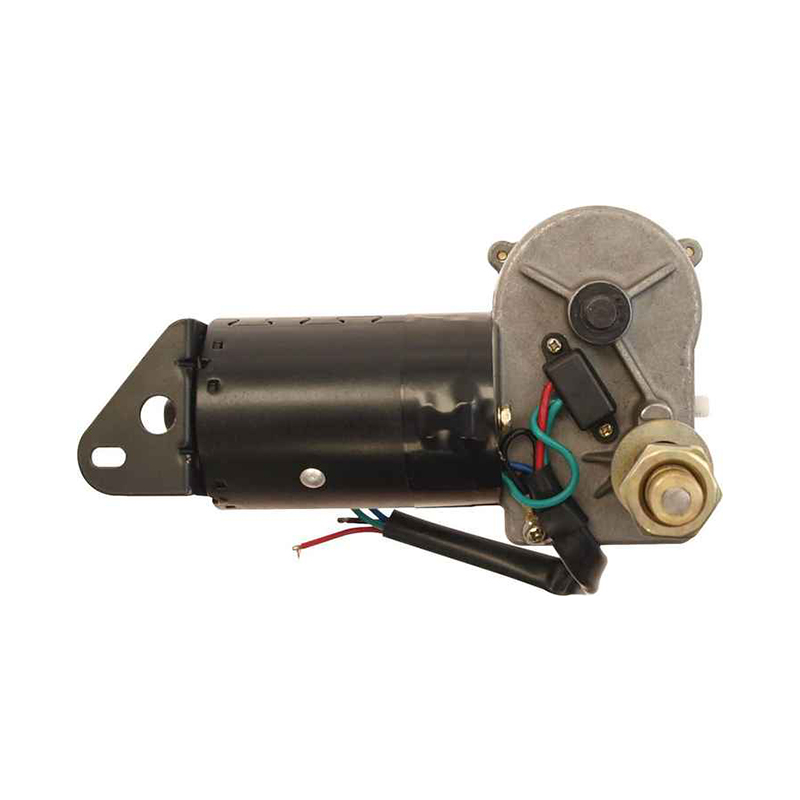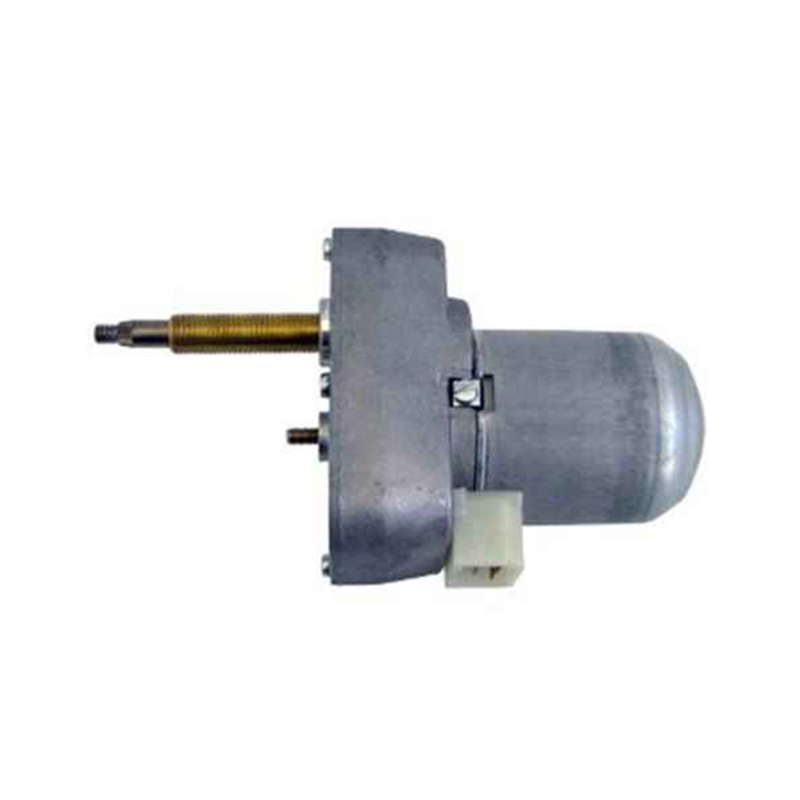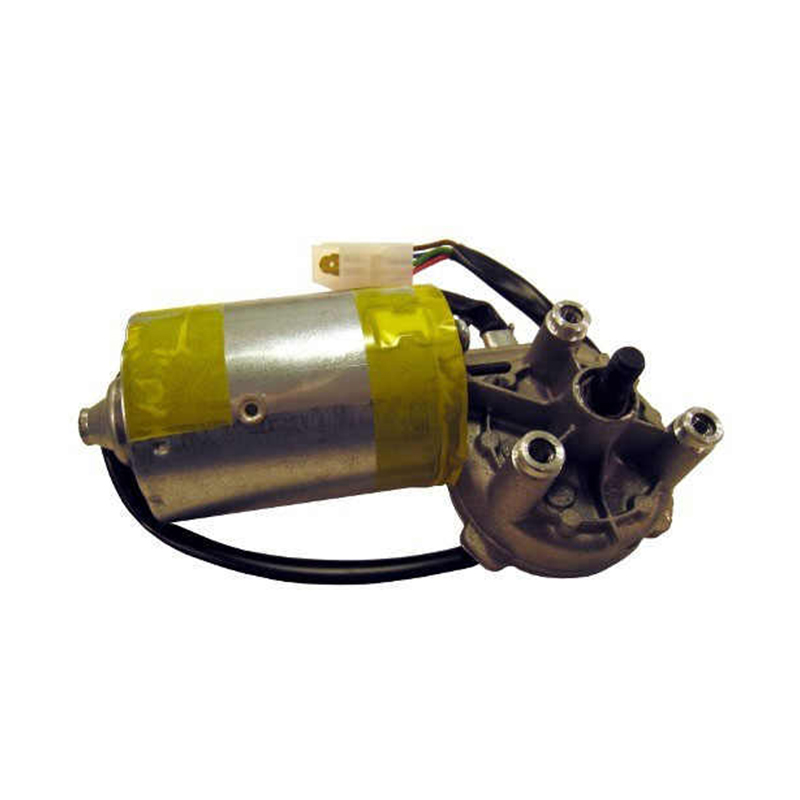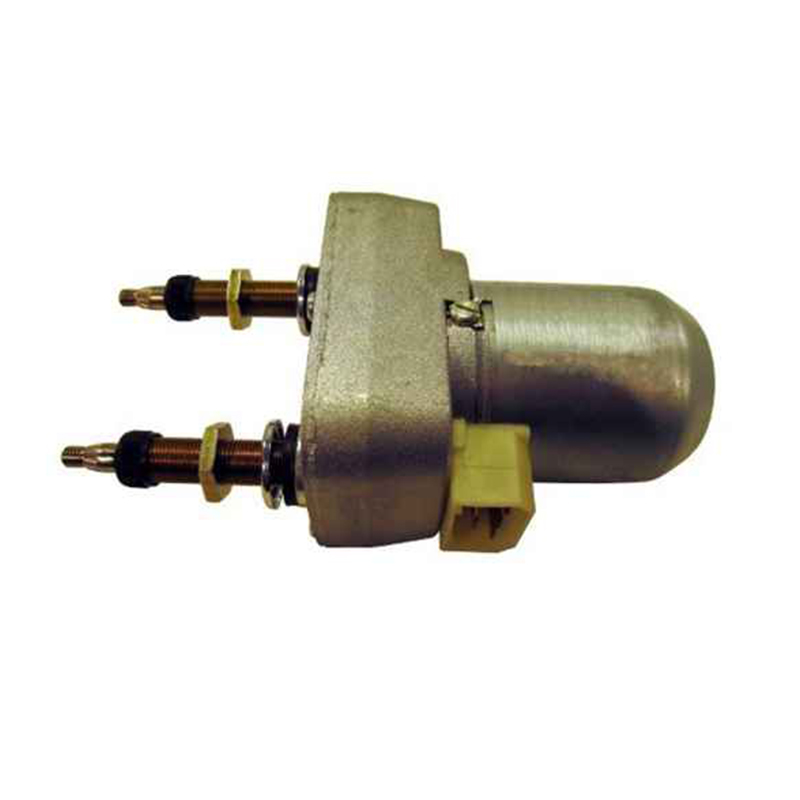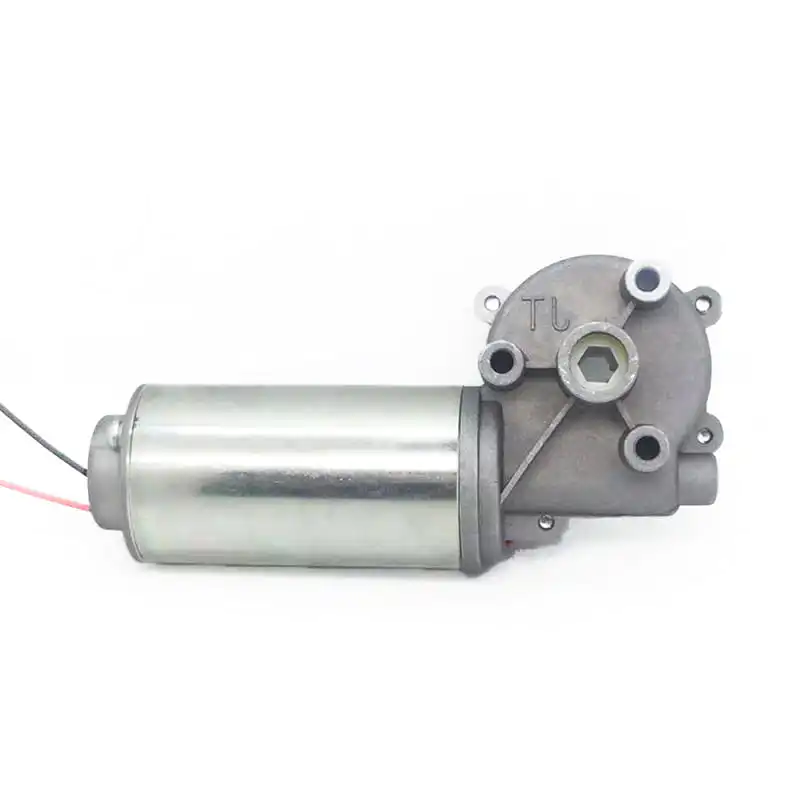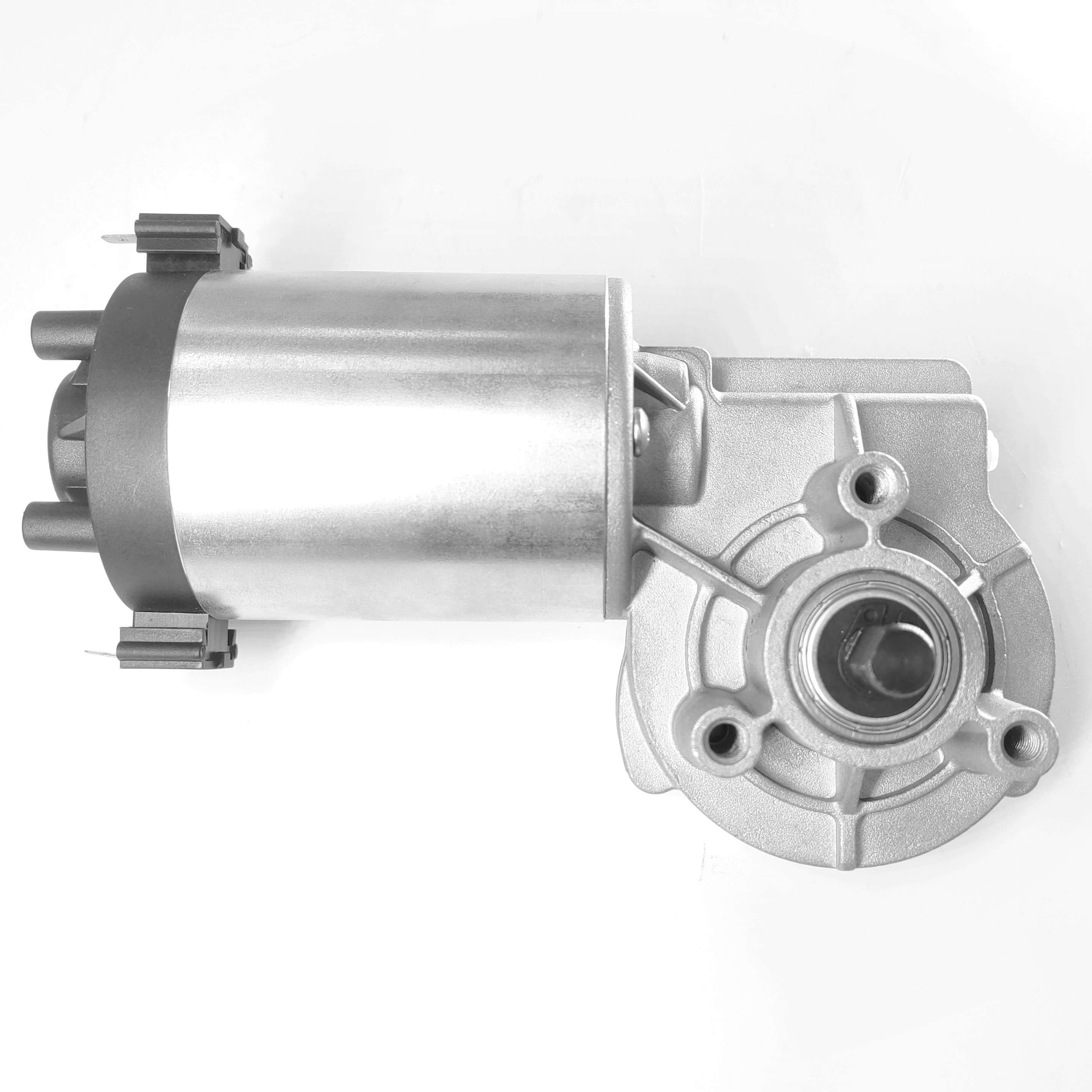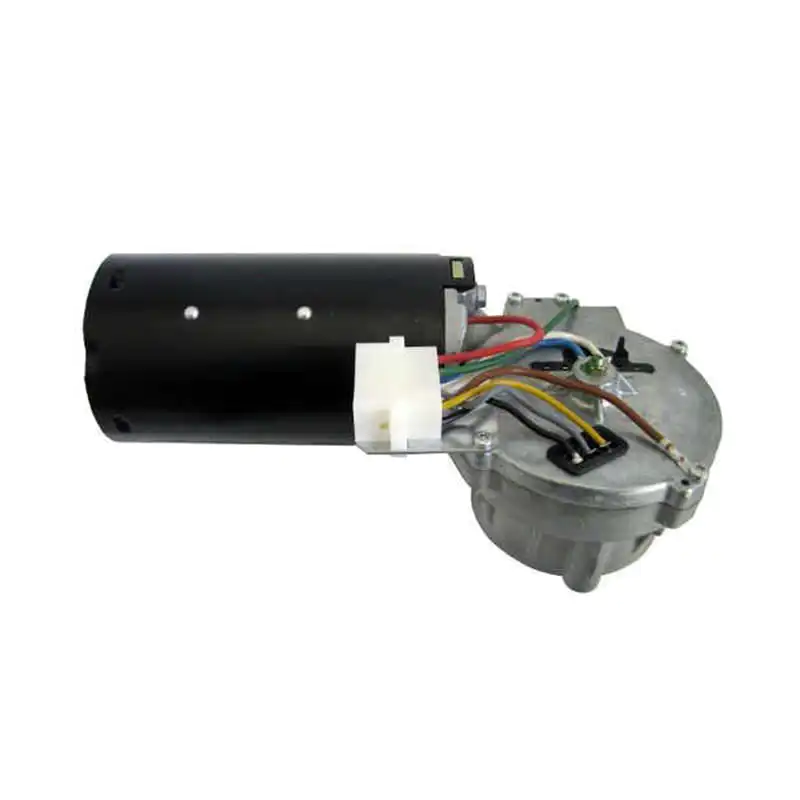
A front wiper motor should run quietly enough that its operation barely attracts attention. When it starts clicking, grinding, or shaking, something has changed inside the drive system. The motor may have worn gears or bearings, but the noise can just as easily come from a loose linkage or wiper blades dragging across the glass.
Replacing the motor straight away isn't always the answer. Several faults produce very similar symptoms, so it helps to know where to look before taking the assembly apart.
Worn Gears Inside the Motor
Most front wiper motors use a reduction gear to turn the motor's fast rotation into the slower movement needed by the wiper arms. The gears work every time the wipers are switched on, and wear gradually develops at the points where their teeth engage.
A clicking sound may mean the teeth are damaged or have developed too much clearance. Grinding is more likely when the gear surfaces are badly worn or lubrication has deteriorated. Knocking can occur when internal parts become loose.
Pay attention to when the noise occurs. A click each time the wipers reverse direction, for example, may point to excessive clearance in the drive mechanism.
Gear material, tooth profile, machining accuracy, and lubricant all influence how quietly the motor runs. Poor tolerances can cause noise even when the motor is relatively new.
Bearing Wear and Shaft Movement
Bearings and bushings keep the motor shaft in position as it rotates. If they wear down, the shaft may develop excessive play or lose its alignment.
The motor may then produce a steady hum, noticeable vibration, or increased friction. In more advanced cases, it can become unusually hot.
Dust and moisture entering the housing, degraded lubricant, and prolonged operation can all contribute to bearing wear. Incorrect assembly or poor shaft alignment may cause similar problems.
A rough-sounding motor should be checked for shaft play and bearing condition. Simply replacing the lubricant will not fix a bearing that is already damaged.
The Linkage May Be Making the Noise
The wiper motor is connected to the arms through a linkage made up of rods, pivots, joints, and brackets. These parts move every time the wipers operate, and their joints can loosen or become stiff.
A worn pivot may knock as the wipers change direction. A bent connecting rod can cause uneven movement, while corrosion or dried lubricant may make the mechanism move reluctantly.
There are a few clues that point toward the linkage rather than the motor itself:
Check the linkage before condemning the motor. A new motor will not correct a worn pivot or bent connecting rod.
Electrical Problems That Affect Motor Operation
The motor needs a stable power supply to maintain its normal speed. A weak battery, poor ground connection, damaged wiring, or corroded connector can interfere with its operation.
In brushed DC motors, worn brushes may also cause intermittent electrical contact. Damaged windings can reduce torque while increasing current consumption and heat.
Electrical checks should include voltage at the motor while it is running, ground connections, connector condition, and current draw. Testing only the battery voltage may miss a problem caused by resistance in the wiring.
Wiper Blades Can Put Extra Strain on the Drive System
Sometimes the motor is perfectly serviceable but has to work harder than it should. Hardened rubber, dirt on the windshield, ice, or incorrectly fitted wiper arms can all increase resistance.
The symptoms may include slow wiping, humming, or a motor that struggles to move the arms through their full travel.
Check the blades and glass first, especially when the problem started after a cold spell or after the vehicle had been sitting unused. Snow and ice should be cleared before switching on the wipers. Trying to force blades across a frozen windshield can overload the mechanism.
Noise and Vibration: Possible Causes at a Glance
| Symptom | Possible cause | Inspection point |
|---|---|---|
| Grinding | Worn gears or poor lubrication | Reduction gear assembly |
| Repeated clicking | Damaged teeth or loose parts | Gear engagement |
| Continuous humming | Bearing wear or excessive load | Bearings and linkage |
| Strong vibration | Shaft misalignment or loose mounting | Motor shaft and brackets |
| Intermittent operation | Wiring or brush problems | Power supply and motor connections |
| Slow movement | Low voltage or excessive resistance | Electrical circuit and wiper assembly |
These symptoms can overlap. A motor that hums continuously, for instance, may have worn bearings or may simply be struggling against a stiff linkage.
What Manufacturers Can Do to Reduce Noise and Vibration
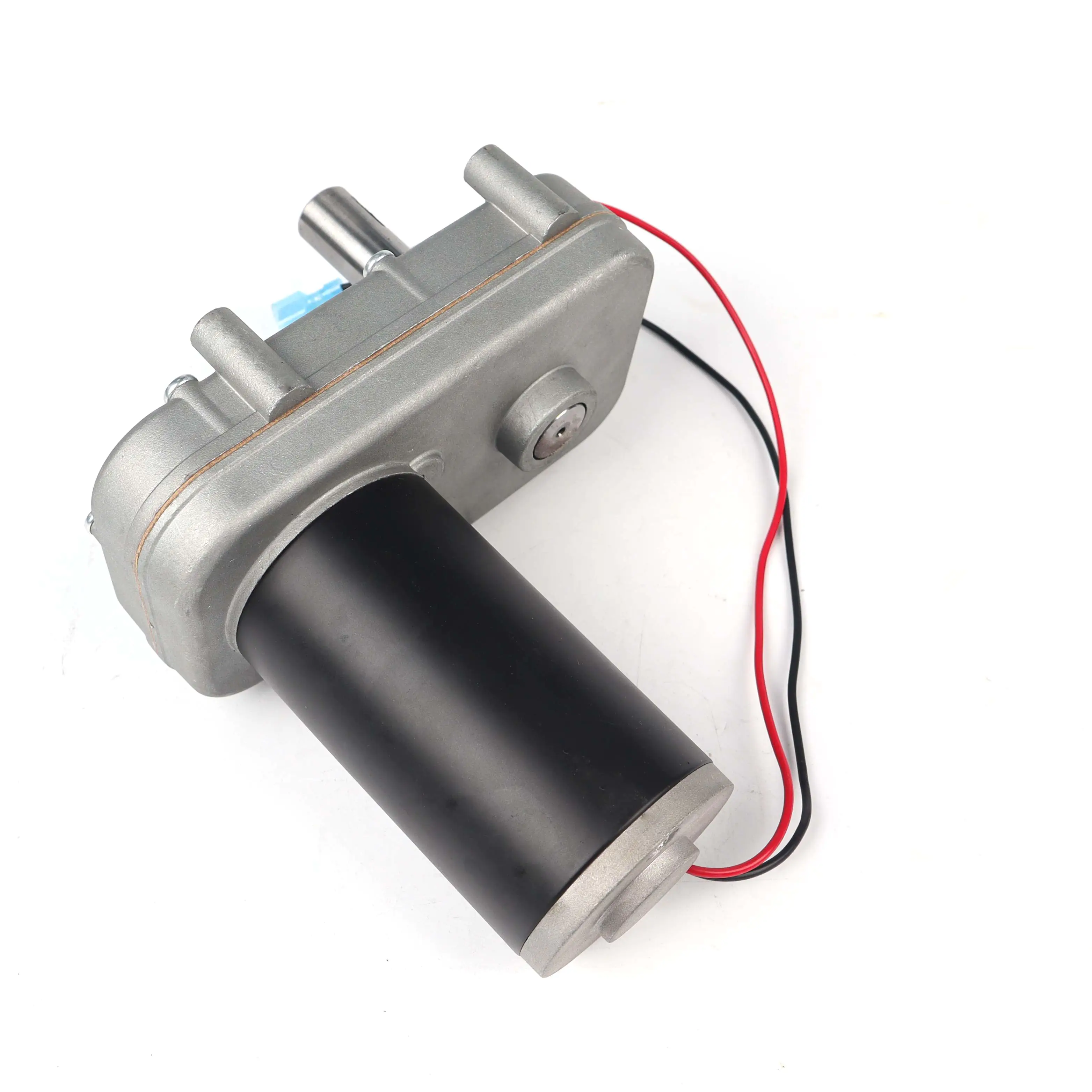
Noise control starts well before a motor reaches the vehicle. Gear machining needs to be accurate, bearings must fit properly, and the rotor must be balanced. Poor housing alignment or loose mounting points can introduce vibration even when the internal components are sound.
Lubrication also deserves attention. The lubricant must suit the gear materials and operating temperature, and the quantity needs to be controlled during assembly.
Production testing should cover more than whether the motor starts. Noise, vibration, current consumption, temperature rise, and endurance need to be checked under representative loads. A motor that sounds fine during a short test may behave differently after thousands of operating cycles.
Repair or Replace?
The decision depends on where the fault lies. Loose brackets, worn blades, and some linkage problems can be repaired without changing the motor. Damaged reduction gears, badly worn bearings, or burnt windings may make replacement more practical.
After repairs, check all operating modes, including intermittent wiping, low speed, high speed, and automatic parking. The arms should move evenly and return to their correct resting position.
A noisy Front Wiper Motor isn't necessarily a failed motor. The linkage, electrical supply, and blades all put demands on the same drive system. Checking these parts together is usually a better starting point than replacing the motor based on noise alone.

Tel:+86-0577-66009580
Mobile: +86-18858801083
E-mail:juntmotor@126.com
Whatsapp:+8618858801083
WeChat: +86-18858801083
 WeChat

Automotive Reduction Motors Manufacturer

 +86-0577-66009580
 juntmotor@126.com
 Language
 English
 Português