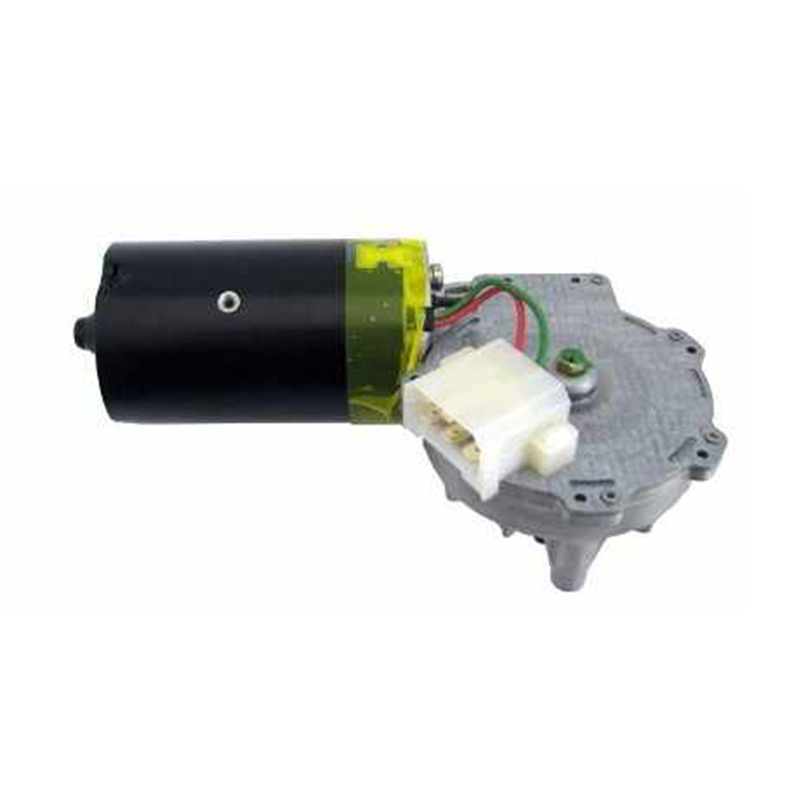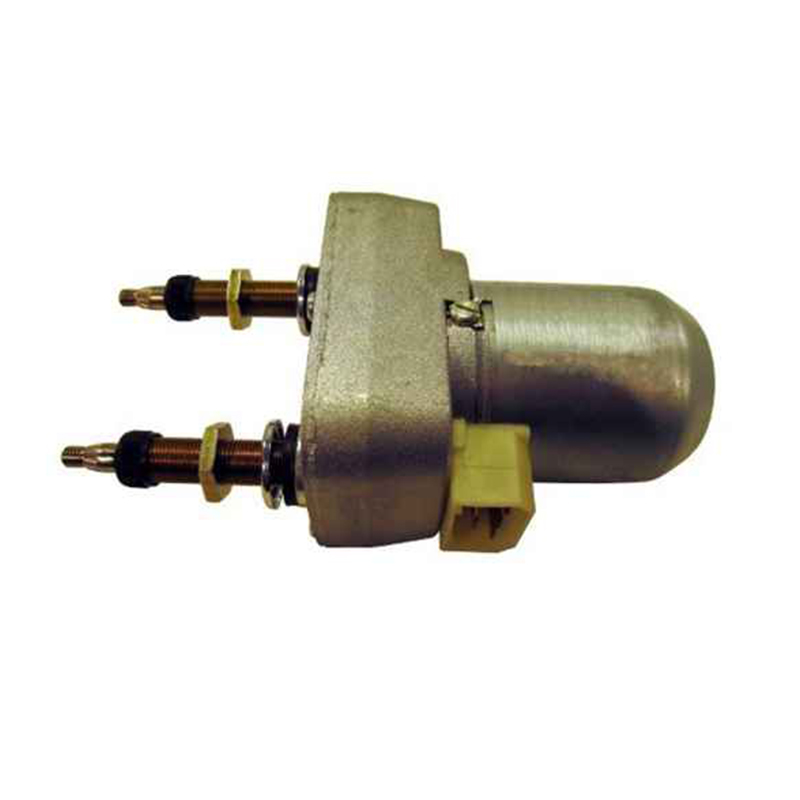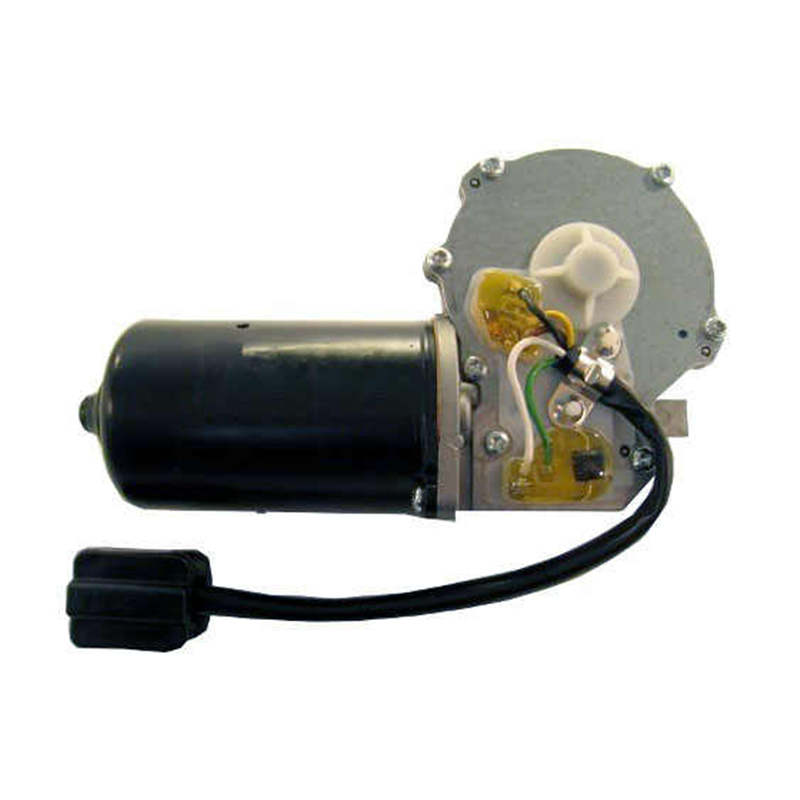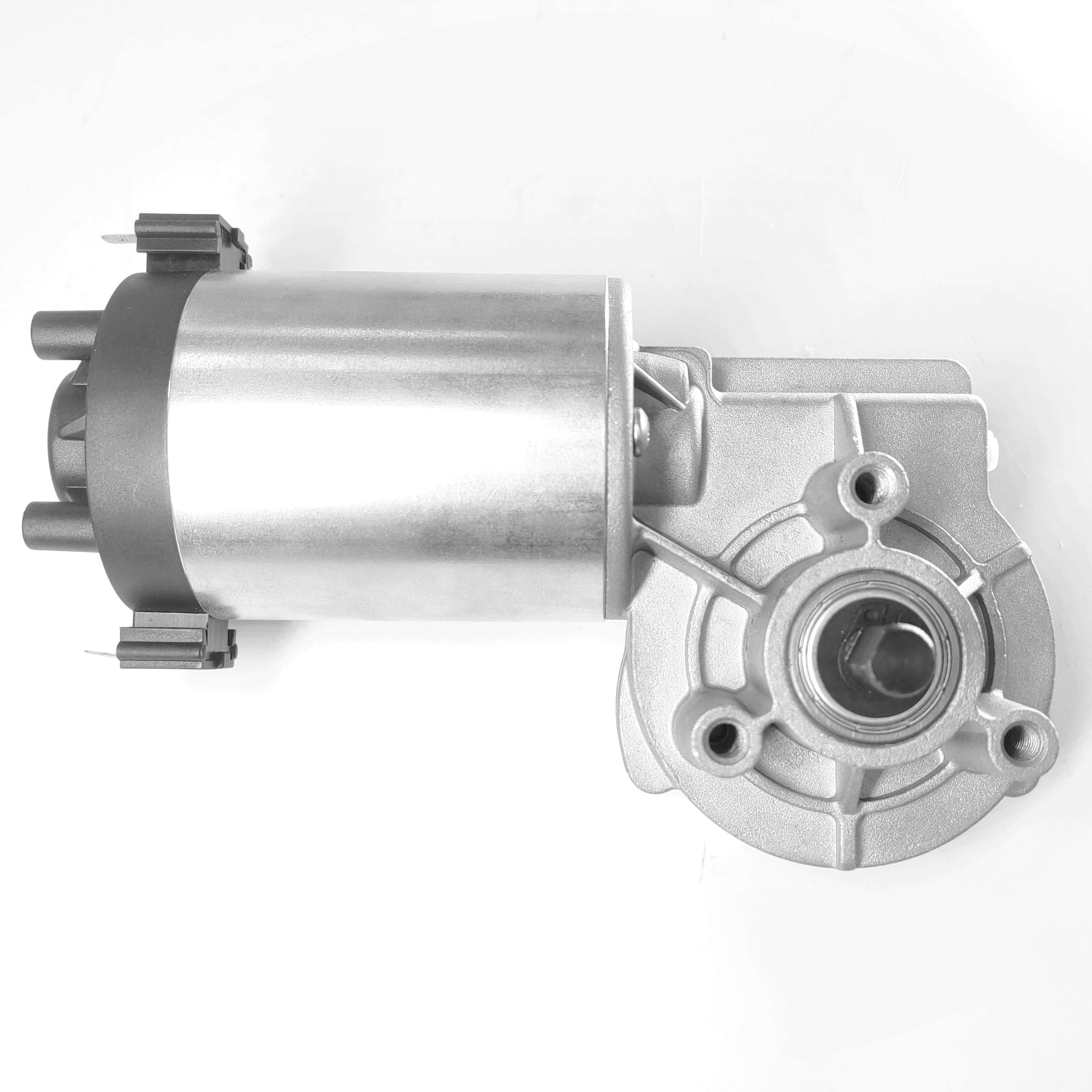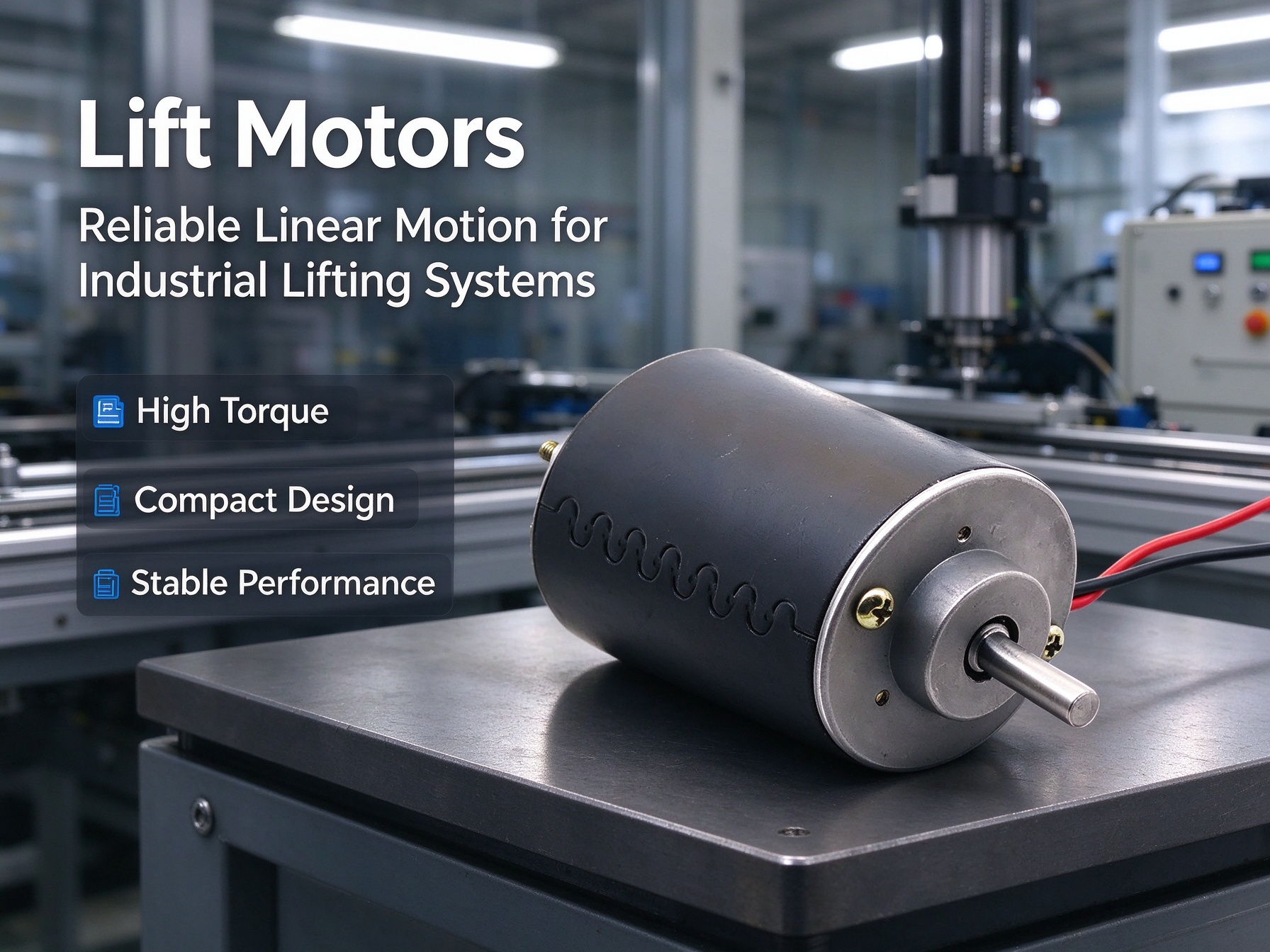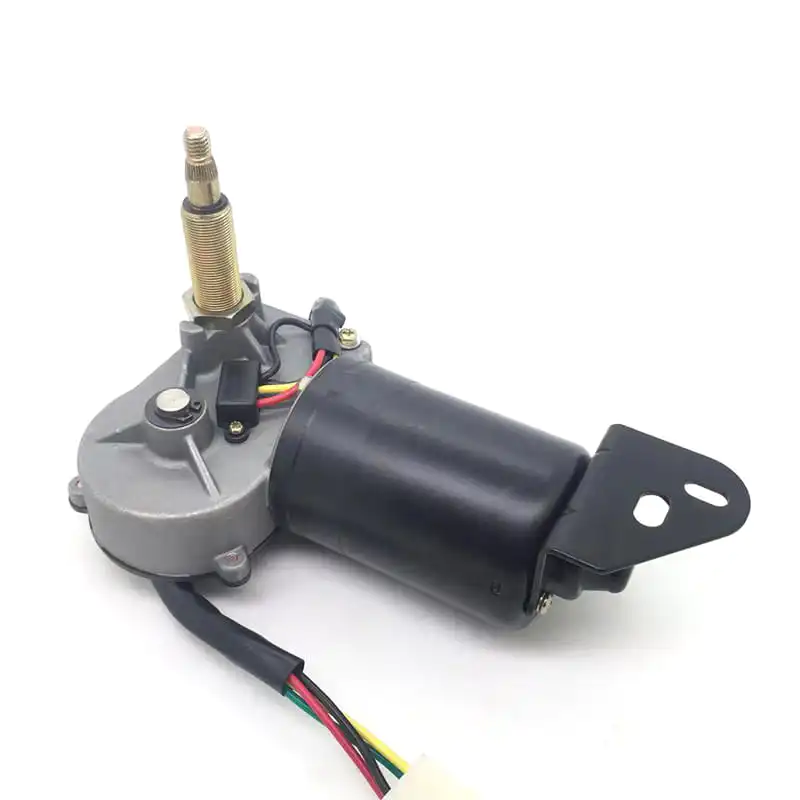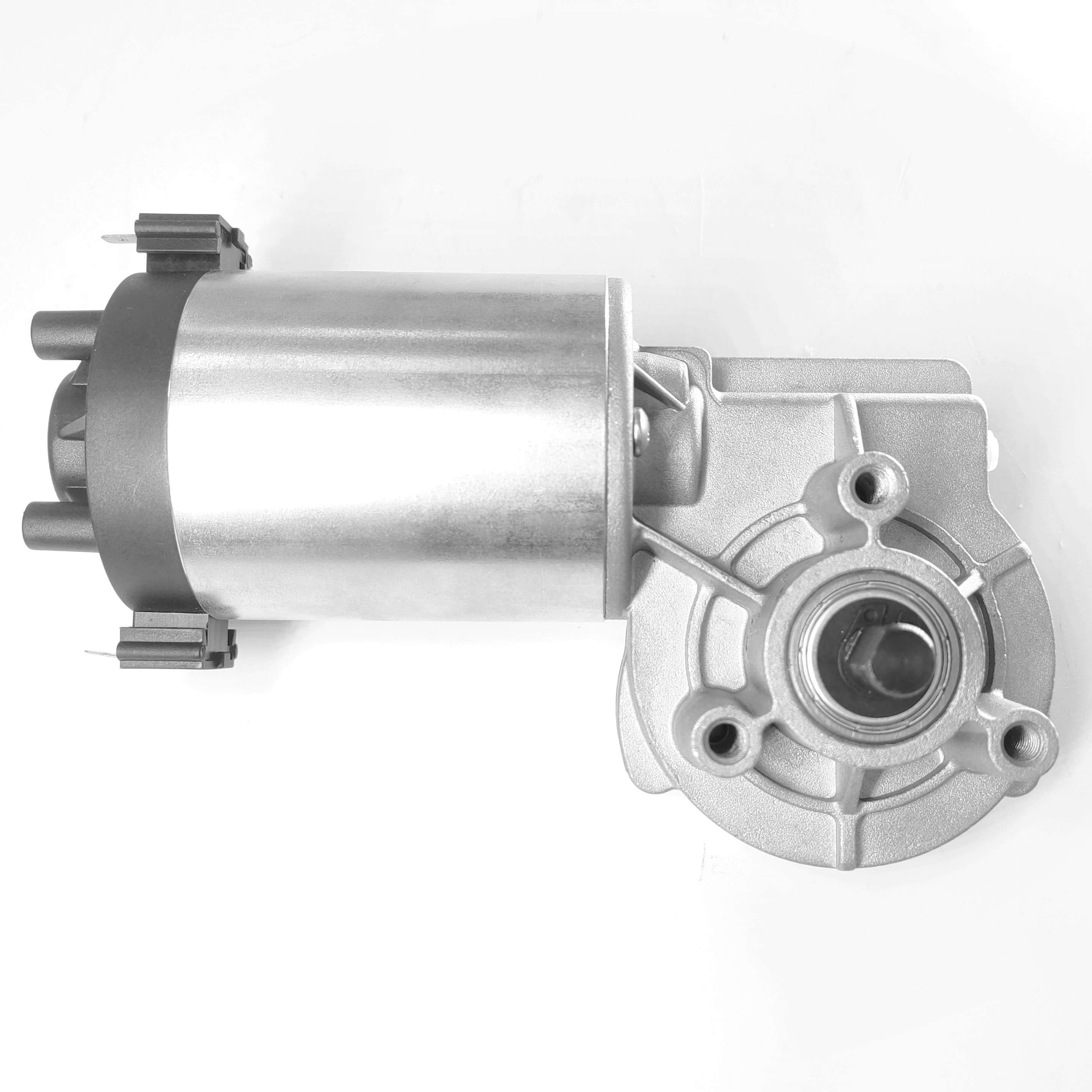
In offices, hospitals, shopping centers, schools, transit hubs—automatic doors cycle hundreds or thousands of times a day. A reliable Door Opening Motor keeps people moving. But that kind of use also raises the odds of impact, trapping, unexpected movement, wear-related faults. Buyers need to look at the whole operator system—sensors, controls, mechanical safeguards, emergency behavior. The safer choice matches the door's size, traffic pattern, users, building requirements.
Sensors are a big part of the protection package on an automatic pedestrian door. Activation sensors spot people approaching. Safety sensors watch areas where someone could get hit or trapped as the door moves. Depending on design, you'll see microwave or infrared motion detection, presence detection, light curtains, monitored safety beams. Ask which zones each sensor covers and how the door reacts when someone stays in the threshold. An approach sensor might not protect a person standing beside a moving panel. So placement has to match door geometry and how people actually move. Check that safety inputs are monitored and faults trigger the specified response. Commissioning should test realistic approach angles, slow movers, people with mobility aids. Recheck sensors after any adjustment.
Sensors can't catch everything. Someone might step into a detection zone unexpectedly. An object might block the door after it starts moving. Force limitation, suitable torque control, obstacle detection—these help cut impact and crushing hazards. Ask how the system senses resistance. Does it stop or reverse when it hits something? The right response depends on door type and risk assessment. Sliding and swinging doors create different hazards. Correct adjustment, safe clearances, compatible hardware—still essential. An advertised anti-pinch function needs verification during commissioning and ongoing maintenance.
Adjustable opening and closing speeds help match movement to traffic. Soft start and controlled stopping reduce abrupt motion. A suitable hold-open period gives pedestrians time to pass. Too fast raises impact risk. Too slow causes crowding. Ask for configurable settings. Have the installer tune them to real site conditions.
Define how the door responds to power loss, controller faults, emergencies. Depending on design and role, it may need to allow manual operation, release for opening, or move to a specified safe position. Backup power can keep access going, but it has to match the duty required. Confirm staff can operate the manual release. Establish whether the door needs fail-safe or fail-secure behavior. Entrances, secure areas, exits—different requirements.
Automated doors may connect to access-control readers, building-management systems, security alarms, fire alarms. Confirm how the operator responds to commands and failures. For fire-rated doors or escape routes, a motor or hold-open feature must not compromise fire protection or egress. Review the configuration with the responsible fire-safety professional and local authority. Document emergency overrides. Test system interfaces before handover.
Pick a system rated for expected cycle frequency, door weight, environment. Sensors, cables, controls, moving parts should be accessible for inspection and replacement. Fault indicators or diagnostic logs help teams spot recurring sensor errors and irregular cycles. Check inspection intervals, spare-part availability, service support. Preventive maintenance should include sensor checks, mechanical inspections, tests of emergency functions.
| Feature | What Buyers Should Verify | Why It Matters |
|---|---|---|
| Presence and safety sensors | Coverage zones, monitored inputs, fault response | Detects pedestrians and reduces trapping risks |
| Obstacle response | Stop or reverse behavior and tested force settings | Limits impact and crushing hazards |
| Speed and hold-open settings | Adjustment range and commissioning process | Supports safe passage for different users |
| Manual release and power-loss operation | Documented behavior for each failure mode | Helps preserve safe access during faults |
| Fire and access-control integration | Compatibility, overrides, and acceptance testing | Prevents conflicts with security and life-safety systems |
| Diagnostics and serviceability | Fault reporting, inspection instructions, spare parts | Supports early fault detection and consistent maintenance |
Before selecting a Door Opening Motor, document the door type, dimensions, estimated daily cycles, user groups, environmental conditions, required security or fire-safety functions. Request technical documentation for the complete operator system—not just the motor. Ask an experienced installer to assess site hazards and confirm compliance with local codes and standards. Finally, include commissioning and handover in the purchase scope. Staff should get operating instructions, emergency procedures, a maintenance schedule. A door that works on installation day still needs routine testing as traffic patterns, hardware, building systems change. Choosing verified safety features and backing them with professional installation and maintenance helps keep high-traffic entrances efficient and safe.

Tel:+86-0577-66009580
Mobile: +86-18858801083
E-mail:juntmotor@126.com
Whatsapp:+8618858801083
WeChat: +86-18858801083
 WeChat

Automotive Reduction Motors Manufacturer

 +86-0577-66009580
 juntmotor@126.com
 Language
 English
 Português