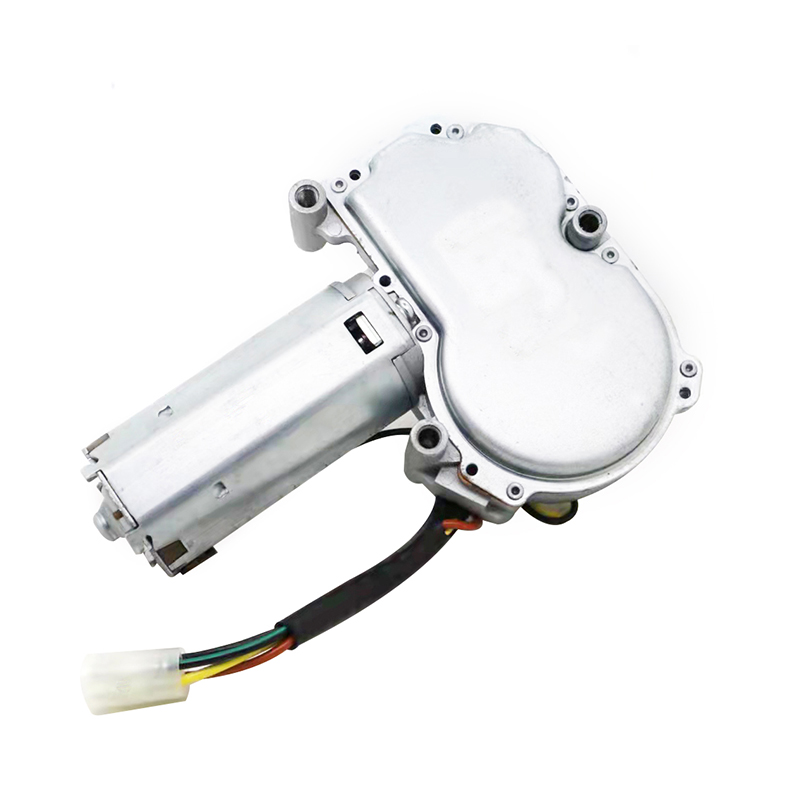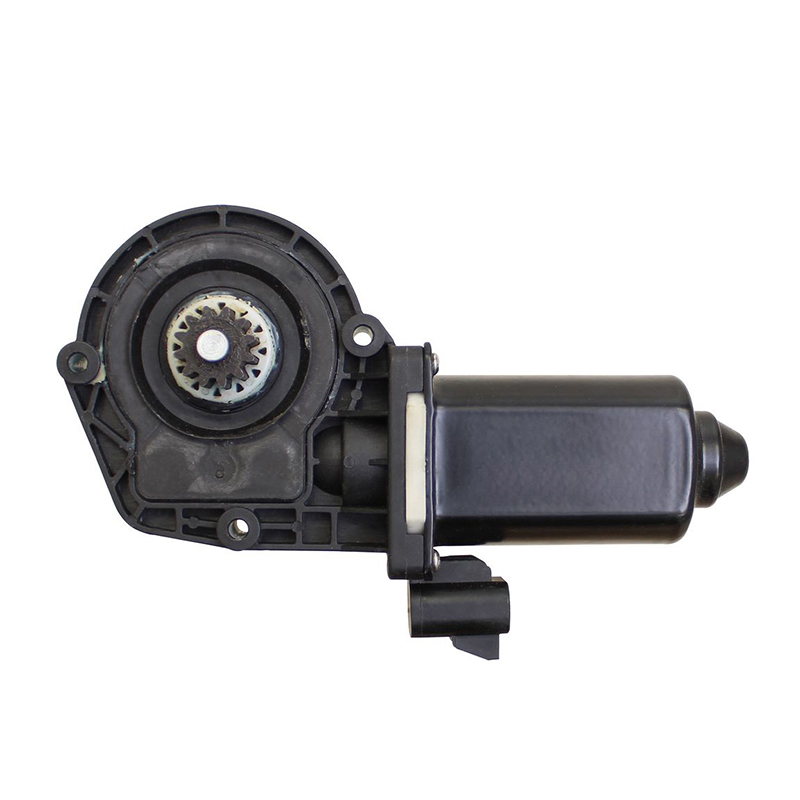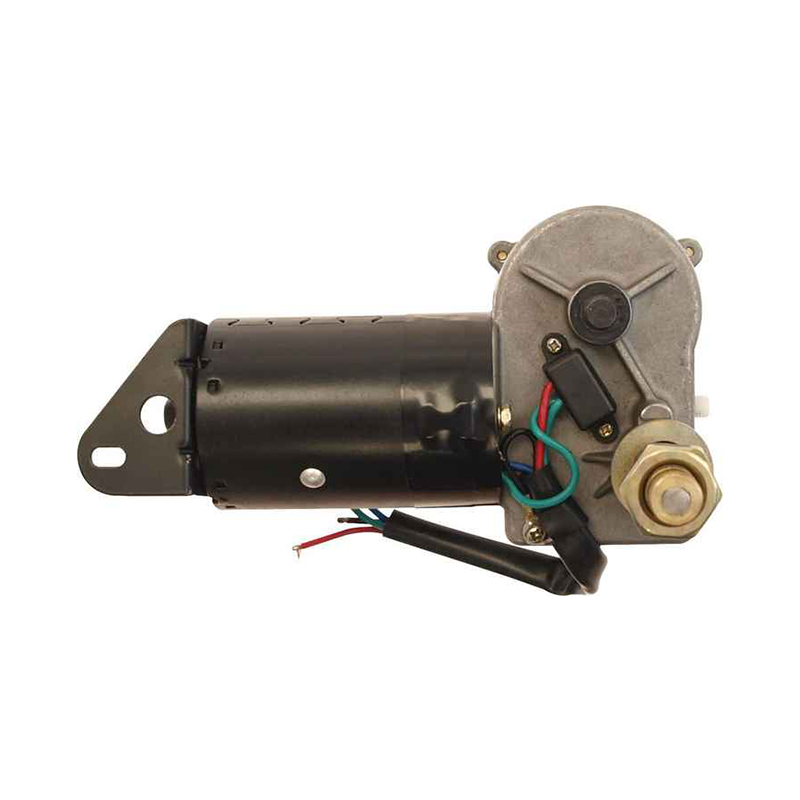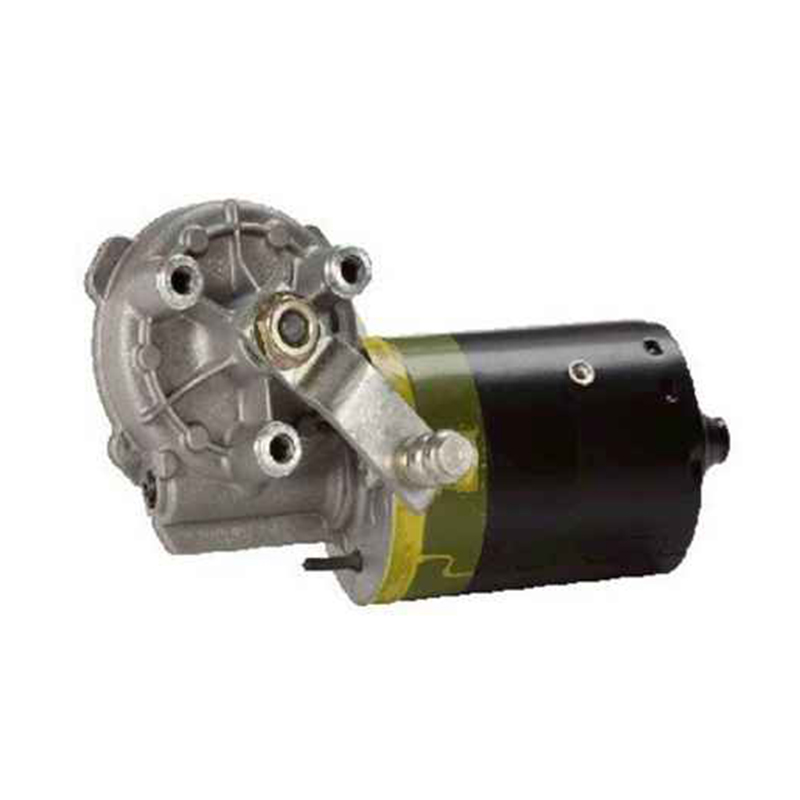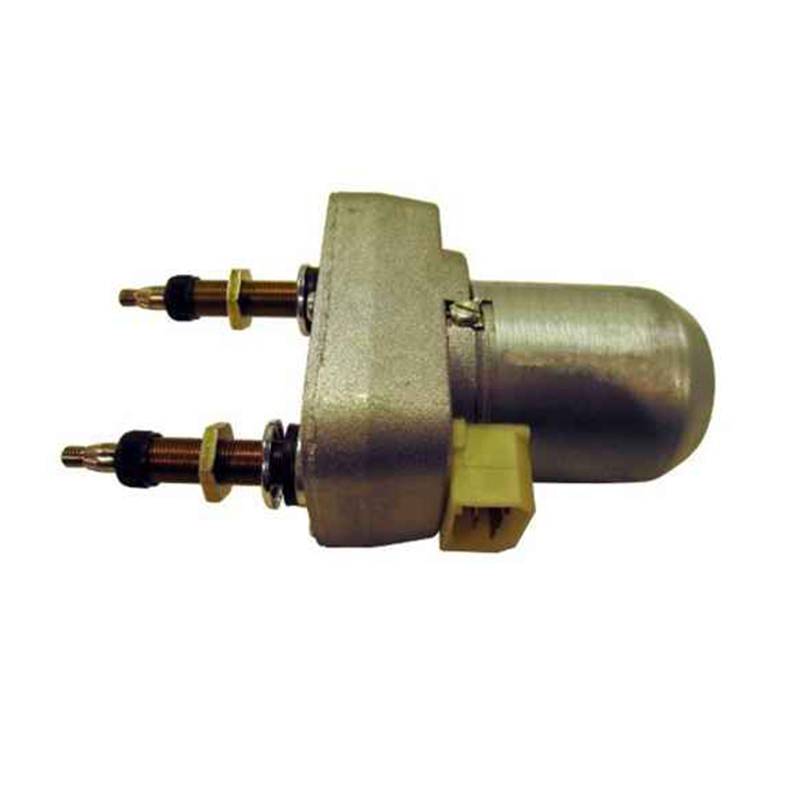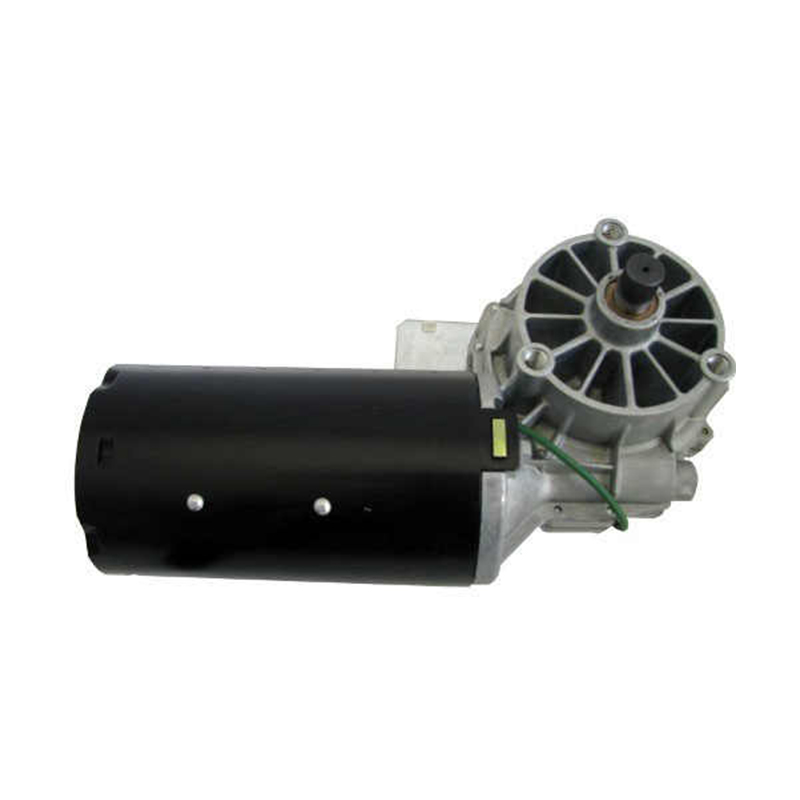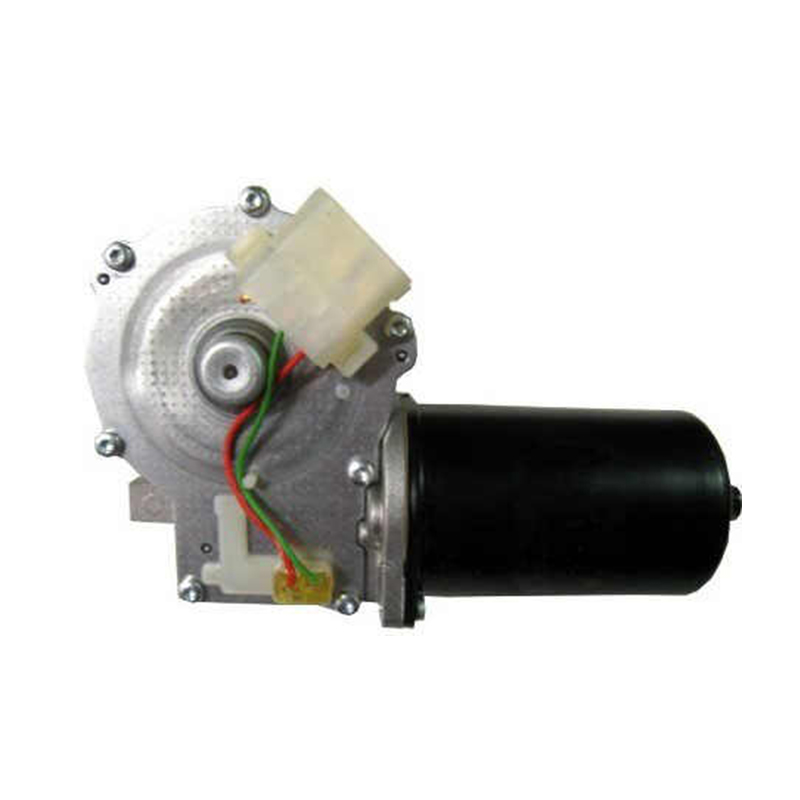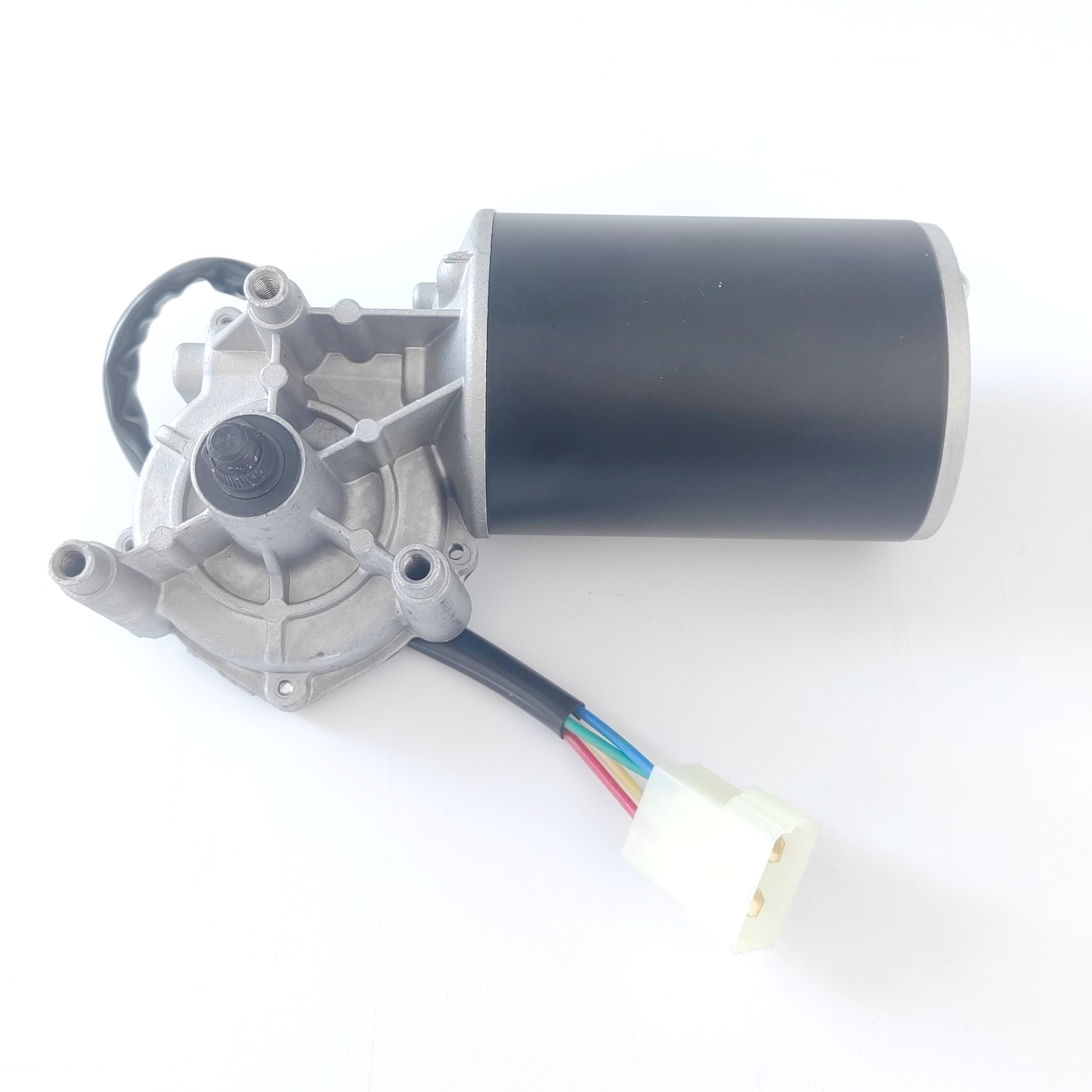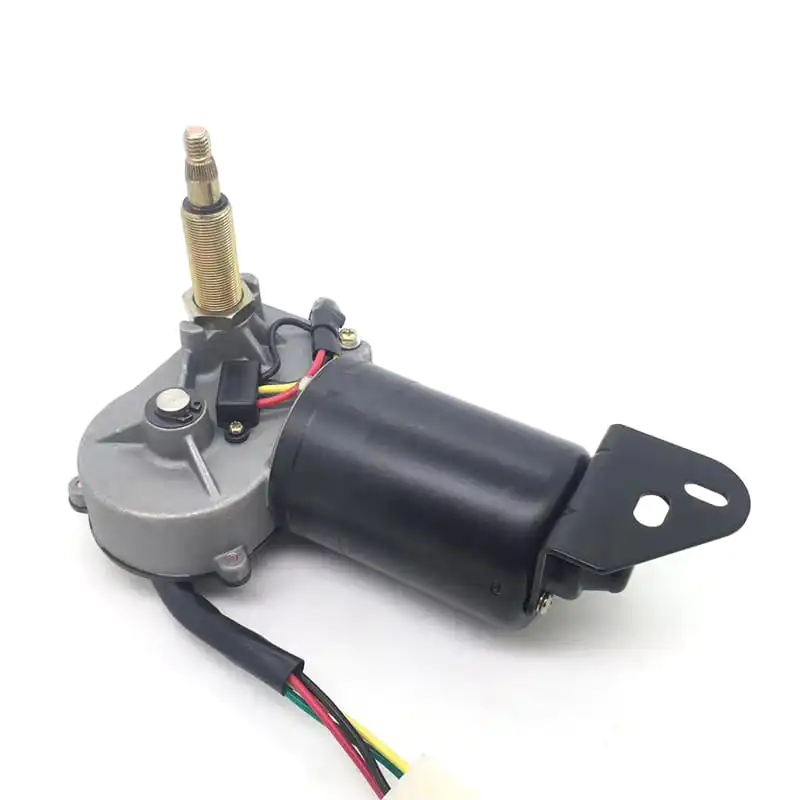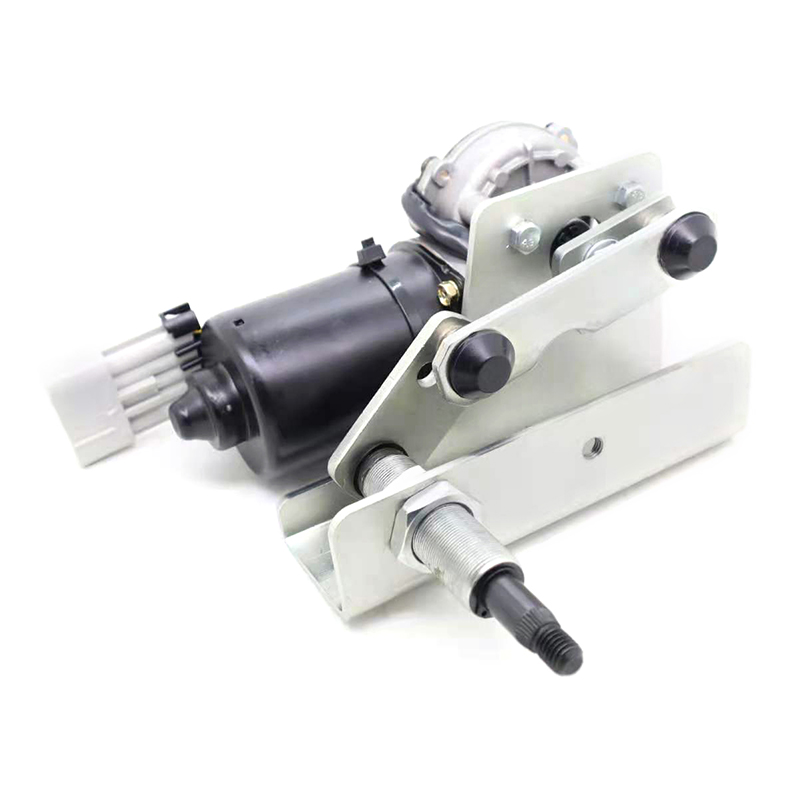
The 7168952 wiper motor offers several features that make it a reliable choice for vehicles in a variety of conditions. Here are some of the key characteristics:
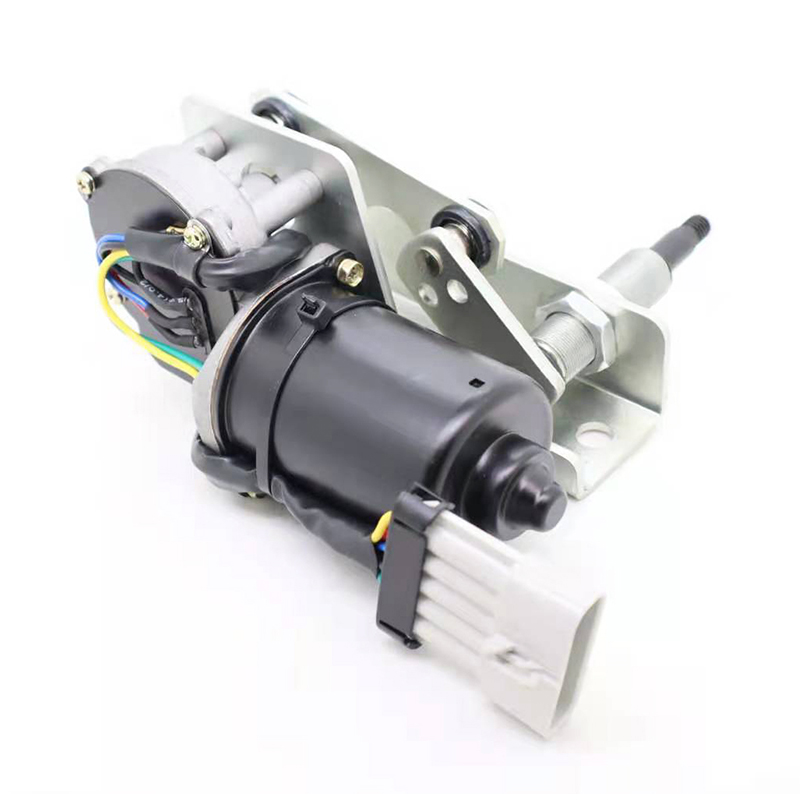
These features make the 7168952 wiper motor a versatile and dependable choice for automotive wiper systems.
Installing the 7168952 wiper motor requires some basic mechanical knowledge, but it is a manageable task for most vehicle owners or technicians. Here’s a general overview of the installation process:
Step 1: Disconnect the Battery
Before starting the installation, it is essential to disconnect the vehicle's battery to avoid any electrical mishaps.
Step 2: Remove the Old Wiper Motor
Start by removing the wiper arms from the windshield. Once the wiper arms are detached, locate the motor under the windshield cowl or in the engine bay, depending on your vehicle’s configuration. You will likely need to remove some screws or bolts to detach the old motor from its mounting bracket.
Step 3: Disconnect the Electrical Connections
Disconnect the wiring from the motor. The 7168952 wiper motor will have electrical connectors that must be unplugged carefully. Be sure to take note of how the wiring is arranged so that the new motor can be connected correctly.
Step 4: Install the New Wiper Motor
Place the new 7168952 motor in the same position as the old one and secure it using the appropriate screws or bolts. Reconnect the electrical connections, ensuring they are tightly secured to avoid any loose connections that could affect performance.
Step 5: Reattach the Wiper Arms
Once the motor is in place, reattach the wiper arms to the motor’s spindle. Make sure they are properly aligned and tightened.
Step 6: Test the Motor
Reconnect the vehicle’s battery and test the wiper motor by turning on the wipers. Check for smooth operation across different speed settings. Ensure the wipers are clearing the windshield properly and that there are no unusual noises.
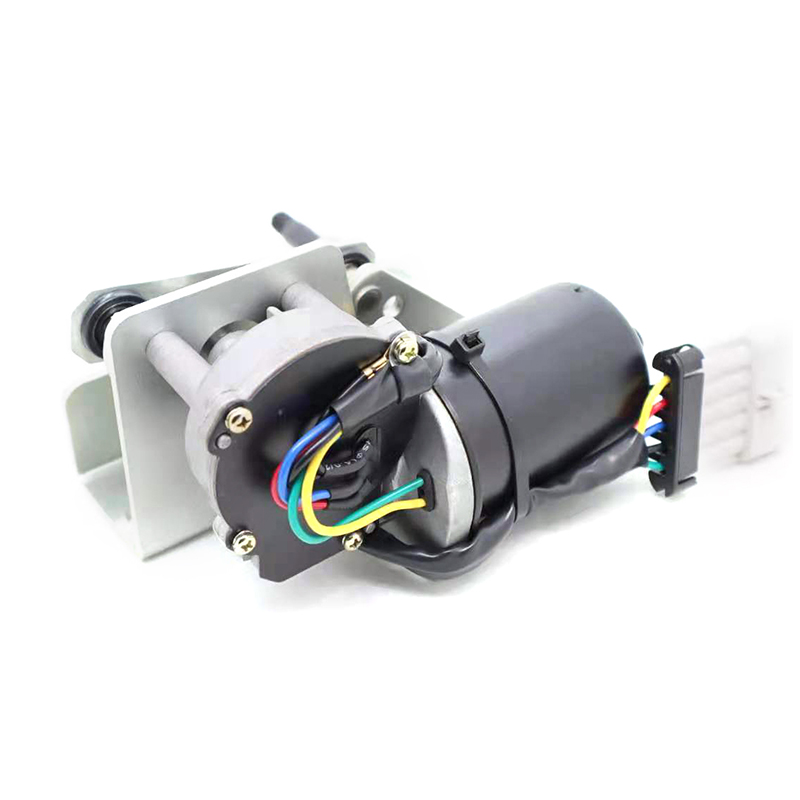
Although the 7168952 wiper motor is designed for durability and reliability, like any mechanical component, it may experience problems over time. Here are some common issues:
To understand the origins of the 7168952 Wiper Motor, it is necessary to briefly review the evolution of windshield wiper systems. Early automobiles in the first decades of the 20th century either lacked windshield wipers entirely or relied on manual mechanisms operated by the driver. As vehicle speeds increased and enclosed cabins became common, clear forward visibility became a safety priority.
By the mid-20th century, electric windshield wiper motors had largely replaced vacuum-operated systems. These early electric motors provided more consistent performance, particularly during acceleration, when vacuum-based systems tended to slow down. Over time, manufacturers refined these motors to improve durability, reduce noise, and support additional features such as multiple speed settings and automatic parking functions.
The 7168952 Wiper Motor emerged during a period when automotive manufacturers were focusing on component standardization and modular design. This period can generally be associated with the late 20th century to early 21st century, when suppliers began producing model-specific motors designed to integrate seamlessly with particular vehicle platforms.
Several industry trends influenced the introduction of motors like the 7168952:
Increased emphasis on driver safety and visibility
Broader adoption of electric systems over mechanical or vacuum-based solutions
Demand for quieter, more efficient automotive components
Growth of platform-based vehicle manufacturing
Within this environment, the 7168952 Wiper Motor was developed as a dedicated solution rather than a universal motor adapted to multiple uses.
Approximate Timeframe of First Use
While precise public documentation on the exact launch year of the 7168952 Wiper Motor is limited, its design characteristics suggest that it first appeared during a mature phase of automotive electric motor development. This places its initial use likely in the late 1990s or early 2000s, when the following features were becoming standard rather than optional:
Integrated gear reduction systems
Motors from this era were designed not only to provide motion but also to communicate effectively with vehicle control systems, reflecting the increasing electronic integration of modern automobiles.
Early Applications and Adoption
When the 7168952 Wiper Motor first came into use, it was primarily installed in vehicles that required reliable, low-maintenance windshield wiping under regular driving conditions. These applications typically included passenger cars and light commercial vehicles rather than heavy-duty or specialty equipment.
Early adoption was driven by several practical advantages:
As manufacturers sought to reduce warranty claims and improve customer satisfaction, motors like the 7168952 gained traction as dependable, purpose-built components.
Another factor influencing the introduction of the 7168952 Wiper Motor was the evolution of automotive supply chains. During the period when this motor appeared, suppliers increasingly worked closely with vehicle manufacturers to design components that matched exact specifications. This collaboration resulted in part numbers such as 7168952, which identified motors intended for defined platforms or production runs.
Advances in manufacturing also played a role:
These improvements allowed the 7168952 Wiper Motor to meet stricter performance and reliability expectations than earlier designs.
Continued Use and Legacy
After its initial introduction, the 7168952 Wiper Motor continued to be used as long as the associated vehicle platforms remained in production and service. Even after newer motor designs became available, this model often remained in circulation through the aftermarket, supporting repairs and replacements for existing vehicles.
Its continued use highlights several important points:
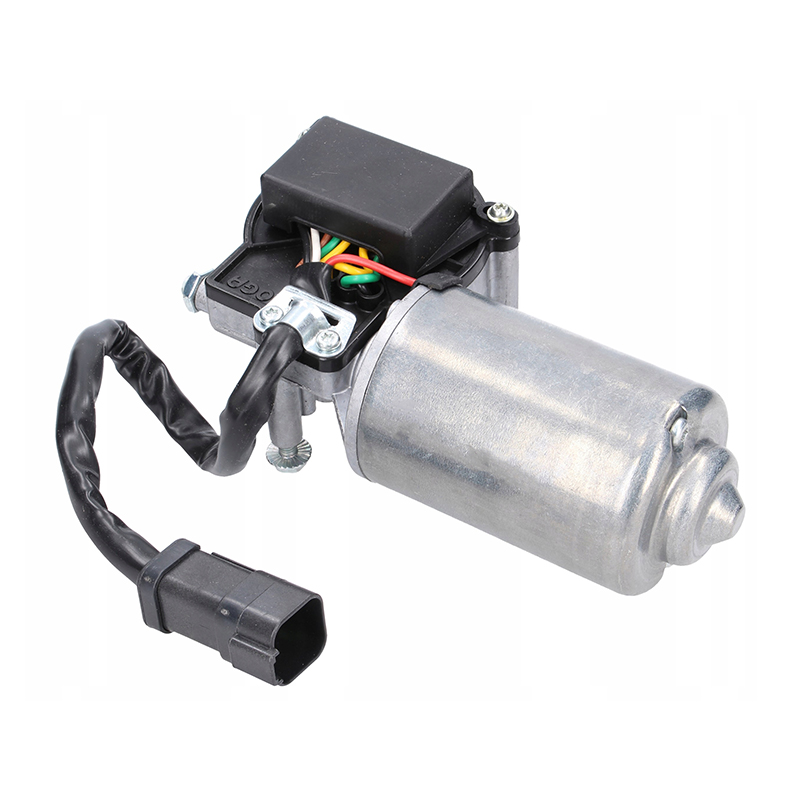

Tel:+86-0577-66009580
Mobile: +86-18858801083
E-mail:juntmotor@126.com
Whatsapp:+8618858801083
WeChat: +86-18858801083
 WeChat

Automotive Reduction Motors Manufacturer

 +86-0577-66009580
 juntmotor@126.com
 Language
  English
 Português