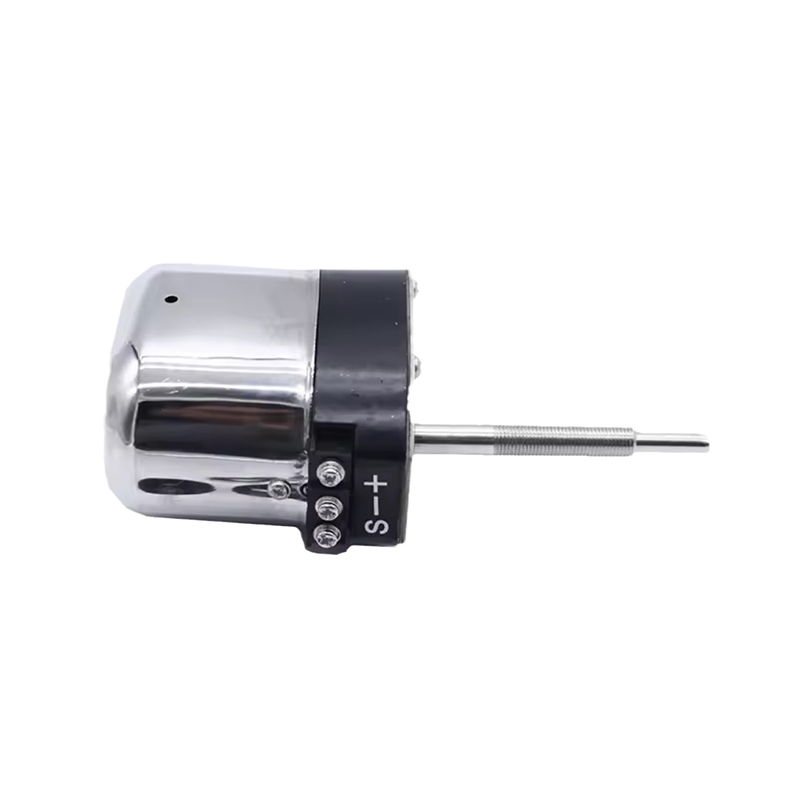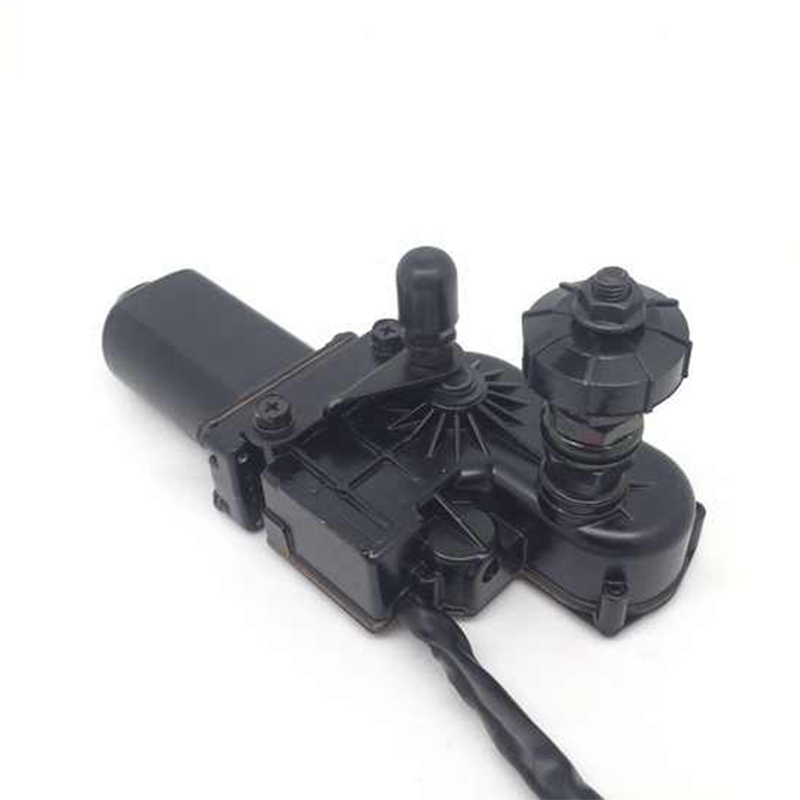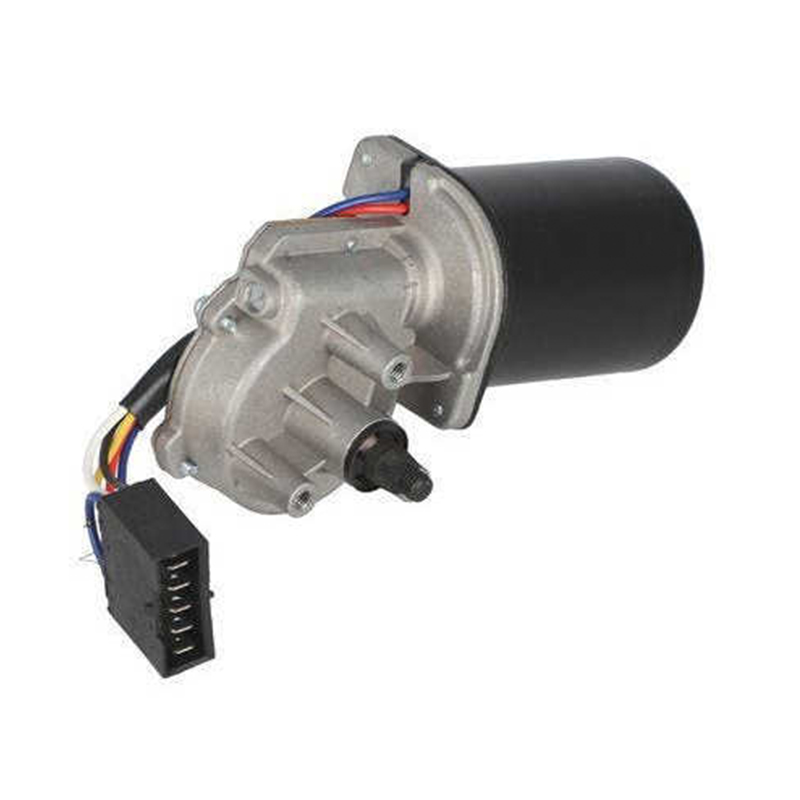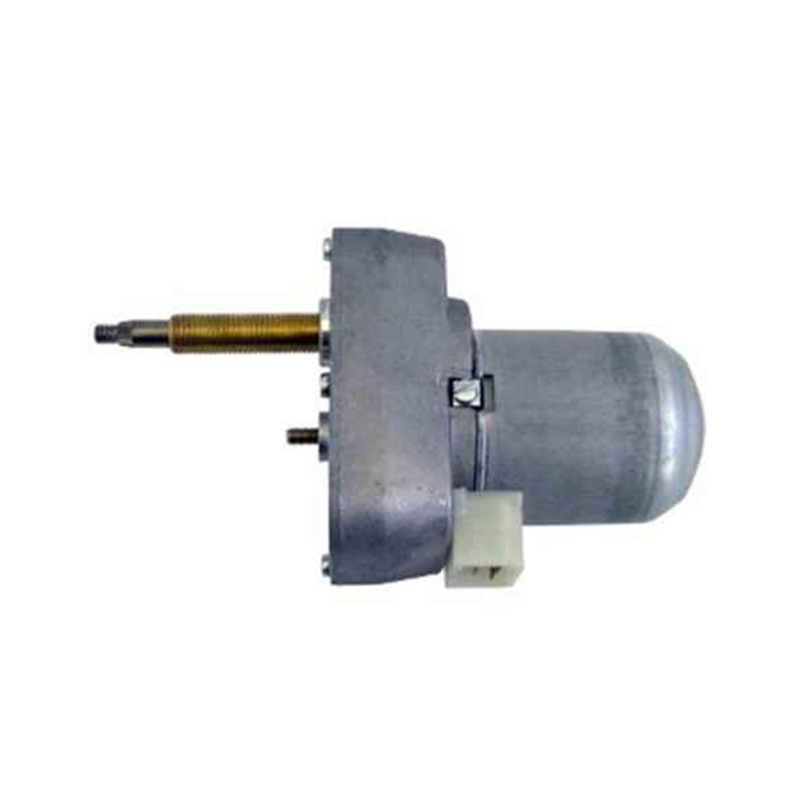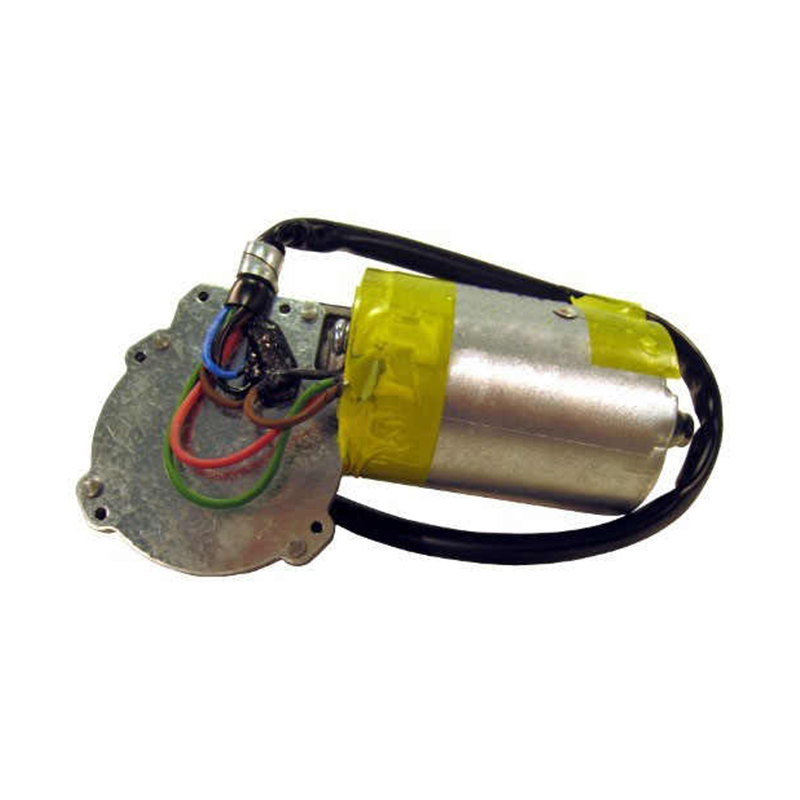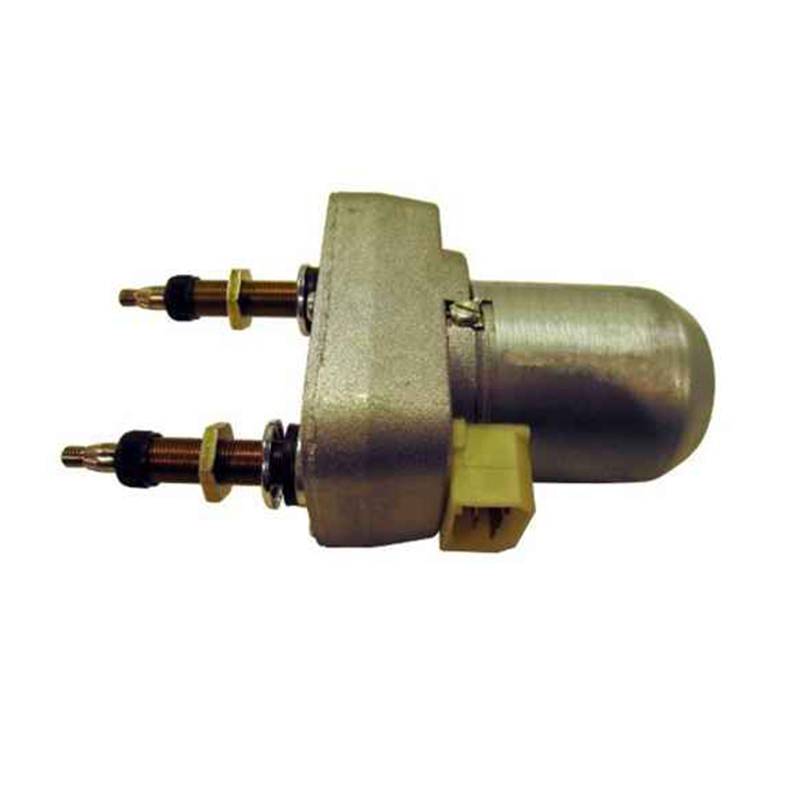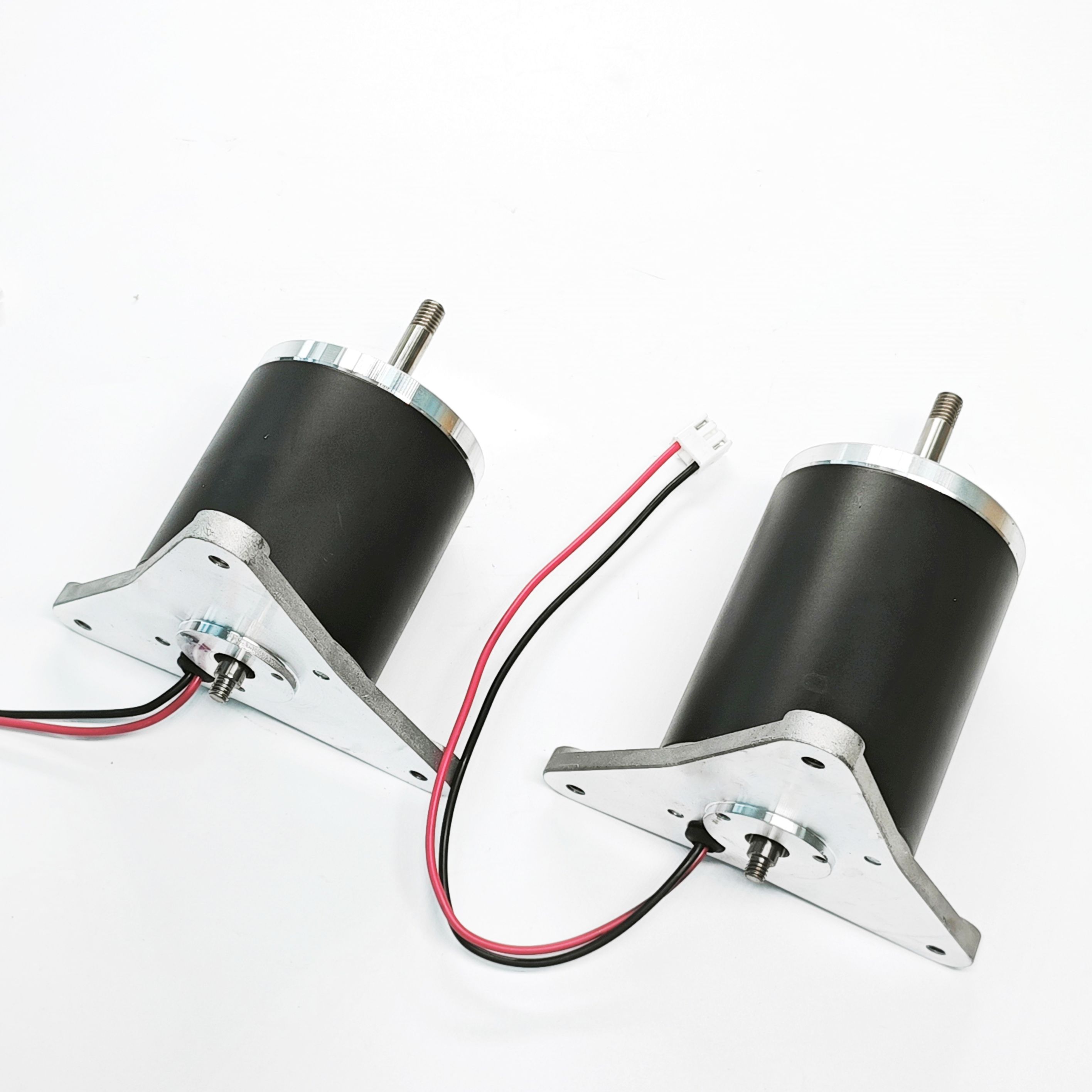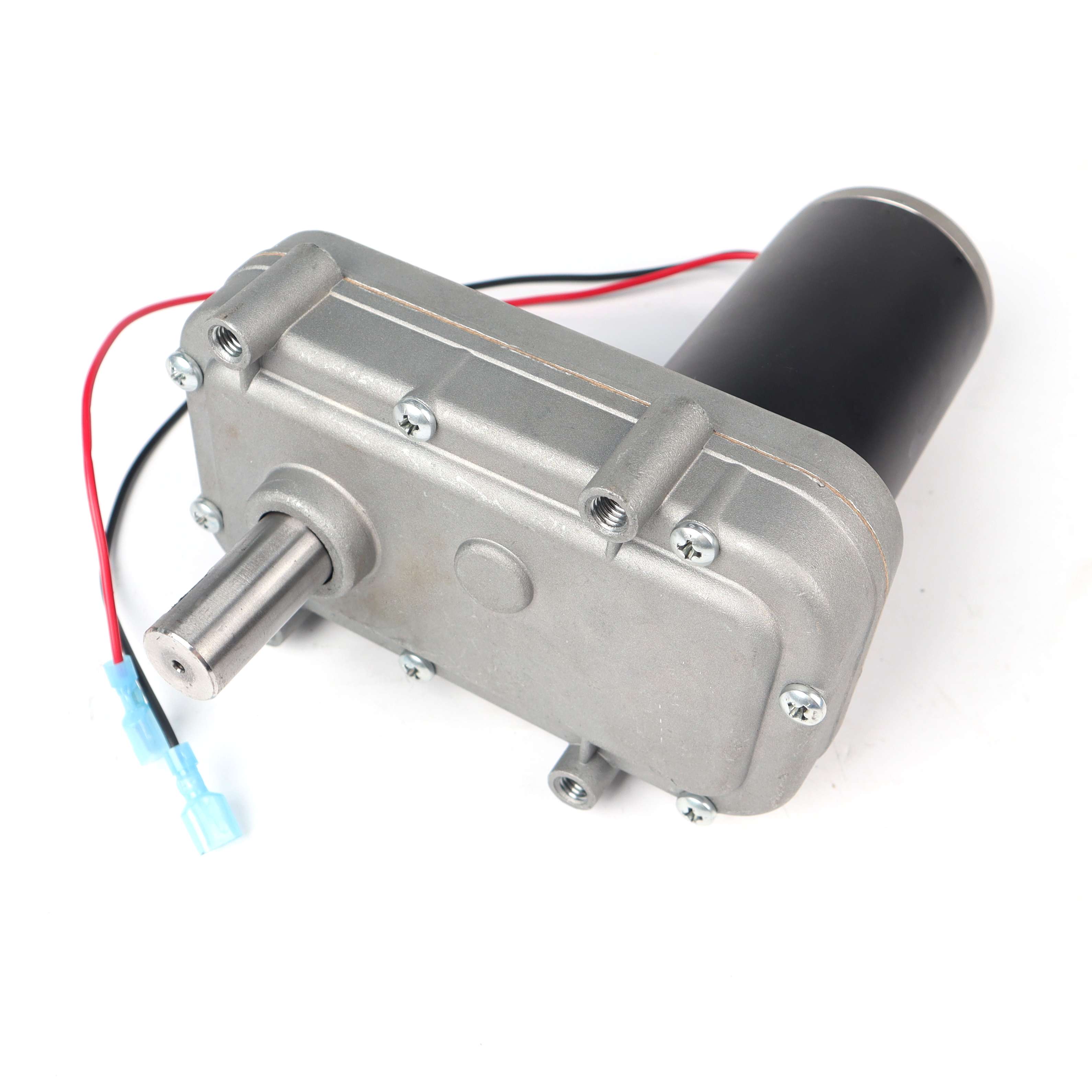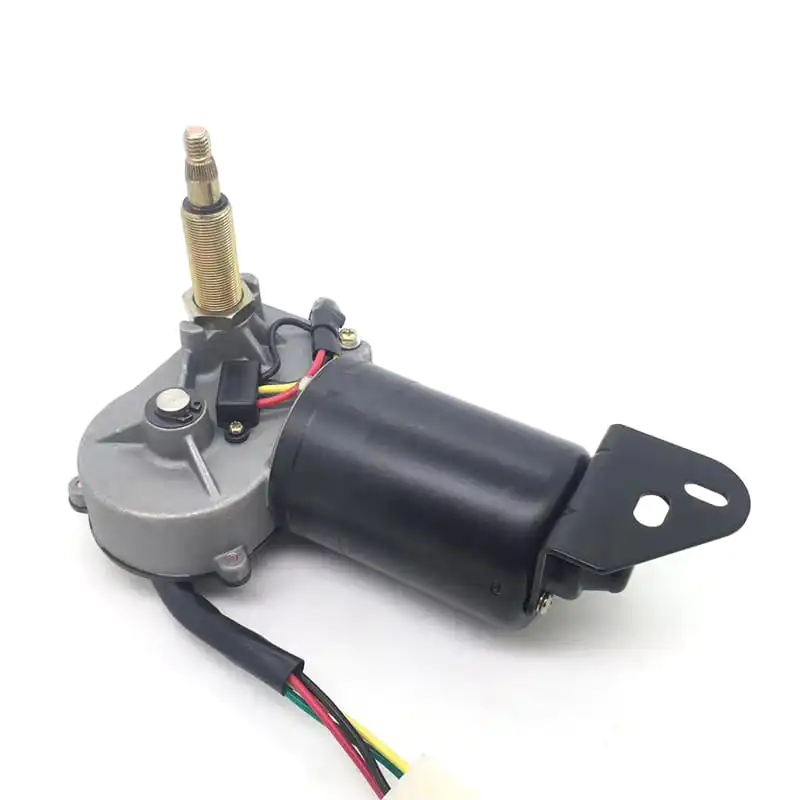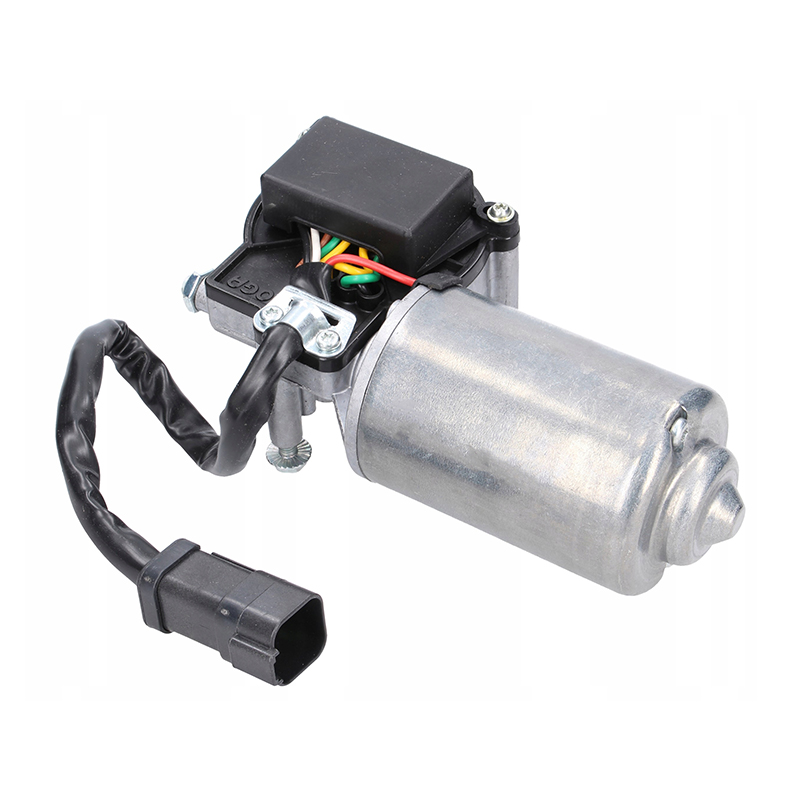
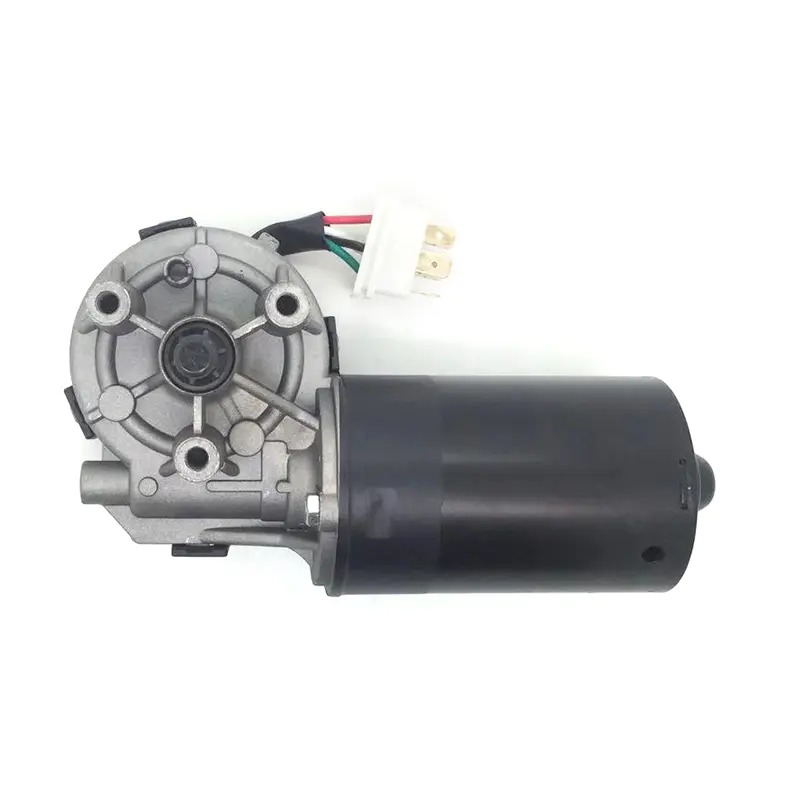
The dimensions of the 14508630 wiper motor play a key role in determining its compatibility with different vehicle models. While the exact measurements can vary slightly depending on the specific design and vehicle requirements, here are some general characteristics:
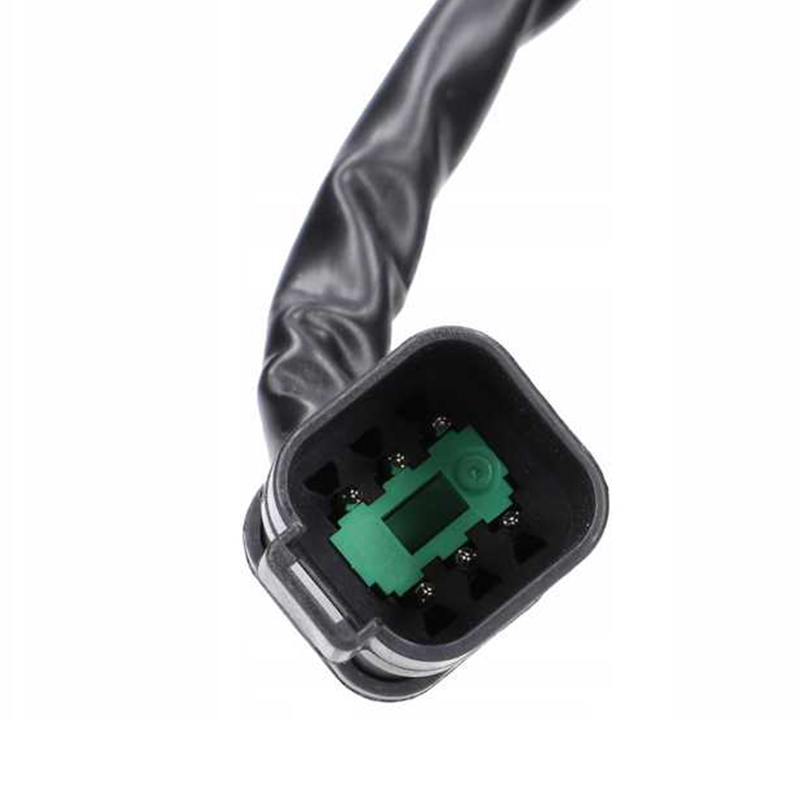
1. Motor Size and Housing
The 14508630 motor typically comes in a compact and robust housing designed to fit within the tight spaces behind a vehicle's windshield. The motor's housing is made from durable materials such as plastic and metal alloys, offering protection from water, dirt, and other contaminants.
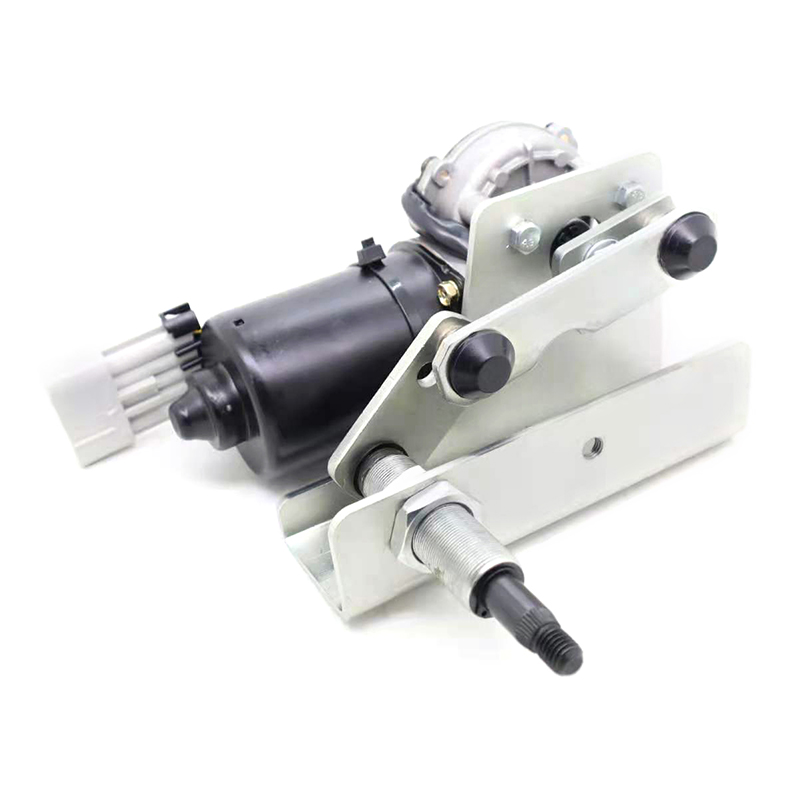
2. Shaft and Mounting Specifications
The shaft is an essential part of the wiper motor, as it is responsible for driving the wiper mechanism. The dimensions of the motor's shaft, including its diameter and length, are designed to match the specifications of the wiper arm system. In most cases:
The 14508630 wiper motor is versatile and finds use in a variety of automotive applications. Its primary role is to operate the windshield wipers, but the motor's design and performance characteristics make it suitable for several other related functions.
1. Windshield Wiper Systems
The most common application of the 14508630 wiper motor is in the operation of windshield wiper systems. This motor drives the wiper arms to clear rain, snow, or debris from the windshield, ensuring that the driver maintains optimal visibility during inclement weather.
2. Rear Windshield Wipers
In addition to front windshield applications, the 14508630 motor is also used to power rear windshield wipers in many vehicles. Rear wipers are critical for maintaining visibility when driving in reverse, particularly during rainy or snowy conditions.
Compact and Mid-Size Vehicles: The 14508630 wiper motor is used in compact and mid-sized vehicles with rear windshield wipers. These vehicles often feature a single rear wiper that requires sufficient torque to clear the glass without excessive power consumption.
Sport Utility Vehicles (SUVs) and Crossovers: Larger vehicles, such as SUVs and crossovers, often feature rear wipers that are more powerful due to their larger rear windshields. The 14508630 motor is well-suited to these applications, providing the necessary power for larger wiper systems while keeping energy consumption efficient.
3. Tractors and Agricultural Equipment
Another application of the 14508630 wiper motor is in agricultural machinery and tractors. These vehicles, which are often used in harsh environments, require reliable windshield wiper systems to keep the operator's view clear, particularly during rainy weather or when operating in fields that can produce dust or debris.
Tractors and Harvesters: Wiper motors like the 14508630 are often used in farming equipment, where they drive large, powerful wipers that are needed to clear the operator's cab windshield from mud, dirt, or rain. Given the heavy-duty nature of these vehicles, the motor must be capable of withstanding rough environments.
The 14508630 Wiper Motor offers several benefits that contribute to reliable windshield wiping and consistent vehicle visibility.
1. Stable Operating Performance
Designed to deliver consistent rotational speed under normal electrical conditions
Supports uniform wiper sweep patterns, reducing streaking on the windshield
Maintains predictable motion during both intermittent and continuous wiping modes
This stability improves driving safety by ensuring that wipers respond as expected during rainfall or when clearing debris.
2. Purpose-Built Automotive Design
Engineered specifically for windshield wiper systems rather than general motor use
Includes integrated gearing to increase torque output at low speeds
Compatible with standard automotive control switches and relays
Such specialization allows the motor to handle frequent start-stop cycles without significant loss of performance.
3. Compact and Space-Efficient Structure
Optimized housing dimensions fit within the confined space beneath the windshield cowl
Simplified mounting points support direct installation into designated vehicle platforms
Reduces interference with surrounding components such as air intake panels or wiring looms
This compactness supports easier integration during manufacturing or replacement.
4. Environmental Resistance
Housing designed to resist moisture and road contaminants
Internal components protected against humidity-related corrosion
Suitable for regular exposure to rain and temperature changes
These characteristics help ensure continued operation in typical automotive environments.
5. Low Routine Maintenance Requirements
Sealed construction limits the need for internal servicing
Performs reliably without frequent adjustment
Works effectively when paired with well-maintained wiper blades and linkage
From a user perspective, this reduces ongoing maintenance effort and cost.
Despite its strengths, the 14508630 Wiper Motor also presents certain limitations that should be considered.
1. Load Sensitivity
Performance can decline when wiper blades are worn or the linkage is poorly lubricated
Increased mechanical resistance may lead to slower wiping speed
Prolonged operation under heavy load can shorten service life
This sensitivity means that related components must be kept in good condition to protect the motor.
2. Limited Adaptability
Typically designed for specific vehicle models or platforms
May not be directly interchangeable with other wiper motor designs
Retrofitting into non-original systems may require modification
This limits flexibility when sourcing replacements across different vehicle types.
3. Noise Increase Over Time
Gear wear can lead to noticeable operating noise after long-term use
Vibration may become more apparent if mounting hardware loosens
Noise issues often require motor replacement rather than repair
While not immediately affecting function, increased noise can reduce user comfort.
4. Electrical Dependency
Sensitive to voltage drops or unstable power supply
Poor grounding or corroded connectors can cause intermittent operation
Electrical faults may be misdiagnosed as motor failure
This dependence emphasizes the importance of maintaining the vehicle's electrical system.
5. Replacement Cost Considerations
As a specialized automotive component, replacement cost may be higher than generic motors
Labor time can increase if access beneath the windshield cowl is limited
Not all failures are repairable, leading to full unit replacement
These factors can influence long-term ownership and maintenance budgeting.
|
Aspect |
Advantages |
Disadvantages |
|
Performance |
Consistent wiping speed and motion |
Slows under high mechanical resistance |
|
Design |
Automotive-specific, integrated gearing |
Limited cross-platform compatibility |
|
Installation |
Compact and space-efficient |
Access may be difficult in some vehicles |
|
Durability |
Resistant to moisture and contaminants |
Gear wear can increase noise over time |
|
Maintenance |
Minimal routine maintenance required |
Often replaced rather than repaired |

Tel:+86-0577-66009580
Mobile: +86-18858801083
E-mail:juntmotor@126.com
Whatsapp:+8618858801083
WeChat: +86-18858801083
 WeChat

Automotive Reduction Motors Manufacturer

 +86-0577-66009580
 juntmotor@126.com
 Language
  English
 Português