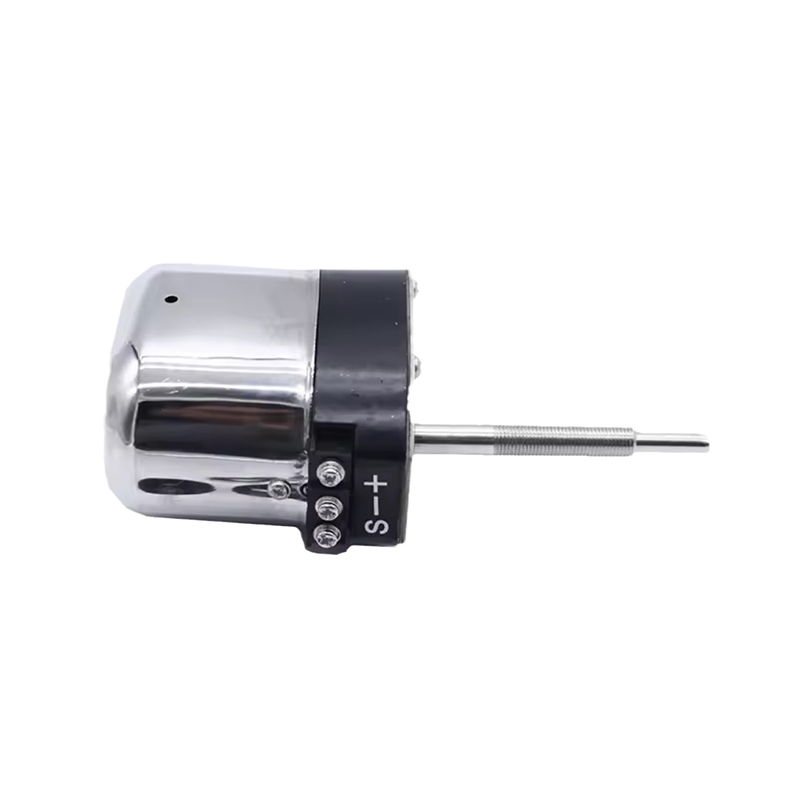
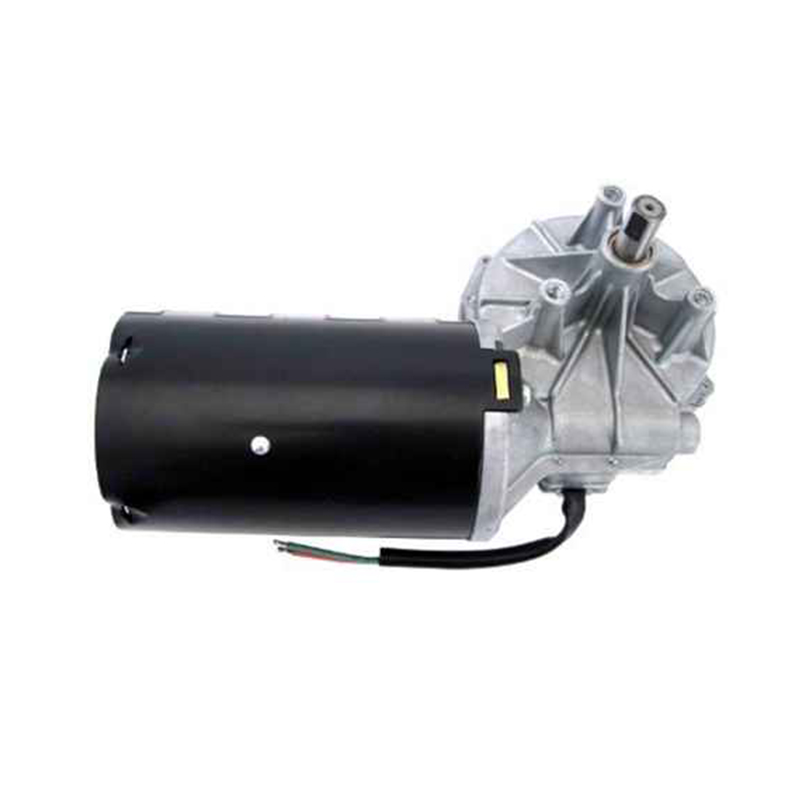
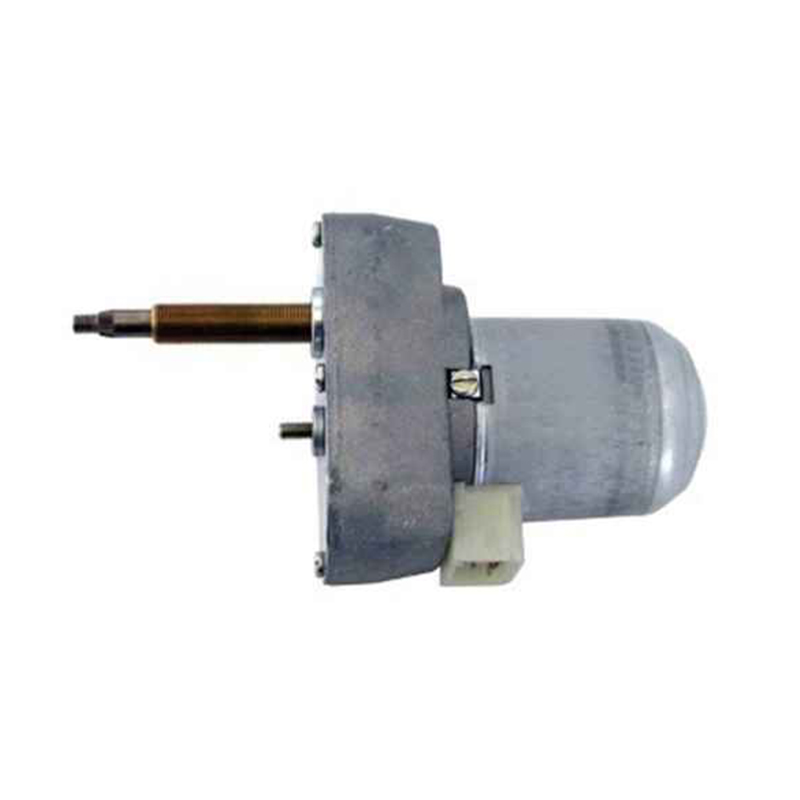
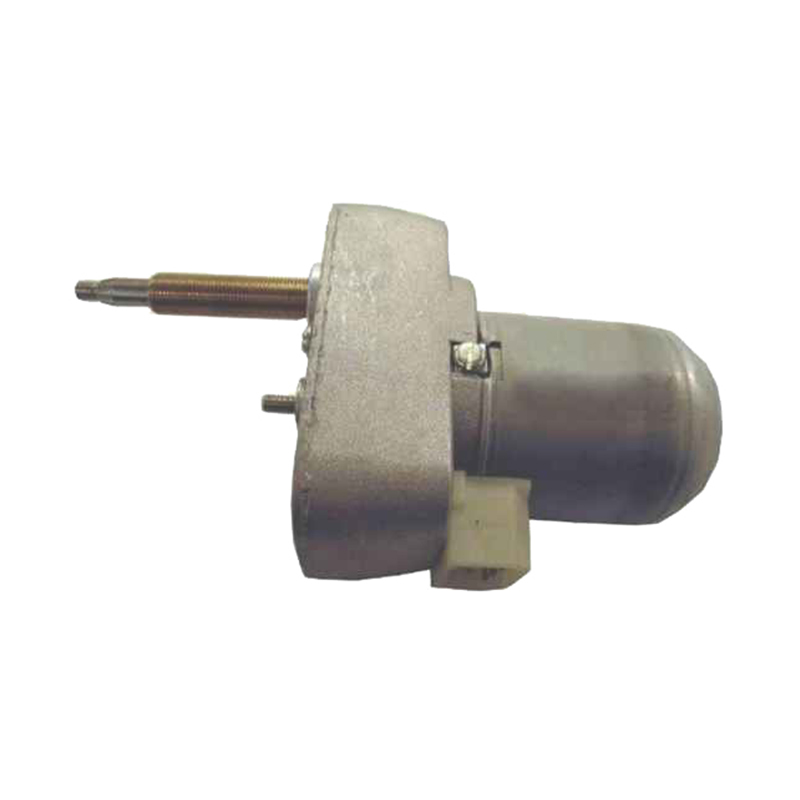
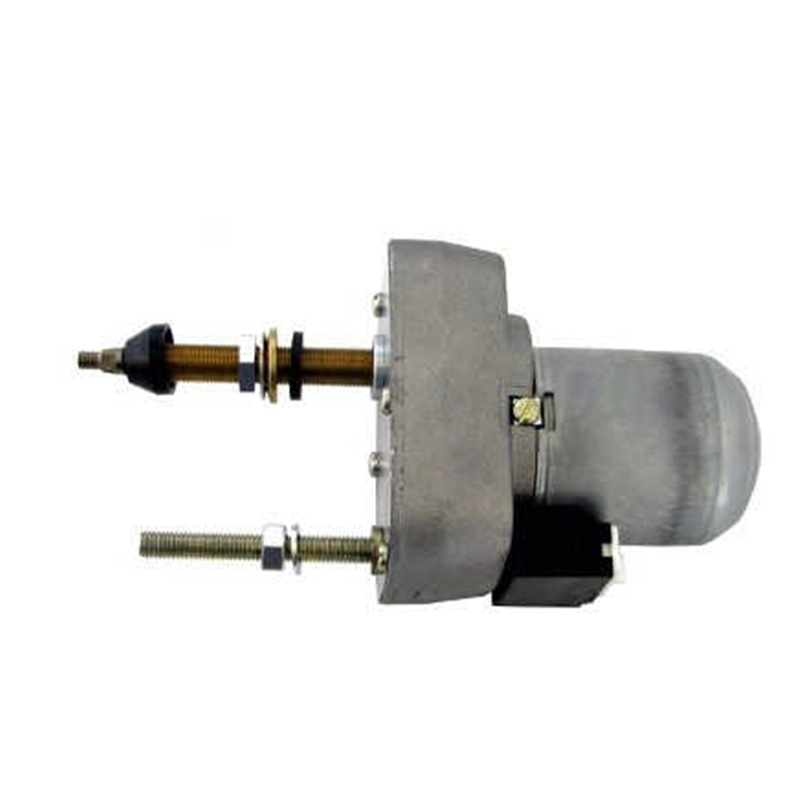
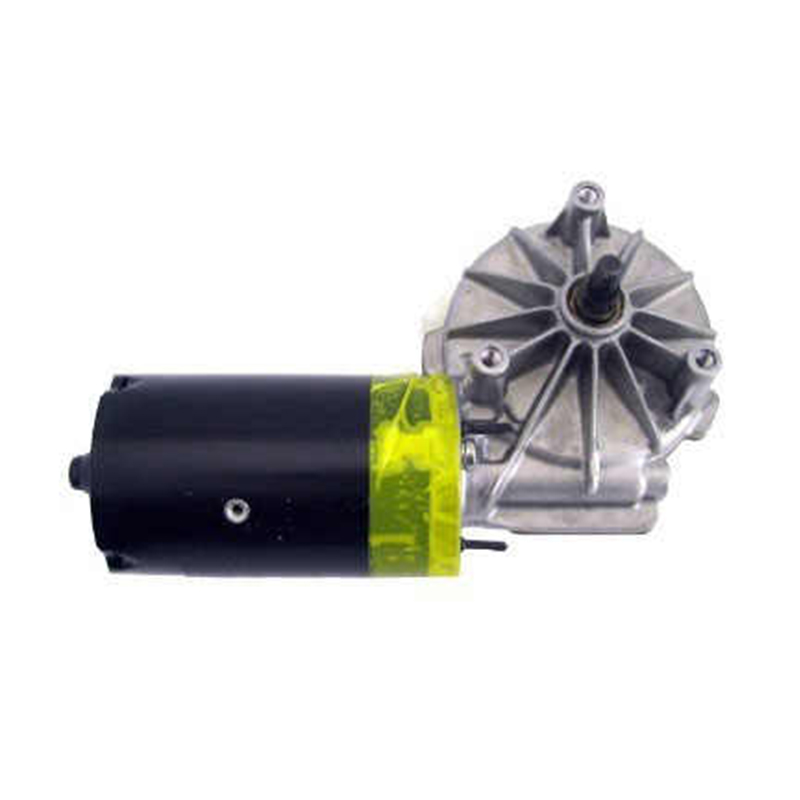
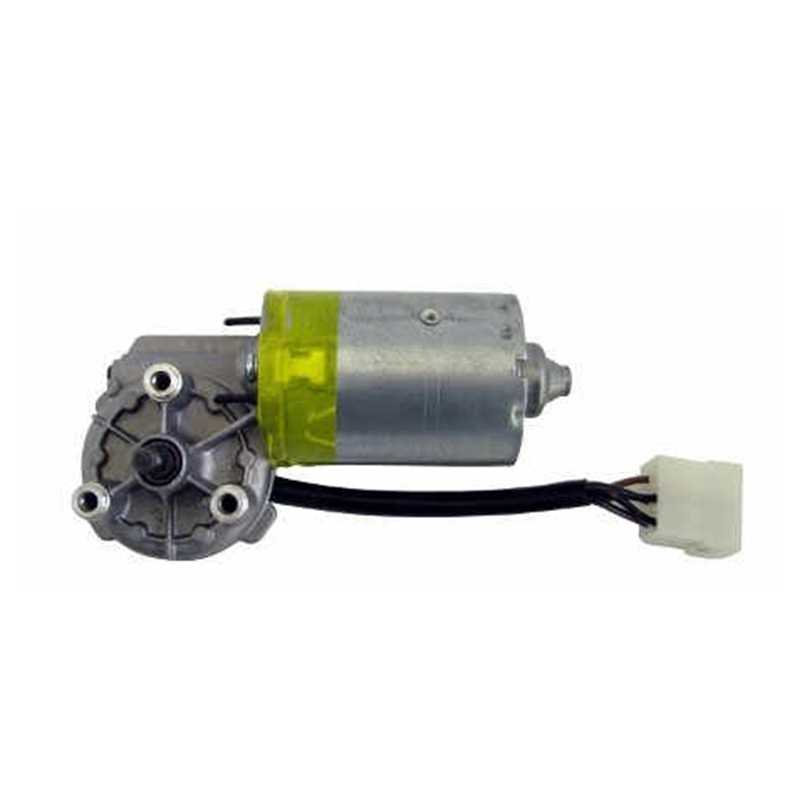
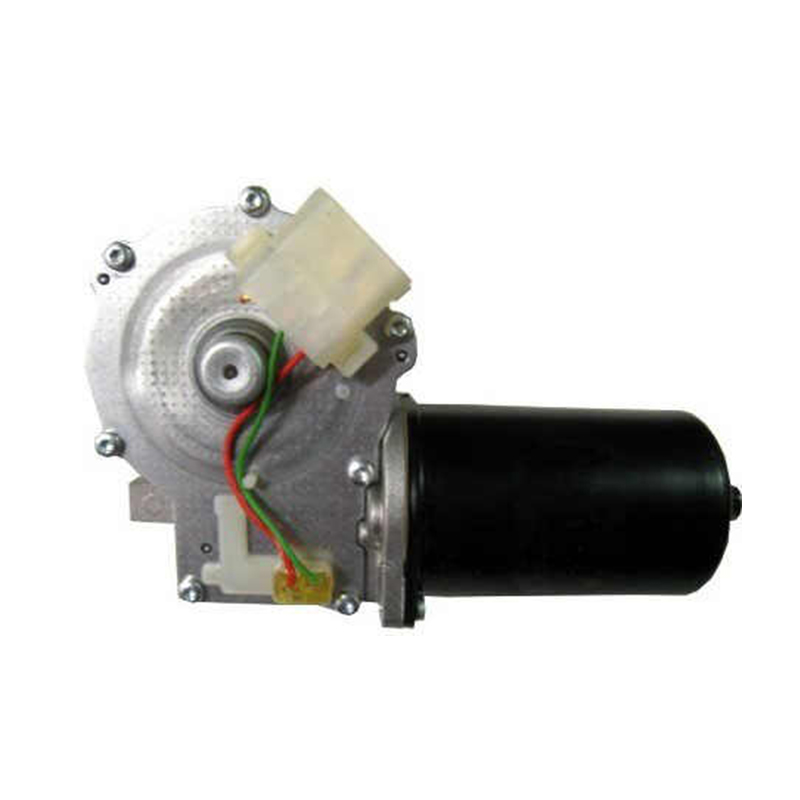
Materials Used in 7168952 Wiper Motors
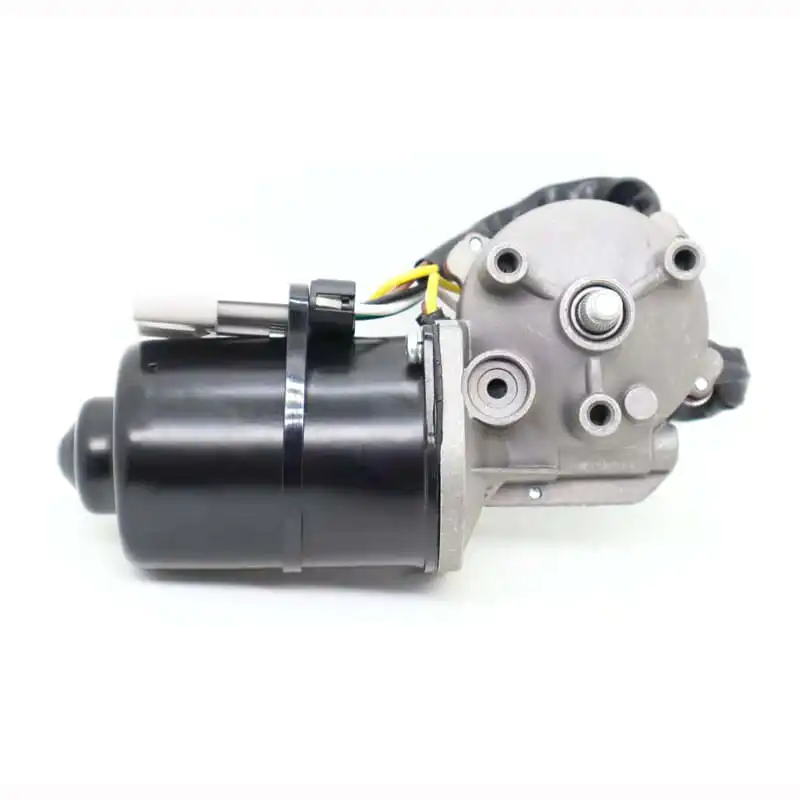
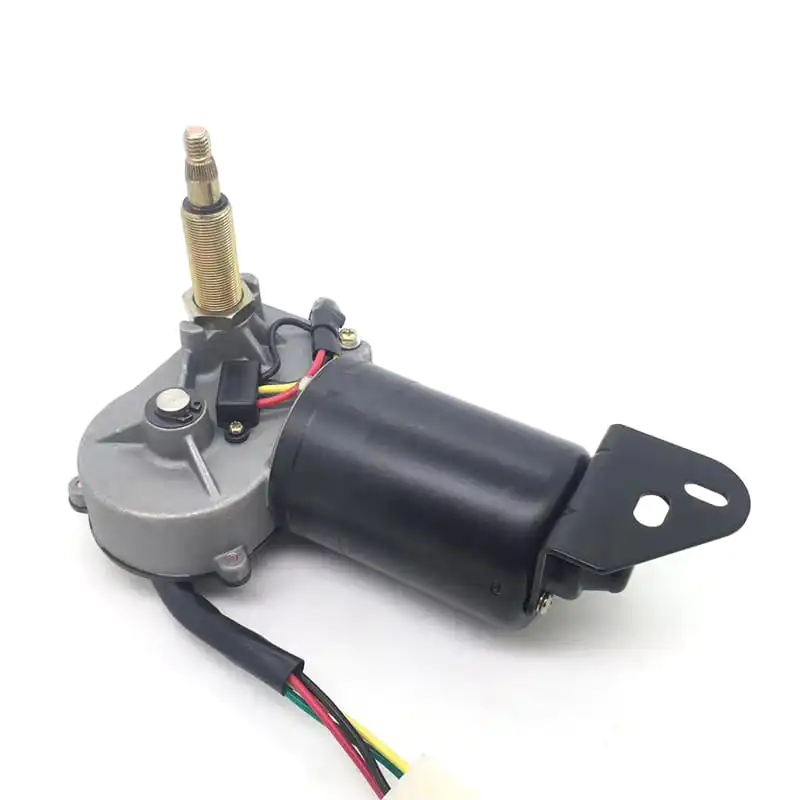
The 7168952 wiper motor is made from various materials that ensure durability, functionality, and resistance to environmental factors. Below are the key materials used in its construction:
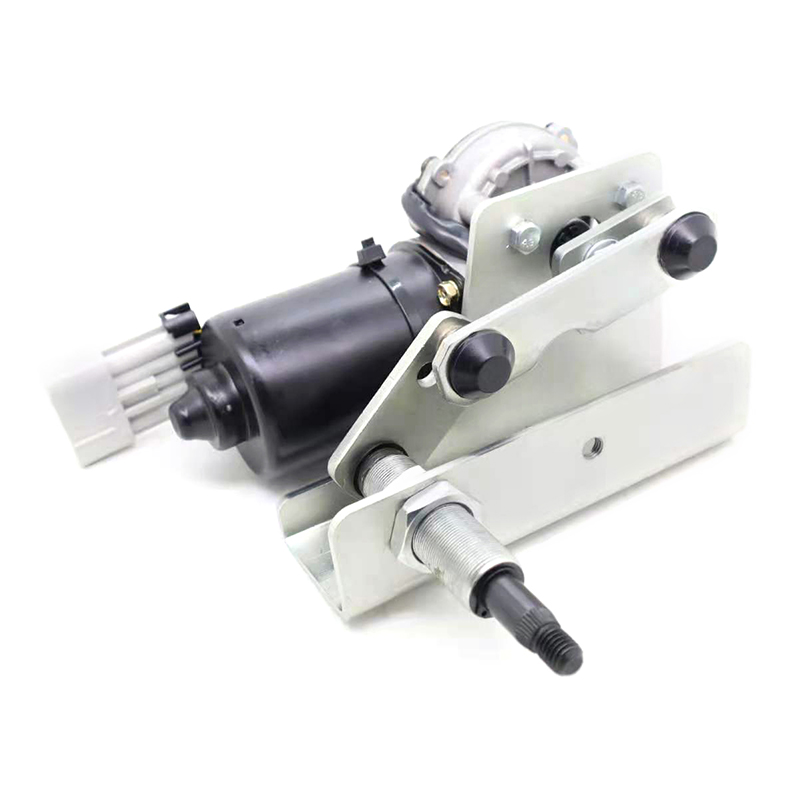
Steel:
Application: Steel is used for components like the motor housing, shafts, and gears. It provides strength and durability to withstand the mechanical stresses involved in wiper operation.
Advantages: Steel is resistant to wear and corrosion, making it suitable for the harsh environment inside the motor and exposed areas of the vehicle.
Copper:
Application: Copper is commonly used for motor windings and electrical contacts due to its excellent conductivity.
Advantages: Copper’s high conductivity ensures efficient power transmission, allowing the wiper motor to function smoothly and reliably.
Plastic:
Application: Various plastic materials are used for the housing, connectors, and some internal components. Plastics help reduce the weight of the motor.
Advantages: Plastics provide cost efficiency, corrosion resistance, and electrical insulation for components that require protection from environmental elements.
Rubber:
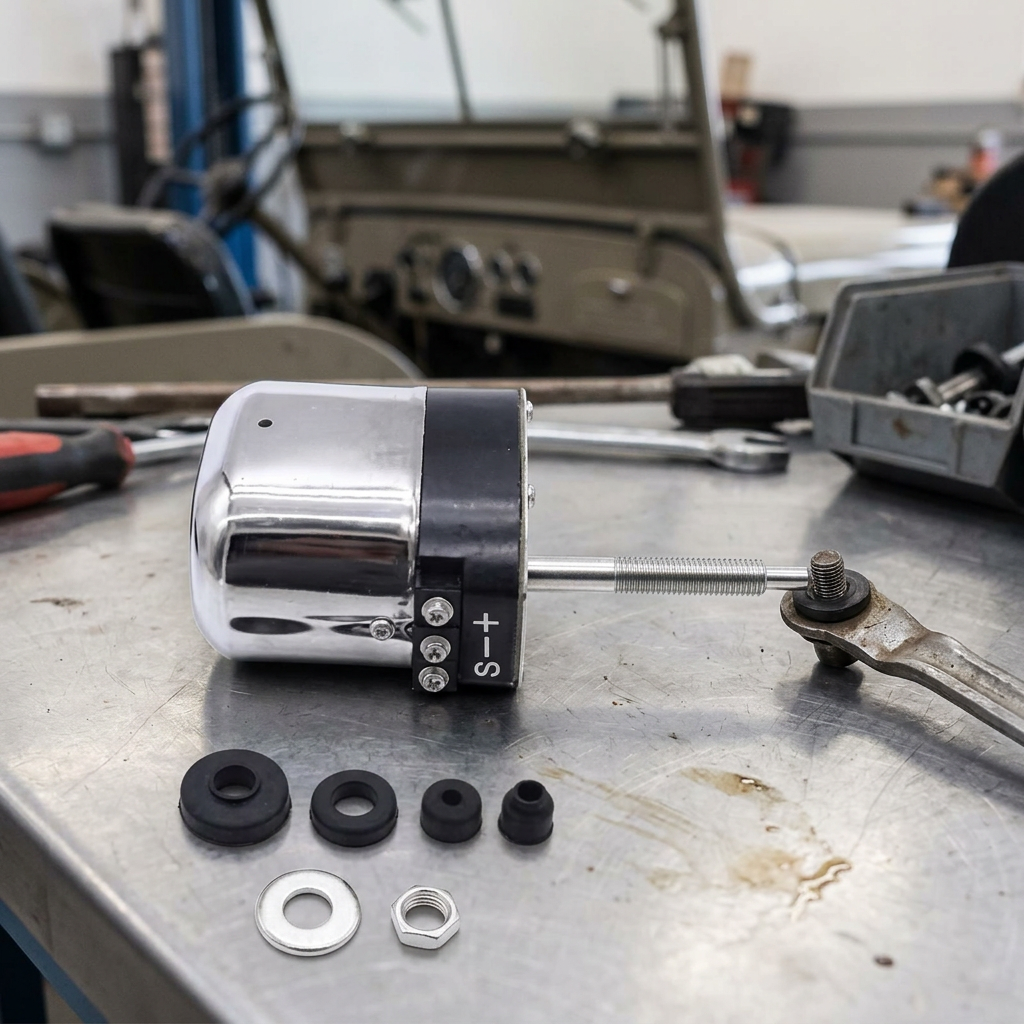
Application: Rubber gaskets or seals are used in wiper motors to prevent water and dirt from entering the motor housing.
Advantages: Rubber seals ensure the motor’s internal parts remain free from moisture, helping to extend the motor's lifespan and prevent damage.
What Are 7168952 Wiper Motors Commonly Used In?
The 7168952 wiper motor is primarily used in various automotive applications, serving as an essential part of a vehicle's windshield cleaning system. Below are some of the most common uses of this motor:
1. Passenger Vehicles
- Function: In passenger vehicles, the 7168952 wiper motor is responsible for driving the windshield wiper blades, ensuring a clear field of vision during adverse weather conditions.
- Application: These motors are installed in cars, trucks, and SUVs, where they provide reliable wiper performance for cleaning the windshield in rain, snow, or other environmental factors.
2. Commercial Vehicles
- Function: In larger vehicles such as buses, trucks, and delivery vehicles, the wiper motor is used to maintain clear visibility for the driver, ensuring safe driving during precipitation.
- Application: Commercial vehicles often require more robust and powerful wiper motors due to larger windshield areas. The 7168952 motor is designed to meet these needs with consistent performance.
3. Agricultural Machinery
- Function: The 7168952 wiper motor is also used in agricultural machinery such as tractors and harvesters, where visibility is crucial for operators working in all weather conditions.
- Application: Wiper motors in these machines help maintain clean windows, especially in environments where dust and mud can accumulate quickly, ensuring operators can maintain clear visibility for safe operation.
4. Construction Equipment
- Function: Construction machinery like excavators, bulldozers, and cranes often uses wiper motors to maintain visibility from the operator’s cabin.
- Application: These vehicles work in rough conditions, and the wiper motor helps keep the windows clean in inclement weather, providing operators with a safe working environment.
7168952 Wiper Motor Usage Precautions
Using the 7168952 wiper motor properly is essential for ensuring its longevity and effective performance. Below are important precautions to consider when using this motor:
Regular Inspection:
- Check for Wear and Tear: Periodically inspect the wiper motor for signs of wear, including irregular movement or unusual noise. Early detection of issues can prevent more severe damage to the motor or other components.
Proper Voltage Supply:
- Ensure Correct Voltage: Always make sure that the wiper motor is supplied with the correct voltage as specified by the manufacturer. Incorrect voltage can damage the motor, leading to malfunction or failure.
Use of Voltage Regulator: In cases of fluctuating voltage, a voltage regulator should be used to ensure consistent power to the wiper motor.
Avoid Overuse:
- Limit Continuous Operation: Continuous operation of the wiper motor for prolonged periods can overheat the motor and reduce its efficiency. It is advisable to allow the motor to cool down during extended use.
Cleanliness and Lubrication:
- Keep Components Clean: Ensure that the motor and its components, including the wiper arms and blades, are free from debris, dirt, and other contaminants. This will help prevent unnecessary strain on the motor and reduce wear.
- Lubricate Moving Parts: Periodically lubricate the moving parts of the wiper motor to ensure smooth operation and prevent corrosion.
Waterproofing and Sealing:
- Check Seals and Gaskets: The motor should be protected from water and dirt, as these elements can cause short-circuiting or rusting of the motor’s internal parts. Regularly check that seals and gaskets are intact and free from damage.
Proper Installation:
- Ensure Correct Positioning: When installing the motor, ensure that it is positioned correctly and securely. A loose motor can lead to misalignment, affecting the efficiency of the wiper blades and the motor’s overall performance.

 WeChat


 +86-0577-66009580
 juntmotor@126.com
 Language
  English
 Português