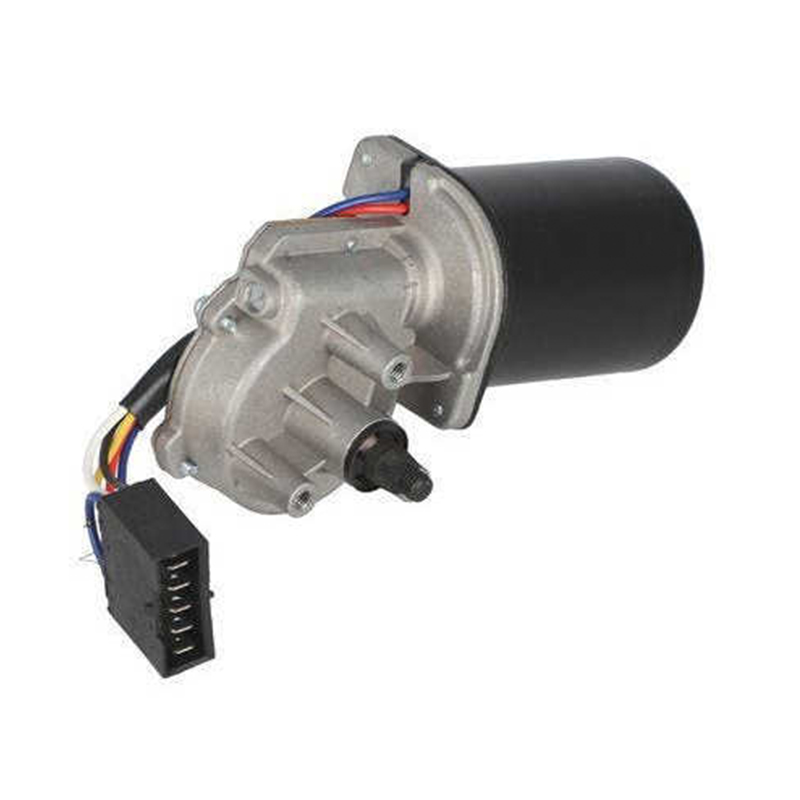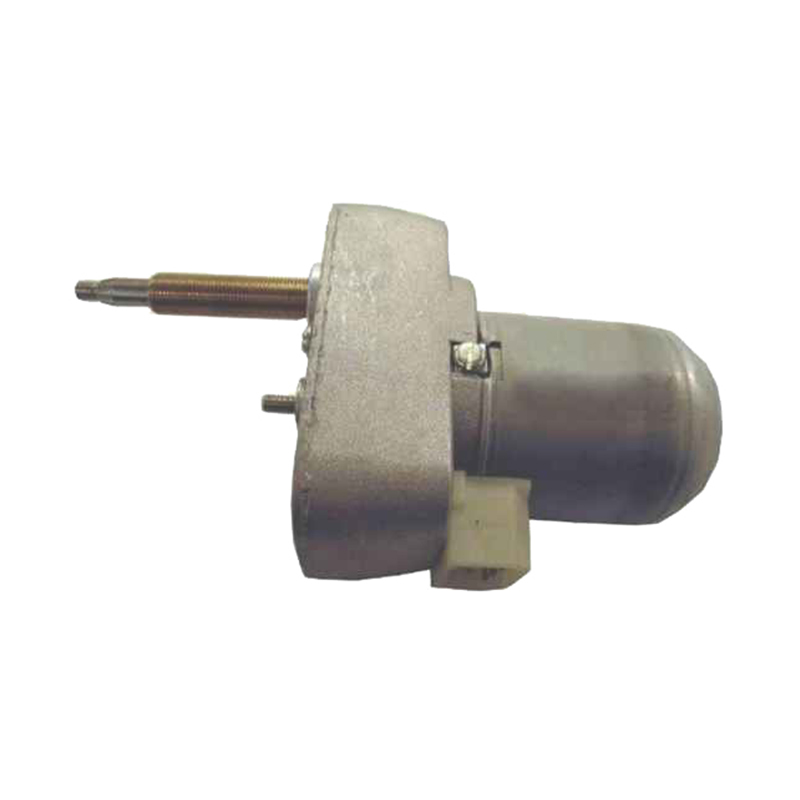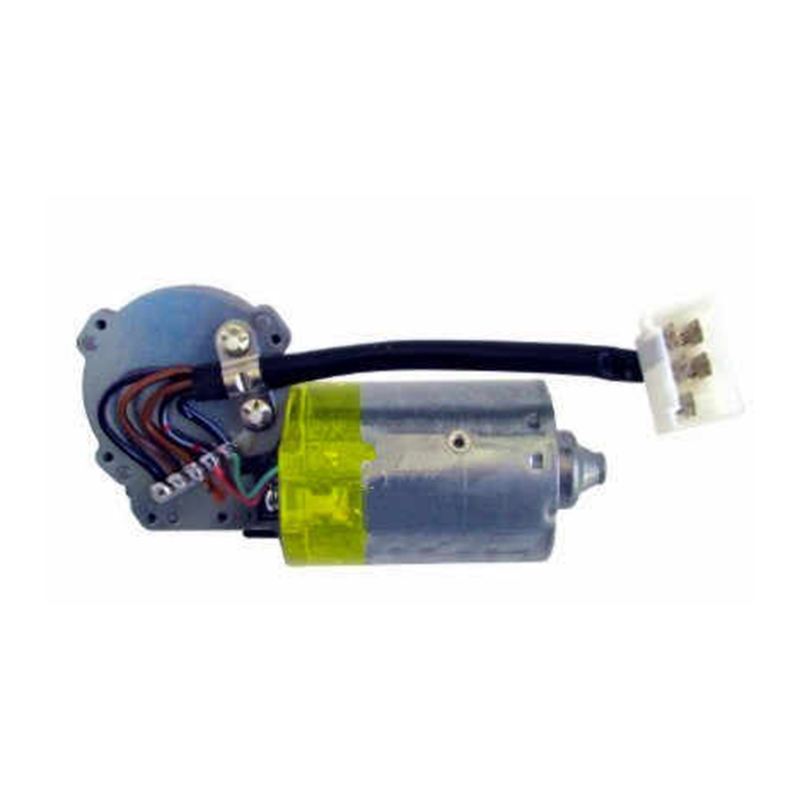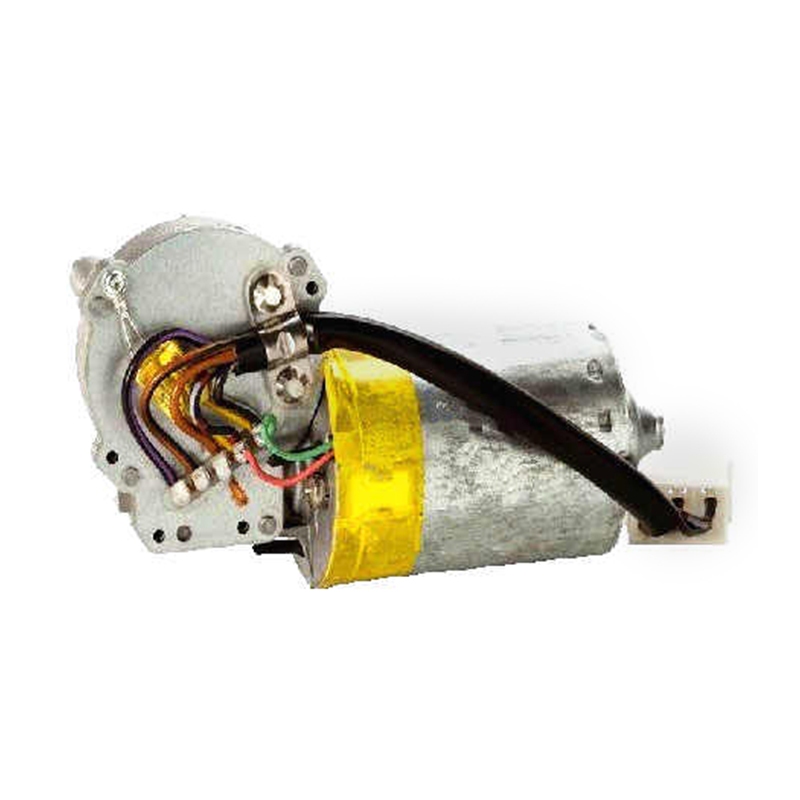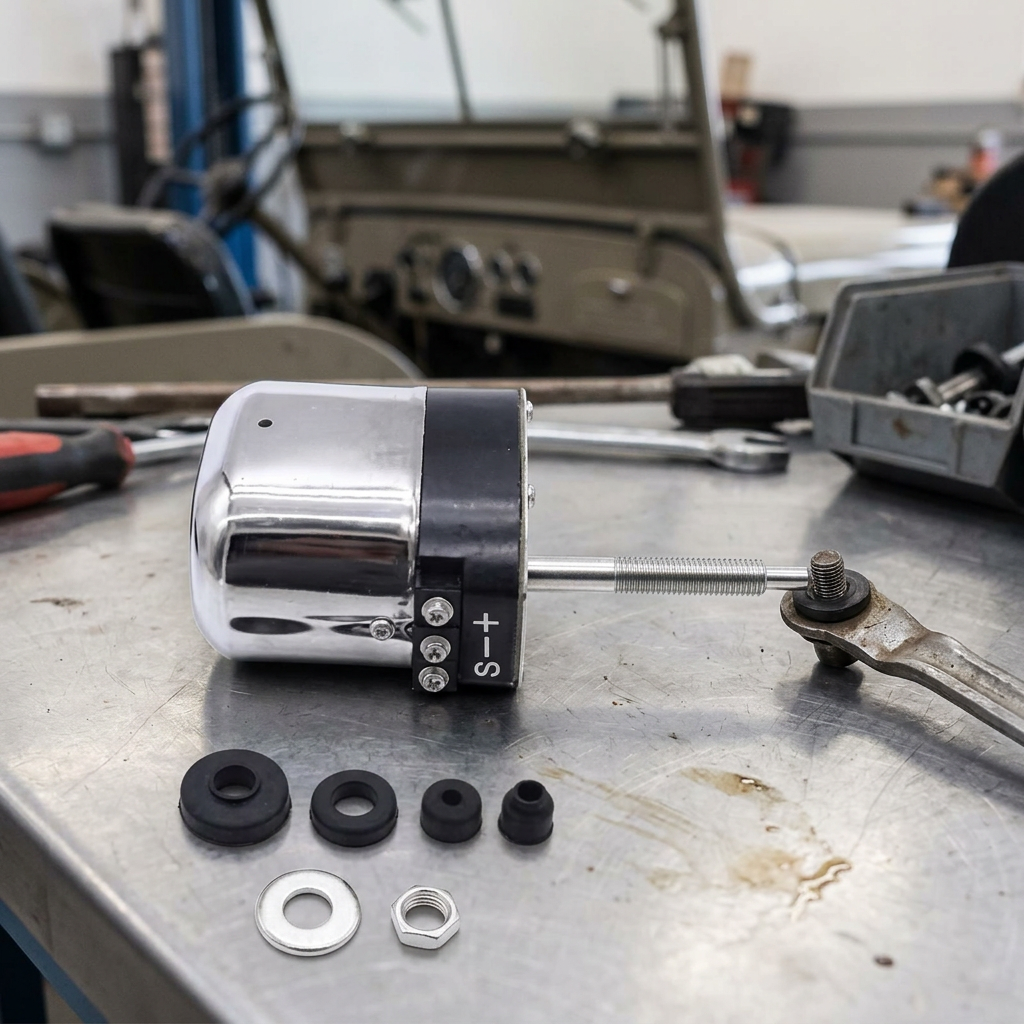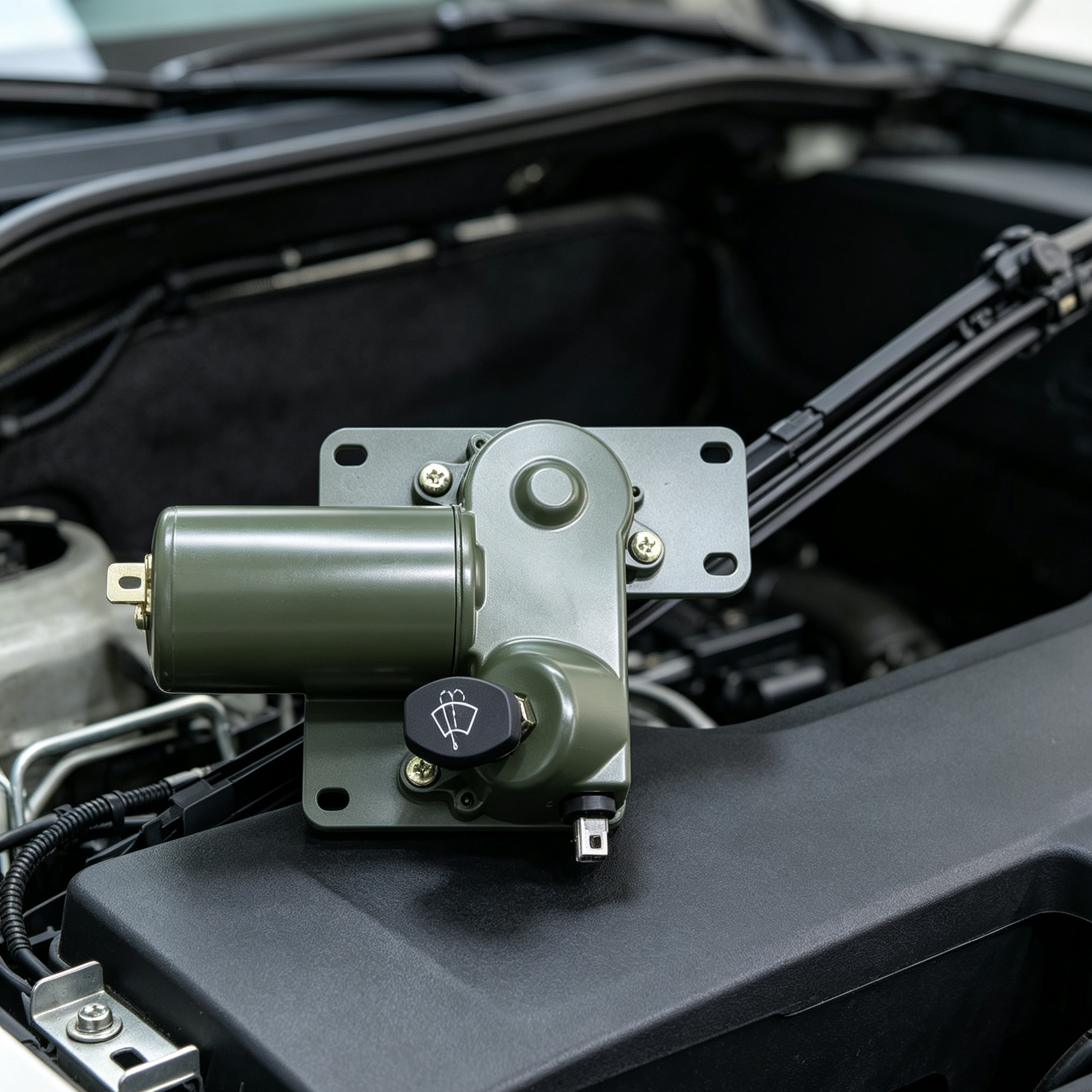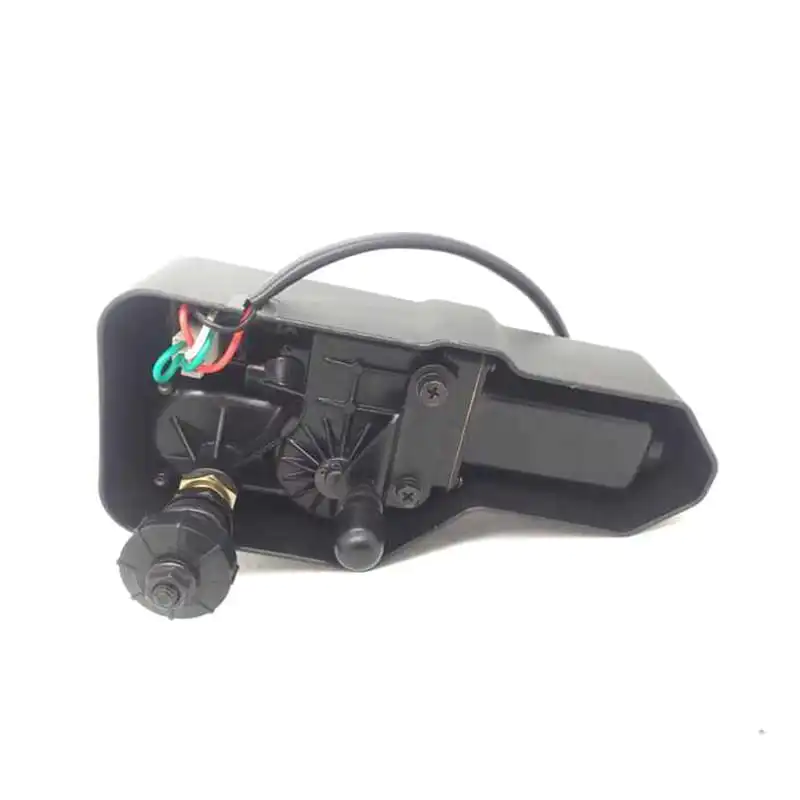
A driver caught in a sudden downpour, flicking the wiper switch and hearing a labored groan instead of the usual smooth sweep across the glass, is experiencing exactly the kind of problem this topic covers. A windshield wiper may seem like a simple part of a vehicle at first glance. It moves across the glass, clears rain or moisture, and returns to its resting position without much thought from the person behind the wheel.
Behind that familiar movement is a motor that has to work with several connected parts, all cooperating in ways drivers rarely consider until something goes wrong.
When the wipers begin moving slowly, stopping unexpectedly, making unusual sounds, or failing to return correctly, the motor may be one possible source of the trouble. However, performance issues don't always trace back to the motor itself, which is exactly what makes diagnosis tricky for owners and shops alike.
The wiper linkage, electrical connections, wiper arms, blades, windshield condition, and surrounding environment can all affect how the system behaves as a whole. Understanding these factors can make inspection a lot more practical. It can also help vehicle owners and buyers communicate more clearly with a Wiper Motor Manufacturer when replacement parts are being considered for a repair.
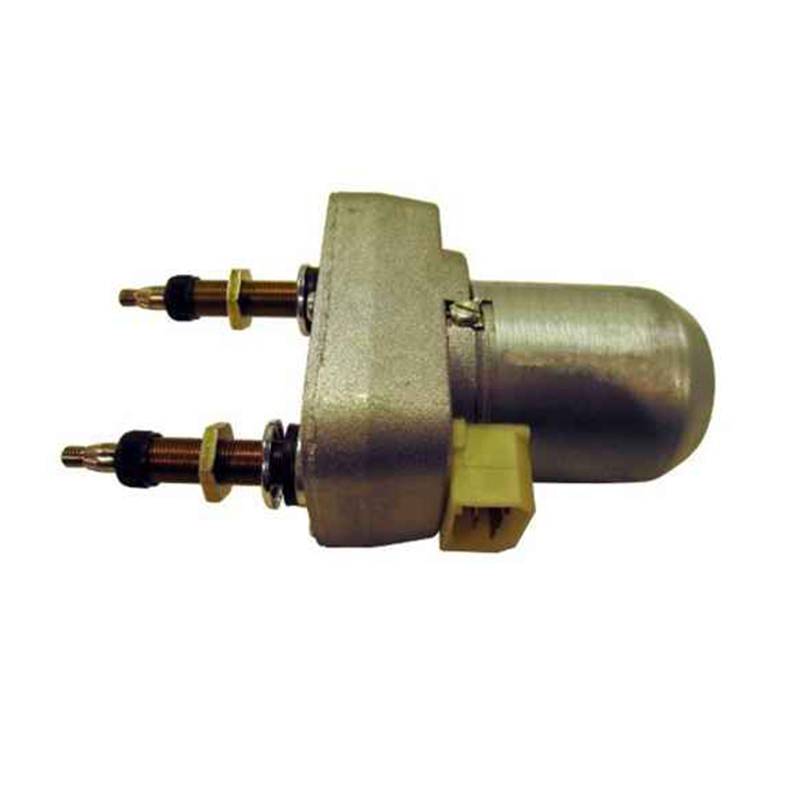
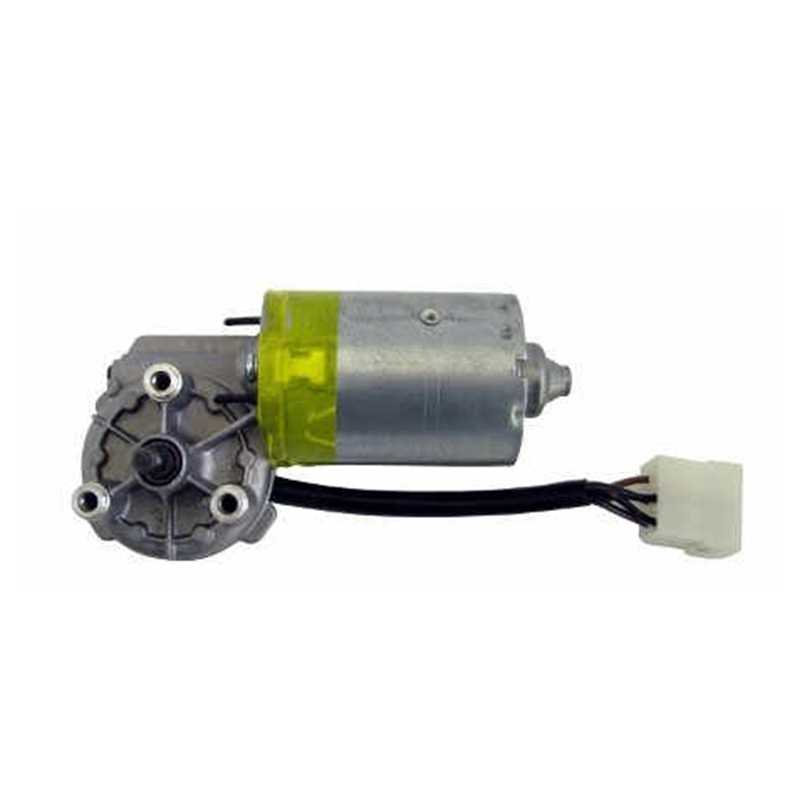
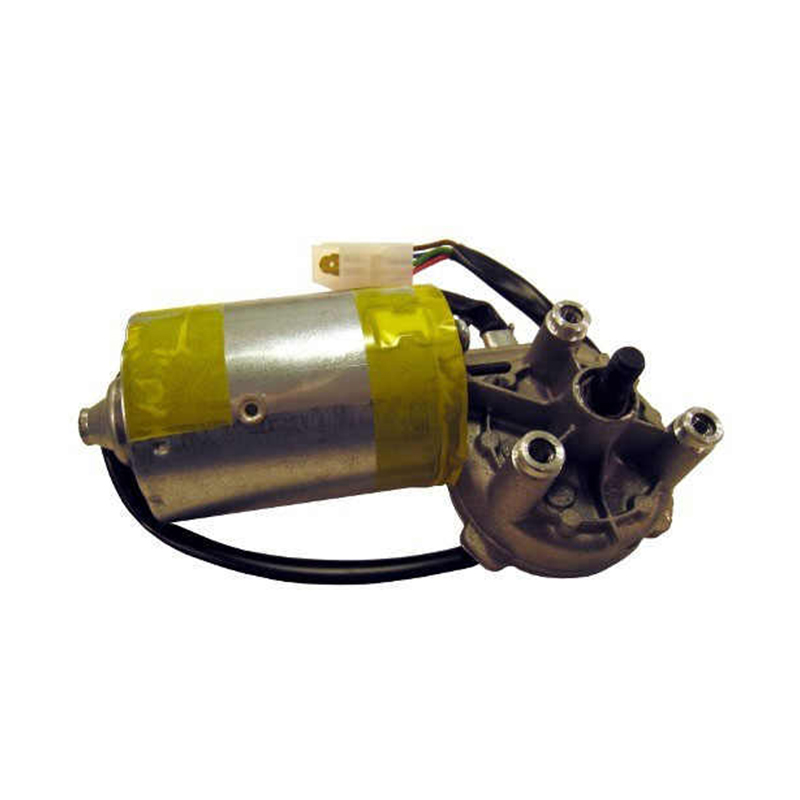
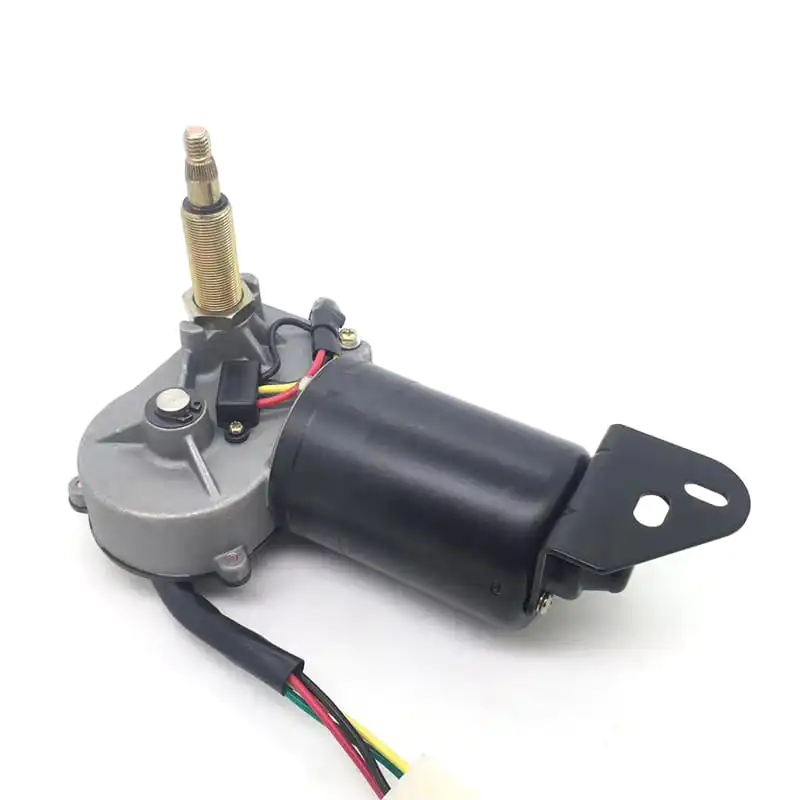
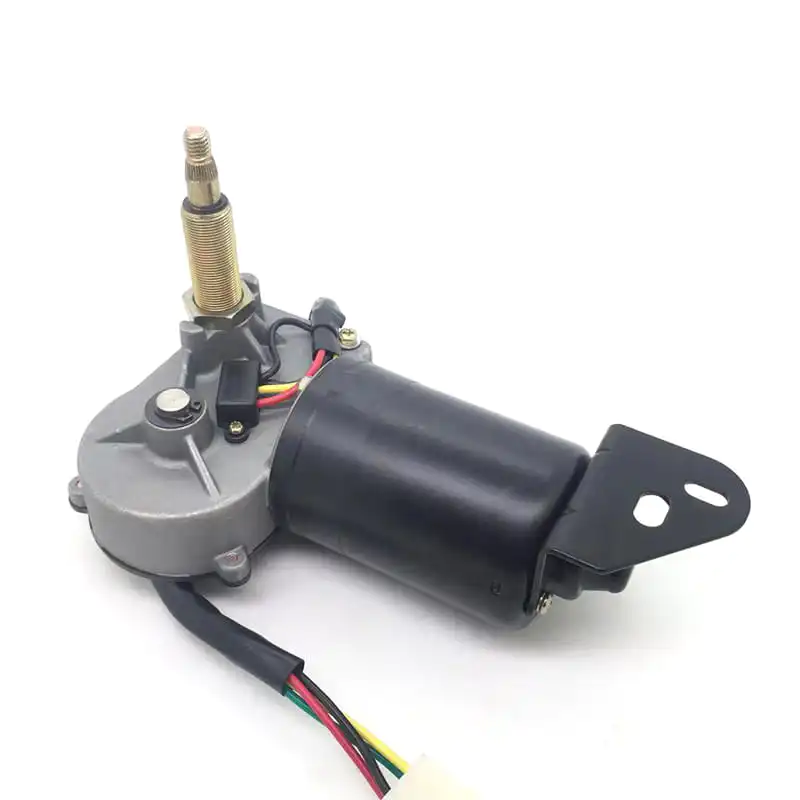
The Wiper Windshield Motor provides the movement needed to operate the entire windshield wiper system, acting as the starting point for everything that follows.
When the driver activates the wipers, the motor converts electrical power into mechanical movement almost instantly. That movement then gets transferred through connected components to the wiper arms sweeping across the glass. The system needs to work as a group, not as isolated pieces performing separate jobs.
A motor may be in genuinely good condition, but a problem elsewhere can still affect the final movement everyone actually notices.
| Component | General Role |
|---|---|
| Wiper motor | Provides movement |
| Linkage | Transfers motor movement |
| Wiper arm | Carries the blade across the glass |
| Wiper blade | Contacts and clears the windshield |
| Electrical connection | Supplies power and control |
| Control switch | Activates the wiper system |
This relationship explains why diagnosing a wiper problem requires a lot more than simply checking whether the motor turns on a bench.
A slow wiper can be caused by increased resistance somewhere in the mechanical system, not the motor losing power. An intermittent wiper can involve an electrical connection acting up under vibration. A noisy operation may point toward wear or a problem in the linkage rather than the motor housing itself.
The symptoms provide useful clues throughout troubleshooting, but they don't automatically identify one component as the definite cause.
Like other moving vehicle components, a wiper motor can experience wear through repeated use over years of daily driving.
Every activation places the internal parts and connected mechanism into motion, however briefly. Frequent operation during rainy or dusty conditions can increase the workload considerably compared to a car parked in a garage most of the time.
Over time, wear may gradually change how the motor responds to the driver's commands.
Possible signs include:
These symptoms can develop gradually rather than announcing themselves all at once.
A driver may notice the wipers aren't moving quite the way they used to, but the change may be subtle at the beginning, easy to dismiss as imagination.
Wear doesn't always mean the motor must get replaced immediately without further checking. An inspection can help determine whether the issue comes from the motor or another connected component doing the damage indirectly. A replacement Wiper Windshield Motor should also match the vehicle's system and installation arrangement precisely, rather than approximated.
Selecting a motor based only on its appearance can create genuine compatibility problems once it's actually installed.
The motor has to move the wiper mechanism across the windshield every time it's activated, regardless of conditions outside.
Under normal circumstances, the system is designed to move within its intended operating range without strain. Changes in resistance can make the motor work a lot harder than it was built for, though.
Several conditions may increase the load on the system:
A motor that repeatedly works against unnecessary resistance may show genuinely unusual behavior over time, even if it started out perfectly healthy.
For example, the wipers may slow down or stop entirely when the system encounters greater resistance than usual, like a windshield caked in road grime after a long highway drive.
This doesn't necessarily mean the motor itself has failed as a component. Checking the complete wiper assembly can reveal whether the motor is simply being asked to overcome a mechanical problem elsewhere in the chain.
This becomes particularly useful when the motor operates normally without the wiper linkage attached but struggles once connected to the complete system under load.
Electrical connections are another genuinely important part of wiper performance, easy to overlook next to the motor itself.
The motor needs a suitable electrical supply and reliable connections to respond correctly to the driver's controls flipped from inside the cabin. A poor connection can create genuinely intermittent behavior that's frustrating to pin down.
Possible causes include several distinct issues.
| Connection Issue | Possible Effect |
|---|---|
| Loose connection | Irregular operation |
| Damaged wiring | Intermittent response |
| Corroded contact | Reduced electrical reliability |
| Poor grounding | Unstable motor behavior |
| Incorrect connection | Improper operation |
Electrical problems can sometimes prove difficult to identify because the wipers may work normally at one moment and behave differently just minutes later, depending on vibration or temperature.
The condition of connectors and wiring should therefore get considered whenever symptoms appear inconsistent from one drive to the next.
If the motor doesn't receive the expected electrical input in the first place, replacing the motor alone may not solve anything at all. A complete inspection helps avoid unnecessary part replacement that wastes money without fixing the actual problem.
Wiper systems operate outside the vehicle cabin entirely, so they're exposed to constantly changing environmental conditions that indoor components never face.
Moisture, dust, dirt, heat, cold, and road debris can all affect components over time, wearing at seals and connections gradually. The windshield itself can also influence the load placed on the entire system.
For example, dirt on the glass may increase resistance between the wiper blade and windshield noticeably. A frozen blade can create a much greater mechanical load the moment the wipers get activated on a cold morning.
Environmental factors may include:
Drivers can reduce avoidable strain by checking the windshield before activating the wipers in difficult conditions, rather than flipping the switch and hoping for the best.
Removing heavy ice or debris manually beforehand can help prevent the motor and linkage from working against unnecessary resistance right from the first cycle. The motor is only one part of a system that operates directly against the windshield surface, and that surface's condition matters just as much.
Wiper movement provides genuinely useful information during troubleshooting, more than a quick glance might suggest.
Different symptoms can suggest different areas worth checking first. A wiper that moves slowly may involve increased mechanical resistance somewhere along the linkage. A wiper that stops suddenly may involve an electrical or mechanical issue cutting things short. A wiper that doesn't return correctly may require inspection of the motor control system or connected mechanism entirely.
The symptom itself is a starting point for investigation, rather than a final diagnosis handed down without checking further.
| Observed Behavior | Areas to Check |
|---|---|
| Slow movement | Motor, linkage, blades, windshield condition |
| Sudden stopping | Electrical supply, motor, mechanical resistance |
| Irregular movement | Connections, linkage, motor control |
| Unusual noise | Motor, linkage, mounting points |
| Incorrect resting position | Motor system, linkage, installation |
| No movement | Power supply, control, motor, connections |
This approach can help vehicle owners avoid replacing parts without actually understanding the problem behind the symptom.
It's also genuinely useful for repair professionals when discussing replacement components with a customer standing at the counter. A Wiper Motor Manufacturer may provide product information for a specific application, but the vehicle's complete wiper system still needs checking before a replacement gets selected and installed.
Wiper maintenance often starts with the simplest components, the ones easiest to inspect without any tools at all.
Wiper blades should remain suitable for normal windshield contact, without cracking or hardening from age. The glass should be kept reasonably clean throughout the season. The area around the wiper mechanism shouldn't get allowed to accumulate unnecessary debris that interferes with movement.
Regular checks can include:
These steps don't require taking the motor apart or visiting a shop at all.
They simply help identify changes before they become a lot more difficult to understand later on. A motor that suddenly behaves differently deserves attention right when the change is first noticed, not weeks later.
Maintenance is also genuinely useful after periods of severe weather have passed through. Ice, heavy rain, dirt, and debris can place additional stress on the wiper system that lingers even once the storm clears. Simple cleaning and inspection afterward can reduce unnecessary load carried forward into the next drive.
A replacement motor should be selected according to the vehicle and its existing wiper system, not chosen off a shelf by size alone.
Compatibility matters a lot more than appearance in this decision. The mounting structure, electrical connection, linkage arrangement, and control system should all get considered together before purchase.
Buyers may also want to understand the intended application and installation requirements upfront, before money changes hands.
A useful selection review can include several questions worth asking directly.
| Selection Area | Question |
|---|---|
| Vehicle compatibility | Is the motor intended for the vehicle application? |
| Mounting | Does the mounting arrangement match? |
| Electrical connection | Is the connection compatible? |
| Linkage | Does the motor work with the existing mechanism? |
| Installation | Can it be fitted correctly? |
| Product support | Is useful installation information available? |
This is where working with a suitable Wiper Motor Manufacturer can make the entire purchasing process a lot clearer for everyone involved.
Manufacturers familiar with different vehicle applications may be able to provide genuinely useful information about product compatibility and installation requirements before the part even ships.
The same consideration applies just as much when sourcing a China Wiper Motor for a repair. China Wiper Motor products are available across different vehicle and equipment applications, so buyers should focus on the actual specifications and compatibility of the required replacement, rather than assuming every motor shares the same design underneath.
A manufacturer has to consider the motor as part of a complete vehicle system, not a standalone product sold in isolation.
Product development can involve several areas working together, including housing design, internal component selection, connection arrangements, mounting structure, and compatibility with the wiper mechanism it'll eventually join.
Manufacturing consistency also matters quite a bit here, more than people outside the industry might expect.
Small differences in assembly or component fit can genuinely influence how a motor performs once it's out in daily use. A Wiper Motor Manufacturer may therefore focus on:
Environmental conditions also need consideration throughout the design process, not just at the testing stage.
A wiper motor is exposed to a genuinely different operating environment from many components tucked safely inside the vehicle cabin. Protection from moisture and contamination can therefore become part of the design approach from the start, rather than an afterthought.
The goal isn't simply making the motor move on a test bench. It needs to work with the rest of the wiper system under normal vehicle operating conditions, rain or shine.
Even a genuinely suitable motor can perform poorly if installation gets done incorrectly at the shop.
The mounting position needs to match the vehicle's original arrangement precisely, without approximation. The linkage needs to connect properly at every point. Electrical connections need to be secure enough to withstand normal vibration.
Incorrect installation can create additional resistance or genuinely abnormal movement that wasn't there with the old motor.
Common installation concerns include:
After installation, the wiper system should get checked through its normal operating functions before the car leaves the shop.
Observe the movement across the windshield carefully. Listen for unusual sounds during the cycle. Check the resting position once the wipers shut off.
If something appears different from normal, the installation should get reviewed before anyone assumes the replacement motor itself is defective out of the box.
Daily driving conditions can have a genuinely noticeable effect on wiper system workload over the life of a vehicle.
A vehicle used frequently in rainy areas may activate its wipers a lot more often than one garaged in a dry climate. A vehicle exposed to dust may require more windshield cleaning to keep resistance down. Vehicles used in cold conditions may encounter frozen glass or wiper blades stuck fast on winter mornings.
These conditions don't automatically cause motor failure on their own.
They can, however, genuinely change how much work the wiper system performs across a given month or season.
The practical response is maintaining the complete system, rather than focusing only on the motor as if it operates in isolation. Clean glass reduces unnecessary resistance right away. Suitable blades help maintain normal contact throughout their service life. Clear wiper movement makes unusual behavior a lot easier to notice before it becomes a bigger problem.
When a Wiper Windshield Motor begins showing changes in sound, movement, or response, the surrounding system should get inspected as well, not just the motor alone.
For buyers, manufacturers, and maintenance professionals, this broader view makes it a lot easier to understand why wiper performance can change over time, and why a replacement China Wiper Motor or other motor should get selected according to the actual vehicle application, rather than treated as some universal component that fits everything equally well.

Tel:+86-0577-66009580
Mobile: +86-18858801083
E-mail:juntmotor@126.com
Whatsapp:+8618858801083
WeChat: +86-18858801083
 WeChat

Automotive Reduction Motors Manufacturer

 +86-0577-66009580
 juntmotor@126.com
 Language
  English
 Português