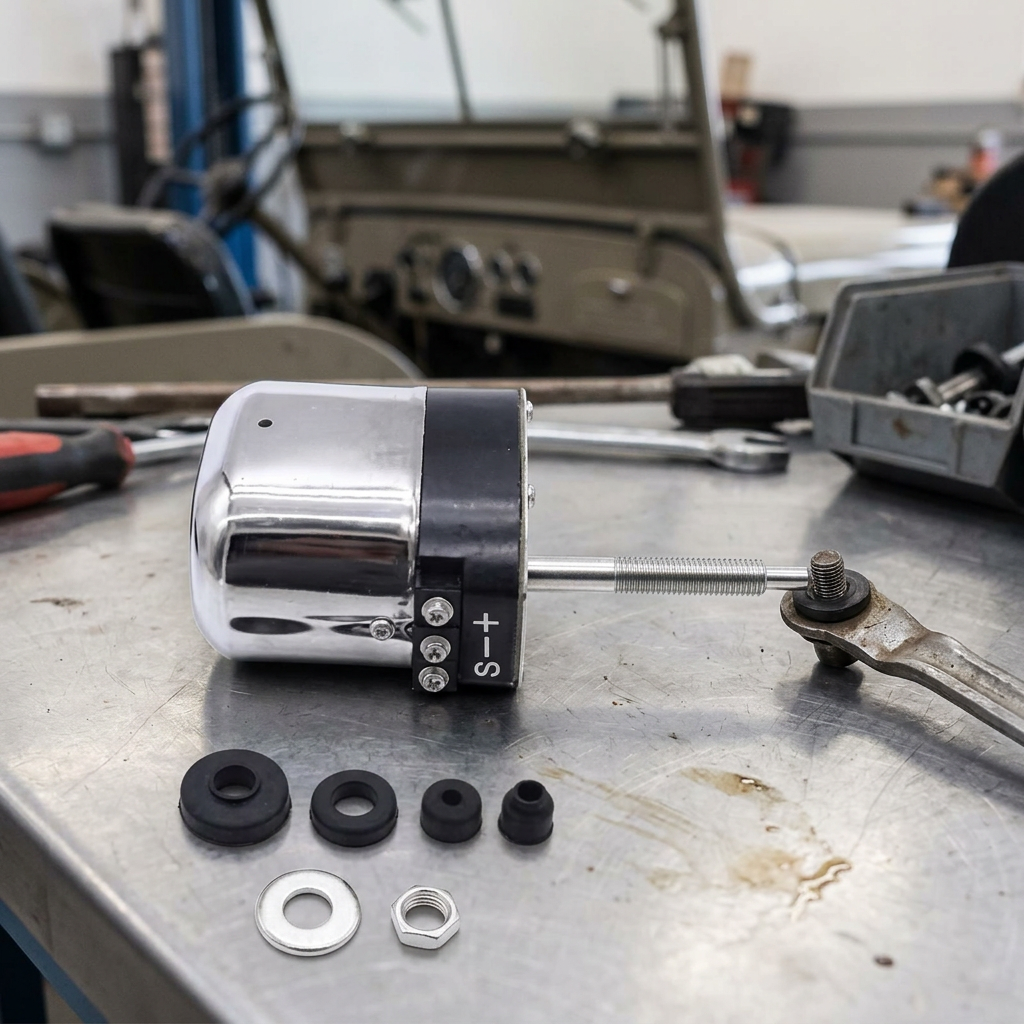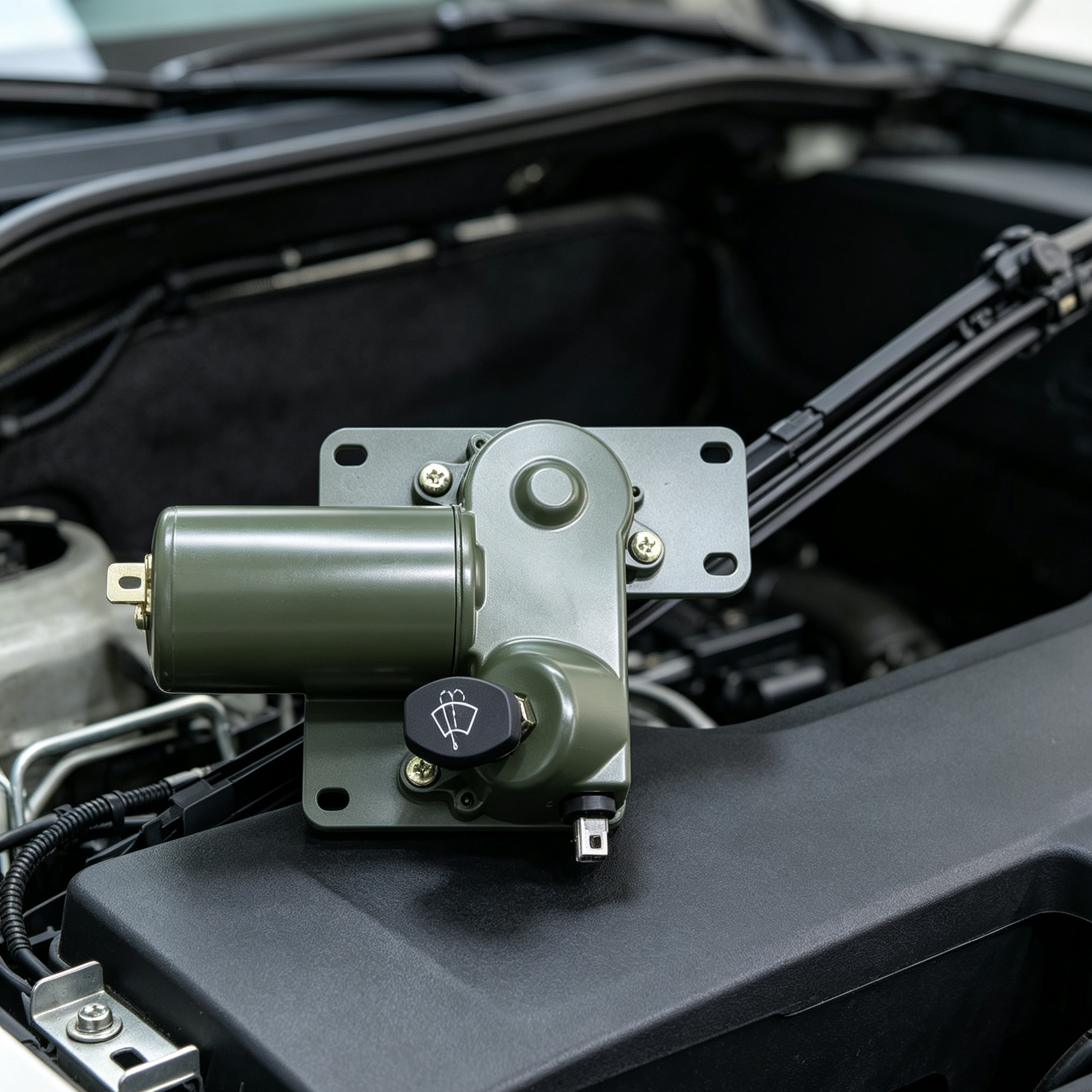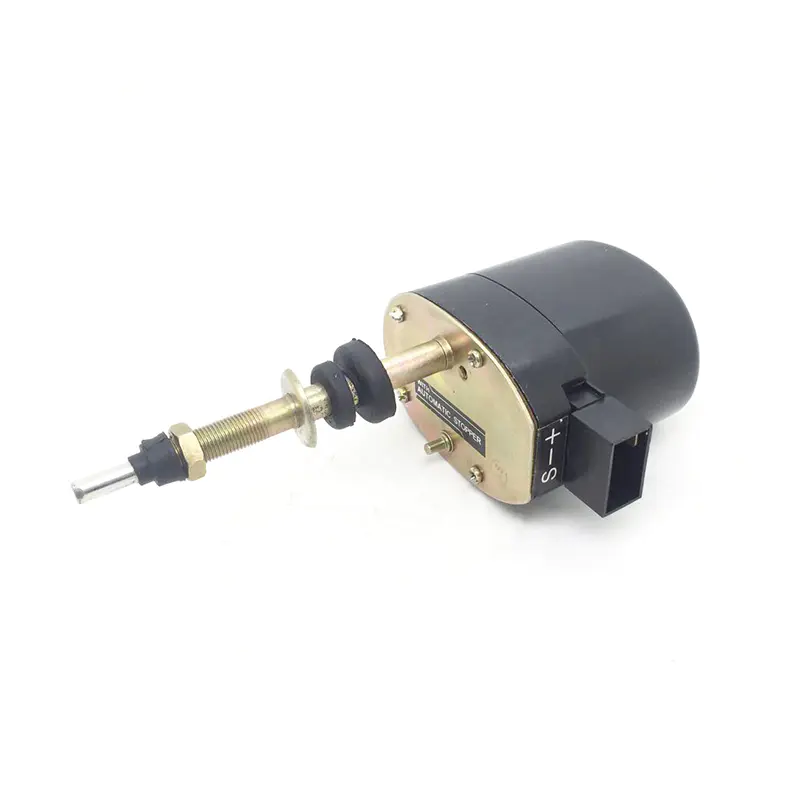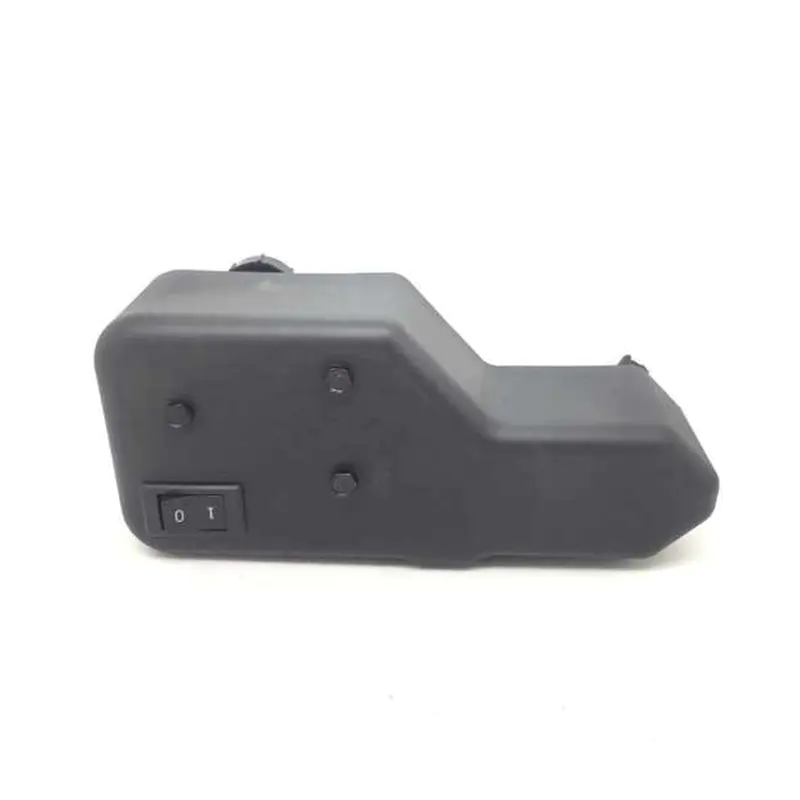
A windshield wiper looks like nothing more than an arm sweeping back and forth, but what happens underneath the cowl panel determines whether that sweep feels smooth or looks jerky. When a blade drags across the glass too slowly during a downpour, jerks at the end of its stroke, or misses a strip of glass near the edge, the root cause often traces back to the motor and how it's connected to the rest of the wiping mechanism. For vehicle manufacturers and component buyers, understanding that connection explains why motor design matters more than it might first appear.
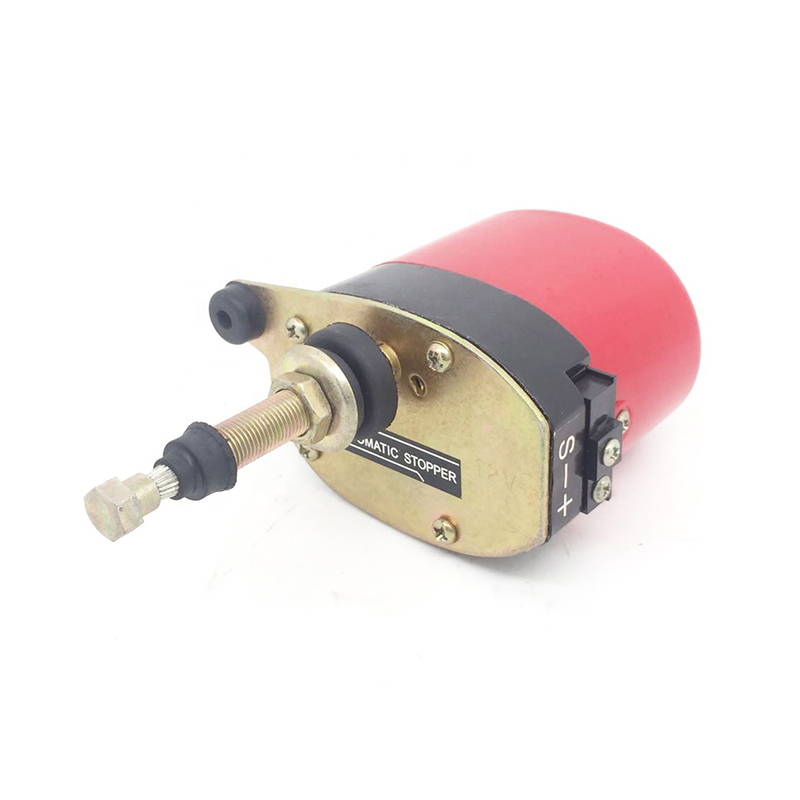
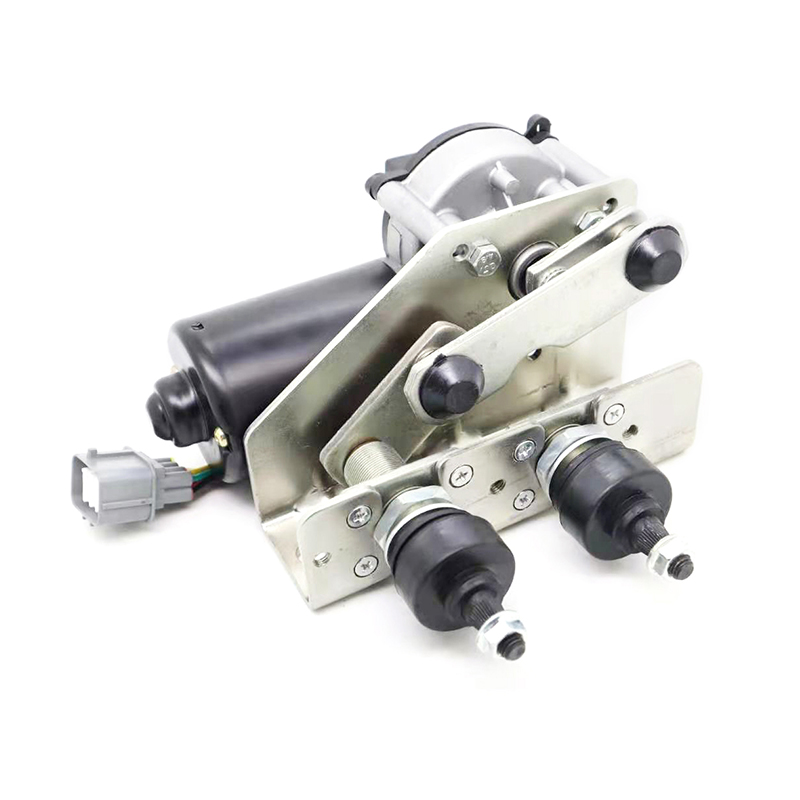
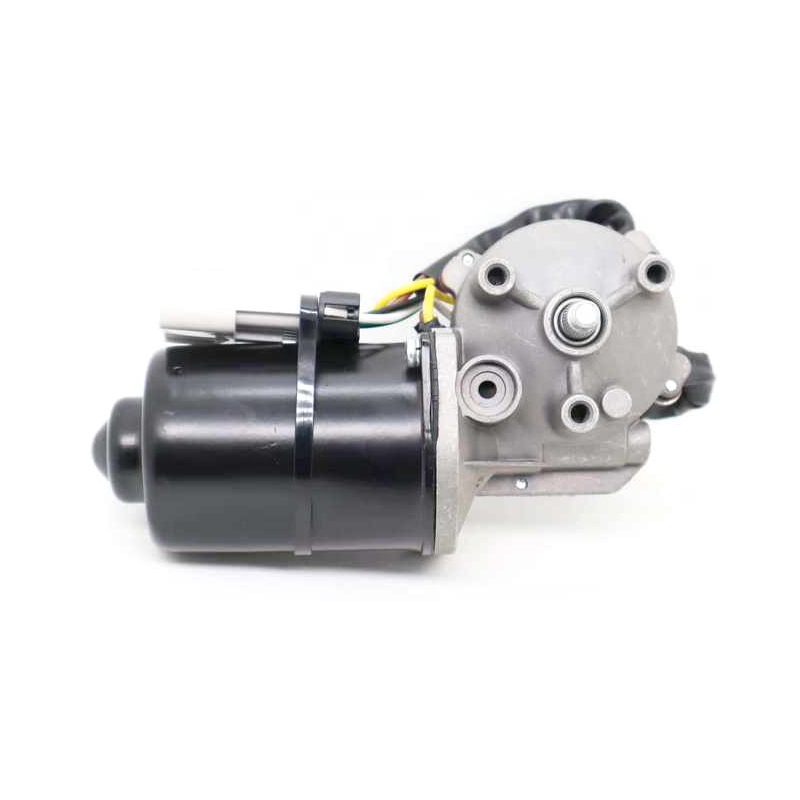
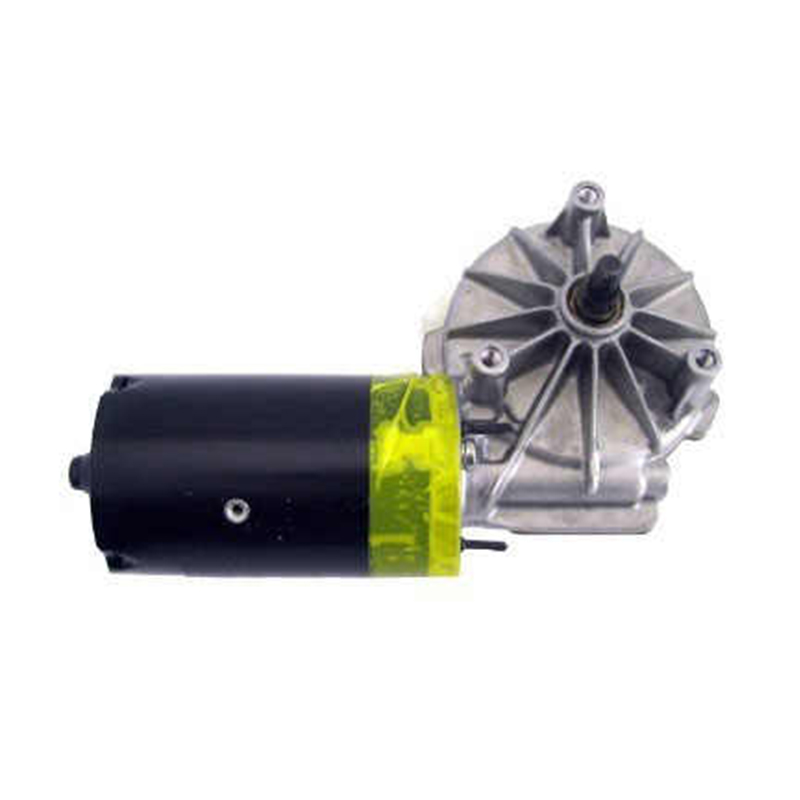
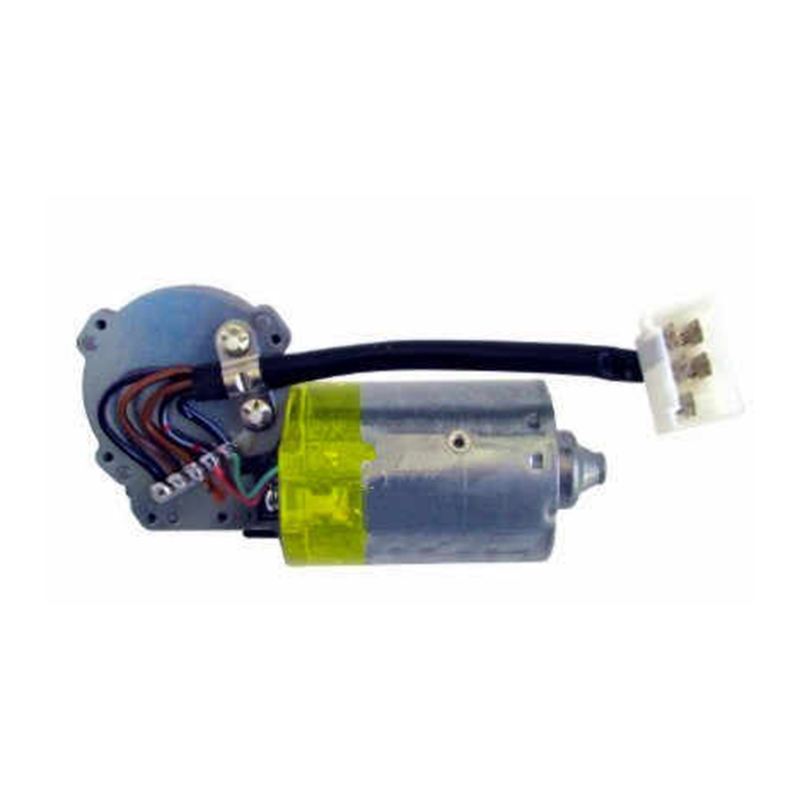
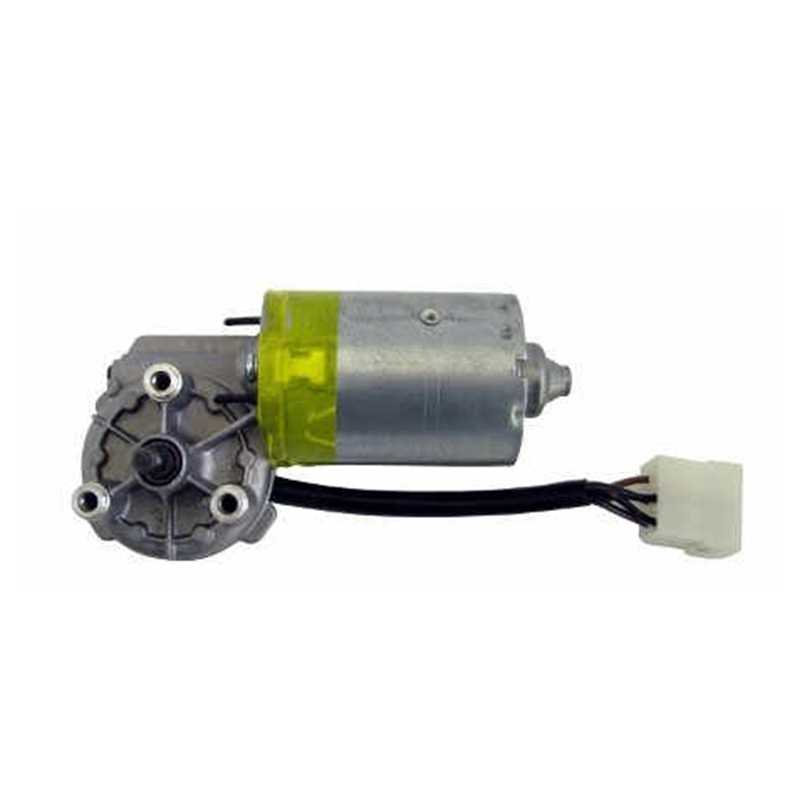
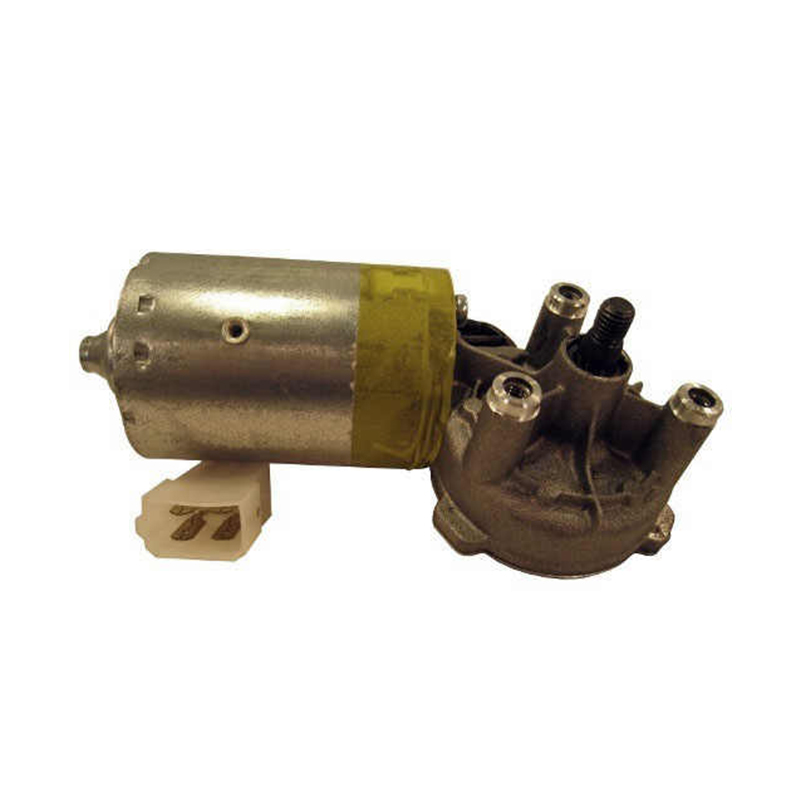
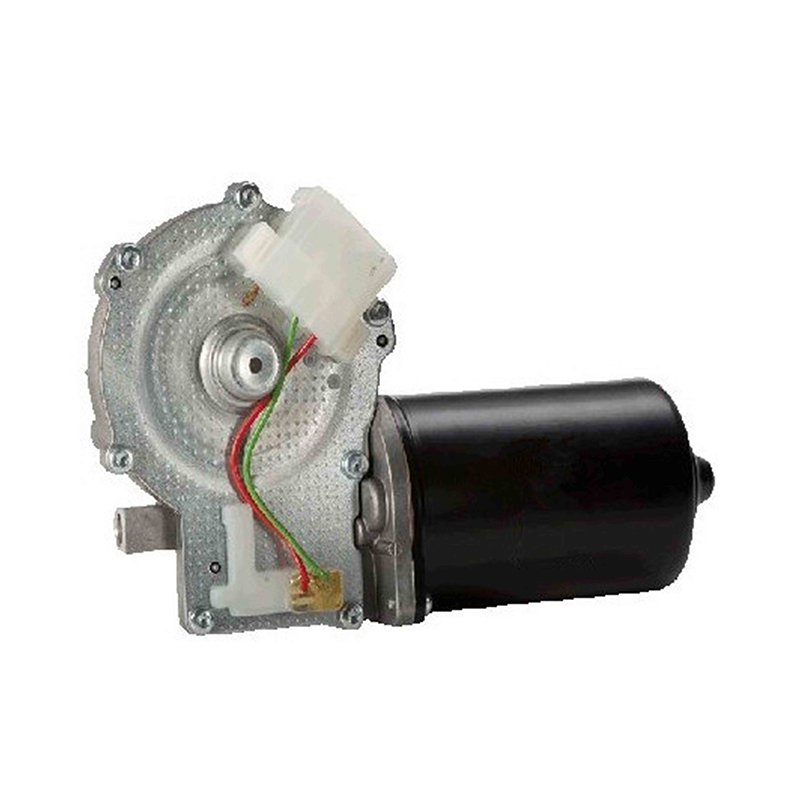
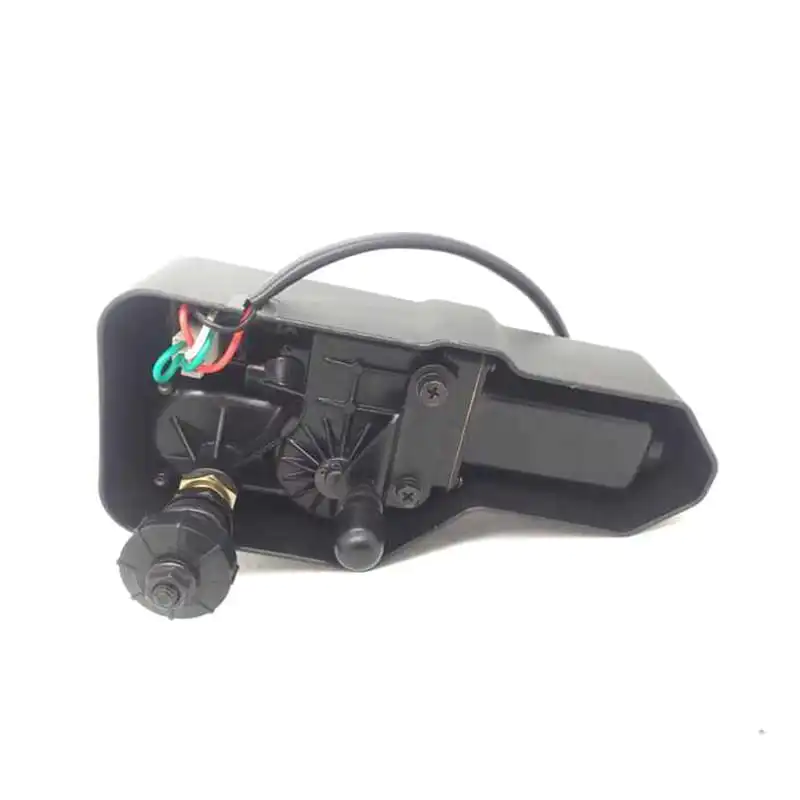
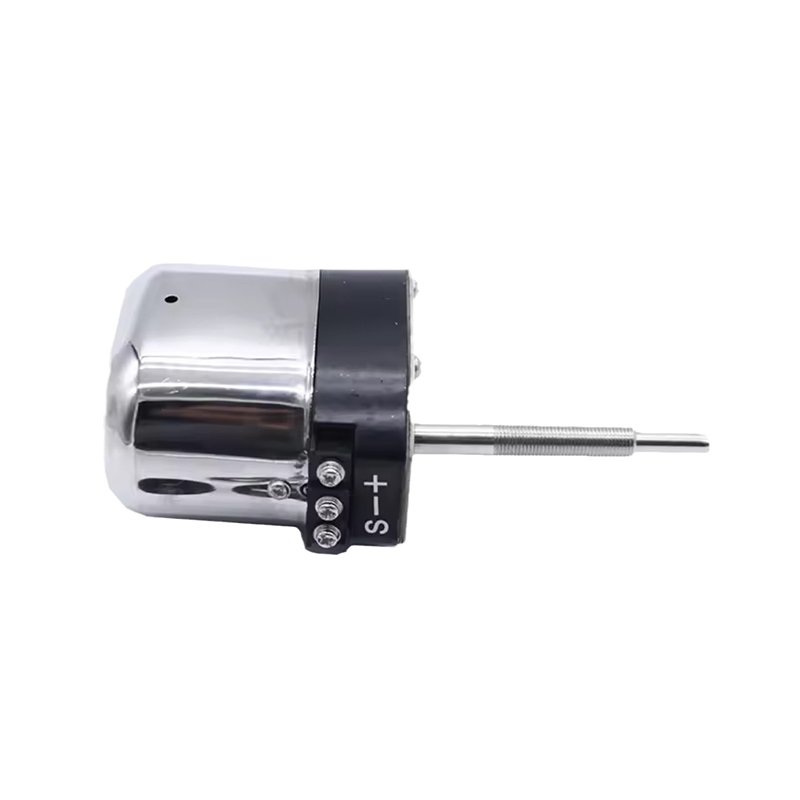
The wiper motor supplies the movement that drives the whole wiping mechanism. Its design shapes how the wiper starts moving, sweeps across the glass, reverses direction, and settles back into its resting spot. It doesn't do this in isolation — it works together with linkage components, wiper arms, blades, and the vehicle's electrical controls to produce that back-and-forth motion drivers rely on during rain or snow.
As vehicles get built with more attention to visibility, cabin comfort, and ease of service, motor selection has become part of a broader conversation about how well the whole wiping system moves together, not just whether a motor spins.
The motor generates the mechanical force the wiper system needs to operate at all. Without controlled movement coming from the motor, the arms have nothing to follow, and the blade just sits still.
A workable motor has to mesh with the entire wiping mechanism it's paired with. Movement travels through linkage parts before it ever reaches the arm and blade, and each of those parts plays a role in converting rotational motor motion into the sweeping action a driver actually sees on the glass.
A few design areas shape how that final motion turns out:
| Design Area | Influence on Wiper Motion |
|---|---|
| Motor structure | Supports steady, controlled movement |
| Drive arrangement | Carries that movement through the linkage |
| Connection design | Ties the motor into the rest of the components |
| Control function | Governs how operation starts and stops |
| Mounting position | Affects how well it fits the vehicle layout |
| Mechanical coordination | Keeps the blade following its intended path |
This is why a motor shouldn't get judged on its own, separate from the wiper system it's going into. A motor can run perfectly fine on a test bench and still turn out to be the wrong fit if its output doesn't match what the rest of the mechanism expects.
A wiper doesn't spin continuously in a circle the way a fan blade does. It sweeps across a defined section of glass, then reverses and comes back — and it has to do that reliably, thousands of times over the life of the vehicle.
The motor supplies the movement that makes this repeated back-and-forth possible. Through the linkage, the motor's rotation gets converted into that sweeping arc the driver sees.
Getting that conversion right matters because the sweep has to match the actual shape of the windshield in front of it. A sedan's windshield curves differently than a delivery van's flatter glass, and the wiping path needs to track that curve closely enough to clear rain effectively.
If the motor's output and the linkage geometry aren't matched properly, the blade can end up covering the wrong portion of glass, or moving in a way that leaves streaks or missed patches near the edges.
The motor and its connection to the mechanism affect several distinct phases of that cycle:
When these phases are properly matched to each other, the whole cycle runs without drawing attention to itself — which is really the goal, since nobody wants to be thinking about their wipers during a storm.
For manufacturers, this points to motor selection happening early in the wiper system design process, rather than being decided after the linkage geometry and arm positions are already locked in.
Drivers tend to notice wiper motion most clearly in bad weather — heavy rain, sleet, a sudden downpour on the highway. Jerky or uneven movement becomes distracting exactly when a driver needs to focus on the road, and inconsistent blade contact can leave streaks that reduce visibility right when it matters.
Smooth motion comes down to how well the motor, linkage, arm, and blade work together as a unit. The motor has to deliver movement the rest of the mechanism can follow cleanly. A rough or poorly controlled transition at the top of the sweep, for instance, can translate into a visible jerk at the blade.
A smoothly running cycle also just feels better day to day. A driver flips the wiper switch and the blades move across the glass and settle back down without any hesitation or unevenness — nothing to notice, which is exactly the point.
For manufacturers, this makes motion quality something to weigh right alongside physical fit and how long the motor lasts. The motor needs to be chosen with the specific vehicle's movement requirements in mind, not just its mounting dimensions.
Starting and stopping happen fast enough that most drivers never think about them, but they shape how the whole system feels in daily use.
When someone flips the wiper switch, the motor kicks off the sweeping motion. When they switch it off, the wiper needs to come to rest at a specific spot along the windshield edge, rather than stopping wherever it happens to be mid-sweep — nobody wants a blade frozen halfway up the glass, blocking part of the view.
That kind of coordinated stopping depends on how the motor and the vehicle's control electronics work together. The motor's internal design plays into whether this happens cleanly, letting the wiper complete its current cycle and settle into the intended parked position before power cuts.
That resting position matters more than it might seem — a wiper parked in the wrong spot can partially block the driver's line of sight or just look sloppy sitting there when the car's parked in a driveway.
| Wiper Stage | Design Consideration |
|---|---|
| Activation | Movement should respond promptly to the switch |
| Sweeping | Travel across the glass stays controlled |
| Direction change | Reversal happens without a jolt |
| Deactivation | Stopping is coordinated with the control system |
| Rest position | The blade lands in the same spot every time |
Looking at these stages together makes clear that motor design touches a lot more than just getting the blade moving in the first place.
The motor is just one piece of a larger chain. Its rotational output has to pass through mechanical linkage before it ever reaches the blade sweeping across the glass.
That linkage is what actually converts motor rotation into the sweeping motion a driver sees. A simple way to trace the sequence:
Each link in that chain depends on the one before it working correctly. If the motor's output doesn't match what the linkage geometry expects, the resulting sweep can drift off its intended path — covering too little glass, or moving unevenly across the windshield.
This is exactly why buyers need to check connection compatibility carefully when sourcing a motor. Mounting points, drive shaft orientation, and how the whole assembly sits within the vehicle all affect whether a given motor actually belongs in a specific application.
Windshields aren't interchangeable across vehicle models. A compact hatchback's windshield curves and angles differently than a pickup truck's more upright glass, and that difference changes what the wiper mechanism needs to do to clear the surface properly.
A motor that works well with one windshield's linkage geometry might be the wrong choice for a different vehicle simply because the surrounding mechanism was engineered around a different sweep path.
The motor has to be selected with that specific wiping path in mind. Vehicle designers typically weigh:
The aim is a system where the motor supports the sweep the vehicle actually needs, rather than forcing a mechanical compromise somewhere else in the assembly.
This becomes especially relevant in the replacement parts market. A swap-in motor shouldn't be chosen just because it physically bolts into the same mounting holes — its movement characteristics and connection type need to match the original system, or the new blade path may not track the glass the way the old one did.
For vehicle manufacturers and B2B buyers, choosing a supplier shapes both how smoothly a part integrates and how sourcing goes over the long run.
A wiper motor supplier needs to understand the actual application rather than treating every order as an identical standard part. Useful things to discuss upfront:
| Buyer Concern | Why It Matters |
|---|---|
| Vehicle application | Defines what the motor actually needs to do |
| Mounting arrangement | Confirms it fits physically |
| Drive connection | Confirms it matches the linkage |
| Control requirements | Confirms it behaves as expected electrically |
| Production needs | Supports consistent output across batches |
| Service requirements | Supports future maintenance and replacement |
This kind of communication matters especially when a motor is going into a new vehicle platform or a customized wiper layout rather than a well-established design. A supplier able to talk through the surrounding mechanism, not just the motor's own specs, tends to be better positioned to flag integration issues before they become production problems.
For replacement-market buyers, confirming compatibility with the existing system matters just as much. Two motors can look nearly identical on a shelf and still have different connection types or movement output underneath.
Modern vehicles pack components into tighter, more organized spaces than they used to. Designers have to juggle visibility requirements, cabin styling, electrical wiring, service access, and manufacturing practicality all at once — and wiper motor design fits into that broader puzzle.
Manufacturers have been working on motor structures that integrate more easily across different vehicle layouts, along with attention to how smoothly the motor runs, how quickly it responds to control input, how easy it is to install during assembly, and how well it coordinates with the rest of the wiper components.
Vehicle styling plays into motor placement too. Most of the wiper mechanism sits hidden beneath the windshield cowl, so the motor has to fit into that limited space without crowding wiring, ductwork, or other components nearby.
That creates an ongoing balance between getting the mechanical function right and fitting into the vehicle's overall packaging constraints.
For component buyers, this means the wiper motor's development connects to more than just how well it wipes rain off glass — the choice affects installation on the assembly line, how well it coordinates with other parts, how serviceable it stays over the vehicle's life, and how the vehicle's design comes together as a whole.
As wiper systems continue integrating more tightly with modern vehicle platforms, motor design keeps shaping how blades start moving, sweep across the glass, reverse direction, and settle back into place. The practical approach for manufacturers and buyers is evaluating the motor alongside the windshield shape, linkage, arms, and controls together — not treating it as a standalone part that just needs to spin.

Tel:+86-0577-66009580
Mobile: +86-18858801083
E-mail:juntmotor@126.com
Whatsapp:+8618858801083
WeChat: +86-18858801083
 WeChat

Automotive Reduction Motors Manufacturer

 +86-0577-66009580
 juntmotor@126.com
 Language
  English
 Português