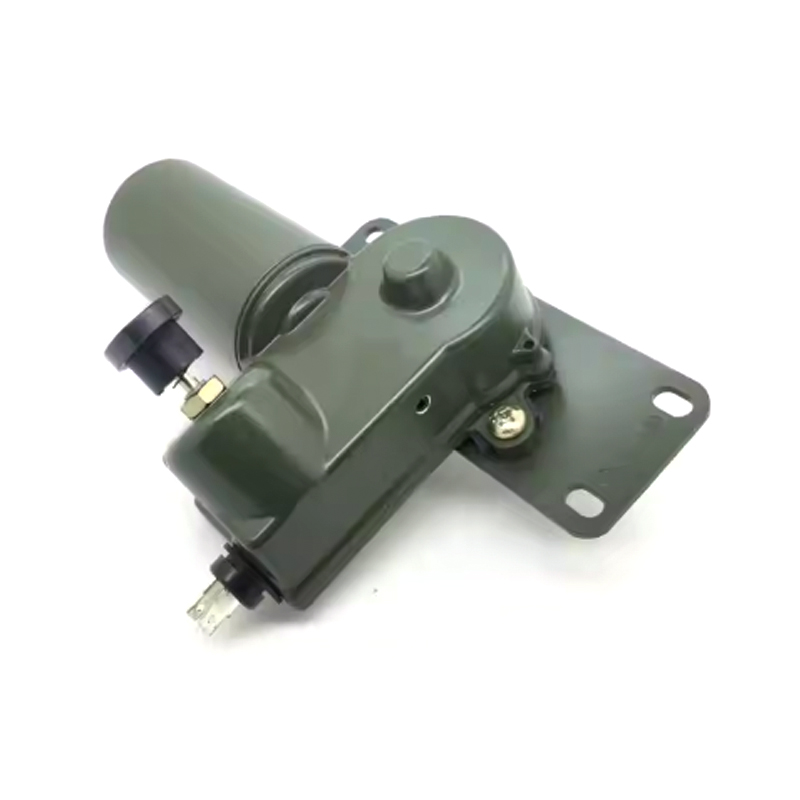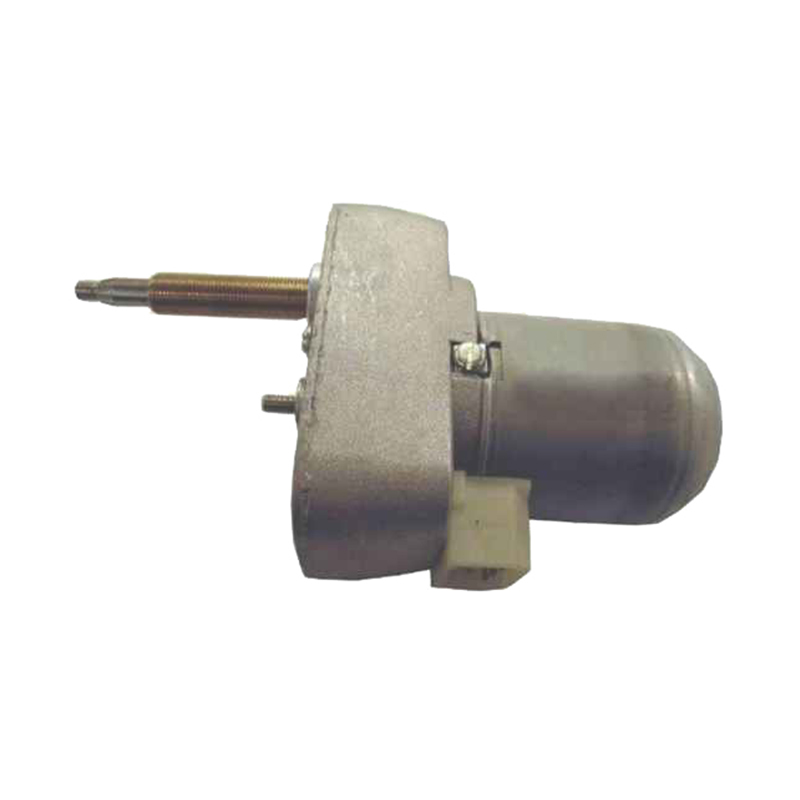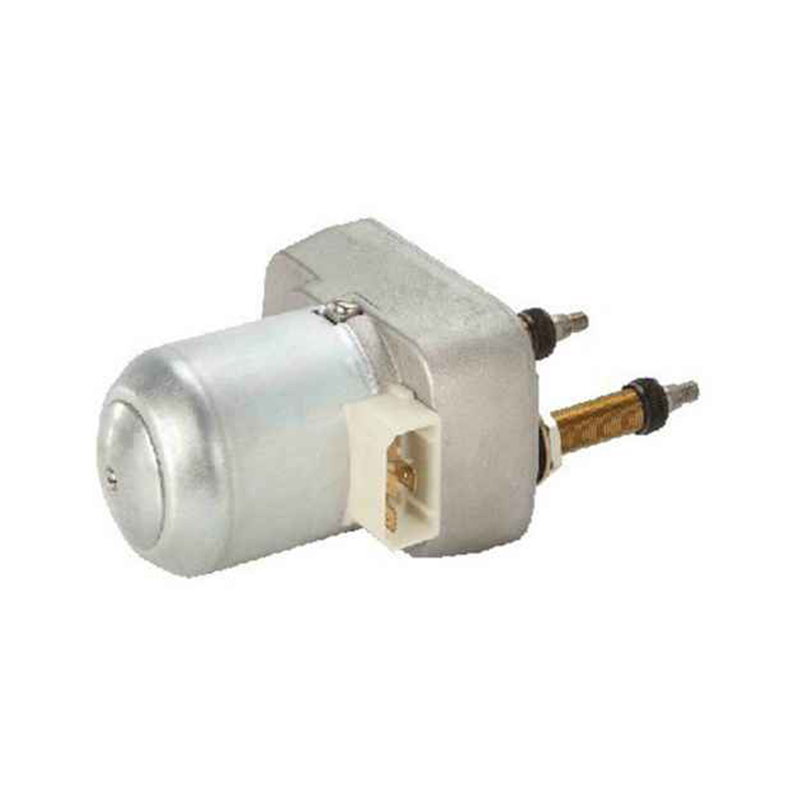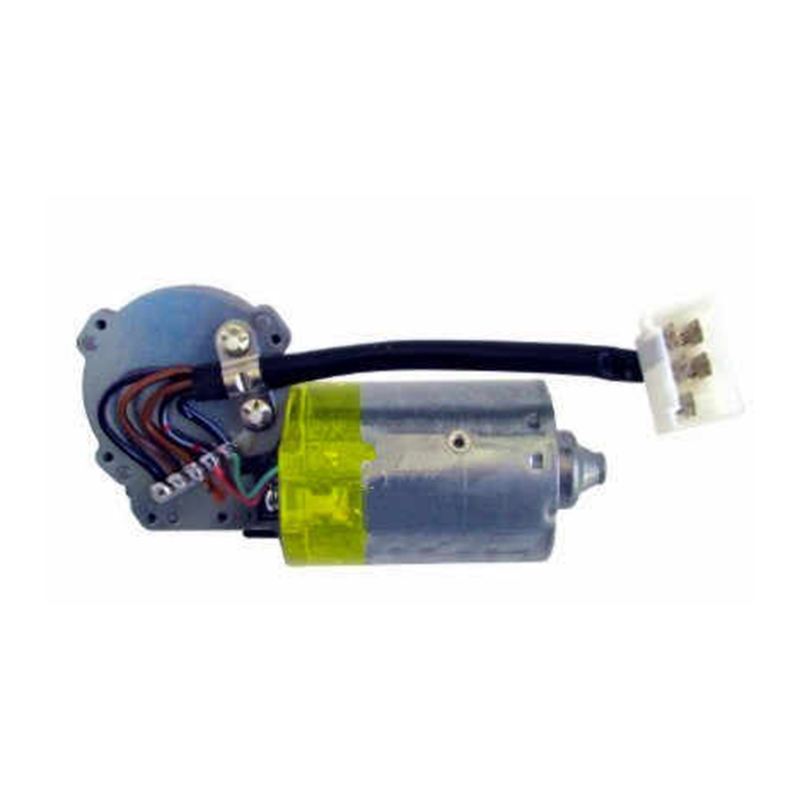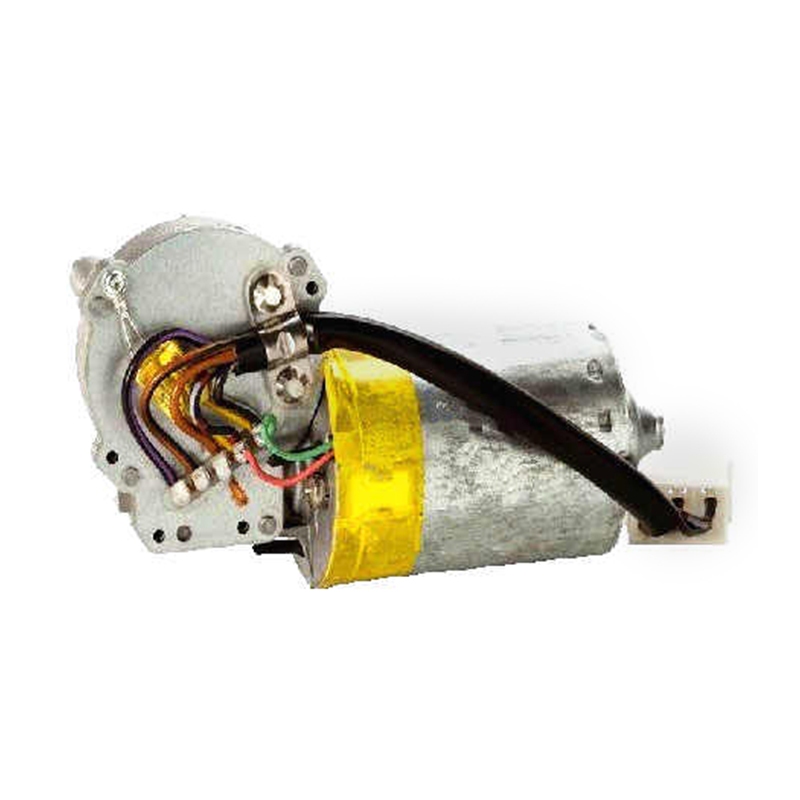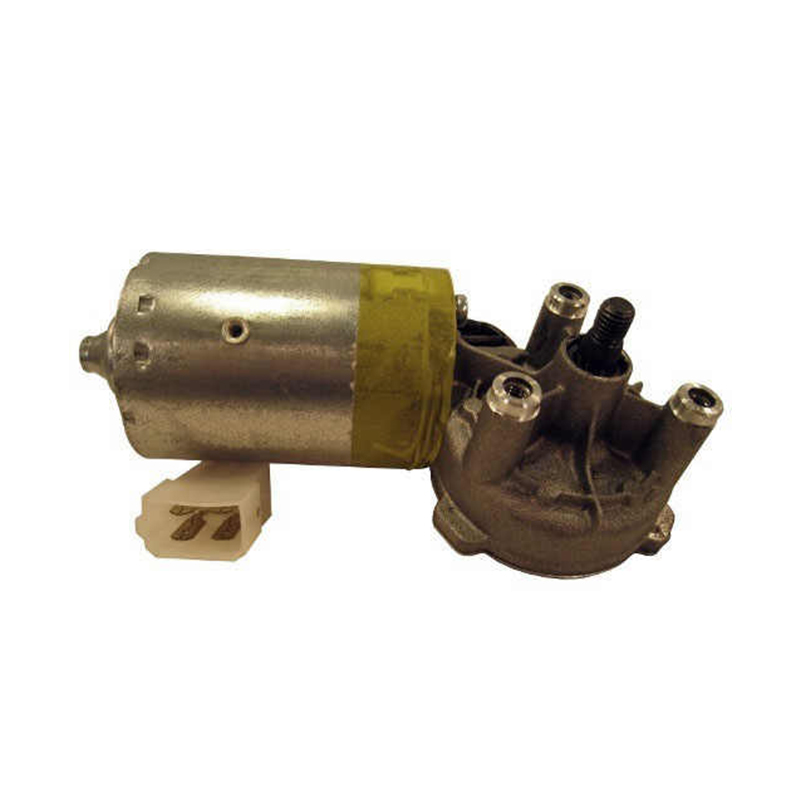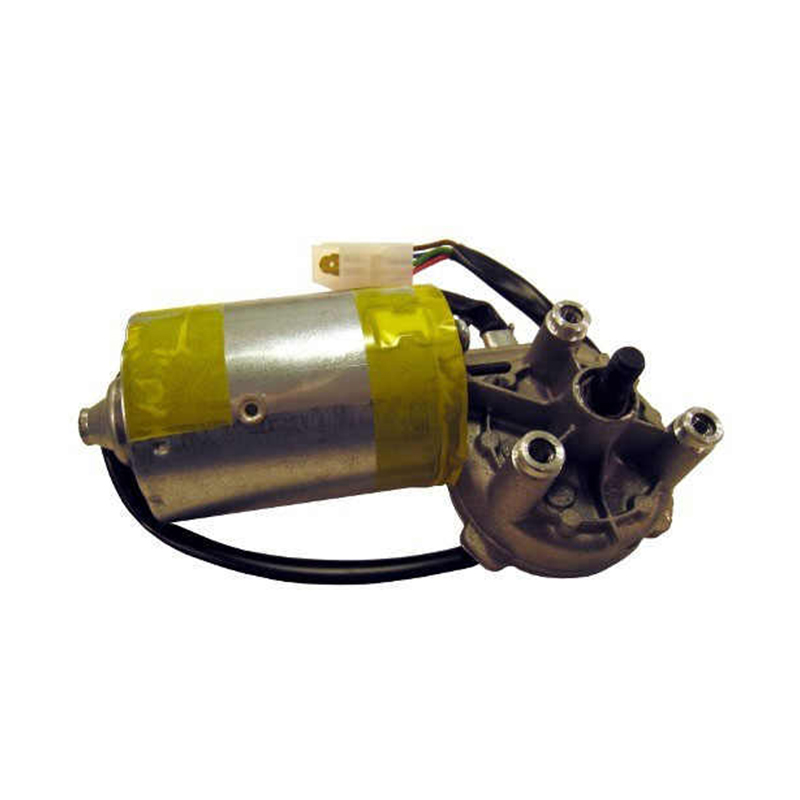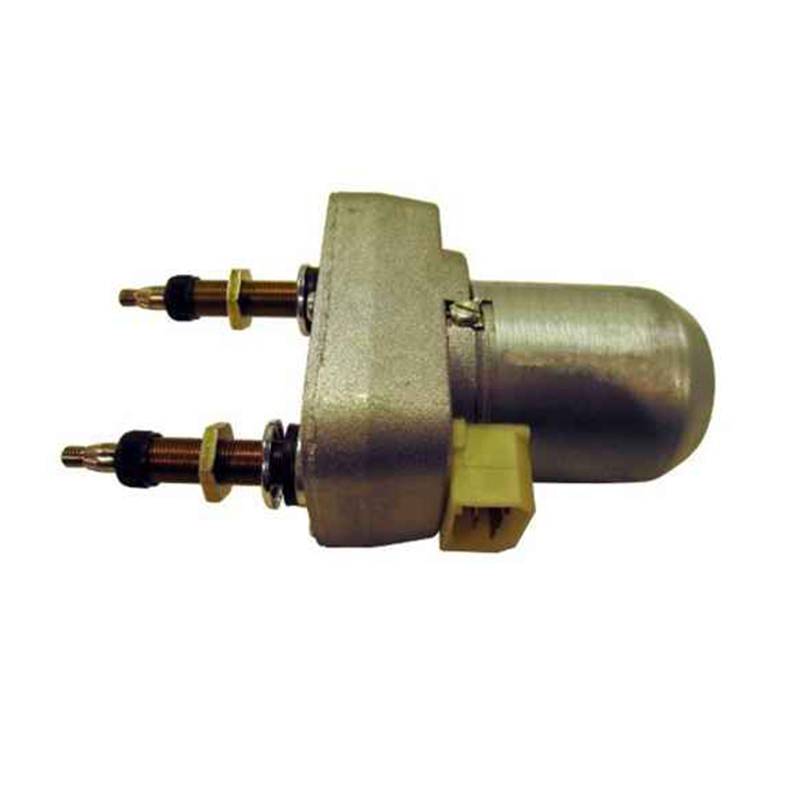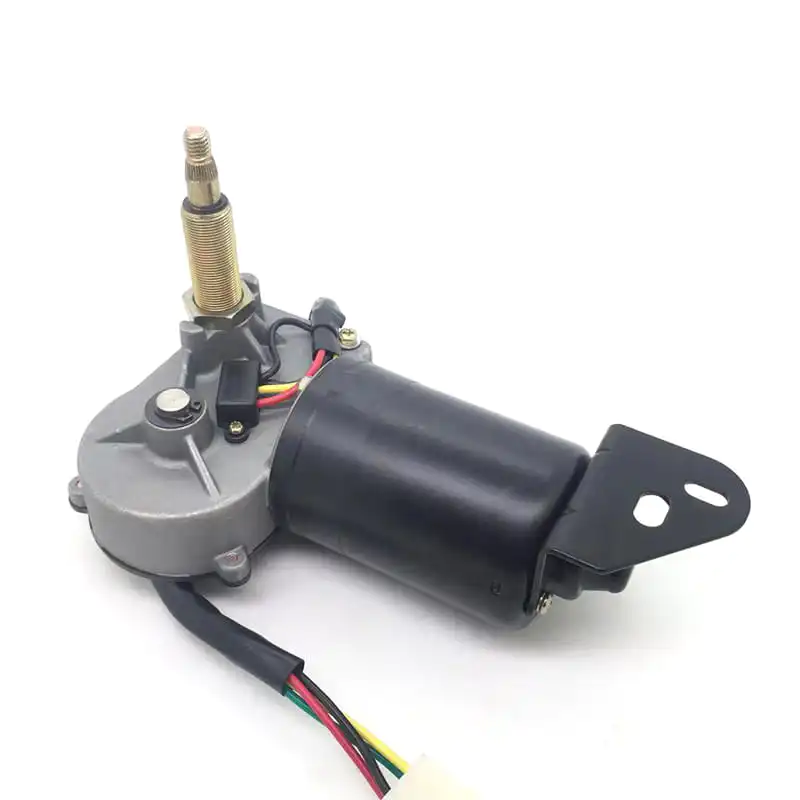
A windshield wiper used to be a plain mechanical part. It swept a blade across the glass and helped a driver see through rain, snow, or spray kicked up by traffic ahead.
Electrification is chipping away at that simple picture. Modern vehicles pack in more electronic functions, more connected systems, and more coordinated controls than they used to. A wiper motor now has to work inside that broader electrical environment instead of sitting off to the side as its own little mechanical unit.
That shift is changing how suppliers approach development, testing, production, and their working relationships with vehicle makers. For a Wiper Motor Manufacturer, the job isn't just building a motor that can push a linkage back and forth anymore.
It also means understanding how the part talks to other vehicle systems, how it holds up under shifting electrical conditions, and how its physical shape needs to adapt to new vehicle layouts.
What's happening, gradually, is a move away from a stand-alone component and toward something that behaves more like a piece of the vehicle's electronics.
Electrified vehicles pay closer attention to how each component draws and uses power. A wiper system still does the same job it always did, but the environment it operates in looks different from what older vehicle designs offered.
Electric vehicles and other newer platforms often run different electrical architectures, different packaging layouts, and different control strategies. All of that changes what's expected from the components sitting around them.
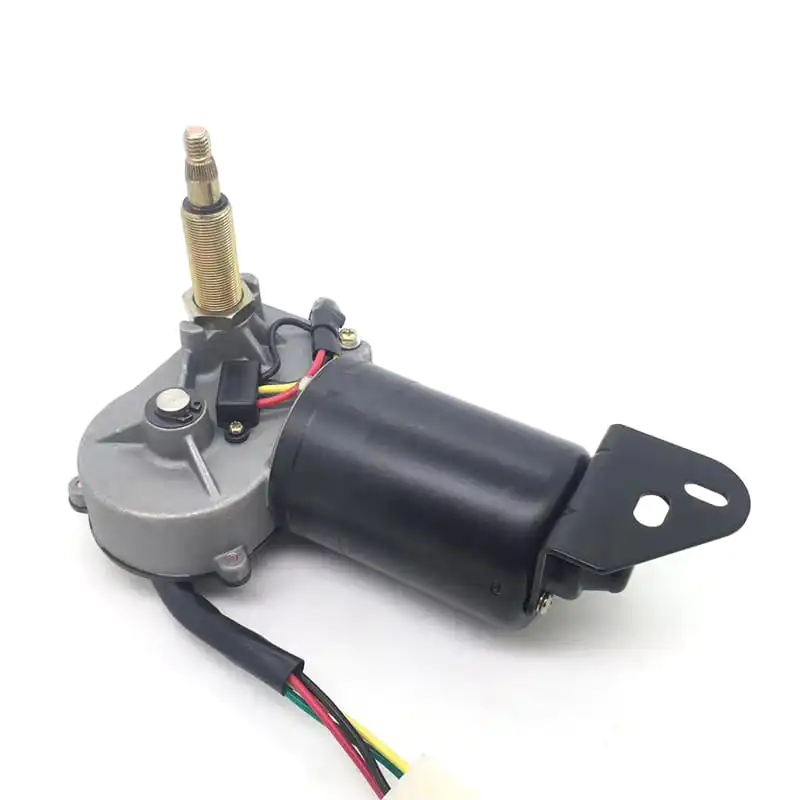
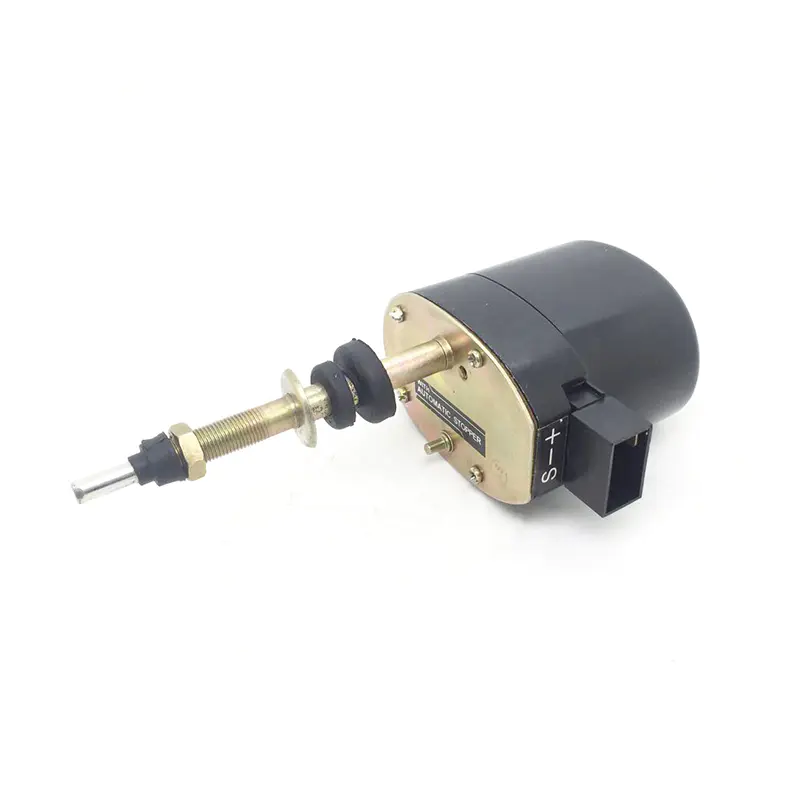
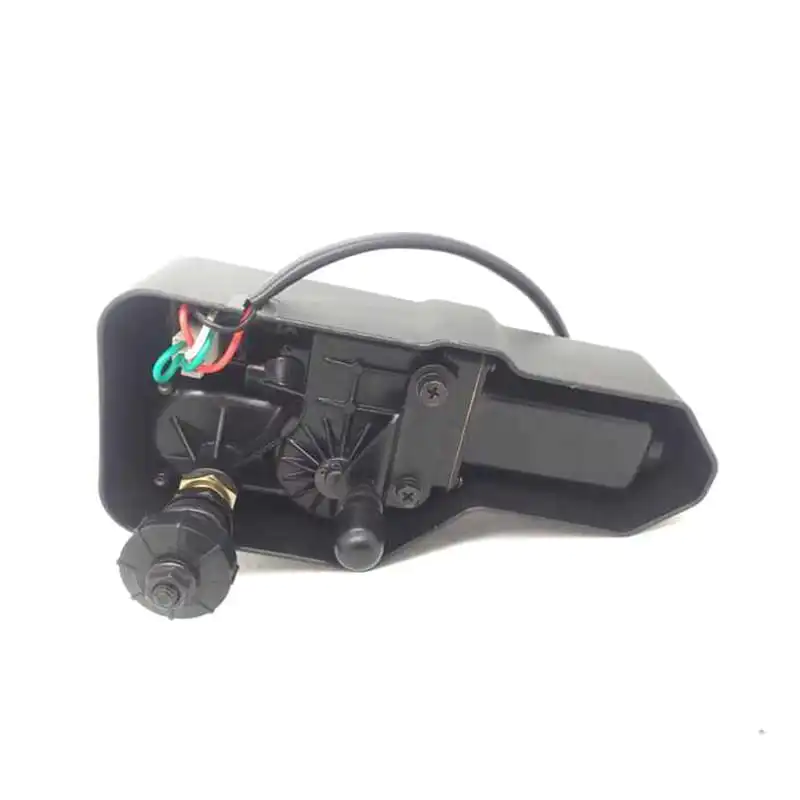
A Wiper Windshield Motor has to work inside the vehicle's overall electrical system while still delivering the same steady blade movement drivers count on.
| Development Area | Changing Consideration |
|---|---|
| Electrical supply | Compatibility with the vehicle system |
| Control | Greater coordination with electronic functions |
| Packaging | More flexible installation requirements |
| Communication | Interaction with vehicle controls |
| Reliability | Stable operation during repeated use |
| Product design | Greater integration with surrounding components |
Electrification also changes how engineers think about the space they have to work with.
As platforms get redesigned, parts move around or get arranged differently than before. A motor that used to sit in a familiar spot might now need to fit into a new compartment or work with a different linkage layout entirely.
That puts pressure on suppliers to build designs that can flex without turning unnecessarily complicated in the process.
The wiper system is still a small piece of the vehicle overall, but how it relates to the electrical architecture around it keeps growing in importance.
Automotive electronics have taken over functions that used to run through simple switches and basic mechanical links.
Wiper operation now connects with other vehicle functions in ways it didn't before. Rain detection, driver inputs, visibility assistance, and general driving conditions can all factor into how the system is managed.
That doesn't mean every vehicle handles this the same way. Different platforms run different control strategies, so a component supplier needs to understand the specific system it's building for rather than developing products in a vacuum.
A modern wiper motor often ends up supporting several layers of interaction at once. The motor handles the physical movement, while electronic controls decide when and how that movement should happen.
| System Relationship | Possible Function |
|---|---|
| Driver controls | Manual wiper operation |
| Rain sensing | Automatic response to changing conditions |
| Vehicle control system | Coordinated operating decisions |
| Power management | Management of electrical consumption |
| Wiper position feedback | Awareness of blade location |
That makes the development process more of a group effort. A Wiper Motor Manufacturer often works alongside vehicle makers and system suppliers to figure out control requirements, installation conditions, and communication needs up front.
Working that way helps the motor fit into the complete system instead of just checking a box for one isolated requirement.
Intelligent wiper systems are built to make blade movement respond better to whatever's happening outside the car.
A basic setup depends mostly on whatever setting the driver picked. A more integrated system pulls in information from sensors or other vehicle functions and adjusts on its own.
The point isn't to bolt on technology for its own sake. What matters is whether the system makes clearing the windshield genuinely more convenient while still behaving in a way drivers can predict.
An intelligent wiper system might respond to shifting rain conditions, vehicle status, or other signals coming from the vehicle's electronic architecture. That requires communication between parts that used to operate independently.
The motor becomes one link in a control chain rather than a device running entirely on its own.
For suppliers, that raises new development questions. The motor has to respond correctly to control instructions while still moving steadily and stopping in the right place.
| Intelligent Feature | Motor-Related Consideration |
|---|---|
| Automatic wiping | Responsive operation |
| Variable wiping | Controlled movement |
| Position awareness | Accurate stopping behavior |
| System coordination | Compatibility with vehicle controls |
| User adjustment | Smooth response to selected settings |
The features that actually show up vary from one vehicle platform to another. A supplier does better focusing on compatibility with the specific system in front of them rather than assuming one control setup will work everywhere.
Vehicle electrical architecture is basically the map of how power and control functions are organized across a vehicle.
As vehicles lean more heavily on electronics, component suppliers need a clear sense of where their product sits within that map.
For wiper motors, this touches connections, control methods, power management, and how the motor talks to other vehicle functions.
The motor also has to share a tight installation space with a growing crowd of electronic components. That makes physical fit and electrical compatibility matter about equally.
| Architecture Concern | Design Question |
|---|---|
| Power connection | Does the motor suit the intended supply arrangement? |
| Control connection | Can it respond to the vehicle's control system? |
| Installation space | Does the housing fit the new layout? |
| Component interaction | Can surrounding systems operate without interference? |
| Service access | Can technicians reach the component when needed? |
These questions tend to shape a product from an early stage. Suppliers may end up adjusting housing shapes, connection layouts, mounting structures, or internal control parts to suit a new platform.
The goal isn't to make the motor smaller or more electronic for its own sake. It's to get the whole wiper system to sit naturally inside a vehicle's changing architecture.
Vehicle platforms are getting more modular across the board. A manufacturer might reuse related architecture across several models while changing body shapes, interior layouts, and equipment packages between them.
That gives suppliers a real opportunity to build related wiper motor products that can serve more than one application.
Platform compatibility doesn't mean a component drops in without any adjustment, though. Differences in windshield shape, linkage layout, mounting position, and control requirements still shape the final design.
A China Wiper Motor supplier working with international vehicle programs often has to balance standardized production against application-specific adaptation.
| Platform Requirement | Supplier Response |
|---|---|
| Shared vehicle architecture | Develop compatible product families |
| Different body designs | Adapt mounting arrangements |
| Different control systems | Adjust electrical interfaces |
| Different service needs | Consider maintenance access |
| Different production locations | Support consistent manufacturing processes |
That balance between common design and application-specific flexibility keeps becoming more relevant. Standardized elements simplify production and sourcing, while adaptable elements let the product fit specific vehicle needs.
The practical answer usually comes down to figuring out which parts of a design should stay fixed and which parts need to flex.
Upgrading a product involves more than just changing the motor itself.
Suppliers may look at the housing, mounting points, internal components, electrical connections, control elements, and how the whole thing relates to the wiper linkage.
The aim is a product that works within the vehicle system as a whole, not just on its own bench test.
Mechanical strength still matters, since the motor has to keep moving the wiper mechanism over and over without wearing out prematurely. At the same time, electrical behavior and control compatibility have become a bigger visible part of the development conversation than they used to be.
| Product Area | Upgrade Direction |
|---|---|
| Motor structure | Adapted to changing vehicle layouts |
| Housing | More flexible installation design |
| Connector | Better system compatibility |
| Control section | Support for electronic coordination |
| Mounting structure | Adaptation to different platforms |
| Internal components | Support repeated operating cycles |
Manufacturers are also paying more attention to noise and vibration, since cabin design leans toward a quieter ride than it used to. A wiper system that technically works fine but produces an unpleasant mechanical feel can still drag down how a vehicle is perceived overall.
That makes fine-tuning the component part of the broader product development effort rather than an afterthought tacked on at the end.
Manufacturing has to keep pace with these shifting product requirements too.
As designs get more integrated, production often calls for closer coordination between mechanical parts, electrical components, connectors, and control elements.
Quality inspection tends to move closer to whole-product function as a result. A supplier may need to check not just whether individual parts were assembled correctly, but whether the finished motor actually responds the way it should under its intended operating conditions.
| Manufacturing Stage | Area of Attention |
|---|---|
| Component preparation | Consistent part quality |
| Assembly | Correct component positioning |
| Electrical connection | Secure and suitable connections |
| Functional inspection | Appropriate operating response |
| Final inspection | Overall product condition |
Production flexibility matters too, especially when different vehicle platforms call for related but distinct product variations. Manufacturers have to juggle several configurations at once while keeping identification clear and production under control.
For a Wiper Motor Manufacturer, that makes manufacturing organization a real part of supporting electrification, not just a background operational detail. Being able to adapt a product without losing grip on assembly and inspection helps a supplier keep pace with shifting vehicle requirements.
Vehicle development seems headed toward wiper systems that interact with an even wider range of electronic functions over time.
Suppliers can get ahead of that by paying attention to both current product needs and the broader direction vehicle architecture is heading.
That means understanding how intelligent control, electrical integration, platform sharing, and component packaging are likely to shape upcoming projects. It also means keeping communication open with vehicle manufacturers and system integrators throughout development, not just at the end.
A wiper motor is a lot easier to adapt when everyone understands its intended role inside the vehicle from the start.
| Preparation Area | Practical Focus |
|---|---|
| Product development | Flexible designs for changing platforms |
| Electronics | Compatibility with vehicle control systems |
| Manufacturing | Adaptable production arrangements |
| Testing | Evaluation of complete system behavior |
| Customer cooperation | Clear communication of application needs |
None of this changes the basic job a wiper motor has to do. The windshield still needs to clear reliably, the blade still needs controlled movement, and the system still has to work the moment a driver needs it.
What's changed is the environment surrounding those functions.
As electrification keeps reshaping vehicle platforms, wiper motors are being built with closer attention to electronic integration, intelligent control, installation flexibility, and coordination with the wider vehicle system around them.

Tel:+86-0577-66009580
Mobile: +86-18858801083
E-mail:juntmotor@126.com
Whatsapp:+8618858801083
WeChat: +86-18858801083
 WeChat

Automotive Reduction Motors Manufacturer

 +86-0577-66009580
 juntmotor@126.com
 Language
  English
 Português