A sudden downpour hits on the drive home, and the wipers that seemed fine a moment ago start falling behind the water pooling on the glass. That gap between what the road demands and what the motor delivers is the kind of thing nobody thinks about until visibility becomes an actual concern in the middle of traffic.
Cars have changed shape and technology over the years, but what's changed more is how little patience drivers have for anything that doesn't just work. People expect a vehicle to handle sudden rain, dusty roads, or a quick temperature drop without needing to think twice.
That expectation puts pressure on parts that used to be treated as basic and forgettable. A wiper motor sits in that category. Nobody mentions it in a test drive or points it out on a spec sheet, yet it decides whether a driver can actually see the road during a sudden storm or a gritty stretch of highway.
| Changing Requirement | Impact on Vehicle Components |
|---|---|
| Higher comfort expectations | Pushes for smoother, less jarring operation |
| Wider range of driving environments | Requires motors that adjust rather than run one fixed way |
| Frequent vehicle redesigns | Forces components to fit new layouts without a full rebuild |
| Growing focus on convenience | Creates demand for parts drivers never have to think about |
None of this happened because the motor itself got more complicated overnight. It happened because everything around it got more refined, which left a basic mechanical part looking dated by comparison.
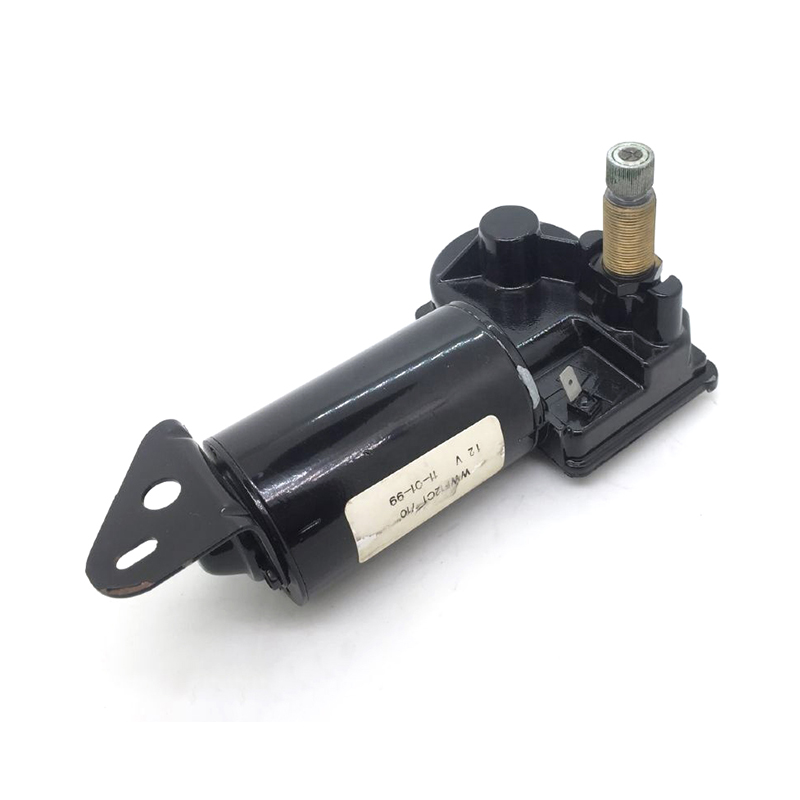
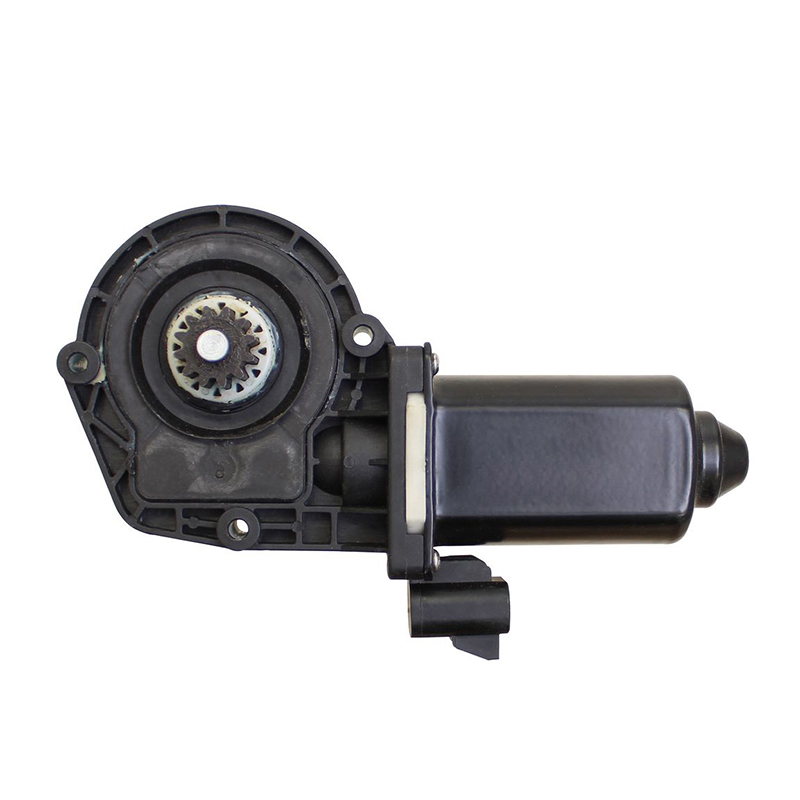
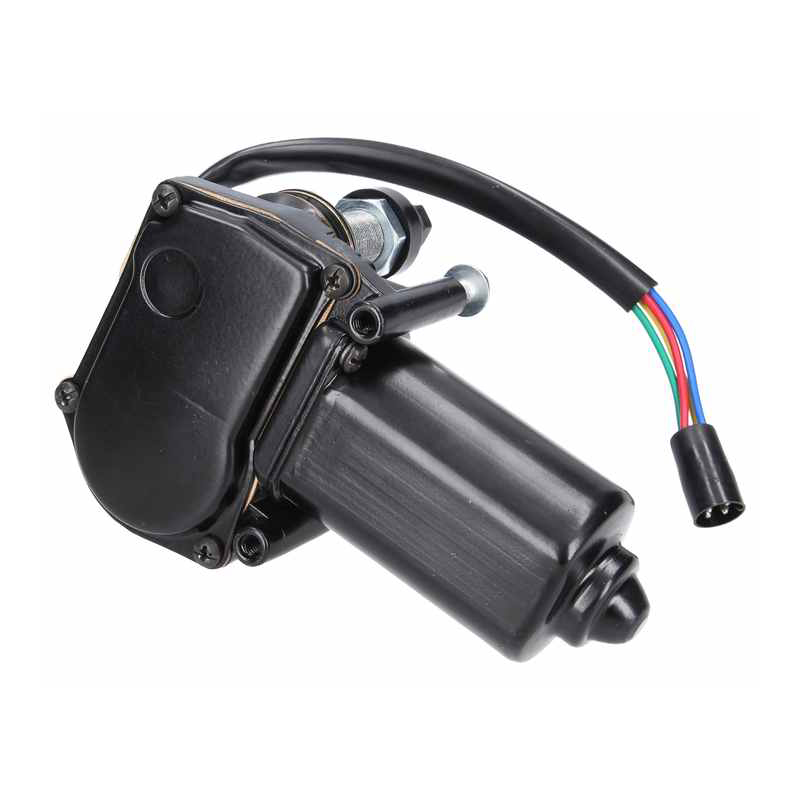
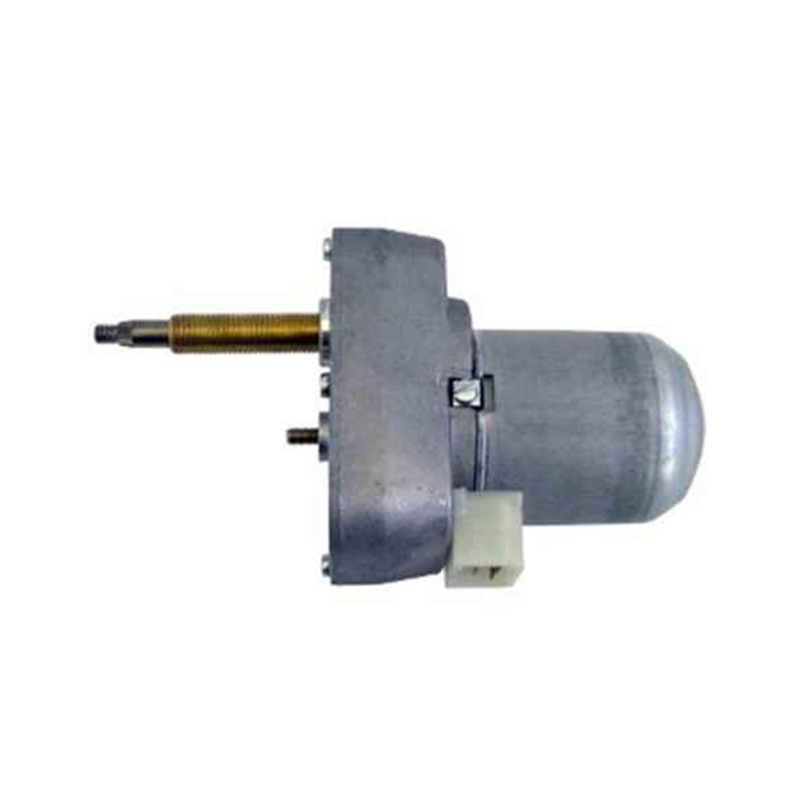
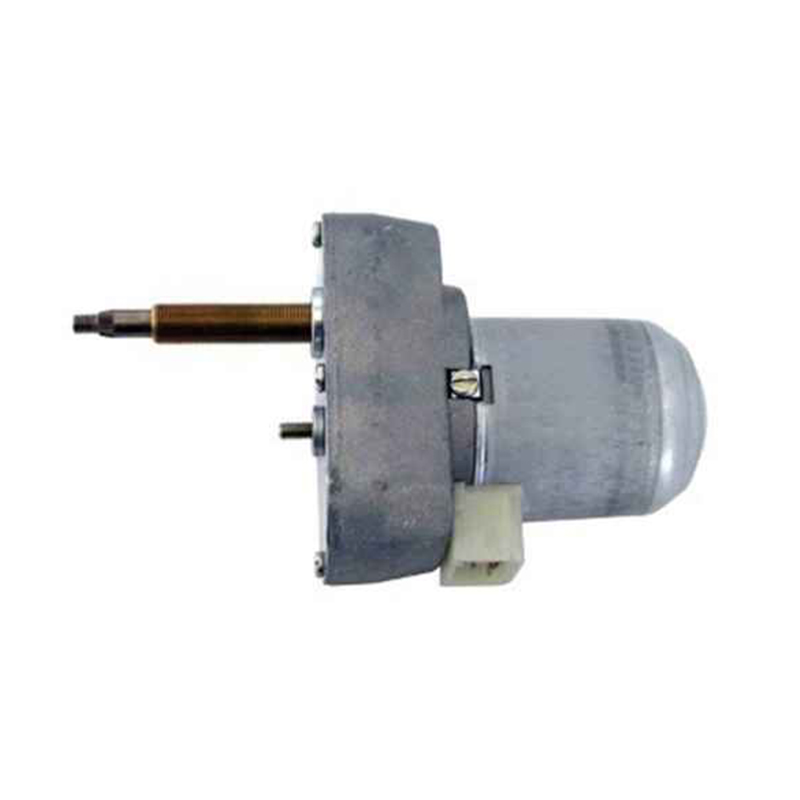
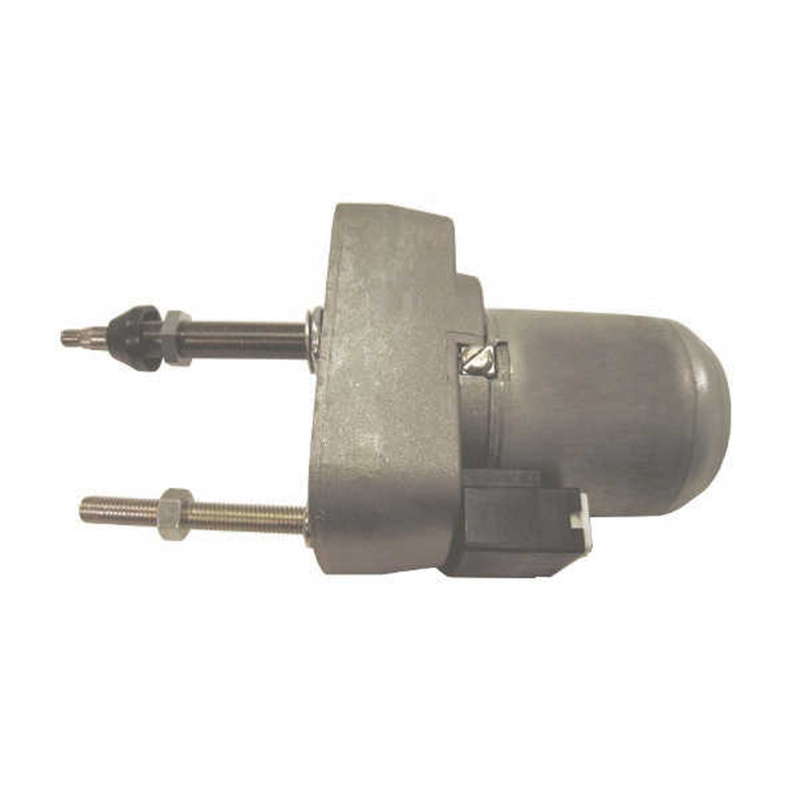
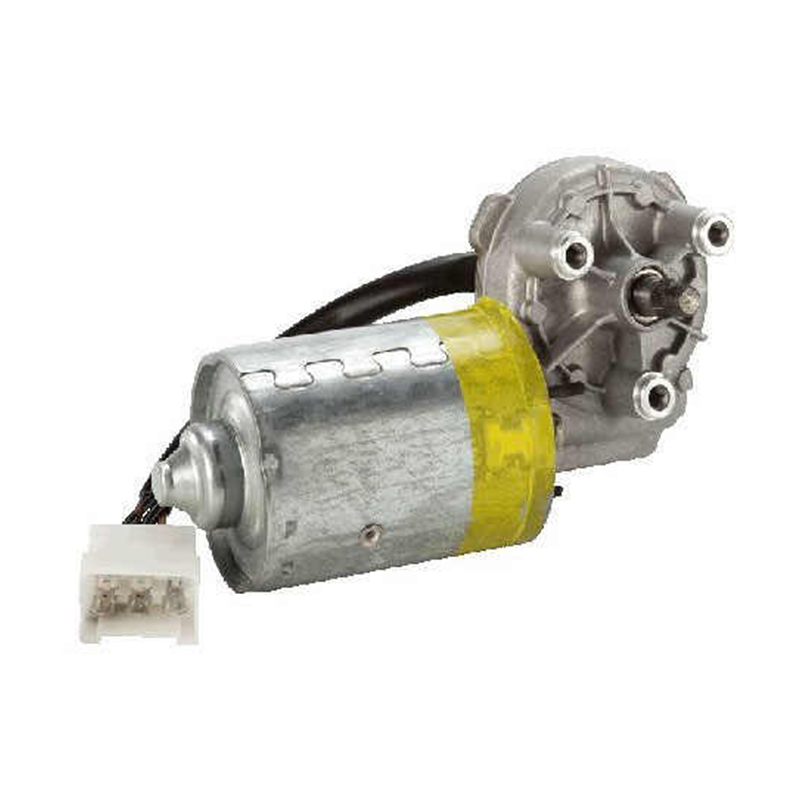
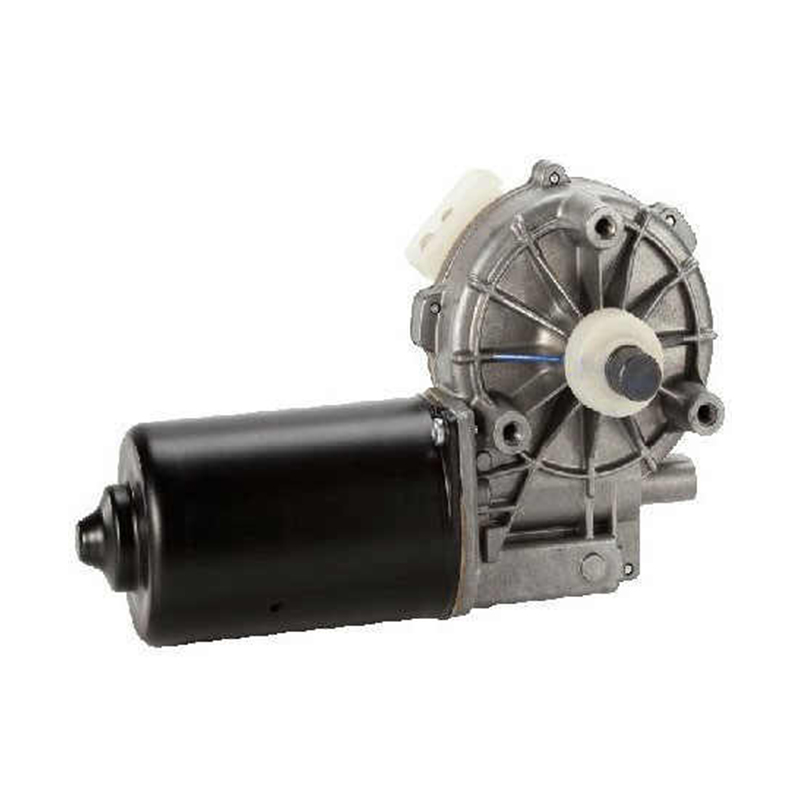
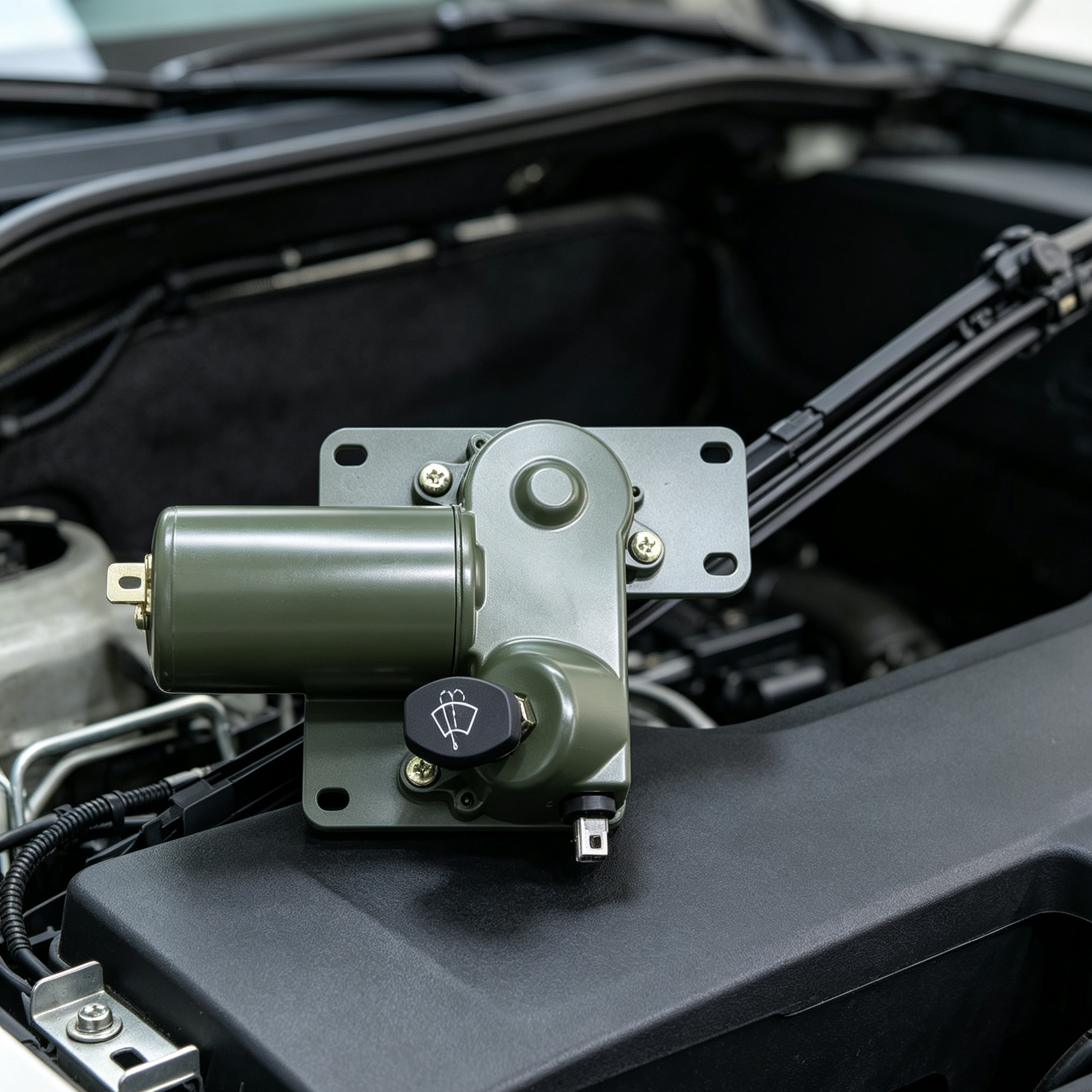
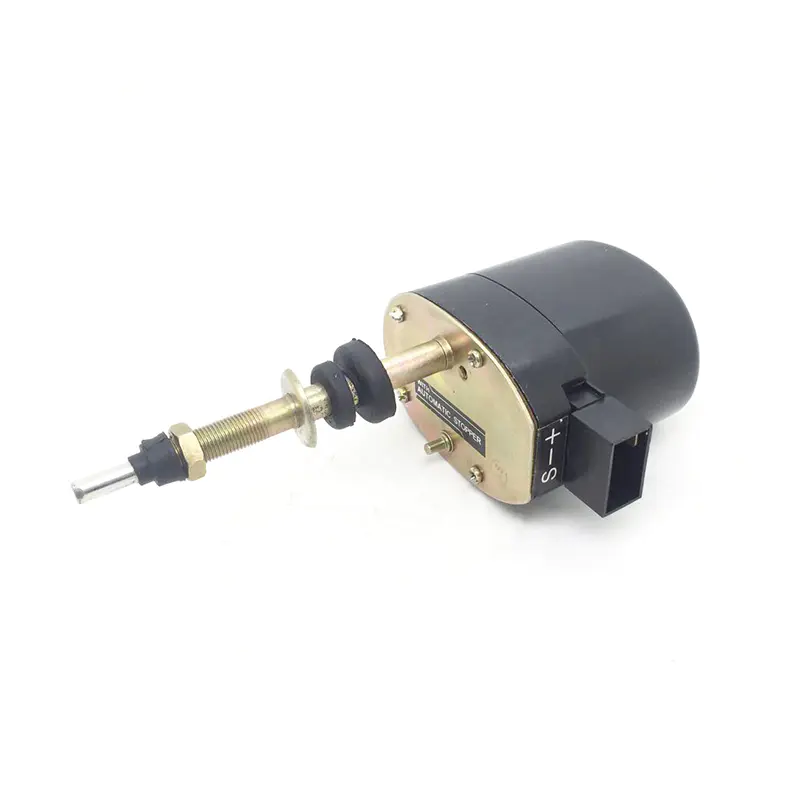
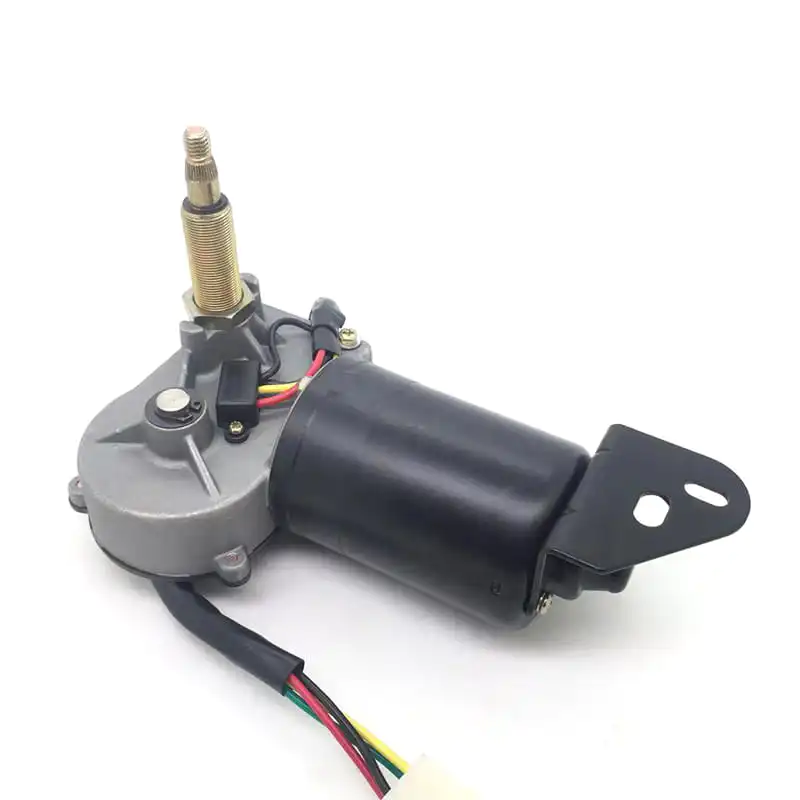
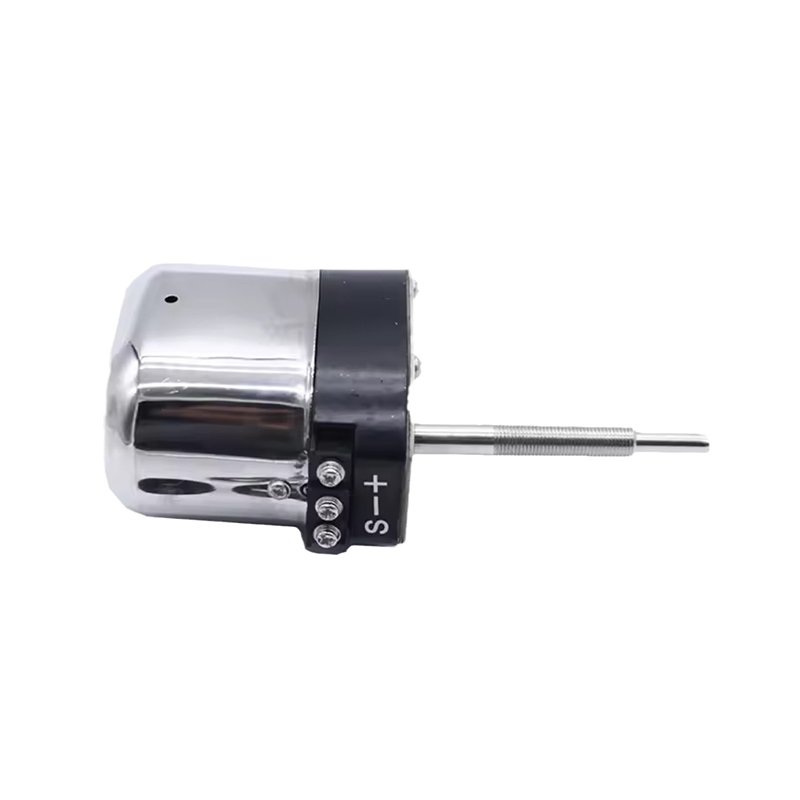
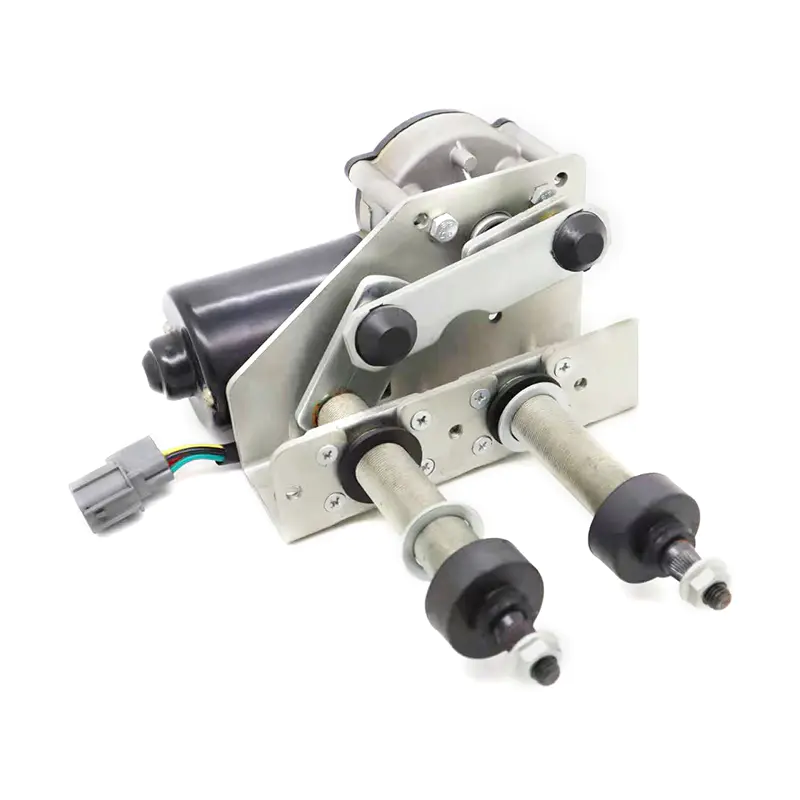
A Wiper Windshield Motor converts electrical current into the back-and-forth sweep that drivers see across the glass. It sits tucked behind the dashboard or under the hood, connected through a linkage system that turns its rotation into that familiar arc of motion.
It's easy to ignore until something goes wrong — a wiper that hesitates mid-sweep, blades that slow down unexpectedly, or a motion that no longer quite reaches the edge of the glass. All of that traces back to how well this one part is functioning.
| Function | Why It Matters |
|---|---|
| Driving the wiper arms | Keeps the windshield clear enough to actually see through |
| Running consistently | Prevents jerky or uneven wiping that pulls attention away from the road |
| Coordinating with the wiper assembly | Keeps timing and speed matched to what the driver selects |
| Adjusting to changing weather demands | Handles a light drizzle and a sudden downpour without separate hardware |
A driver caught on a narrow road during a sudden storm, with nowhere to safely pull over, depends entirely on this motor doing its job right then. There's no room for hesitation in that moment.
Rain isn't one condition — it's several. A light mist calls for slow, gentle sweeps. A heavy downpour needs faster, steady motion without straining the motor. Snow adds resistance because ice tends to build up along the blades and glass, forcing the motor to push against more friction than usual. A dry spell followed by light rain often leaves a gritty film that also increases resistance in a way clean rain wouldn't.
A motor built around one condition tends to underperform in another. This is part of why manufacturers spend real effort designing motors that handle a range of resistance and speed demands without needing separate systems for each type of weather.
Design work here tends to focus on:
A driver switching from a rainy morning commute to a frosty start a few hours later expects the same wiper system to handle both without complaint, and meeting that expectation is harder than it sounds from the outside.
Nobody consciously registers a wiper motor doing its job well. People notice when it's doing poorly — a faint grinding sound, blades hesitating at the top of a sweep, a motor that seems to strain audibly during heavy rain.
| User Experience Factor | What Drivers Actually Feel |
|---|---|
| Smooth operation | Wipers that don't jerk or pause mid-motion |
| Responsive controls | Settings that adjust quickly when changed |
| Reliable function | Confidence the wipers will work the second they're needed |
| Quiet performance | Less mechanical noise competing with conversation or music |
A quiet cabin matters more than people admit out loud. A wiper motor that hums or grinds pulls attention away from driving even slightly, and that small irritation adds up over a long commute in bad weather.
Wiper systems see more use than most drivers realize, especially in places where weather shifts often through the year. A motor running through frequent starts and stops over several years needs to hold up without gradually losing power or developing uneven timing.
| Consideration | Why It Matters Over Time |
|---|---|
| Stable internal build | Reduces wear from repeated starts and stops |
| Practical design | Makes repair or replacement straightforward when needed |
| Consistent operation | Avoids a slow decline that goes unnoticed until it's obvious |
| Manageable maintenance | Keeps repair time and cost reasonable |
Someone living somewhere with distinct wet and dry seasons puts a wiper motor through noticeably more variation than someone in a mostly dry climate. That difference in daily use is part of why testing conditions matter across different regions.
Every vehicle has its own dashboard shape, hood clearance, and linkage geometry. A motor built for one model's layout won't necessarily slot into another without some adjustment.
Manufacturers building these motors have to work around:
This is part of why a motor built for one vehicle platform often needs adjustment before it works properly in another, even when the core mechanism stays roughly the same.
Efficiency in this part isn't only about how much power it draws, though that plays into a vehicle's overall energy use. It also shows up in how well the motor coordinates with the rest of the wiper assembly and how smoothly it shifts between speed settings.
A motor that jumps abruptly from slow to fast without a smooth transition feels less refined, even if it technically still does the job. Coordination between the motor and the mechanical linkage also affects how evenly blades sweep across the glass — uneven pressure can leave streaks or missed sections that a driver has to squint around.
As vehicles pick up more connected features and driver-assist systems, even a basic component like a wiper motor gets drawn into that shift. Some setups now tie wiper activation to rain sensors, adjusting speed automatically based on how much moisture builds up on the glass.
| Automotive Trend | Effect on Wiper Systems |
|---|---|
| More connected vehicle systems | Encourages motors that respond to automated triggers |
| Greater focus on cabin comfort | Pushes toward quieter, smoother operation |
| Flexible vehicle platforms | Requires motors adaptable across different models |
| Rising driver expectations | Makes small inconsistencies stand out more than they used to |
Someone used to a rain-sensing wiper system on one car often finds a manually adjusted system on another mildly annoying afterward, simply because their sense of normal shifted once they experienced the automated version.
Engine bays and dashboards are more crowded than they used to be, with sensors, wiring, and support systems all competing for the same limited space. A bulky wiper motor becomes a real constraint when engineers are trying to fit everything else around it.
Compact designs help with:
Nothing dramatic here, just a steady push toward doing the same job while taking up less room.
The materials inside a wiper motor affect how long it lasts and how it performs under repeated use. Durability becomes more noticeable in places with harsh weather swings, where the motor faces added strain from ice, heat, and moisture across a year.
| Material Factor | Design Impact |
|---|---|
| Durability | Affects how well the motor holds up through repeated seasonal use |
| Weight | Influences how the motor fits into overall vehicle balance and space planning |
| Internal structure | Affects how smoothly the motor runs over its working life |
| Compatibility | Determines how easily it adapts to different wiring and mounting setups |
None of these factors work in isolation. A motor built from durable material but poorly designed for its mounting space still creates headaches during installation, regardless of how well it holds up mechanically over time.
Vehicles will keep adding smarter systems and tighter space constraints, and wiper motors will keep getting pulled along into adjusting for both. The part itself isn't becoming flashier — it's becoming quieter, more compact, and better synced with sensors and automated systems that didn't exist when basic wiper motors were first standardized.
A driver caught in unexpected weather on an otherwise ordinary drive still depends on this overlooked part doing exactly what it's built to do, without hesitation or noise. That's really the point behind its ongoing development — not to stand out, but to fade quietly into the background of a smooth, uneventful drive.

Tel:+86-0577-66009580
Mobile: +86-18858801083
E-mail:juntmotor@126.com
Whatsapp:+8618858801083
WeChat: +86-18858801083
 WeChat

Automotive Reduction Motors Manufacturer

 +86-0577-66009580
 juntmotor@126.com
 Language
  English
 Português