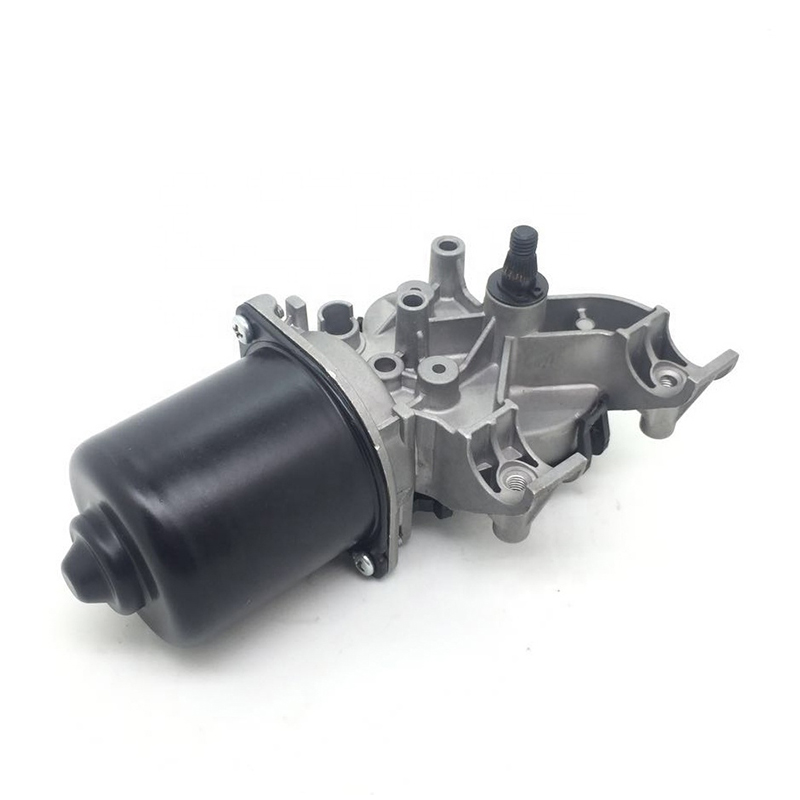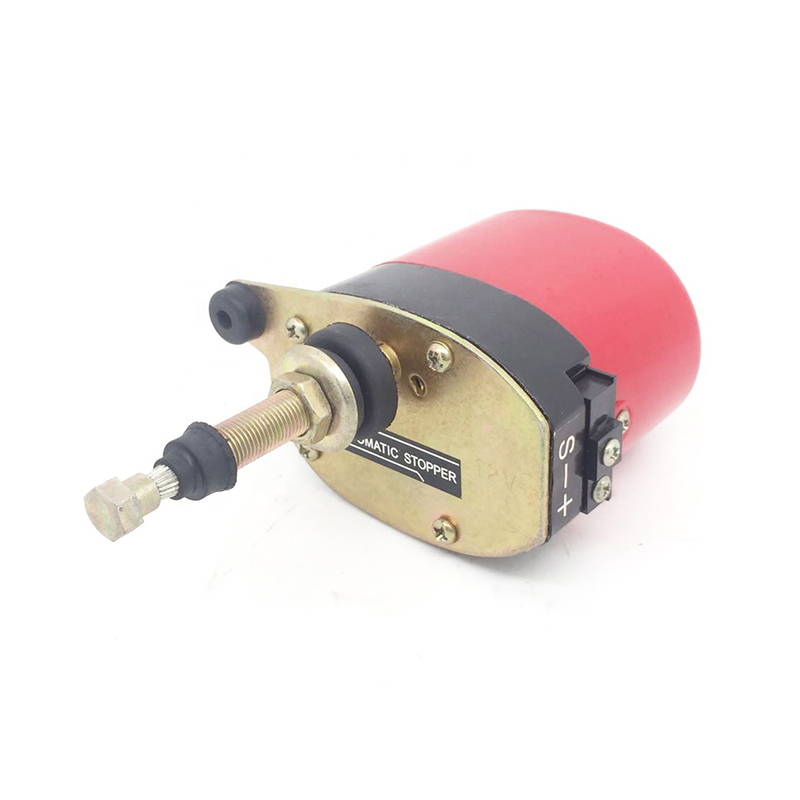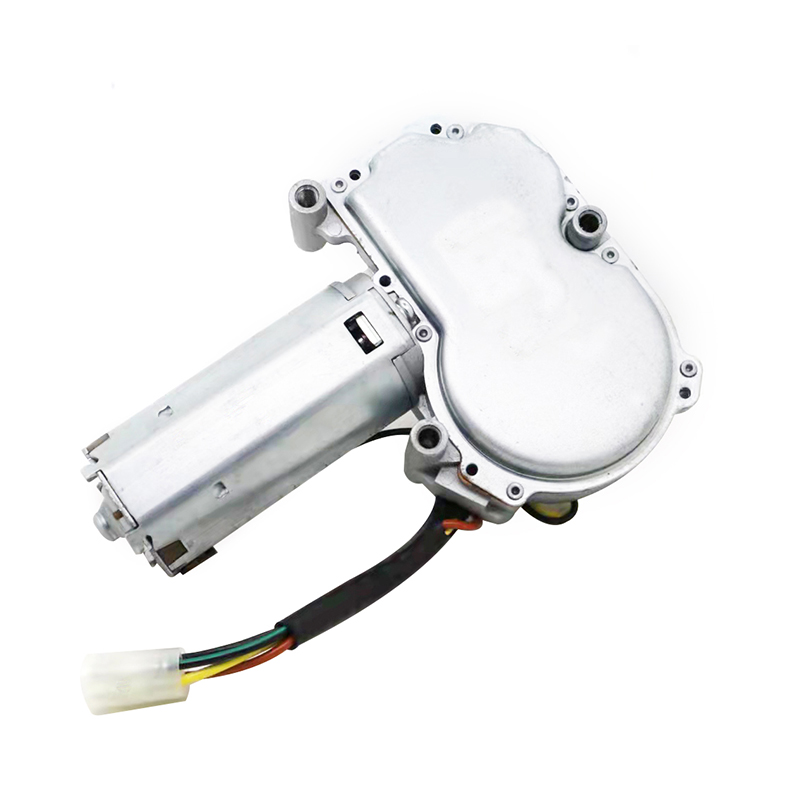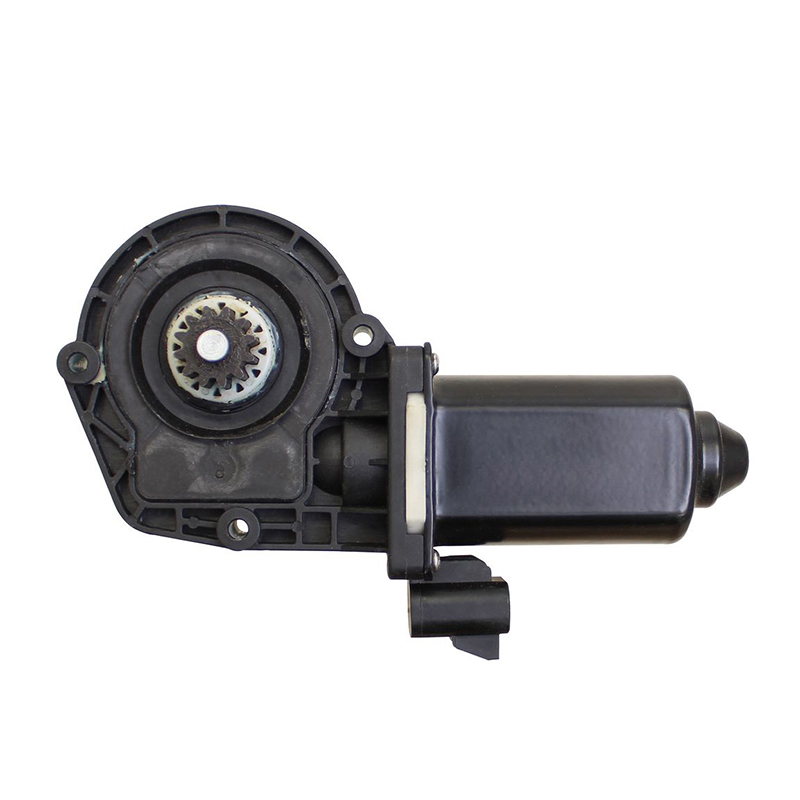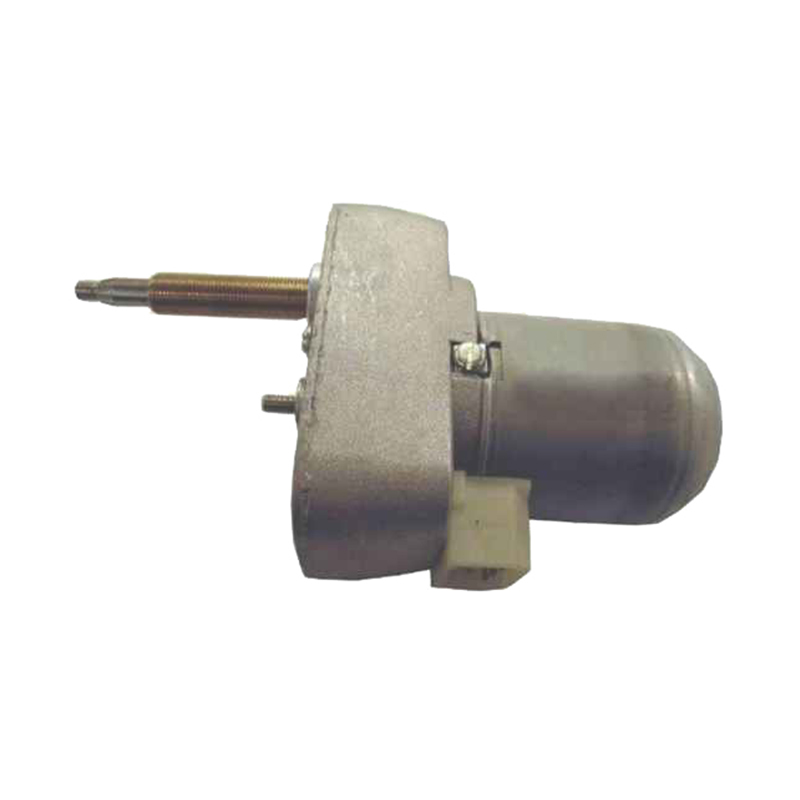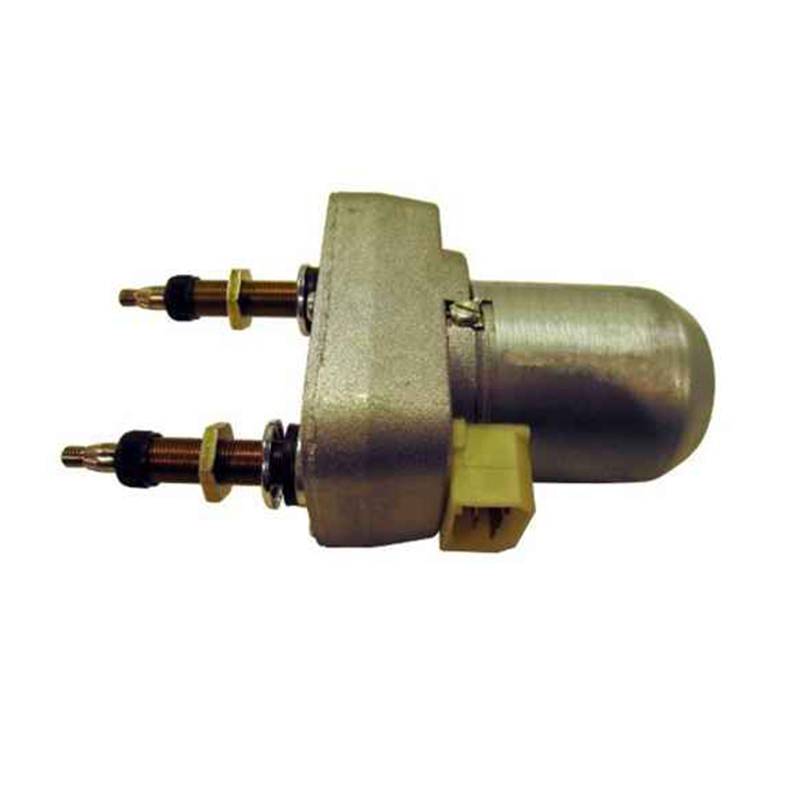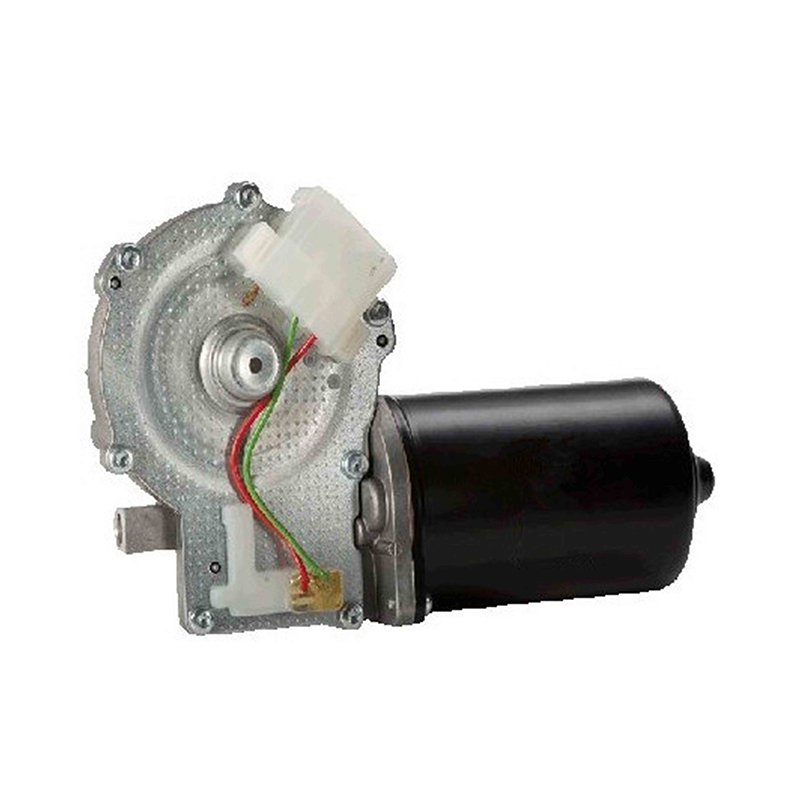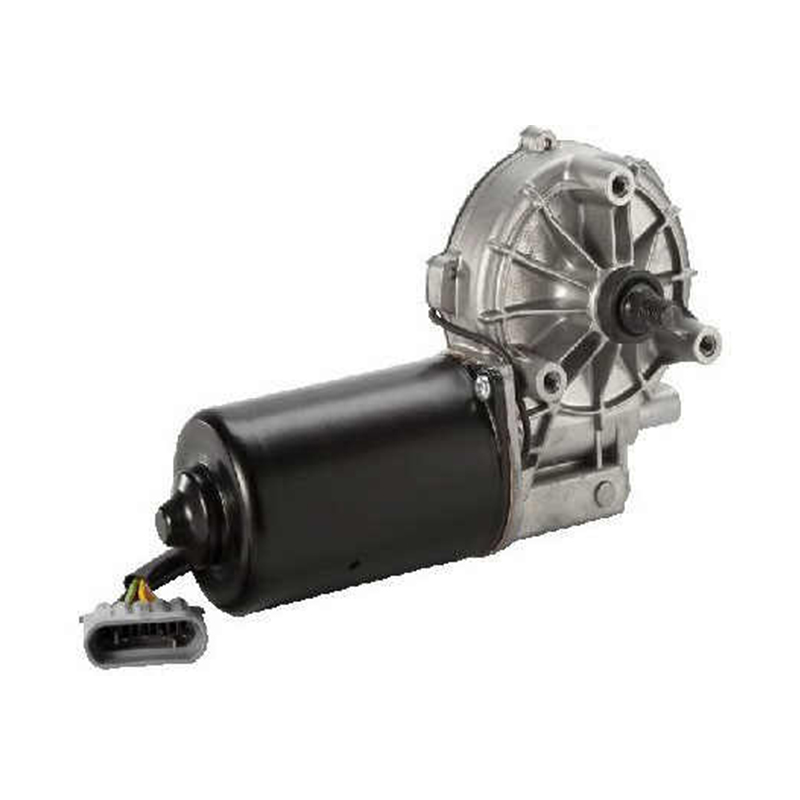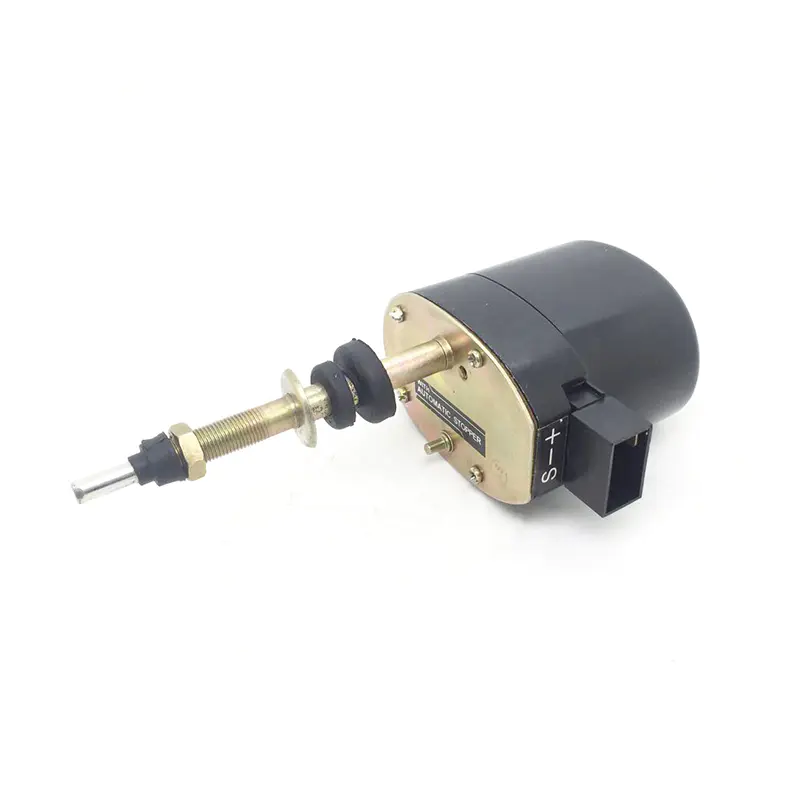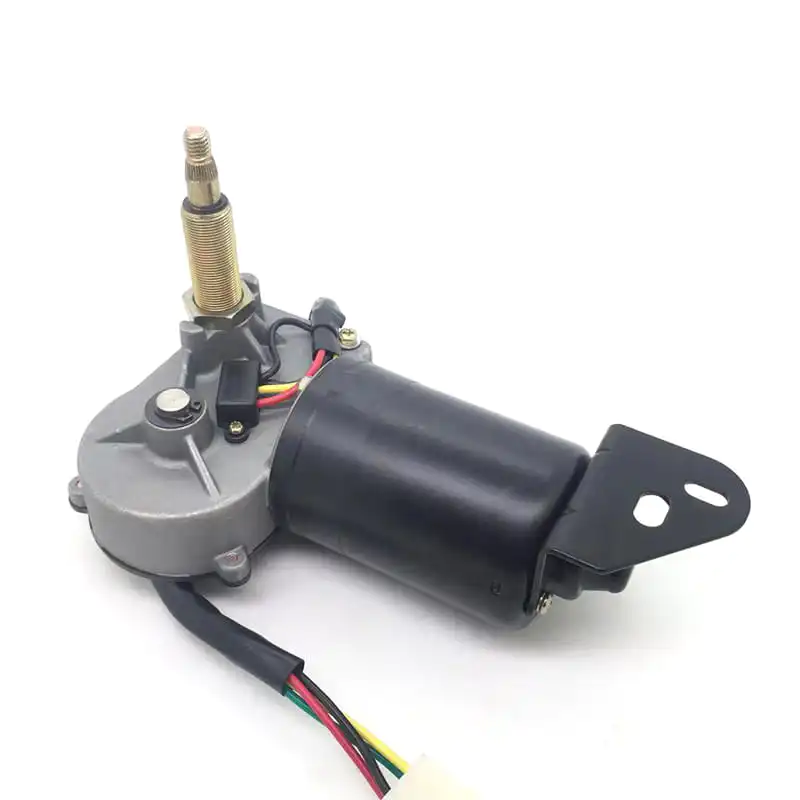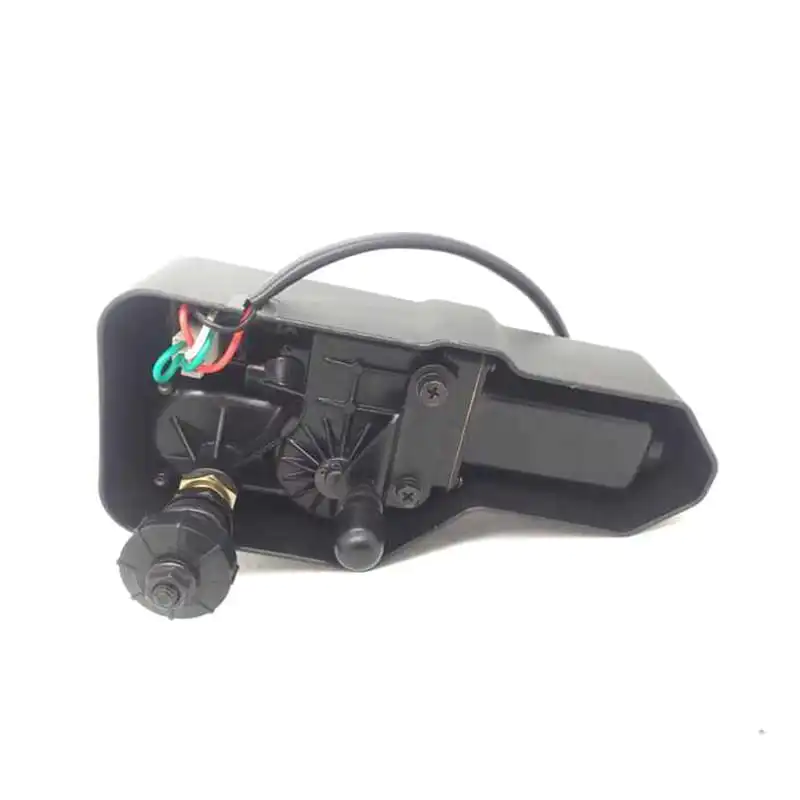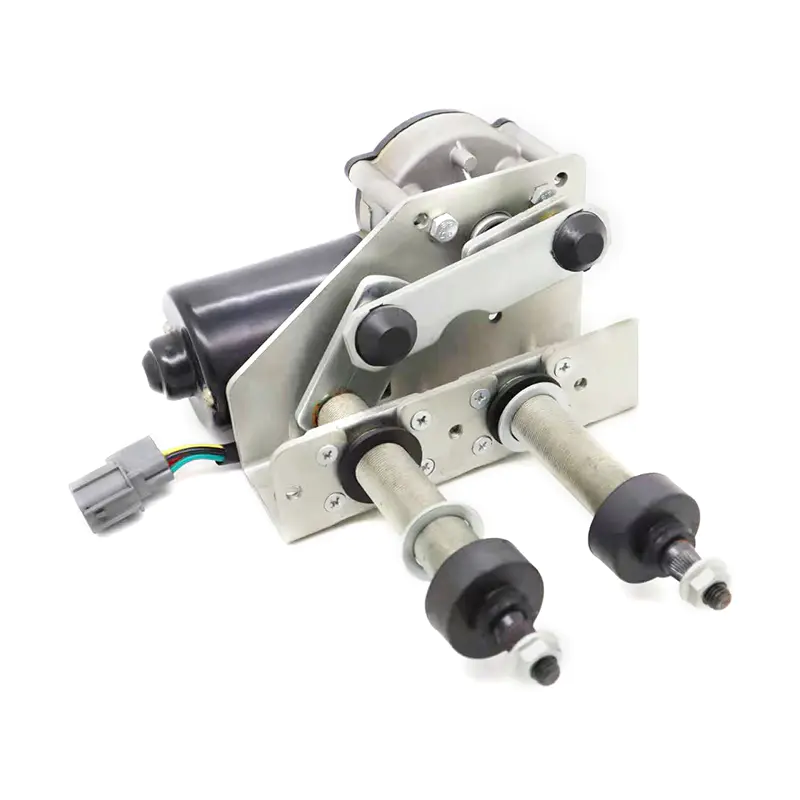
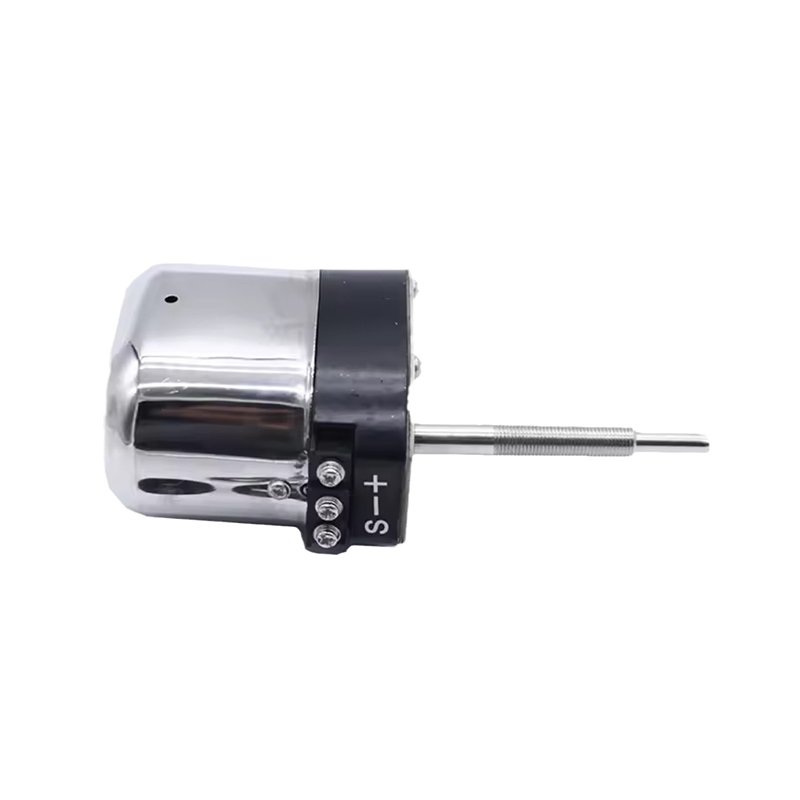
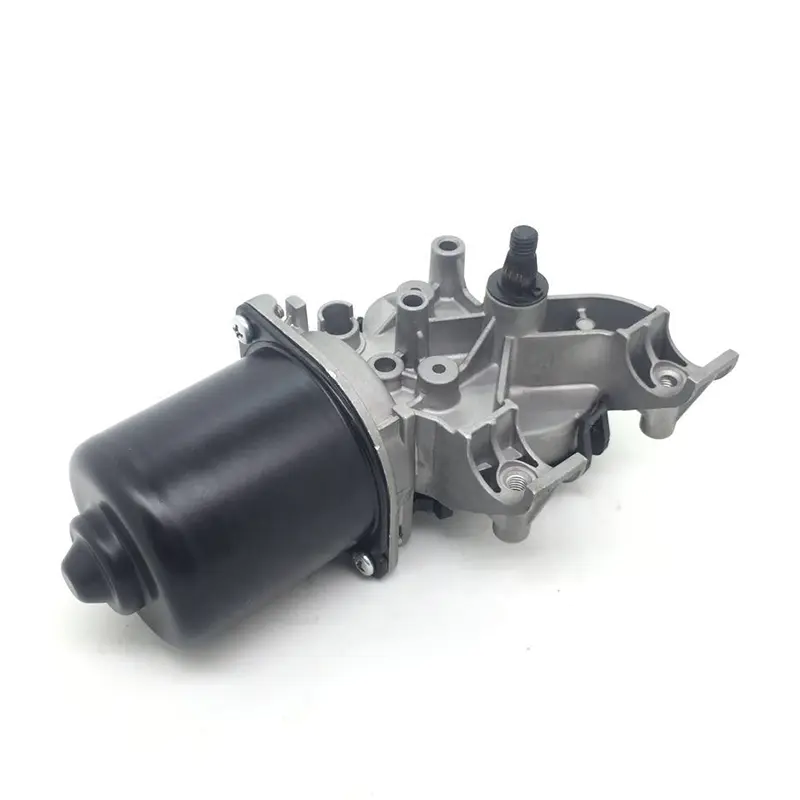
A wiper motor that quits halfway through a storm on a highway shoulder is more than an inconvenience, it's a safety risk that fleet managers and truck builders can't afford to gamble on. If you've ever dealt with a wiper system that struggles under constant use, stalls in cold weather, or burns out faster than expected on a long-haul route, you already know why picking the right component matters far more for commercial vehicles than it does for a passenger car. A Wiper Windshield Motor built for that kind of workload needs to handle hours of continuous operation, rough vibration, and unpredictable weather without missing a beat.
Passenger vehicles rarely put serious strain on a wiper motor. Short trips, occasional rain, and light use mean the component barely gets tested. Commercial trucks operate under a completely different set of conditions.
Long-haul routes mean hours of continuous driving through varying weather, sometimes across regions with heavy rainfall, snow, or dust storms back to back. A wiper motor on this kind of vehicle isn't switched on for a few minutes here and there, it can run steadily for extended stretches, and that sustained demand puts real pressure on internal components that weren't designed for it.
It does, more than many people outside the industry realize. Heavy trucks generate far more vibration than passenger vehicles, from engine operation, rough road surfaces, and the sheer mass of the vehicle itself. A motor without reinforced mounting points or vibration-resistant internal components tends to wear down faster under these conditions, resulting in premature failure that a passenger-grade part would never face in its typical service life.
This becomes even more pronounced on routes involving unpaved sections, mountain passes, or extended highway driving at higher speeds, where sustained vibration compounds over thousands of miles rather than a handful of short trips. A component that seems perfectly adequate during a brief test run can start showing signs of internal wear after weeks of continuous exposure to this kind of stress, which is exactly why fleet buyers benefit from asking suppliers about vibration testing standards rather than relying on specifications alone.
Truck windshields are often larger, and the wiper arms covering that surface area require more torque to move consistently, especially when pushing through heavy snow or built-up grime. A motor undersized for this workload will strain constantly, running hotter and wearing out internal gearing faster than a properly matched unit.
Selecting the right unit comes down to a handful of technical considerations that directly affect how well it performs under commercial use.
Getting voltage compatibility wrong is one of the more common and costly mistakes buyers run into, so it deserves a closer look.
| Feature | 12V System | 24V System |
|---|---|---|
| Common vehicle type | Light and passenger vehicles | Heavy trucks and commercial fleets |
| Typical torque output | Lower, suited to smaller windshields | Higher, built for larger wiper coverage |
| Electrical draw | Lighter load on vehicle circuitry | Matches heavier-duty electrical systems |
| Common failure point if mismatched | Overheating under sustained use | N/A when properly matched |
| Suitability for continuous operation | Limited | Generally stronger fit |
Not automatically, since some smaller commercial vehicles still run 12V systems depending on their build and electrical architecture. Checking the vehicle's actual electrical specification before ordering matters more than assuming based on vehicle size alone. A mismatch here doesn't just reduce performance, it can damage the motor outright or create electrical strain elsewhere in the system.
Beyond raw specifications, a few practical questions help narrow down whether a given motor will actually hold up in real-world fleet conditions.
Working through these questions before placing a bulk order helps avoid the frustration of receiving parts that technically function but don't hold up to the specific demands of long-haul operation.
A well-designed wiper motor still depends on consistent manufacturing quality to perform as intended across an entire fleet order. This is where buyers often run into trouble if they don't look closely enough at a supplier's actual production capability.
It often does, particularly for buyers managing large fleets or seeking OEM-matched components at scale. Manufacturers with established production experience in this category tend to have refined processes around quality testing, sealing standards, and vibration resistance, since these are recurring pain points across the commercial vehicle segment. Working with a supplier that understands these specific demands, rather than treating wiper motors as a generic commodity part, tends to reduce the back-and-forth that comes with mismatched specifications or inconsistent batches.
Sourcing the right motor is only part of the picture, since ongoing maintenance planning affects how well any fleet manages replacements over time. Keeping a small inventory of tested, compatible units on hand reduces downtime when a motor eventually needs replacing, rather than scrambling to source a single unit on short notice. Tracking failure patterns across a fleet also helps identify whether a particular batch or supplier consistently underperforms, which gives procurement teams useful leverage when negotiating future orders or requesting adjustments to specifications.
Regular inspection during routine maintenance checks can catch early warning signs, unusual noise, slower blade movement, or intermittent operation, before a full failure occurs on the road. Building this kind of inspection into an existing maintenance schedule costs very little in terms of added time, yet it can meaningfully reduce the number of unexpected breakdowns a fleet experiences over a full operating season.
Selecting the right Wiper Windshield Motor for heavy trucks and long-haul vehicles comes down to matching real operating conditions with the right technical specifications, voltage compatibility, torque output, sealing standards, and duty cycle ratings all play a part in whether a motor holds up under sustained commercial use. Vibration resistance and temperature tolerance matter just as much as raw performance numbers, since a motor that looks capable on paper can still fail prematurely if it wasn't built with rough road conditions and extended operating hours in mind. Working through a checklist of practical questions before ordering, and evaluating a manufacturer's testing standards and production consistency alongside the product itself, gives procurement teams a much clearer picture of what they're actually buying. For fleet managers and commercial vehicle builders ready to source dependable, properly matched components at scale, reaching out to an experienced manufacturer is a sensible next step, and the team at Wenzhou Junt Power Technology Co., Ltd. is available to discuss specifications, testing standards, and bulk supply options suited to your fleet's requirements.

Tel:+86-0577-66009580
Mobile: +86-18858801083
E-mail:juntmotor@126.com
Whatsapp:+8618858801083
WeChat: +86-18858801083
 WeChat

Automotive Reduction Motors Manufacturer

 +86-0577-66009580
 juntmotor@126.com
 Language
  English
 Português