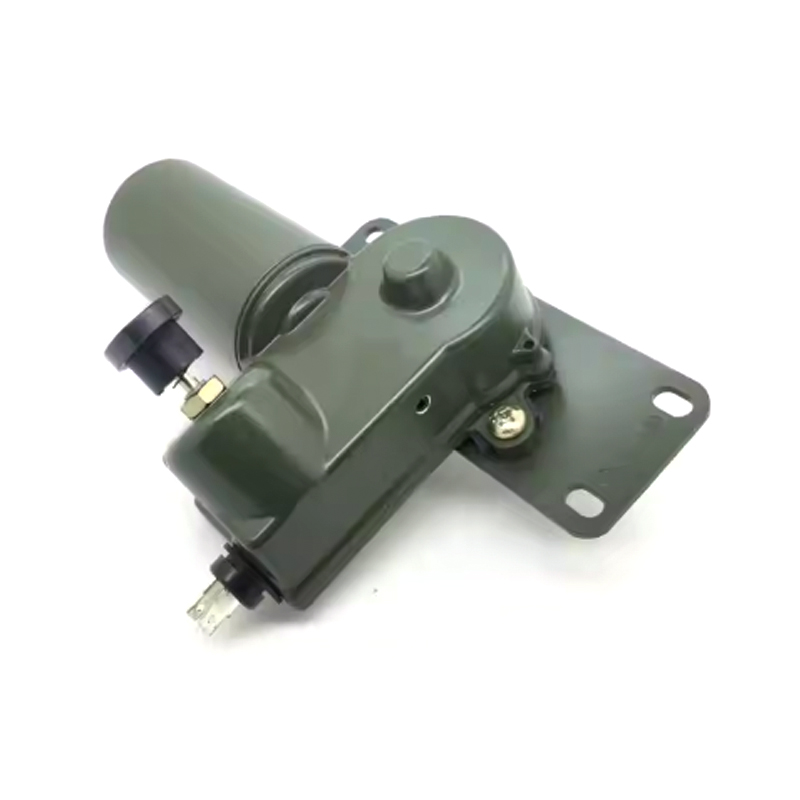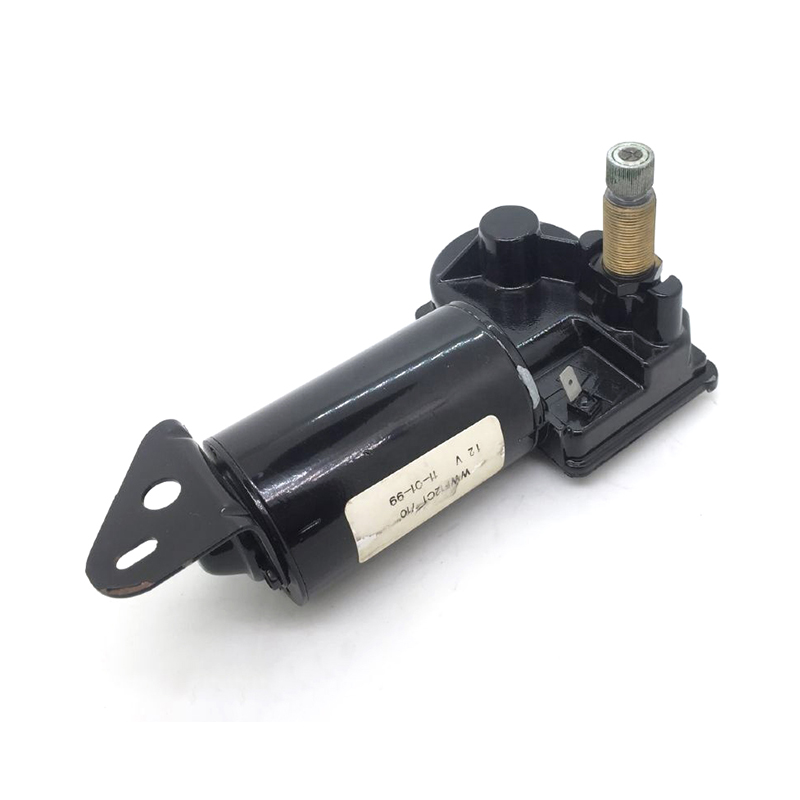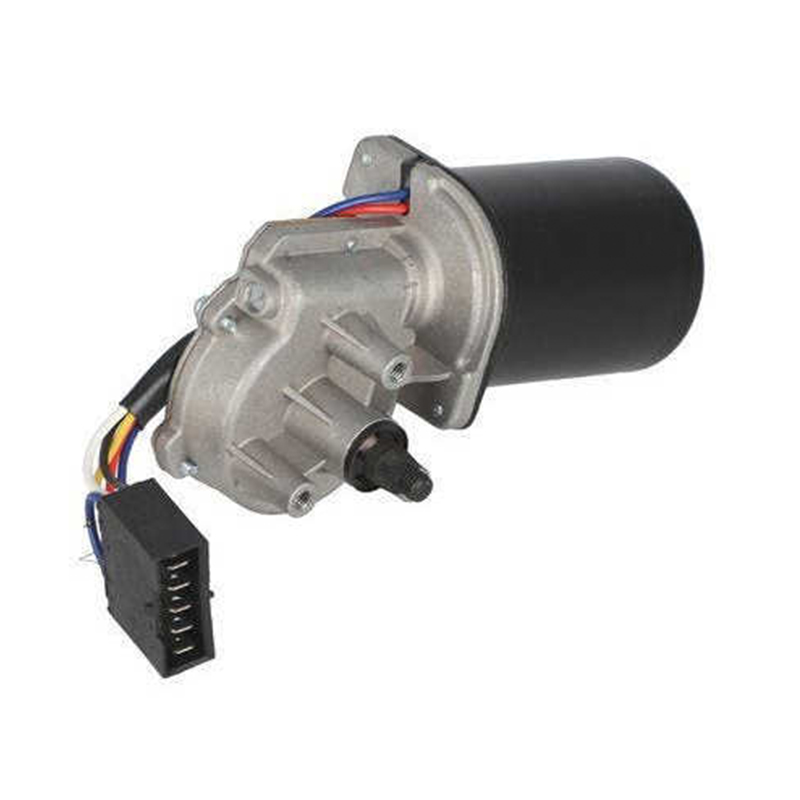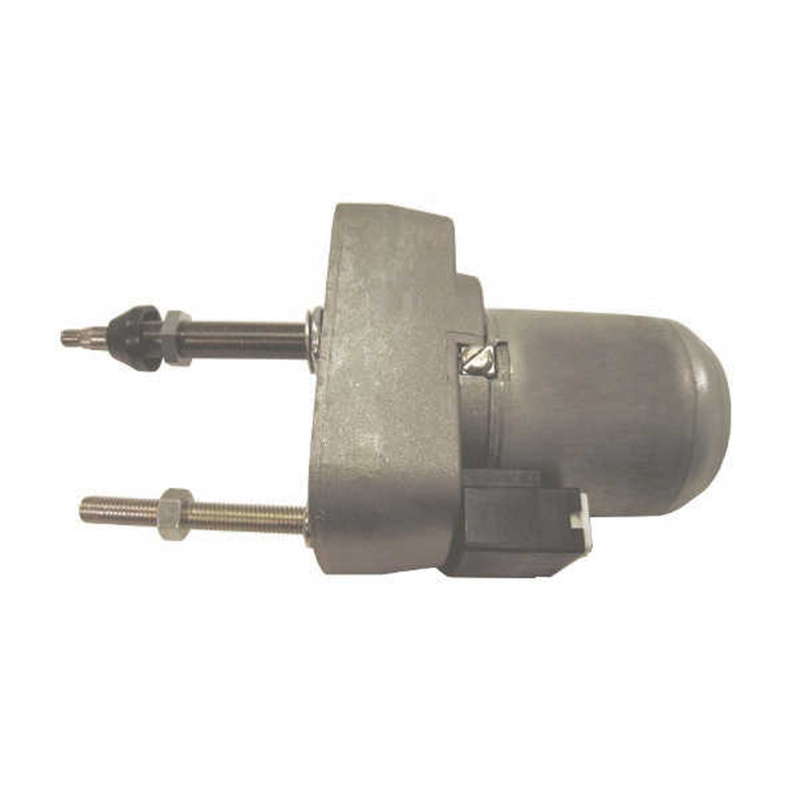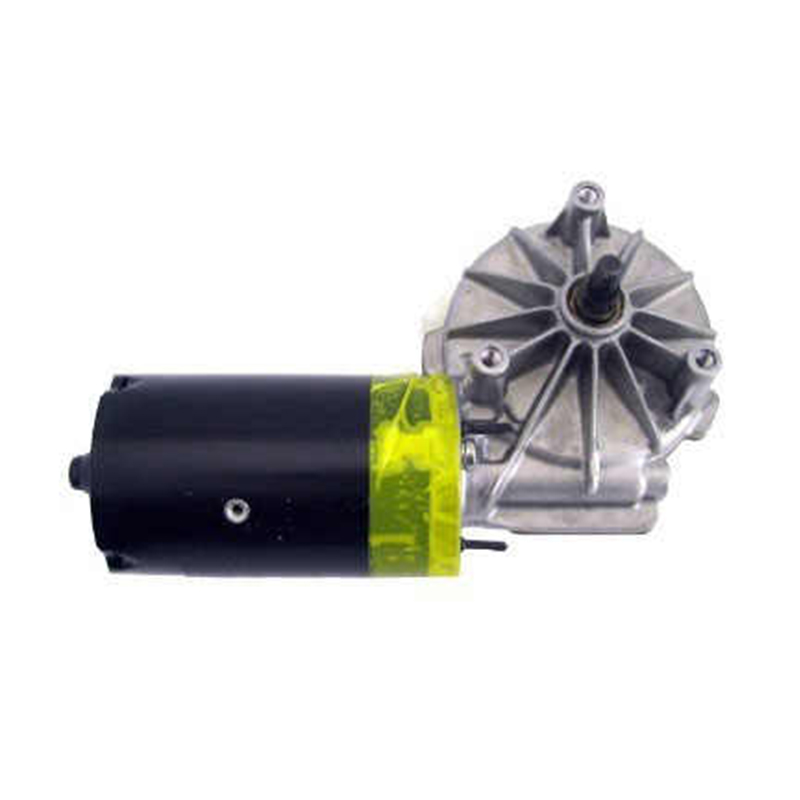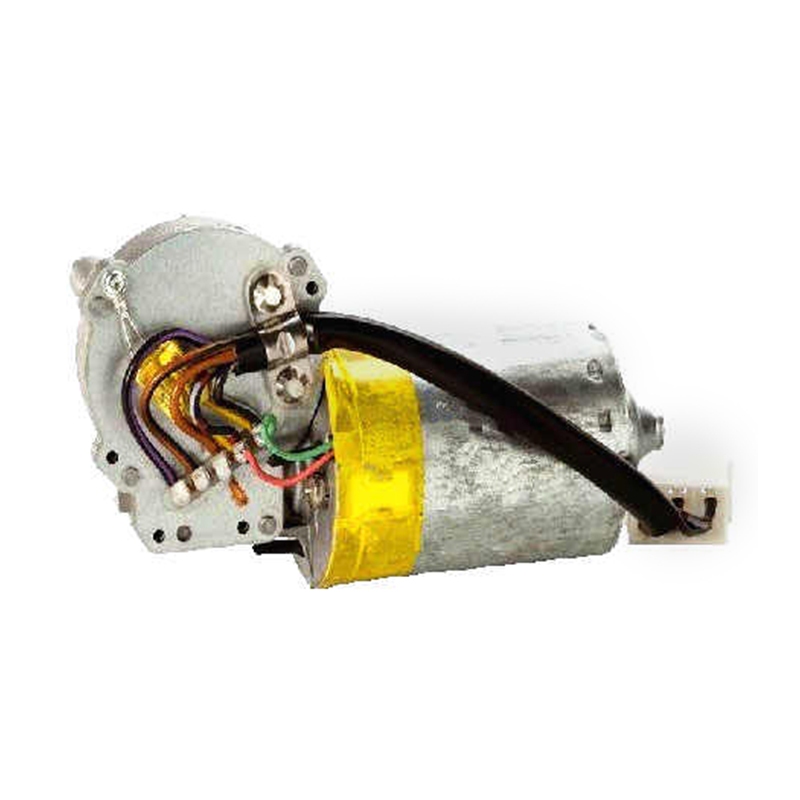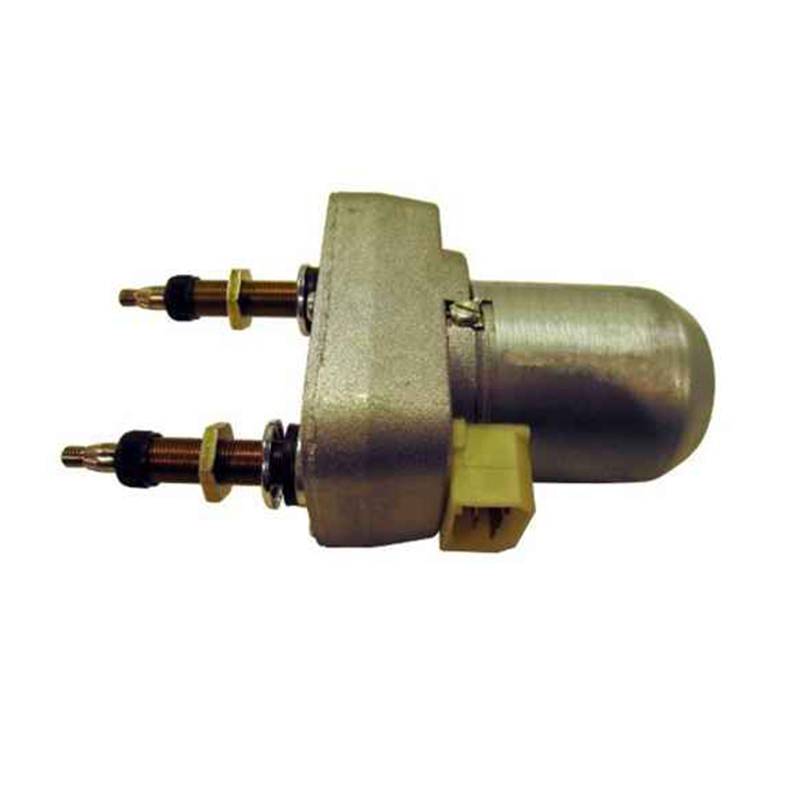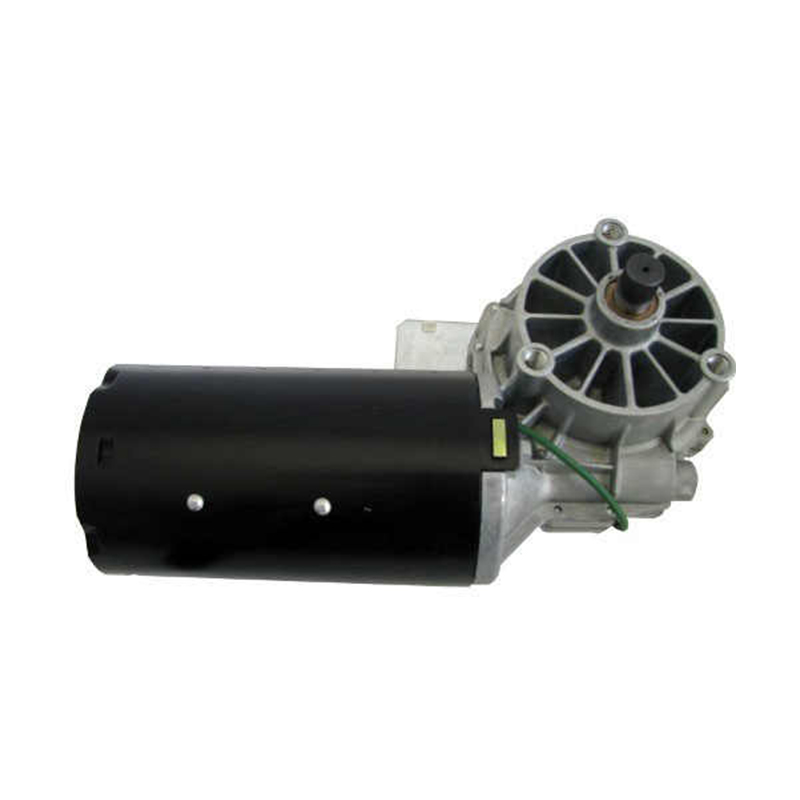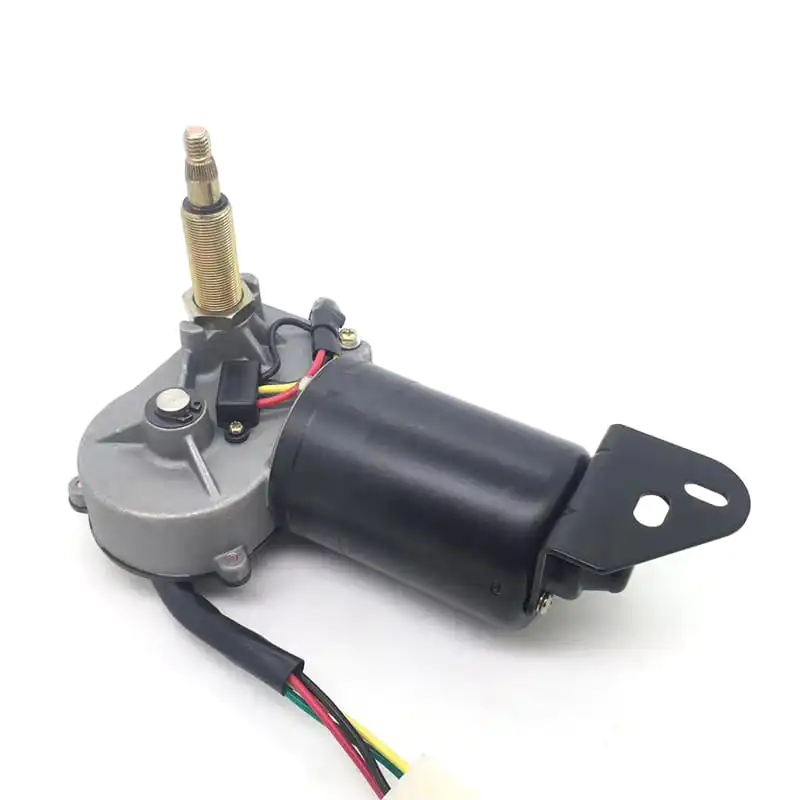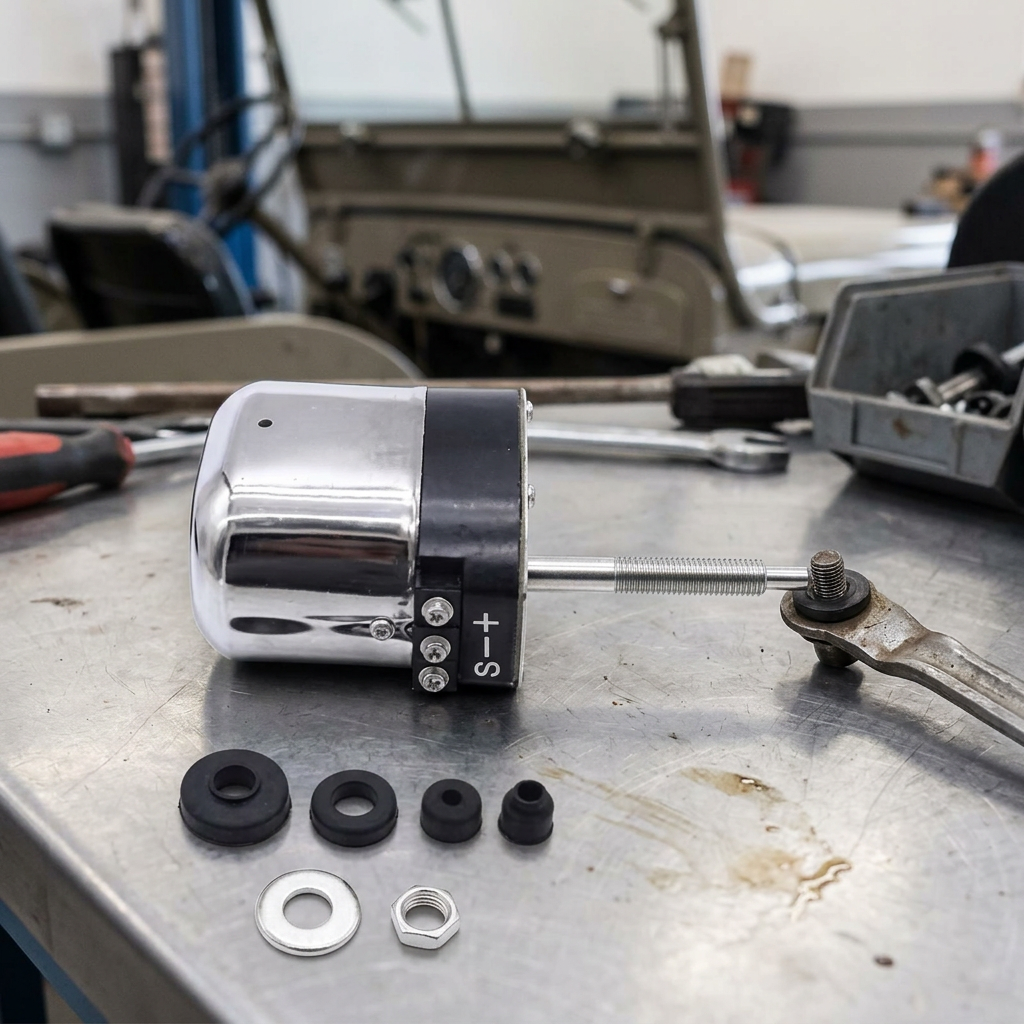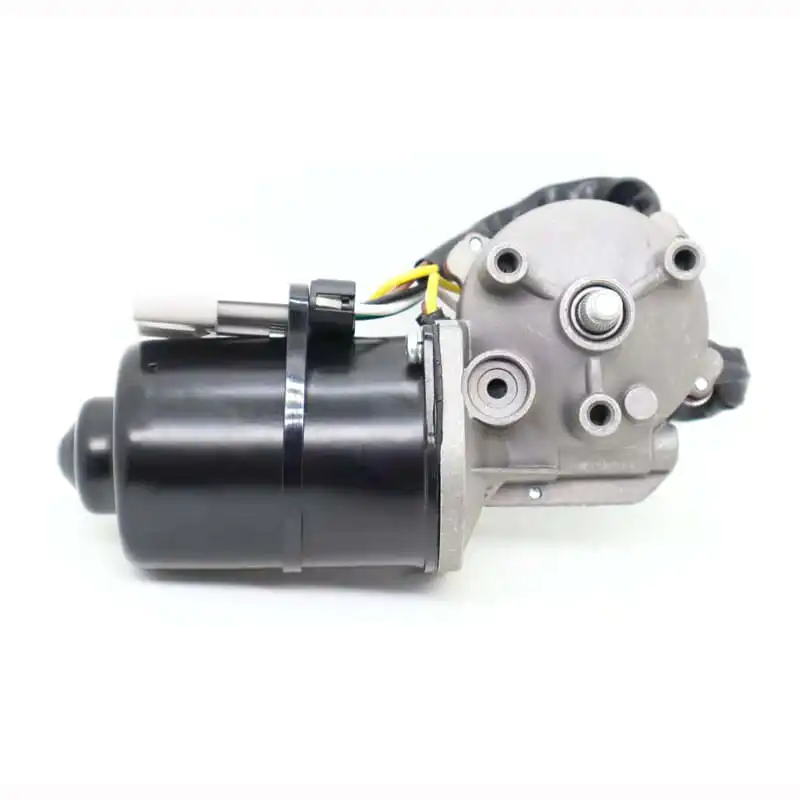
Picking a front wiper motor, you’ll quickly find torque and speed are the two specs that sit at the core of how well it works. The motor has to move the blades reliably across the windshield through all kinds of weather. Torque gives the motor the rotational force to push through resistance in the wiper mechanism, while speed dictates how fast the blades complete each back-and-forth cycle. If either is poorly matched to the vehicle, the wipers may drag under load, run too slow for heavy rain, or just fail to perform as expected.
For manufacturers, distributors and service teams, these two numbers are only the start of the selection process. Gearbox ratio, linkage geometry, blade size and electrical supply all play into real-world performance too.
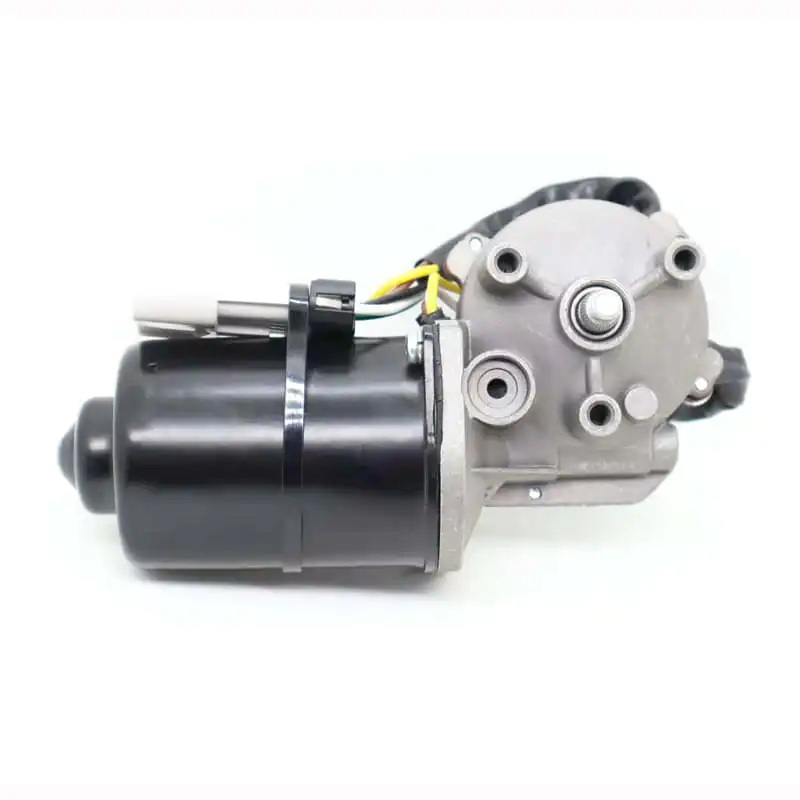
Torque is the rotational force the motor puts out, usually measured in newton-metres (N·m). In a wiper system, it’s what drives the gearbox and linkage against resistance from the blades, arms, pivots and every other moving part in the assembly.
Speed is how fast the motor shaft spins, stated in revolutions per minute (RPM). But here’s the thing: the motor shaft doesn’t move the blades directly. A gearbox adjusts the output speed and torque, and a linkage converts that rotation into the side-to-side sweep of the wiper arms. So motor RPM alone won’t tell you how many wipe cycles the blades will actually complete per minute.
As mechanical load changes, operating speed and current draw will shift too. Always compare specs under the stated test conditions, and if you can, test the motor in the intended assembly before committing.
The motor needs enough torque to pull the wiper mechanism through its full sweep. How much is required depends on windshield and blade size, arm geometry, linkage condition, and friction built up in the system. A larger blade assembly or a stiff, high-resistance mechanism will put more load on the motor.
Insufficient torque can cause jerky movement, slowdowns, or stalling. That said, similar symptoms can come from worn gears, seized pivots, bent linkages or bad electrical connections too, so check the full system before blaming the motor.
Water, dirt and temperature swings all change the load on the wiper assembly. Snow adds weight, and ice can lock the blades in place. Extra load drives up current draw and heat. Don’t expect the motor to bust through thick ice or move frozen blades — always clear snow and ice before running the wipers.
Too much load ramps up heat and wear in the motor, gearbox and linkage. Matching torque to the load and keeping the linkage moving freely helps keep everything within its operating range. A higher torque rating on its own won’t guarantee a longer service life, though.
Wiping speed sets how often the blades clear water off the glass. Light rain works fine with a lower frequency, while heavy rain usually needs faster cycles to keep the driver’s view clear. If the blades move too slow for the conditions, water builds up between passes. If they run faster than needed, the system makes more noise and picks up extra mechanical wear.
Most vehicles have low and high speed settings, and some include intermittent wipe. Make sure any replacement motor supports the required control modes, and works properly with the existing gearbox and linkage.
Blade length, linkage geometry, sweep angle and arm timing also determine how much of the windshield gets covered. Check full blade travel and the correct park position to make sure the replacement matches the intended wiping cycle.
| Selection point | Torque | Speed |
|---|---|---|
| Main role | Provides force to drive the mechanism | Sets wiping frequency |
| If poorly matched | Wipers slow or stall under load | Wiping feels too slow or unnecessarily fast |
| Key influences | Blade/arm load, friction, linkage design | Gear ratio, linkage geometry, control settings |
| Useful checks | Output torque and loaded performance | Rated RPM and wipe cycles in the full assembly |
Neither spec tells the whole story on its own. A motor might have high no-load RPM but bog down under load, or deliver plenty of torque but end up with the wrong wipe frequency because of its gear ratio. Compare under equivalent test conditions and look at the complete system.
Start with original specifications, then dig into the application details:
OEM validation under representative conditions catches problems before production. For distributors, verified part-number matching helps cut down on ordering errors and returns.
Ask whether the stated torque and speed refer to the bare motor or gearbox output, and what test conditions they were measured under. Confirm voltage, current draw, speed modes, mounting dimensions, connector type and vehicle compatibility. Ask about quality checks and durability testing too. For a new design, sharing linkage drawings and target wipe performance gives the supplier a clearer basis for making a recommendation.
A well-matched front wiper motor pairs the right torque and speed with a compatible gearbox, linkage and electrical system. Checking these details before purchase helps deliver consistent wiping, straightforward installation and solid long-term performance.

Tel:+86-0577-66009580
Mobile: +86-18858801083
E-mail:juntmotor@126.com
Whatsapp:+8618858801083
WeChat: +86-18858801083
 WeChat

Automotive Reduction Motors Manufacturer

 +86-0577-66009580
 juntmotor@126.com
 Language
  English
 Português