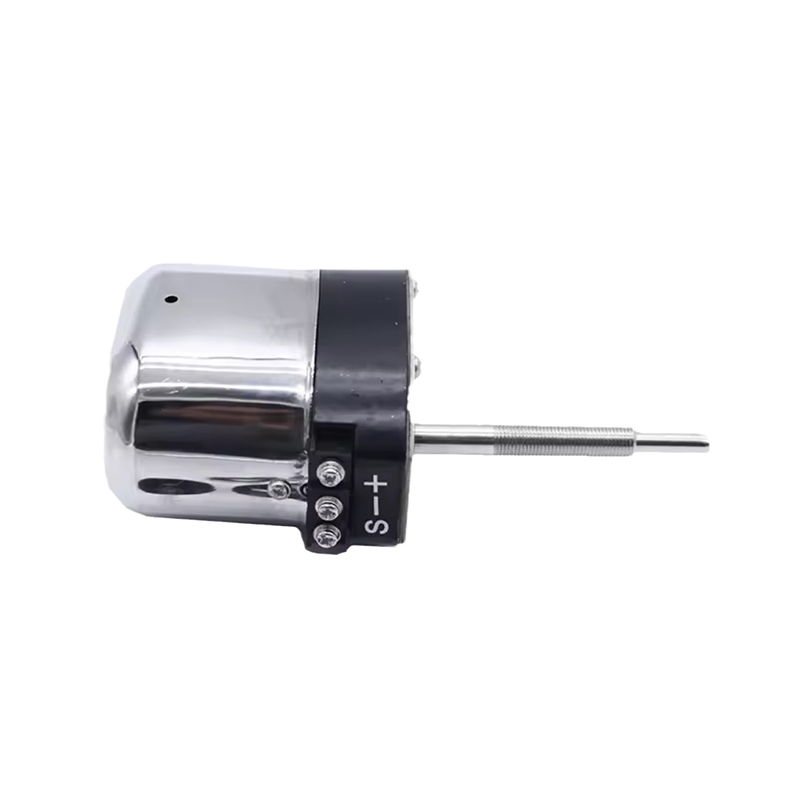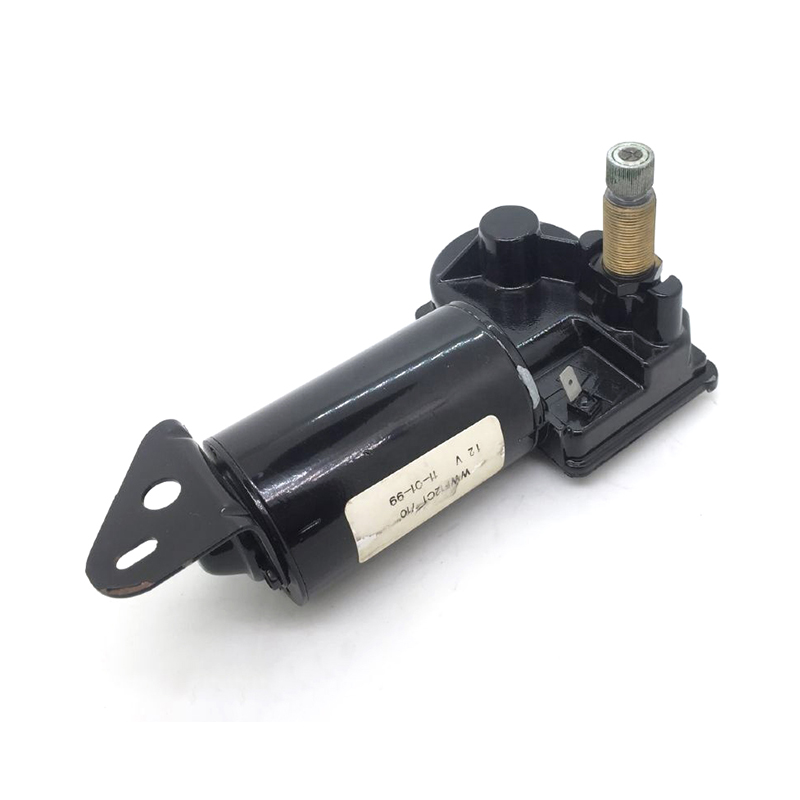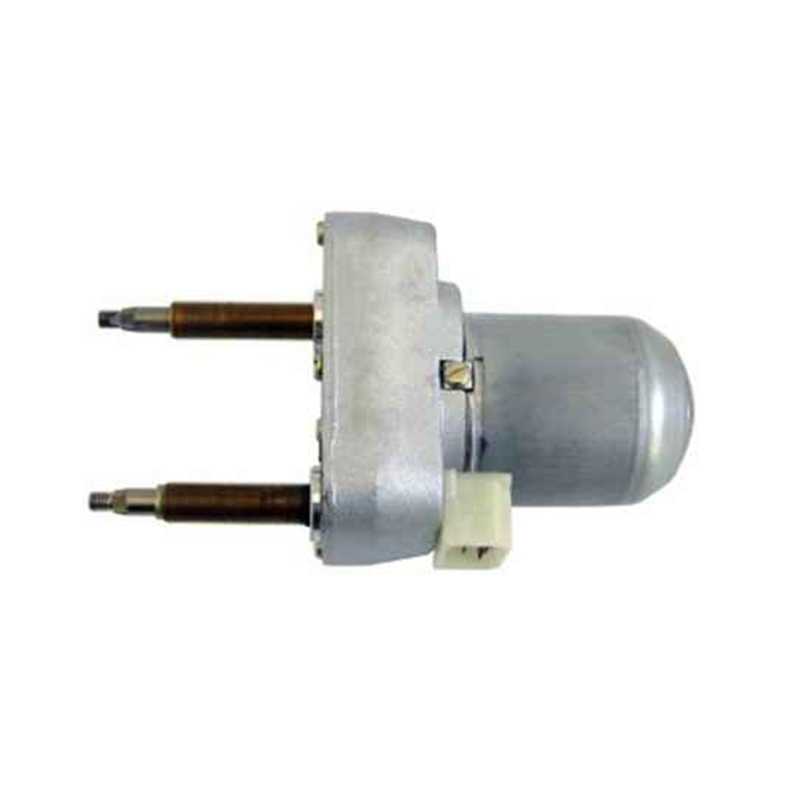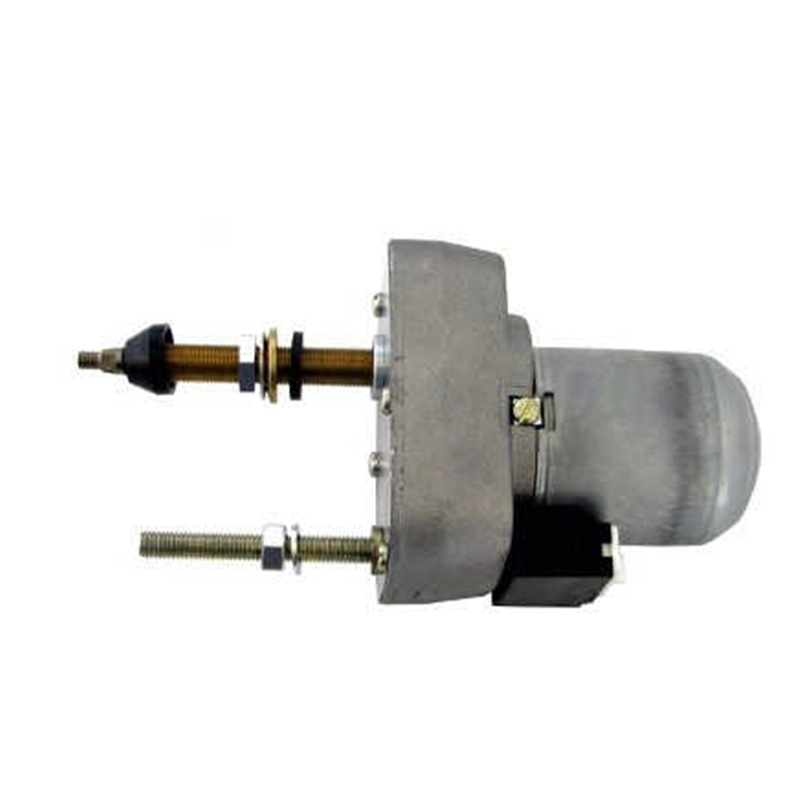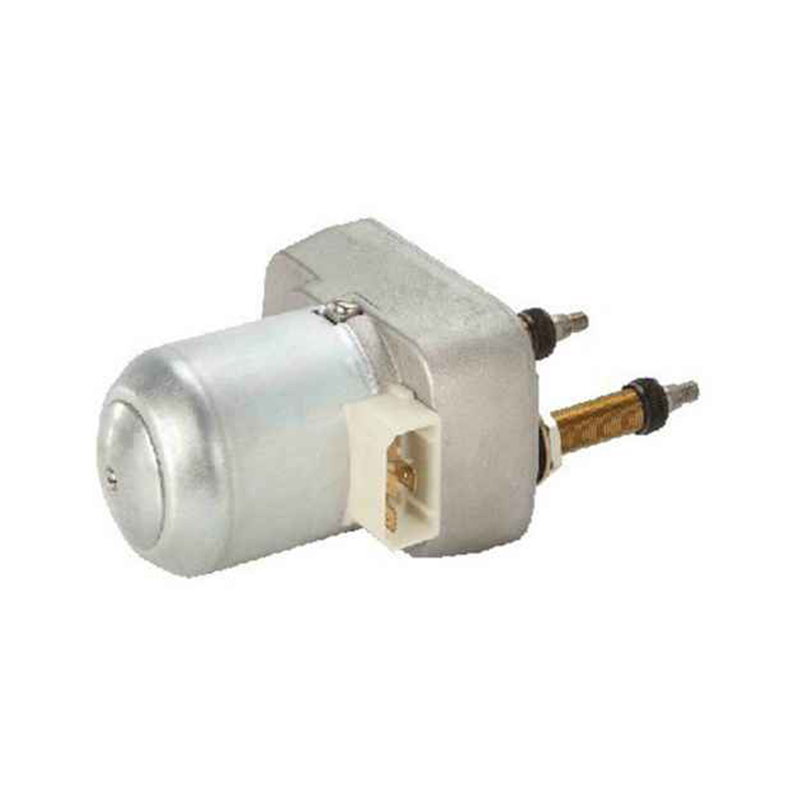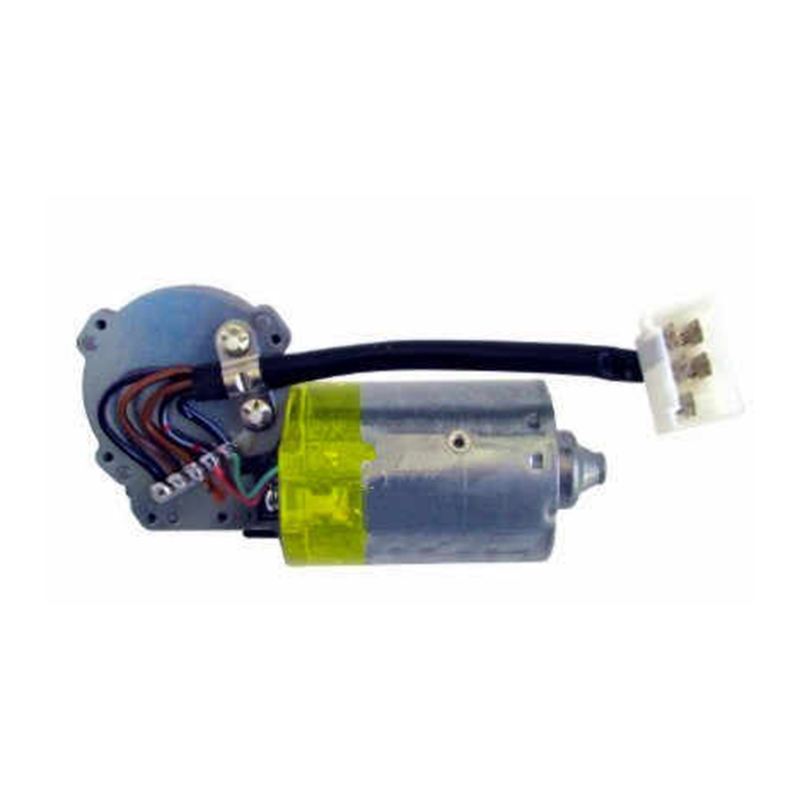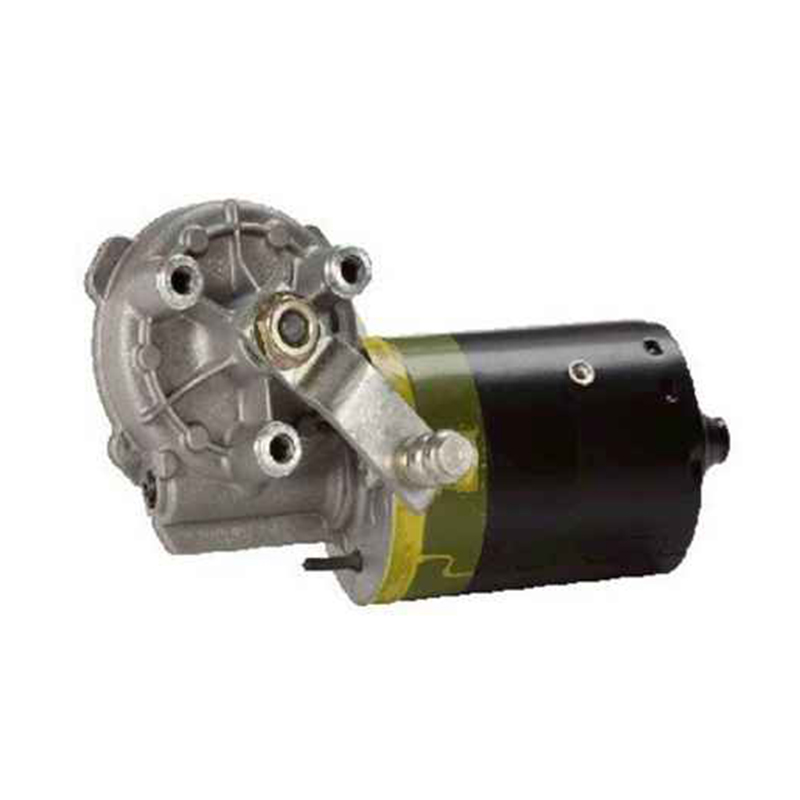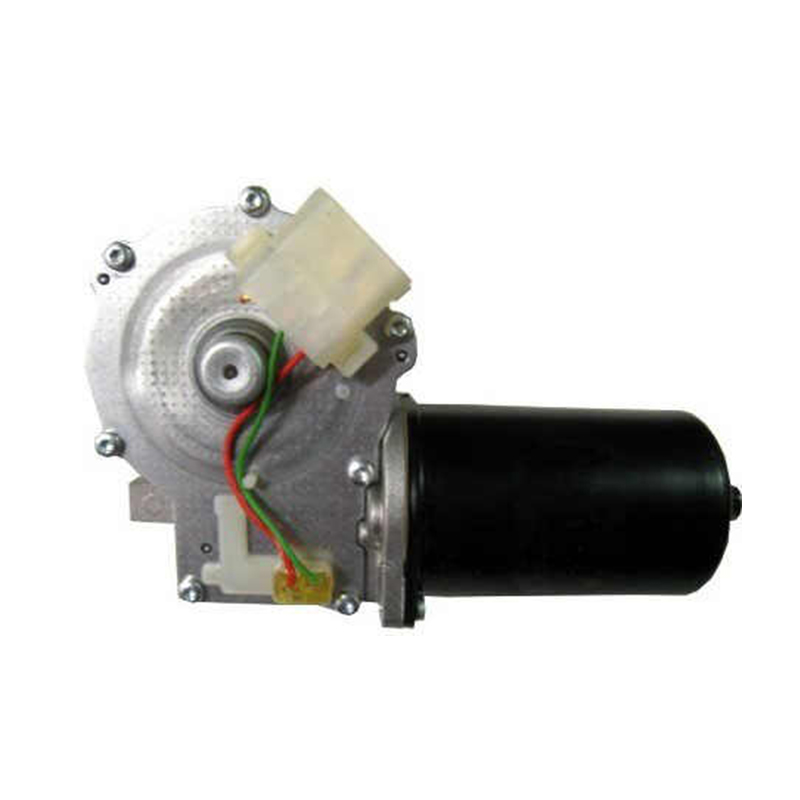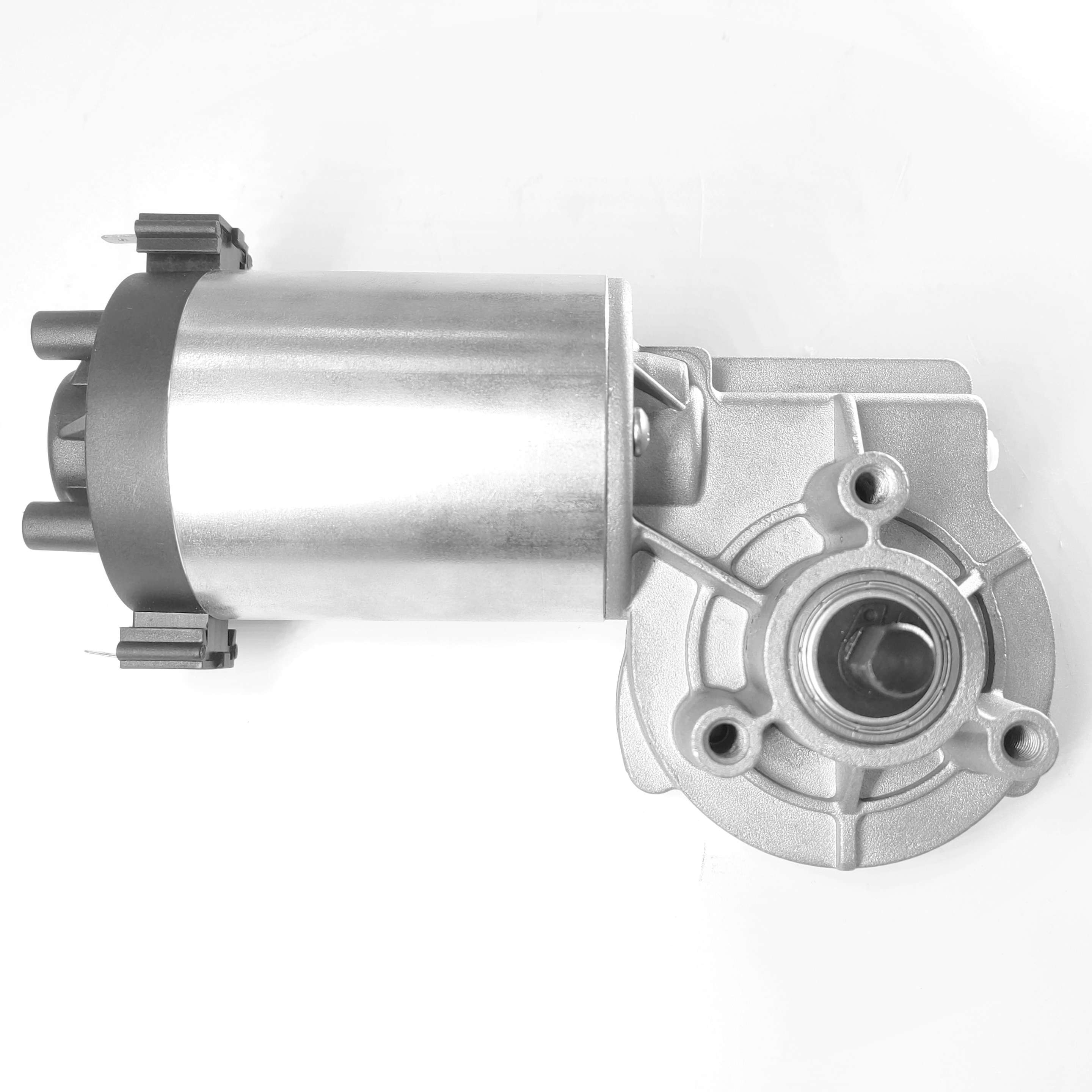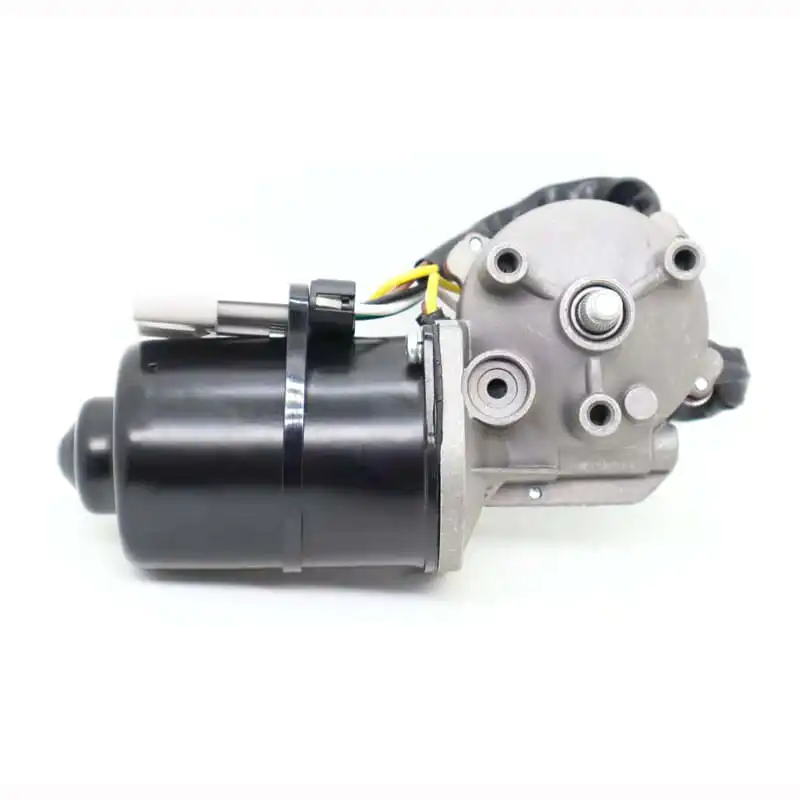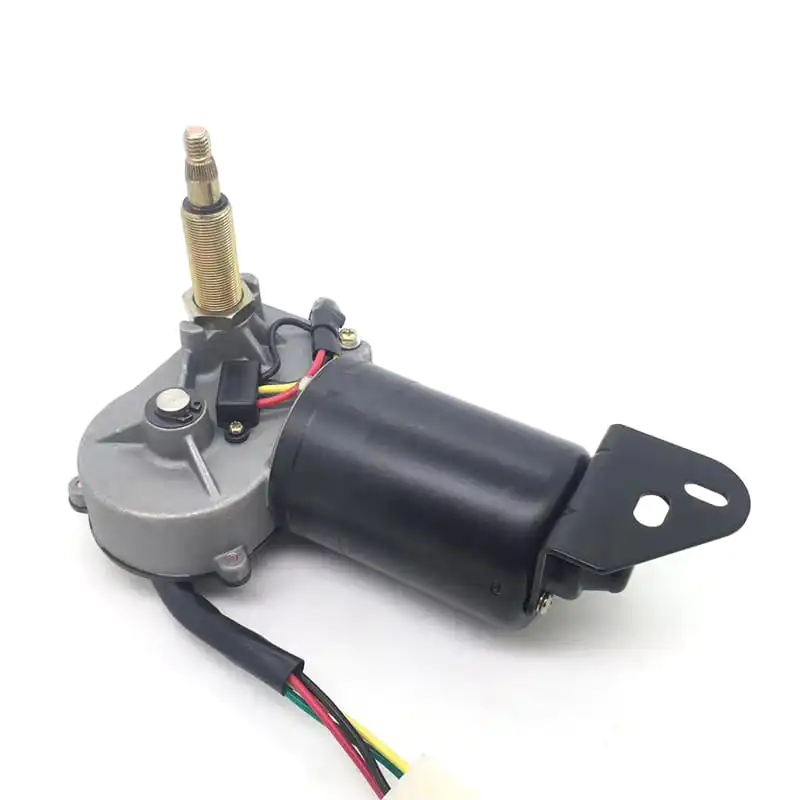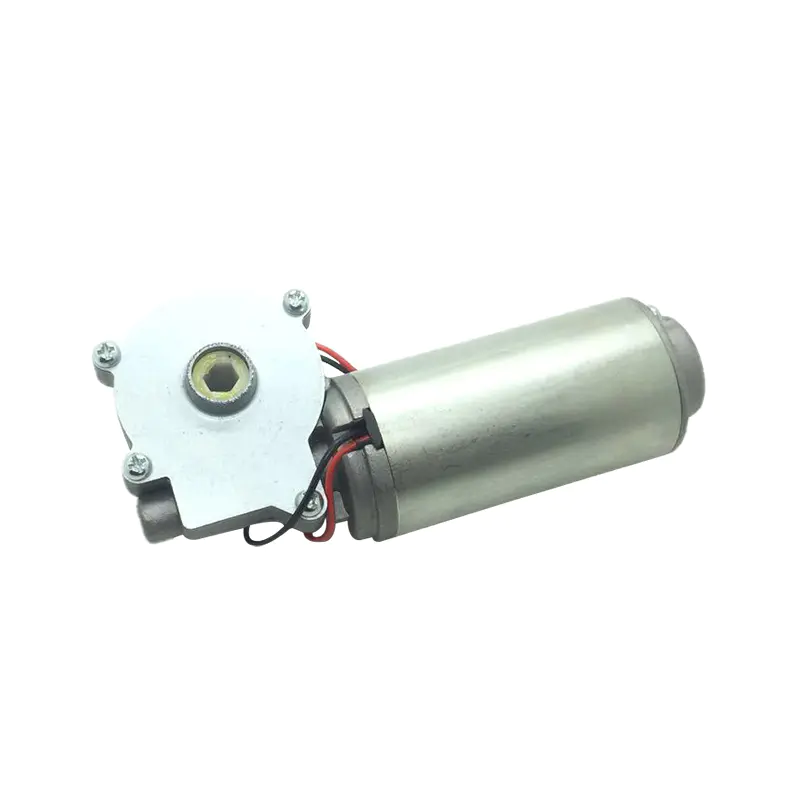
Windshield wiper systems tend to fail without warning — and almost always at the wrong time. One moment the blades are sweeping normally; the next, nothing moves, or they drag halfway across the glass and stop. For repair workshops, fleet maintenance teams, and parts procurement buyers, a burned or seized wiper motor is a problem with a defined solution. But finding that solution — identifying the right replacement unit, working with a credible Wiper Motor Manufacturer, and completing the job so it does not repeat — requires more careful thinking than simply pulling a part number and ordering the first result.
When wiper blades are stuck against the glass — frozen solid in winter, or wedged by debris in the linkage mechanism — the motor keeps trying to move them. The current draw climbs beyond what the windings can handle, heat builds up, and eventually the motor burns out. What makes this failure pattern particularly frustrating is that it is usually preceded by symptoms that go unaddressed: blades moving slower than normal, the motor cutting out briefly at the end of each sweep, an occasional burning smell that disappears after a few minutes. Each of those signs is a warning the motor is struggling. Once the windings have burned, the unit is beyond service repair.
Not every motor failure is dramatic. In commercial vehicles, buses, and trucks that operate long hours across shifting weather, the internal brushes that carry current to the armature simply wear away over time. The gear assembly — typically a worm drive — develops slop in the teeth, loses efficiency, and eventually cannot deliver enough torque to complete the sweep arc reliably. This kind of failure is gradual. The driver notices the wipers getting sluggish on high speed, then struggling on low, and eventually stalling. It is a predictable wear-out, not a sudden event, which means inspection intervals matter more for these applications than they do for passenger vehicles with lighter use cycles.
The cowl area sits directly beneath the windshield and collects whatever the weather brings — rain, sleet, leaf debris, road salt spray carried up through the wheel arches. When the motor housing seal ages and cracks, or when drain channels in the cowl get blocked, water pools around the motor. Corrosion works into the wiring harness connector, the brush holders, the armature contacts. The result is a motor that tests fine on the workshop bench — dry, room temperature — but fails intermittently or completely once it is back in a wet, cold environment. Diagnosing this kind of failure correctly requires understanding that a clean bench test does not rule out moisture damage.
It is worth separating motor symptoms from symptoms that come from other parts of the wiper circuit. A blown fuse, a failed relay, a corroded connector, or a seized linkage can all produce wiper behavior that looks like motor failure without the motor itself being at fault.
Indicators that point specifically toward the motor:
Before ordering a replacement, four checks take less than fifteen minutes and either confirm the motor is the problem or point elsewhere:
Some motor failures are component-level problems that do not require replacing the whole assembly. Worn brushes, for instance, can be replaced in motors with accessible brush holders, provided the armature commutator is not scored or burned. Corroded connector terminals can be cleaned and treated. On certain widely-used motor platforms, gear sets are available separately and can be swapped without a full replacement.
This approach makes economic sense when:
Fleet operations managing a consistent base of older commercial vehicles sometimes develop component-level motor servicing capability precisely because it reduces ongoing parts expenditure. It requires investment in tooling and technician training, but for the right application base, the calculation works.
In the majority of cases — particularly in trade and wholesale repair contexts — full unit replacement is the cleaner answer. Burned windings cannot be economically rewound outside specialized motor rewinding workshops, which are not widely accessible. A gear set worn to the point of causing motor stall has typically taken the bearing surfaces with it. And a replacement unit from a credible manufacturer carries a warranty; a rebuilt unit with patched components does not.
For procurement teams supplying aftermarket repair channels or managing fleet parts programs, Wholesale Wiper Motor units offer consistent quality, defined specifications, and warranty terms that repaired units cannot match.
Preparation matters more than most technicians give it credit for. Two things go wrong when preparation is skipped: the wrong unit arrives, or the job takes three times as long because the right tools are not on hand.
Before pulling the cowl cover:
The specific panel arrangement varies between vehicles, but the sequence below covers the standard approach:
Installation reverses the removal process, but certain steps deserve particular care:
Wiper motors are not interchangeable within a vehicle family, let alone across manufacturers. The following specification points need to be confirmed — not assumed — for every replacement:
| Specification Factor | Effect on Selection | What to Confirm |
|---|---|---|
| Voltage | Under- or over-voltage causes immediate or premature failure | Match to vehicle electrical system |
| Mounting bolt pattern and bracket | Physical fitment to the vehicle chassis | Vehicle-specific or requires adapter |
| Output shaft type and crank geometry | Determines linkage engagement and sweep arc | Must replicate original shaft position |
| Speed configuration | Single or multi-speed affects relay and switch wiring | Match original configuration exactly |
| Park switch location | Integrated into motor or external in linkage | Affects connector wiring and unit selection |
| Drive hand (LHD / RHD) | Affects sweep direction and park position | Not universally interchangeable |
Replacement motors fall broadly into two categories. OEM-equivalent units are manufactured to the original vehicle specification and often emerge from the same supply networks that feed vehicle assembly lines — the fitment and performance are predictable, and they carry the closest approximation to original equipment reliability.
Aftermarket units vary considerably. A manufacturer with genuine investment in tooling, materials testing, and production quality control can deliver a unit that performs comparably to OEM — sometimes with improved overload protection or corrosion resistance based on known weaknesses in the original design. A commodity unit from an unverified source carries unpredictable tolerances and no meaningful quality assurance.
For wholesale buyers building an aftermarket distribution catalog or supplying a fleet maintenance program, the difference between these two tiers is not abstract — it shows up in warranty claims, customer returns, and repeat failures.
Price per unit is easy to compare. What is harder to assess — and what matters more over time — is whether a manufacturer can supply consistently, support technical questions, and stand behind product quality when something goes wrong. For buyers placing volume orders, those factors determine the actual cost of the supply relationship far more than the unit price does.
Key evaluation points for a Wiper Motor Manufacturer:
Chinese automotive component manufacturers now supply a significant share of global aftermarket demand for wiper motors and related assemblies. The reasons are structural: deep manufacturing infrastructure, established sub-component supply chains, production scale, and a growing tier of manufacturers actively building toward international quality standards and export certification.
The challenge for buyers evaluating China Wiper Motor suppliers is not whether quality supply exists — it does, at multiple manufacturers — but how to identify it. Country-of-origin assumptions in either direction miss the point. The range of quality within Chinese wiper motor manufacturing is as wide as it is in any mature production sector. Some manufacturers supply OEM and Tier-1 customers in export markets. Others produce for domestic commodity channels with no export quality standard applied.
Distinguishing between these tiers requires direct engagement: factory capability review, sample evaluation against specification, reference checks with existing buyers, and clear contractual terms around quality and returns. A supplier who resists that process is providing information about where they sit in the quality spectrum.
The Wiper Windshield Motor category specifically has a broad and active supply base in China, with manufacturers across the capability range from basic commodity product through to engineered replacements for commercial and industrial vehicle platforms.
A new motor dropped into the conditions that destroyed the original is unlikely to last longer. The root cause — whatever generated the overload, let in the moisture, or allowed the linkage to seize — needs to be addressed as part of the replacement job, not deferred to a future inspection.
Specific actions worth taking before the cowl goes back on:
For commercial and fleet applications where downtime has direct operational cost, simple periodic checks pay dividends:
Wiper motor replacement is a job that looks straightforward until a poorly sourced unit fails at six months, a compatibility mismatch surfaces during installation, or a supplier cannot support a technical question about a specific vehicle platform. For workshops, fleet operators, and trade buyers, the decisions that determine whether the job stays fixed — correct diagnosis, root cause addressed, compatible unit selected, credible manufacturer behind the supply — deserve more attention than the installation steps themselves, which are largely consistent and well-understood.
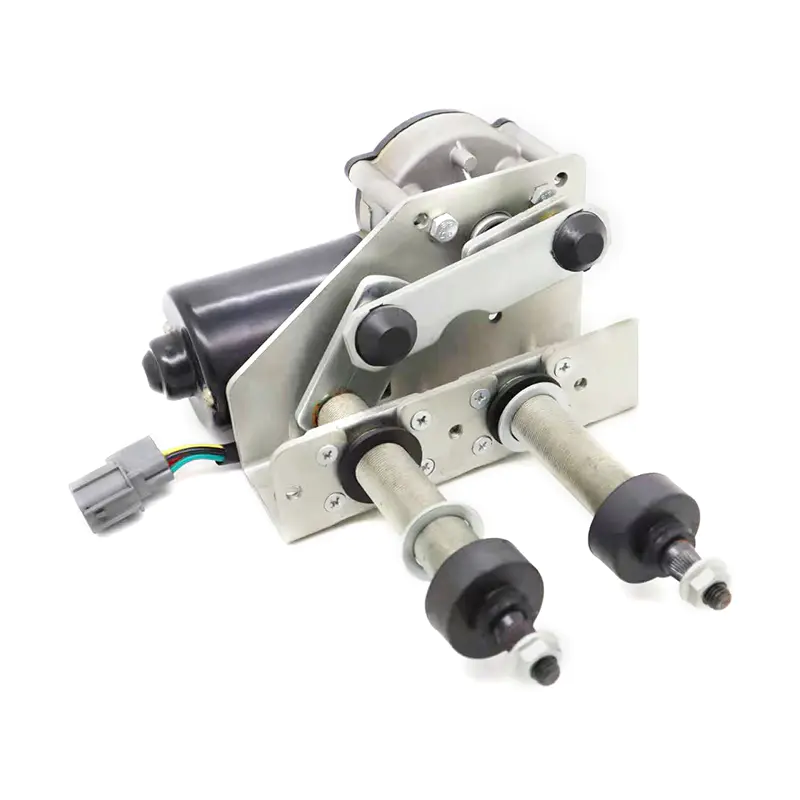
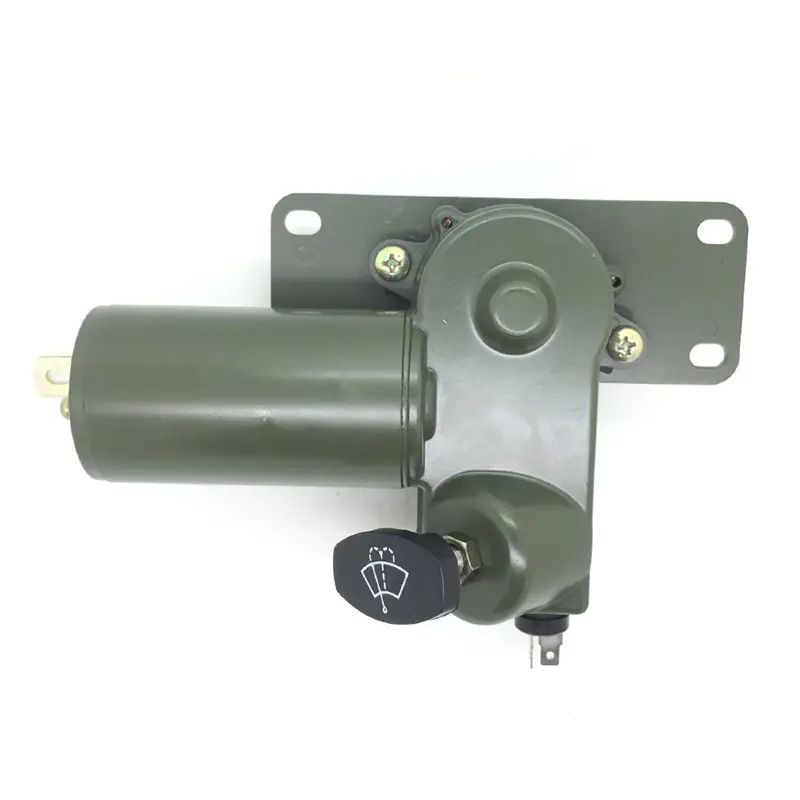
Wenzhou Junt Power Technology Co., Ltd. manufactures Wiper Windshield Motor units across passenger, commercial, and heavy vehicle applications, with Wholesale Wiper Motor supply available for export and aftermarket distribution programs. For buyers assessing sourcing options, requiring application-specific compatibility guidance, or looking to establish a volume supply relationship, direct contact with the manufacturer is where a productive conversation begins.

Tel:+86-0577-66009580
Mobile: +86-18858801083
E-mail:juntmotor@126.com
Whatsapp:+8618858801083
WeChat: +86-18858801083
 WeChat

Automotive Reduction Motors Manufacturer

 +86-0577-66009580
 juntmotor@126.com
 Language
  English
 Português