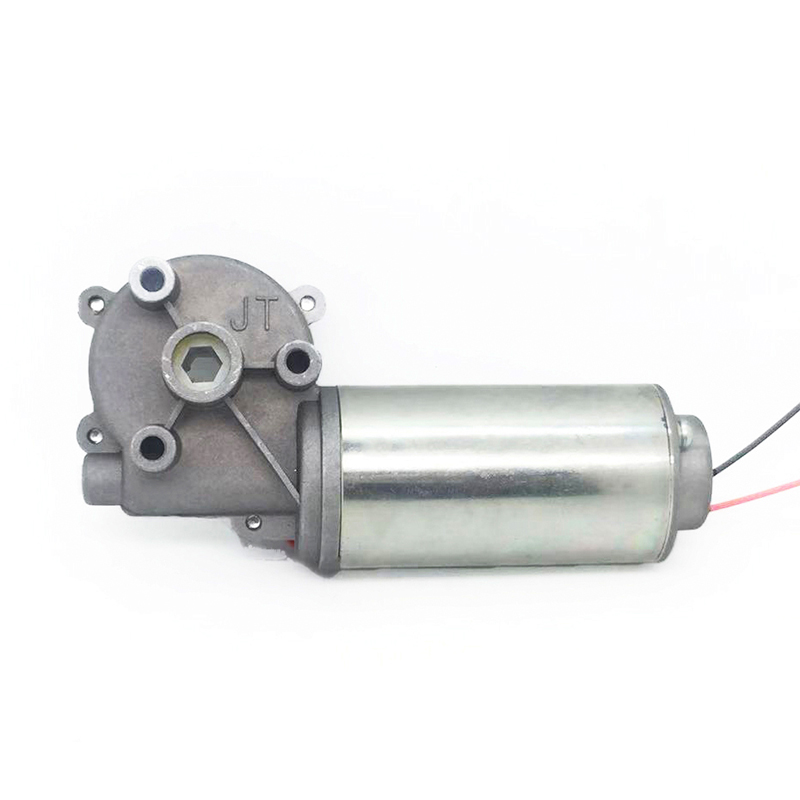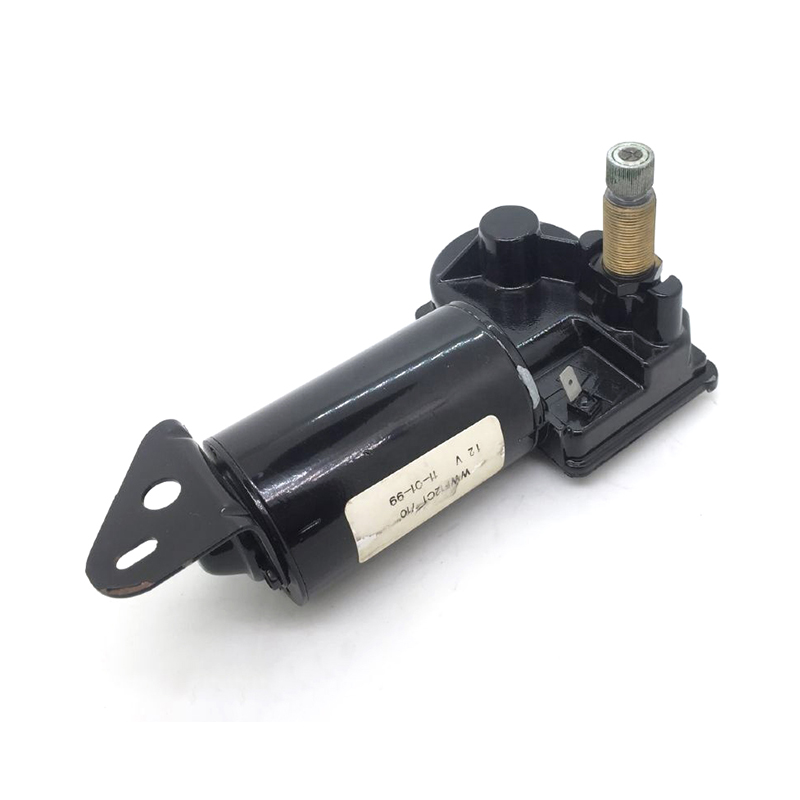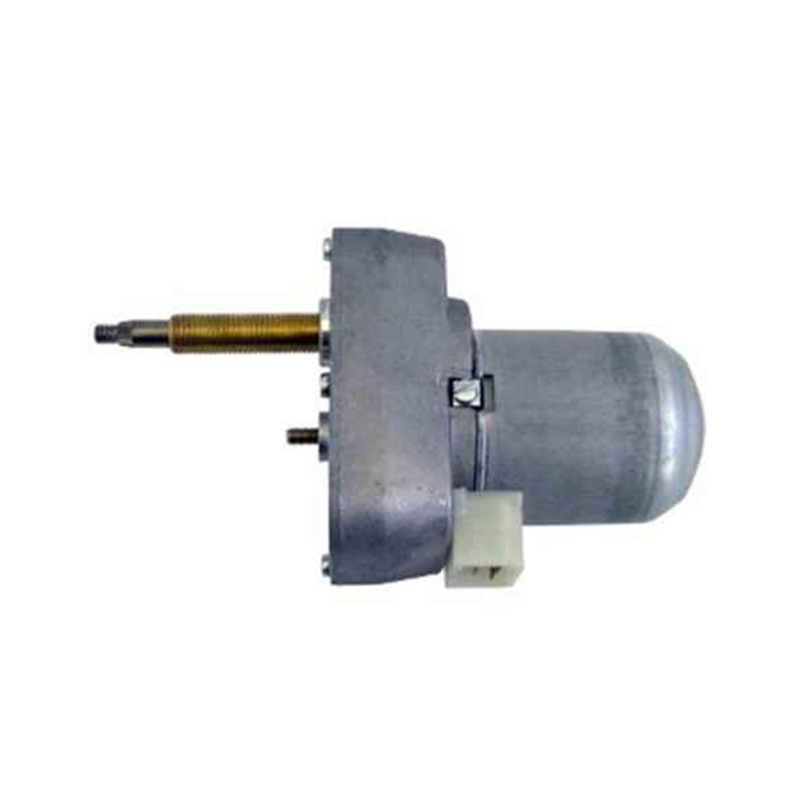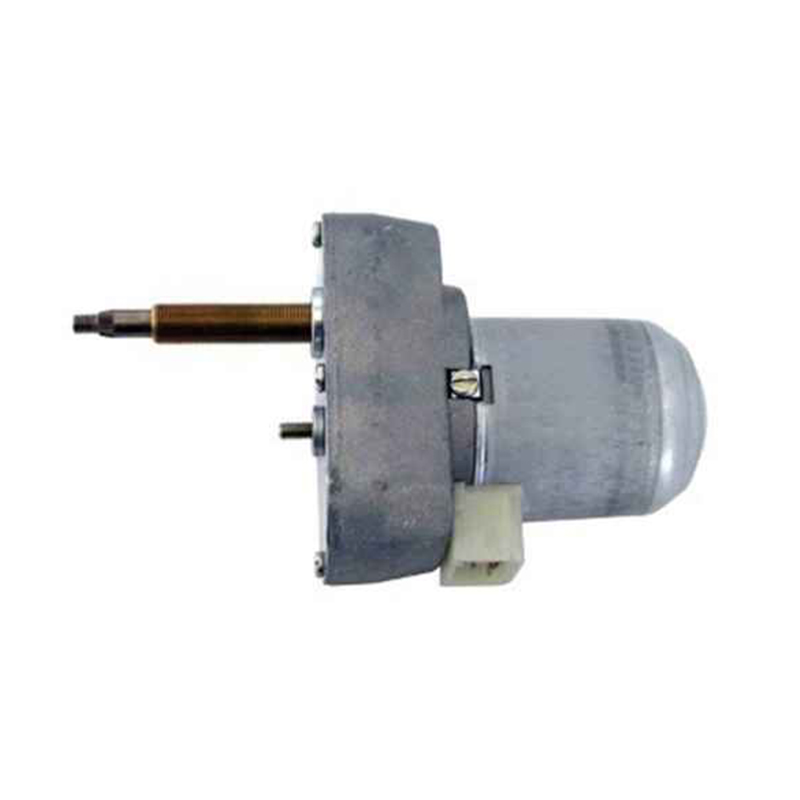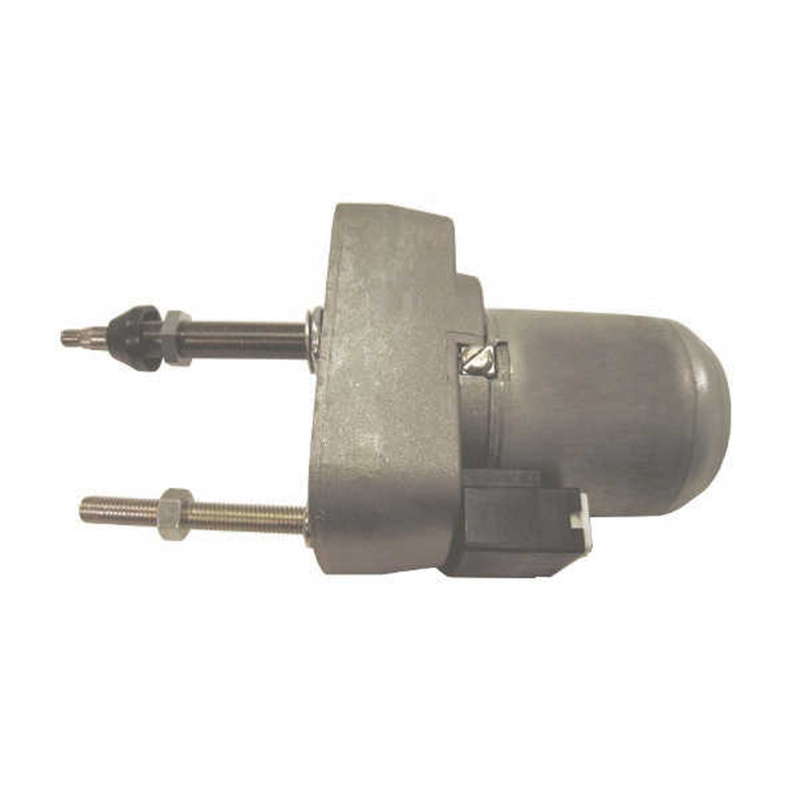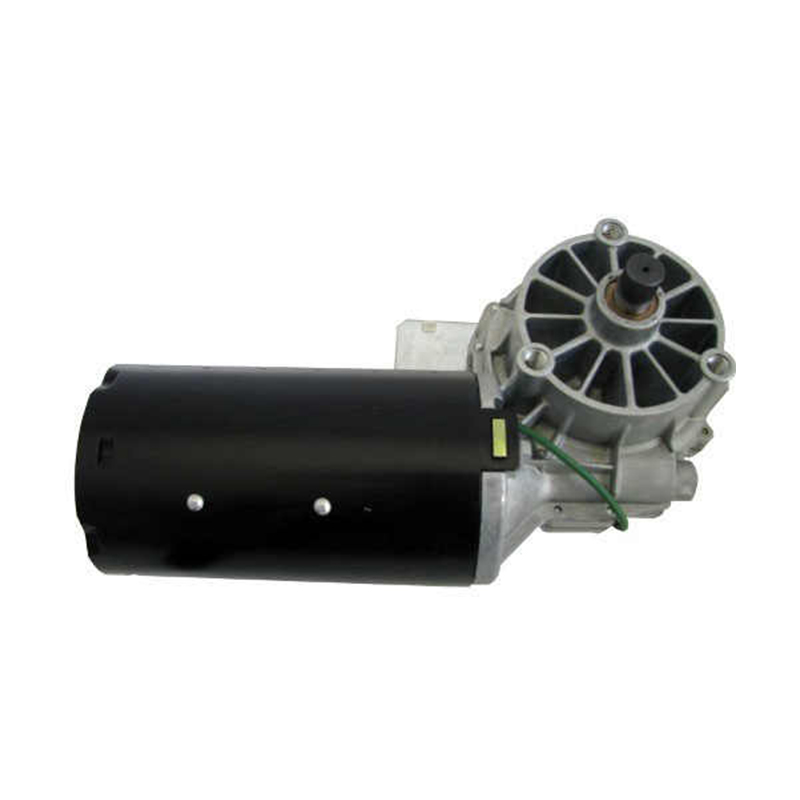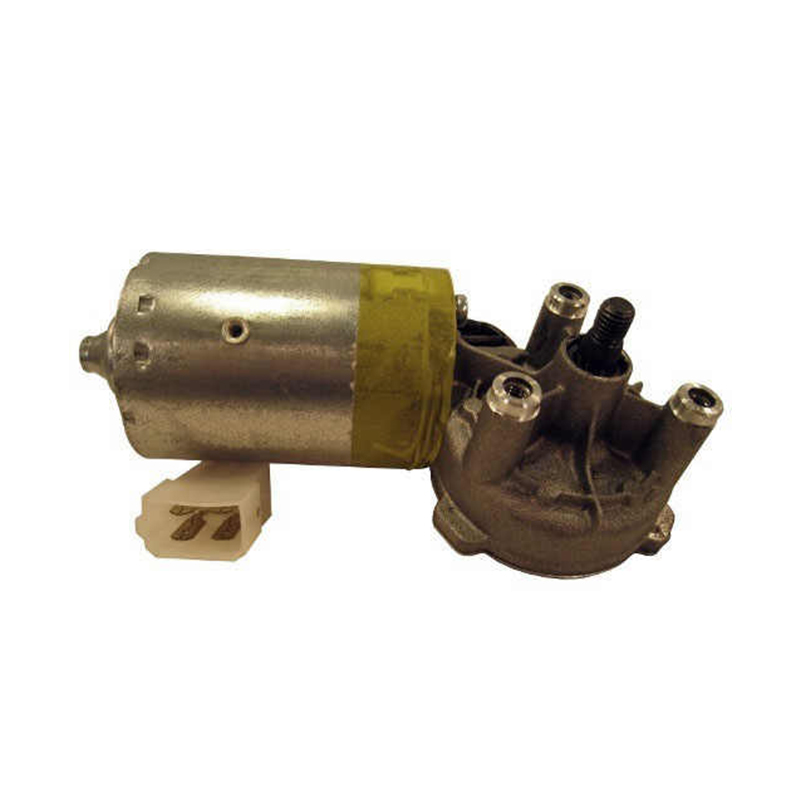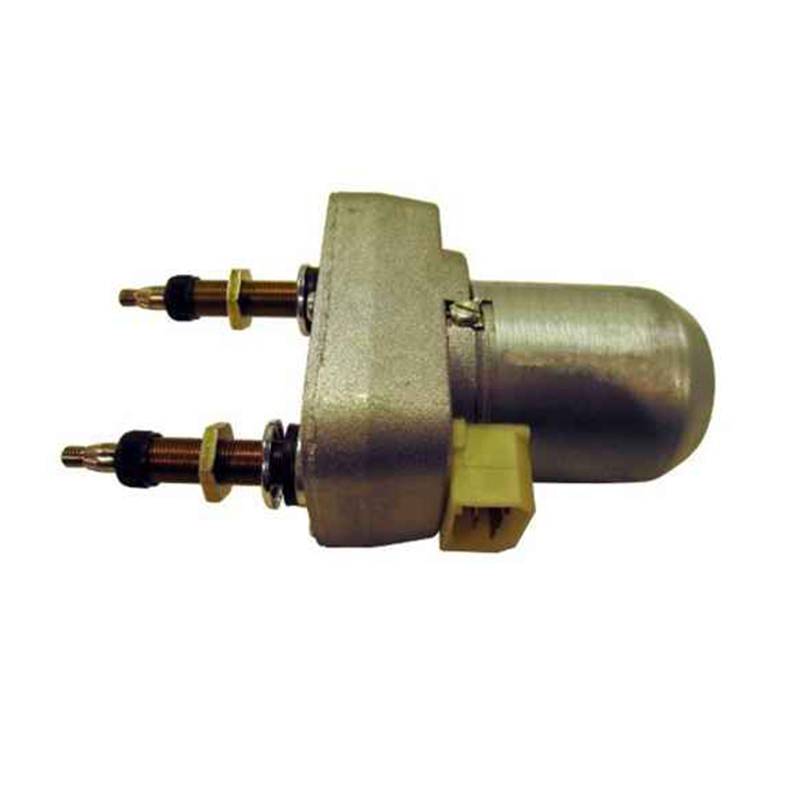
A wiper that stops mid-windshield instead of tucking neatly into its base position is more than a cosmetic annoyance. It signals a calibration problem that, left alone, accelerates wear on the gear assembly and eventually compromises visibility in wet conditions. Buyers sourcing components at volume run into this issue often enough that it becomes a real factor in how they evaluate a Wiper Motor Manufacturer, since parking accuracy says a good deal about how tightly a factory controls its gear tolerances. This guide works through why parking position drifts, how calibration actually functions inside the motor assembly, and what that means when you are choosing a supplier rather than just fixing a single unit.
Parking position refers to where the wiper blade comes to rest once the system is switched off — typically tucked along the base of the windshield, out of the driver's direct line of sight. It is not arbitrary. The motor's internal circuitry is designed to recognize a specific point in its rotation cycle and cut power at that exact moment, regardless of when the driver actually flips the switch off.
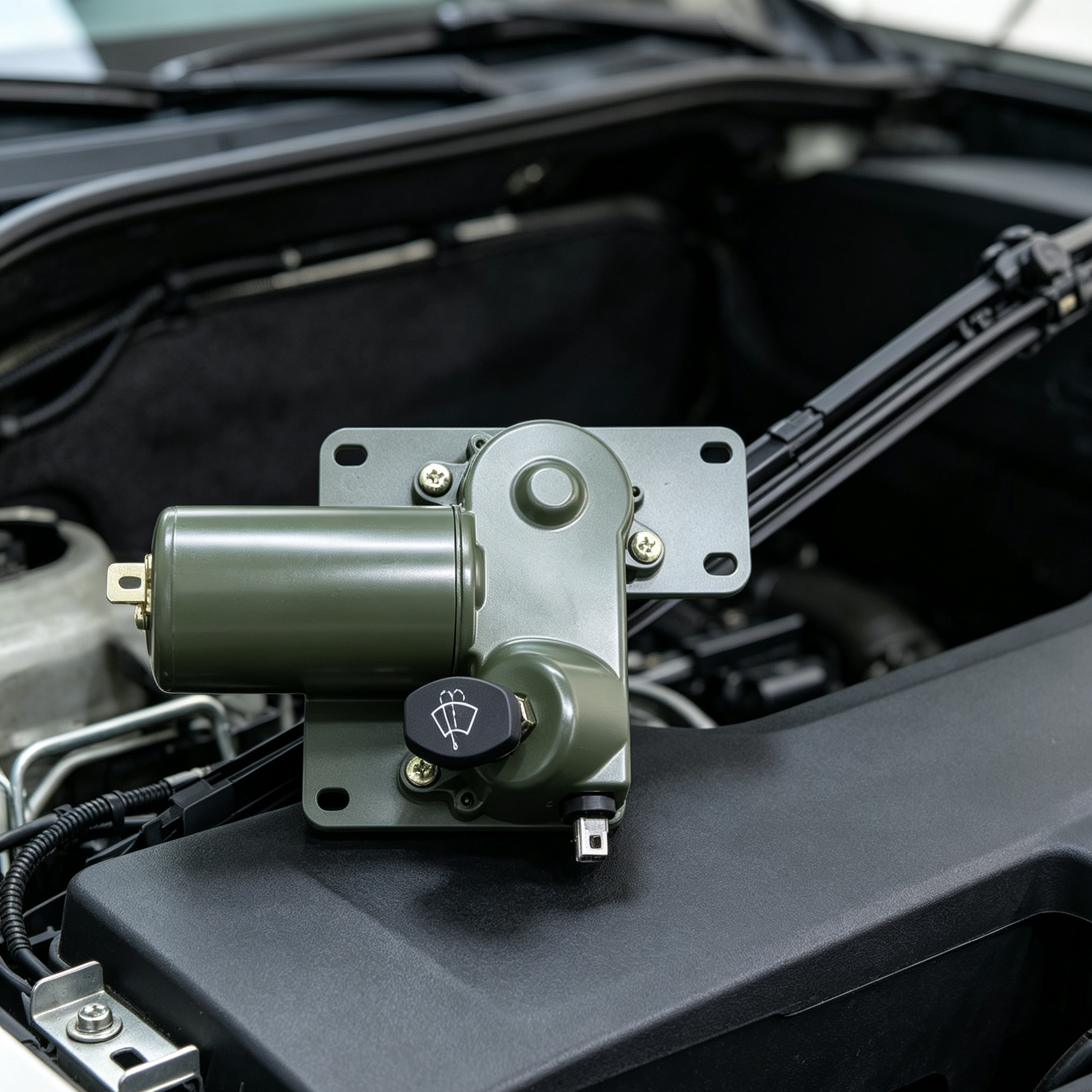
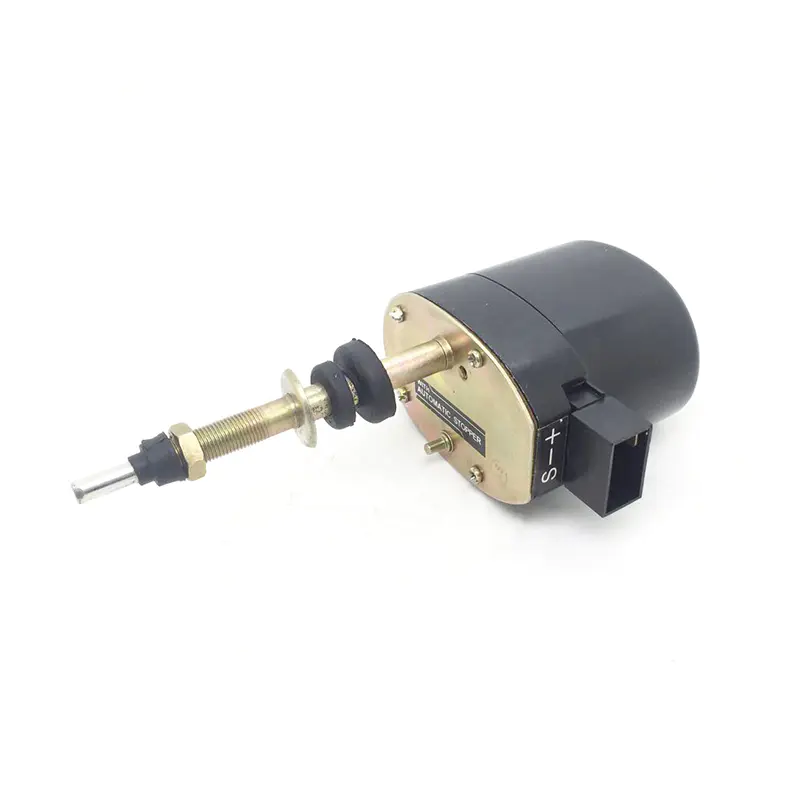
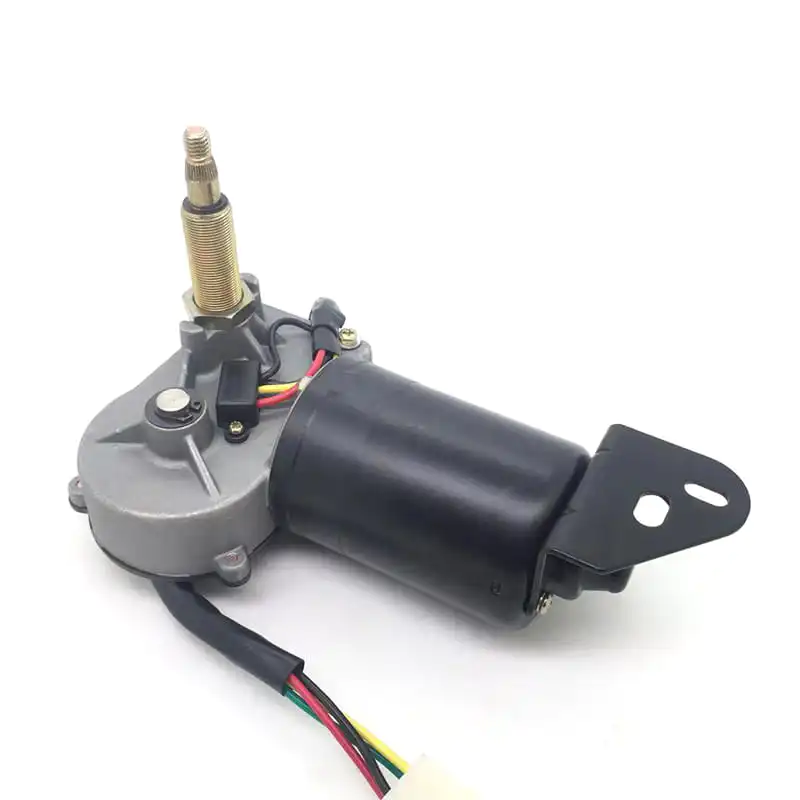
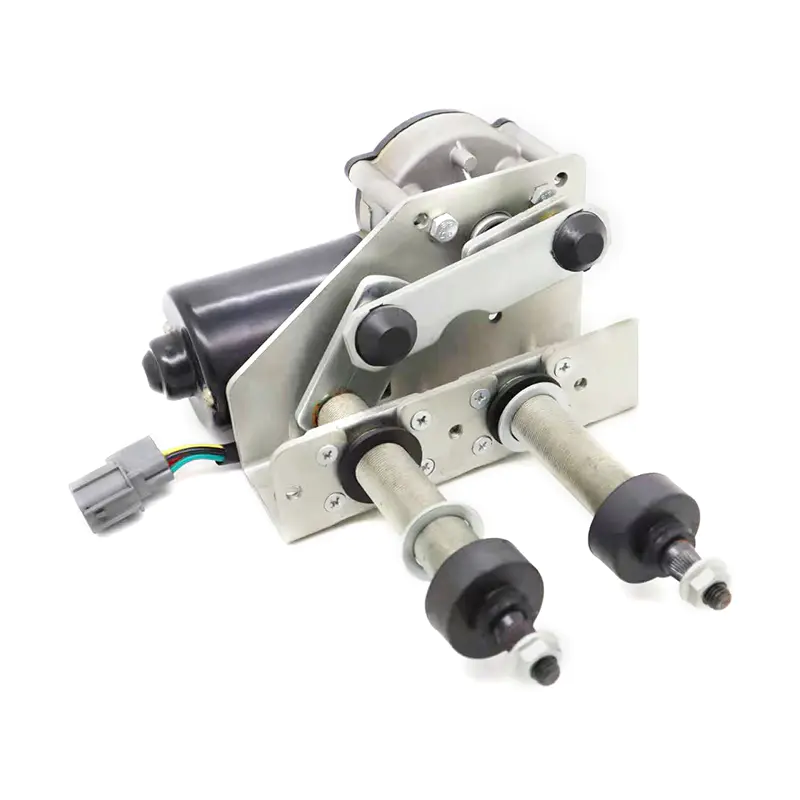
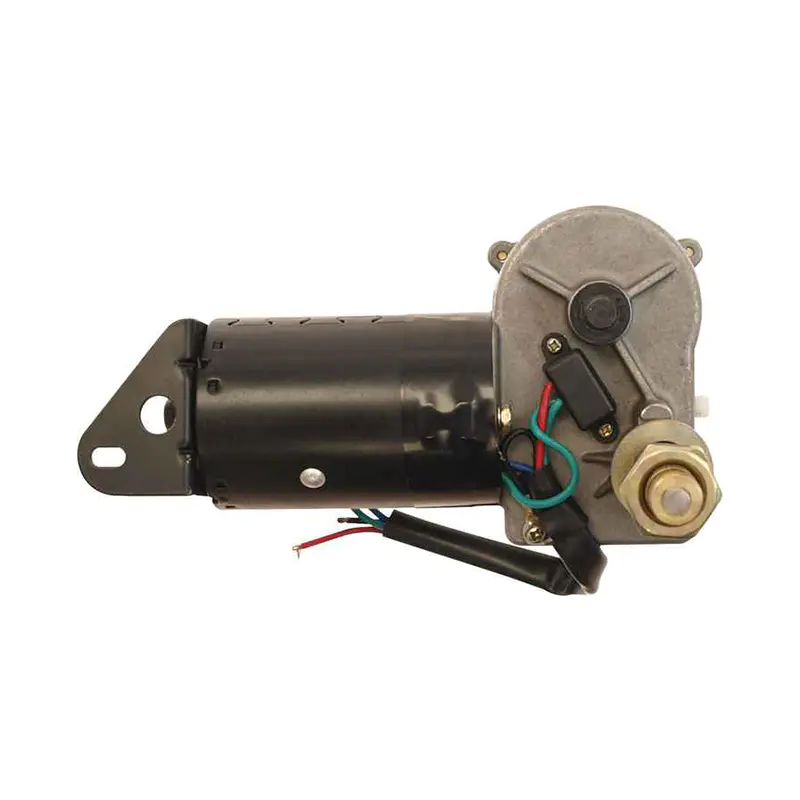
Inside the motor housing sits a cam or contact plate that completes the circuit only when the wiper arm reaches its intended resting point. Even if you switch the wiper off mid-sweep, the motor keeps running on a secondary circuit until that cam closes the loop and cuts power. This is what allows wipers to always park in the same spot rather than freezing wherever the switch happened to be flipped.
A motor that parks slightly off position does not look broken at first glance. But that drift compounds. Gear teeth wear unevenly when the resting point shifts repeatedly under spring tension, and eventually a few millimeters of error becomes a wiper that visibly sits crooked or stalls partway up the glass. Catching this early, through proper calibration, prevents a minor alignment issue from becoming a full motor replacement.
Calibration is not a single adjustment — it is the coordination of three separate mechanical and electrical systems working together.
The motor's output gear meshes with a secondary gear connected to the wiper linkage. Correct calibration depends on these gears being indexed properly — meaning the teeth align so that the parking cam reaches its trigger point exactly when the wiper arm reaches its resting position outside. If the gears are installed even one tooth off from where they should be, the parking point shifts accordingly.
Beyond the mechanical gearing, there is a timing element. The switch-off circuit needs to communicate cleanly with the parking cam contact, without delay or signal noise that would cause the motor to overshoot or undershoot its stopping point. Voltage inconsistency, worn contacts, or a degraded relay can all introduce timing errors that look identical to a gear alignment problem but actually originate in the electrical path.
Self-parking only works because these two systems — mechanical gear position and electrical signal timing — stay synchronized. When a motor is functioning correctly, the wiper always returns to the same spot regardless of where in its cycle the driver turns it off. Once synchronization drifts, that consistency disappears, and the wiper starts behaving unpredictably from one cycle to the next.
Working through a calibration adjustment generally follows the same sequence, though the specifics vary somewhat between motor designs.
| Condition | Typical Result |
|---|---|
| Properly calibrated motor | Wiper returns smoothly to base position every cycle |
| Slight gear misalignment | Wiper parks a few degrees off, visible but functional |
| Significant misalignment | Wiper stalls mid-windshield or fails to fully retract |
| Electrical timing fault | Inconsistent parking — sometimes correct, sometimes not |
| Worn parking cam contact | Gradual drift that worsens over weeks or months |
Several distinct issues tend to produce the same visible symptom, which is part of why diagnosing the actual cause matters more than just re-adjusting blindly.
This is where the technical discussion connects directly to sourcing decisions. A motor that calibrates correctly on the bench but drifts within months of installation usually traces back to how it was built, not how it was installed.
Gear teeth machined to tight tolerances mesh consistently and wear evenly over the motor's service life. Looser tolerances introduce play between the gears, and that play translates directly into parking position drift — sometimes immediately, sometimes only after the unit has logged a few months of cycling.
A single well-machined sample does not guarantee that an entire production run holds the same standard. Buyers placing volume orders care about batch consistency precisely because a Wiper Motor Manufacturer with weak process control might ship a sample that performs flawlessly while later production batches drift outside acceptable tolerance ranges.
Reputable production lines test parking position accuracy on finished units before they leave the factory, rather than relying solely on component-level tolerance checks. This catches assembly errors that tolerance control alone might miss — a correctly machined gear installed slightly off-center, for instance, would pass component inspection but fail a finished-unit parking test.
A single misaligned motor is a minor inconvenience. A Wholesale Wiper Motor order where a meaningful percentage of units calibrate poorly is a different problem entirely — it becomes a warranty cost, a customer complaint pattern, and a reputational issue for whoever's brand ends up on the finished vehicle or replacement part packaging.
Ask directly about gear machining tolerances and how they are measured. A supplier who can speak specifically to tolerance ranges and measurement methods is generally further along in process maturity than one who answers only in general terms about "quality control."
Parking position validation on finished units, not just incoming component inspection, is the more meaningful quality signal. Suppliers willing to share testing data or describe their validation process in concrete terms tend to be more transparent about where their actual quality control happens.
Vehicle platforms vary in voltage requirements, mounting geometry, and linkage configuration. A supplier capable of adapting motor specifications to match a specific OEM application — rather than offering only a fixed catalog of standard units — gives buyers more flexibility when sourcing for varied vehicle programs.
For buyers planning Wholesale Wiper Motor orders against a production schedule, a supplier's actual capacity matters as much as their stated quality standards. Consistent lead times and the ability to scale order volume without quality slipping are both worth confirming before committing to a long-term sourcing relationship.
Not every windshield wiper motor fits every vehicle platform, even within the same general voltage class. Mounting bolt patterns, linkage attachment points, and housing dimensions vary across manufacturers and model years. Confirming exact compatibility before placing a bulk order avoids costly mismatches discovered only during installation.
Motors are typically built for a specific voltage standard, and running a mismatched unit — even one that physically fits — can produce erratic parking behavior or shortened service life. Electrical specification matching deserves the same attention as mechanical fit.
Even a correctly specified motor can develop parking issues if the mounting bracket geometry does not hold the unit in its intended orientation. This is less about the motor itself and more about ensuring the broader installation context matches what the manufacturer designed the unit to expect.
It is the fixed resting point where the wiper blade comes to rest once the system is powered off, controlled internally by a cam mechanism that completes an electrical circuit only when the wiper reaches that specific point in its cycle.
Usually one of a few causes: worn gear teeth that have shifted the parking cam's trigger point, a degraded electrical relay introducing timing lag, installation misalignment, or — particularly relevant for buyers evaluating suppliers — inconsistent manufacturing tolerances in the gear assembly itself.
Calibration generally involves disconnecting power, accessing the internal gear assembly, adjusting the gear position relative to the parking cam, and testing across multiple cycles to confirm the adjustment holds consistently rather than drifting back.
Mechanical wear, electrical timing faults, improper installation, and manufacturing tolerance issues are the primary contributors. Distinguishing between these causes is necessary before attempting a fix, since each requires a different correction approach.
Most units ship with parking position set during production, but the consistency of that calibration depends heavily on the manufacturer's tolerance control and testing process. Units from tightly controlled production lines tend to hold their calibration longer than those from less rigorous processes.
Evaluate gear machining precision, finished-unit testing practices, OEM customization capability, and production consistency across batches. A manufacturer who can speak concretely to all four areas is generally a safer long-term sourcing partner than one offering only general assurances.
Sourcing region alone does not determine quality — process control does. Manufacturing facilities across many regions, including established suppliers in China, can produce tightly calibrated motors when tolerance control and testing discipline are genuinely built into the production process rather than treated as an afterthought.
Calibration problems in wiper motor systems rarely stay small. What begins as a few degrees of drift in the parking position tends to accelerate into gear wear, inconsistent operation, and eventually a unit that needs replacing well before it should. For technicians, the fix is mechanical and electrical — realign the gear, check the relay, test through several cycles. For buyers managing a parts program or building a private label line, the more durable fix happens upstream, in the selection of a Wiper Motor Manufacturer whose production process treats parking accuracy as a measured, tested standard rather than an assumption. Wenzhou Junt Power Technology Co., Ltd. manufactures wiper motor systems built around tight gear tolerance control and finished-unit calibration testing, supporting OEM customization and Wholesale Wiper Motor supply across a range of vehicle platforms. Reaching out with vehicle application details and order volume is a practical next step for buyers looking to confirm compatibility and calibration consistency before committing to a sourcing relationship.

Tel:+86-0577-66009580
Mobile: +86-18858801083
E-mail:juntmotor@126.com
Whatsapp:+8618858801083
WeChat: +86-18858801083
 WeChat

Automotive Reduction Motors Manufacturer

 +86-0577-66009580
 juntmotor@126.com
 Language
  English
 Português