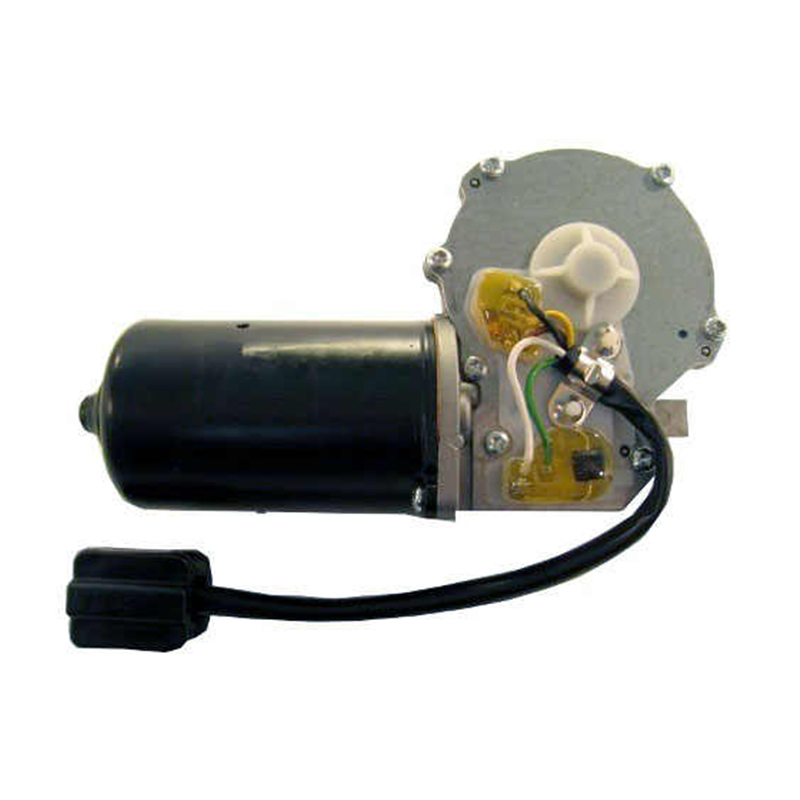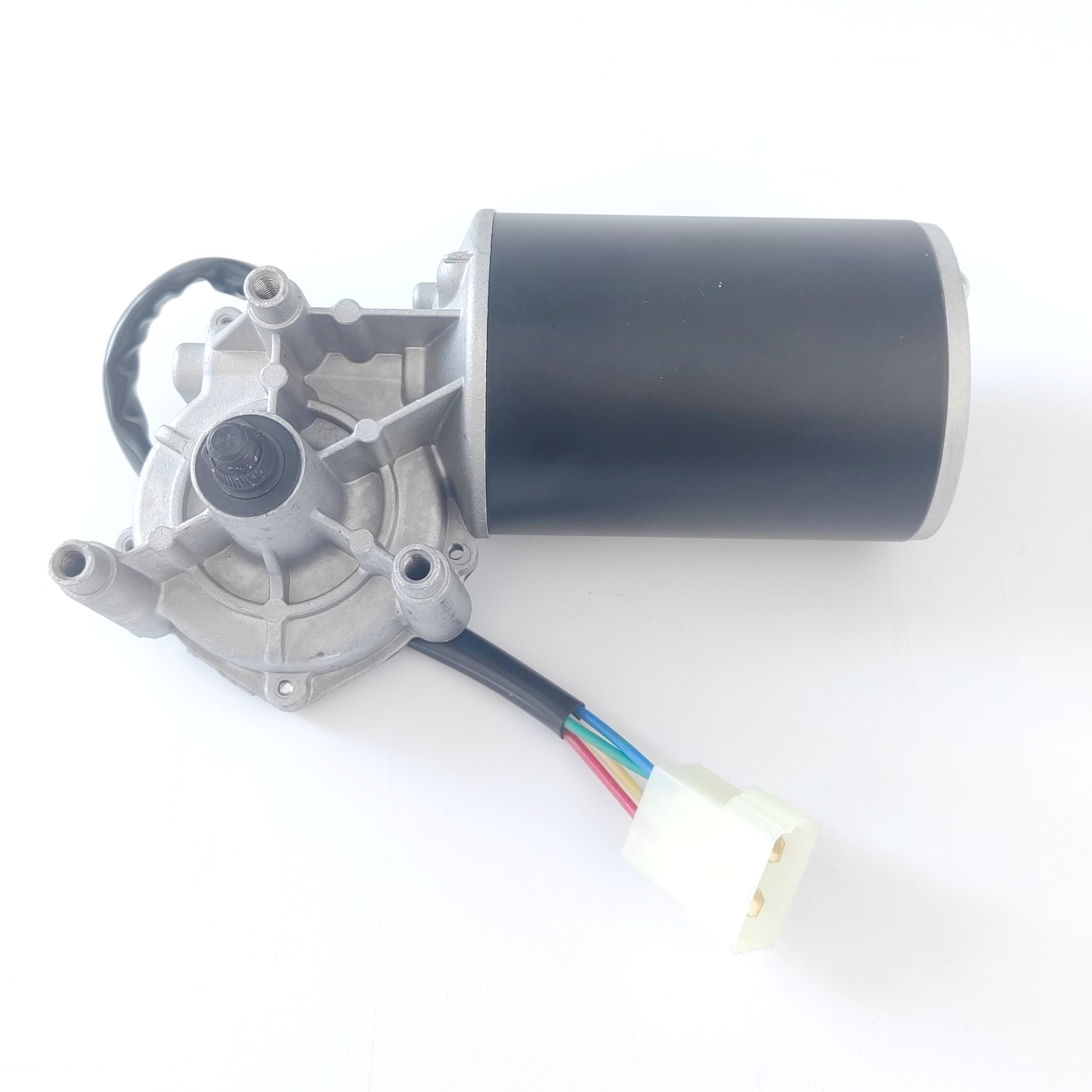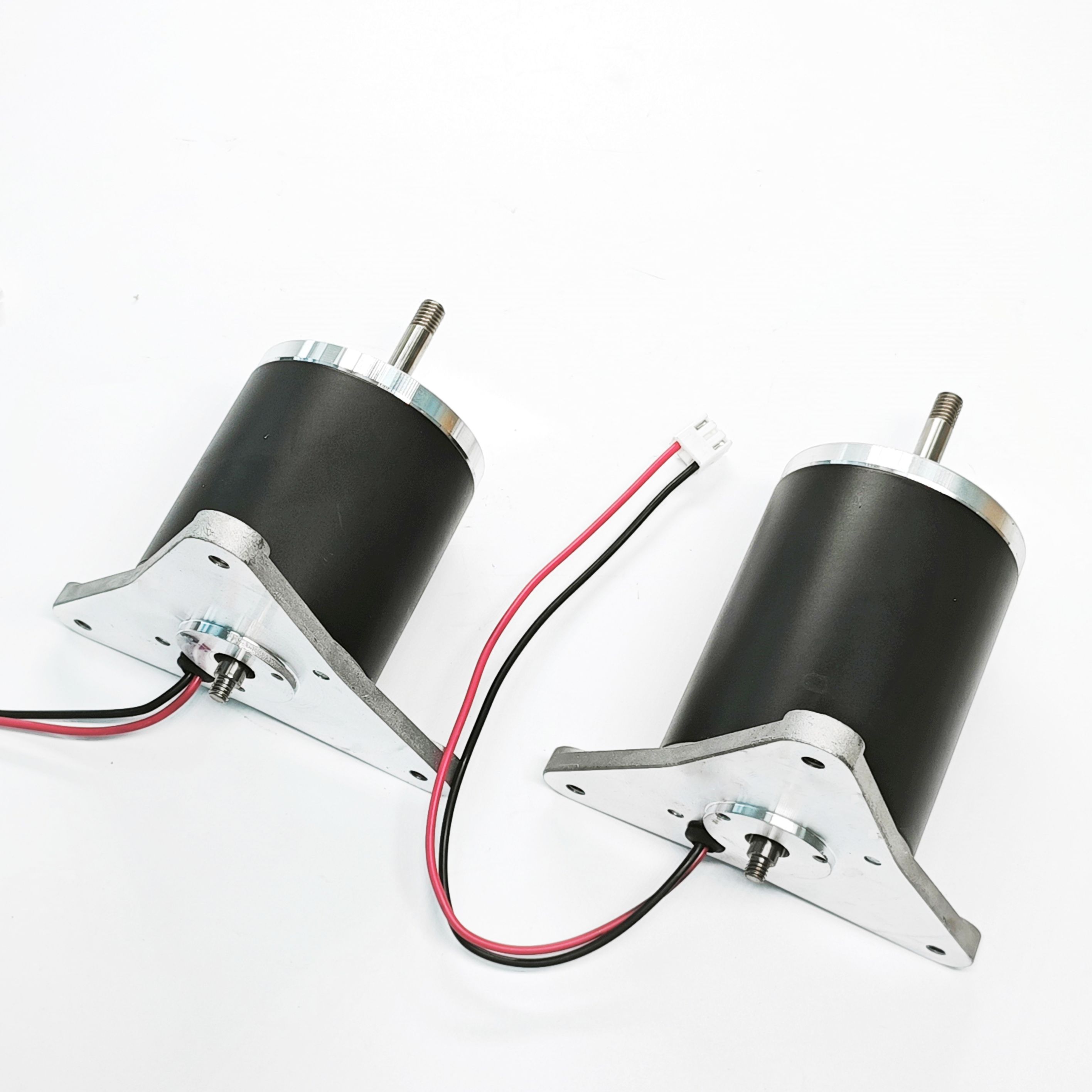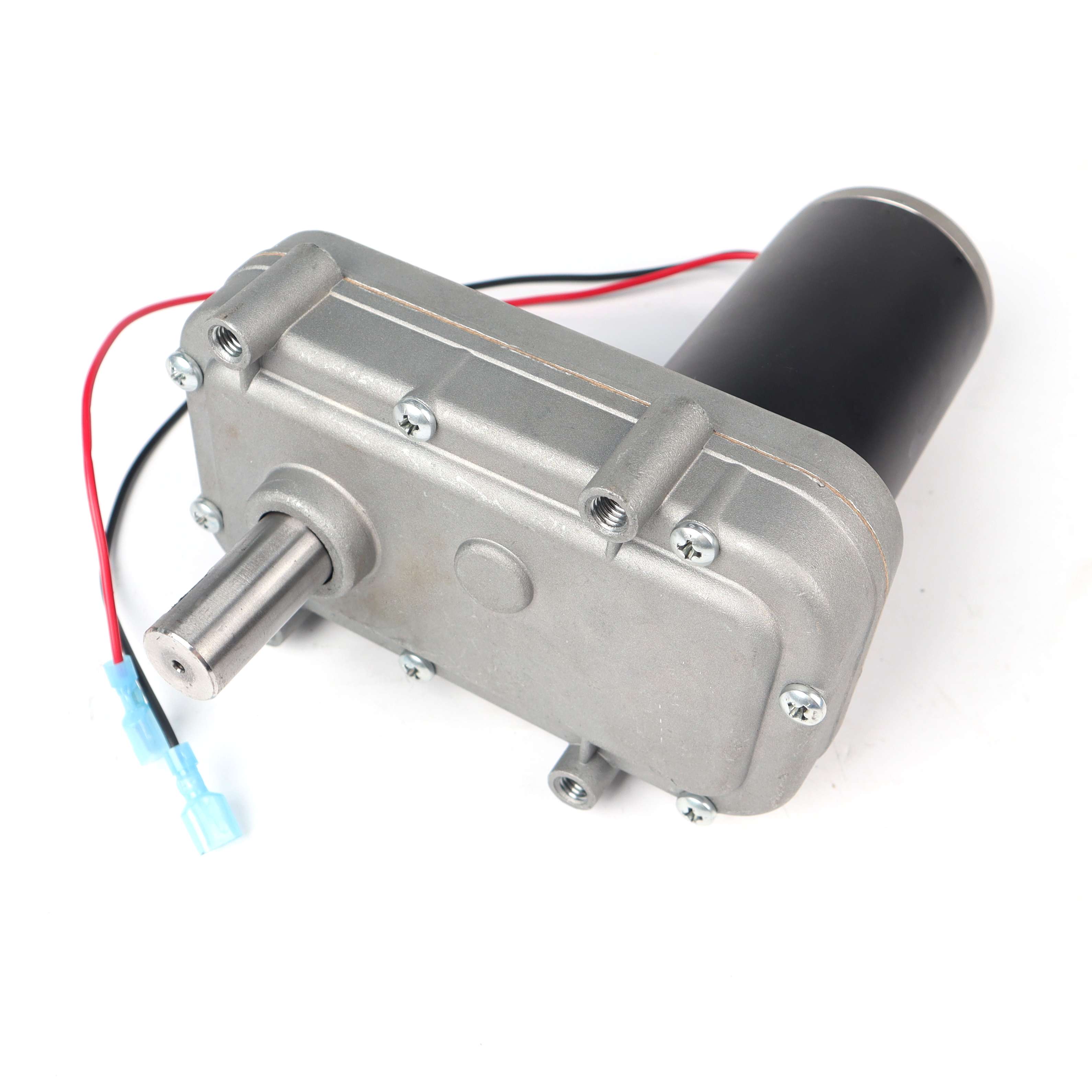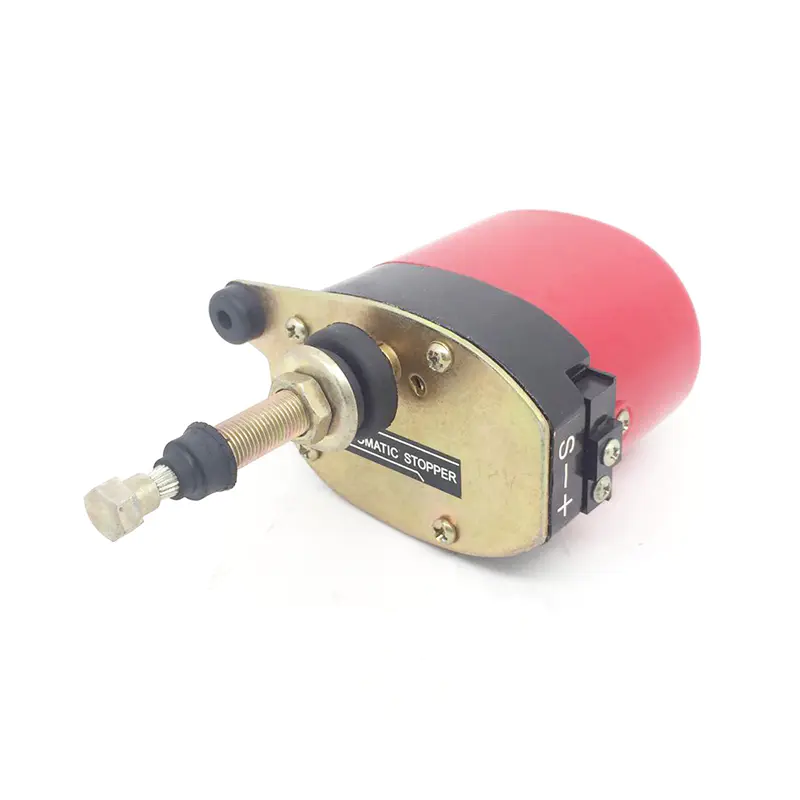
Picture this. Rain is hammering down, the road ahead blurs into gray streaks, and your wiper blade either can't keep pace or drags across half dry glass with that awful screech. Something behind that blade is making the decision on how fast it moves, and whether that's a Wiper Windshield Motor or an old school manual linkage actually changes a lot more than people assume. It shapes safety margins, upkeep bills, and how a vehicle behaves once weather turns nasty. So let's get into what genuinely separates a motor driven wiper setup from its manual predecessor, and why the industry largely walked away from the older approach.
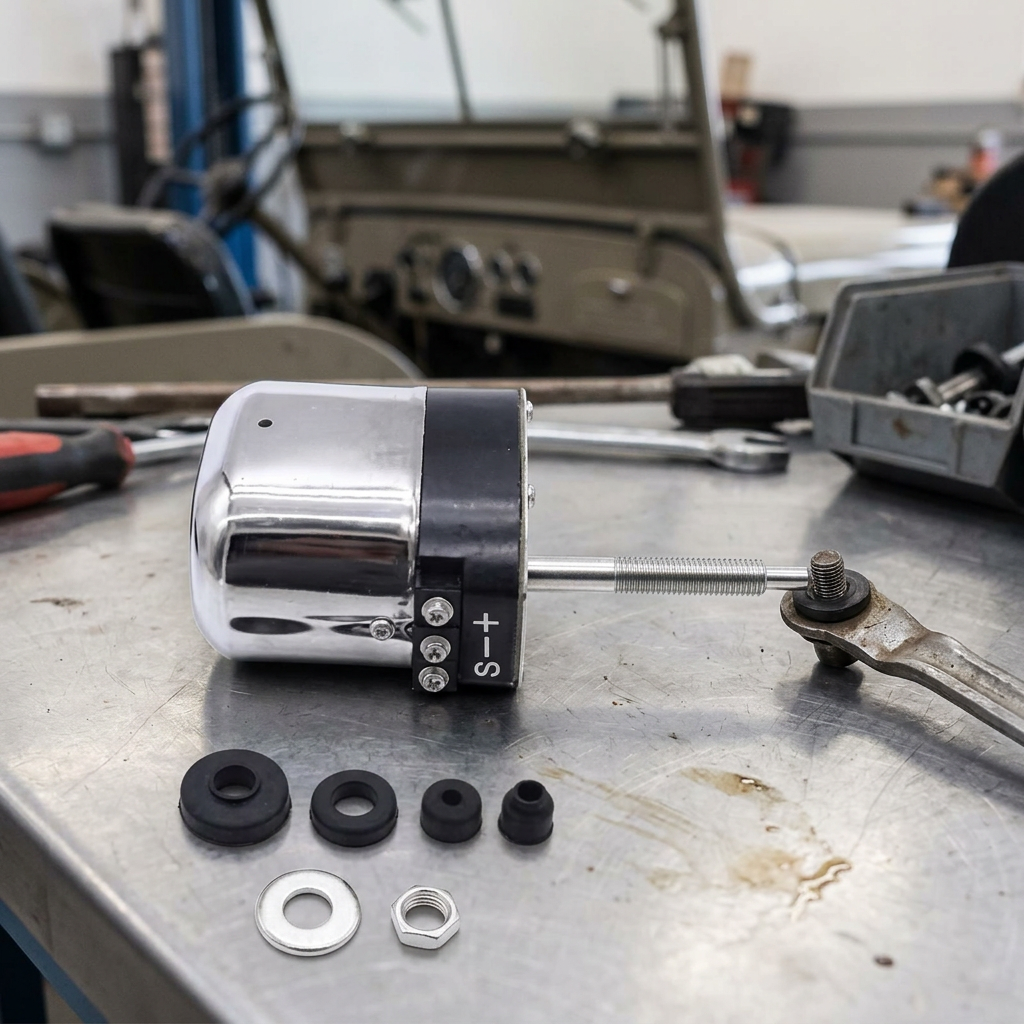
Before motors took over wiper duty, everything ran on mechanical linkage, sometimes paired with vacuum pressure siphoned off the engine. A driver pulled a lever, that lever tugged a cable or rod, and the wiper arm swept across the glass because of that physical connection. Nothing electronic about it.
Here's the catch though. Vacuum powered wipers slowed down whenever the engine strained, which meant climbing a hill in the rain often left drivers with wipers crawling at exactly the wrong moment. Manual setups also demanded constant fiddling. No automatic adjustment existed for changing rain intensity. You wanted faster wipers, you reached over and adjusted something yourself.
Mostly reliability, plain and simple. A wiper system tethered to engine vacuum, or dependent on how hard someone pulled a lever, could never keep pace with what actual driving conditions threw at it. People wanted steady, predictable sweep speed regardless of incline, speed, or how the engine happened to be working at that instant.
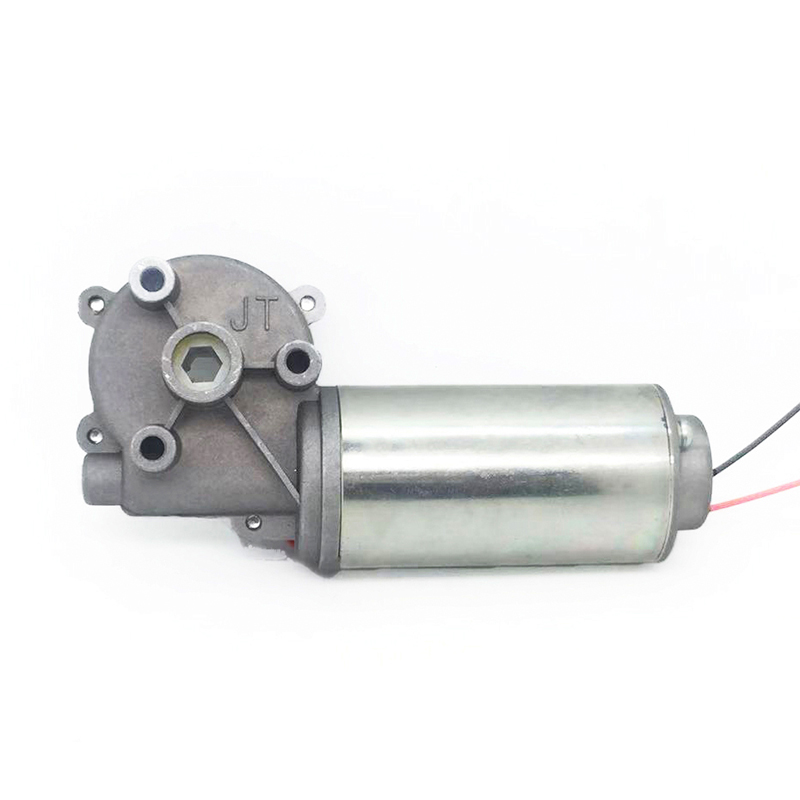
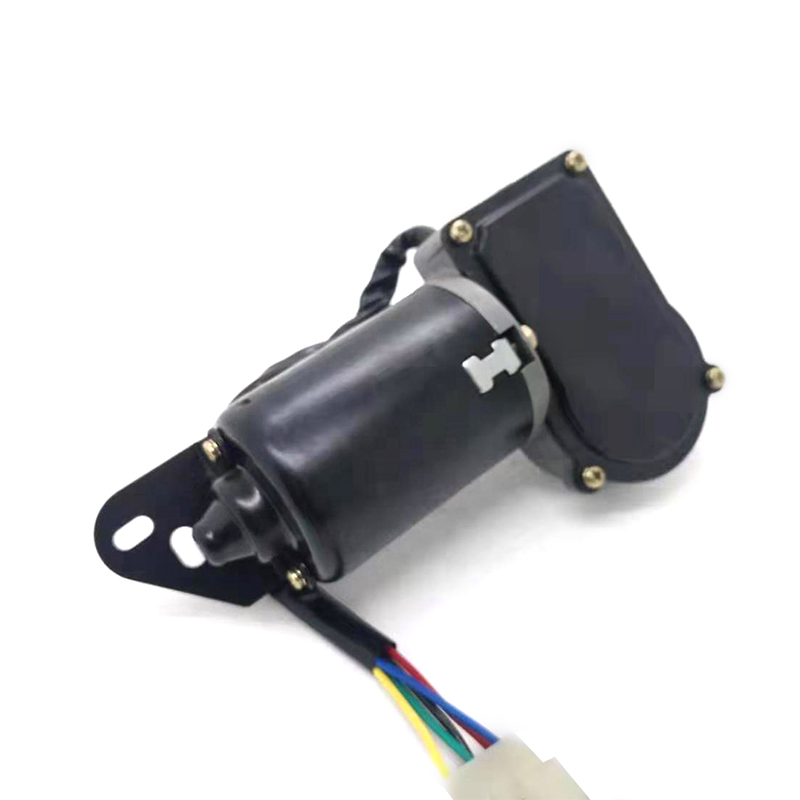
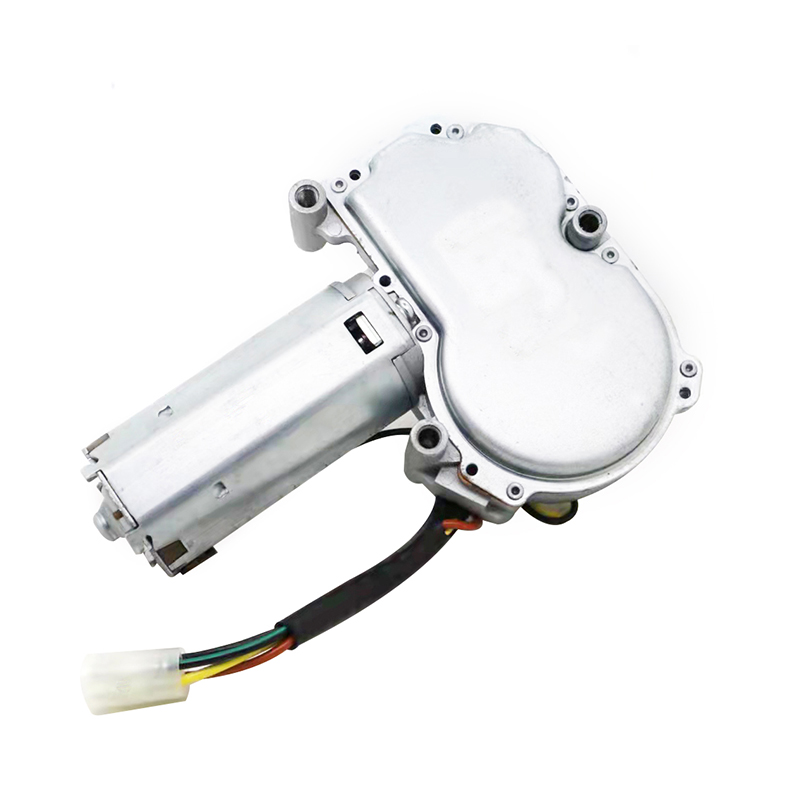
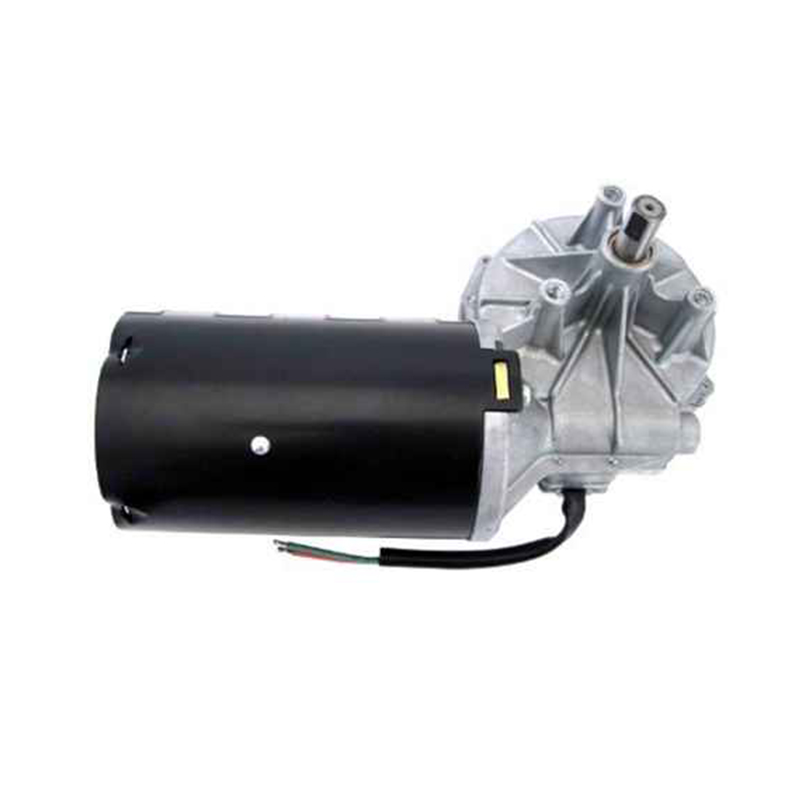
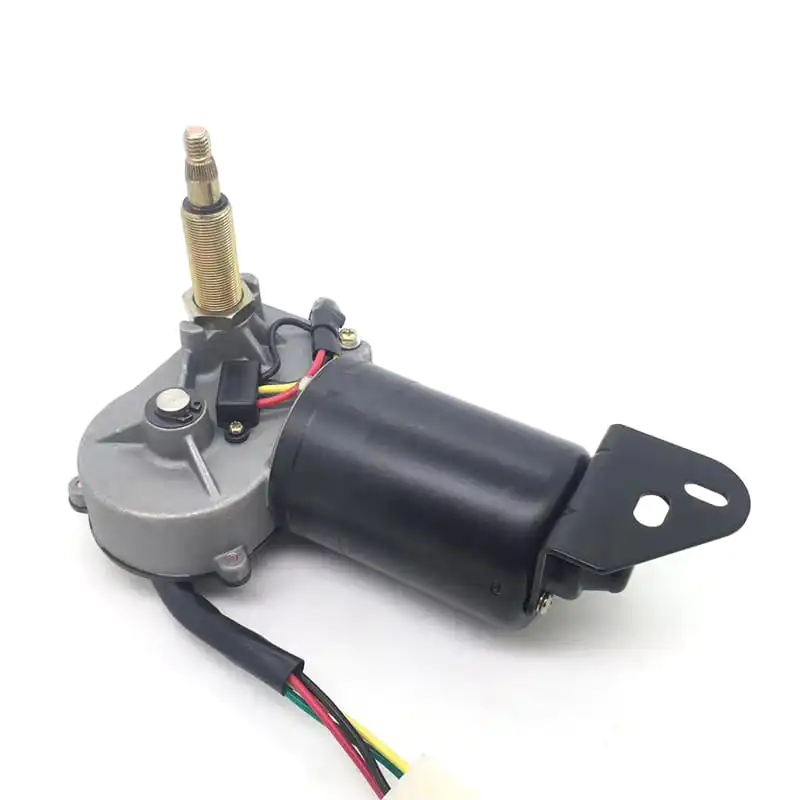
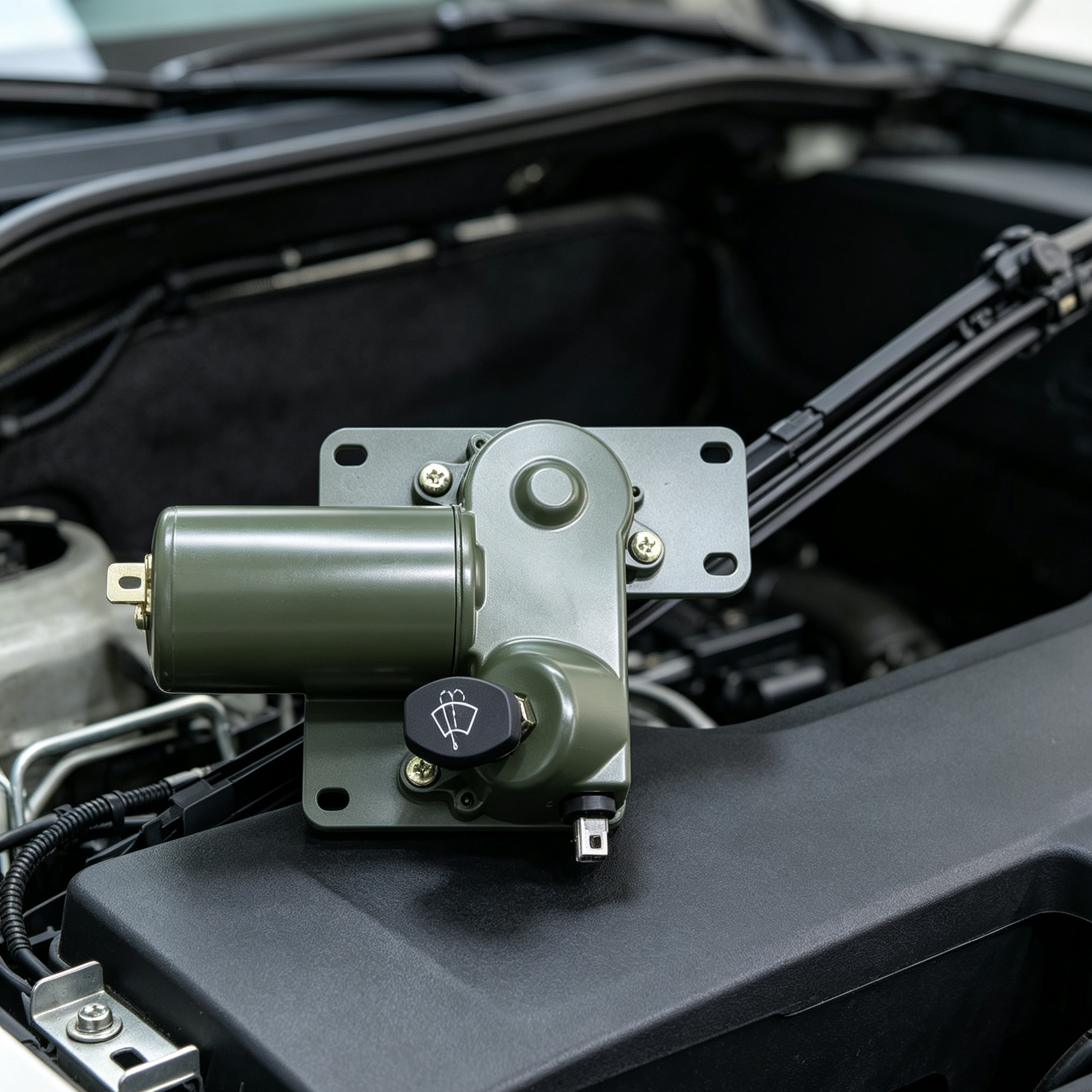
A wiper motor flips the whole arrangement on its head. Rather than leaning on vacuum or muscle, a compact electric motor drives the arms through a small gear assembly, and that's basically it. Consistent sweep rate no matter what's happening under the hood, multiple speed options a driver just taps instead of wrestling with.
This is where things get genuinely useful for engineers and buyers. A Wiper Windshield Motor links into a control switch, and depending on the build, might offer variable speed, intermittent cycling, sometimes even integration with rain sensing hardware. None of that was remotely achievable with belt driven or vacuum operated manual gear.
It genuinely helps, and this isn't a small detail either. Automated drive cuts down the physical distraction of manually cranking wiper speed while driving through a downpour. Instead of fumbling with a lever mid storm, a driver flips a switch and keeps eyes on the road, where they belong.
| Aspect | Manual Wiper System | Wiper Motor System |
|---|---|---|
| Power Source | Hand operation or engine vacuum | Electric motor |
| Speed Consistency | Fluctuates with engine load | Holds steady regardless of engine speed |
| Driver Involvement | Ongoing manual adjustment | Switch-based, minimal fuss |
| Weather Responsiveness | Slow, limited adaptation | Several speeds, some rain-sensing capable |
| Maintenance Pattern | Cable fatigue, linkage corrosion | Gear and brush wear, fairly predictable |
| Common Usage Today | Mostly gone from modern vehicles | Standard across nearly every vehicle type |
What this really illustrates isn't numbers, it's a shift in thinking. Manual gear asked drivers to compensate for its own shortcomings. Motorized systems just took that burden away.
There's an assumption floating around that adding a motor means adding complexity, which means more things breaking down eventually. Fair point, partly. But it's not the whole story.
Manual systems wear out through cable stretch, corroded linkage, tension that slowly goes uneven until the wiper just quits mid storm, usually without warning. Motorized assemblies wear differently, mostly around brush contacts and gear teeth, yet these failures tend to show up in testable, predictable ways rather than sneaking up on someone during a rainstorm.
For anyone running a fleet, or sourcing parts at real volume, predictability counts for more than people give it credit for. A component that fails in a known, diagnosable pattern is infinitely easier to plan replacement cycles around than something that degrades depending on humidity, cable age, or how aggressively a driver yanks a lever.
There's also a production logic here that goes beyond driver convenience. Motorized wiper assemblies standardize far more easily across vehicle platforms. One Wiper Windshield Motor design often adapts across several trims with nothing more than a bracket swap or minor wiring tweak, while manual linkage typically demands custom mechanical tuning for practically every vehicle body it touches.
That matters a great deal for OEM production and for anyone sourcing components in bulk. Standardization trims engineering overhead and simplifies quality control, since every unit rolling off the line behaves identically, instead of varying based on how carefully someone routed a cable by hand.
Not really, no. Specs shift depending on vehicle size, windshield curve, and expected climate exposure. A compact car doesn't need the torque output a heavy commercial vehicle facing constant debris and downpour conditions would require. This is partly why sourcing conversations often go directly through a wiper motor manufacturer instead of grabbing whatever generic part happens to be sitting on a shelf.
For companies weighing wholesale wiper motor options, or looking at suppliers tied to china wiper motor production, a handful of questions tend to separate a solid partnership from a headache later on.
Answers here often reveal more about a supplier's real capability than any spec sheet could. A manufacturer that's confident in their process won't hesitate walking through these points, no evasive language, no vague reassurances.
Honestly, for anyone still debating manual versus motorized, manual has become mostly a legacy choice at this point, kept alive in older restorations or niche applications where mechanical simplicity beats electronic control. Nearly every modern production vehicle leans on wiper motor systems now, since the consistency and integration options simply outpace what manual linkage ever offered.
That's not to say it's entirely black and white though. Certain restoration projects, agricultural machinery, or specialty vehicles deliberately stick with pure mechanical setups, either because electronics introduce unwanted complications or because environmental exposure makes electronic components a liability rather than an asset. Context still shapes the decision, even as the broader trend keeps tilting toward motor driven assemblies.
Understanding what actually separates wiper motor systems from manual alternatives comes down to recognizing the problem each one was built to solve in the first place. Manual linkage answered a basic mechanical need decades back, yet it left drivers exposed to inconsistency at precisely the moment weather turned unpredictable and clear visibility mattered most. Motorized systems closed that gap by cutting the tie between wiper performance and engine behavior or driver effort, giving vehicles something that behaves the same way every single time regardless of outside conditions. For manufacturers and buyers weighing components at scale, the real conversation isn't which system performs better anymore, it's which supplier can deliver consistent, application specific motor assemblies without cutting corners on quality control. Wenzhou Junt Power Technology Co., Ltd. works alongside automotive manufacturers and procurement teams navigating exactly this kind of sourcing decision, bringing production capability suited to OEM requirements and bulk order needs alike, and welcomes an inquiry from any team ready to talk through specifications for their next project.
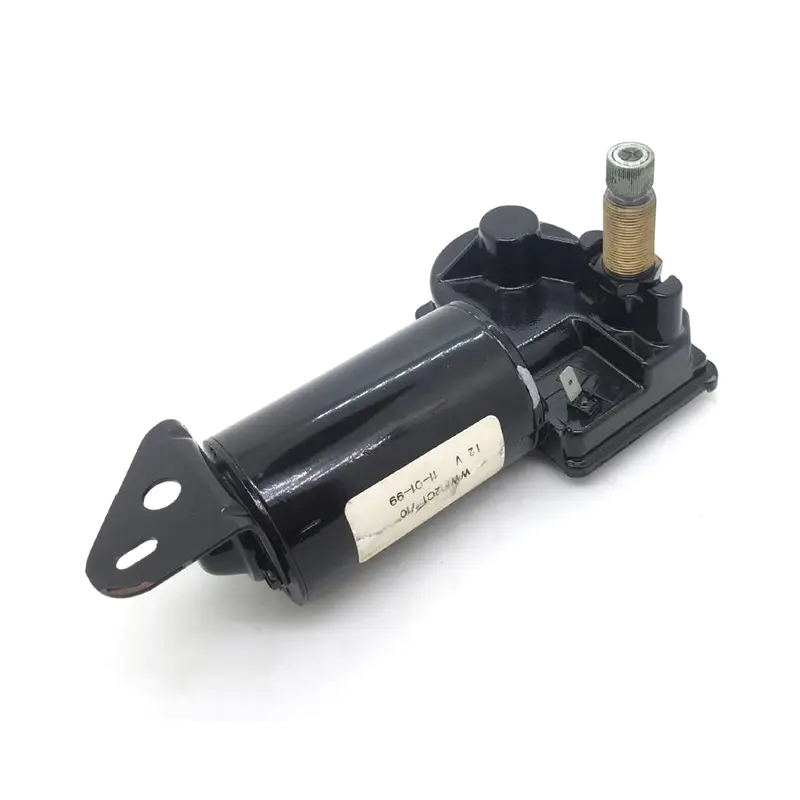
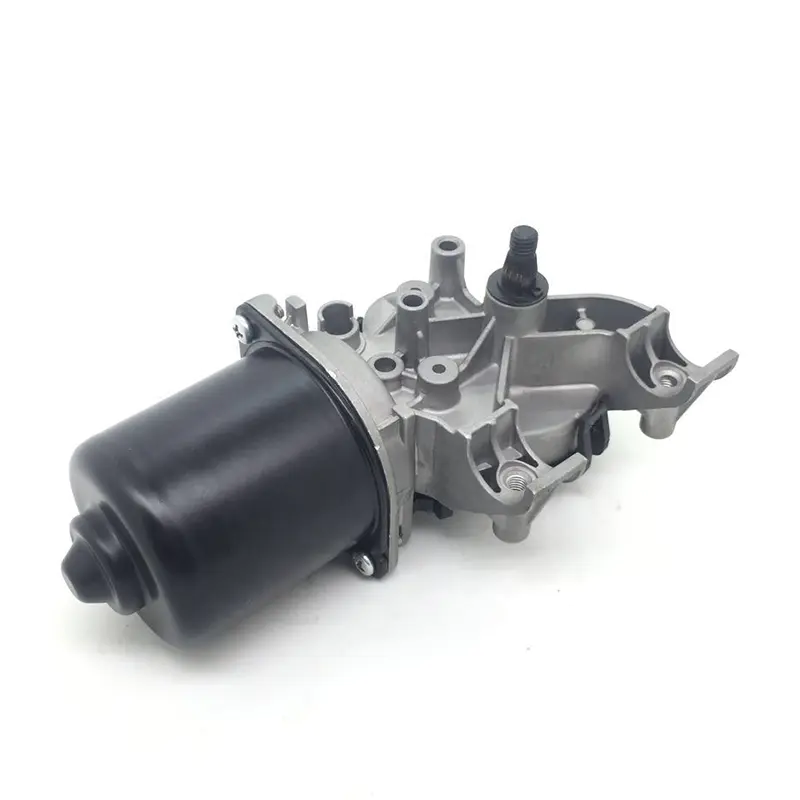

Tel:+86-0577-66009580
Mobile: +86-18858801083
E-mail:juntmotor@126.com
Whatsapp:+8618858801083
WeChat: +86-18858801083
 WeChat

Automotive Reduction Motors Manufacturer

 +86-0577-66009580
 juntmotor@126.com
 Language
  English
 Português