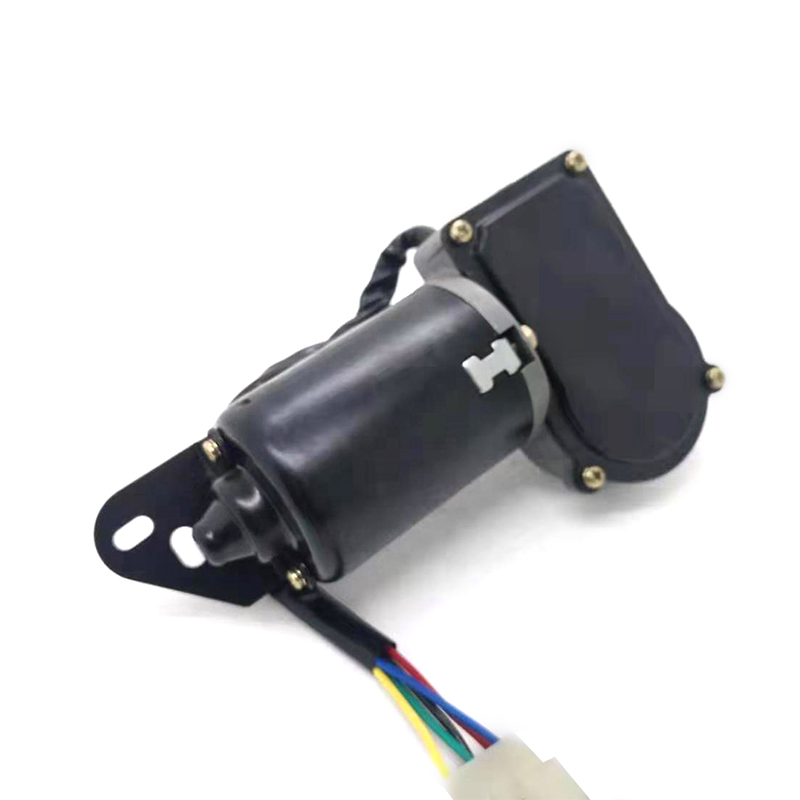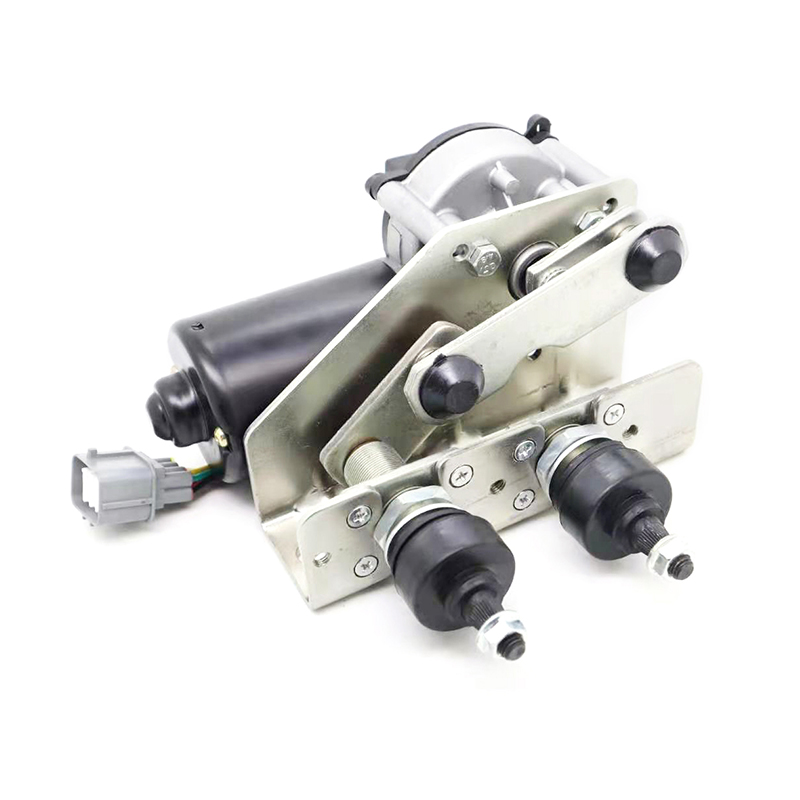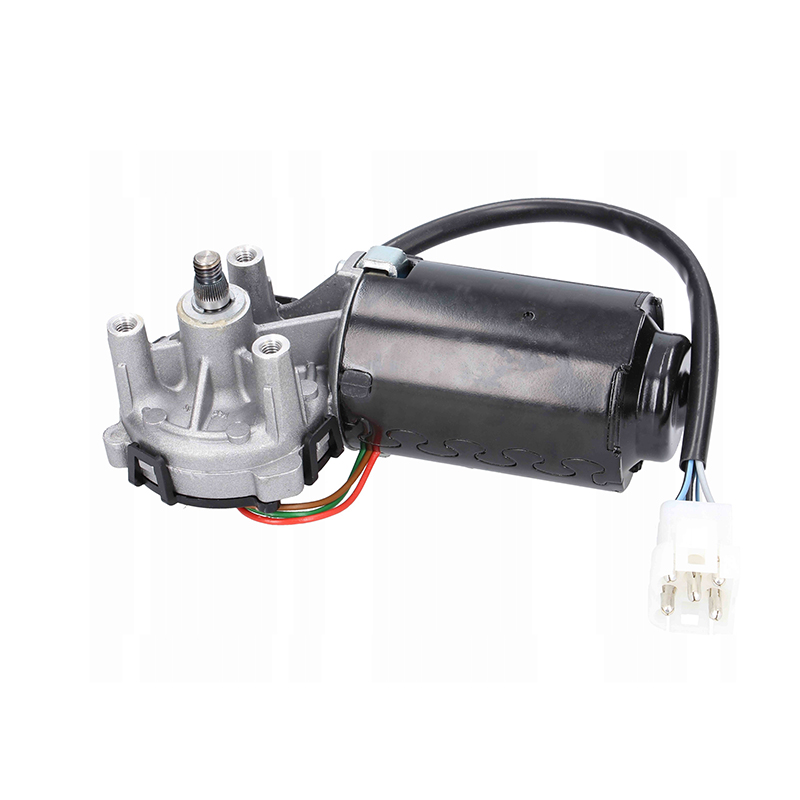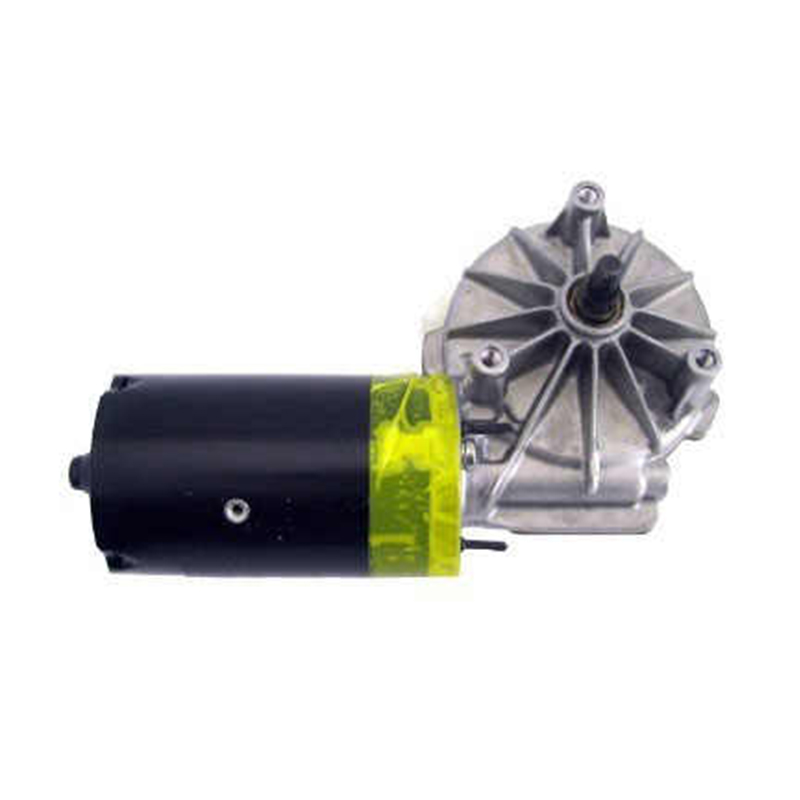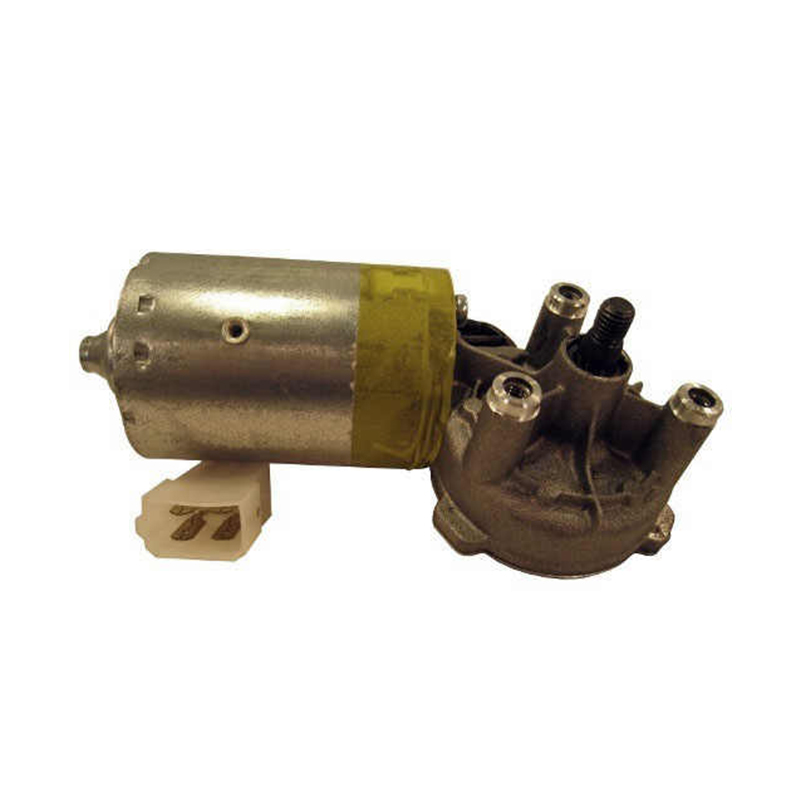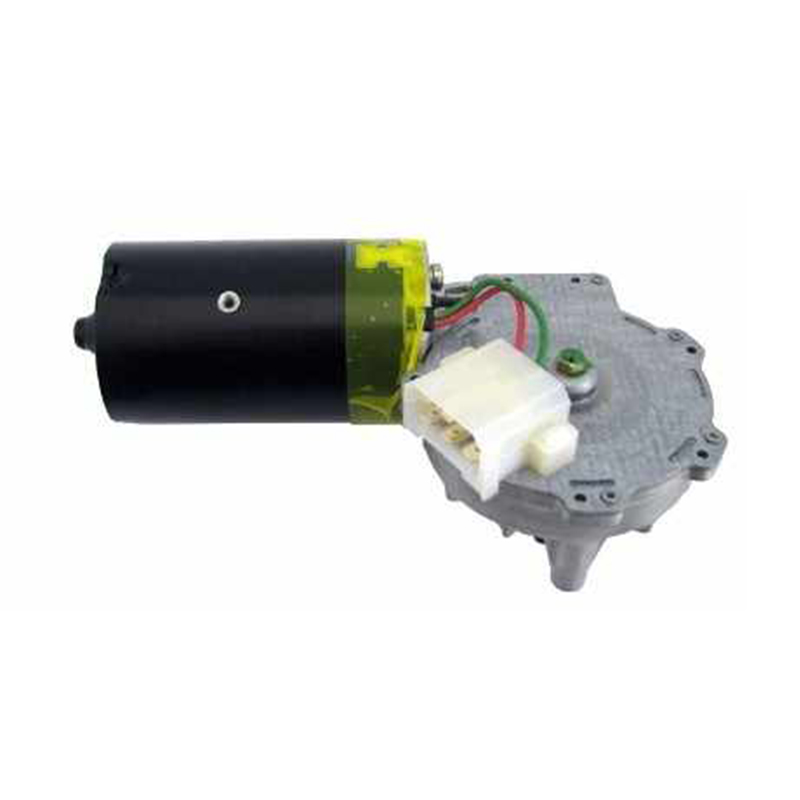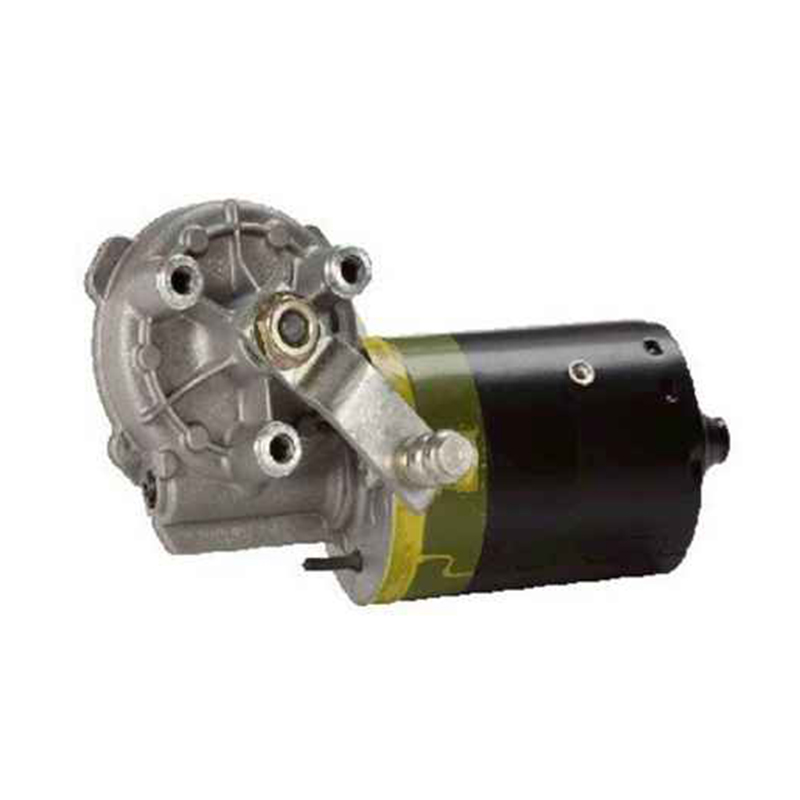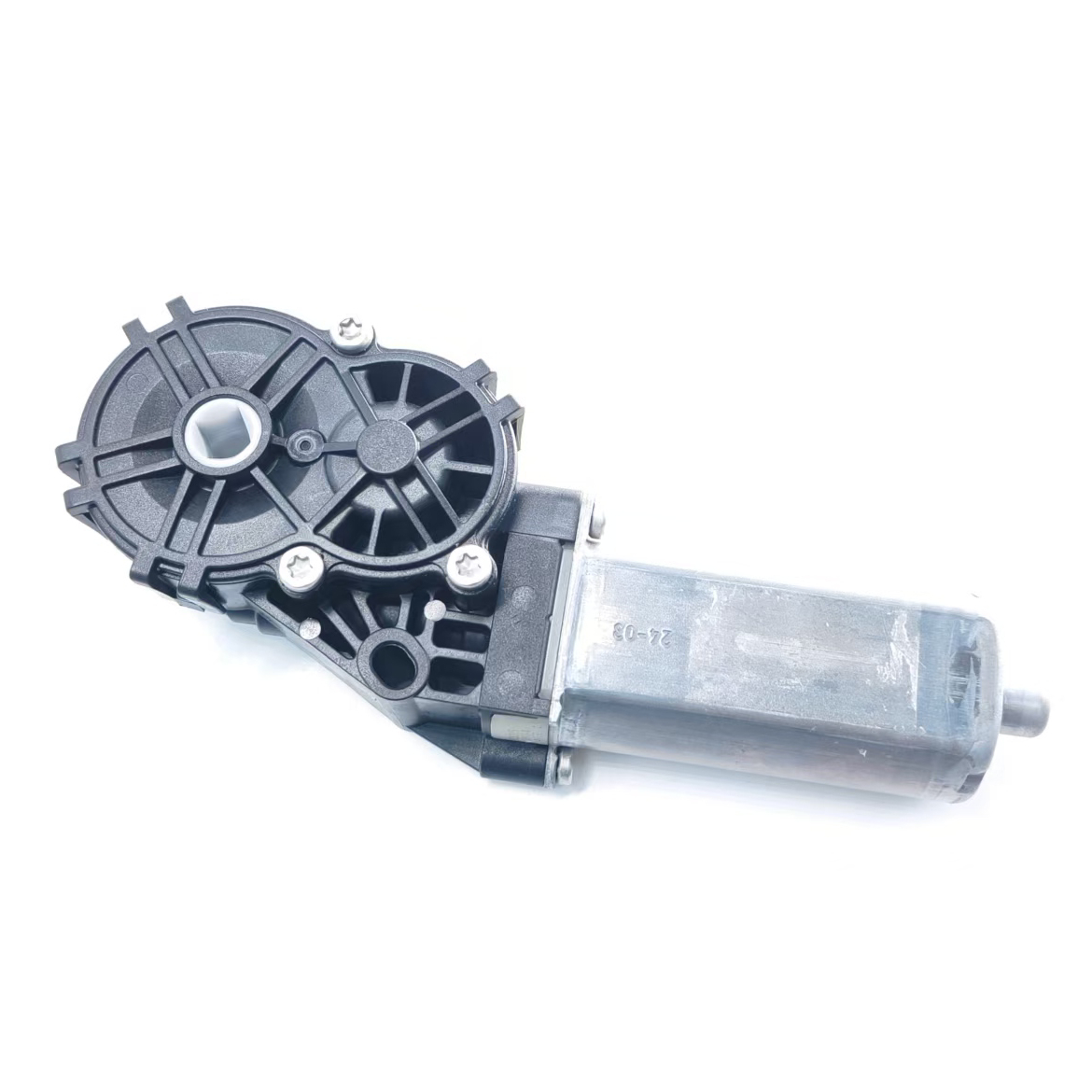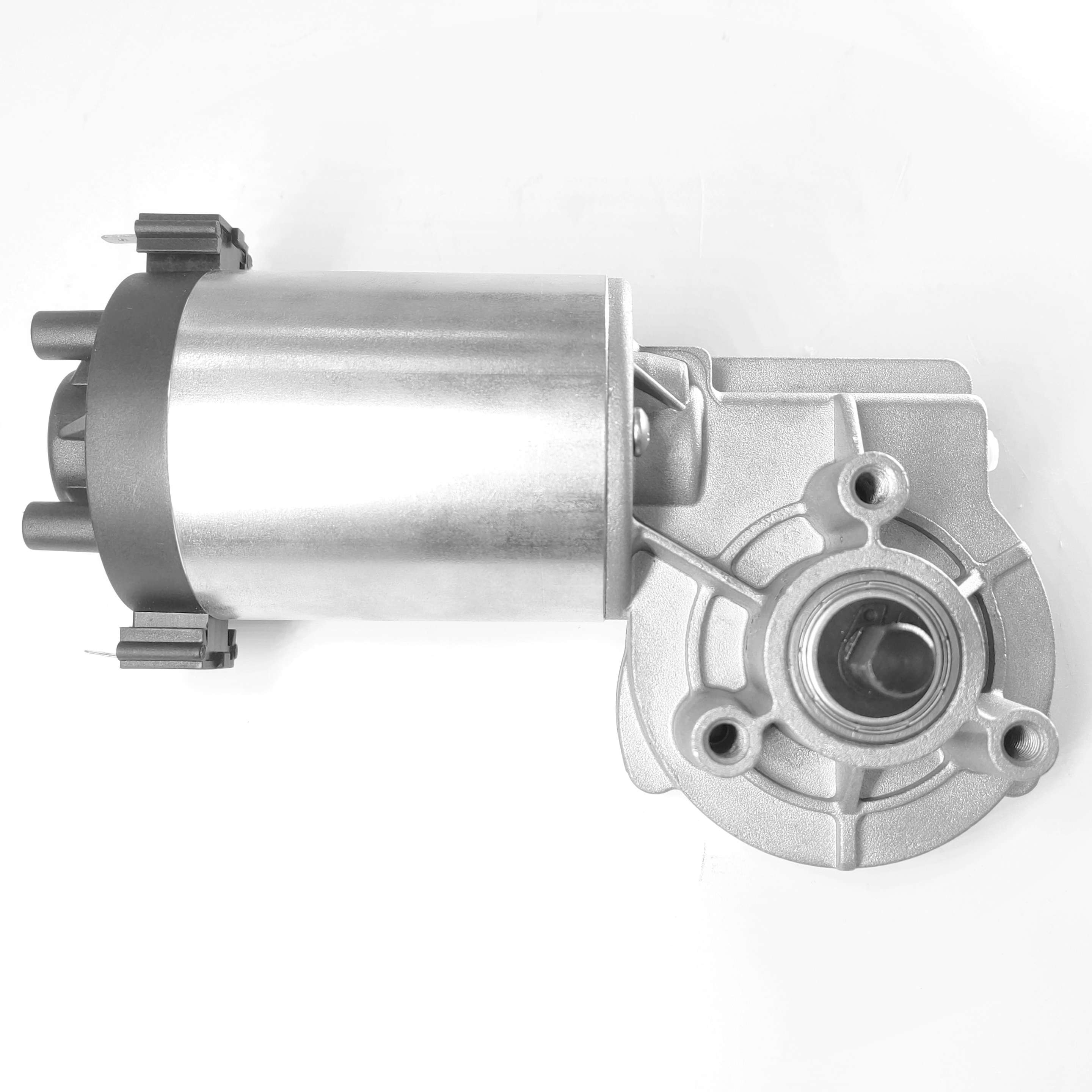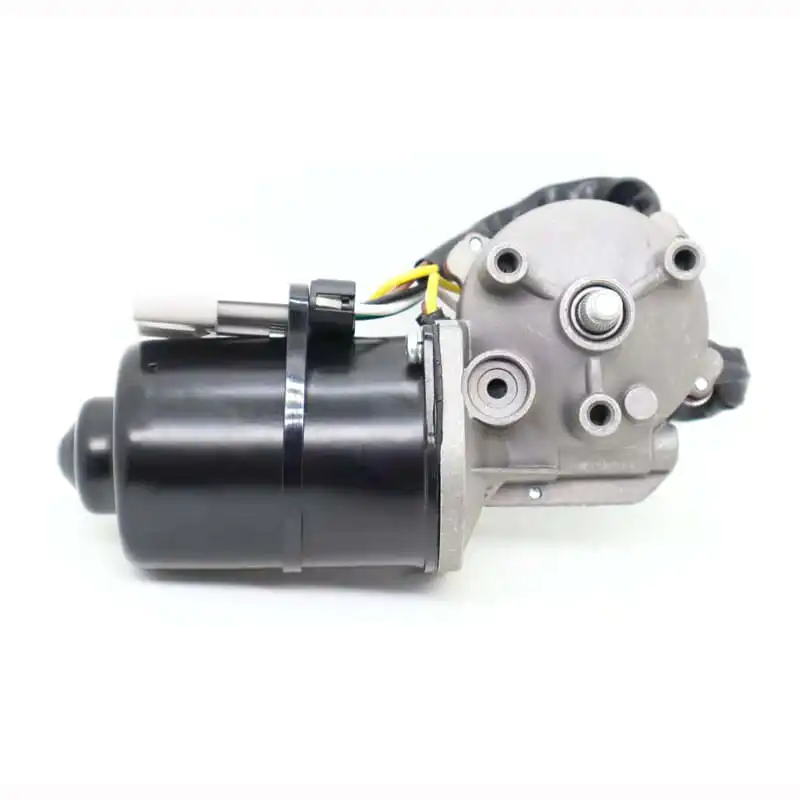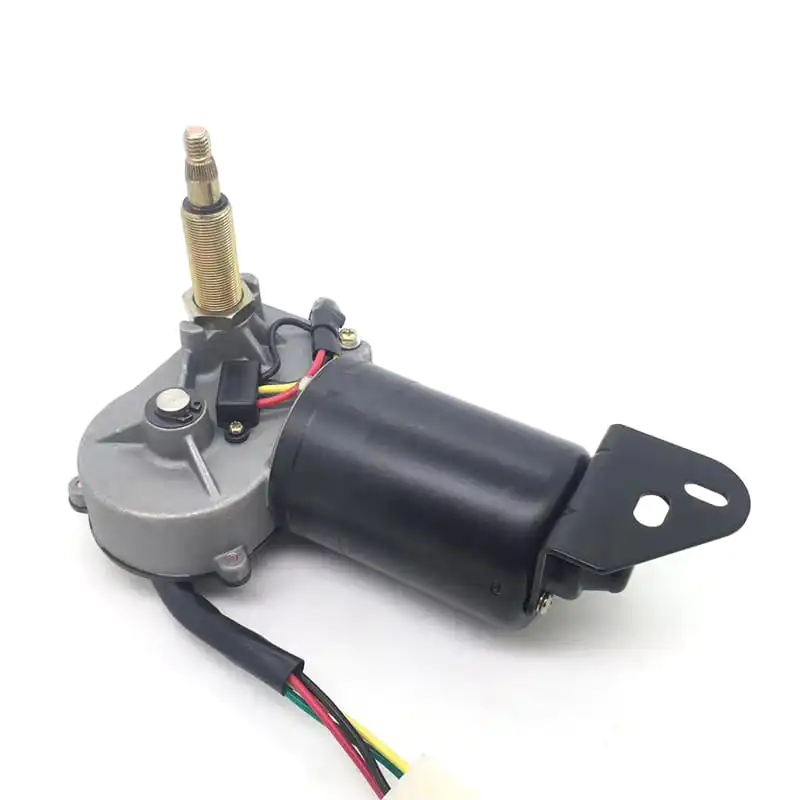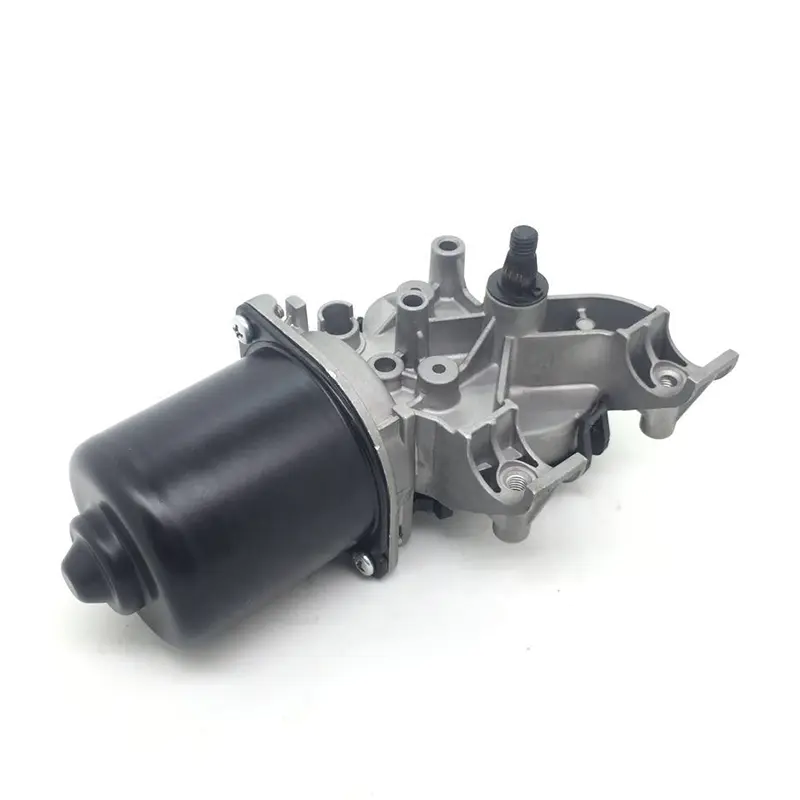
Getting a shipment of wiper motors installed across a fleet, only to find half of them running sluggish through a rainstorm or the other half cooking themselves within a few months, is the kind of problem that traces straight back to a voltage mismatch nobody caught during ordering. Anyone who's mixed up a wiper motor with the wrong voltage system already knows how much rework and wasted cost that single error creates down the line. Sorting out 12V from 24V options comes down to understanding what each system actually delivers and where it belongs, rather than guessing based on price tags or whatever happens to be sitting in stock at the moment.
Voltage rating determines how much electrical force a motor needs to operate correctly inside a vehicle's wiring system. This isn't some minor spec buried in fine print, it directly shapes whether the motor runs smoothly or struggles under everyday working conditions.
A 12V motor draws power built around standard passenger vehicle electrical systems. A 24V motor is built for systems running at a noticeably higher voltage, typically found in larger or heavier vehicles carrying more electrical load. Running either motor on the wrong voltage system tends to cause poor performance right away rather than some gradual break-in adjustment.
Matching motor voltage to a vehicle's actual electrical system is the starting point for any sourcing decision, well before torque or mounting style even enter the conversation.
It does, and buyers focused mainly on price often underestimate just how much. A motor built for 12V operation, if forced onto a system delivering less power than it expects, may move sluggishly or stall outright under resistance, like heavy rain pooling on a windshield or debris that's built up over a long drive.
The reverse mismatch causes its own trouble. Running a motor rated for 12V on voltage meant for a 24V system tends to cause overheating and premature wear on internal components, sometimes within just a few weeks of regular use.
Passenger cars and plenty of light commercial vehicles are generally built around a 12V electrical setup, which makes a 12V wiper motor the standard fit for this whole category.
A few common examples:
Buyers sourcing replacement parts here should confirm the vehicle's actual electrical voltage directly rather than assuming based purely on vehicle size, since some larger light vehicles still run on 12V systems depending on how the manufacturer designed the electrical architecture.
Passenger vehicle electrical systems got standardized around 12V decades ago, and most components across a typical car, from headlights to the ignition system, were designed around that same baseline voltage. Keeping wiper motors aligned with that same system simplifies manufacturing and keeps every electrical component compatible with everything else on the vehicle.
Heavier vehicles, including plenty of trucks, buses, and industrial or agricultural equipment, commonly run on 24V electrical systems instead. This shift generally happens because larger vehicles need more electrical capacity to support additional systems and components all running at once.
Vehicles that typically call for a 24V system:
A 24V wiper motor built for this category needs to handle the electrical load these systems generate without underperforming or overheating during long stretches of use.
Not really, and this is a common misunderstanding among buyers newer to sourcing wiper motors. A 24V motor isn't simply a 12V motor with more power pushed through it. It's built with internal components, windings, and insulation specifically designed to handle that higher voltage safely and consistently over time. Using a 12V motor on a 24V system, even briefly during testing, risks damaging the motor rather than just making it spin faster.
Looking at the two options side by side makes the practical differences easier to weigh during a sourcing decision.
| Factor | 12V Wiper Motor | 24V Wiper Motor |
|---|---|---|
| Typical vehicle fit | Passenger cars, light commercial vehicles | Heavy trucks, buses, industrial equipment |
| Electrical system match | Standard light vehicle systems | Higher capacity heavy vehicle systems |
| Internal component design | Built for lower voltage load | Built with insulation suited for higher voltage |
| Common failure if mismatched | Underperformance, sluggish operation | Overheating, premature component wear |
| Sourcing consideration | Confirm vehicle voltage before ordering | Confirm compatibility with heavy duty wiring |
This side-by-side view shows why voltage compatibility deserves confirmation early in sourcing, rather than getting treated as a minor detail to sort out later if something doesn't fit right during installation.
Voltage compatibility is the starting point, but a handful of other factors matter once that basic requirement is settled.
Wiper motors come in different mounting configurations, and a motor with the right voltage rating still needs to physically fit the existing mounting bracket and linkage setup. Buyers should confirm mounting dimensions alongside voltage rating, since a mismatch in either area can block proper installation even when the electrical specification checks out perfectly.
Vehicles working in harsher conditions, whether that's heavy rain exposure, constant dust, or extended outdoor use, benefit from motors with sealing and housing built to handle that environment. This matters a bit more for 24V applications, since heavy vehicles often operate in tougher conditions than a typical passenger car cruising around a city.
Yes, torque and voltage are related but they're not the same consideration. A wiper blade covering a larger windshield surface, common on buses and heavy trucks, generally needs more torque just to move consistently, regardless of what voltage it's rated for. Buyers sourcing for larger vehicle categories should confirm torque specifications alongside voltage to avoid ending up with a motor that technically matches the electrical system but still struggles on a bigger windshield.
Working through a clear process helps avoid the mismatch issues that lead to returns or motors failing months earlier than they should have.
Buyers working with a China Wiper Motor supplier on larger orders benefit from confirming these details upfront, since correcting a voltage or fitment mismatch after a bulk shipment has already landed becomes a far more expensive headache than catching it during initial sourcing conversations.
Plenty of manufacturers do produce both voltage categories, though actual production capability varies depending on the specific motor design and vehicle application involved. Buyers managing mixed fleets, covering both passenger and heavy duty vehicles, often find it more practical to work with a supplier capable of handling both voltage lines rather than juggling separate vendor relationships for each category.
Selecting the correct wiper motor voltage affects more than a single installation on a single vehicle. For fleet operators managing several vehicle types, consistent sourcing decisions reduce the risk of parts confusion during routine maintenance and repair cycles.
For manufacturers building new vehicles, confirming voltage requirements early in the design and sourcing process avoids costly rework later, particularly when working with a Wiper Motor Manufacturer on custom specifications for a new vehicle line still in development.
Choosing between a 12V and 24V Wiper Windshield Motor ultimately comes down to matching the motor to a vehicle's actual electrical system, mounting requirements, and operating conditions, rather than defaulting to whichever option feels more familiar or happens to be sitting on a shelf ready to ship. Buyers who confirm these details upfront, whether sourcing a single replacement part or planning a wholesale wiper motor order for a larger fleet, tend to sidestep the performance issues and installation delays that come from a voltage mismatch discovered too late in the process. Wenzhou Junt Power Technology Co., Ltd. supports buyers across both voltage categories with attention to fitment accuracy, torque requirements, and build quality suited to different vehicle applications, offering a practical option for OEM and bulk sourcing needs alike. Reaching out directly to discuss specific voltage and application requirements before placing the next order tends to save a lot of headaches once parts actually arrive.

Tel:+86-0577-66009580
Mobile: +86-18858801083
E-mail:juntmotor@126.com
Whatsapp:+8618858801083
WeChat: +86-18858801083
 WeChat

Automotive Reduction Motors Manufacturer

 +86-0577-66009580
 juntmotor@126.com
 Language
  English
 Português