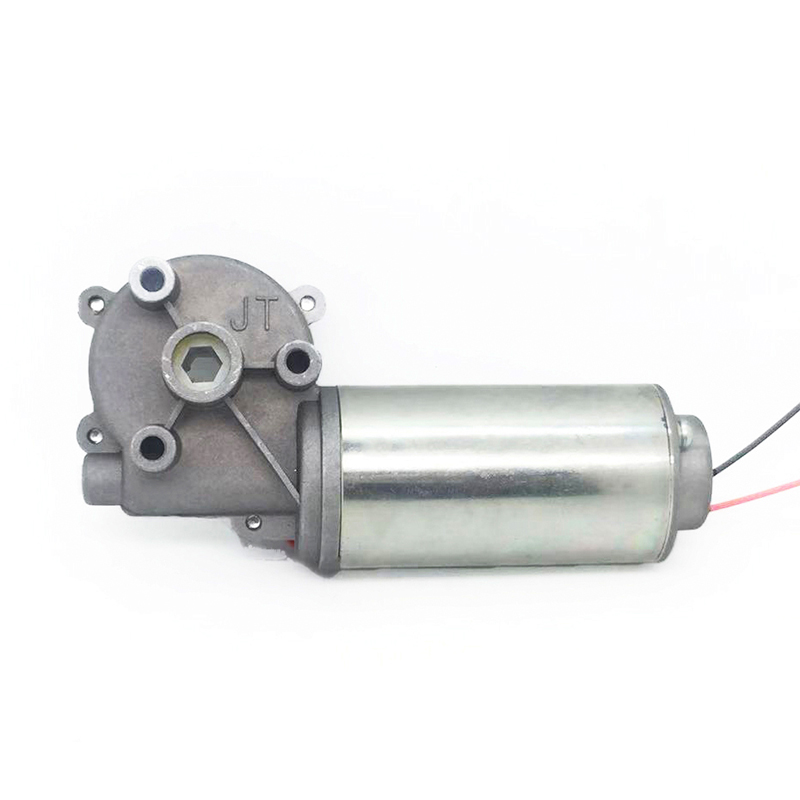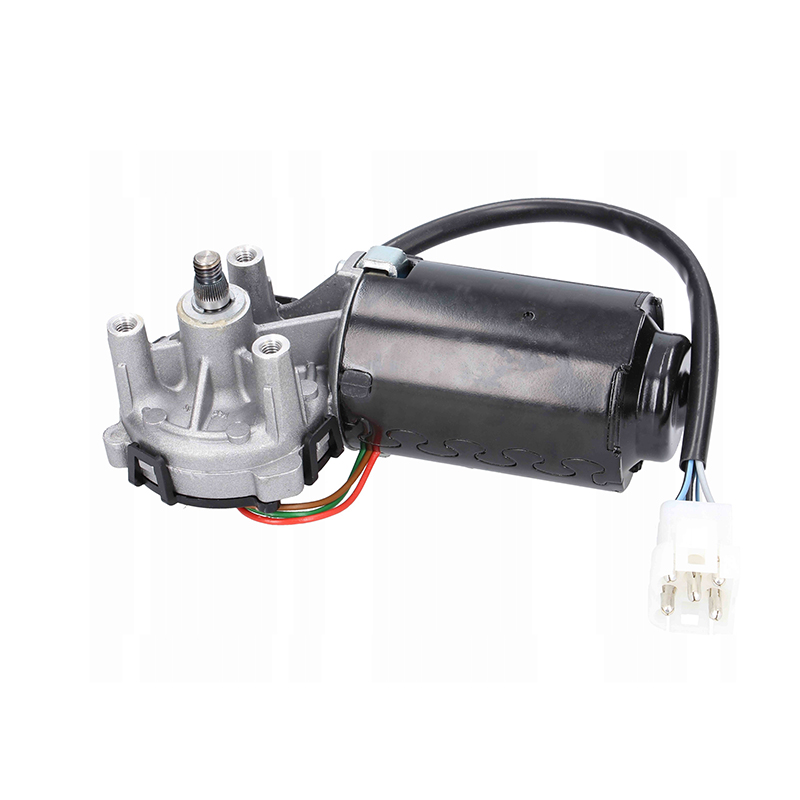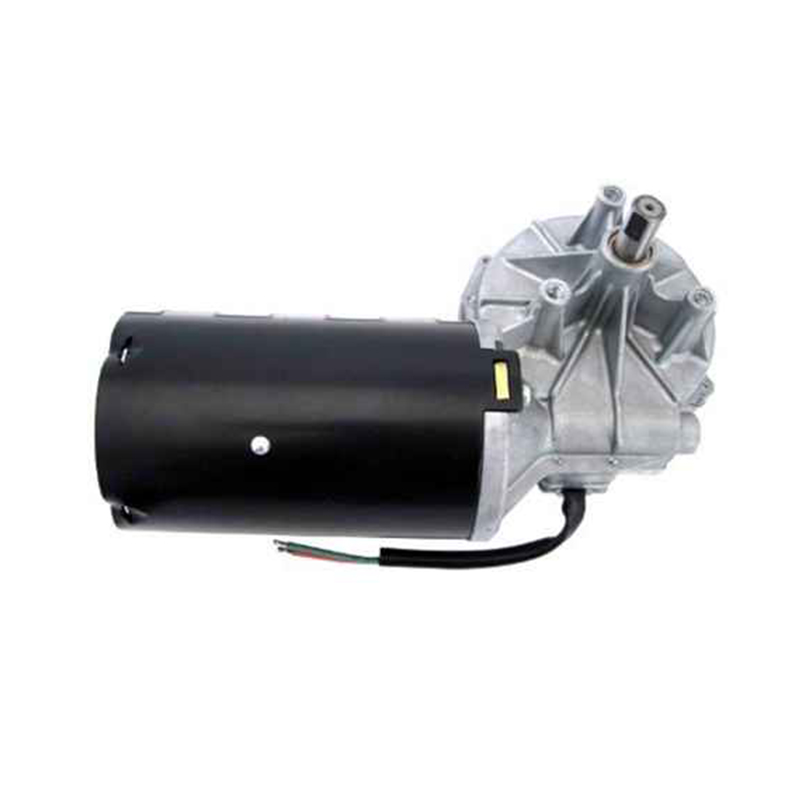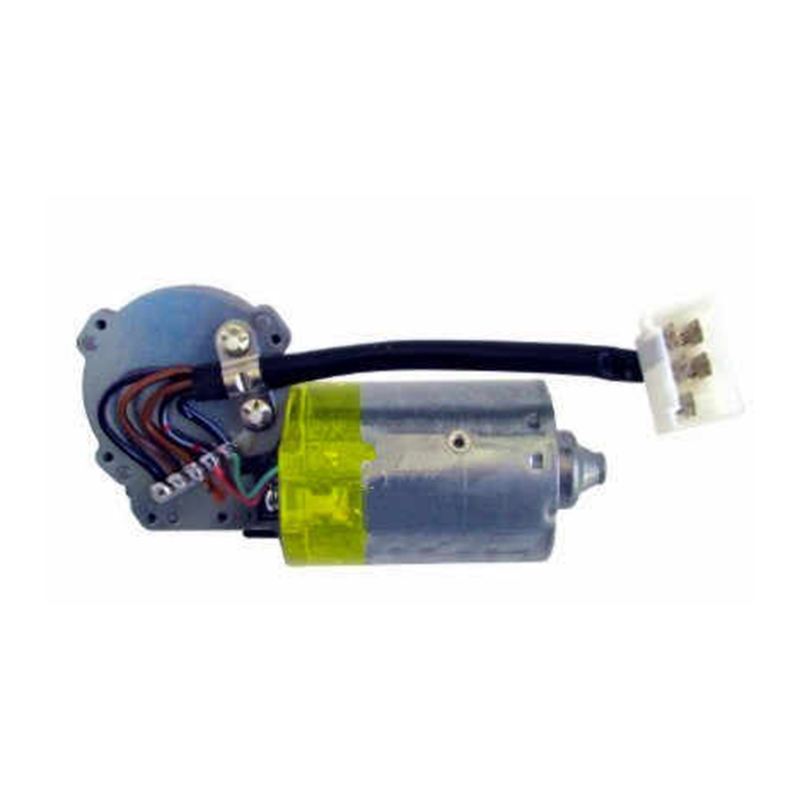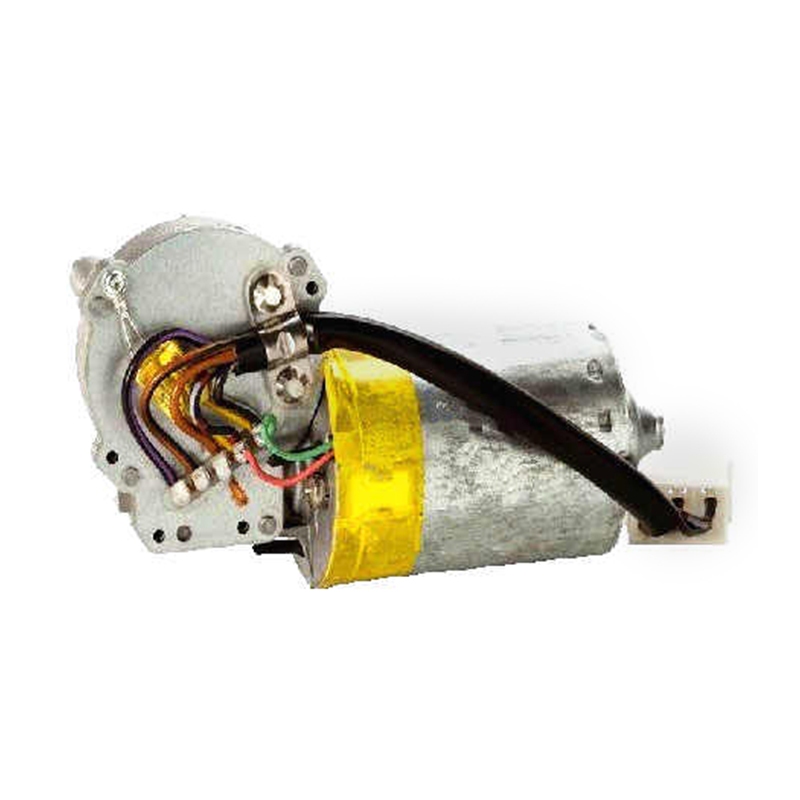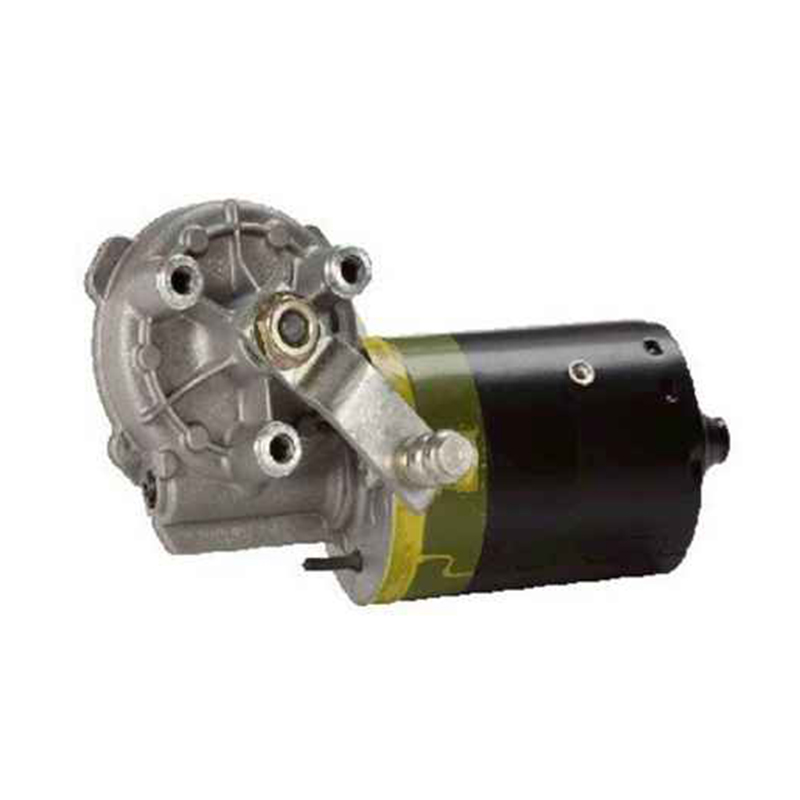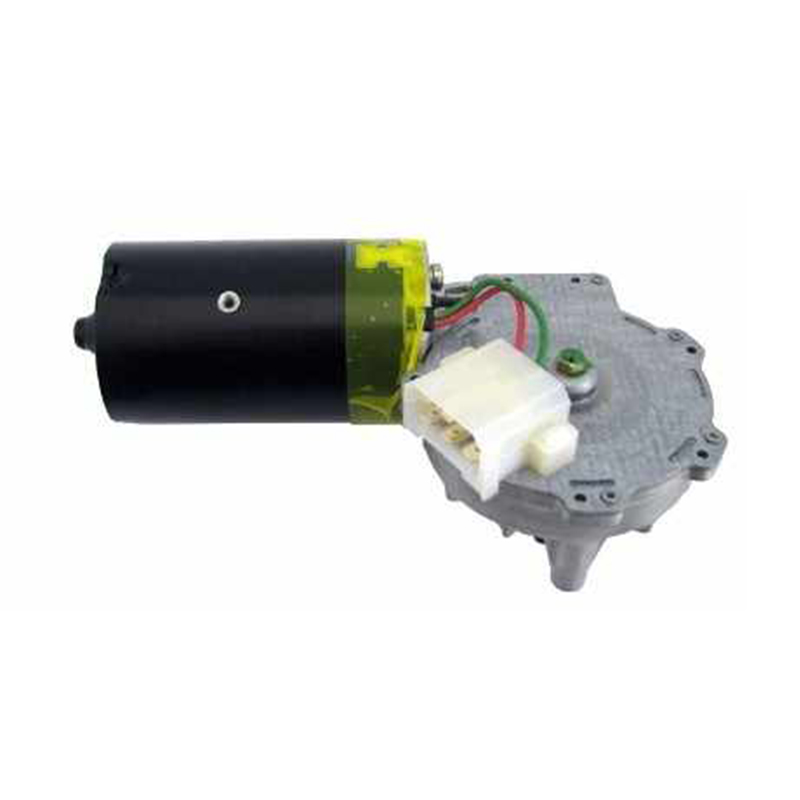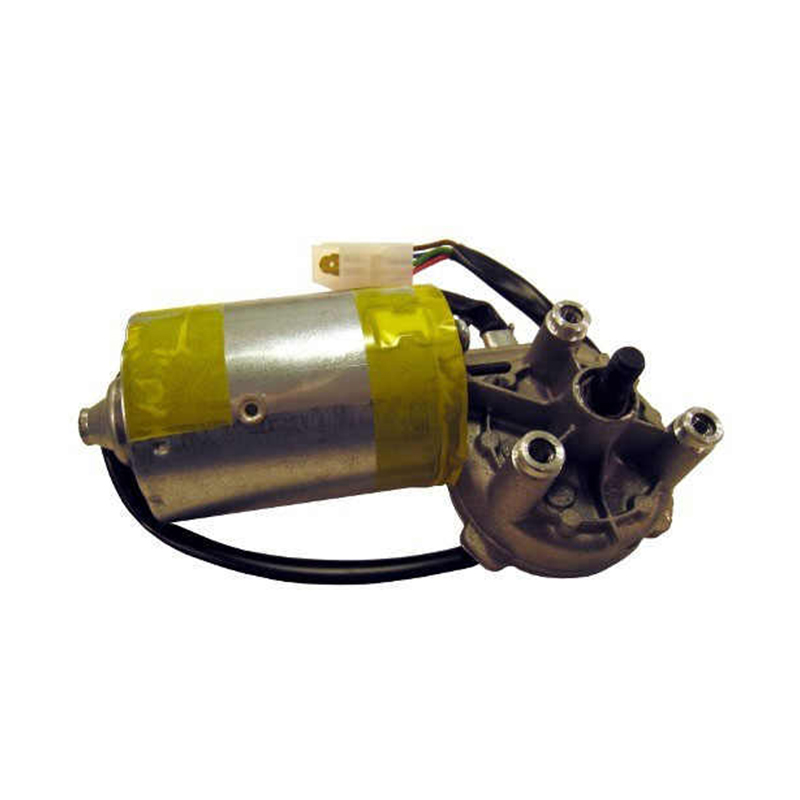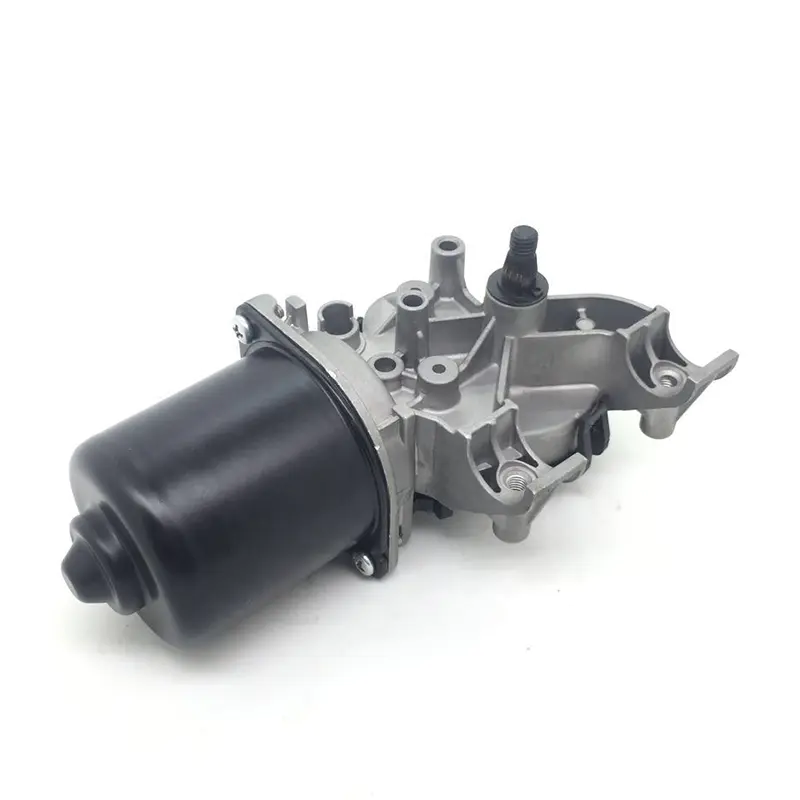
Your windshield fogs up during morning drives. Rain starts falling—maybe just drizzle, maybe a downpour. You fumble with the wiper stalk, toggling between settings, never quite finding that perfect adjustment. Too fast and they're squeaking on dry glass. Too slow and water streams across your vision. This moment reveals something most drivers never consciously register: their vehicle uses a specific type of Wiper Motor Manufacturer's design, one that fundamentally shapes how those blades respond to your input. Engineers selecting components face similar frustrations, except their stakes involve vehicle reliability across thousands of units and procurement complexity. Understanding the distinction between speed control and intermittent wiper functionality isn't merely technical trivia. It's foundational knowledge for anyone sourcing components, whether evaluating China Wiper Motor suppliers or negotiating Wholesale Wiper Motor pricing for fleet operations.
Speed control motor systems work through a deceptively simple principle: electrical voltage adjusts, and motor response follows. When you slide the wiper stalk upward or turn a control knob, you're not changing how often the motor cycles. You're modulating the voltage flowing through it. More voltage? Blades accelerate. Less voltage? They slow down. The motor runs continuously at whatever speed your input determines.
This requires specific electrical architecture. A variable resistor—sometimes called a rheostat—sits in the control circuit. As the driver adjusts the control, resistance values change. Lower resistance permits higher voltage delivery to the motor windings. Higher resistance blocks voltage. The motor responds proportionally to these voltage fluctuations. It's almost like a volume dial on a speaker, except the motor responds to electrical pressure rather than acoustic output.
The beauty of this approach emerges during variable rainfall. Imagine heavy rain abruptly hitting while you're cruising. Speed control lets you immediately increase blade velocity without stopping or cycling through predetermined intervals. You have continuous adjustment across the entire speed spectrum. No waiting. No interruption. Just responsive motion matching current conditions.
Energy consumption? It scales with speed. Running at maximum velocity demands more electrical current than running slowly. Over extended periods, this matters for vehicle electrical systems and fuel efficiency calculations. During moderate rainfall where slower speeds work fine, drivers typically run motors at reduced speeds, consuming less power.
Intermittent wipers operate on completely different logic. Rather than running continuously at variable speeds, they pulse. The motor activates, completes one full sweep cycle across the windshield, then stops. Complete motor shutdown. Zero current flowing. Then after a predetermined pause—maybe three seconds, maybe eight seconds—the relay re-energizes and the cycle repeats.
This functionality requires a timing mechanism. Older systems used simple capacitor circuits that would charge and discharge at fixed intervals. Modern vehicles employ electronic modules or microcontroller chips managing the timing. The driver selects an interval preference: short pauses for moderate moisture, longer pauses for minimal drizzle. The control module receives this input and orchestrates precise timing sequences triggering motor activation.
The motor itself runs at consistent speed throughout its operational stroke. Speed remains constant. What varies is the frequency of operation. Think about a water fountain that sprays for two seconds, pauses for five seconds, then sprays again. The fountain pressure stays identical during spray cycles—only the duration between sprays changes based on your setting.
Energy efficiency becomes the obvious advantage here. No current flows during pause periods. A motor sitting idle consumes zero power. Compare that to continuous low-speed operation in a speed control system running constantly during light drizzle. Over an hour of light rain, the intermittent system saves considerable electrical energy.
Speed control circuits are relatively straightforward. A rheostat or variable resistor creates multiple discrete resistance values, or in some systems, truly continuous resistance variation. The driver's stalk position determines which resistor step gets activated. Each step provides different voltage to the motor. Some vehicles have five distinct speed levels. Others provide different arrangements. Regardless of the specific implementation, voltage variation is the core principle.
Here's what makes this work electrically: motor torque and speed correlate with applied voltage. Lower voltage means weaker magnetic fields in the motor windings, resulting in slower rotation. Higher voltage strengthens these magnetic fields, accelerating rotation. The relationship between voltage and speed isn't perfectly linear, but it's predictable enough for practical automotive application.
Intermittent systems employ relay switches or electronic gates controlling power delivery. A relay is essentially an electrically-triggered switch. When the control module sends a signal, the relay closes, completing the circuit and energizing the motor. Once the stroke finishes, the module sends another signal opening the relay, cutting power. This on-off switching creates the characteristic intermittent operation pattern.
Electronic modules controlling intermittent systems use timing capacitors or programmed delay functions generating these precise control signals. The timing accuracy determines whether the wiping experience feels natural or jerky. Poor timing implementation creates uncomfortable operation. Quality systems provide smooth activation and deactivation transitions.
| System Characteristic | Speed Control | Intermittent Operation |
|---|---|---|
| Operational mode | Continuous running at selected speed | Cyclical: wipe then pause |
| Speed adjustment | Driver controls voltage continuously | Driver selects pause interval |
| Motor status during pause | Running at reduced speed | Completely powered off |
| Electrical complexity | Basic resistor network | Relay circuit or control module |
| Power consumption | Proportional to speed selected | Only during active cycles |
| Ideal rainfall conditions | Steady, persistent rain | Light drizzle, intermittent moisture |
| Driver control granularity | Continuous speed range | Discrete interval settings |
| System sophistication | Relatively simple | Moderate to complex |
| Common failure points | Rheostat degradation | Relay sticking or module failure |
| Replacement component cost | Moderate | Moderate to higher |
Looking at this comparison reveals fundamentally different philosophies. Speed control prioritizes continuous adjustment capability. Intermittent design optimizes for energy efficiency and appropriate response to light moisture conditions. Neither approach is inherently superior—they serve different operational contexts.
Geographic rainfall patterns influence engineering decisions. Regions experiencing frequent, sustained rainfall naturally favor speed control systems. European manufacturers, for instance, often specify speed control capabilities across their lineup. Consistent moderate rain requires responsive speed adjustment. Intermittent operation alone would feel inadequate to drivers accustomed to persistent moisture.
Areas with predominantly light, intermittent precipitation benefit from intermittent-only systems. The climate pattern aligns with operational capability. Drivers rarely need continuous high-speed operation. Intermittent functionality handles typical conditions efficiently.
Vehicle segment and pricing tiers matter too. Premium vehicles often incorporate both systems. Drivers get speed control for heavy rain plus intermittent modes for light conditions. This flexibility commands higher component costs, justifiable in high-margin vehicle segments. Economy vehicles often feature speed control only, balancing functionality against manufacturing constraints.
Electrical system architecture within specific vehicle platforms influences decisions. Implementing sophisticated control modules costs money. Adding that expense across millions of vehicle units compounds rapidly. Manufacturers balance capability against unit cost targets. Speed control's relative simplicity makes it attractive for volume production vehicles.
The Wiper Motor Manufacturer selected during vehicle development essentially locks in a capability choice. Once specification occurs, changing the motor type requires cascading engineering changes. Components designed for speed control won't function identically in intermittent applications. OEM engineering teams, working with Wiper Motor Manufacturers, establish these fundamental architecture decisions years before vehicle production.
Imagine highway driving through heavy thunderstorm conditions. Visibility drops rapidly. Large amounts of water hit the windshield constantly. A driver needs immediate speed response. Intermittent operation wouldn't suffice. Each pause between cycles means compromised visibility. Speed control lets them increase blade velocity instantly, maintaining adequate sight lines throughout the event.
Tropical and subtropical regions experience frequent intense rainfall. These climates demand continuous speed control capability. Drivers expect responsive adjustment. The operational environment makes this essential, not optional.
Performance driving in wet conditions benefits from speed control responsiveness. High-speed highway operation requires clear windshield visibility. Intermittent systems with fixed-interval timing might not clear water quickly enough during highway downpours. Speed control's continuous adjustment capability supports driver confidence and safety at elevated speeds.
Variable conditions—transitioning from heavy rain to drizzle to mist to dry conditions—benefit from continuous adjustment. Drivers don't want to stop and select different interval settings repeatedly. Speed control enables seamless transitions as conditions fluctuate without driver intervention beyond the initial adjustment.
Light drizzle doesn't warrant constant wiping. Occasional moisture appears and disappears. Intermittent operation clears visibility adequately while conserving electrical resources. The pauses between cycles feel natural for light-rain conditions. Drivers appreciate the less-intrusive operation.
Parked vehicles experiencing overnight condensation or light misting benefit from intermittent operation. The periodic blade movement maintains clear visibility without excessive motor usage. Energy consumption remains minimal during extended stationary periods with light moisture exposure.
Morning dew or humidity requiring occasional visibility clearance? Intermittent operation handles it efficiently. A driver might trigger the intermittent function for a few cycles, clearing condensation without engaging continuous operation. The feature serves its purpose elegantly.
Commute vehicles in temperate climates experience mixed conditions. Winter mornings bring condensation. Spring showers pass through quickly. Intermittent operation handles these variable light-moisture scenarios efficiently. Drivers set an appropriate interval and let the system handle periodic visibility clearance without constant adjustment.
Speed control motors must tolerate continuous voltage variation without electrical damage. Motor windings are engineered to handle different voltage levels safely. The insulation and magnetic field strength are configured accordingly. Running a speed control motor designed this way at constant high voltage for extended periods could damage it through overheating.
Intermittent-capable motors operate under different electrical stress patterns. They experience full voltage during active cycles and zero voltage during pauses. The thermal profile differs from continuous variable-voltage operation. Motor construction focuses on reliability during repeated on-off cycling rather than handling gradual voltage changes.
A Wiper Motor Manufacturer producing units destined for different control systems must design distinct motor variants. Specifying the wrong motor type during replacement creates compatibility problems. A speed control motor installed in an intermittent circuit might malfunction. An intermittent-design motor in a speed control system could behave unpredictably.
China Wiper Motor producers maintain separate product lines addressing these different control requirements. Sourcing replacement components requires clear system identification. Vague specification leads to receiving incompatible equipment. Technical documentation from original equipment engineers clarifies which motor type your system requires.
Speed control systems sometimes lose responsiveness. The resistor network can accumulate corrosion over years. Connections deteriorate. Drivers notice sluggish speed response. Adjustment stalk movement doesn't produce proportional blade acceleration. This typically indicates electrical connection issues or rheostat degradation rather than motor failure.
Intermittent systems might suddenly become fully continuous, or stop functioning altogether. A relay can stick in either position—permanently closed (continuous operation) or permanently open (no operation). Electronic module failures can create erratic timing behavior. The system might cycle too frequently or not frequently enough.
Motor speed problems affect both system types differently. A sluggish motor in speed control systems affects all settings equally. The motor won't reach proper speed regardless of driver input. Intermittent systems experience incomplete wipe cycles. Blades might start moving but fail to reach the park position before the pause begins.
Electrical connection deterioration manifests across both system types. Corroded contacts. Loose terminals. Damaged wiring harnesses. These issues create performance degradation independently of the control system type. They're system-agnostic problems affecting whatever configuration the vehicle uses.
Identifying your vehicle's control system type before ordering replacement components prevents purchasing mistakes. Owner documentation provides this information. Service centers can identify the system type visually. Consulting technical resources for your specific vehicle model clarifies which system was originally installed.
Once you've identified your control system type, you can specify compatible replacement motors. A Wiper Motor Manufacturer's technical documentation includes compatibility information. Requesting parts that explicitly match your system specifications prevents installation mismatches and operational failures.
Warranty coverage and supplier reliability matter during component sourcing. Reputable suppliers maintain inventory of compatible parts. They understand technical requirements distinguishing speed control from intermittent designs. Their expertise reduces the risk of purchasing incompatible equipment.
For fleet operations or service centers managing multiple vehicles, Wholesale Wiper Motor sourcing streamlines replacement processes. Establishing relationships with suppliers capable of consistent delivery supports ongoing maintenance operations. Bulk purchasing reduces per-unit costs while ensuring inventory availability.
Speed control systems involve higher initial manufacturing expenses. The rheostat or variable resistor adds component cost compared to basic wiring. Vehicle pricing reflects this difference—models featuring speed control systems typically cost more than identical variants offering intermittent-only operation.
Operating costs differ based on usage patterns and efficiency. Intermittent systems consume less electrical power during light rain. This affects fuel consumption in conventional vehicles and battery consumption in electric vehicles. The efficiency advantage accumulates over years of ownership, particularly in climates experiencing frequent light precipitation.
Maintenance and repair costs depend on failure modes. Speed control resistor failures require component replacement. Relay or module failures in intermittent systems similarly demand service intervention. Both systems require maintenance, but failure modes differ.
Replacement component pricing aligns with system complexity. Speed control motors from established manufacturers typically cost less than sophisticated intermittent control modules. Bulk wholesale purchases reduce per-unit costs, though fundamental pricing differences between system types persist.
Commercial fleet operations face wiper system decisions affecting dozens or hundreds of vehicles. Heavy-duty trucks often use speed control systems. Consistent speed adjustment capability supports professional drivers operating in varied conditions across geographic regions.
Agricultural equipment experiences extreme weather exposure. Construction vehicles require reliable visibility during rain, snow, and dust storms. Some applications favor speed control capability for responsive adjustment. Others use intermittent operation to conserve electrical resources during extended field work in unpredictable moisture conditions.
Marine applications present specialized challenges. Salt spray and constant moisture exposure demand durable wiper systems. Both speed control and intermittent variants serve maritime use, depending on vessel type and operational requirements.
Emergency response vehicles—fire trucks, police cars, ambulances—often specify robust wiper systems. Speed control capability supports responsive visibility management during critical operational scenarios. The additional cost justifies itself through improved driver confidence during emergency conditions.
Contemporary vehicles increasingly incorporate sensor-based automatic wiper systems. Rain detection sensors measure moisture presence and intensity on the windshield surface. Automated systems adjust wiper operation responding to sensor input rather than requiring driver control.
Advanced systems might employ speed control during heavy rainfall while automatically transitioning to intermittent operation during light drizzle. Electronic intelligence optimizes blade movement based on real-time environmental conditions. Drivers maintain override capability but typically don't need to adjust settings constantly.
Vehicle electrification influences wiper system architecture. Electric vehicles integrate wiper systems with centralized vehicle management platforms. Wiper motor specifications adapt to match electrical architecture differing from traditional combustion engine vehicles. Sophisticated control algorithms optimize wiper operation within overall vehicle energy management strategies.
Predictive systems beginning to appear in premium vehicles integrate weather forecasting data. The vehicle might prepare windshield defrosting or adjust wiper systems preemptively based on approaching weather conditions. These capabilities represent industry direction toward integrated, intelligent vehicle systems.
Organizations managing vehicle fleets face procurement decisions affecting maintenance complexity and spare parts management. Standardizing on a single wiper motor configuration across all fleet vehicles streamlines operations. Mixed system types complicate inventory management and service procedures.
Determining appropriate control system specifications requires analyzing typical operating conditions. Fleet vehicles operating primarily in heavy-rainfall regions benefit from speed control capability. Fleets serving markets with light-rain climates might optimize costs through intermittent systems. Usage patterns drive specification decisions.
Establishing relationships with Wiper Motor Manufacturers or wholesale suppliers serving fleet needs supports long-term operational efficiency. These suppliers understand bulk ordering requirements, offer consistent quality across production runs, and provide technical support addressing fleet-specific concerns.
Lead time and supply reliability matter substantially for fleet operations. Unexpected wiper motor shortages create maintenance backlogs affecting vehicle availability. Working with established wholesale suppliers providing predictable delivery schedules prevents these disruptions.
Understanding speed control versus intermittent wiper functionality empowers you to specify appropriate components for your specific application. Speed control suits scenarios requiring responsive adjustment to changing conditions. Intermittent operation optimizes efficiency for light-moisture environments. Technical documentation from original equipment engineers provides essential guidance preventing specification mistakes. Attempting to retrofit incompatible motor types risks electrical system damage and operational failures. Proper specification ensures component compatibility and reliable system performance. Consulting with experienced suppliers—whether independent technicians or bulk wholesale operators—prevents costly purchasing errors. Professional expertise guides component selection appropriate to your operating environment. Evaluating total cost of ownership rather than simply upfront pricing informs better decisions. Speed control systems cost more initially but offer flexibility. Intermittent systems optimize costs in appropriate environments. Your specific operating context determines which approach delivers superior value. The distinction between these control approaches might seem technical and abstract. In reality, it shapes daily driving experience, vehicle operating costs, and fleet maintenance complexity. Getting this specification right matters across all vehicle categories and operational contexts. Wenzhou Junt Power Technology Co., Ltd. brings extensive experience developing wiper motor solutions serving both speed control and intermittent wiper applications across diverse markets and vehicle types. They understand the technical specifications distinguishing these control architectures and the procurement challenges organizations navigate during component selection and fleet management. Whether you're configuring original equipment designs, managing fleet replacement programs, or sourcing reliable Wholesale Wiper Motor suppliers capable of delivering consistent quality and technical support, engaging experienced partners ensures you receive components matching your control system requirements and operational demands. Reach out directly to discuss your wiper motor specifications and explore sourcing partnerships aligned with your organizational needs.

Tel:+86-0577-66009580
Mobile: +86-18858801083
E-mail:juntmotor@126.com
Whatsapp:+8618858801083
WeChat: +86-18858801083
 WeChat

Automotive Reduction Motors Manufacturer

 +86-0577-66009580
 juntmotor@126.com
 Language
  English
 Português