Driving through a sudden downpour and watching water sheet across the glass faster than the blades can clear it is one of the more unsettling moments behind the wheel. A wiper windshield motor struggling to keep pace with heavy rainfall does not always announce itself with a dramatic failure; it usually shows up early on as a slower sweep, a hesitation at the upper end of the stroke, or blades that fall behind the moment rainfall intensifies. Anyone who has gripped the wheel a little tighter while peering through a smeared, water streaked windshield already understands why this problem deserves more attention than it usually gets. The stakes go beyond comfort behind the wheel. Reduced visibility during heavy rain ranks among the more common contributors to driving difficulty in poor weather, and a wiper system that cannot keep pace turns an already challenging drive into something considerably riskier than it needs to be.
Wiper systems are engineered around a working range, and heavy rainfall pushes water volume well past what light or moderate rain demands. Once rainfall exceeds that range, even a properly functioning system can struggle to keep the glass clear between sweeps.
A few conditions compound the problem once rainfall intensifies:
Any one of these issues on its own might go unnoticed during a light shower, yet several combined under heavy rain create the kind of blurred, momentary blindness that makes the experience feel dangerous instead of merely inconvenient.
Speed settings exist precisely to address this range of conditions, with a faster setting meant to handle exactly the kind of volume heavy rain produces. When even the fastest setting fails to keep the glass reasonably clear, that outcome points toward a system already operating below its intended capacity rather than a setting simply being underused.
Several components work together inside a wiper system, and a weakness in any one of them becomes far more obvious once rainfall increases the load on the whole assembly.
Internal brushes and bearings wear down through normal use, reducing the torque a motor can deliver at each speed setting. A motor that once handled heavy rain without strain may now stall or slow noticeably under the same conditions, simply because it has less power left to give.
The mechanical linkage connecting the motor to the wiper arms can develop play or looseness over years of operation, causing uneven sweep speed or inconsistent arm pressure across the glass. This wear often shows up as a slight wobble or hesitation that becomes noticeable only when water volume increases.
A motor delivering full power cannot compensate for a blade that has lost even contact with the glass due to age, cracking, or a bent arm. Water bypasses the blade edge in these spots, leaving streaks or pooled water exactly where visibility matters a great deal.
A partially blocked washer nozzle reduces fluid coverage across the glass, which becomes a larger problem during heavy rain when road spray and debris already challenge visibility further.
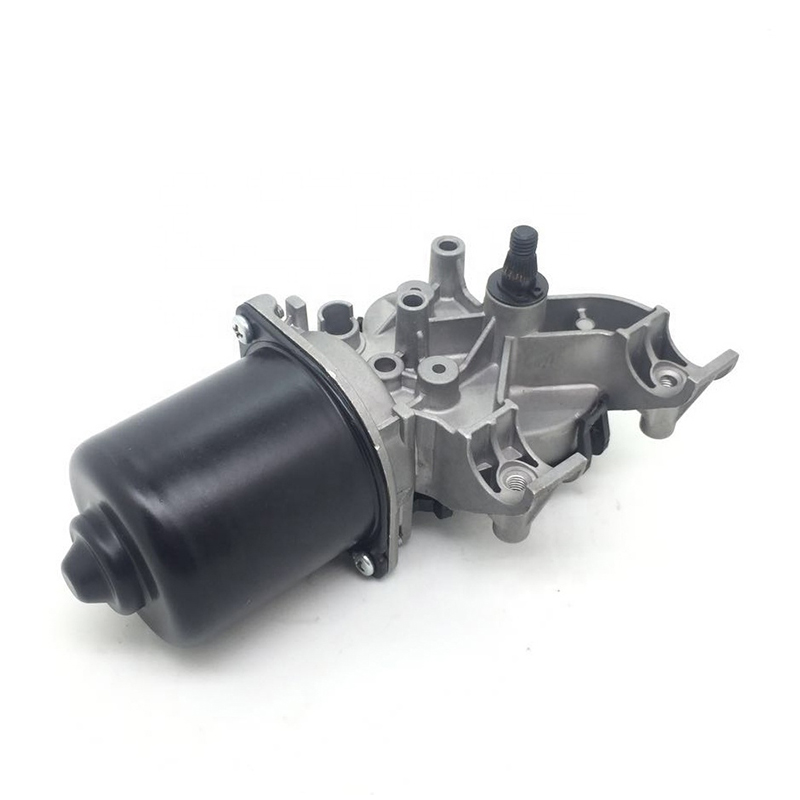
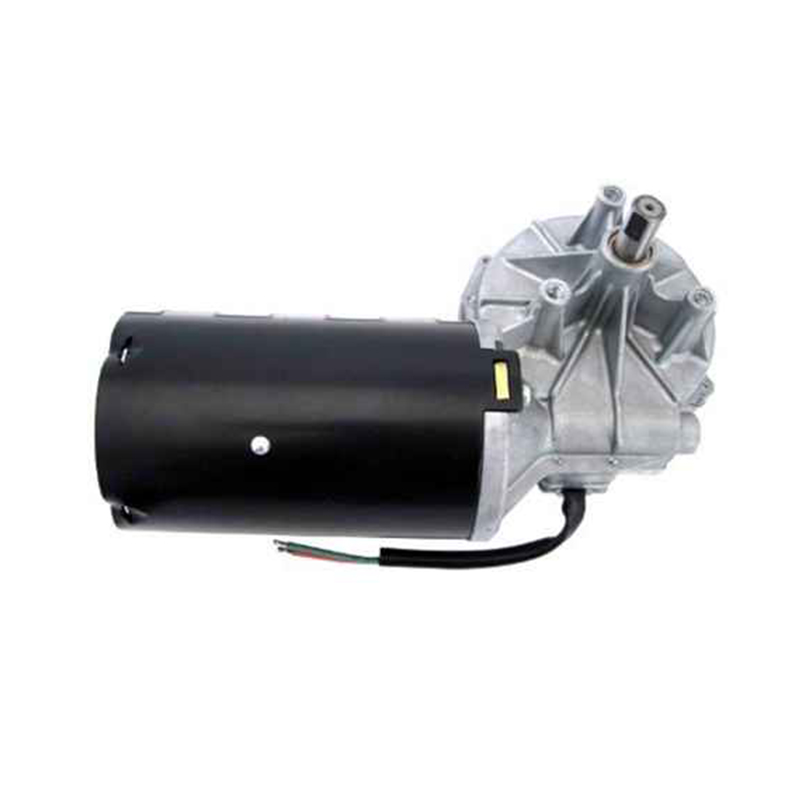
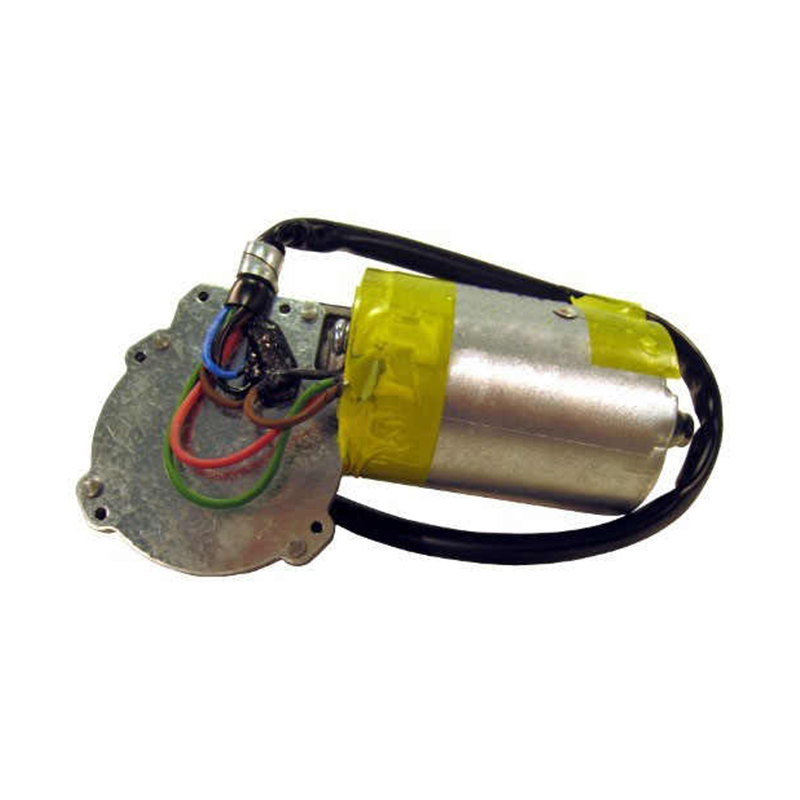
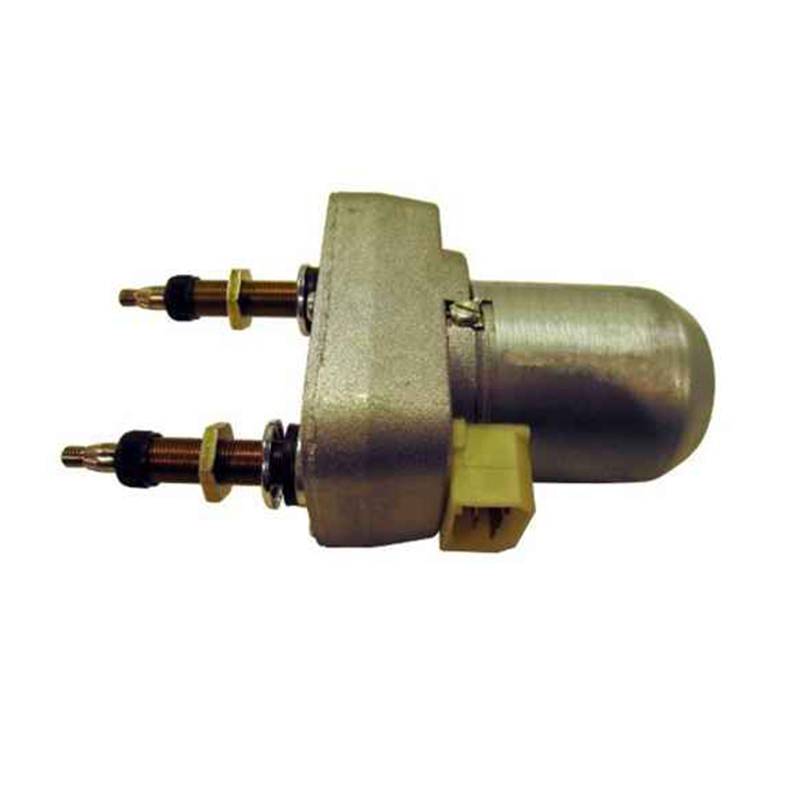
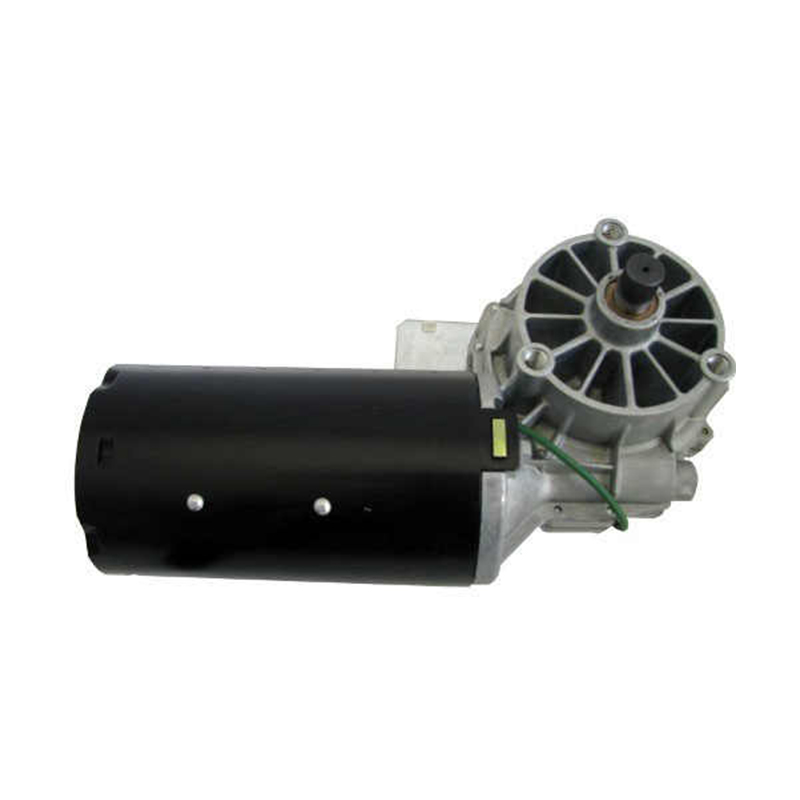
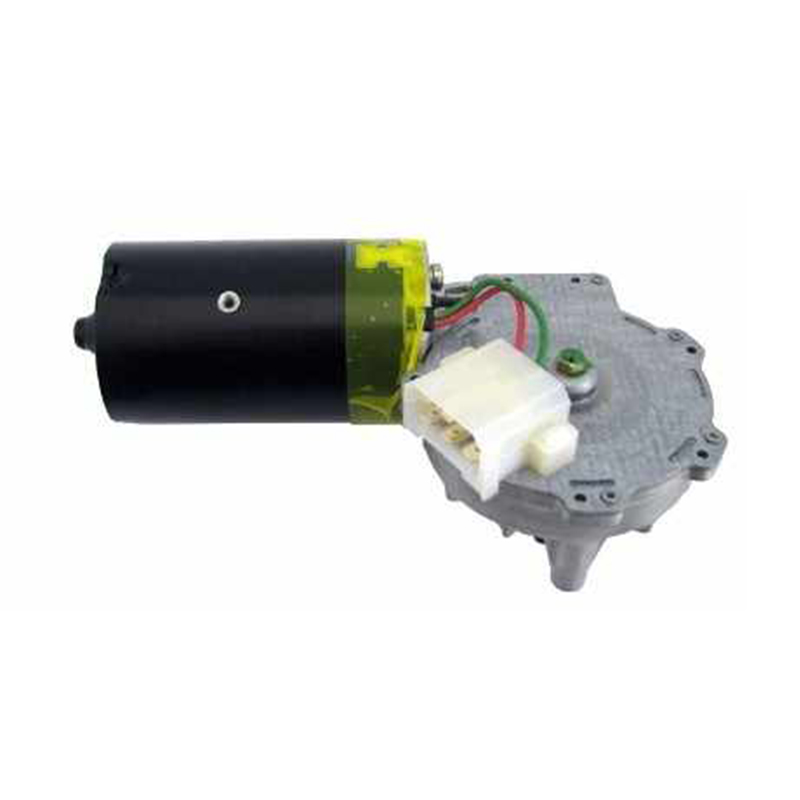
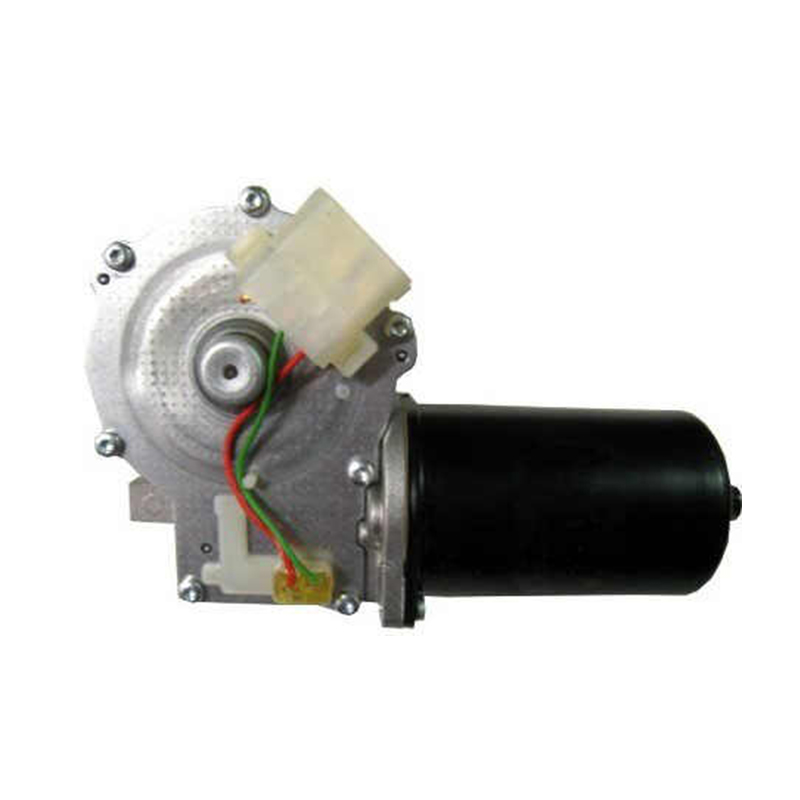
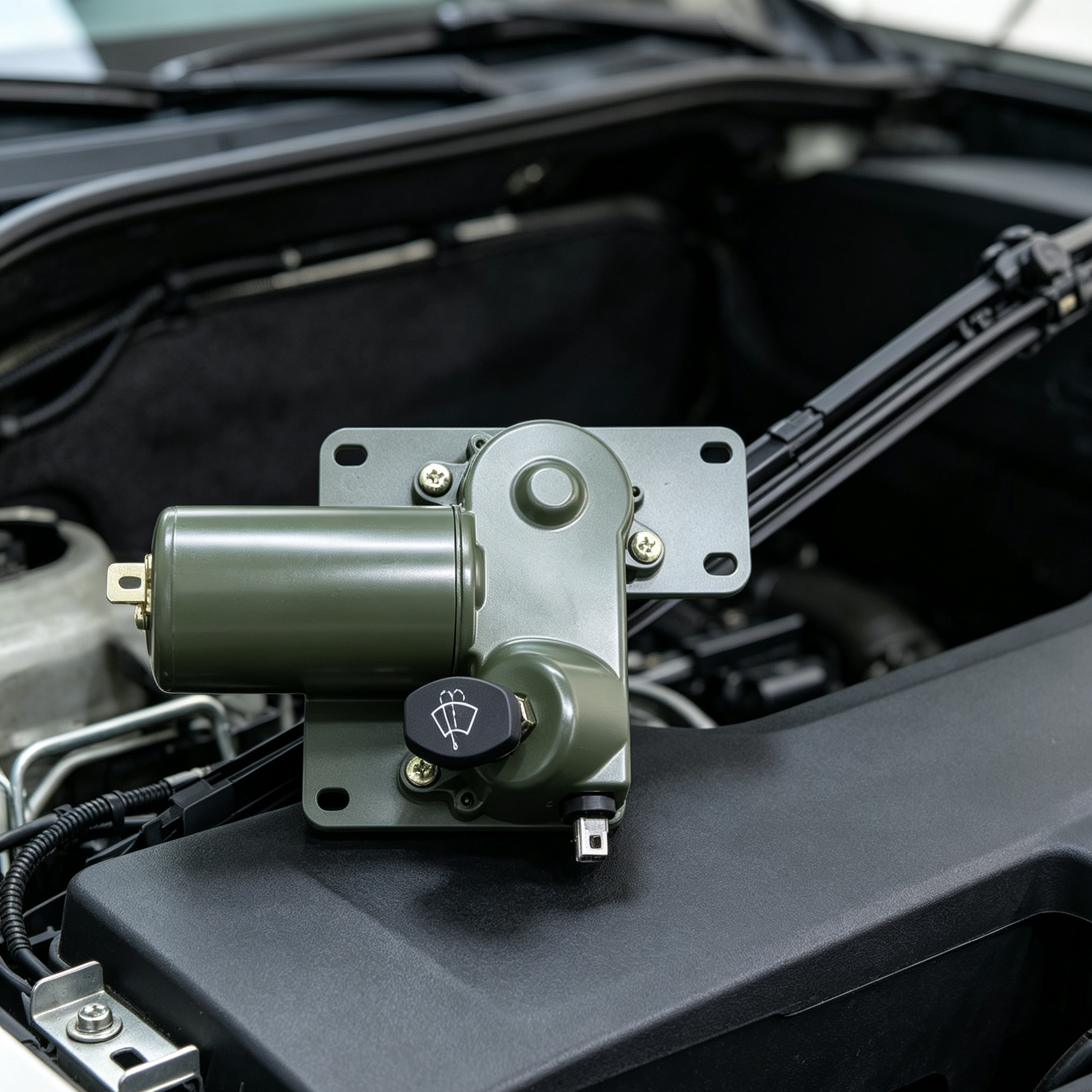
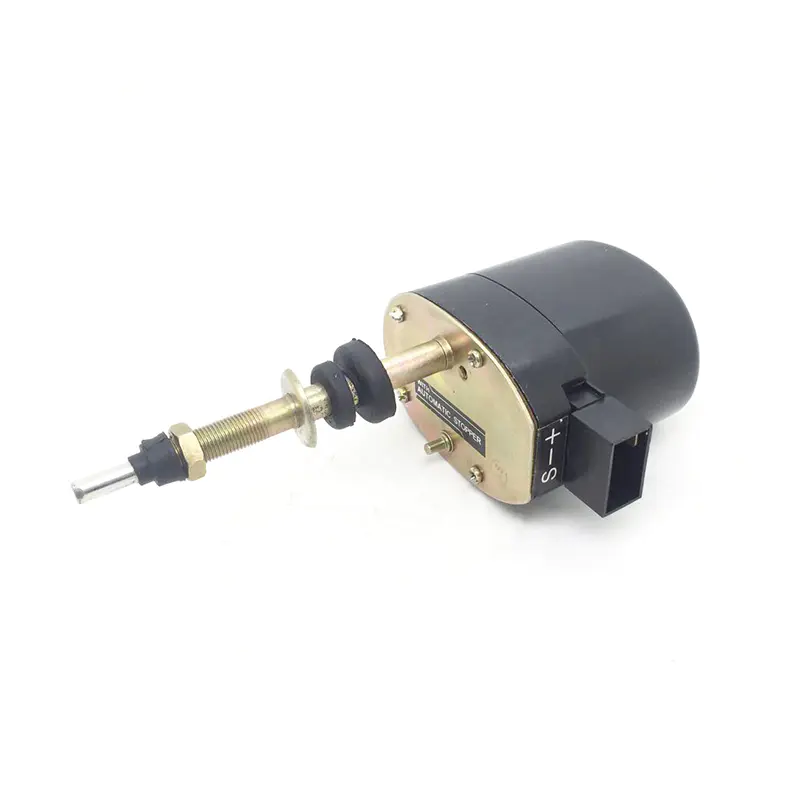
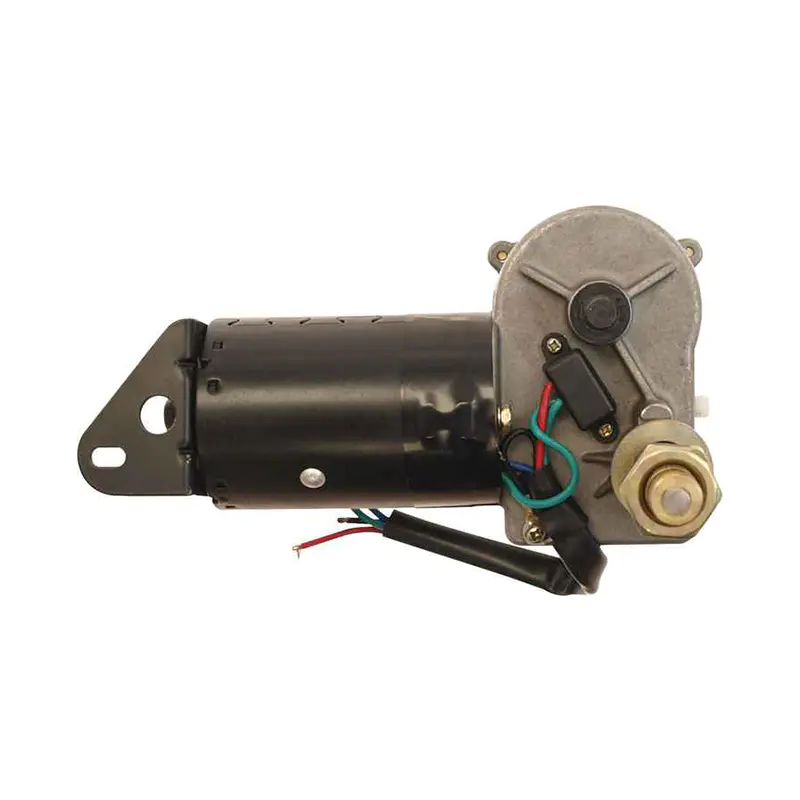
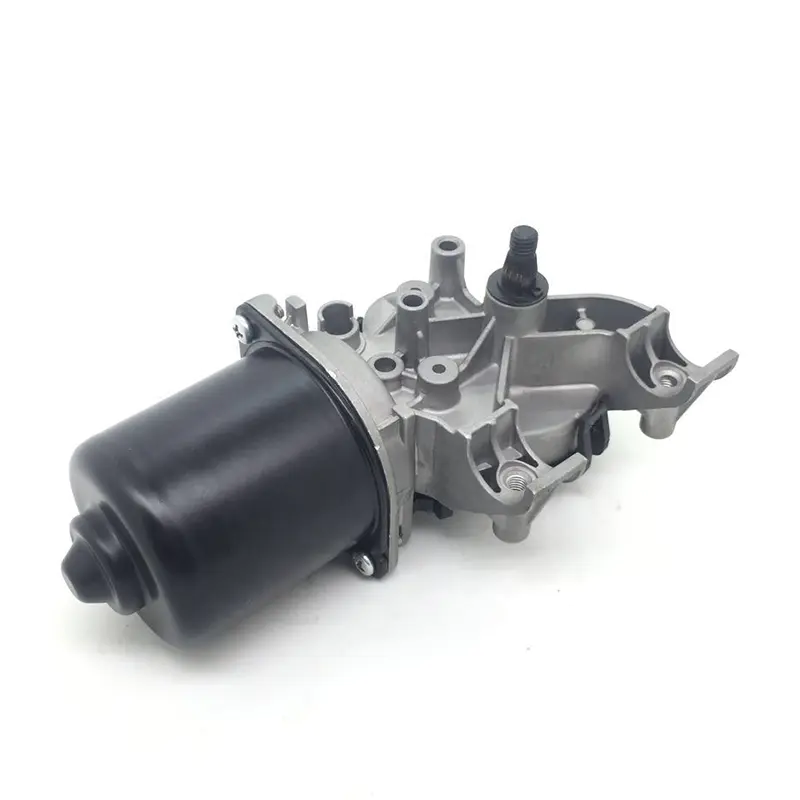
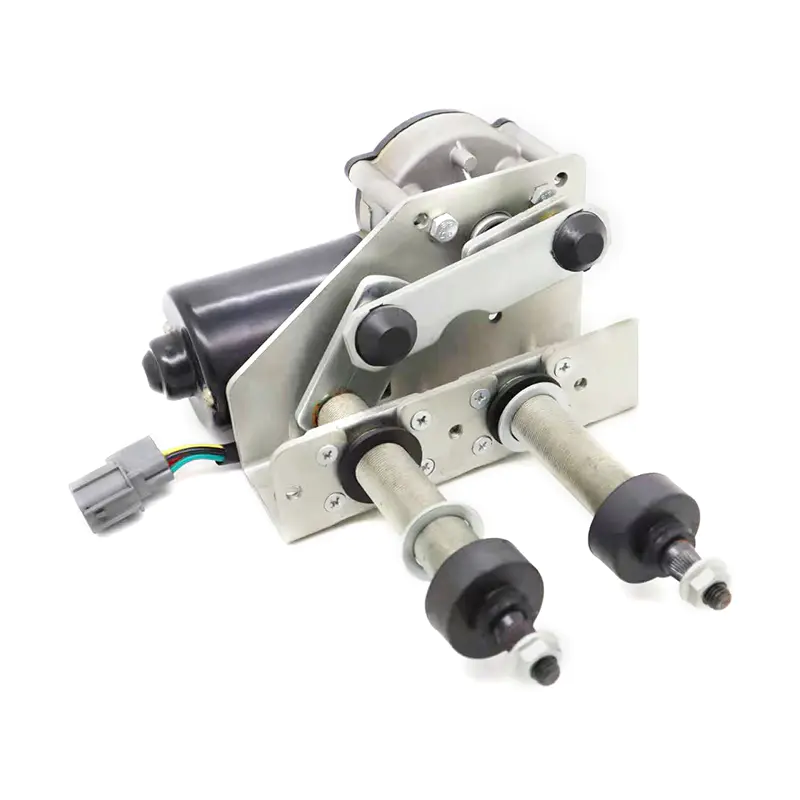
This component converts an electrical signal into the oscillating arm movement that drives the wiper blades across the glass. Torque output, consistent speed control across settings, and durability under continuous use all determine how well it performs once conditions turn demanding.
Heavy rain places more mechanical load on this part than dry or lightly wet conditions ever do, since the blade has to push against a thicker film of water with each pass. A motor running near the edge of its capacity under normal conditions often reveals that weakness specifically when rainfall intensifies, which is why symptoms frequently show up initially during storms instead of during routine daily driving.
Catching early warning signs before a complete failure gives drivers and shops time to plan a repair instead of dealing with an emergency breakdown during a storm.
A short diagnostic check can reveal a lot:
A motor showing several of these signs at once is generally past the point where a simple adjustment will solve the underlying problem. Recording when symptoms occur, whether only during heavy rain or also in dry conditions, gives a technician useful information for narrowing the cause before any parts get ordered or replaced.
Not every clearing problem traces back to motor failure, and a few maintenance steps often restore acceptable performance without requiring a part replacement.
Working through this list before assuming a motor needs replacement saves unnecessary expense and often resolves milder clearing issues entirely on its own.
| Symptom Observed | Likely Cause | Recommended Action |
|---|---|---|
| Slower sweep only during heavy rain | Reduced motor torque under load | Test motor current draw; consider replacement |
| Grinding or clicking noise | Worn internal gears or bearings | Replace motor instead of attempting repair |
| Inconsistent speed across settings | Internal switch or brush wear | Replace motor assembly |
| Streaking despite working motor | Blade or arm tension issue | Replace blades; check arm pressure before replacing motor |
| Complete stall under any condition | Motor failure | Replace motor immediately |
This comparison helps separate problems that maintenance can resolve from those that point directly toward a worn out motor. Once internal wear reaches the point of grinding noise, inconsistent speed, or complete stalling, repair generally costs more in time and parts than simply replacing the unit outright.
Vehicles operating in regions with frequent heavy rainfall place far more cumulative demand on a wiper motor than those used mostly in dry climates, simply because the motor runs longer and under greater load across its service life. Fleet vehicles and delivery vans covering long routes through varied weather face a similar pattern, accumulating wear at a faster pace than a personal vehicle driven occasionally.
Temperature extremes add another layer of stress, since cold weather thickens grease inside the motor housing and increases starting resistance, while sustained heat can accelerate wear on internal seals over time. Buyers specifying motors for vehicles destined toward demanding climates or duty cycles should factor these conditions into the selection process instead of assuming a standard rated part will perform identically everywhere. A motor rated conservatively for the harshest expected conditions, rather than for an average case, generally holds up longer once it reaches actual service.
Selecting a dependable wiper motor manufacturer matters considerably when sourcing replacement parts, since inconsistent quality across a batch creates the same clearing problems that prompted the search for a new motor to begin with.
A few points worth confirming before placing an order:
A supplier able to provide testing data and compatibility documentation upfront tends to reduce the back and forth that otherwise slows down a parts sourcing decision. Asking pointed questions about how units are tested under load, rather than accepting a general claim of reliability at face value, separates suppliers who can support a long term parts relationship from those simply quoting a price.
Automotive parts buyers frequently look toward an established China wiper motor manufacturing region because of the concentration of machining capability, electrical component supply, and assembly expertise available within a single supply network. That concentration shortens development cycles for custom specifications compared with coordinating a supply chain spread across separate, disconnected regions.
Cost efficiency follows a similar pattern. Manufacturing clusters with established tooling and experienced labor can produce both standard replacement motors and custom OEM specifications without the overhead that comes from managing fragmented sourcing across multiple countries. Buyers handling several vehicle platforms or aftermarket product lines often find it considerably easier to work with a single supplier already equipped to support that range of requirements.
Ordering at volume introduces a few additional considerations beyond what matters for a single replacement part, since consistency across an entire batch affects every vehicle the parts eventually go into.
Confirming these details before committing to a large order avoids discovering a compatibility or quality issue only after parts have already reached a shop floor or distribution warehouse. Requesting a small sample batch ahead of a full wholesale commitment often surfaces inconsistencies that a written specification sheet alone would not reveal, particularly around how a motor performs under sustained load rather than during a brief bench test.
Heavy rain has a way of exposing weaknesses in a wiper system that go unnoticed during ordinary driving, and working through the diagnostic steps and maintenance checks covered here gives drivers and shops a clear path toward resolving the problem rather than guessing at a fix. Once symptoms point clearly toward motor wear instead of a blade or linkage issue, sourcing a dependable replacement becomes the practical next step. Wenzhou Junt Power Technology Co., Ltd. supports buyers working through this decision, offering wiper motor production suited to both individual replacement orders and larger wholesale requirements, along with documentation to confirm compatibility and performance before parts ship. Shops and parts buyers dealing with recurring windshield clearing complaints, or planning a new sourcing arrangement for a vehicle platform, are welcome to share their specifications and request guidance on matching the right motor to the application.

Tel:+86-0577-66009580
Mobile: +86-18858801083
E-mail:juntmotor@126.com
Whatsapp:+8618858801083
WeChat: +86-18858801083
 WeChat

Automotive Reduction Motors Manufacturer

 +86-0577-66009580
 juntmotor@126.com
 Language
  English
 Português