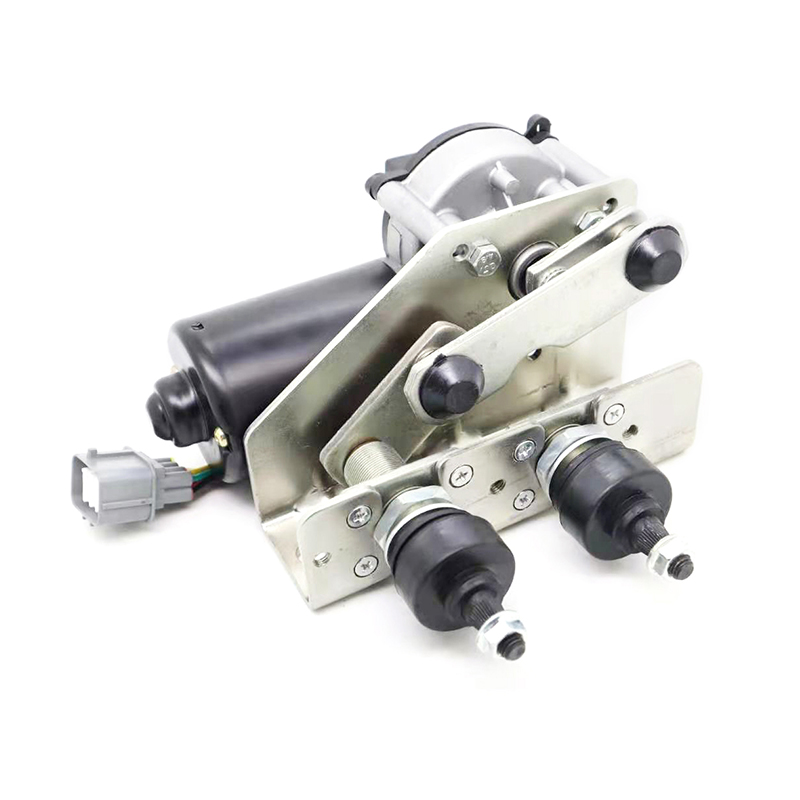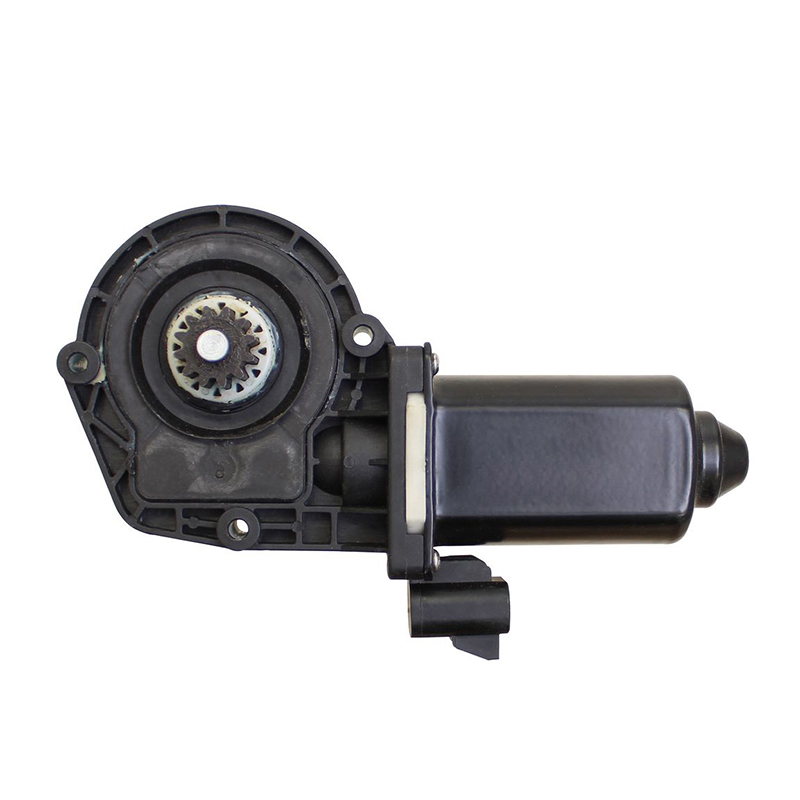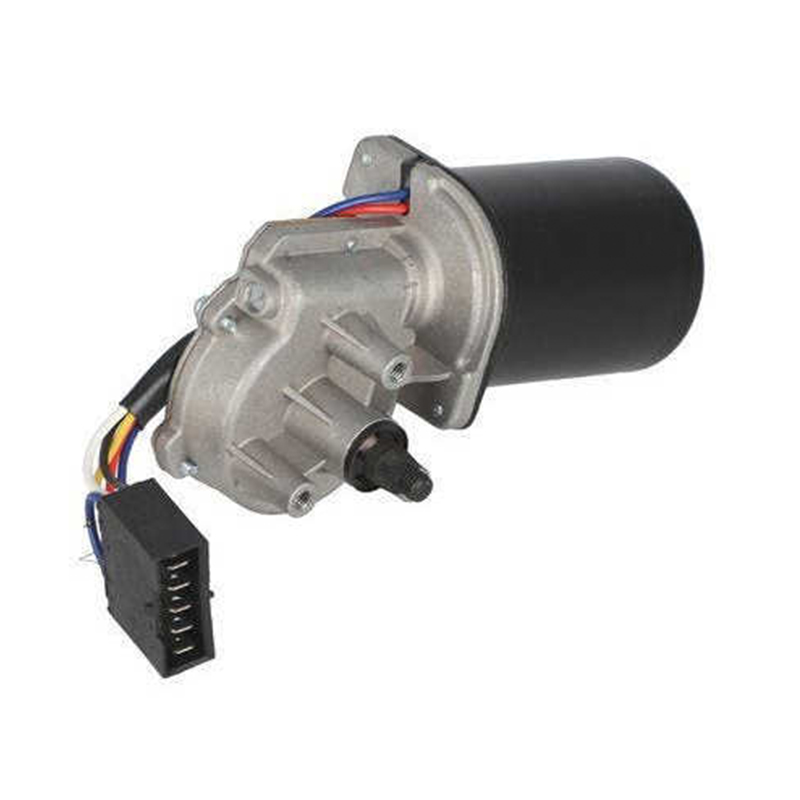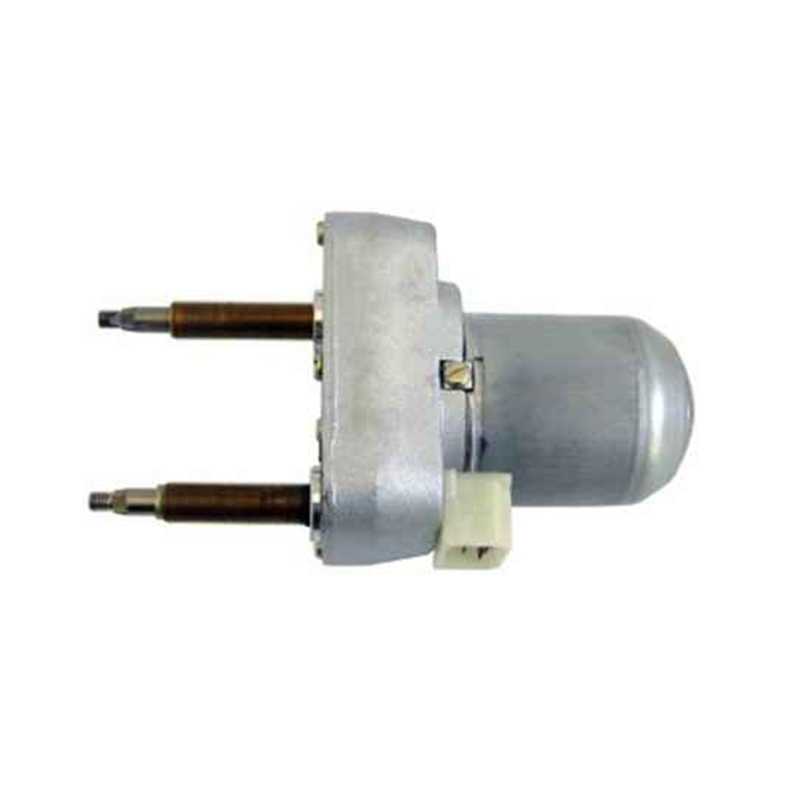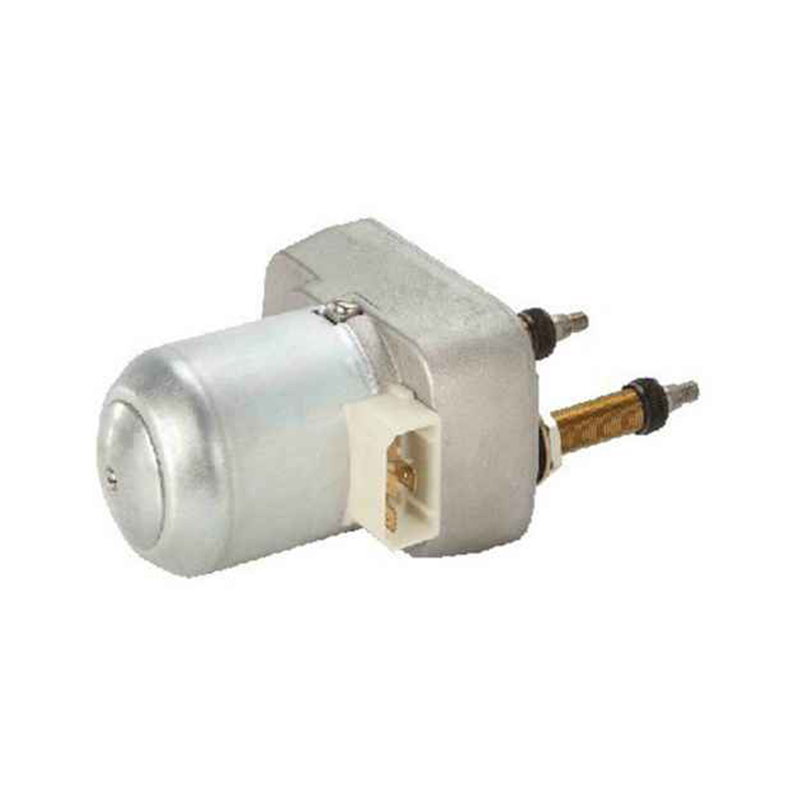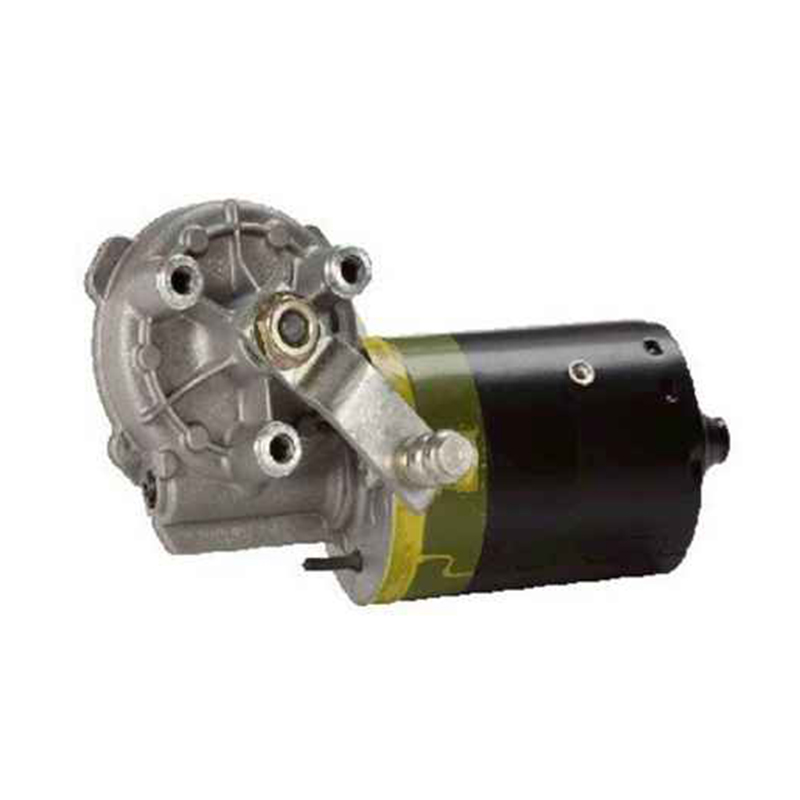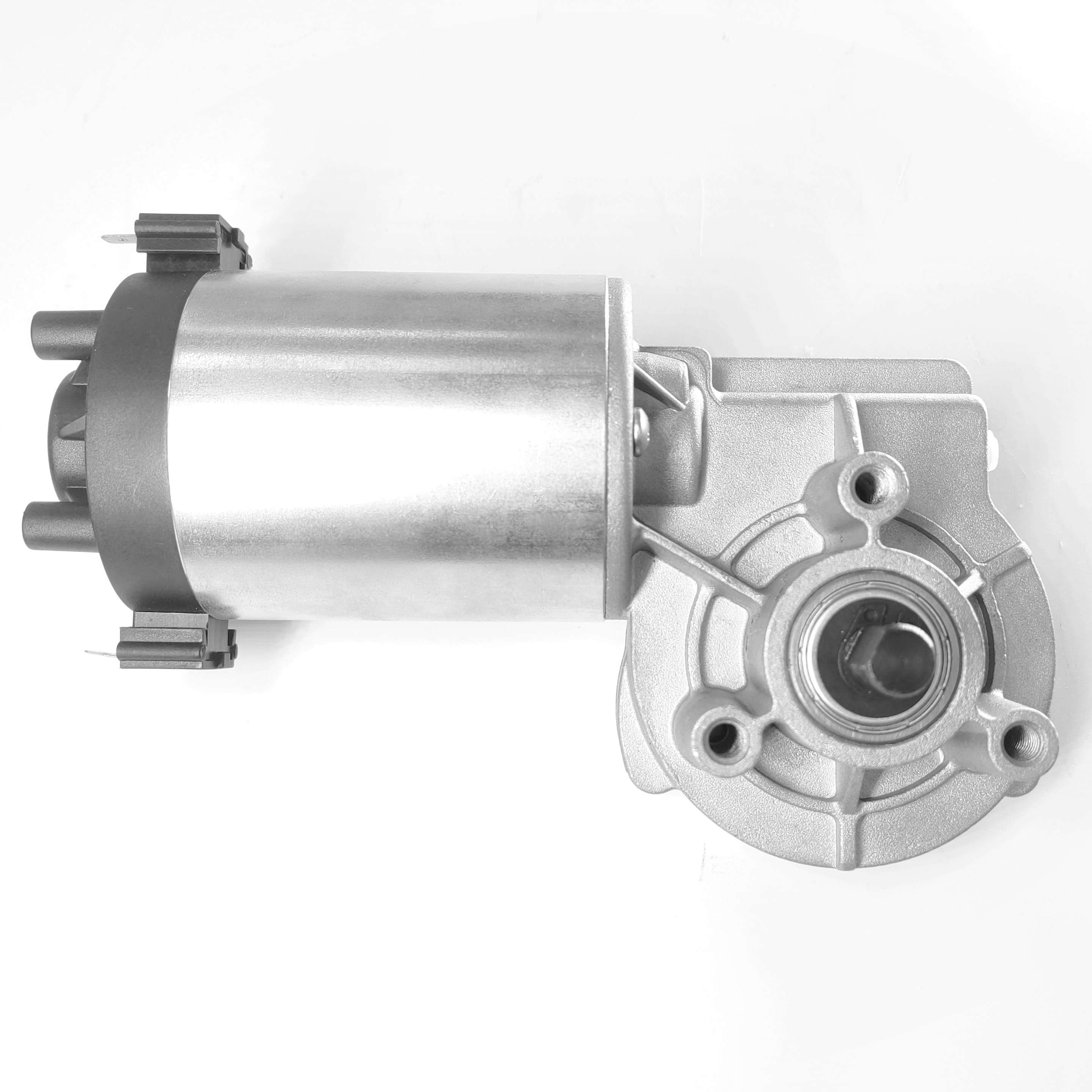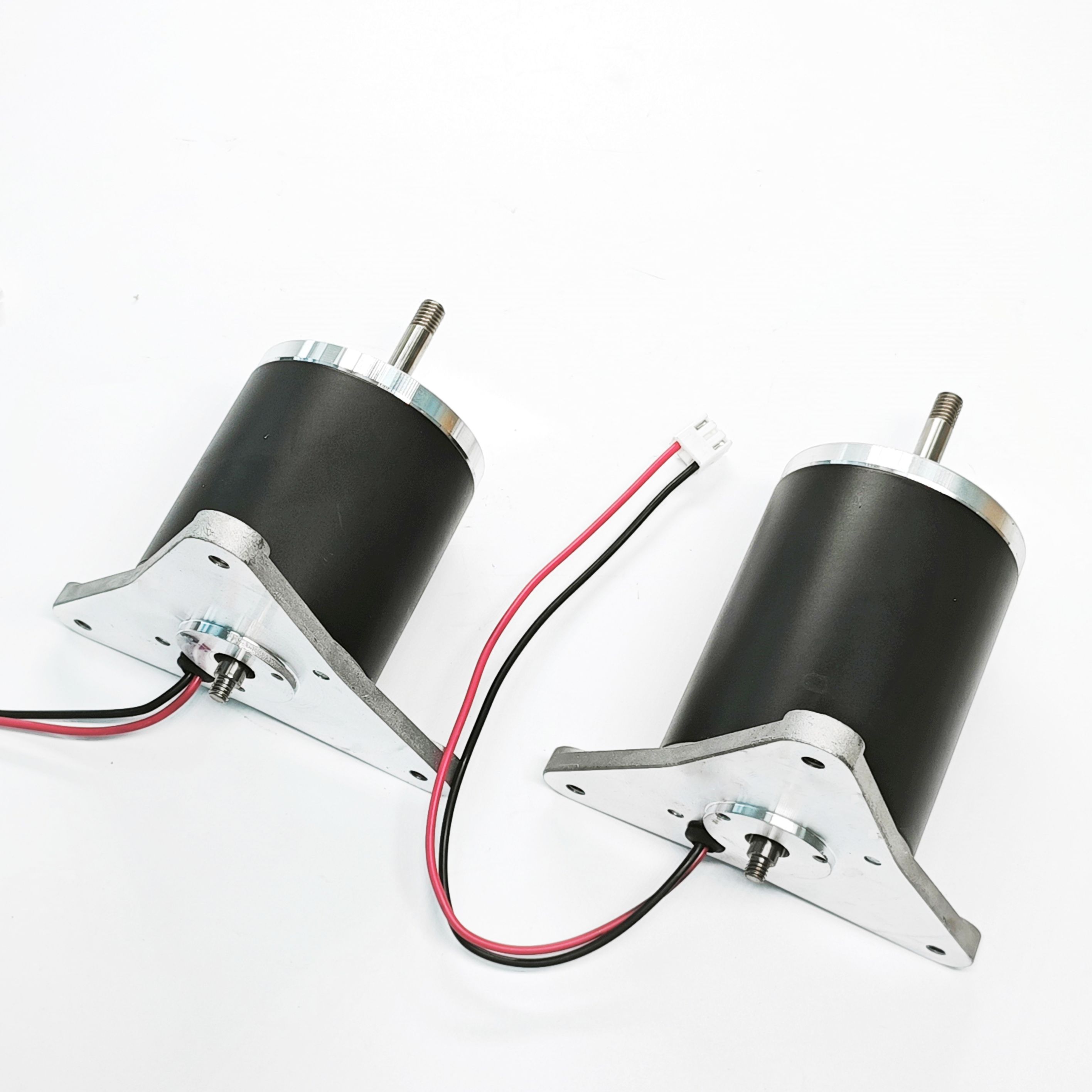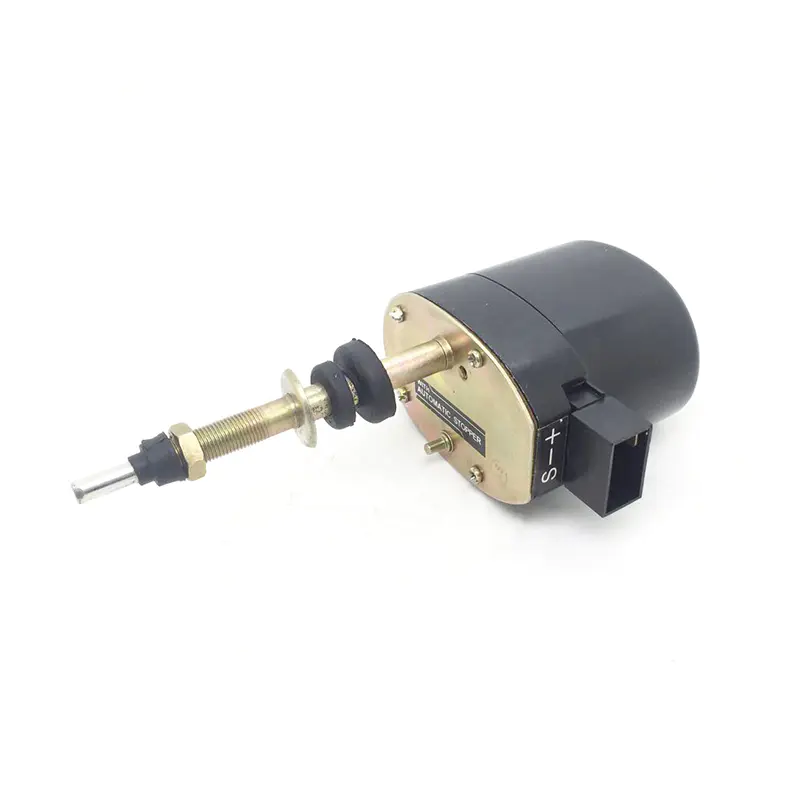
Automotive OEM projects depend on many components working together in ways that aren't always obvious from the outside, and the windshield wiping system is one of the parts that needs to fit naturally into the vehicle design from the start. A Wiper Motor Manufacturer can support this process by working with vehicle manufacturers from early product discussions through production and later supply stages spanning years.
The motor isn't simply a replacement part that can get selected after the vehicle has already been designed, since its size, connection method, movement, and installation position need to match the surrounding system precisely. OEM projects can also involve genuinely different vehicle structures across a lineup, which means a general product may not always fit the intended application without changes.
A manufacturer that understands custom development can help buyers discuss the actual vehicle requirements before deciding on a product design that locks in months of tooling. This type of cooperation can make communication a lot more direct, since the manufacturer receives information about the vehicle instead of only receiving a request for a standard motor off a catalog page.
The relationship between the motor and the wiper assembly also matters quite a bit here, since the motor needs to support the intended movement of the windshield wipers across the glass. Vehicle use can create different requirements as well, with passenger cars, commercial vehicles, utility vehicles, and specialized vehicles often having different design conditions built into them. OEM cooperation therefore involves more than producing a motor and shipping it out. The supplier becomes part of a wider product development process that stretches well beyond the factory floor.
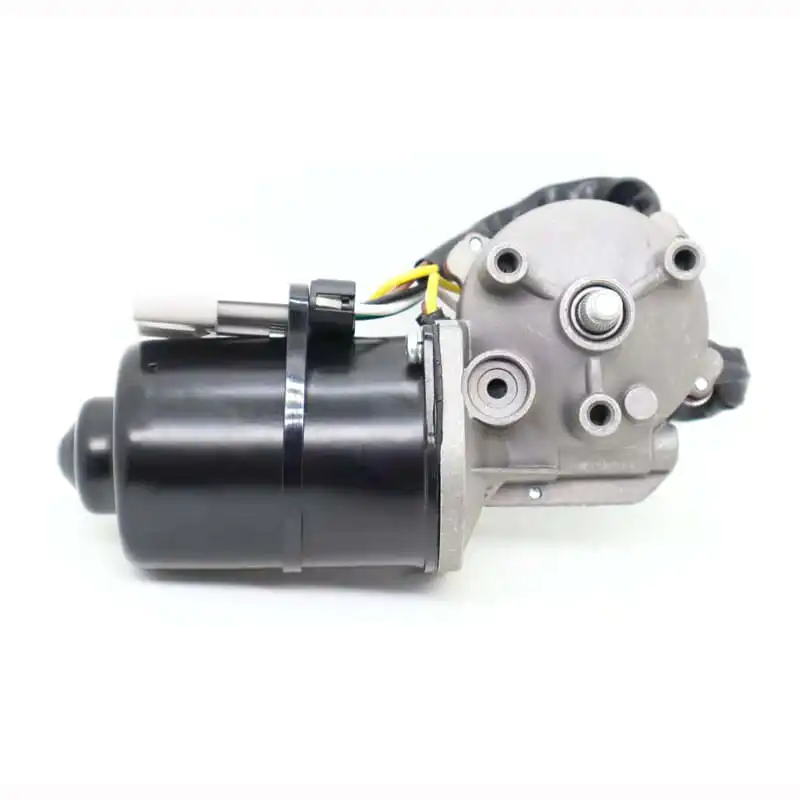
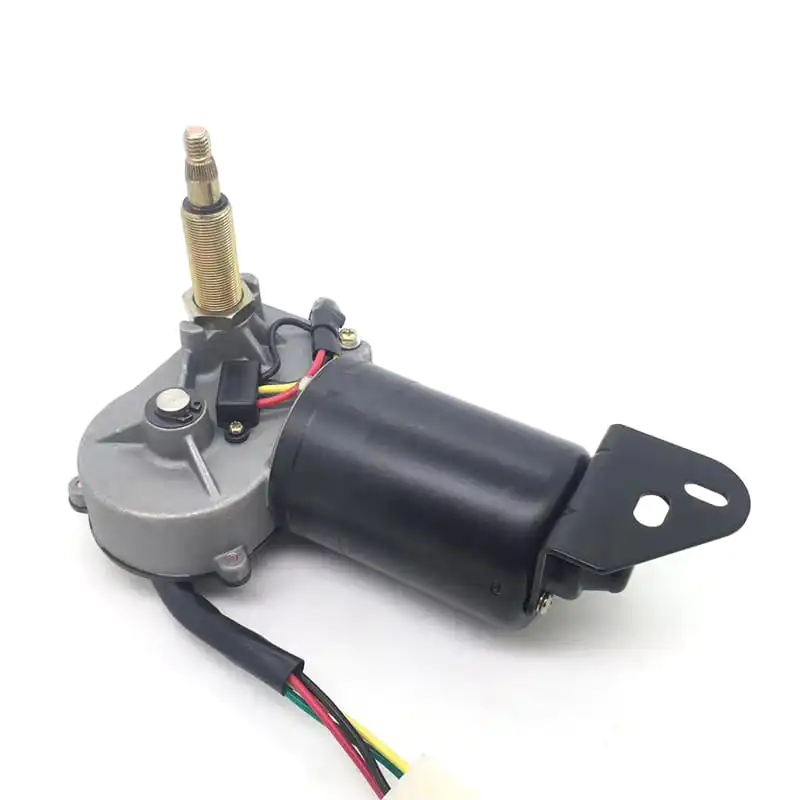
Vehicle matching is one of the key challenges in automotive component development, since available space and surrounding parts can vary quite a bit from one vehicle design to another on the same platform. A customized Wiper Windshield Motor can get developed around the specific installation needs of an OEM project, rather than forcing the vehicle structure to accept an unsuitable standard product pulled off a shelf.
The development discussion may include the motor's mounting position, connection arrangement, operating direction, and relationship with the wiper assembly it's driving. Design teams can also review how the motor fits into the available vehicle space, since nearby components may limit the available installation area more than expected.
The shape of the motor housing can become genuinely important when the windshield area or engine compartment has a compact layout with little room to spare. Connection details also need consideration, since the motor must work with the vehicle's electrical and control system already wired throughout the platform.
A practical development process starts with clear information from the vehicle manufacturer, including drawings, samples, installation details, and expected operating conditions for the application. This information gives the supplier a genuinely better understanding of the actual application it's building toward.
Communication can also continue through sample development, allowing the OEM team to review the proposed product before moving toward larger production runs. Customization doesn't necessarily mean creating an entirely new product for every vehicle on the lineup, since an existing design may sometimes get adapted to meet the needs of a new application instead. The important point is that the motor should get evaluated as part of the complete vehicle, rather than as an isolated component sitting on a test bench.
Testing gives OEM teams an opportunity to review whether a proposed motor is genuinely suitable for the intended vehicle application before committing to volume. The testing process can begin with basic checks of appearance, assembly, operation, and compatibility with the surrounding wiper system it's paired with.
Samples may then get installed in the intended vehicle structure, so the development team can observe how the motor behaves during normal use across the windshield. This stage can reveal practical issues that may not be obvious from drawings alone, no matter how detailed they look on paper.
For example, the position of nearby components may affect installation more than expected, while the connection arrangement may need adjustment before production begins in earnest. Testing can also help confirm that the motor supports the expected movement of the windshield wipers across different speeds and conditions.
The goal isn't simply approving the motor as an individual product sitting in isolation. It's understanding how it performs within the vehicle environment it's actually going to live in. A clear testing process can therefore reduce uncertainty before mass production starts and locks in tooling costs.
OEM teams may also define their own inspection requirements specific to their program, and the supplier needs to understand these expectations before production planning begins in earnest. Manufacturers can maintain records of sample development and inspection results to support communication between engineering and purchasing teams working on the same project.
This creates a genuinely clearer path from product development to production approval down the line. Testing also provides an opportunity to identify design changes early, when adjustments are generally a lot easier to discuss than after large-scale production has already started rolling.
Once a motor design has been accepted by the customer, production planning becomes a genuinely important part of OEM cooperation going forward. Automotive manufacturers depend on stable supply arrangements, since component availability is closely connected with their own production schedules downstream.
A Wiper Motor Manufacturer needs to consider materials, assembly processes, inspection procedures, packaging, and shipment arrangements as part of the supply plan it maintains. The production process should also remain consistent with the approved product design agreed upon earlier.
Changes in materials or assembly methods may affect the final product in subtle ways, so communication between the supplier and OEM customer should continue throughout production, not just at the start. Quality checks can get arranged at different stages to identify problems before products leave the factory floor.
Packaging also deserves attention here, since automotive components need to arrive in a condition that allows them to move into the next stage of production without unnecessary handling problems along the way. Clear product identification can help OEM purchasing and warehouse teams manage incoming components without confusion.
For larger projects, manufacturers may also need to coordinate production planning with the customer's expected supply rhythm across a calendar. This can help reduce unnecessary interruptions and make inventory planning a lot easier for both sides involved.
The relationship between production and supply is especially important for China Wiper Motor projects, where overseas OEM customers may need clear communication about manufacturing, inspection, packaging, and shipment arrangements spanning long distances. A reliable supply process depends on more than factory capacity alone, since planning, communication, and product consistency all contribute to the purchasing experience over the life of the program.
OEM buyers often have genuinely different priorities from replacement-parts distributors or general aftermarket customers shopping for a quick fix. An OEM buyer needs to consider whether the supplier can participate in product development, communicate with engineering teams, support testing, and maintain production after approval across the program's life.
Several areas can help structure the supplier evaluation worth walking through.
| Evaluation Area | Practical Question |
|---|---|
| Development | Can the supplier discuss customized vehicle requirements? |
| Vehicle matching | Can the product fit the intended vehicle structure? |
| Samples | Can development samples be provided for review? |
| Testing | Can the supplier support the agreed testing process? |
| Production | Can the approved design be maintained during production? |
| Inspection | Are product checks part of the manufacturing process? |
| Packaging | Is the product prepared for safe handling and storage? |
| Communication | Can engineering and purchasing teams communicate clearly? |
These questions help buyers look beyond the product itself sitting on a spec sheet. A supplier may have a wide product range on paper, but OEM cooperation depends on whether the manufacturer can understand and respond to the customer's specific project requirements as they evolve.
Technical discussions should also get presented in practical language whenever possible, especially when purchasing teams and engineering teams need to coordinate with the same supplier across different priorities. Clear drawings and samples can help reduce misunderstandings during this back-and-forth considerably.
Buyers can also ask how product changes are managed after approval, since automotive projects may continue to develop during production planning long after the initial sign-off. This makes supplier communication an ongoing part of the OEM relationship, rather than a one-time purchasing conversation that ends once the contract is signed.
OEM cooperation often continues well beyond the initial product order, since vehicles may remain in production and require ongoing component supply for years afterward. A Wiper Motor Manufacturer can support this relationship by maintaining clear communication about production, inspection, packaging, and future product changes as they come up.
Customer feedback can also help identify areas where the product or supply process could get adjusted for the better. For example, an OEM customer may request changes to the motor housing, connection arrangement, packaging, or installation details for a future vehicle application down the line.
The supplier needs to understand whether the requested change affects only the product design or also the manufacturing process behind it. A structured communication process can help both sides review these changes before they get introduced into the line.
Long-term cooperation can also benefit from clear responsibilities laid out early on. The vehicle manufacturer can provide updated application information as the platform evolves, while the supplier can communicate about production changes that may affect the approved product already in service. This exchange helps keep both sides aligned as the project develops over its lifecycle.
After-sales communication is another part of the relationship, even for products supplied directly to vehicle manufacturers rather than through a distributor. Questions about replacement components, product identification, or future applications may arise well after the original project has entered regular production and moved into steady-state supply. A supplier that remains available for these discussions can make the relationship a lot easier to manage over the years. OEM cooperation is therefore built around continued communication, rather than a single transaction that ends at delivery.
Product consistency becomes genuinely important once a component gets installed repeatedly across a vehicle production process running for months or years. The motor needs to maintain the agreed design, so assembly teams can work with a predictable component every time it arrives.
Changes in the product's appearance, connection arrangement, or installation position may create additional work for the vehicle manufacturer that nobody budgeted for. This is why manufacturing controls and inspection routines are closely connected with OEM supply throughout the program.
A China Wiper Motor supplier working with international automotive customers may also need to communicate clearly across different production and purchasing teams spread across time zones. Samples approved during development provide a genuinely useful reference for later production runs months down the line.
The production team can use these approved samples and related product information when checking finished components against the original standard. This creates a link between product development and mass production that holds the whole program together.
Packaging consistency can also support factory operations, since incoming components can get handled and stored in a familiar way without retraining staff each time. The same principle applies to product labeling and documentation, which can help purchasing and warehouse teams identify components a lot more easily on a busy dock.
For OEM customers, consistency isn't only about the motor itself sitting in a box. It also includes how the product is packed, identified, inspected, and delivered as part of the larger supply process feeding the line.
Automotive design continues to create new requirements for component suppliers, as vehicles become more varied in form, function, and interior and exterior layout across a growing lineup. Wiper motors need to fit different vehicle structures while continuing to support the basic purpose of windshield cleaning that drivers depend on daily.
This creates opportunities for manufacturers that can combine product development with flexible production support across multiple programs at once. The role of the supplier can begin with a simple project discussion and develop into sample production, vehicle testing, production approval, and ongoing supply stretching years into the future.
Manufacturers may also need to support different customer groups at the same time, including vehicle makers, system suppliers, distributors, and specialized vehicle producers with their own timelines. Each customer may have a genuinely different approach to product development and purchasing depending on their internal processes.
For this reason, communication skills are becoming just as important as manufacturing capability within many OEM projects today. A supplier needs to understand what the customer is asking for and translate that information into a product that can move through development and production smoothly without costly rework.
Customization also remains relevant, since vehicle platforms can have genuinely different installation conditions from one model to the next. The ability to adjust a Wiper Windshield Motor around a particular application can give OEM teams more freedom during vehicle development without forcing compromises elsewhere. At the same time, the supplier must keep production practical and maintain clear quality checks throughout the run. This balance between customization and repeatable manufacturing continues to shape how wiper motor suppliers participate in automotive OEM projects across the industry.

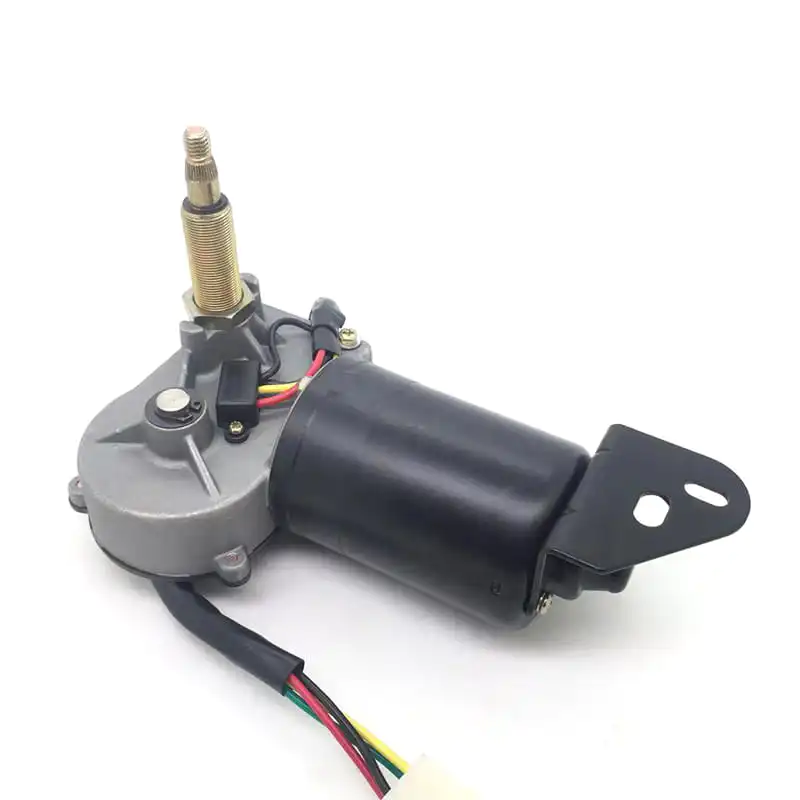

Tel:+86-0577-66009580
Mobile: +86-18858801083
E-mail:juntmotor@126.com
Whatsapp:+8618858801083
WeChat: +86-18858801083
 WeChat

Automotive Reduction Motors Manufacturer

 +86-0577-66009580
 juntmotor@126.com
 Language
  English
 Português