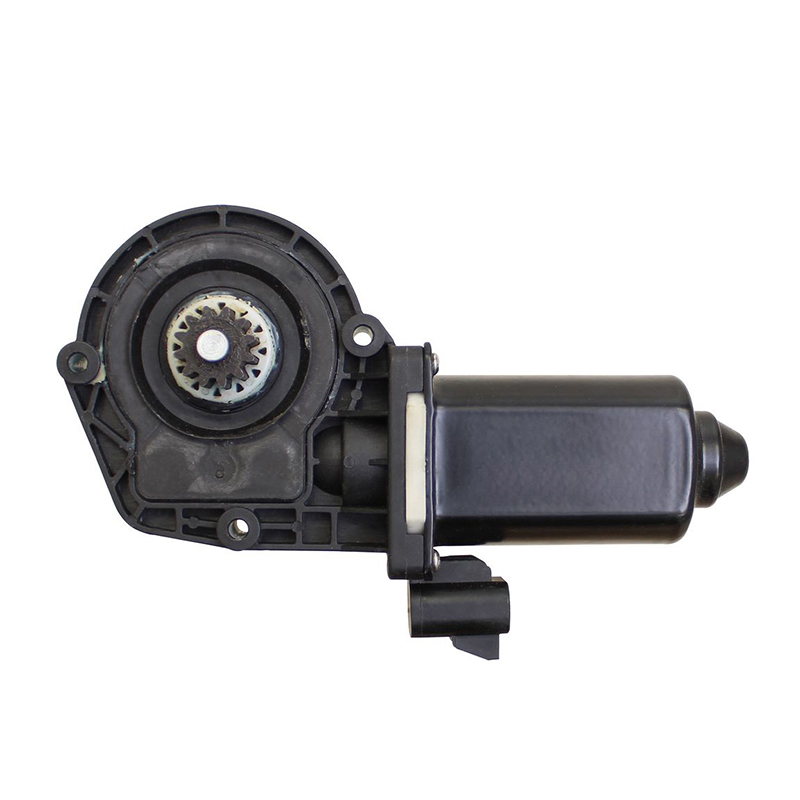
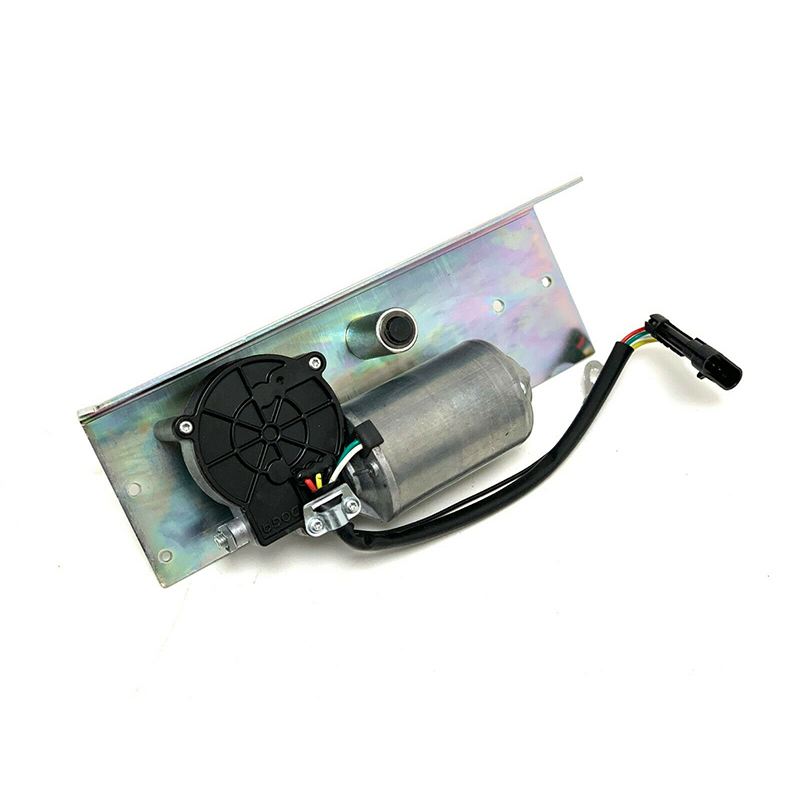
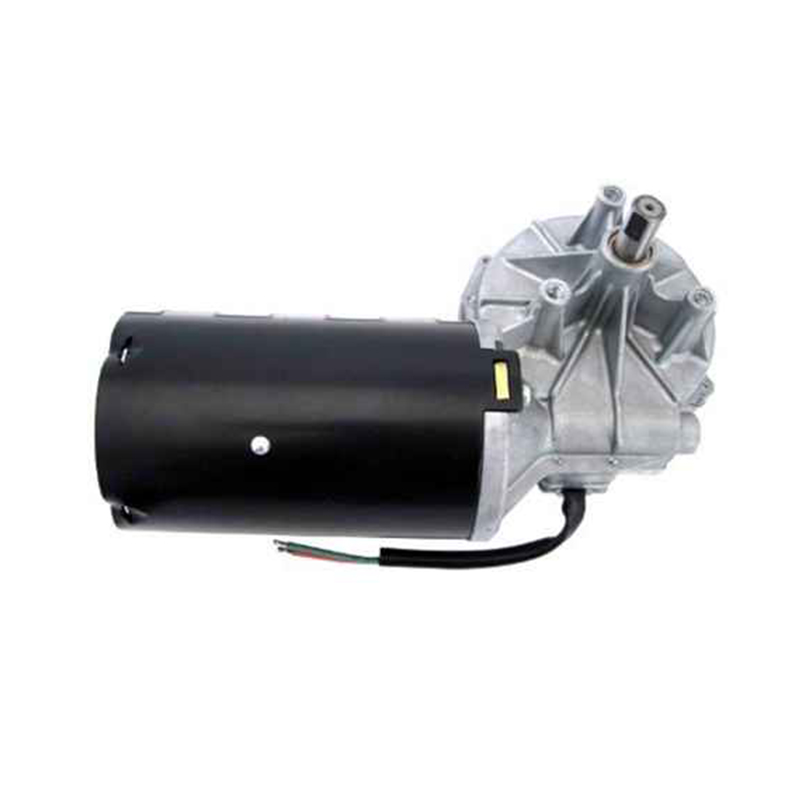
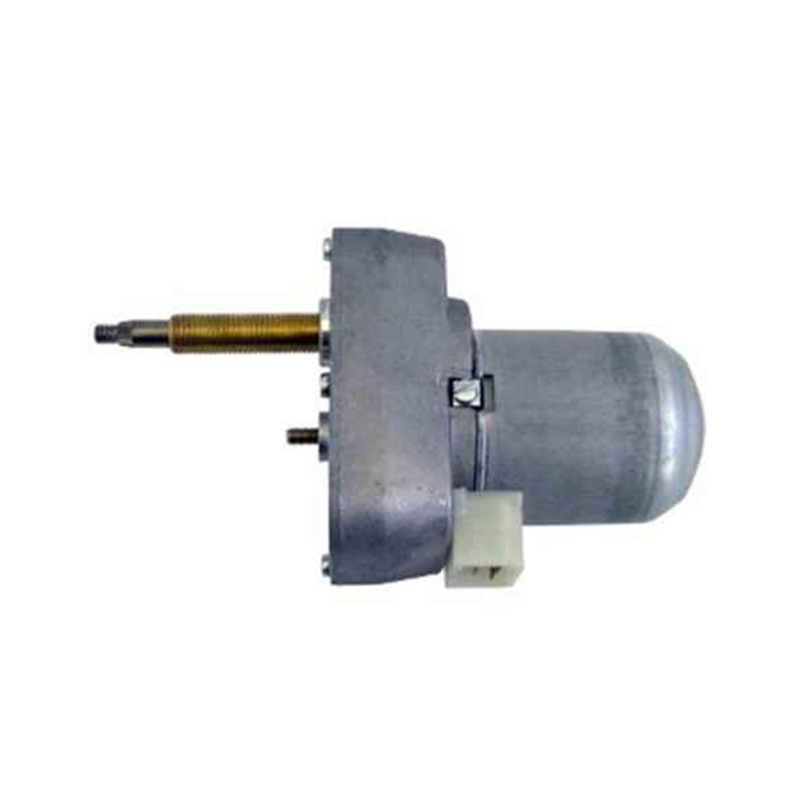
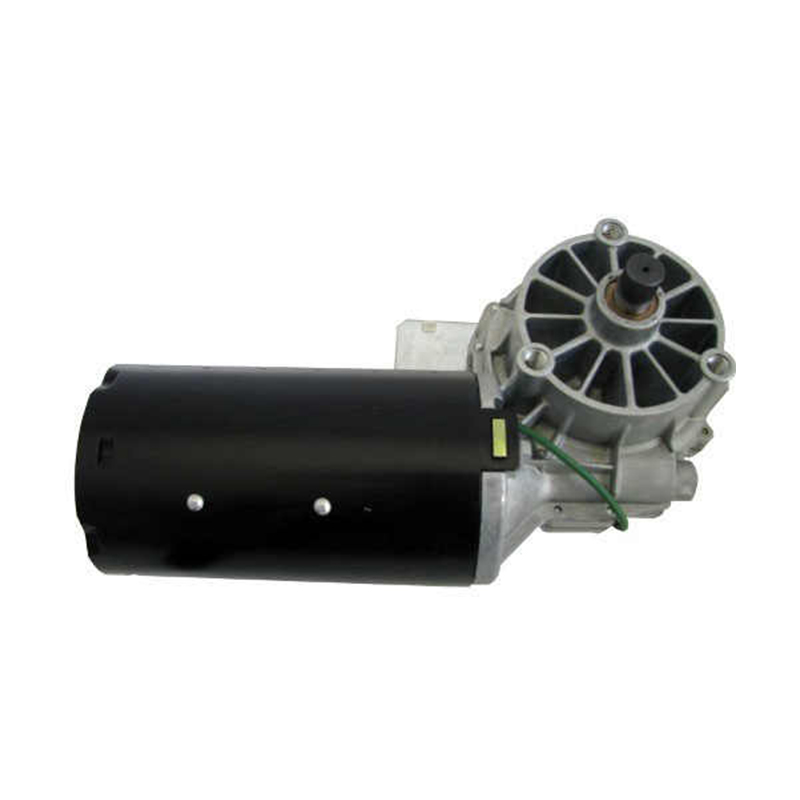
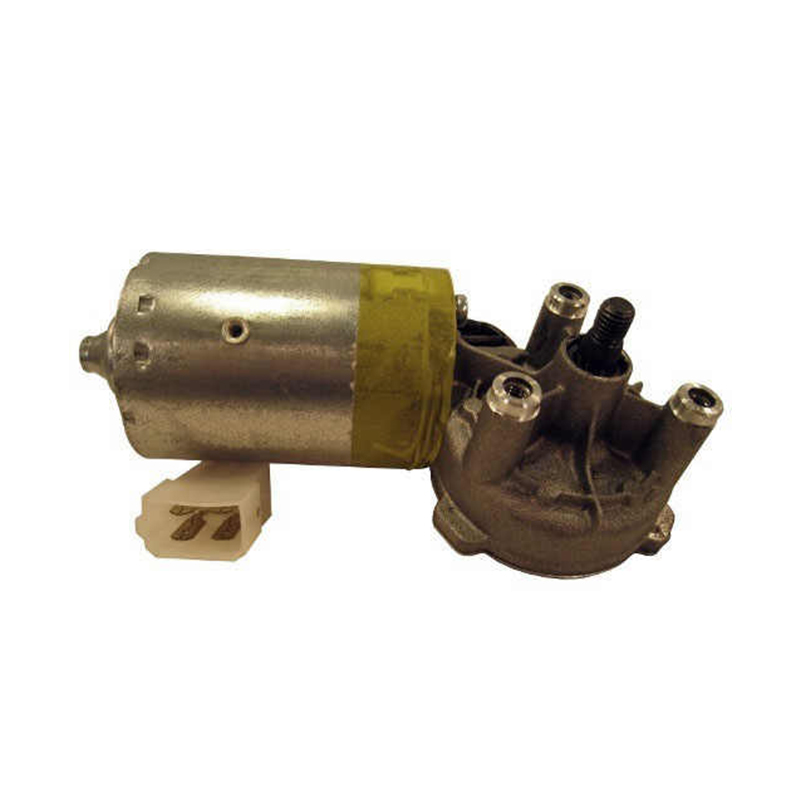
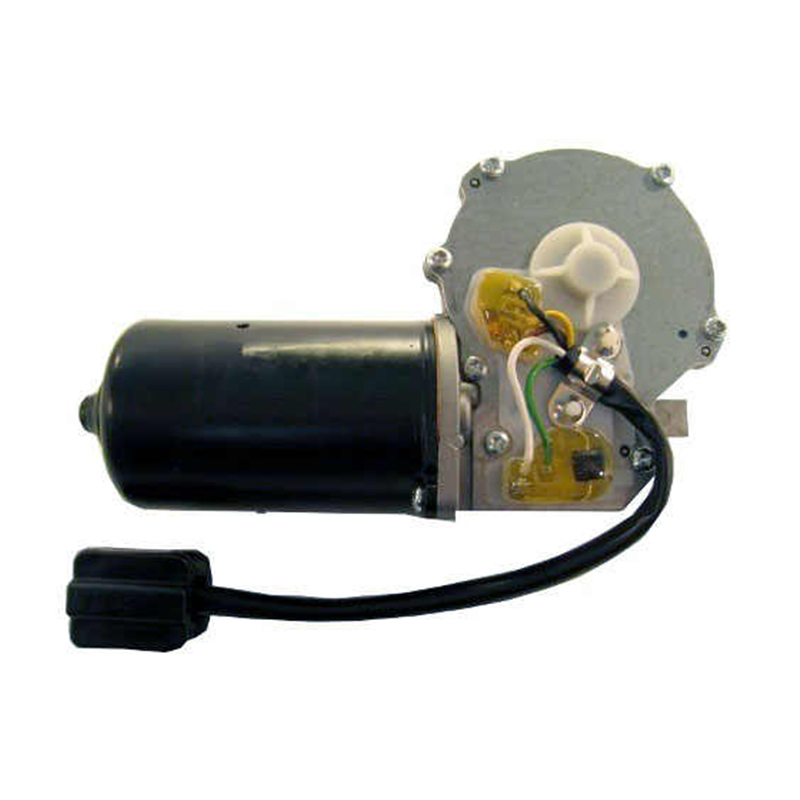
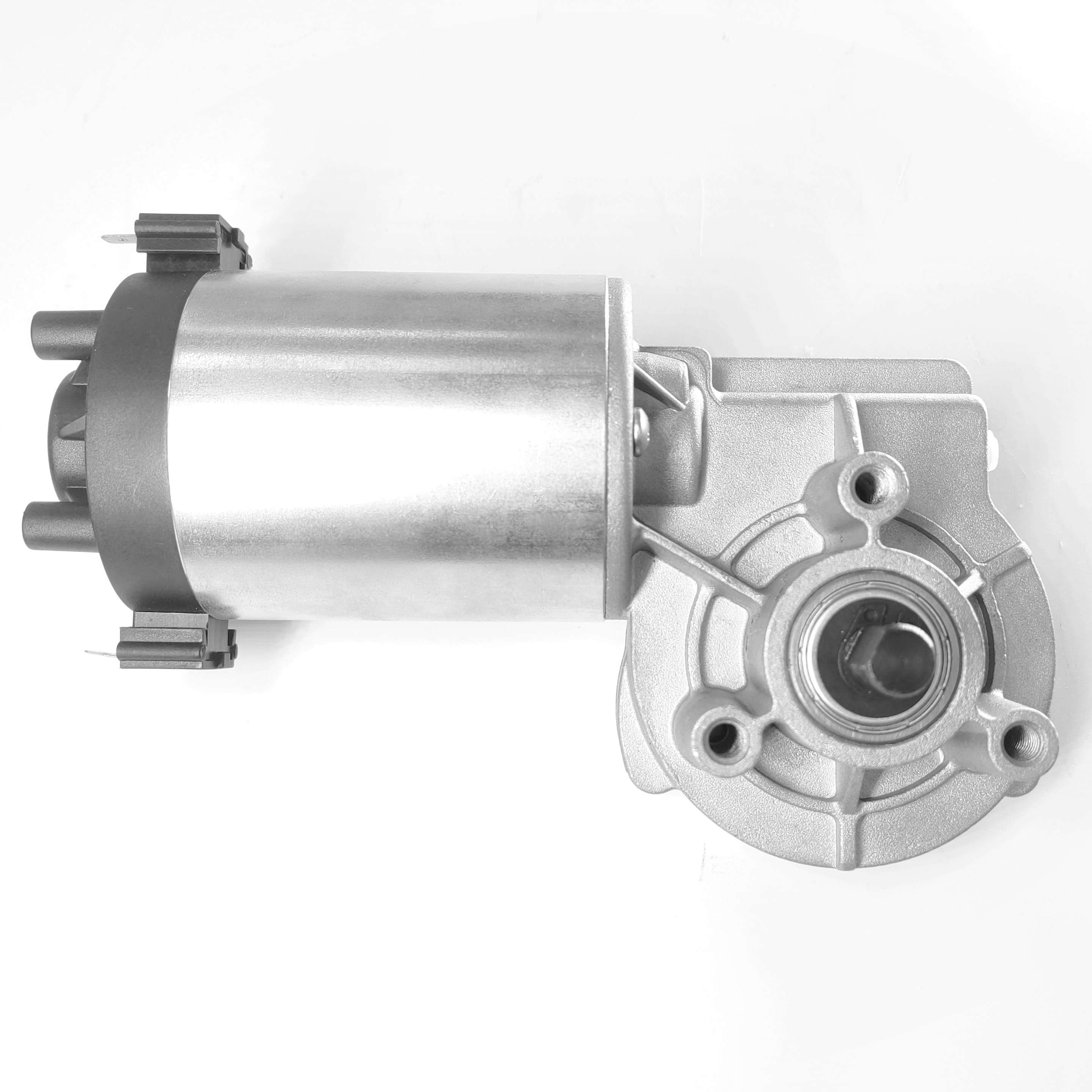
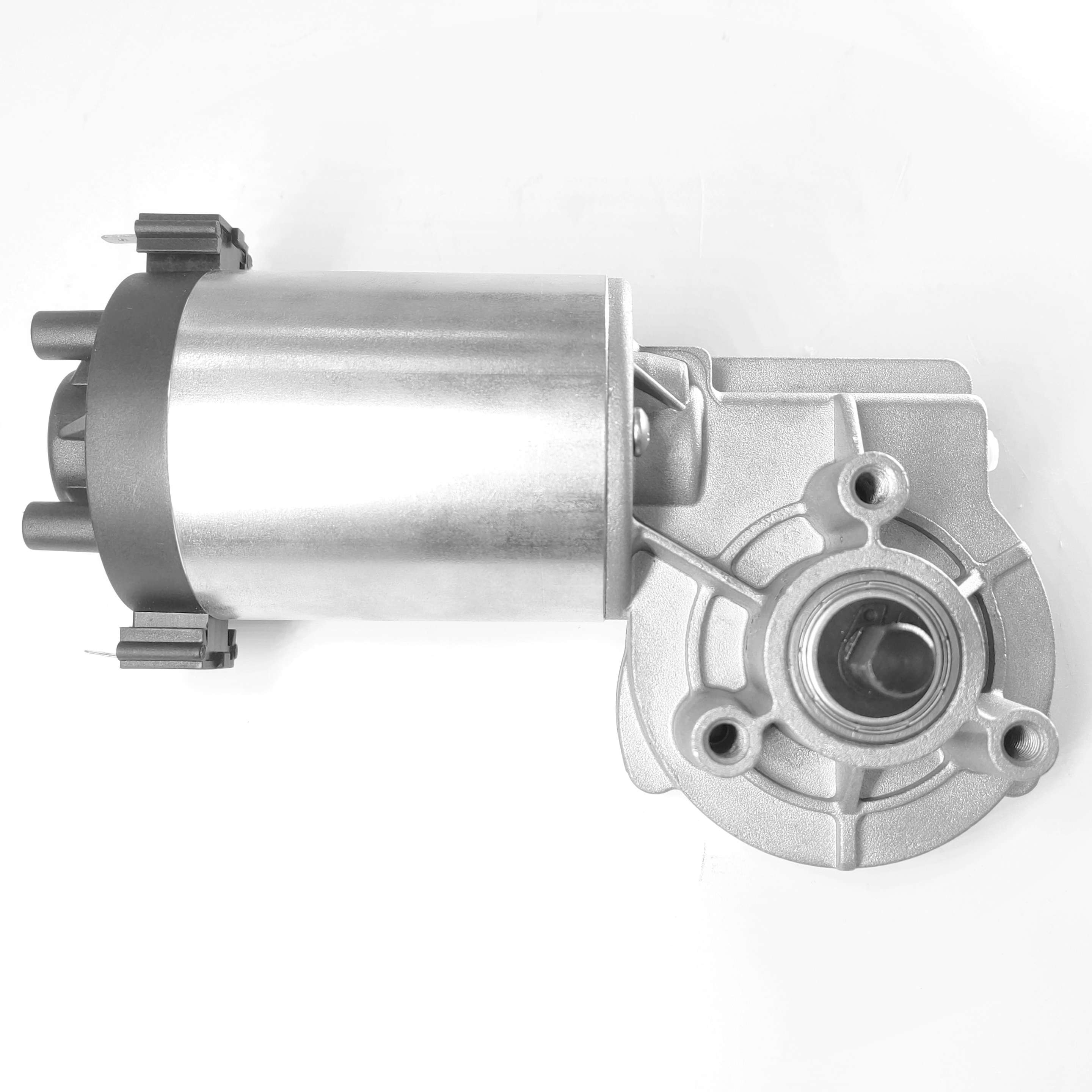
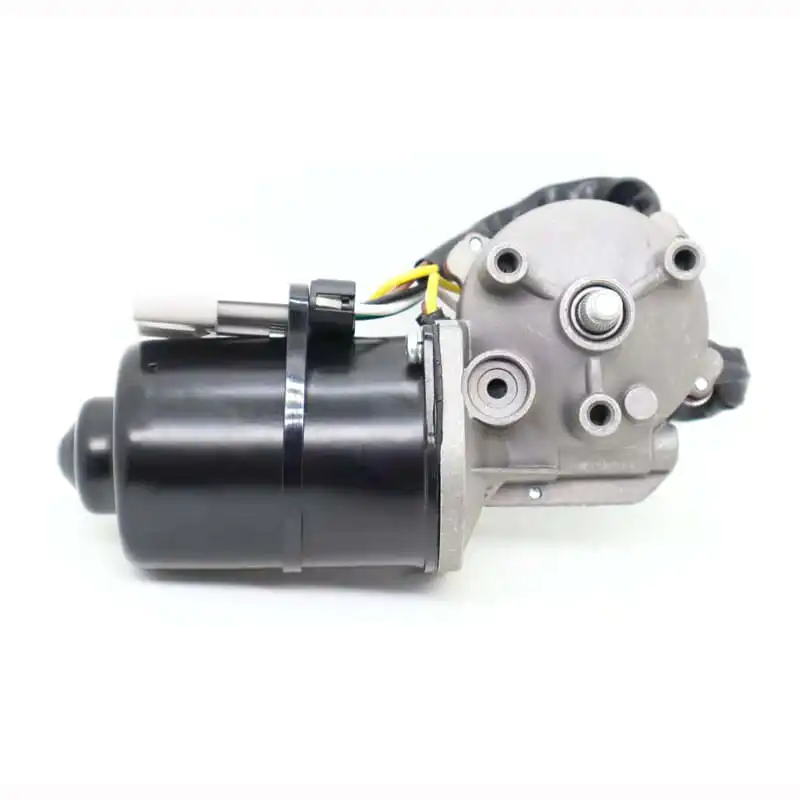
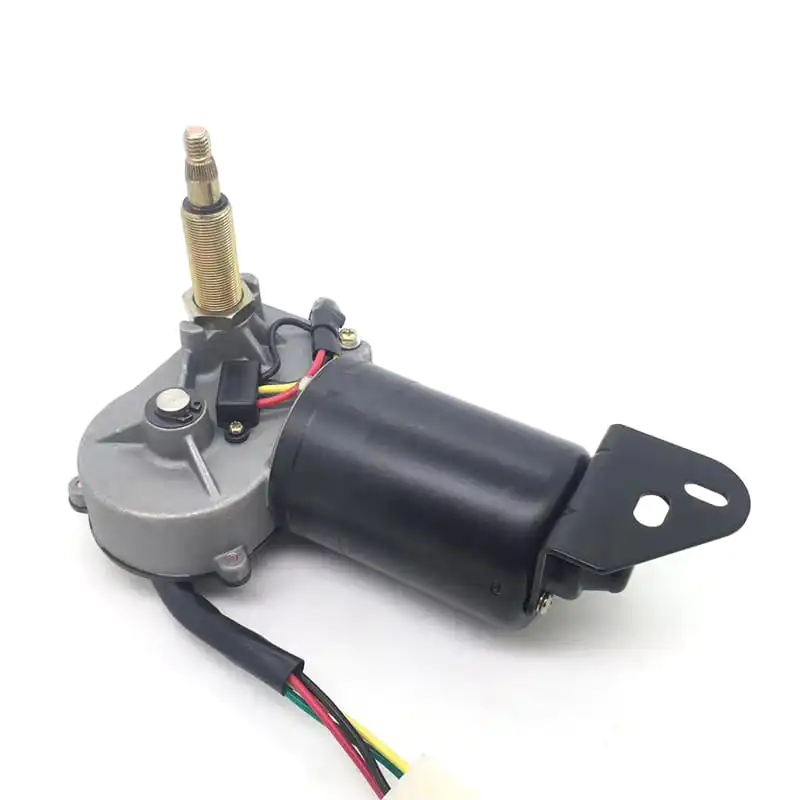
A windshield wiper can seem completely normal until the exact moment it's needed most during a sudden downpour. The blades may move as usual during light rain, yet a small change inside the system can already be developing into a larger problem underneath the surface, and this is one reason a Wiper Windshield Motor can be difficult to assess through a quick visual check in a driveway. Some problems develop gradually over weeks, while others only appear once the motor works under greater resistance or for a longer stretch of time, and the early signs are often easy to overlook while driving since a slight change in wiping speed, a short pause during movement, or an unfamiliar sound may seem unimportant when the windshield is still getting cleared well enough to see through.
The situation can become a lot more noticeable once rain turns heavier, the vehicle has been parked for a long time in the cold, or the wipers get used repeatedly through a storm, and at that point a problem that was already developing may suddenly become impossible to ignore behind the wheel. For vehicle manufacturers, repair businesses, and parts buyers, understanding this pattern matters because a motor doesn't always fail in a simple on-or-off manner, and a Wiper Motor Manufacturer also needs to consider how small changes in operation can appear well before a complete loss of movement.
A motor can gradually lose its ability to maintain normal operation without producing an obvious failure at the beginning. Internal wear, changing electrical contact, increased resistance in the wiper mechanism, or repeated operating stress can all affect how the motor behaves over time.
The driver may not notice the change at first, since the wipers still move across the glass on every pass. The system appears functional, even though the motor may be working a lot harder than it did a few months earlier.
This creates a gap between visible operation and actual condition underneath. A wiper doesn't need to stop completely for a real problem to already exist inside the housing. Several early changes can be genuinely subtle on any given commute.
These signs don't automatically prove the motor itself is failing outright. The wiper system contains several connected parts, and another component may actually be responsible for the change in behavior. Still, unusual behavior shouldn't get ignored simply because the blades continue moving across the glass. A developing problem may become a lot more apparent once the system faces greater demand during a real storm.
Wiper speed is one of the easiest changes for a driver to notice, since people grow familiar with the normal rhythm of their own vehicle over years of driving it. When the blades begin moving slightly slower, the difference may show up more clearly during repeated use than during a quick roadside test.
A small reduction in movement speed can trace back to several possible causes. The motor may be experiencing increased internal resistance, the mechanical parts may not move as freely as before, or the electrical supply may not stay consistent under load.
The important point is that the motor and wiper mechanism work together as one system, not in isolation. A change in blade movement doesn't always mean the motor itself has suddenly lost its ability to operate at all. A driver may notice a pattern developing something like this over a season:
The actual sequence can vary quite a bit from vehicle to vehicle. Some motors may keep working for a long stretch with reduced performance, while others may stop entirely during one particular operating condition.
Weather can also make the difference a lot more visible on the road. Light moisture may create very little resistance, while heavier rain and repeated wiping can place genuinely greater demand on the whole system. A Wiper Windshield Motor that operates normally during a short test in the garage may therefore behave quite differently after several continuous wiping cycles in traffic. This is why observing the system under ordinary use can sometimes reveal changes that a stationary inspection simply doesn't show.
Electrical contact is another area where a problem may develop gradually behind the dashboard. A motor depends on a consistent electrical connection to keep operating properly, but small changes in that connection may not immediately stop the system from running.
The result can be an intermittent problem that's genuinely hard to pin down. The wipers may work during one attempt and fail during another, making the issue difficult to reproduce in front of a mechanic.
This type of behavior can be frustrating for a driver, since the problem seems to vanish on its own. The wipers operate again a moment later, so there appears to be nothing left to repair. Repeated operation can tell a rather different story over time, though. If the motor occasionally hesitates, stops, or behaves differently after several cycles, that inconsistency itself becomes genuinely useful information for diagnosis.
These observations shouldn't get used to diagnose a specific fault without a proper inspection by someone qualified. They can, however, help a technician understand when and how the problem actually occurs during real use. For a Wiper Motor Manufacturer, consistent electrical behavior is therefore part of the broader reliability question worth testing for. The motor needs to function not only during a brief bench test but across the ordinary operating conditions a vehicle sees on the road.
The motor doesn't move the wiper blades on its own in isolation. It works through connected mechanical parts that transfer that movement out to the arms sweeping across the glass.
If these parts become harder to move, the motor has to work against a lot more resistance than it was designed for. The driver may never see the actual source of that resistance, since much of the mechanism stays hidden beneath the vehicle's exterior panels out of sight.
This can create a genuinely confusing situation for anyone trying to diagnose it. The motor may appear to be the problem because the blades run slow, but the underlying issue could actually sit somewhere else in the mechanism entirely. The condition of the wiper blades themselves can also influence how the whole system behaves under load. A blade that sticks to the glass, becomes difficult to move, or encounters unusual friction can change the load placed on the moving system considerably.
The motor may respond normally for a short period at first but struggle once that resistance continues building. A practical inspection can therefore work through several connected areas one at a time.
This approach prevents the motor from getting blamed automatically whenever the wipers behave a little differently than usual. A China Wiper Motor intended for replacement or vehicle production should also get considered as part of the complete wiper assembly it's going into. Matching the motor with the expected mechanical arrangement helps reduce confusion when diagnosing movement problems down the line.
Some problems don't appear immediately after the wipers get switched on for the first time that day. They become a lot easier to notice only after the system has been operating for a while during a longer drive.
Repeated operation creates continued demand on the motor and the surrounding mechanism together. If a component is already experiencing wear or resistance, extended use can make that change a lot more noticeable by the end of a long trip.
This explains why a motor can appear normal during a short inspection at the shop but behave quite differently during prolonged rain on the highway. The driver may only discover the problem after several minutes of continuous wiping through a real storm. Heat can also affect how some electrical and mechanical components behave under sustained use. A system that works fine when cool may respond a lot differently after repeated operation heats things up.
The important clue is often the timing of when the problem actually shows up. If the wipers work normally when first switched on but slow down, hesitate, or stop after repeated cycles, that pattern is genuinely worth recording somewhere. It gives a technician a lot more useful information than simply saying the wipers sometimes don't work.
Not every heat-related symptom traces back to the motor itself, though. Other electrical or mechanical parts can also respond to changing operating conditions in their own way. A careful diagnosis should therefore focus on the complete system, rather than replacing one component based on a single symptom alone.
Sound is often one of the earliest clues available, since drivers grow familiar with the normal rhythm of their vehicle over months of daily driving. A change may appear well before the wipers actually stop working entirely.
The sound might turn louder, rougher, or more irregular than the driver remembers it being. There may also be a short pause between movements that simply wasn't there before. These changes don't provide a complete diagnosis on their own. They simply indicate the system is behaving differently from its usual condition on the road.
For example, a mechanical part may produce an unusual sound while the motor itself remains perfectly functional underneath it. Another situation may involve the motor working harder because the connected mechanism has grown more resistant to movement. The location and timing of the sound can help narrow down where to look during inspection.
Drivers should avoid assuming a new sound is harmless simply because the wipers continue operating despite it. Small changes can provide genuinely useful evidence when a fault turns out to be intermittent. For manufacturers, sound can also become part of product evaluation, since unusual noise may indicate changes in how the motor interacts with its surrounding components. A Wiper Motor Manufacturer can use this type of observation when planning product testing, inspection routines, and consistency checks during production runs.
A motor that stops while the wipers are actively moving creates a genuinely different situation from one that simply moves more slowly over time. The driver may suddenly lose normal wiping movement entirely while rain is still affecting visibility through the glass.
The stopping position can also provide genuinely useful information for diagnosis afterward. A blade that stops in a different location from its normal resting position may indicate the system lost movement before completing its full cycle. An intermittent stop can be particularly confusing to deal with behind the wheel. The wipers may begin working again after the switch gets changed, the vehicle gets restarted, or the system simply gets left alone for a short period.
That doesn't necessarily mean the problem has actually disappeared for good. Temporary recovery can occur in systems where a developing issue hasn't yet become permanent. A driver who experiences this pattern can record several details worth noting for a mechanic later.
These observations can help a technician actually reproduce the problem back at the shop. For a China Wiper Motor, buyers and installers should also consider whether the replacement component is suitable for the intended vehicle and wiper arrangement it's going into. Correct matching matters here, since a motor can't get properly evaluated separately from the system it's expected to operate within.
A motor's visible operation is only one part of the full product evaluation picture. A component can move correctly during a short inspection and still need assessment under repeated operating conditions that mimic real driving, so product development can examine how the motor behaves across different stages of use rather than just at startup. Pickup of electrical operation, repeated movement, changing mechanical load, and stopping behavior can all provide genuinely useful observations for engineers, and the surrounding mechanism should also get considered, since the motor never operates entirely on its own — a product may perform quite differently once connected to different vehicle layouts or mechanical arrangements out in the field.
Quality inspection can also compare products from different production stages against each other, since consistency matters when small differences in assembly or materials may affect how a motor behaves during repeated operation on the road. For a Wiper Motor Manufacturer, this means product development should look well beyond whether the motor simply turns on command — the more useful question is how it behaves while connected to the complete wiper system and exposed to the types of repeated movement expected during normal driving, and the Wiper Windshield Motor remains one part of a connected system, so diagnosis and product evaluation turn out a lot more useful once electrical behavior, mechanical movement, operating conditions, and driver observations get considered together as one picture.

Tel:+86-0577-66009580
Mobile: +86-18858801083
E-mail:juntmotor@126.com
Whatsapp:+8618858801083
WeChat: +86-18858801083
 WeChat

Automotive Reduction Motors Manufacturer

 +86-0577-66009580
 juntmotor@126.com
 Language
  English
 Português