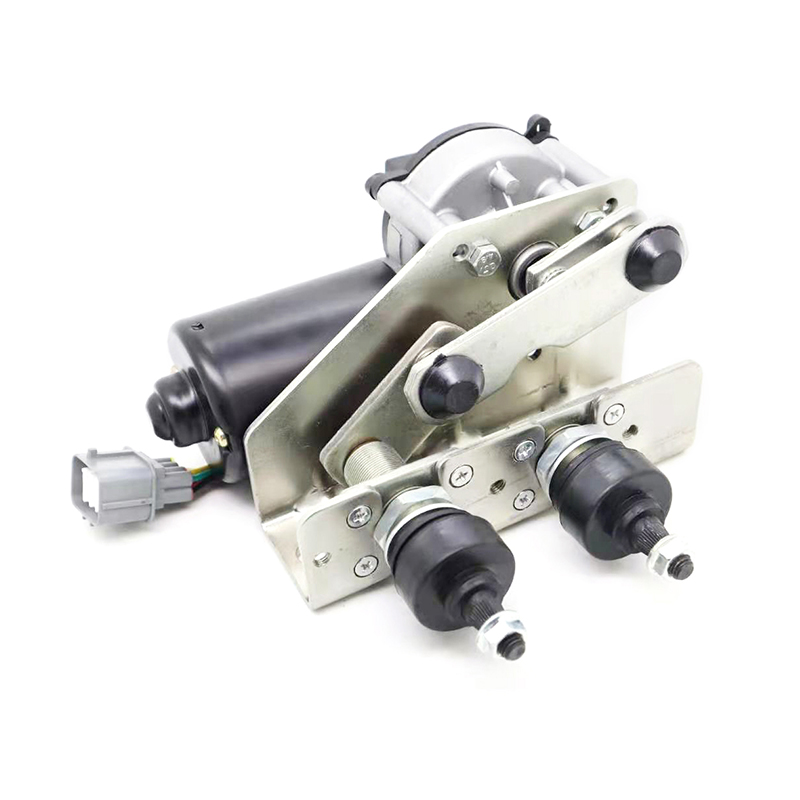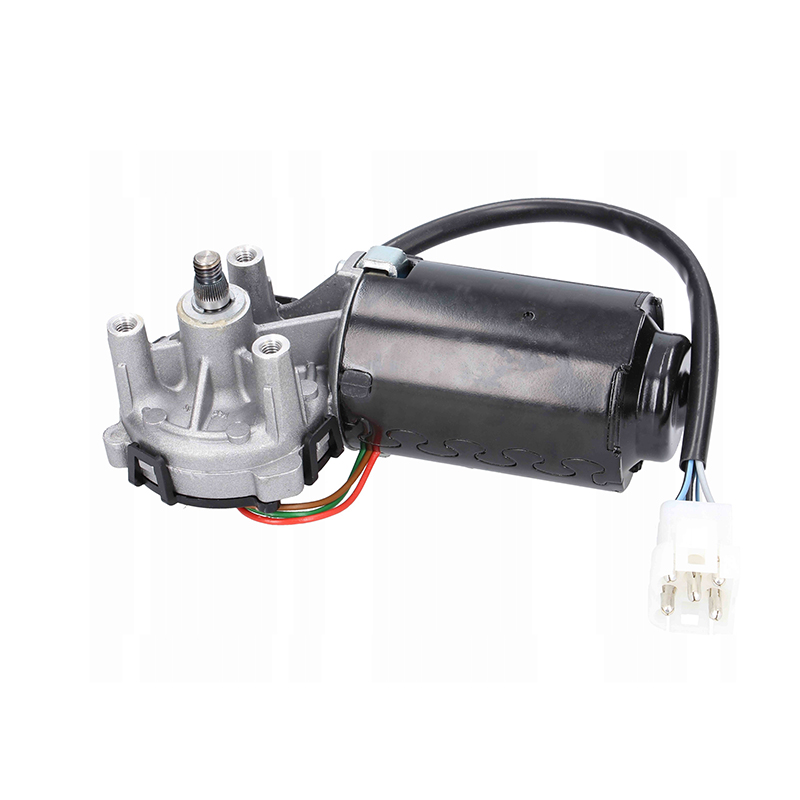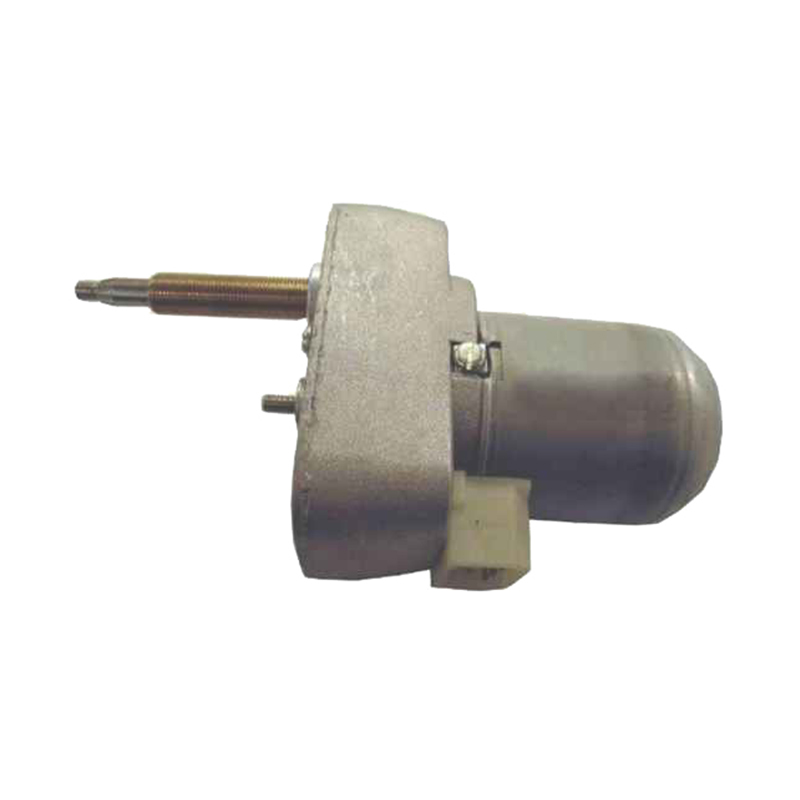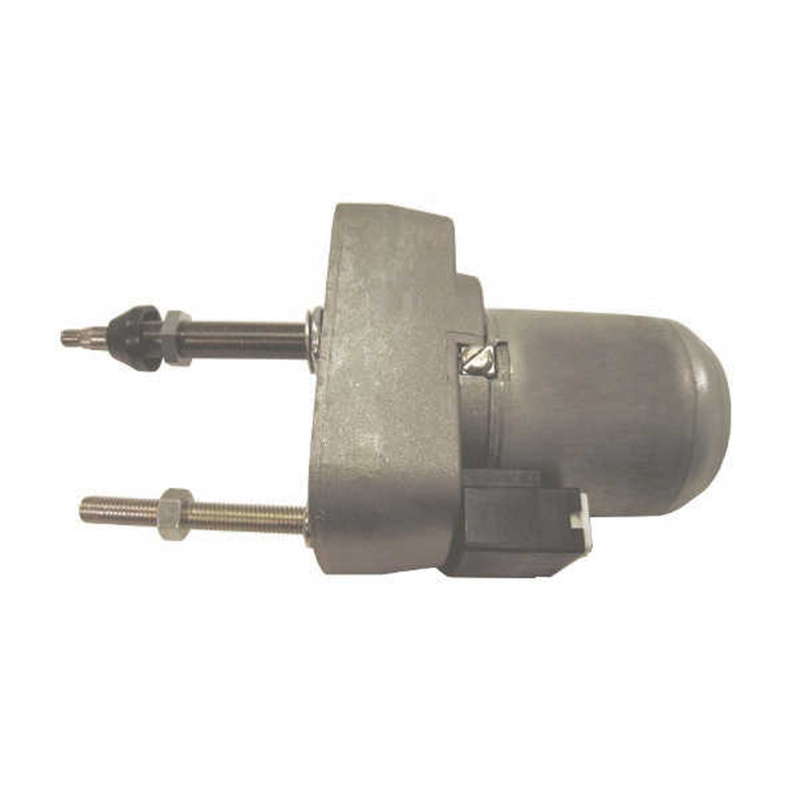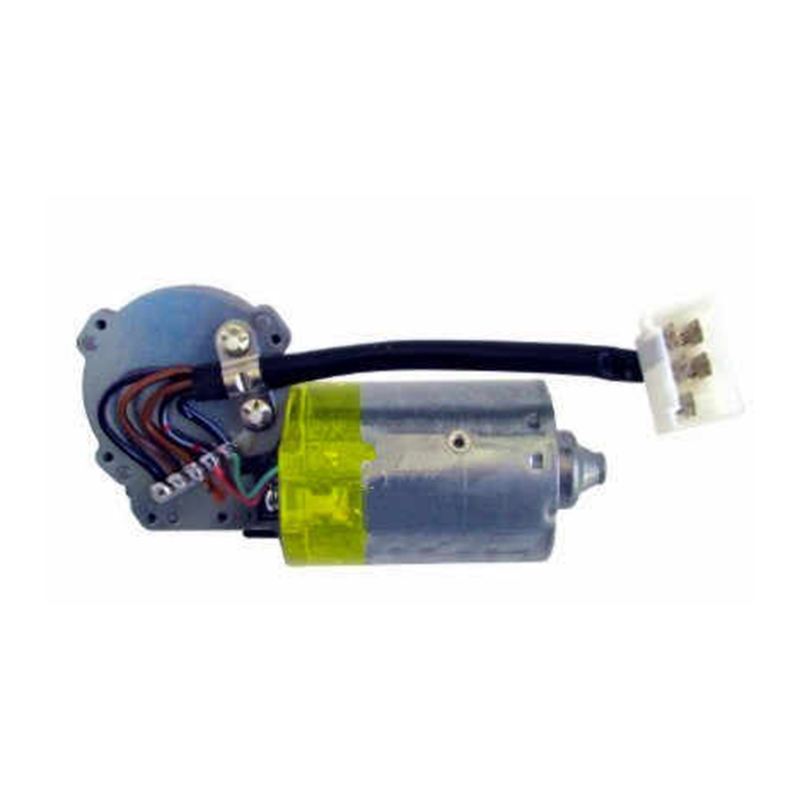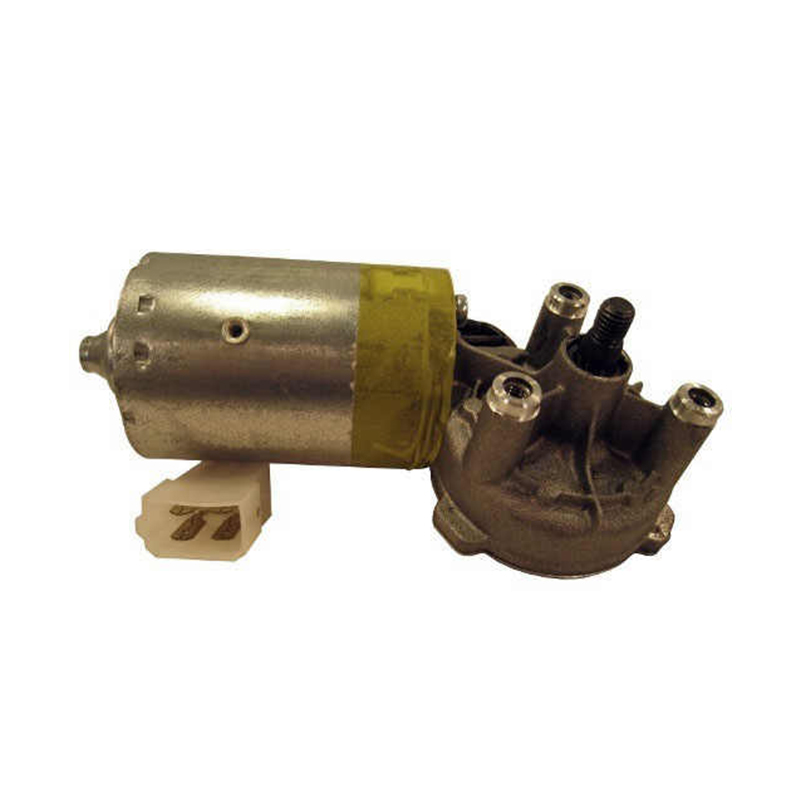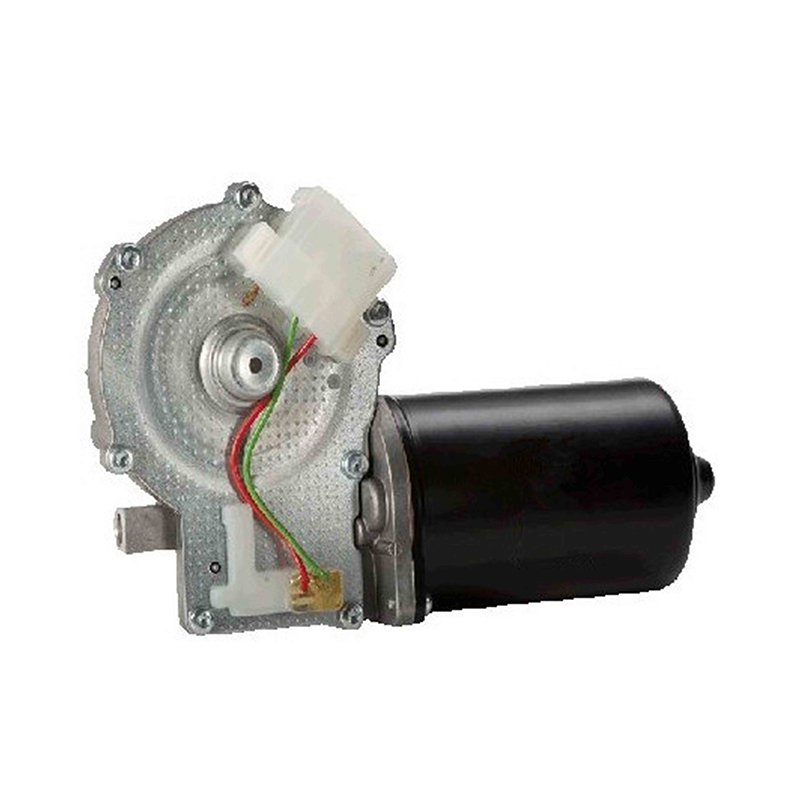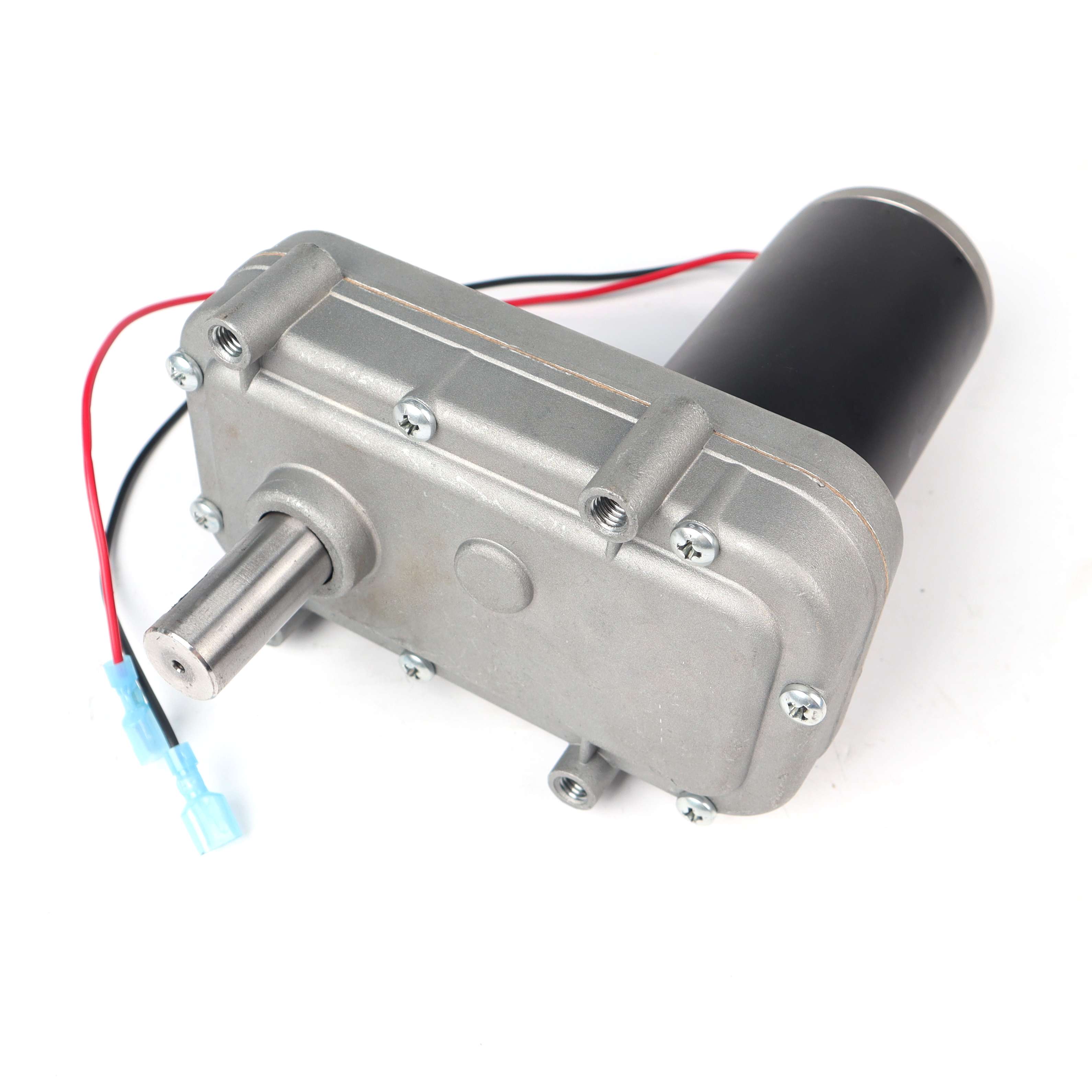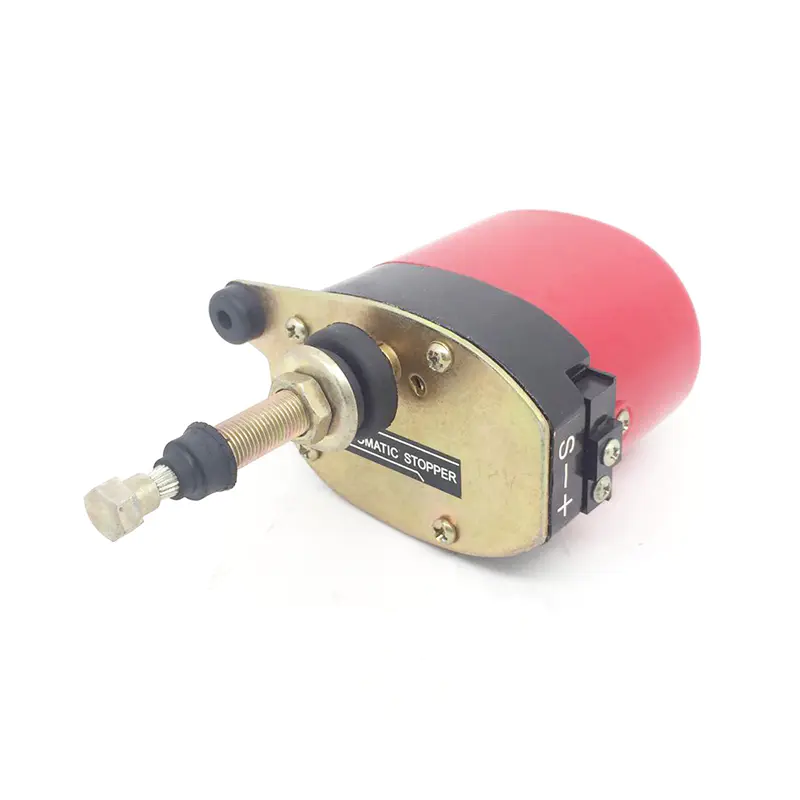
Windshield Wiper Motor systems play a key role in maintaining clear visibility during changing weather conditions, supporting safe driving through rain, snow, and debris exposure. These systems typically rely on either brushed or brushless motor designs, each using a different method of commutation to generate rotational force for the wiper linkage. Brushed configurations depend on mechanical contact between brushes and a commutator, while brushless designs use electronic control for current switching. Across automotive applications, considerations such as torque delivery, response to load changes, environmental resistance, and integration with vehicle electrical architecture shape how these motors are applied in windshield wiping systems.
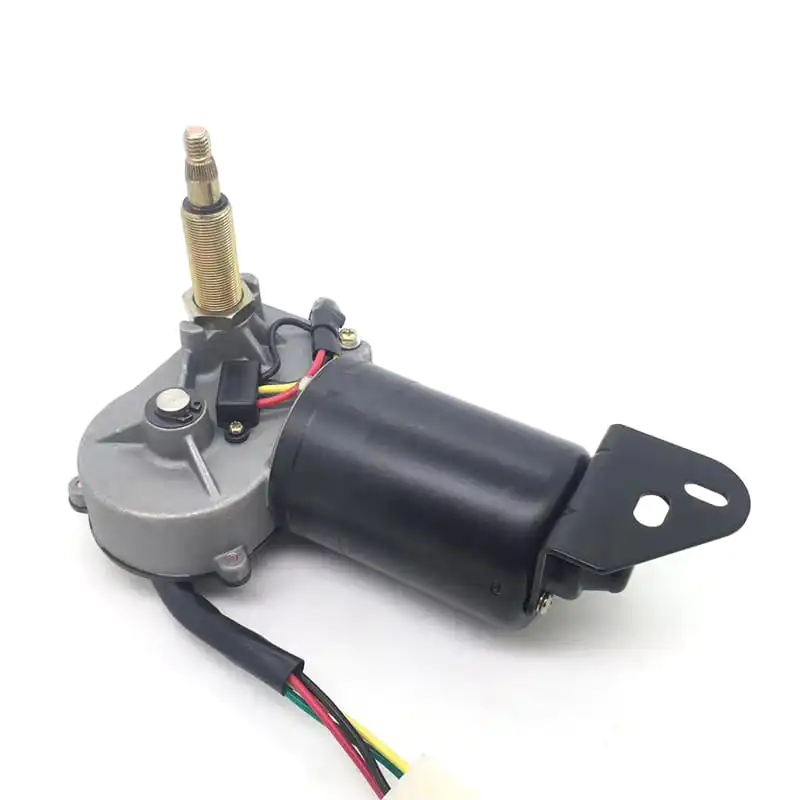
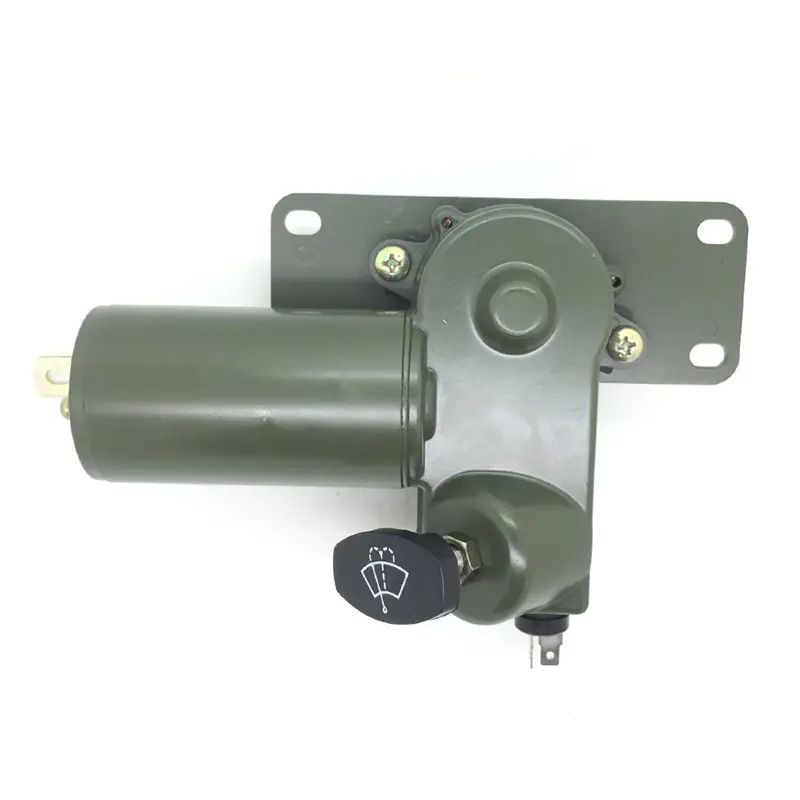
Brushed motors rely on mechanical commutation through carbon brushes and a commutator to switch current direction in the armature. In windshield wiper applications the construction includes a geared housing that converts high speed rotation into the sweeping motion needed for blades. This setup delivers strong initial force suitable for starting movement when blades face resistance from snow or debris. The direct connection to vehicle voltage allows straightforward integration in many existing designs. Manufacturers have refined these motors over many production cycles to handle the specific demands of automotive visibility systems. The physical contact between brushes and commutator creates the necessary switching action that turns the rotor in sequence. Mechanics working on vehicle repairs often note that these motors come with familiar mounting patterns that match older vehicle platforms. The gear reduction inside the housing slows the rotation to match blade movement across the glass surface. During heavy rain the motor must overcome water drag and blade pressure while maintaining consistent sweeps. This mechanical approach has supported countless vehicles through everyday driving conditions where wipers activate in short intervals.
Current flows through brushes contacting the commutator segments. This creates electromagnetic fields that turn the rotor. In wiper use the system handles repeated start and stop cycles during rain events.
The mechanical parts provide consistent torque for clearing windshields but introduce friction during each rotation. As the brushes wear against the commutator surface small sparks can occur which gradually affect component life. In practice technicians observe that regular operation in wet environments requires attention to sealing to prevent water from reaching the brush area. The design simplicity means fewer electronic components overall which can simplify troubleshooting when issues arise in the field.
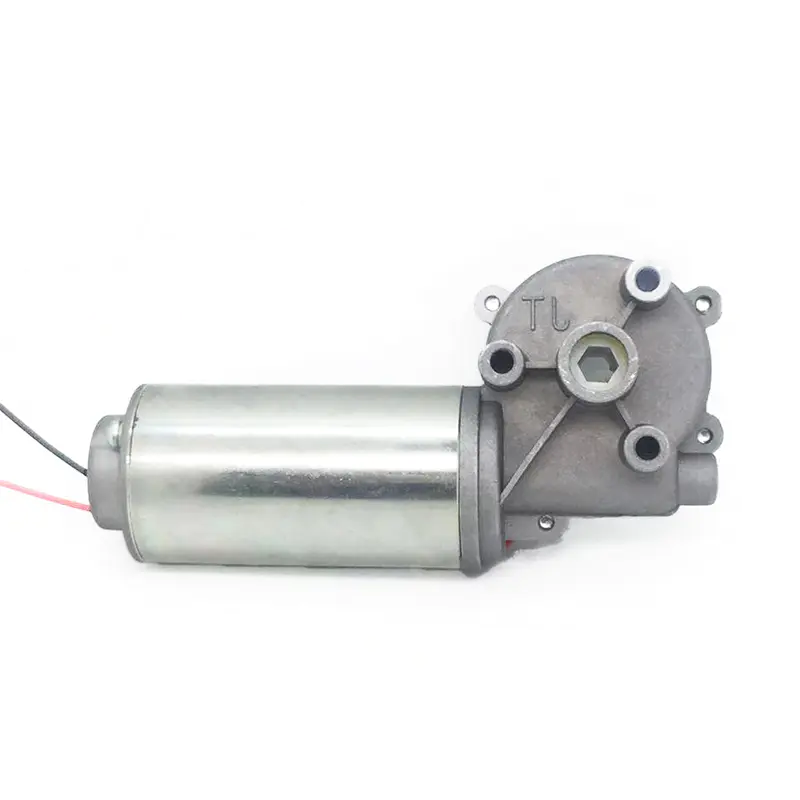
Brushless motors use electronic commutation managed by controllers and position sensors. The design eliminates physical brushes by switching current through stationary windings around a permanent magnet rotor.
In wiper assemblies this allows smoother integration with vehicle electronic systems. The absence of mechanical contact points changes how the motor responds to control signals during variable speed operation. Electronic boards monitor rotor position through sensors and adjust power flow accordingly. This setup reduces certain wear elements that appear in traditional designs.
Vehicle engineers appreciate the compact nature of these motors when space under the hood or cowl area is tight. The controller can vary speed based on rain sensor input creating more adaptive wiping patterns. In electric vehicles the lower power draw during operation fits well with overall energy management goals. Assembly lines find that integration with vehicle networks becomes more direct since signals travel through wiring rather than relying solely on mechanical action.
Controllers monitor rotor position and adjust power delivery accordingly. This supports precise movement in wiper linkages. The setup fits compact spaces in modern vehicle designs where space for components remains limited.
Without brushes the motor avoids arcing that can occur in humid conditions. Heat generation patterns differ allowing different cooling strategies in the housing. Production teams note that quality checks focus more on electronic calibration than on physical brush bedding processes. Over extended periods this approach can change the service expectations for wiper assemblies in fleet operations.
Direct comparison between the motor types reveals differences across several operational aspects relevant to wiper function.
| Aspect | Brushed Motor Approach | Brushless Motor Approach |
|---|---|---|
| Torque Delivery | Strong at startup | Consistent across range |
| Efficiency During Cycles | Moderate under load | Higher with electronic control |
| Durability Under Repetition | Affected by brush wear | Reduced mechanical stress |
| Noise During Operation | Higher from contact | Lower overall vibration |
| Response to Environmental Stress | Standard sealing required | Enhanced resistance potential |
Functional contrasts appear in typical wiper duty cycles. Teams reviewing specifications often revisit points like these when matching motors to vehicle platforms.
Brushed versions supply high starting force when blades encounter accumulated material. Brushless designs maintain steadier output throughout the sweep range. Both handle the intermittent nature of wiper use but respond differently to load variations.
In situations with heavy wet snow the initial push becomes important to break blades free from the glass. During light rain the ability to run at lower consistent speeds affects how quietly the system operates. Linkage geometry interacts with these characteristics so engineers test full assemblies rather than motors in isolation. The difference shows up most clearly when wipers must reverse direction at the ends of each sweep.
Brushed motors draw current through physical contacts which creates some energy loss as heat. Brushless motors manage power through switching that reduces certain losses during operation.
In vehicle electrical systems this difference affects overall draw during extended wiper use in poor weather. Systems with limited alternator capacity may notice the variation during long drives in rain. The electronic approach allows power to match the exact needs of each sweep rather than running at fixed levels.
Duty cycles consist of short active periods separated by pauses. Motor response to voltage fluctuations plays a part in consumption patterns. Designs that minimize waste support better system compatibility.
Voltage drops during engine cranking or accessory use can affect performance so engineers build in some tolerance. In practice the total energy used over a drive cycle depends on rain intensity and driver settings. Fleet operators track these patterns when calculating operating costs across different vehicle types.
Brushed motors experience gradual wear on contact surfaces from repeated arcing and friction. Brushless motors avoid this mechanical interaction leading to different longevity patterns in stop-start applications.
Wiper systems face exposure to road splash and temperature swings that test component resilience over time. The brush assembly in one type requires periodic attention while the other focuses more on electronic component protection. Field reports from service centers often mention different failure modes between the two approaches.
Wipers activate in bursts during rain followed by idle periods. Motors must endure thousands of cycles without performance drop. Construction details determine resistance to fatigue in these patterns.
Vibration from road surfaces adds stress during operation. Thermal cycling between cold starts and engine heat affects materials differently. Manufacturers test assemblies under accelerated conditions to predict behavior in real world use over several years of driving.
Mechanical contacts in brushed motors generate audible sound during commutation. Brushless versions operate with electronic switching that produces less overall disturbance.
Vehicle cabin comfort considerations make noise levels a factor in motor selection for wiper assemblies. Drivers notice differences particularly during light rain when other road sounds are lower. The smoother operation can contribute to overall perception of vehicle quality in premium segments.
Both motor types require sealing against water and dust entry. Brushed designs need attention to brush compartment protection while brushless focus on electronics housing.
Temperature variations from freezing conditions to engine bay heat influence material choices and performance consistency. Road salt and debris create additional challenges in certain regions. Proper housing design helps maintain function when water pounds against the windshield area.
Apply protective coatings on exposed parts. Use appropriate seals at shaft exits. Test assemblies under simulated weather cycles during development.
Include drainage features in the mounting area. Select materials that resist corrosion from environmental exposure. Regular inspection points during vehicle maintenance can catch early signs of seal degradation.
Brushed motors connect directly to power sources for basic on-off control. Brushless motors pair with controllers that enable variable speed adjustment.
This capability supports different wipe speeds in response to rain intensity. Modern rain sensors feed information to the system allowing automatic adjustments. The precision affects how effectively the blades clear the glass without streaking or skipping.
Current flow generates heat in windings for both types. Brushed motors add heat from brush contact while brushless manage it through efficient switching.
Proper ventilation or heat sinking in the wiper housing helps maintain function during prolonged use. Extended operation in heavy rain tests how well heat dissipates from the motor body. Design teams consider placement relative to other underhood components that generate heat.
Wiper duty involves short activation periods mixed with long idle times. Motor choice affects integration with vehicle wiring and electronic modules.
Packaging constraints in the cowl area limit size and shape options. Total ownership costs include initial price along with service intervals in fleet operations. Safety regulations around visibility systems add another layer to the decision process.
Windshield visibility directly impacts vehicle operation safety. Motors must deliver reliable performance to meet regulatory expectations for clearing capability. System redundancy planning considers motor characteristics in failure modes.
Backup systems or warning indicators may tie into motor function monitoring. Engineers evaluate stall protection features that prevent motor damage during blocked blade situations. The selection process balances these safety aspects with practical performance needs.
Brushed motors fit applications where initial cost and simple control remain priorities. They provide adequate performance in standard vehicles and aftermarket replacements.
The established design supports straightforward swaps in existing wiper linkages without major modifications. Supply chains for replacement parts tend to be well developed for this technology. Maintenance crews familiar with traditional systems can service them with standard tools and procedures.
Cost sensitive production runs benefit from the mature supply chain. Applications with moderate duty expectations align with their characteristics. Maintenance teams familiar with brush replacement procedures find them practical.
Standard passenger cars operating in mild climates often use this approach successfully. Aftermarket suppliers stock compatible units for a wide range of vehicle models. The direct drive simplicity reduces points where electronic failures could occur.
Brushless motors suit setups needing reduced maintenance and smoother operation. They align with vehicle platforms emphasizing electronic integration and lower noise.
Extended service intervals support their use in higher specification assemblies. Electric vehicle architectures particularly benefit from the control flexibility these motors offer. The reduced vibration can improve overall system durability in the wiper linkage components.
Systems requiring variable speed control perform well with electronic management. Environments with limited access for service favor the reduced wear approach. Integration with advanced vehicle networks benefits from their control compatibility.
Premium vehicles where cabin quietness matters show advantages in this area. Fleets with high annual mileage may see benefits in lower service requirements over time. Modern platforms with central control modules integrate more seamlessly with this technology.
Evaluation during procurement includes review of torque curves and environmental ratings. Compatibility checks ensure proper fit with arm and linkage mechanics.
Testing protocols simulate real world cycles including water exposure and temperature shifts. Teams document mounting dimensions and electrical connector types early in the process. Prototyping helps identify any interaction issues with surrounding vehicle components.
These actions help align the motor with system demands. Cross functional teams involving engineering and procurement often collaborate on these evaluations to reach balanced decisions.
The side by side examination of brushed and brushless motors for windshield wiper use shows clear differences in how each technology approaches the demands of intermittent operation and environmental exposure. Selection depends on priorities around cost, maintenance intervals, noise levels, and integration with vehicle electronics. Understanding these factors allows procurement specialists and design engineers to match motor characteristics with the intended vehicle application and operating conditions. Wenzhou Junt Power Technology Co., Ltd. supplies motor solutions tailored to these requirements and stands ready to discuss specifications for your windshield wiper projects. Contact the team to explore available configurations and support for implementation in your next development cycle or production run. The company brings practical experience in both motor technologies to help navigate the tradeoffs involved in wiper system design.

Tel:+86-0577-66009580
Mobile: +86-18858801083
E-mail:juntmotor@126.com
Whatsapp:+8618858801083
WeChat: +86-18858801083
 WeChat

Automotive Reduction Motors Manufacturer

 +86-0577-66009580
 juntmotor@126.com
 Language
  English
 Português