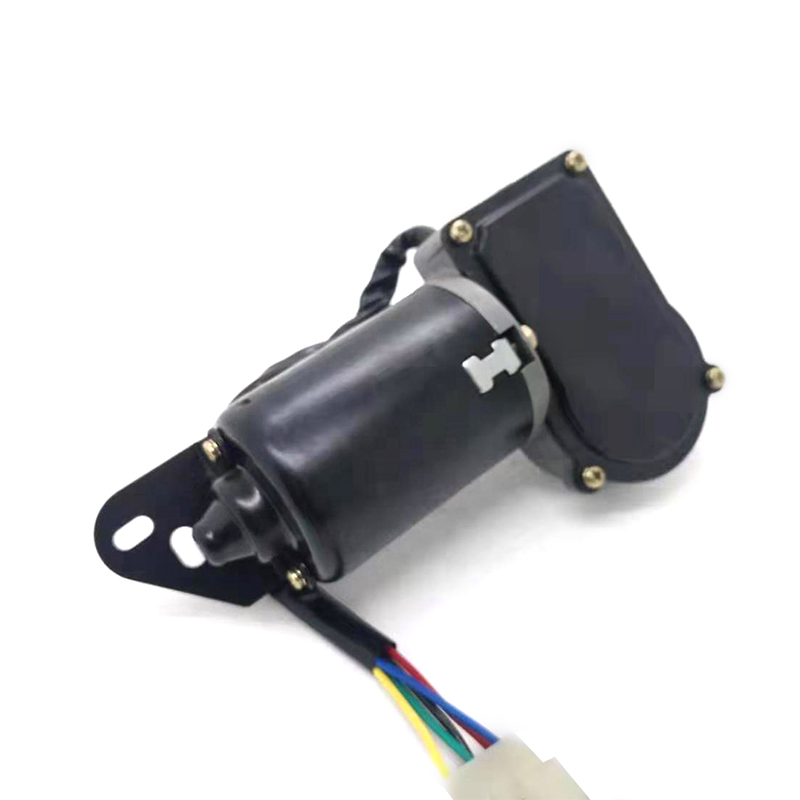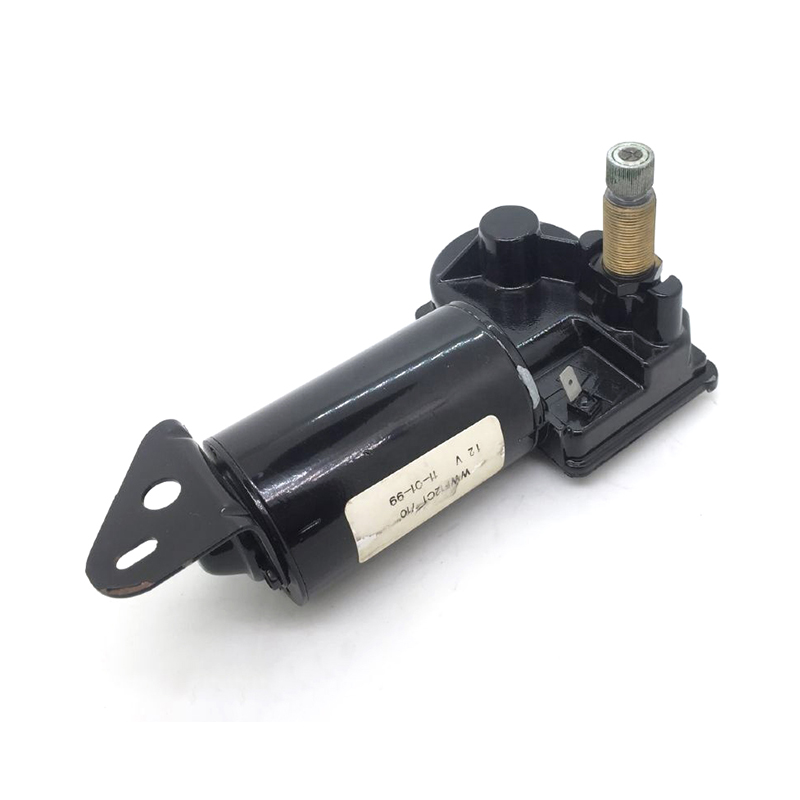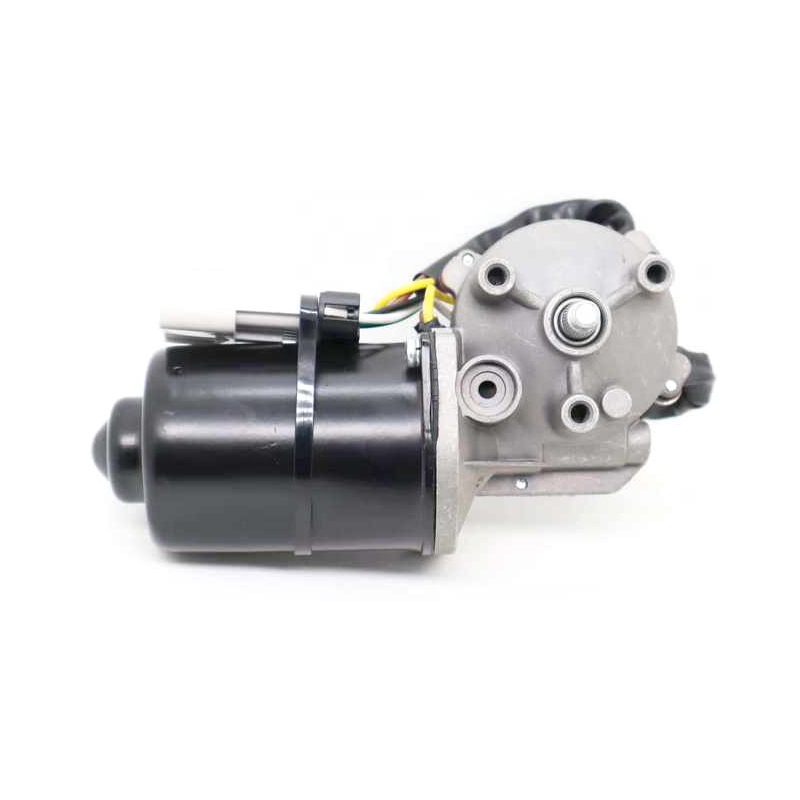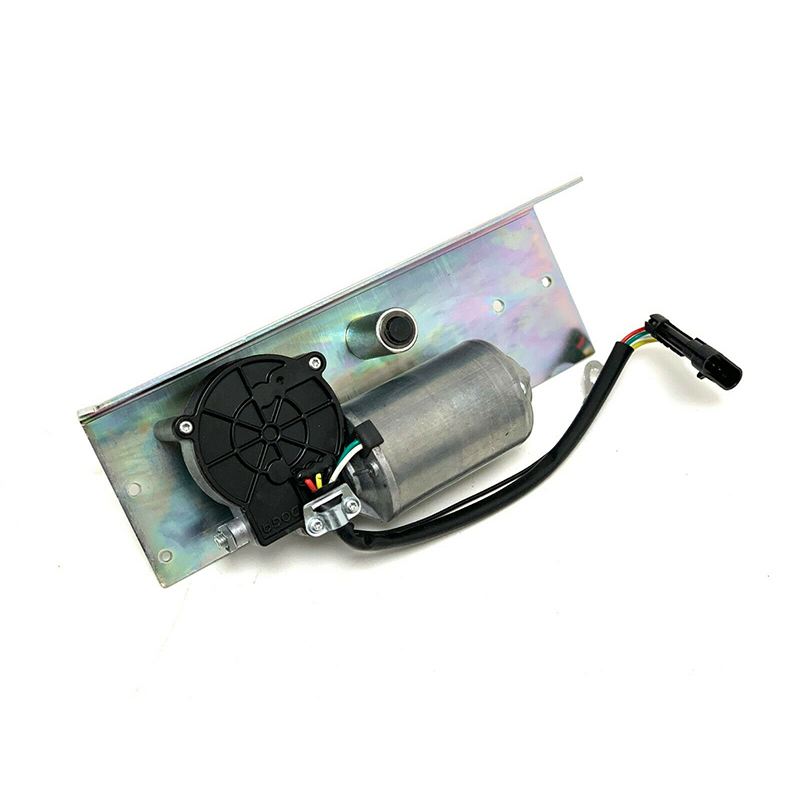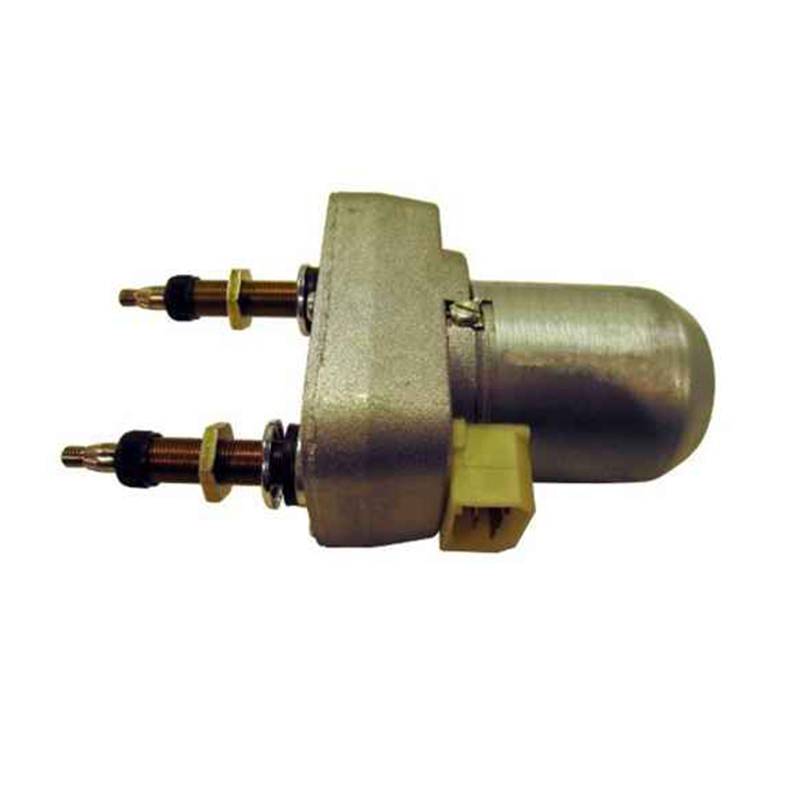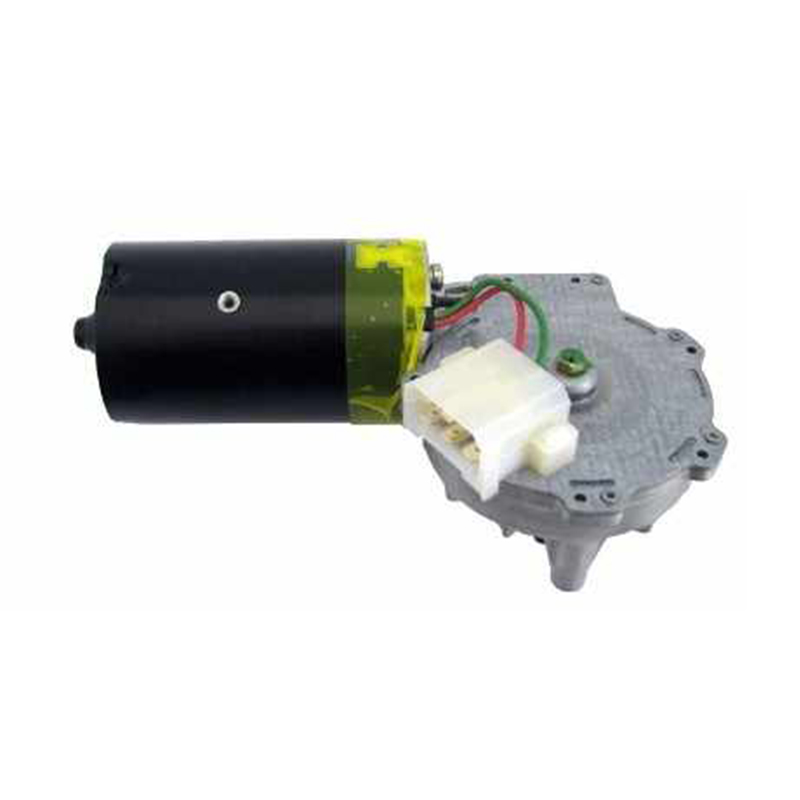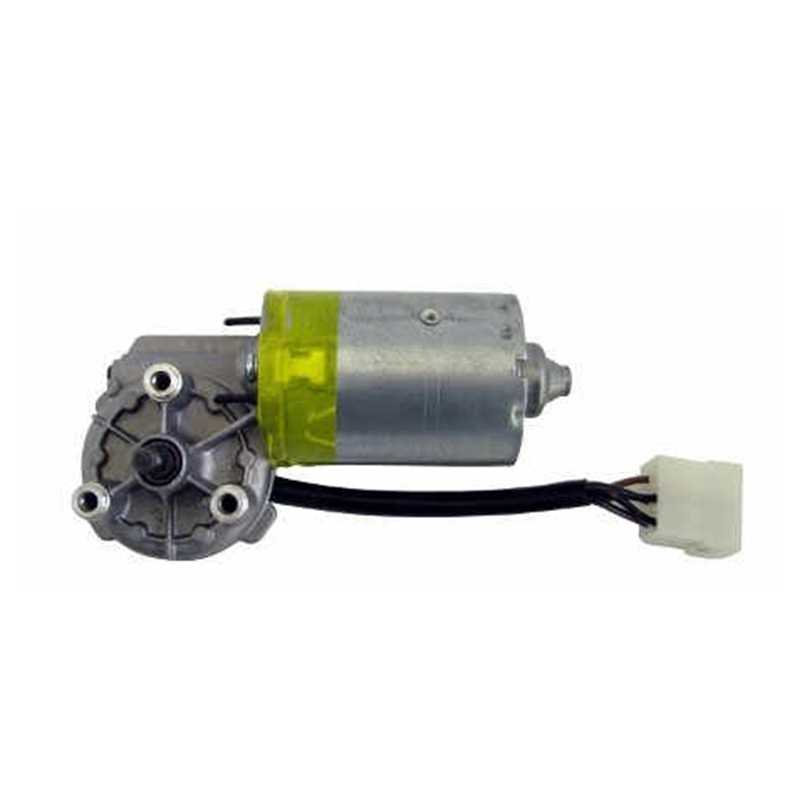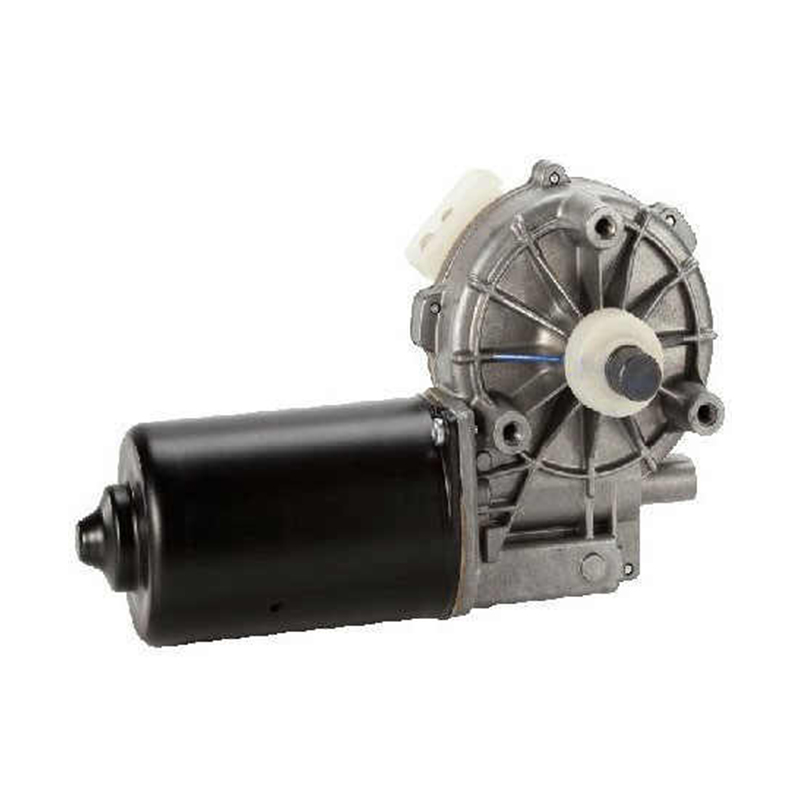
When rain starts hitting the windshield and visibility drops within seconds, the component doing the real work is not the rubber blade — it is the motor driving it. If that motor hesitates, runs at the wrong speed, or fails mid-storm, the driver loses sight of the road at exactly the wrong moment. For maintenance technicians sourcing replacement parts, OEM engineers specifying wiper systems, or fleet managers evaluating aftermarket suppliers, understanding what a Wiper Windshield Motor actually does — and what separates a reliable unit from one that fails under pressure — is the starting point for any informed procurement decision.
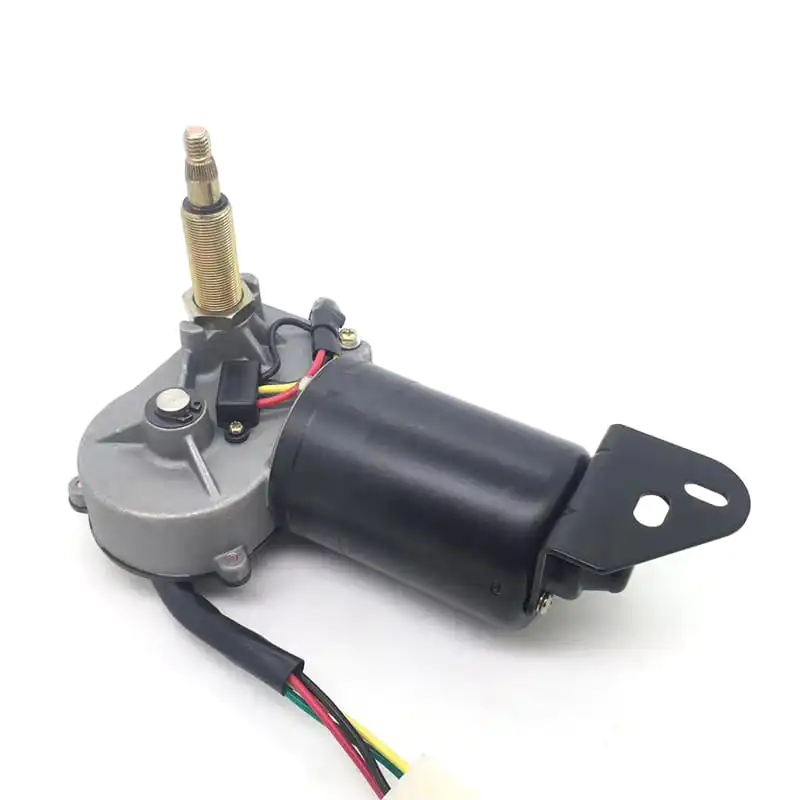
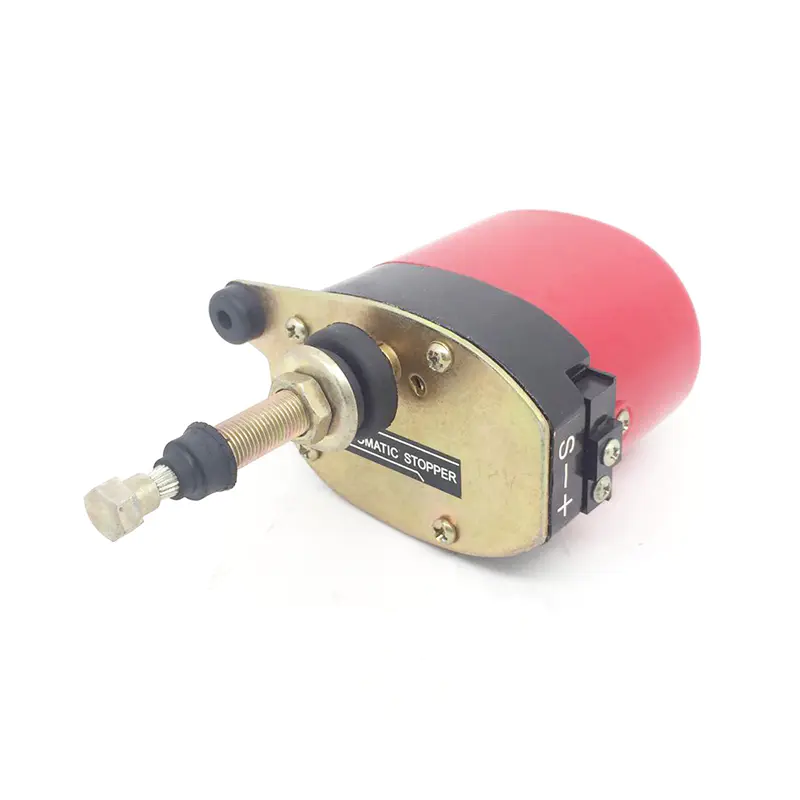
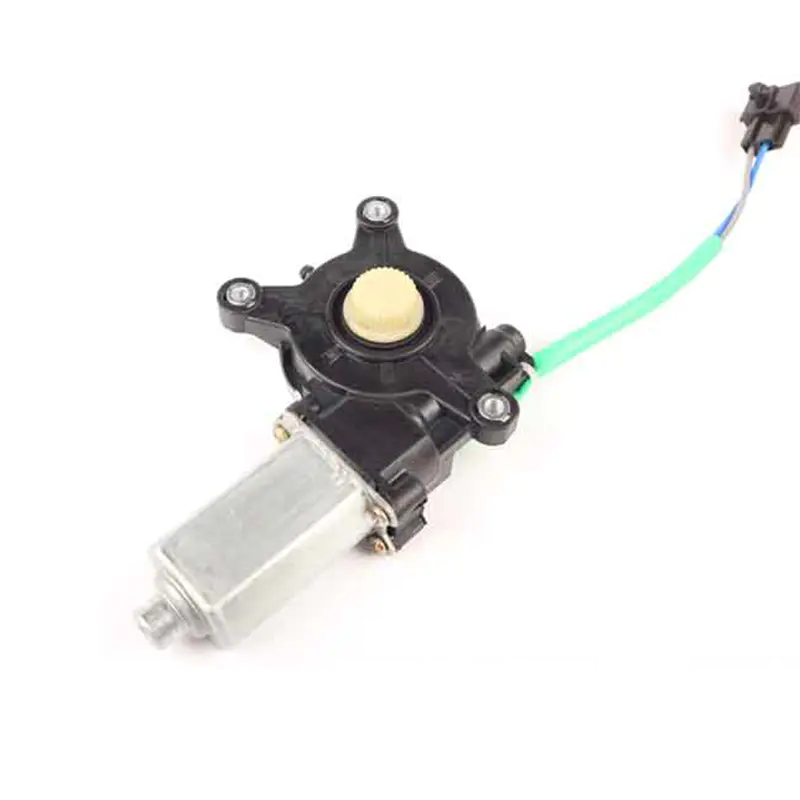
At its core, the wiper motor converts electrical energy from the vehicle's power system into the controlled mechanical motion that sweeps the wiper blades across the glass.
The conversion process involves several linked stages:
None of these stages works in isolation. If the gear reduction loses efficiency, the motor has to work harder. If the linkage develops play, the sweep arc becomes uneven. The motor is the power source, but the whole system determines the result.
It is easy to treat windshield wiping as a convenience — something that makes driving more comfortable in wet weather. That framing underestimates what is actually at stake.
Rain, snow, and road spray reduce a driver's effective sightline in a fraction of a second. The wiper system's job is to continuously clear that obstruction so the driver can see lane markings, obstacles, and other vehicles clearly enough to react in time.
A wiper motor that performs inconsistently — pausing, slowing, or failing to complete a full sweep — creates gaps in the driver's visual field during exactly the conditions where clear sight matters. This is why wiper systems are classified as active safety components in most vehicle safety frameworks, not optional accessories.
The performance characteristics that matter from a safety perspective:
Understanding the internal mechanism helps explain why certain failure modes occur and what design choices affect durability.
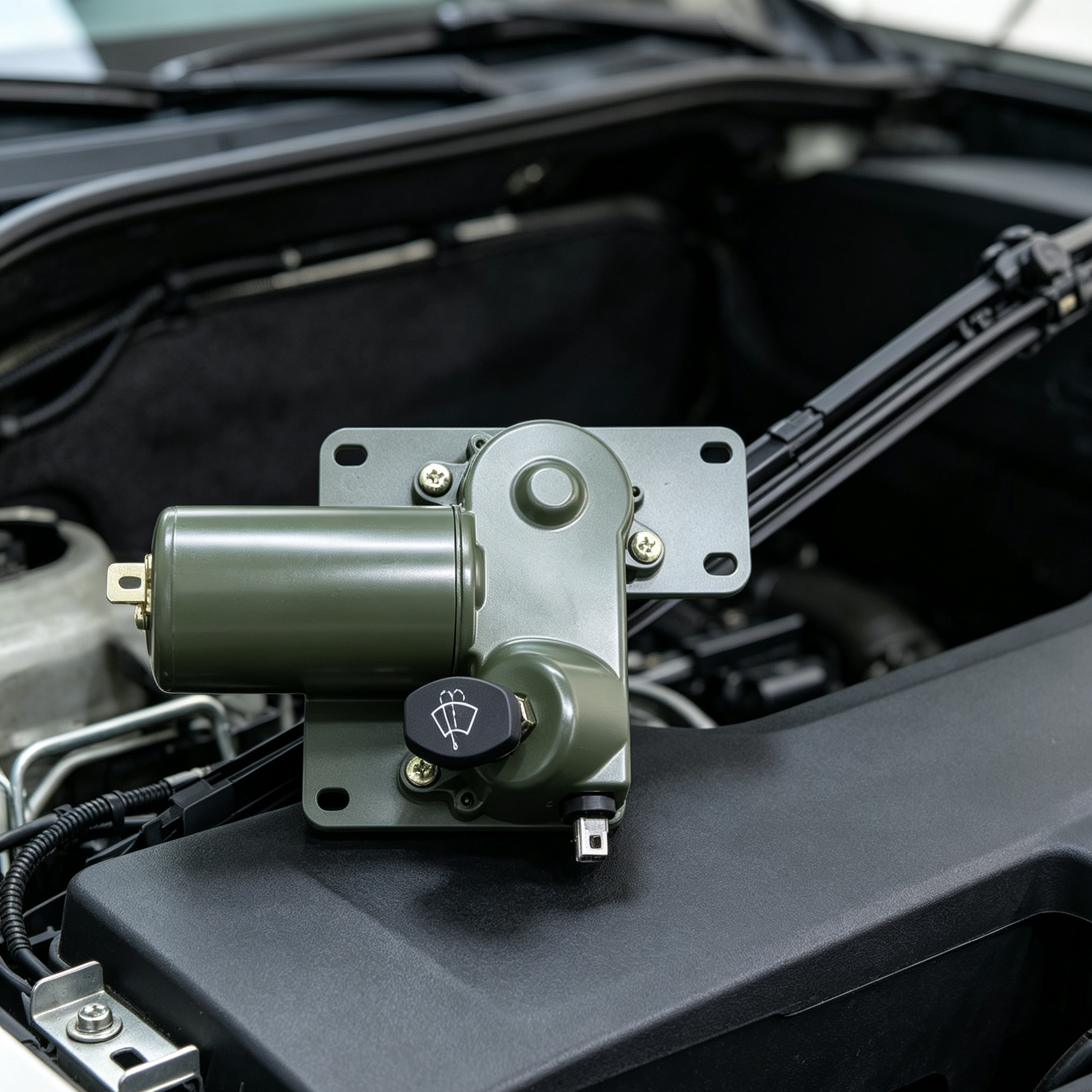
A typical wiper motor uses a brushed DC motor with permanent magnets. When current flows through the armature windings, the interaction with the magnetic field generates torque. The motor runs continuously while the wiper system is active; speed is controlled by varying the voltage to different armature tap points, which is how low, medium, and high wiper speeds are achieved from a single motor.
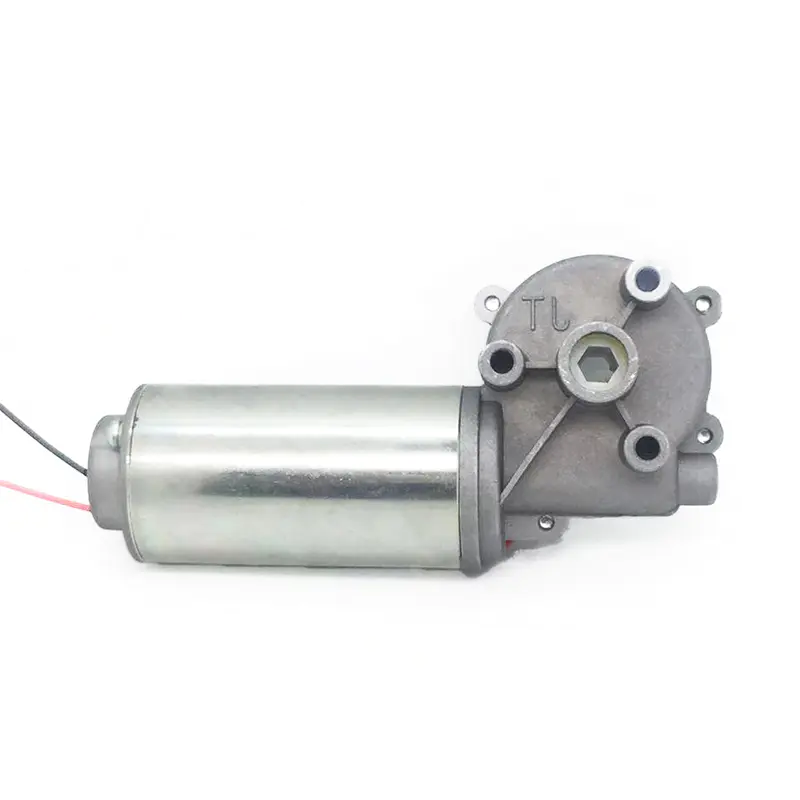
The motor's raw rotational speed is far too fast for direct wiper use. A worm gear set reduces the output speed while multiplying the available torque. The worm gear also provides a mechanical self-locking function — because a worm gear cannot be back-driven easily, it helps hold the wiper arms in position against wind pressure when the system is parked.
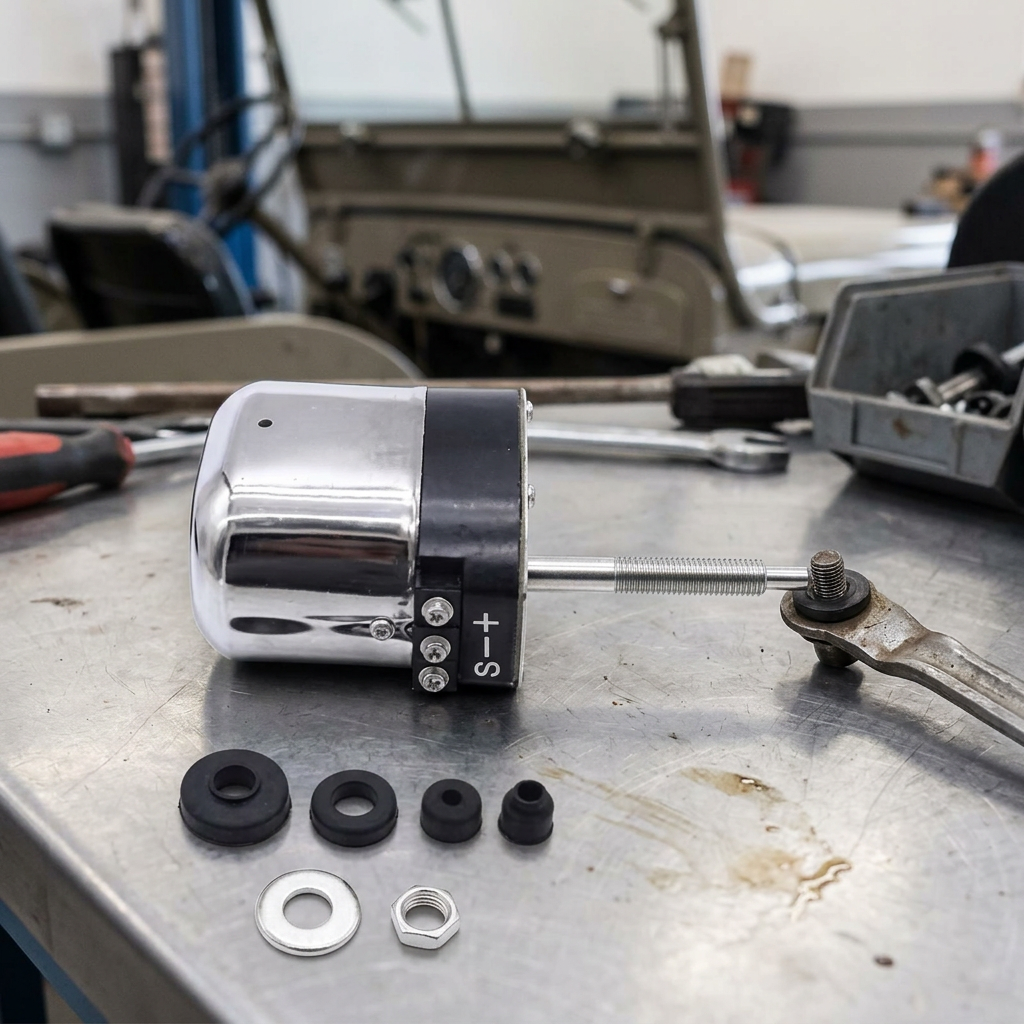
The gear assembly output shaft connects to a crank arm. As the crank rotates, it pushes and pulls a set of pivot links that convert rotation into the oscillating sweep motion at the wiper arm pivots. The geometry of the crank and link lengths determines the sweep angle and arc shape across the glass.
A cam and contact switch in the gear assembly detects when the output shaft is at the home position. When the driver switches the wipers off, the motor continues running until the cam triggers the park circuit, then stops — ensuring the blades return to the resting position rather than stopping wherever the sweep arc happens to be.
Not all wiper motors share the same design, and the type used affects how the system performs across different vehicle categories and operating conditions.
| Motor Type | Core Mechanism | Key Advantage | Limitation | Common Application |
|---|---|---|---|---|
| Brushed DC motor | Carbon brush and commutator | Simple, low cost, proven reliability | Brushes wear over time | Passenger cars, light trucks |
| Brushless DC motor | Electronic commutation | Longer service life, consistent output | Higher component cost | Premium vehicles, EV platforms |
| Single-speed motor | Fixed voltage tap | Low complexity | No speed adjustment | Basic or older vehicle designs |
| Multi-speed motor | Multiple armature taps | Driver-selectable sweep speed | Slightly more complex switching | Mainstream passenger vehicles |
| Intermittent motor | Timer-integrated control | Variable pause between sweeps | Dependent on control module | Most modern vehicles |
| Heavy-duty motor | Reinforced gear set | Higher torque for large glass areas | Larger, heavier unit | Commercial trucks, buses |
The distinction between brushed and brushless designs is becoming more relevant as vehicle electrification increases. Brushless motors offer more consistent performance over a longer service period, but brushed motors remain the standard in a significant share of the vehicle parc currently in service — which means replacement demand for brushed units remains substantial.
Motor degradation rarely happens suddenly. The more common pattern is a gradual change in behavior that becomes noticeable before the motor stops entirely.
Symptoms that suggest the motor or its components are losing reliability:
When any of these symptoms appear, the diagnostic sequence matters. Not every symptom originates in the motor — the linkage, the switch, and the wiring all contribute to the overall system behavior. Replacing a motor without confirming that the fault is in the motor itself is a common and avoidable waste.
Whether the need is a single aftermarket replacement or a volume OEM supply arrangement, the specification criteria for a wiper motor go beyond matching the mounting footprint.
For fleet procurement and OEM supply, consistency across production batches matters as much as the specification of any individual unit. A supplier who can demonstrate process control and batch testing documentation gives procurement teams a more defensible basis for approval decisions.
China wiper motor production covers a wide range of quality tiers, from components manufactured to automotive-grade process standards to lower-cost units with wider tolerance windows. Understanding where a supplier sits in that range matters for both application fit and long-term reliability.
Practical evaluation criteria for sourcing:
Visiting a wiper motor factory or conducting a remote audit process gives procurement teams a clearer picture of production consistency than catalog specifications alone.
The choice between OEM-grade and aftermarket wiper motors is not simply a price decision. It depends on the application and the consequences of failure.
For fleet maintenance managers, the relevant question is what failure costs in operational terms — a single-vehicle breakdown may be manageable, but a pattern of premature failures across a fleet signals a specification problem that a lower acquisition cost does not offset.
For aftermarket distributors, the product tier needs to match the customer base. A technician servicing a ten-year-old economy vehicle and a technician servicing a late-model commercial van have different quality expectations and different price sensitivities.
Evaluation framework for the decision:
For procurement teams evaluating wiper motor supply sources — whether for aftermarket distribution, fleet maintenance contracts, or OEM assembly — the supplier's ability to maintain specification consistency at production volumes is the critical variable.
A supplier that produces reliable units in sample quantities but cannot hold the same standard across larger batches creates downstream quality problems that are expensive to manage. The indicators of a capable supply partner include transparent manufacturing documentation, clear engineering support for application matching, and a track record in automotive supply channels where quality expectations are defined and enforced. Wenzhou Junt Power Technology Co., Ltd. manufactures wiper windshield motor products for automotive aftermarket and OEM applications, with production capability spanning brushed DC motor configurations across a range of vehicle applications and connector formats. Their engineering team supports application compatibility review and can work with procurement teams on custom specifications, volume planning, and quality documentation requirements. For sourcing teams currently evaluating wiper motor supply options, reaching out with your vehicle application details and volume requirements is a practical way to assess whether their production capability aligns with your program needs.

Tel:+86-0577-66009580
Mobile: +86-18858801083
E-mail:juntmotor@126.com
Whatsapp:+8618858801083
WeChat: +86-18858801083
 WeChat

Automotive Reduction Motors Manufacturer

 +86-0577-66009580
 juntmotor@126.com
 Language
  English
 Português