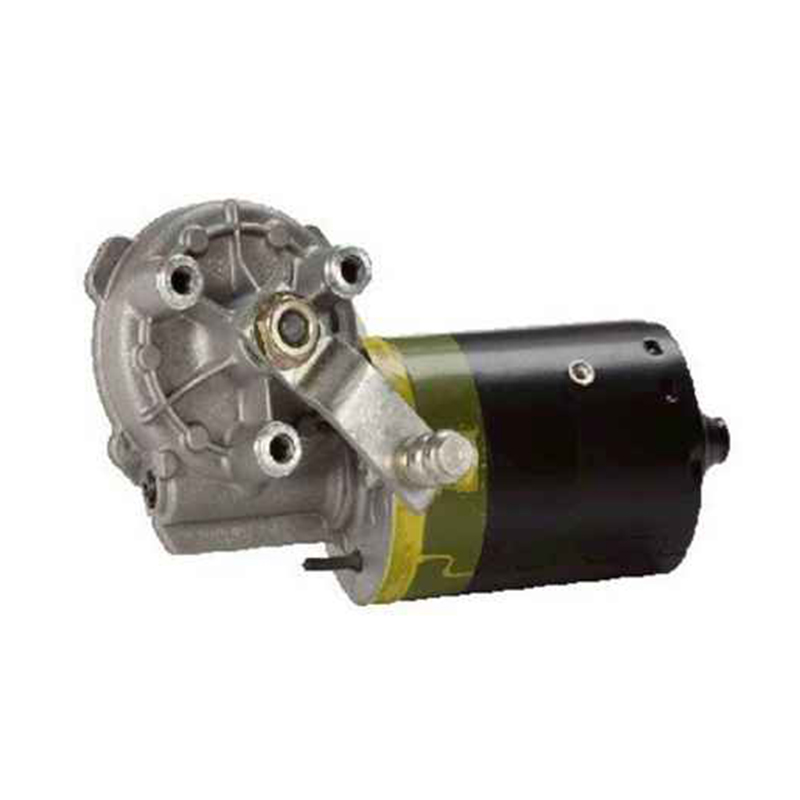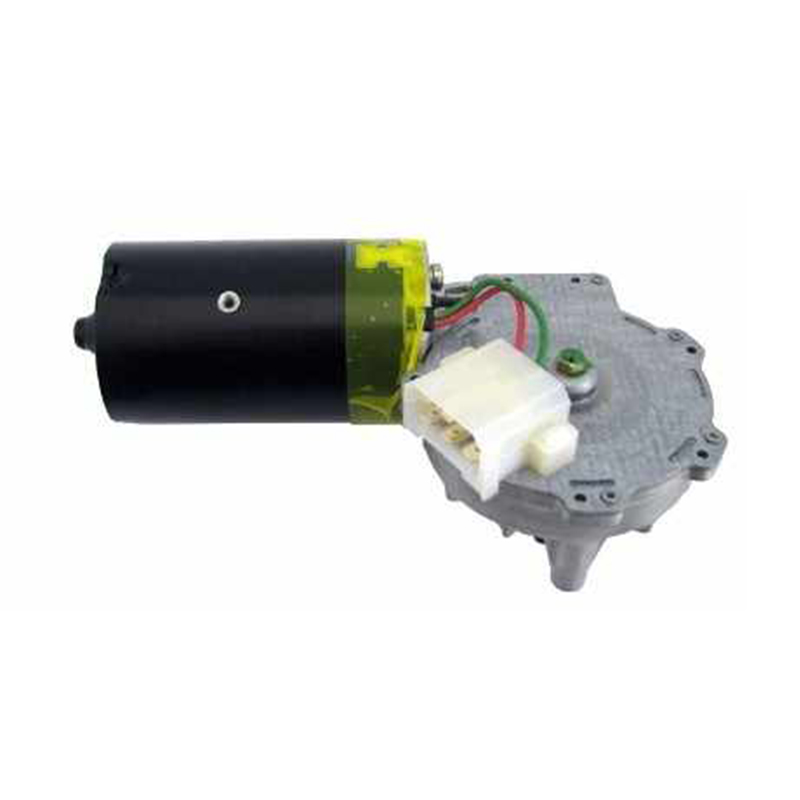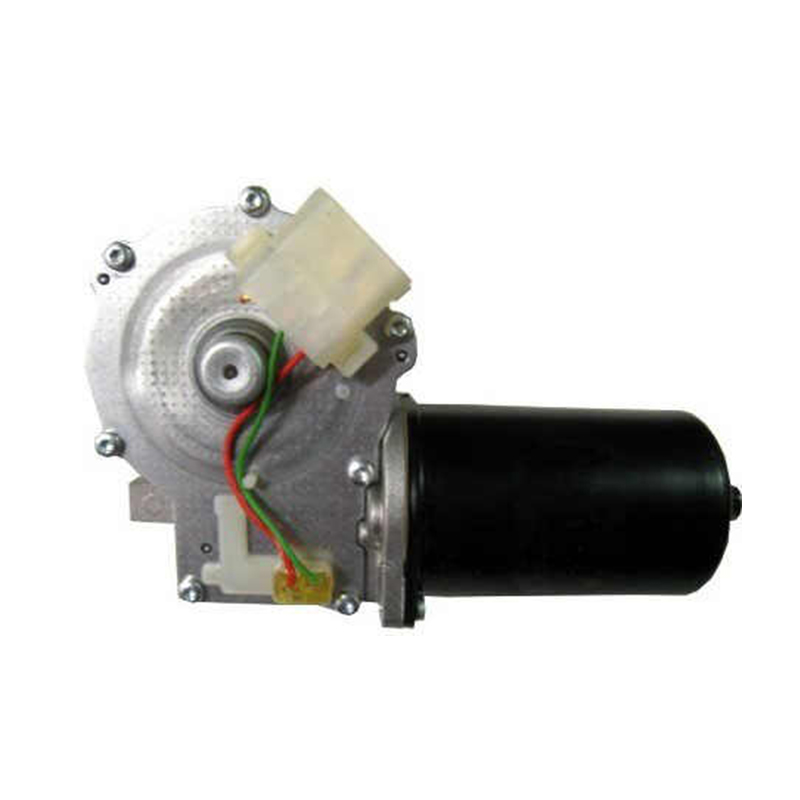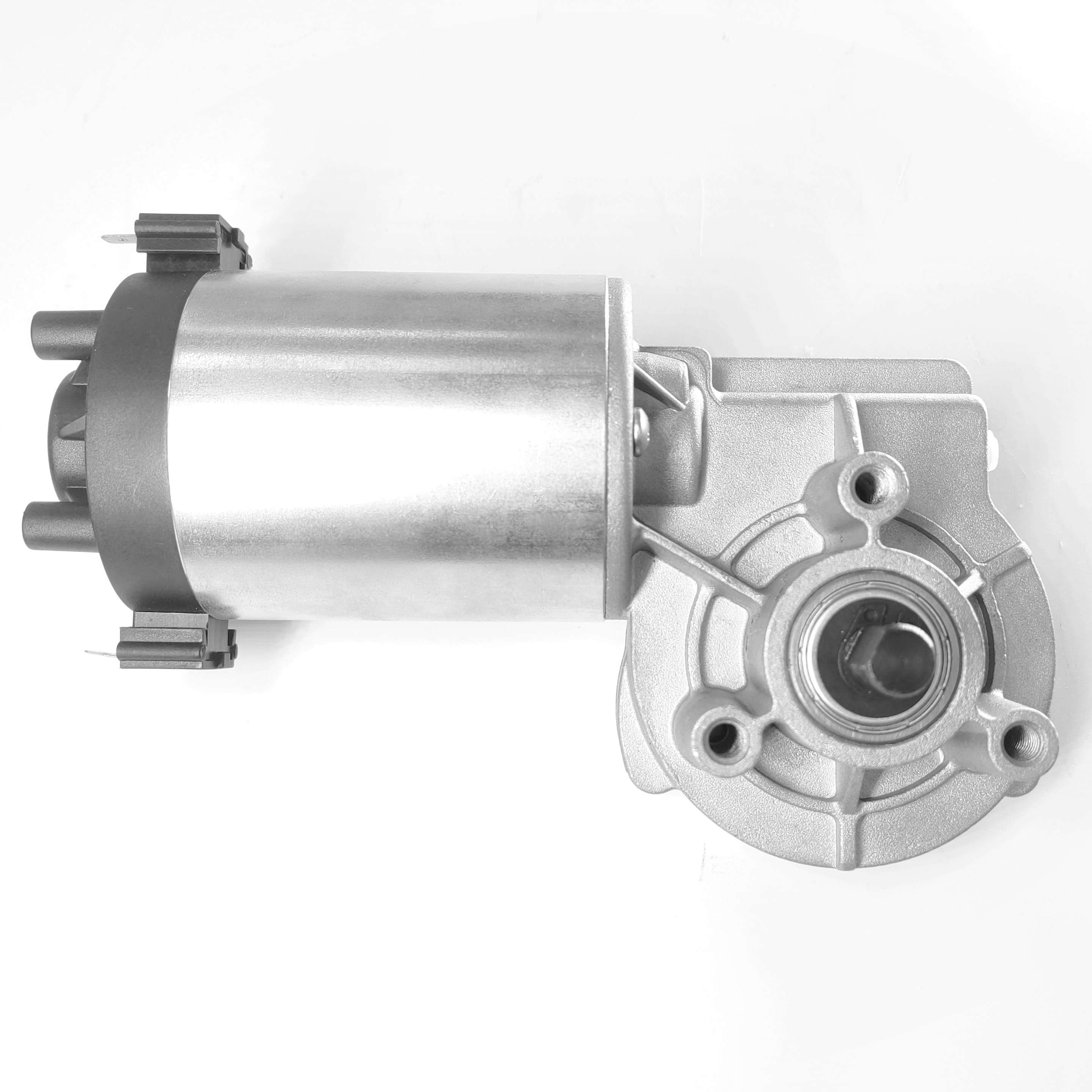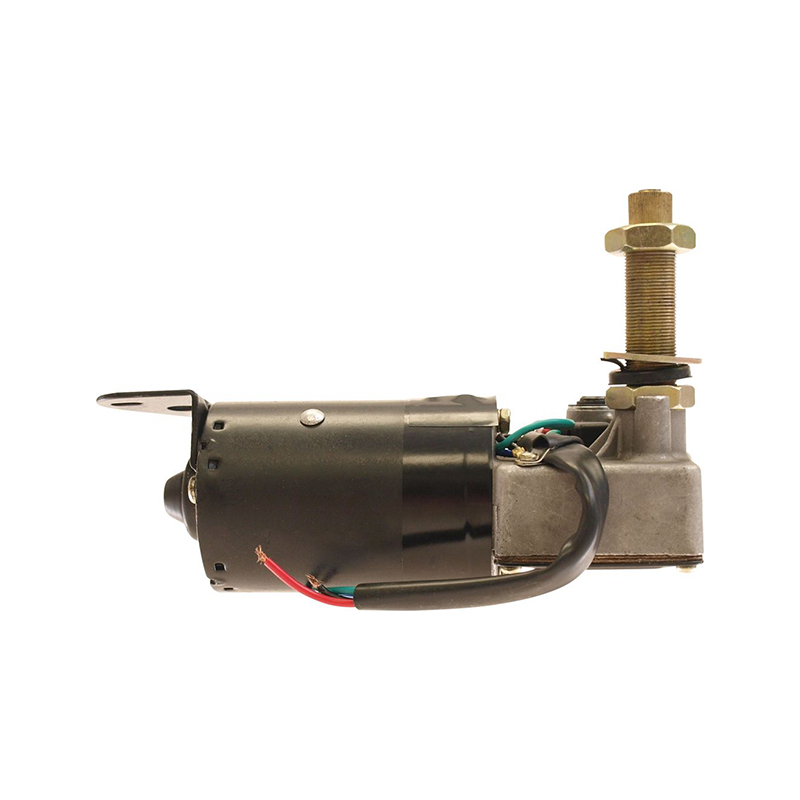
Worn Brushes or Commutator
Over time, the motor's brushes or commutator can wear down, reducing electrical contact and causing intermittent operation.
Corrosion or Moisture Ingress
Exposure to rain, snow, or high humidity can lead to corrosion inside the motor housing, affecting performance.
Gear Wear or Damage
The internal gears that transfer motion to the wiper linkage can wear, strip, or break, leading to improper wiper movement.
Electrical Connection Problems
Loose or corroded wiring, connectors, or terminals can cause inconsistent power delivery or complete failure.
Mechanical Binding
The wiper linkage or arms may bind due to misalignment or accumulated debris, placing extra load on the motor and causing overheating or premature wear.
Overheating
Continuous operation under load, especially with worn gears or binding, can lead to motor overheating and reduced lifespan.
Faulty Motor Controller
On vehicles with integrated motor controllers, failure in the electronic control module can cause irregular speed, intermittent operation, or no function at all.
These issues highlight the need for regular inspection and maintenance of the wiper motor and linkage system to ensure consistent performance.
Intermittent Wiper Operation
The wipers may start and stop unexpectedly or work only in certain positions. This is often due to worn brushes or poor electrical connections.
Slow or Weak Movement
If the wiper motor struggles to move the blades across the windshield, this may indicate mechanical wear, binding in the linkage, or electrical resistance.
No Wiper Response
When the wipers fail to move at all despite activating the switch, the motor may have failed completely, or wiring issues could be present.
Unusual Noises
Grinding, clicking, or whining sounds can indicate worn gears, damaged internal components, or binding in the linkage.
Inconsistent Speeds
A motor may operate at the wrong speed or fail to change speeds when adjusted via the wiper switch. This may point to internal electrical faults or a failing controller.
Wipers Stopping in Wrong Positions
The motor may fail to park correctly, leaving the blades partially on the windshield instead of in their resting position.
Overheating Signs
The motor casing may feel excessively hot after short use, which often results from excessive load due to binding or worn internal components.
Recognizing these symptoms early can prevent further damage to the wiper system and ensure clear visibility during adverse weather conditions.
Gather Tools and Materials
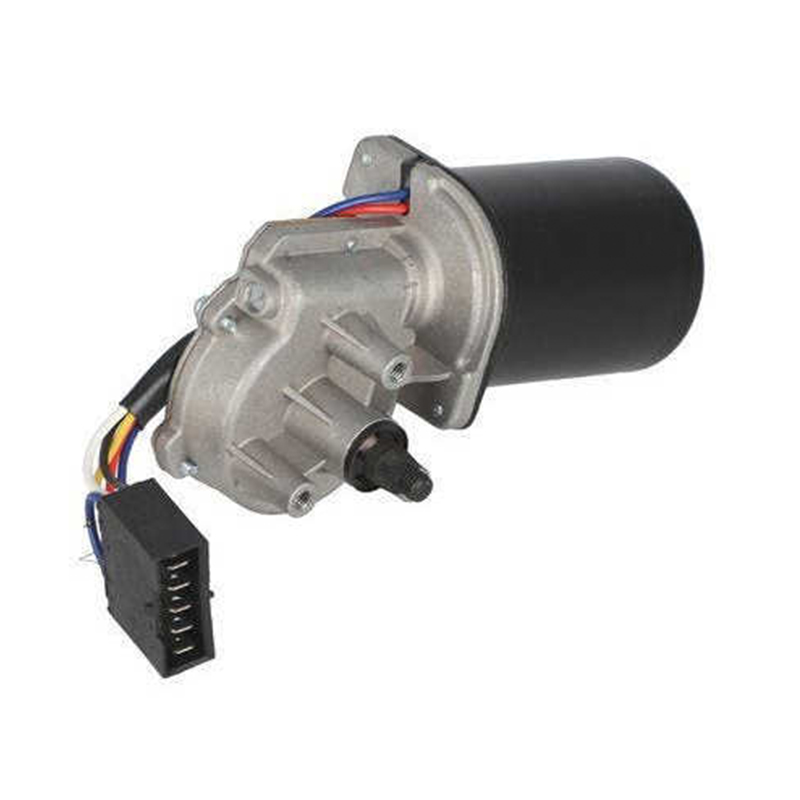
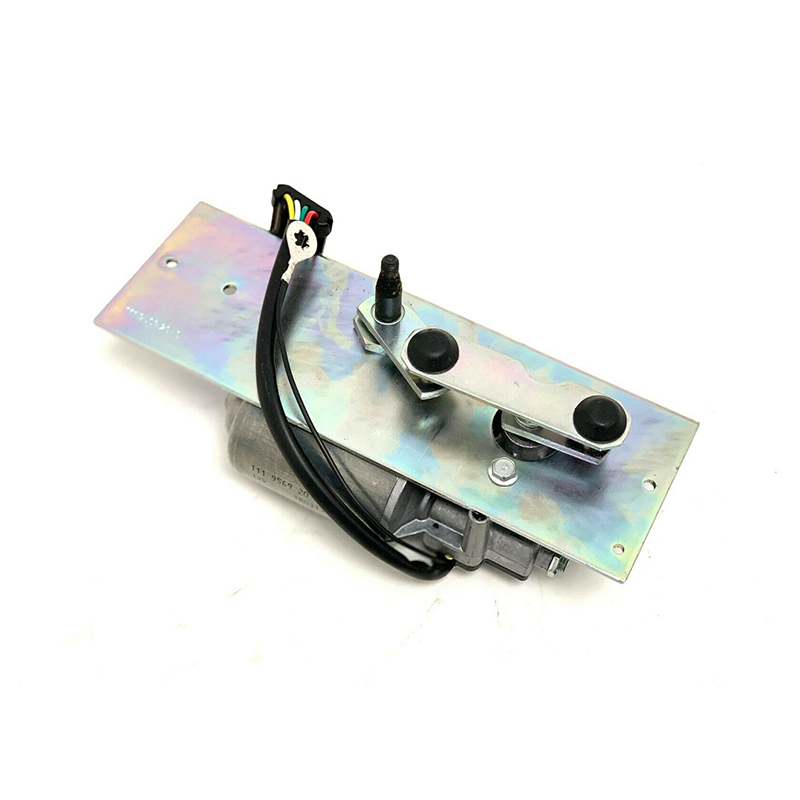
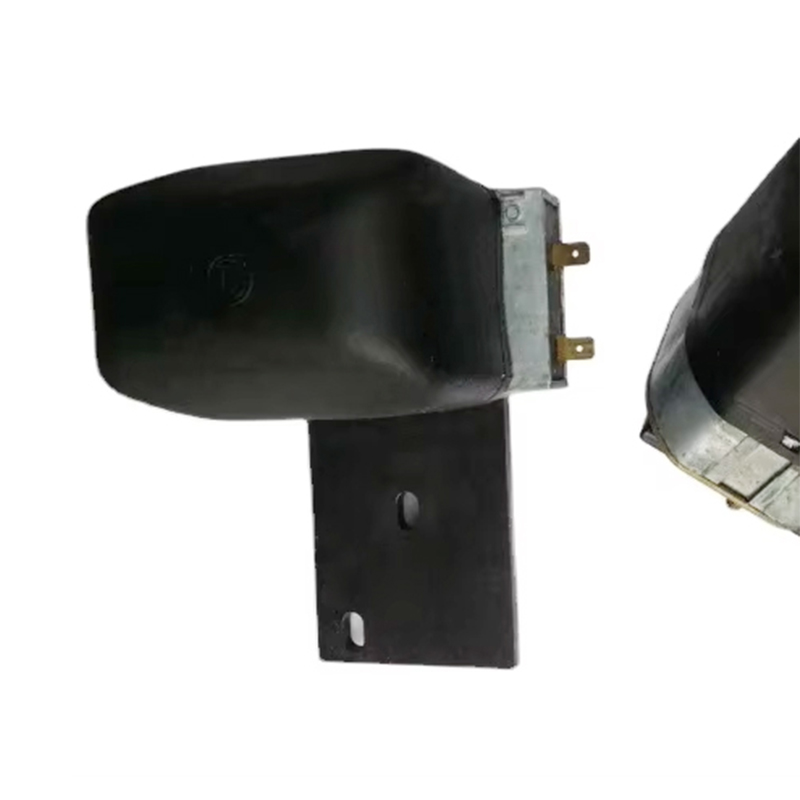
Screwdrivers, socket set, wrench, and replacement 31938463000 wiper motor
Safety gloves and vehicle manual for reference
Disconnect Vehicle Battery
Prevents accidental electrical short or injury during removal
Remove Wiper Arms
Lift arms away from the windshield and remove retaining nuts
Carefully pull arms off the splined shaft
Remove Cowl Cover or Trim
Unscrew or unclasp the plastic trim at the base of the windshield
Access the wiper motor housing and linkage assembly
Detach Linkage from Motor
Disconnect the wiper linkage from the motor output shaft
Note the orientation for proper reassembly
Disconnect Electrical Connector
Unplug the wiring harness connected to the motor terminals
Remove Motor from Vehicle
Unscrew mounting bolts securing the motor to the firewall or frame
Remove the motor carefully without damaging the surrounding components
Install Replacement Motor
Align the new motor with the mounting points and secure the bolts
Reattach the linkage and the electrical connector
Reassemble the cowl cover and reinstall the wiper arms
Test Operation
Reconnect the battery and test the wipers in all speed settings
Ensure blades park correctly and move smoothly without unusual noises
Proper replacement ensures the wiper system operates reliably, maintaining visibility and safety in all weather conditions. Regular inspection and timely replacement of worn components can prevent most common failures.

Tel:+86-0577-66009580
Mobile: +86-18858801083
E-mail:juntmotor@126.com
Whatsapp:+8618858801083
WeChat: +86-18858801083
 WeChat

Automotive Reduction Motors Manufacturer

 +86-0577-66009580
 juntmotor@126.com
 Language
  English
 Português