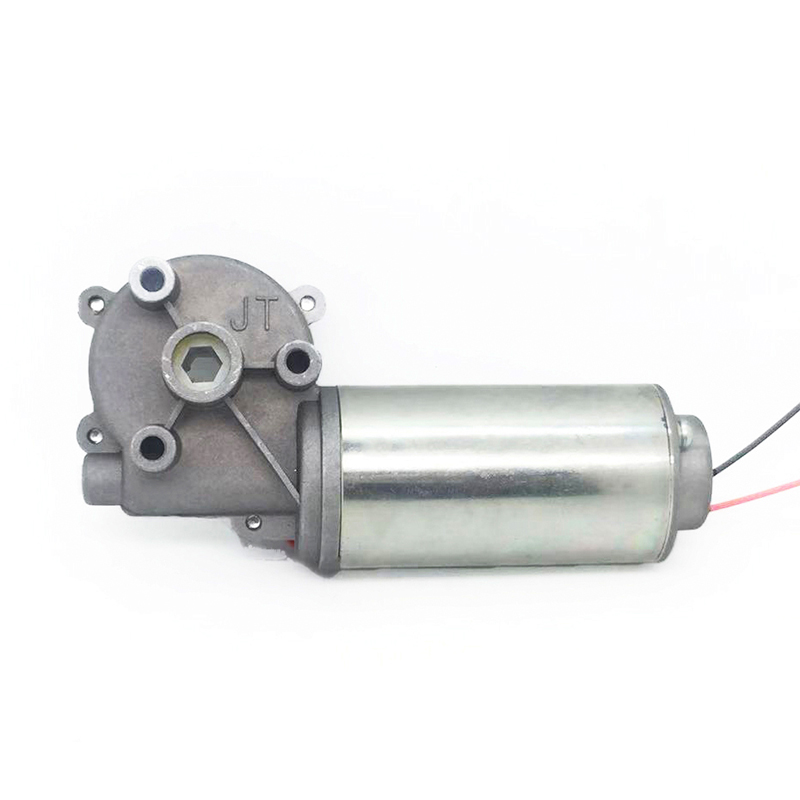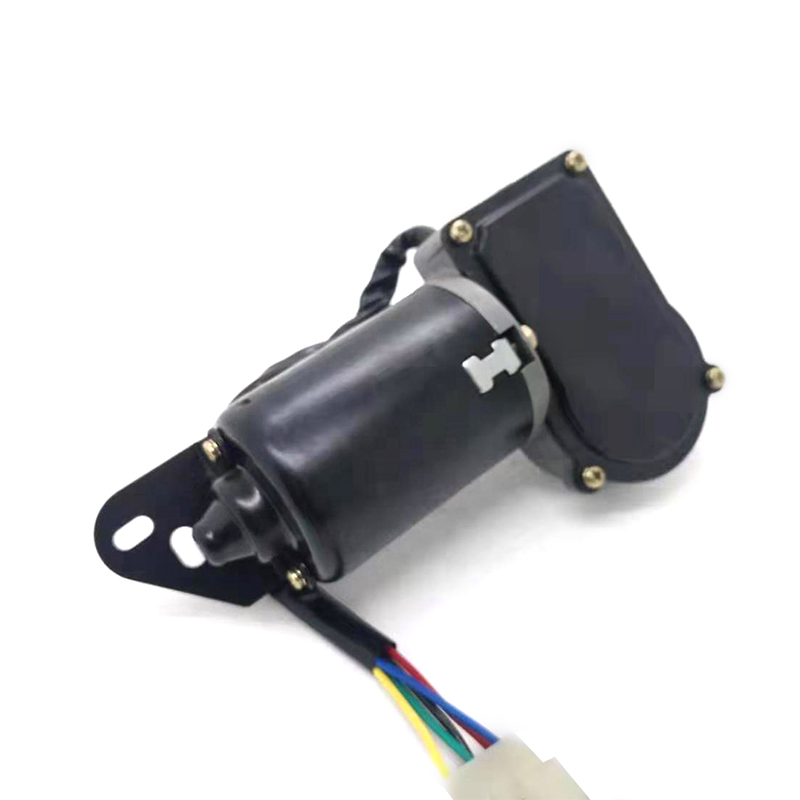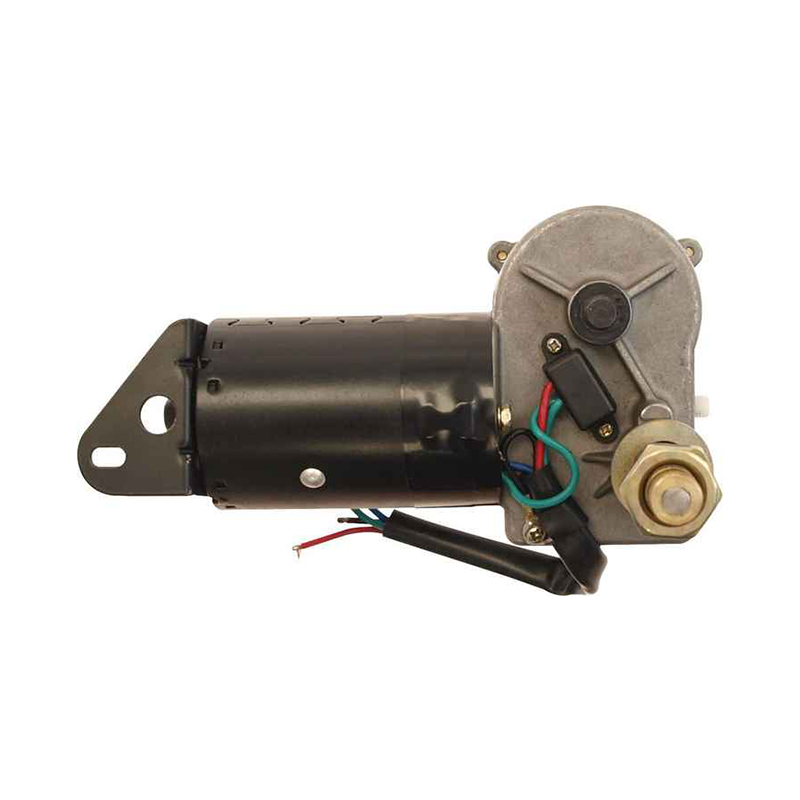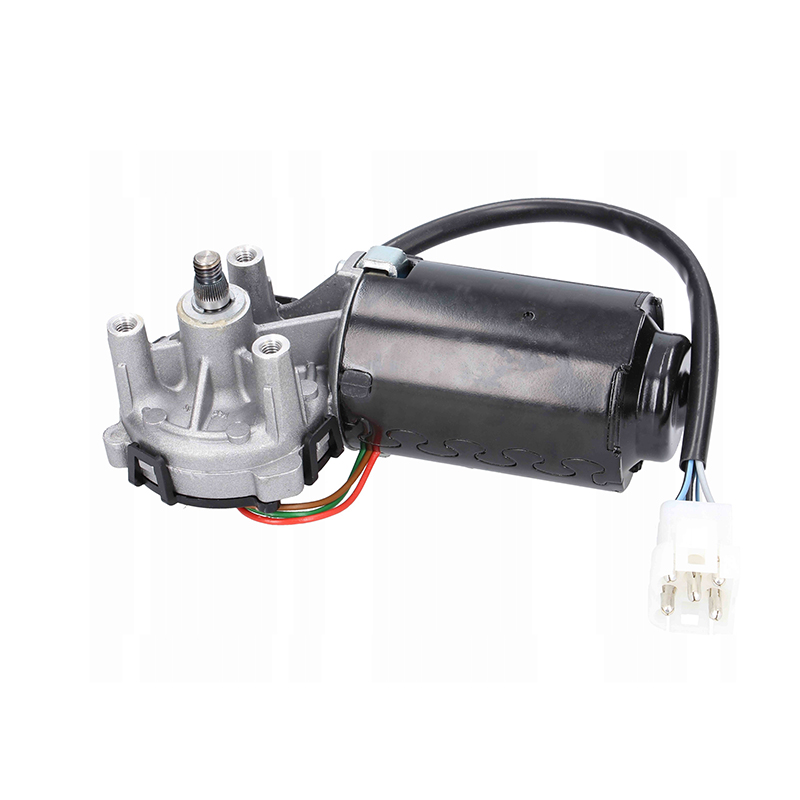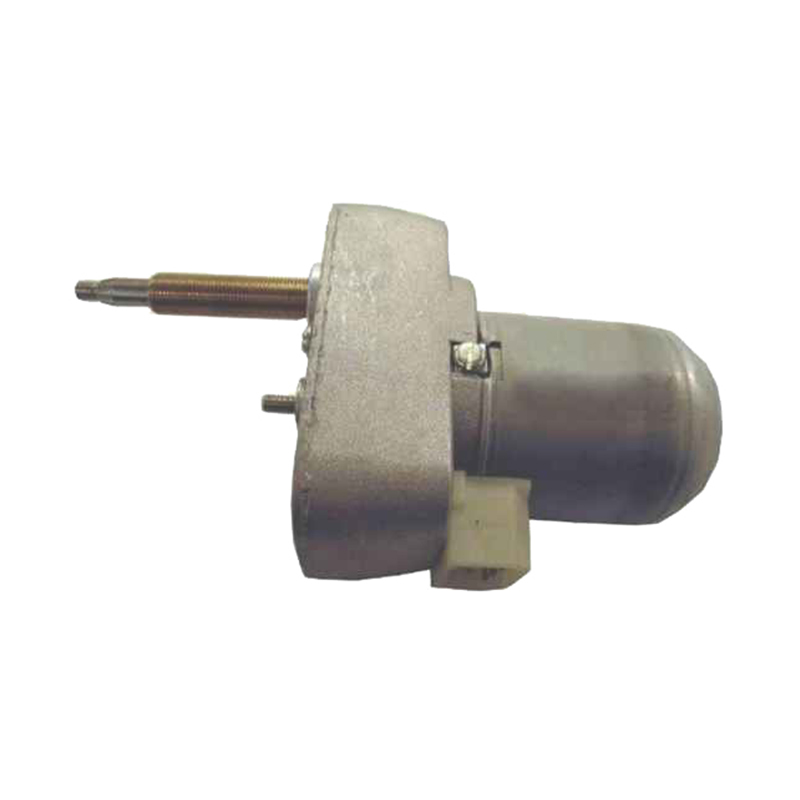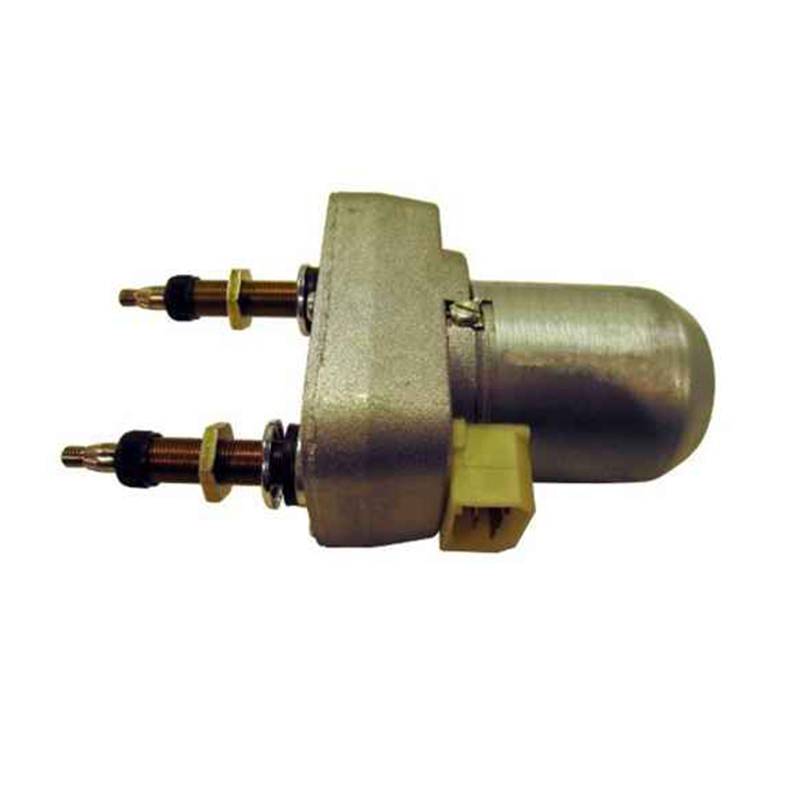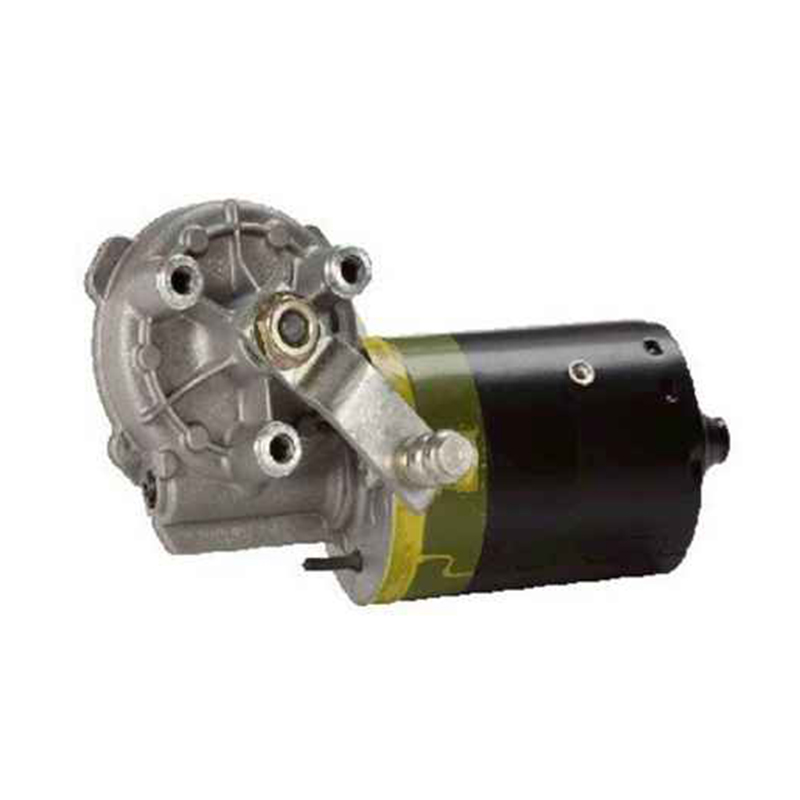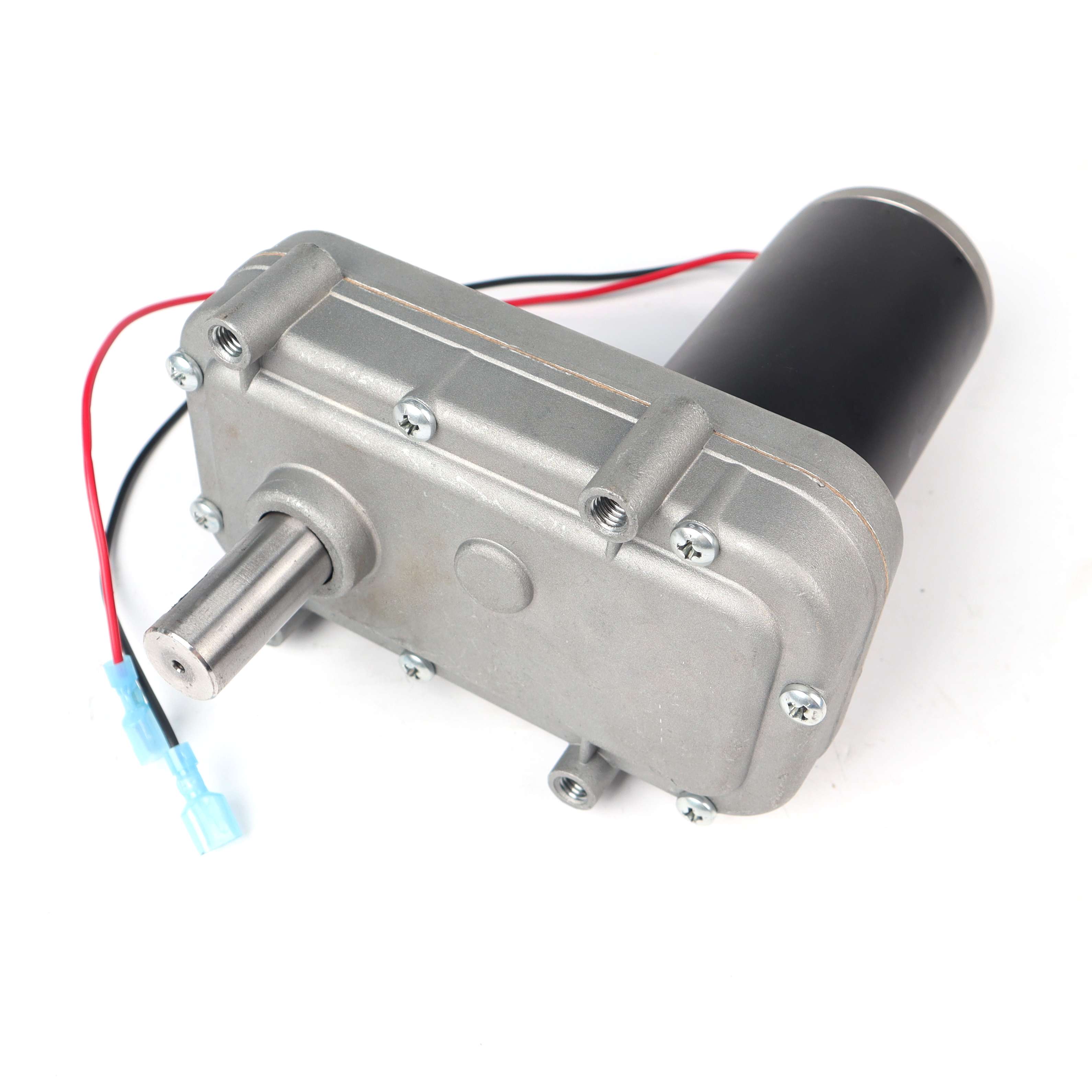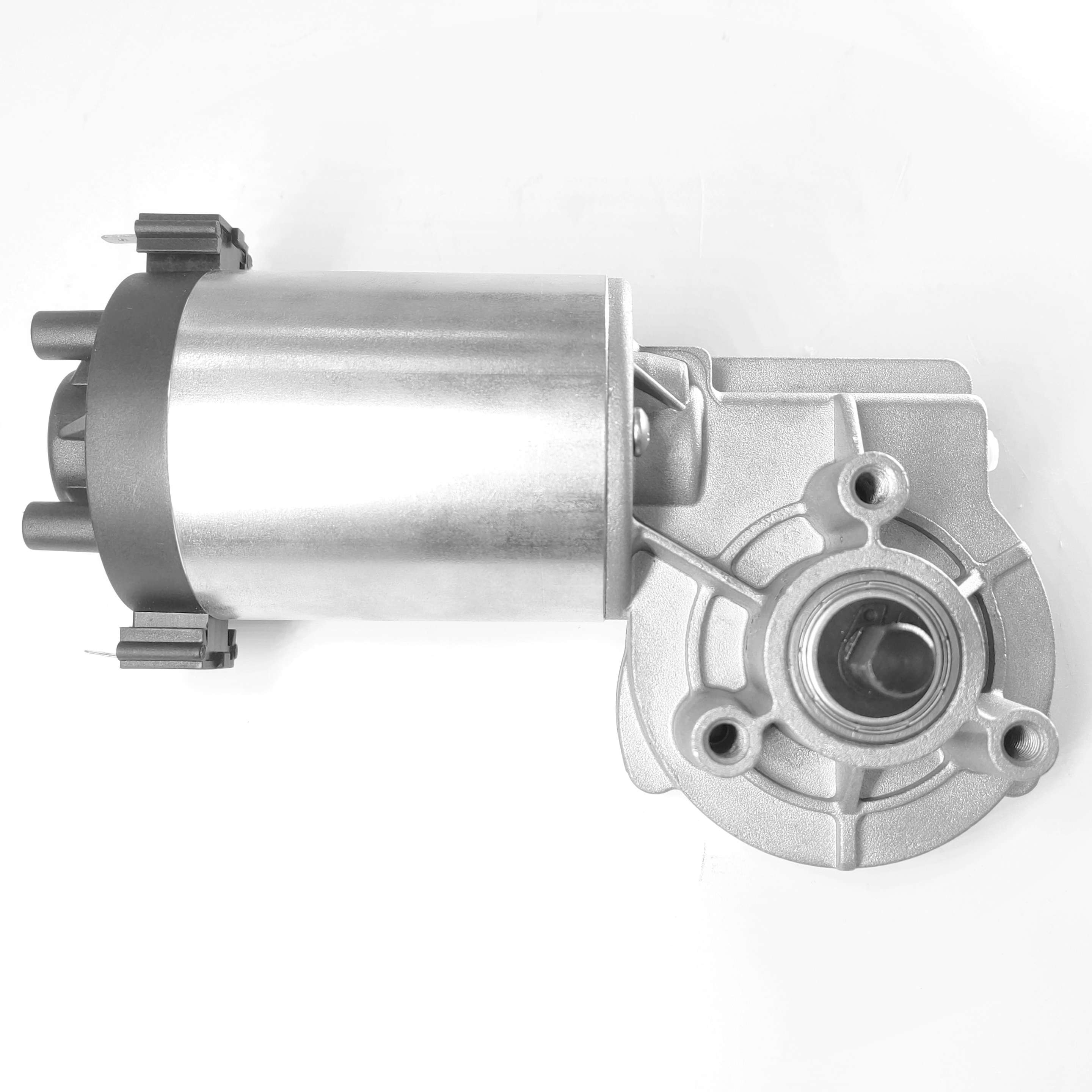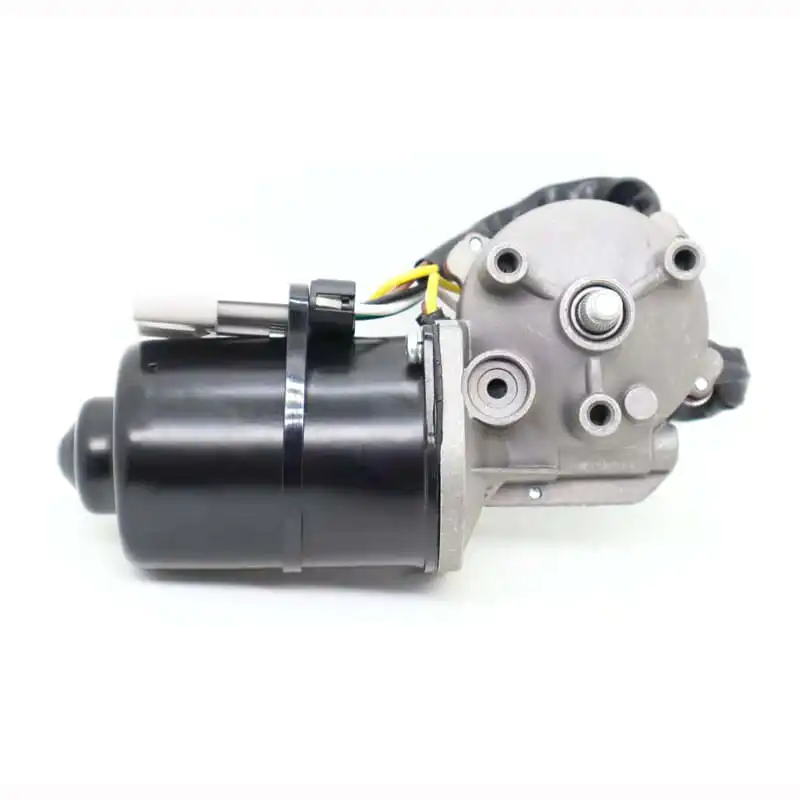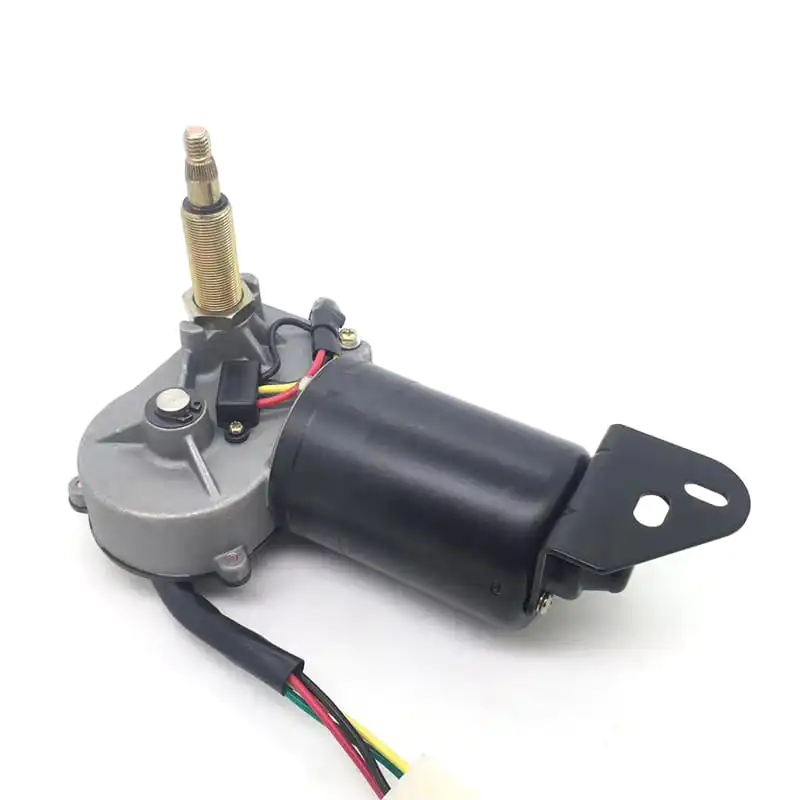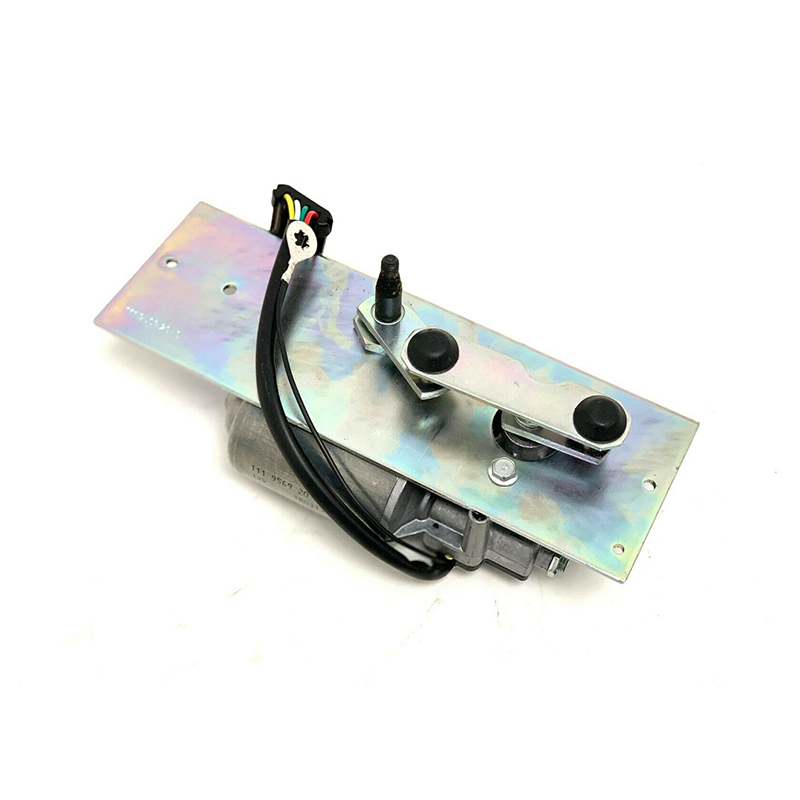
The 116.1486.2B wiper motor is a commonly used automotive component designed to operate windshield wipers, ensuring clear visibility during rain, snow, or other adverse weather conditions. Proper knowledge of its structure, functionality, potential issues, and maintenance practices is essential for vehicle owners and technicians to maintain effective wiper performance and ensure driving safety.
The 116.1486.2B wiper motor converts electrical energy from the vehicle battery into mechanical motion to operate the wiper arms. It is compatible with a variety of passenger cars and light trucks, and it generally drives a linkage system to move the wiper blades across the windshield.
|
Feature |
Description |
Notes |
|
Voltage |
12V DC |
Standard for automotive systems |
|
Motor Type |
Permanent magnet DC motor |
Efficient for intermittent and continuous operation |
|
Output Shaft |
Splined or keyed |
Connects to the wiper linkage |
|
Mounting |
Multiple bolt locations |
Ensures proper alignment with wiper arms |
|
Protection |
Plastic or metal casing |
Shields internal components from dust and moisture |
|
Operational Modes |
Multiple speed settings |
Usually low, high, and intermittent modes |
|
Lifespan |
Varies with usage |
Depends on environmental exposure and maintenance |
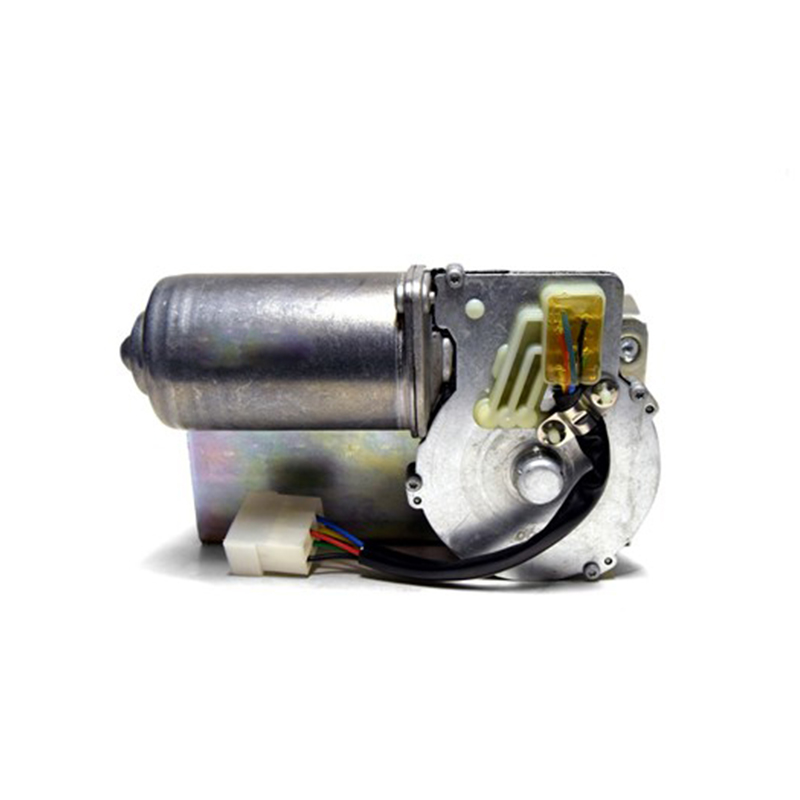
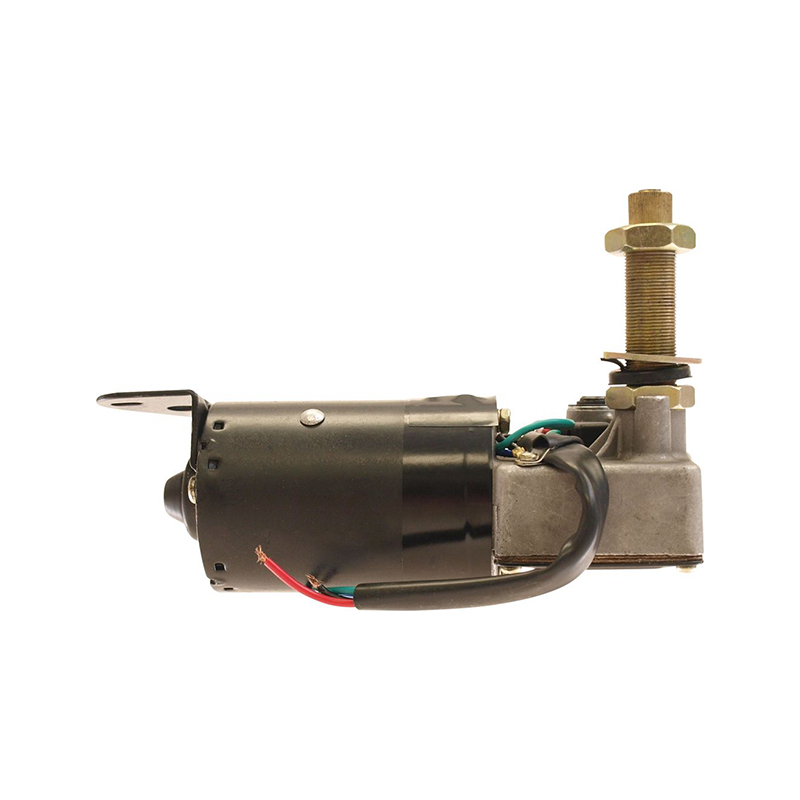
Key features include a durable housing, built-in gear system to reduce motor speed, and electrical connections for integration with the vehicle’s wiper control system. The motor can be used for single- or dual-wiper systems and is often paired with electronic relays or controllers to achieve intermittent operation. Understanding its structure is crucial for diagnosing performance issues or performing replacements.
Electrical Failures
Loose or Corroded Connections
Faulty wiring or corroded terminals can cause intermittent operation or complete failure of the motor. Regular inspection helps prevent electrical problems.
Blown Fuses or Relays
Overload or short circuits may trigger fuses or relay failure, cutting power to the wiper motor. Checking fuses and replacing relays is often the first step in troubleshooting.
Mechanical Wear
Worn Brushes or Commutator
Continuous operation over time can wear motor brushes, reducing efficiency or causing intermittent movement. Replacement of brushes may restore function without replacing the entire motor.
Gear Wear
Internal gears transferring motion to the wiper linkage may wear or strip, leading to grinding noises or incomplete blade movement. Lubrication and periodic inspection can reduce the risk of gear damage.
Environmental Factors
Moisture and Corrosion
Exposure to water, snow, or road salt can lead to corrosion of the housing or internal components, resulting in reduced performance or electrical shorts. Protective housing and careful sealing help prevent this.
Debris in Linkage
Dirt or ice can bind the wiper arms, placing extra load on the motor and potentially causing overheating or premature wear. Cleaning and proper lubrication are important preventive measures.
Regular Inspection
Visual Checks
Examine wiring, connectors, and the motor casing for corrosion or damage. Ensure the wiper linkage moves freely without obstruction.
Functional Testing
Operate the wipers in all speed settings to detect irregular movement, noise, or failure to park correctly.
Replacement Procedure
Disconnect Battery
Always disconnect the vehicle battery before removing the motor to prevent electrical shock or short circuits.
Remove Wiper Arms and Cowl
Lift the wiper arms and remove the retaining nuts. Detach the cowl cover to access the motor and linkage assembly.
Detach Motor and Linkage
Unscrew mounting bolts and disconnect the electrical connector. Remove the motor from the vehicle carefully to avoid damaging the linkage.
Install Replacement Motor
Position the new motor, secure it with bolts, reconnect the linkage and electrical connector, and reassemble the cowl and wiper arms. Test the system to ensure proper function.
By following these steps and maintaining the motor regularly, the lifespan of the 116.1486.2B wiper motor can be maximized, ensuring reliable windshield wiper performance and vehicle safety.

Tel:+86-0577-66009580
Mobile: +86-18858801083
E-mail:juntmotor@126.com
Whatsapp:+8618858801083
WeChat: +86-18858801083
 WeChat

Automotive Reduction Motors Manufacturer

 +86-0577-66009580
 juntmotor@126.com
 Language
  English
 Português