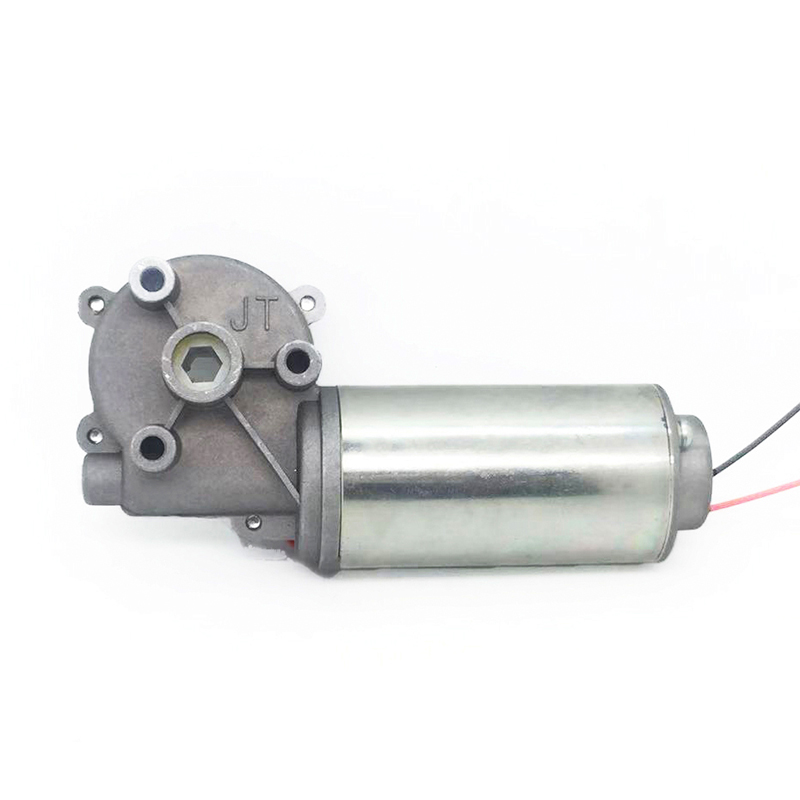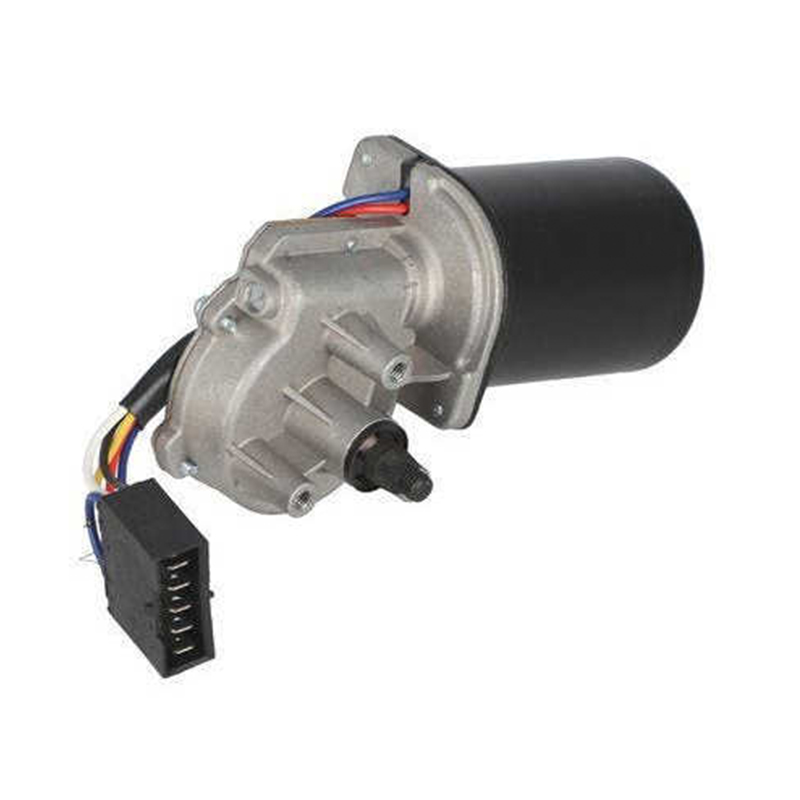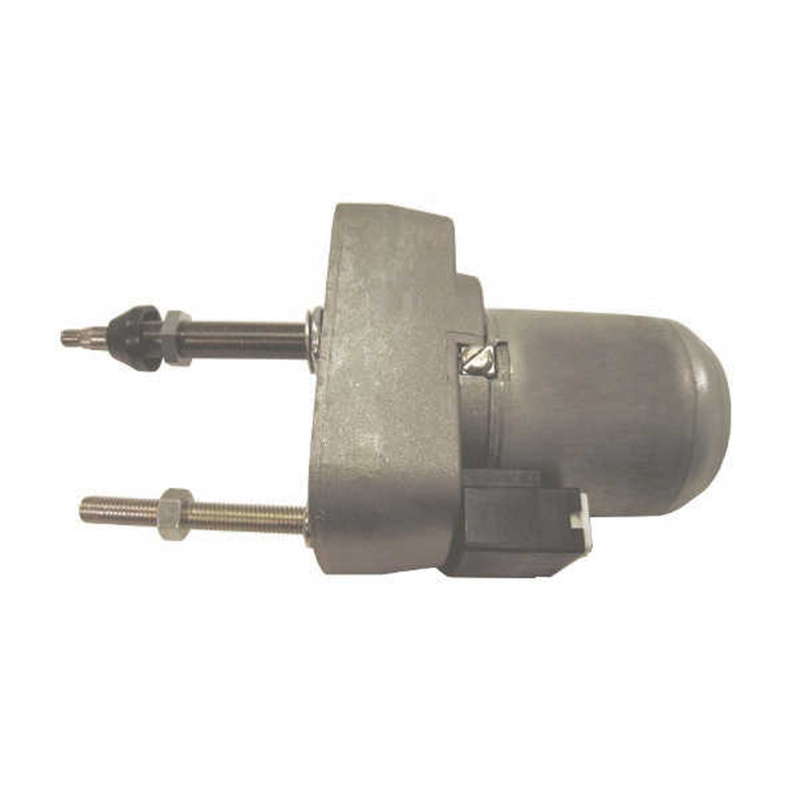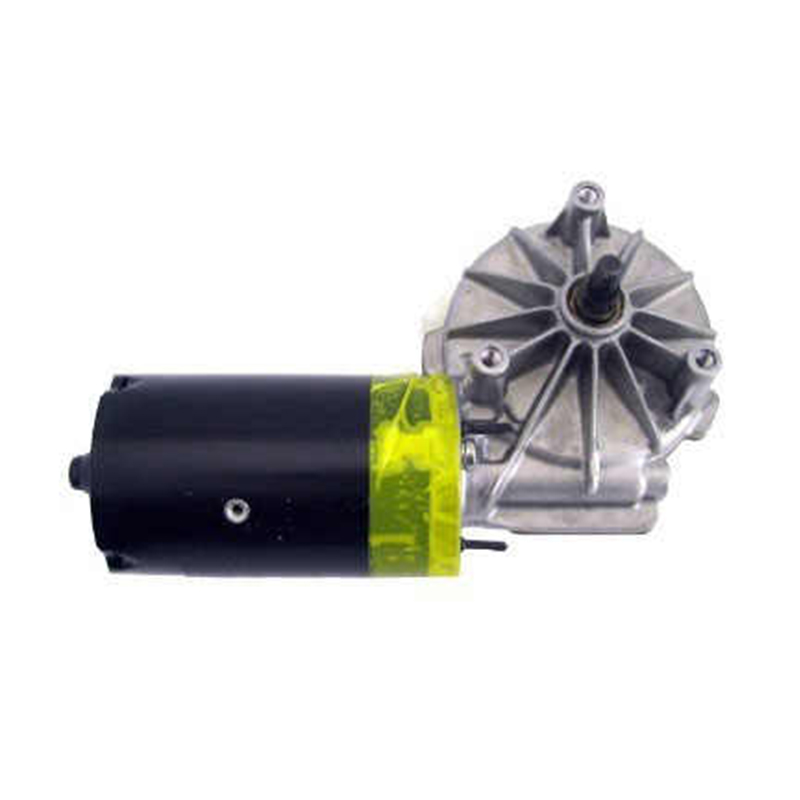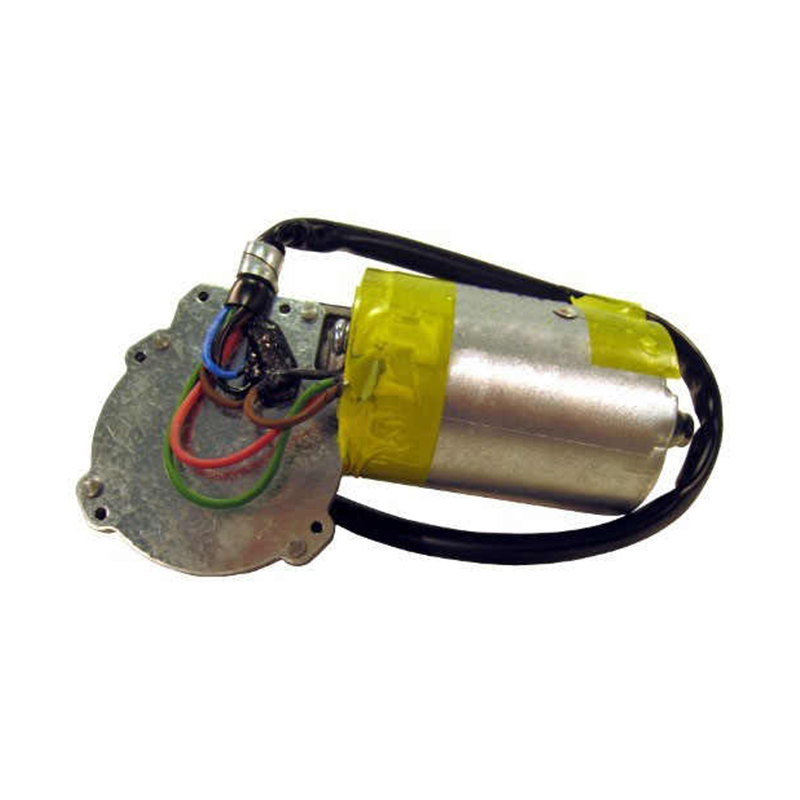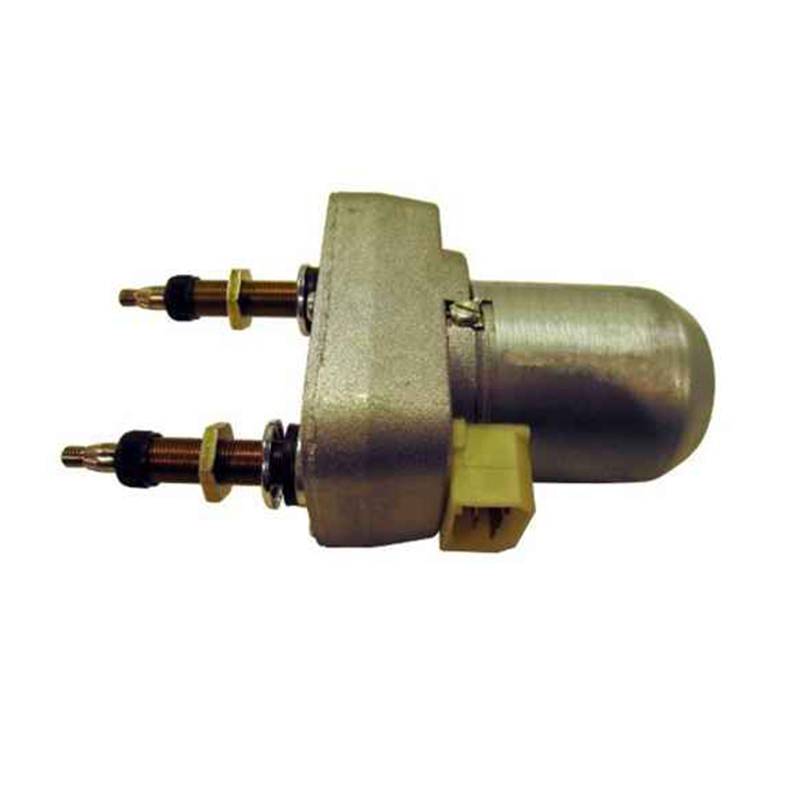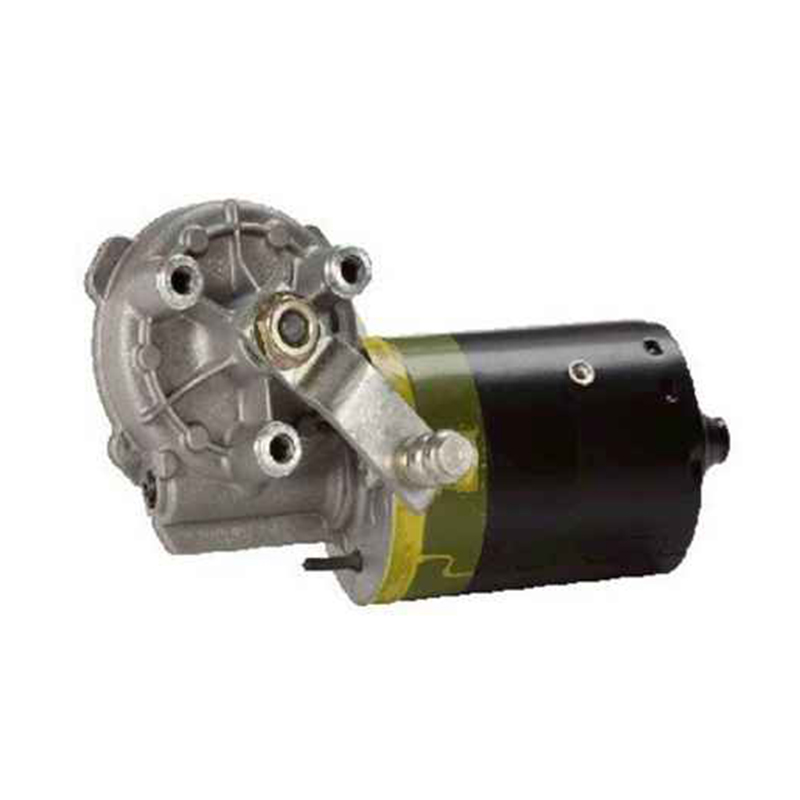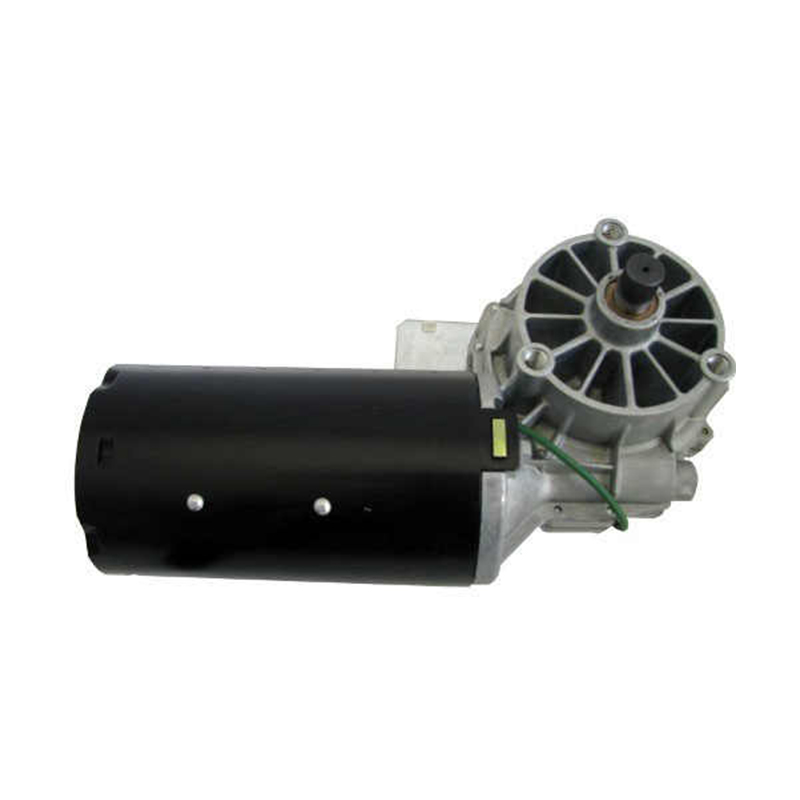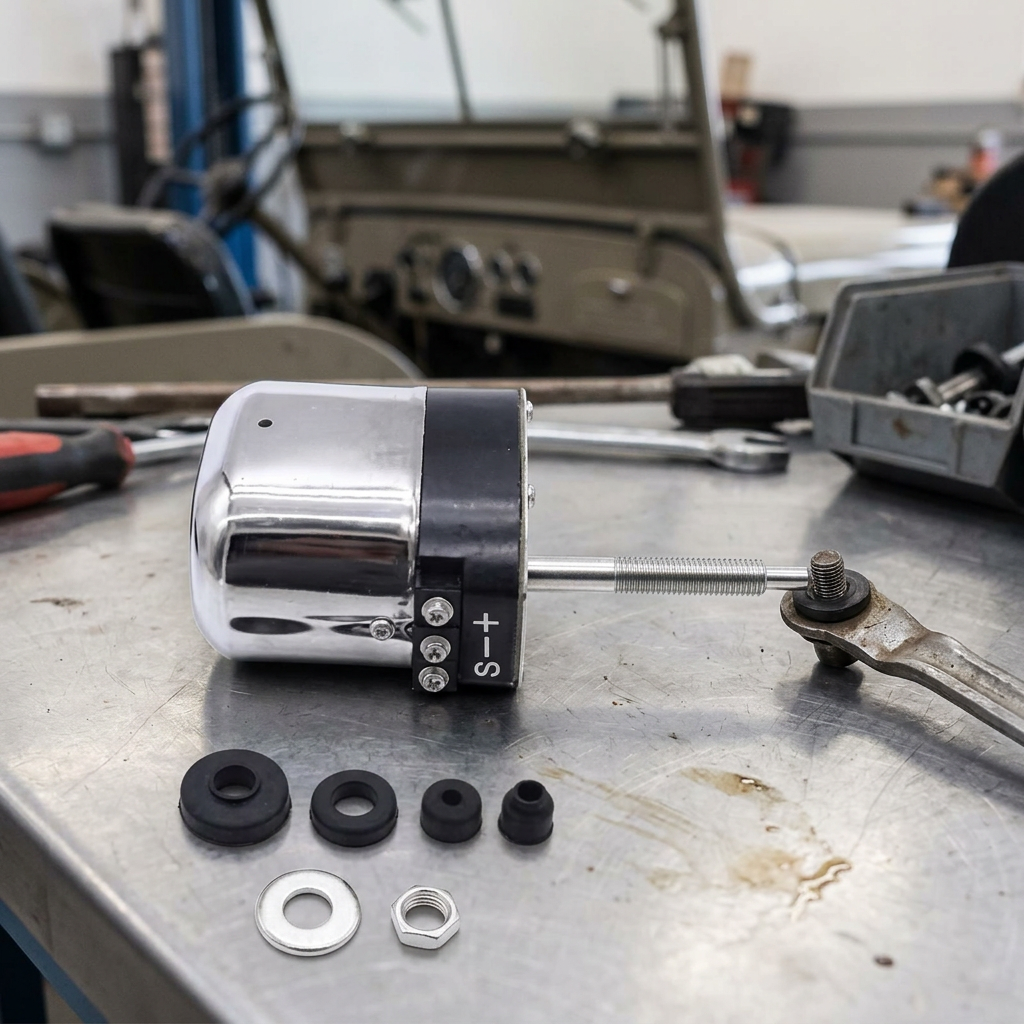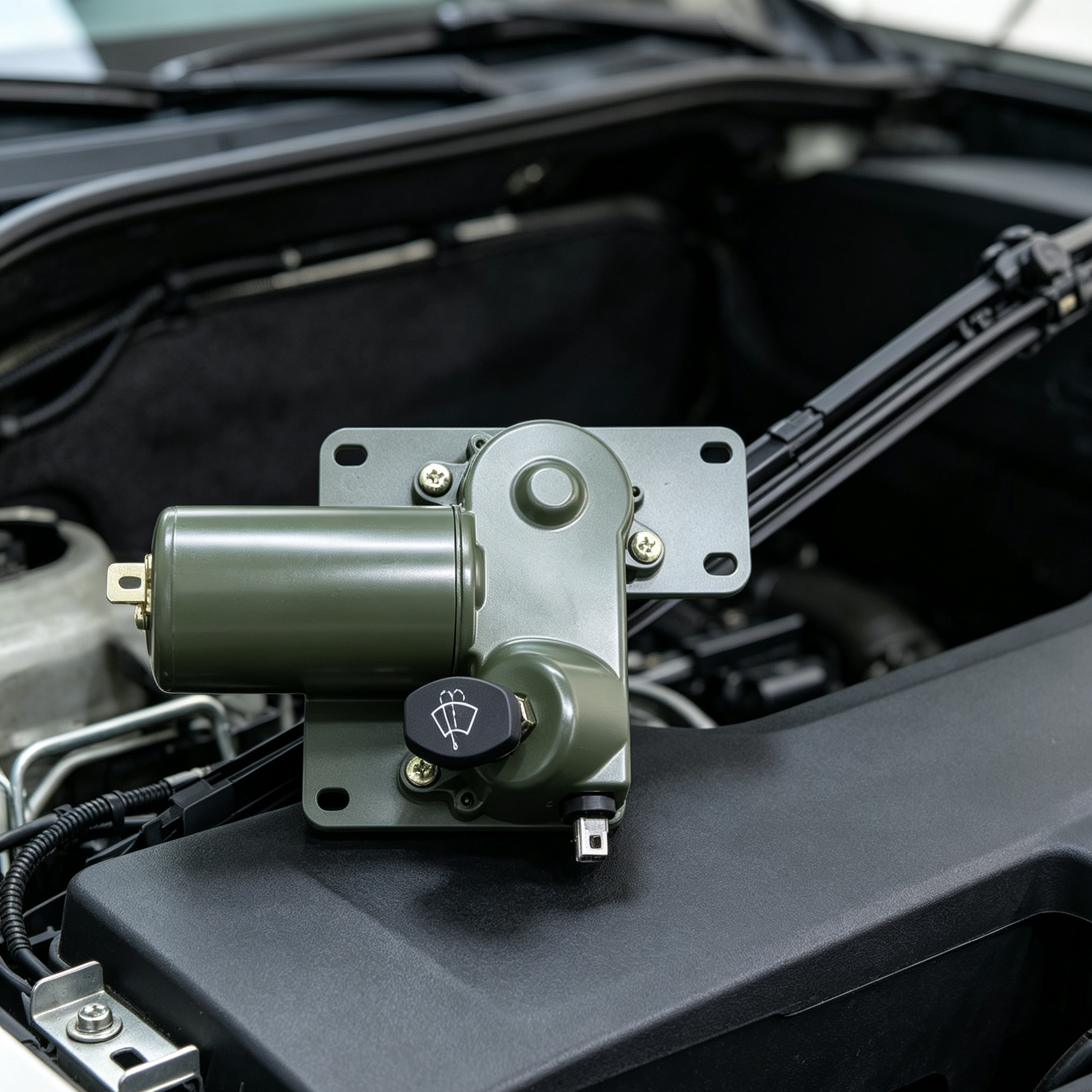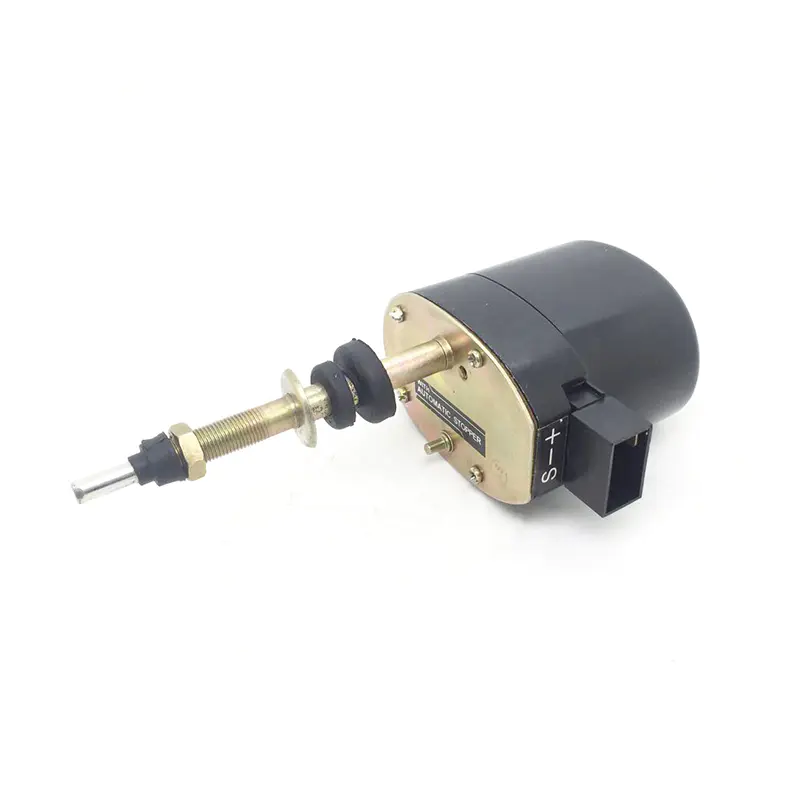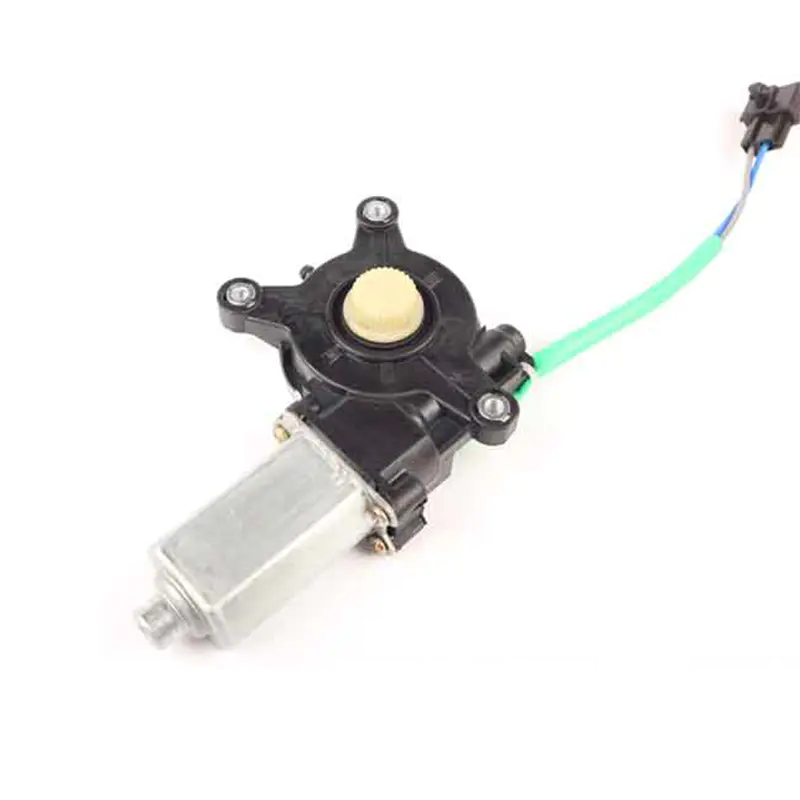
A window that moves slower than it should is not always a minor inconvenience. In commercial vehicles, fleet applications, or any setting where window function is part of daily operation, slow or inconsistent movement signals a developing problem — and the source is usually the motor, not the switch or the wiring. A Glass Lift Motor provides the rotational force that drives the regulator mechanism, and when that force is insufficient, degraded, or poorly matched to the regulator, the window's movement becomes sluggish, jerky, or stops entirely. Understanding why a motor fails to deliver adequate performance — and how to select a replacement or upgrade that actually resolves the problem — requires looking at how the motor interacts with the regulator system as a whole.
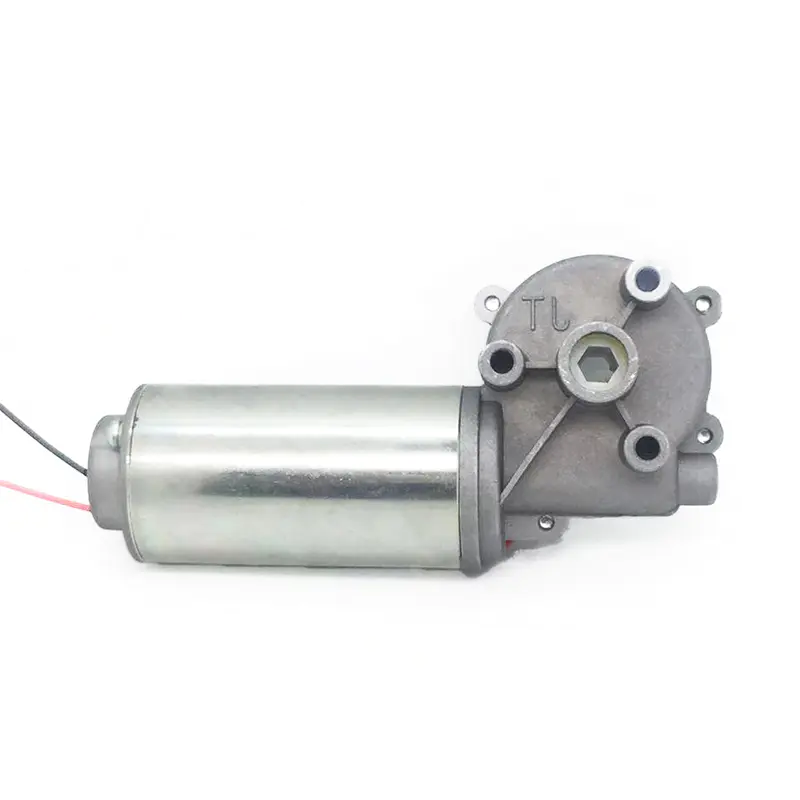
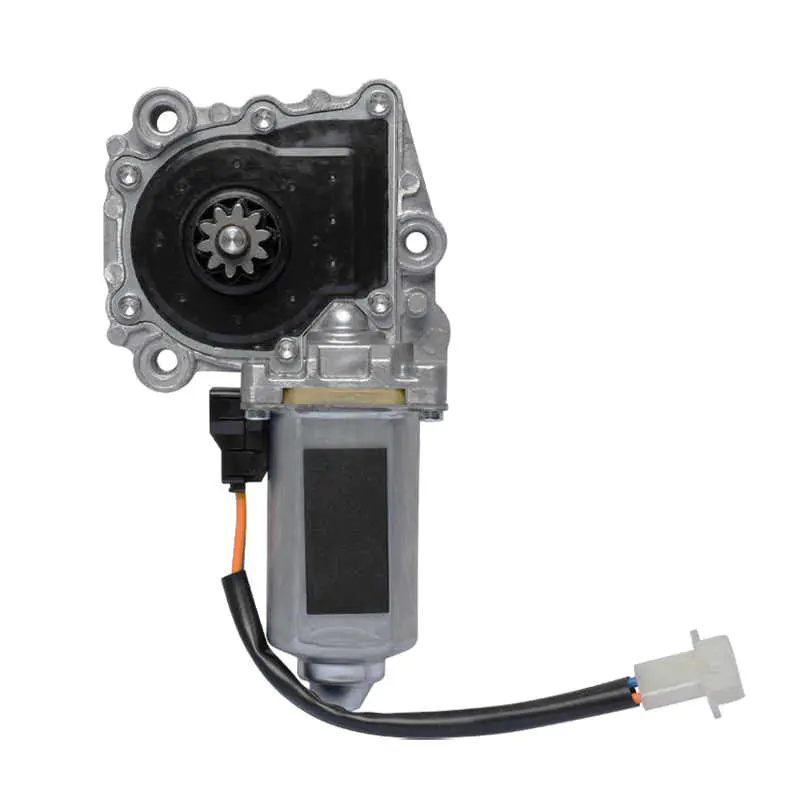
This type of motor is a direct current unit designed to operate within the vehicle's electrical system. It generates rotational force through electromagnetic action when current flows through its windings. That rotational output is delivered to the window regulator, which converts it into the linear motion that raises or lowers the glass.
The motor and regulator are two halves of the same function. A motor with adequate torque paired with a regulator in good condition produces smooth, consistent window movement. When either component is underperforming, the movement suffers.
Speed and torque are the two primary output characteristics of any DC motor, and they trade off against each other. A motor spinning quickly but with limited torque will slow down or stall when it encounters resistance — a tight seal, a stiff regulator, or accumulated friction in the window channel.
Slow window movement is frequently a torque problem rather than a speed problem. The motor may still be running, but it cannot maintain adequate force as it works against the mechanical resistance of the system. A replacement or upgraded unit needs to restore torque output to a level that handles the actual load the regulator presents.
In brush-type DC motors — the type used in a large share of vehicle window systems — current flows into the rotating armature through carbon brushes that press against a commutator ring. As the brushes wear, the contact surface shrinks and the quality of current transfer degrades. Lower current into the armature means lower magnetic force and lower torque.
A motor with worn brushes may run adequately under light load but slow noticeably when the regulator requires more force — such as when the window approaches the fully closed position and has to compress the seal.
The motor's output passes through a gear set before it reaches the regulator. In many window motor assemblies, the final reduction gear is made from a polymer material that is quieter than metal but wears faster under sustained load or thermal cycling. As the gear teeth wear, the mesh between gears becomes looser, which introduces backlash and reduces the efficiency of force transmission.
A motor with worn gears may produce adequate rotational speed at its output shaft but deliver less effective force to the regulator than a motor in good condition.
DC motors generate heat during operation. Sustained use — repeated cycling, holding the switch at full travel, or operating in a high-ambient-temperature environment — raises the winding temperature. Higher winding temperature increases electrical resistance, which reduces current flow and therefore torque output.
In severe cases, overheating can permanently degrade the winding insulation, accelerating the motor toward failure. For window motors in commercial vehicles that see heavy daily use, thermal performance is a relevant selection criterion.
Window regulators come in two broad mechanical configurations: scissor-type and cable-type. The torque that the motor needs to deliver depends on which type is in the system.
Scissor regulators use a folding arm mechanism that creates a varying mechanical advantage across the window's travel range. The force the motor needs to provide varies as the geometry of the arms changes. Cable regulators use a cable routed through a drum to apply force more uniformly, but they introduce their own friction variables depending on cable condition and routing.
Replacing a motor without accounting for the regulator type and condition can produce disappointing results even with a new unit.
A motor and regulator that are not matched for gear interface, rotational direction, or shaft diameter will not function correctly even if both components are in good condition individually. Mismatched gear engagement produces grinding noise and uneven force application. A shaft diameter mismatch prevents proper coupling entirely.
Vehicle-specific motor selection is not a preference — it is a mechanical requirement. The replacement motor needs to match the original unit's interface specifications, not just its general power rating.
An OEM unit is produced to the vehicle manufacturer's specification and validated for the specific regulator and electrical system of that vehicle. It should install without modification and operate within the designed parameters of the window system.
An aftermarket motor may be manufactured to a general specification that covers multiple vehicle applications, or it may be a close copy of the OEM unit. Performance varies significantly across aftermarket options. Some are functionally equivalent to OEM units. Others use lower-grade materials, less precise gear tolerances, or brush grades that wear faster in heavy-use applications.
For fleet and commercial applications where window motors see sustained daily use, the gap between a well-made aftermarket motor and a low-cost substitute has real operational consequences.
Before specifying a replacement motor for a vehicle application, verify:
| Application Type | Priority Parameter | Motor Selection Focus | Common Issue to Avoid |
|---|---|---|---|
| Passenger car, light use | Cost vs compatibility | OEM-equivalent fitment | Gear mismatch causing noise |
| Fleet vehicle, daily use | Durability and brush life | Higher-grade brush material | Premature brush wear under sustained cycling |
| Commercial vehicle, heavy door | Torque output | Higher torque rating within voltage range | Stall under load |
| Off-road or high-vibration use | Structural rigidity | Metal gear set preferred | Gear tooth fatigue from shock loading |
| Luxury or high-speed window | Speed and noise level | Precision-balanced armature | Vibration and noise |
| Replacement for aging regulator | System compatibility | Full assembly vs motor-only evaluation | Motor works but regulator still at fault |
Selecting by application type prevents the common mistake of choosing a motor based on general power rating while ignoring the specific demands of the operating environment.
If the regulator is in good mechanical condition — arms move freely, cable is undamaged, pivot points are not worn — replacing only the motor is a practical approach. It is faster, less expensive, and avoids disturbing a regulator that is still functioning correctly.
Signs that the motor is the isolated fault include:
If the regulator shows wear, corrosion, bent arms, or frayed cable, replacing the motor alone may solve the immediate problem while leaving a secondary fault in place. The new motor will work against the compromised regulator and may fail prematurely or deliver performance that is still below expectation.
For high-mileage vehicles or systems where the window has been operating with a known problem for an extended period, a complete regulator-and-motor assembly replacement removes the uncertainty of the regulator's remaining service life.
A motor receiving lower voltage than its rated input will produce less torque, regardless of the motor's own condition. Voltage drops occur when wiring connections corrode, ground points develop resistance, or the switch contacts wear. Before attributing slow window movement to the motor, verify that the motor is actually receiving adequate voltage during operation.
Checking voltage at the motor connector while the switch is activated takes less time than a motor replacement and eliminates the possibility that the real fault is upstream of the motor entirely.
Even after a motor is replaced, a wiring harness with high resistance connections or inadequate conductor cross-section will limit the motor's output. In vehicles where the wiring has been routed through areas subject to heat or abrasion, degradation of the insulation and conductor surface is worth checking alongside the motor condition.
Material quality, gear grade, brush composition, and assembly precision determine how long a window motor performs in service and how consistently it delivers the torque the regulator requires. These are manufacturing decisions that are not visible in a product photograph or a basic specification sheet — they show up in service life and in how the motor performs under sustained load.
Wenzhou Junt Power Technology Co., Ltd. manufactures glass lift motors and related automotive electrical components for OEM, fleet, and aftermarket supply channels. Their products are designed with compatibility verification as part of the development process, covering mounting interface, shaft specification, and electrical parameters for specific vehicle applications. If you are sourcing window lift motors for a fleet supply program, an aftermarket catalog, or an OEM replacement application, reaching out with your vehicle application details, duty cycle requirements, and volume needs gives their engineering team the context to recommend a specification suited to your operating conditions.

Tel:+86-0577-66009580
Mobile: +86-18858801083
E-mail:juntmotor@126.com
Whatsapp:+8618858801083
WeChat: +86-18858801083
 WeChat

Automotive Reduction Motors Manufacturer

 +86-0577-66009580
 juntmotor@126.com
 Language
  English
 Português