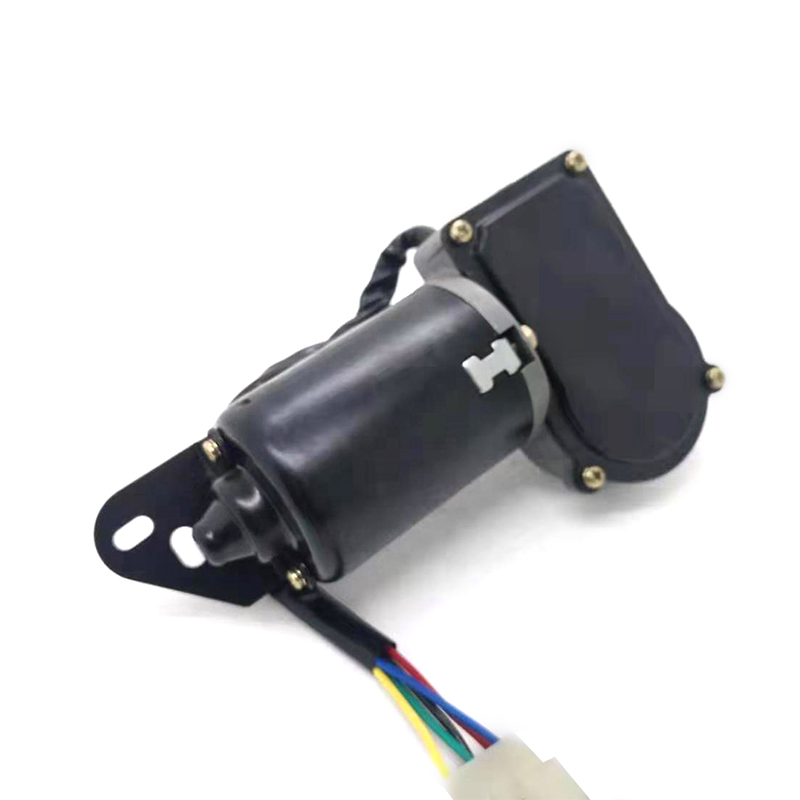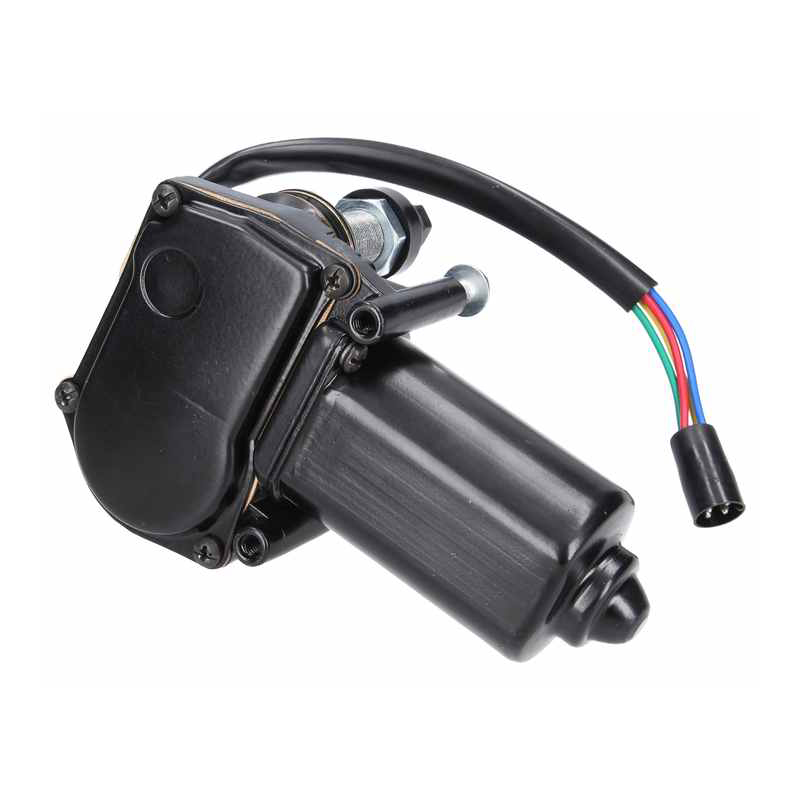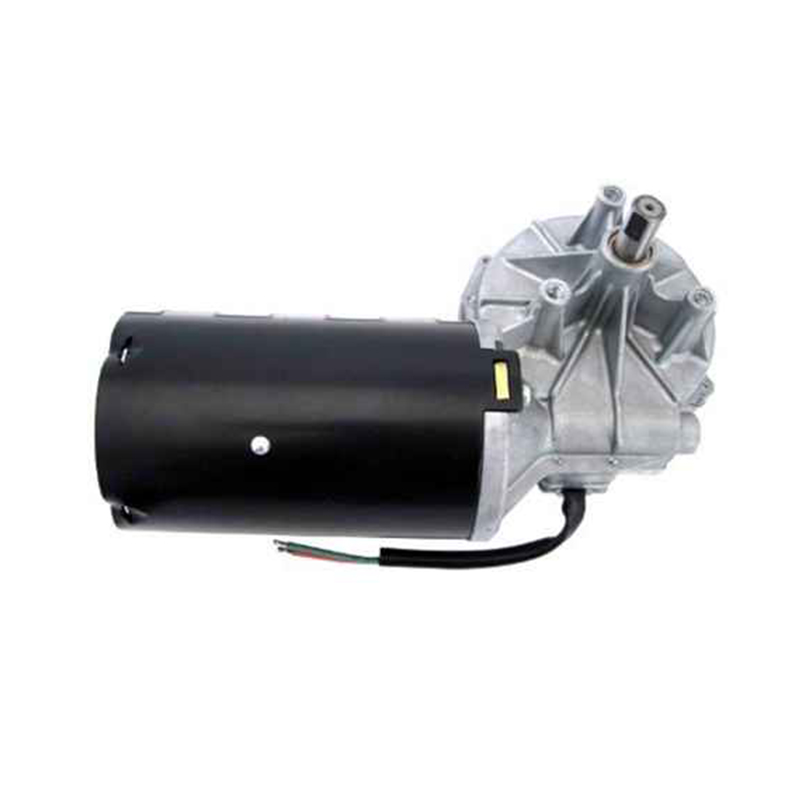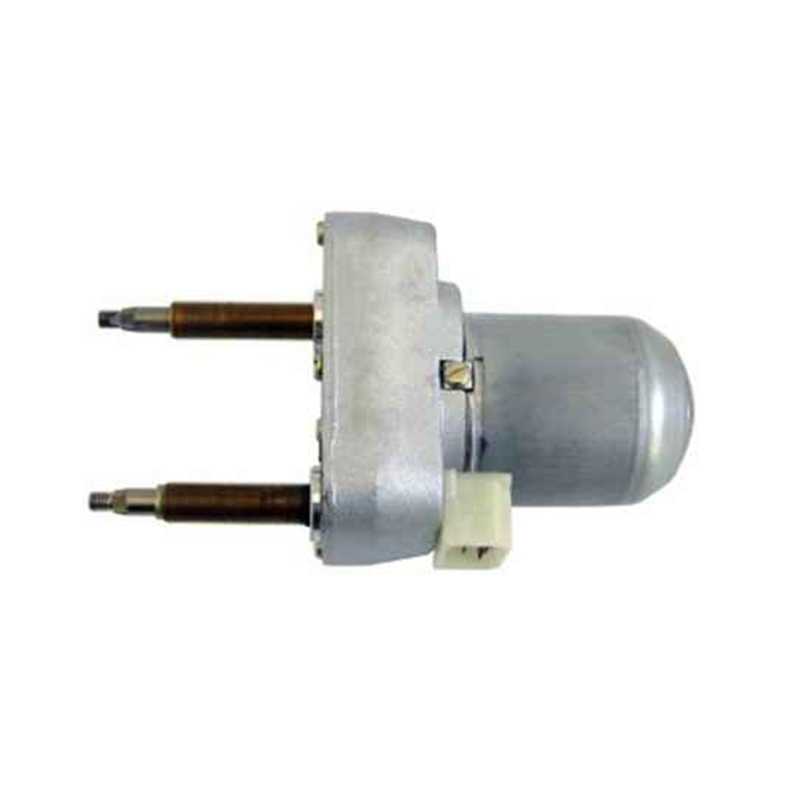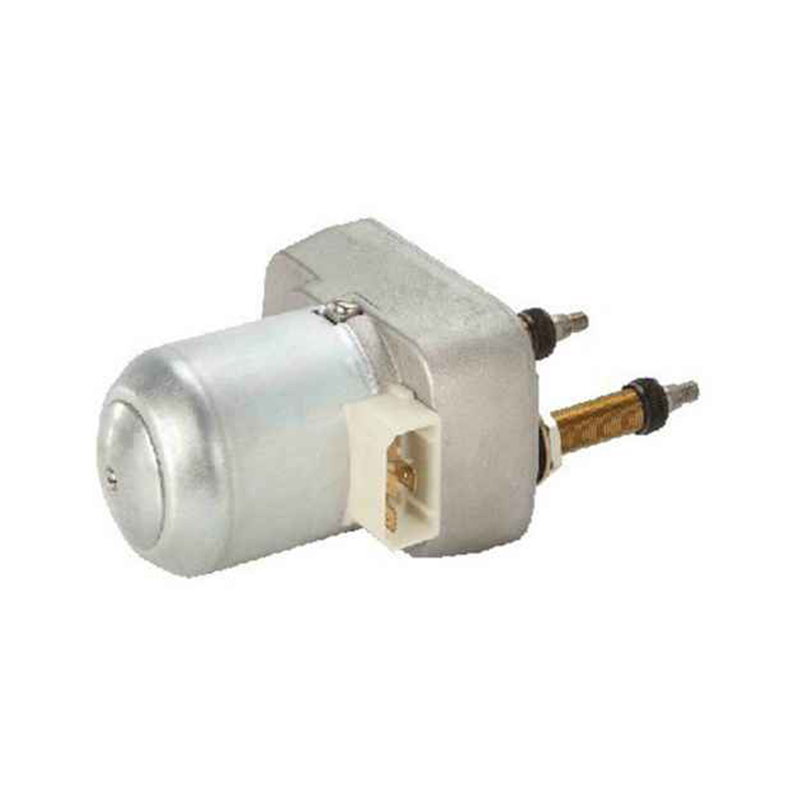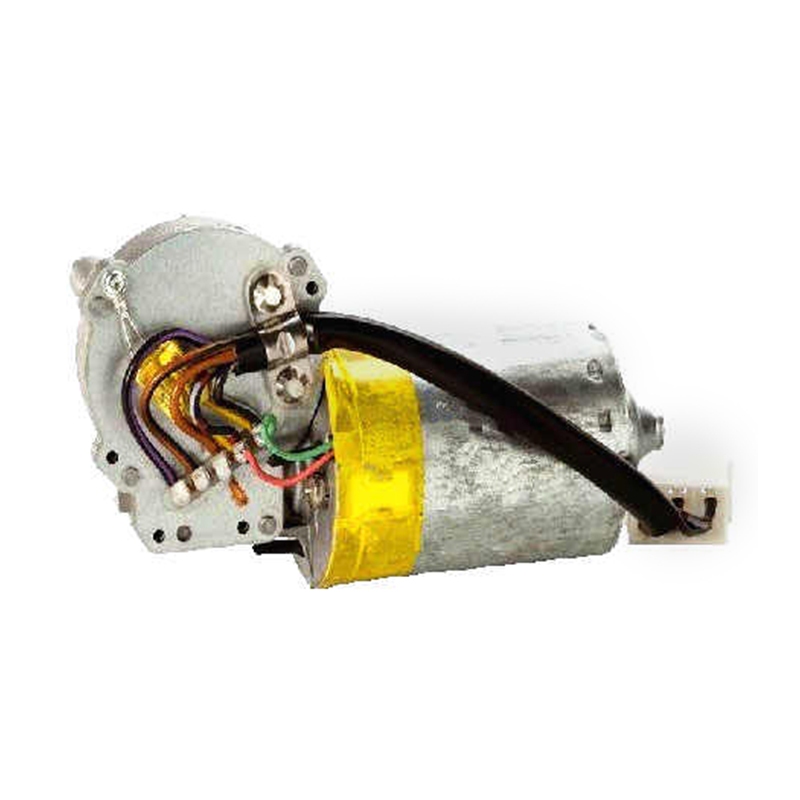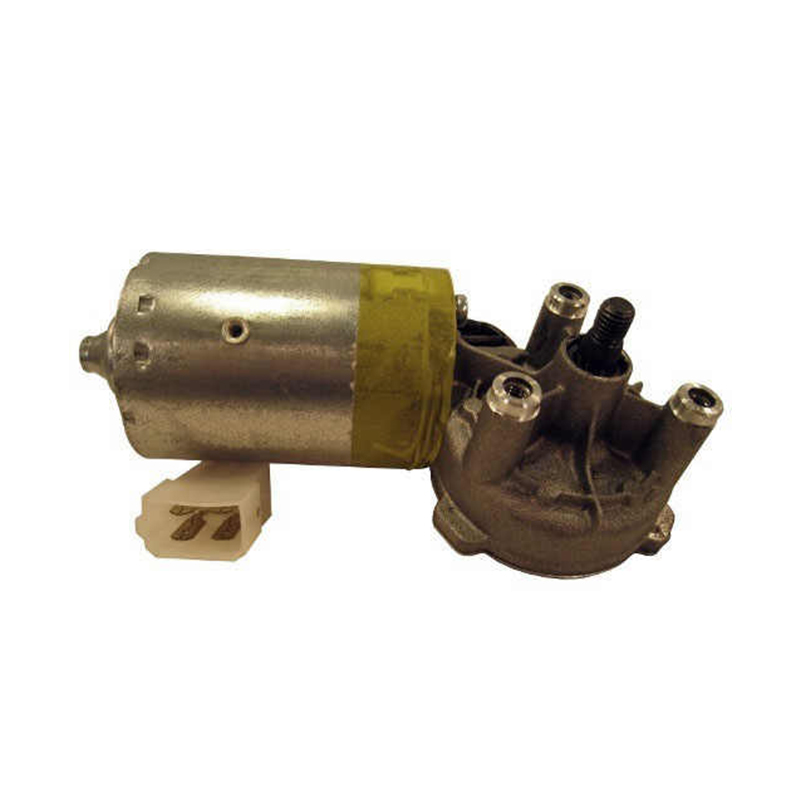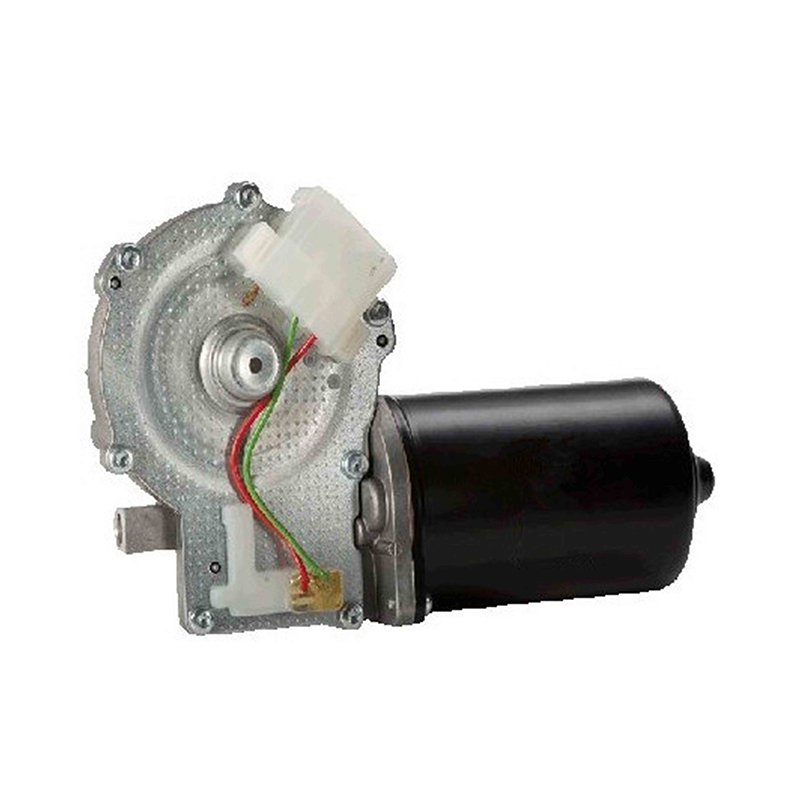
A window that takes twice as long to close as it used to is easy to dismiss as a minor inconvenience — until it is not. Rain through a half-open window, a parking garage sensor that will not trigger, a door seal that cannot seat properly because the glass is stuck mid-travel. These situations share a common starting point, and it usually traces back to the Glass Lift Motor or the mechanical system it drives. Understanding what causes slow window movement, and how the motor fits into that picture, makes the difference between a targeted repair and a frustrating cycle of trial and error.
Window glass does not move in open air. It runs inside a channel, against rubber seals, along a regulator track, and through a set of pivot points that have to stay aligned for smooth operation. Any of those contact surfaces can develop friction over time. Rubber seals stiffen with age and temperature cycling. Tracks accumulate dust, debris, and oxidized grease that no longer lubricates effectively. Regulator arms develop slight binding at pivot joints.
When mechanical resistance increases, the motor has to work harder to move the glass at the same speed. If the motor is already aging, the combination accelerates the decline. The window gets slower, the motor runs hotter, and the problem compounds.
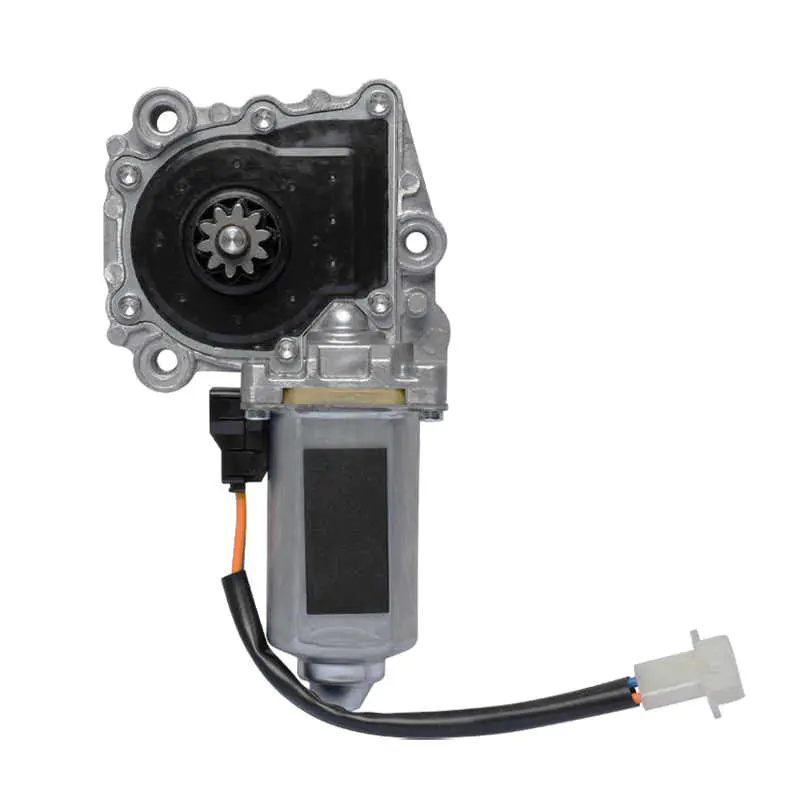
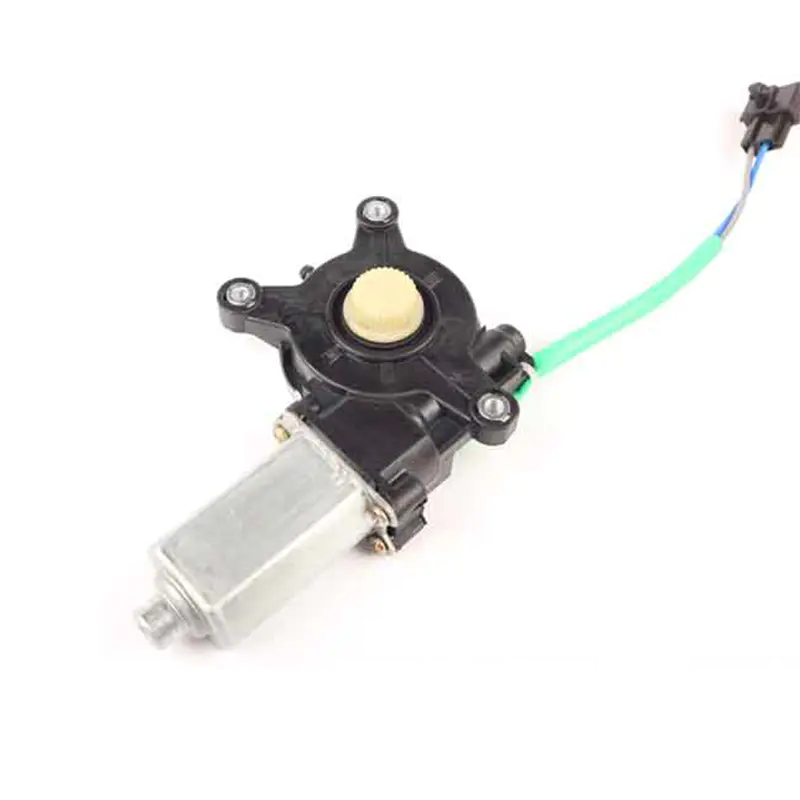
A DC motor driving a window regulator depends on consistent torque output to move the glass reliably. Over time, the internal components wear. Brush contacts thin out and make inconsistent contact. The armature windings can develop resistance increases that reduce current efficiency. The result is a motor that draws the same power from the vehicle's electrical system but converts less of it into useful mechanical torque.
This torque loss shows up as slow movement, hesitation at the start of travel, or a window that struggles in cold weather when the seals are stiffer and the lubricant is thicker. The motor is still working — just not as effectively as it once did.
The window regulator is the mechanical structure that translates rotational motor output into the vertical movement of the glass. Scissor-type regulators use a pantograph linkage. Cable-type regulators use a pulley and cable system. Both depend on the Glass Lift Motor to supply the rotational energy that moves the glass up or down.
The motor connects to the regulator through a gearbox that steps down speed and increases torque. This gear reduction is what allows a relatively small DC motor to lift the weight of automotive glass against the resistance of the seals and channel. When the motor weakens, the gear reduction cannot compensate — reduced input torque produces reduced output force, and the glass moves slower.
Motor speed in a DC system is directly related to the voltage applied and the load the motor is working against. A fully charged electrical system at normal operating voltage will drive a Glass Lift Motor faster than a system with marginal voltage from a weak battery or corroded connections.
Under normal conditions, the motor speed is set by the factory calibration of the regulator assembly. But as load increases — from friction, stiff seals, or debris — the motor slows under load even at the same voltage. This is the practical reason why a window that moved quickly when new becomes noticeably slower after years of use without any specific failure.
Before replacing the Glass Lift Motor, it helps to narrow down whether the slowness is coming from mechanical resistance or from the motor itself. A few checks clarify the picture:
If cleaning and lubrication improve speed significantly, the primary cause was mechanical resistance. If the improvement is minimal or short-lived, the motor is likely contributing to the problem.
Some symptoms point more directly to motor failure than to mechanical issues:
In these cases, cleaning and lubrication will not restore performance. A replacement Glass Lift Motor is the practical solution.
A replacement motor needs to match the torque and voltage requirements of the original regulator system. Insufficient torque will produce the same slow movement problem from a new motor. The operating voltage specification needs to align with the vehicle's electrical system to avoid drawing excessive current or running at reduced efficiency.
Key specifications to verify before sourcing a replacement:
The decision between OEM-equivalent and aftermarket Glass Lift Motors depends on the application. For standard passenger vehicles in normal operating conditions, a quality aftermarket motor built to the original specification performs comparably to an OEM part. For vehicles operating in demanding conditions — frequent use in extreme temperatures, commercial fleet applications, or high-cycle environments — a motor built to a tighter specification may offer more consistent long-term performance.
Aftermarket suppliers that manufacture to automotive-grade standards and can provide specification documentation give buyers more confidence that the replacement part will perform as expected.
How different motor and mechanical conditions affect window speed in practice:
| Condition | Effect on Speed | Primary Cause | Recommended Action |
|---|---|---|---|
| New motor, clean track | Normal speed | No issues | Routine maintenance |
| New motor, stiff seals | Slightly reduced | Mechanical resistance | Lubricate seals and track |
| Aging motor, clean track | Gradually reduced | Torque loss over time | Monitor and plan replacement |
| Aging motor, debris buildup | Noticeably slow | Combined mechanical and motor load | Clean track and assess motor |
| Worn motor brushes | Intermittent or slow | Electrical contact degradation | Replace motor |
| Low system voltage | Slow under load | Electrical supply issue | Check battery and connections |
| Motor failure | No movement | Internal motor damage | Replace motor |
Working through the conditions in order — mechanical first, then electrical, then motor — avoids unnecessary replacement and helps identify the actual source of the problem.
A Glass Lift Motor that runs hot, draws excessive current, or delivers inconsistent torque puts stress on the regulator assembly beyond what the normal lifting load would require. Regulator arms and cable systems are designed around an assumed load range. A motor that struggles against friction transmits that strain into the regulator structure, accelerating wear at pivot points and increasing cable tension in cable-type systems.
Installing a quality replacement motor reduces this secondary stress and extends the working life of the regulator assembly as a whole.
Window lift noise is a common complaint in older vehicles, and the motor is often one of the contributing factors. Worn brushes produce electrical noise that can be heard as a buzz or hum during operation. Mechanical imbalance in an aging armature creates vibration that transmits through the regulator and door structure.
A replacement motor with tighter manufacturing tolerances and new brush contacts typically runs more quietly than a worn original, even in a regulator assembly that has seen significant use.
Slow window movement is a solvable problem, and in most cases the solution is straightforward once the root cause is identified. Mechanical resistance responds to cleaning and lubrication. Motor degradation requires a matched replacement that restores the original torque and speed characteristics of the system. Getting the specification right matters — a motor that does not match the regulator's requirements will underperform regardless of its quality. For automotive parts distributors, repair workshops, and fleet procurement teams sourcing Glass Lift Motor replacements at volume, Wenzhou Junt Power Technology Co., Ltd. provides DC motor solutions designed for automotive window lift applications, with product configurations covering a range of torque outputs, voltage specifications, and regulator interface formats. Contacting their team directly to discuss application requirements, compatibility verification, or order volumes is a practical starting point for identifying the right motor for your specific vehicles and operating conditions.

Tel:+86-0577-66009580
Mobile: +86-18858801083
E-mail:juntmotor@126.com
Whatsapp:+8618858801083
WeChat: +86-18858801083
 WeChat

Automotive Reduction Motors Manufacturer

 +86-0577-66009580
 juntmotor@126.com
 Language
  English
 Português