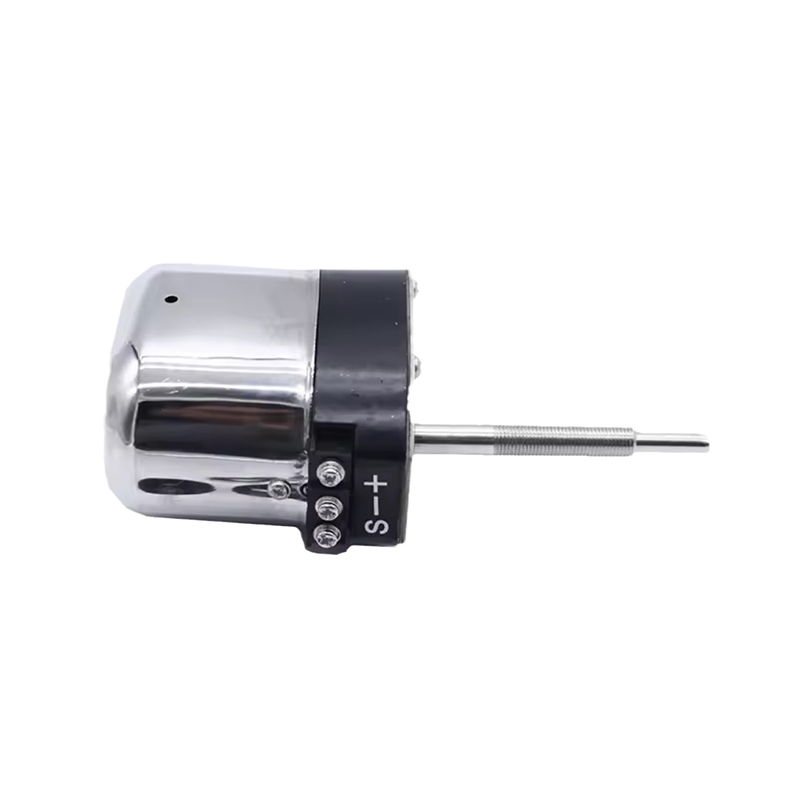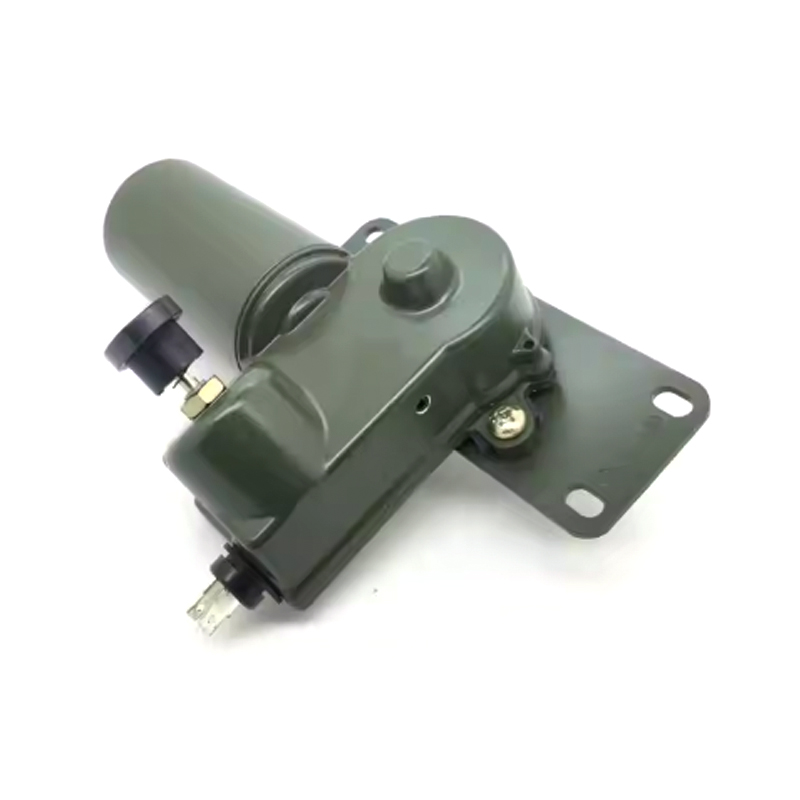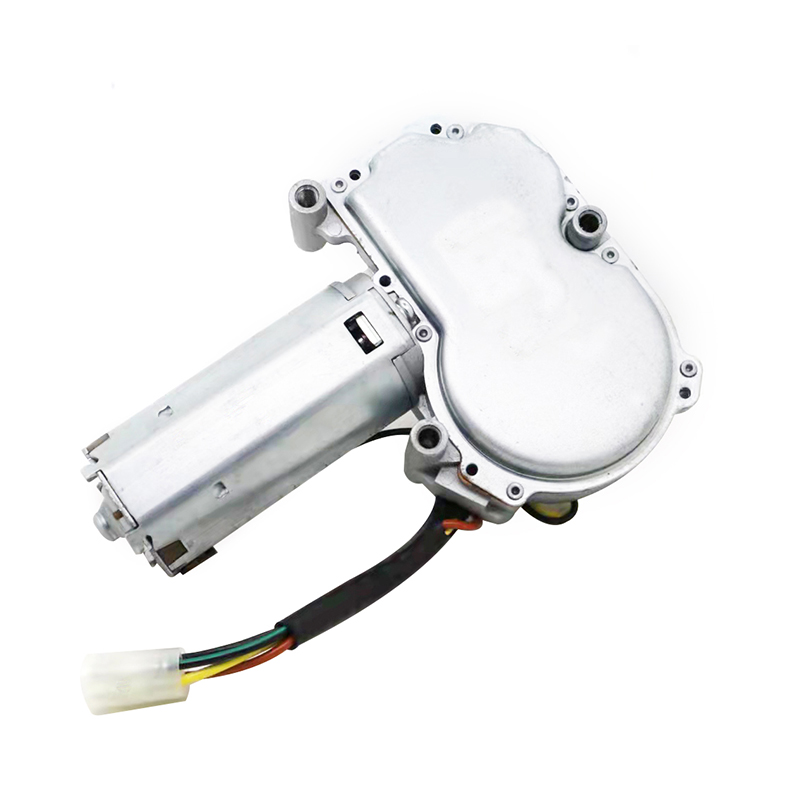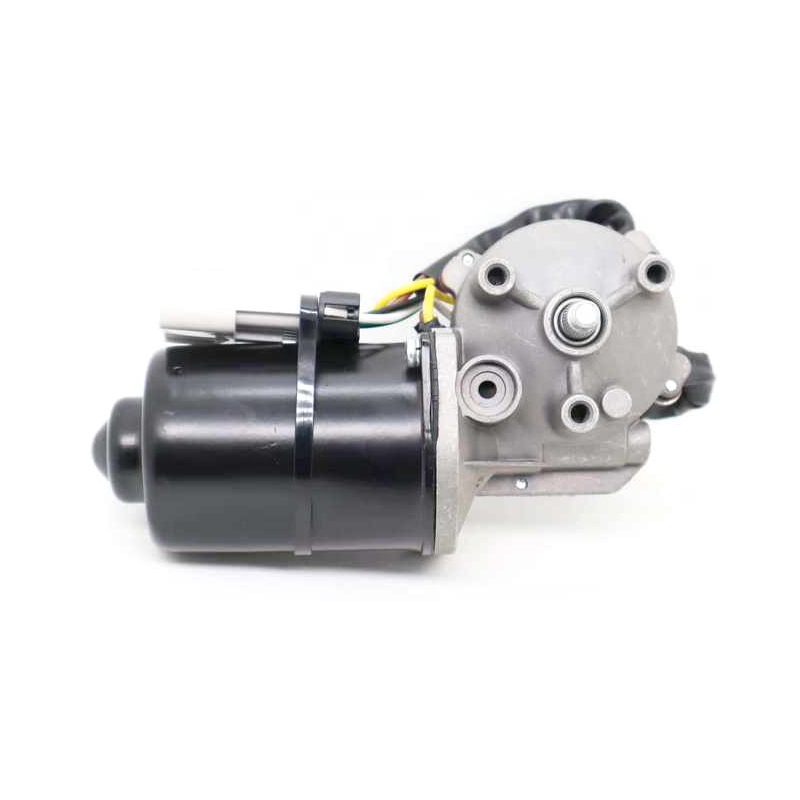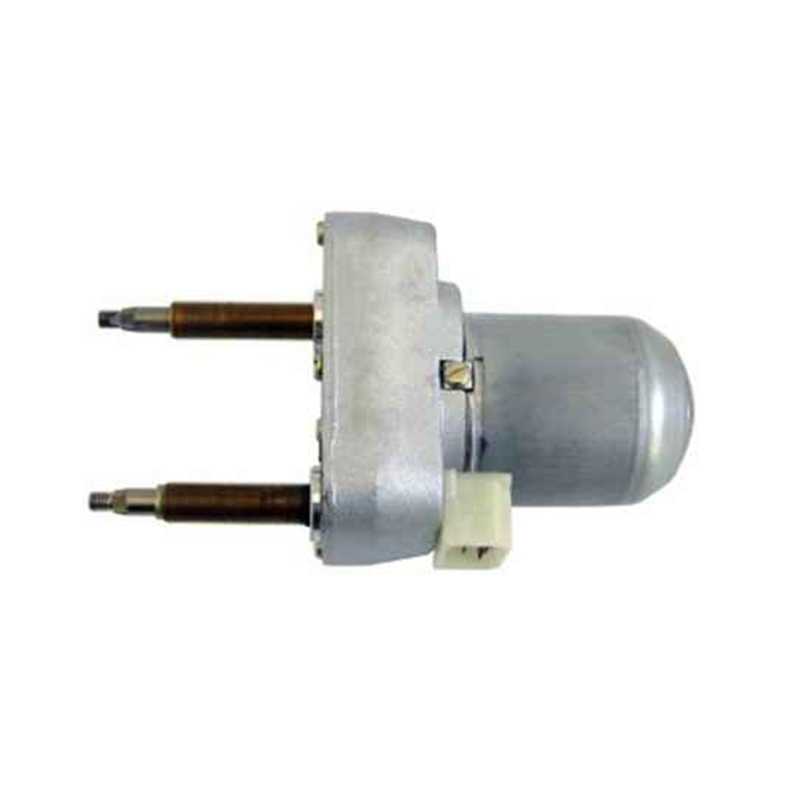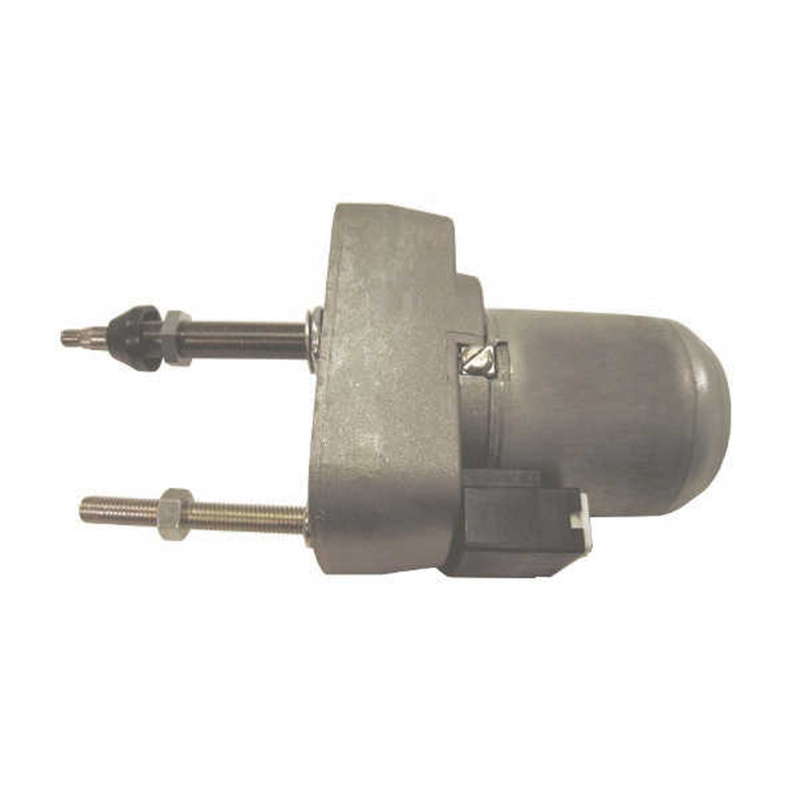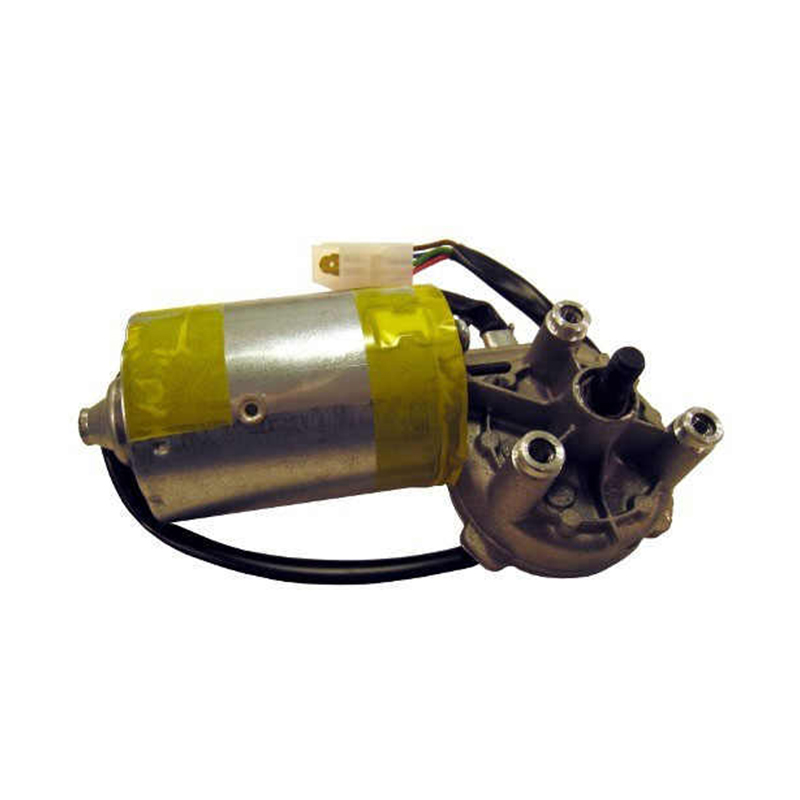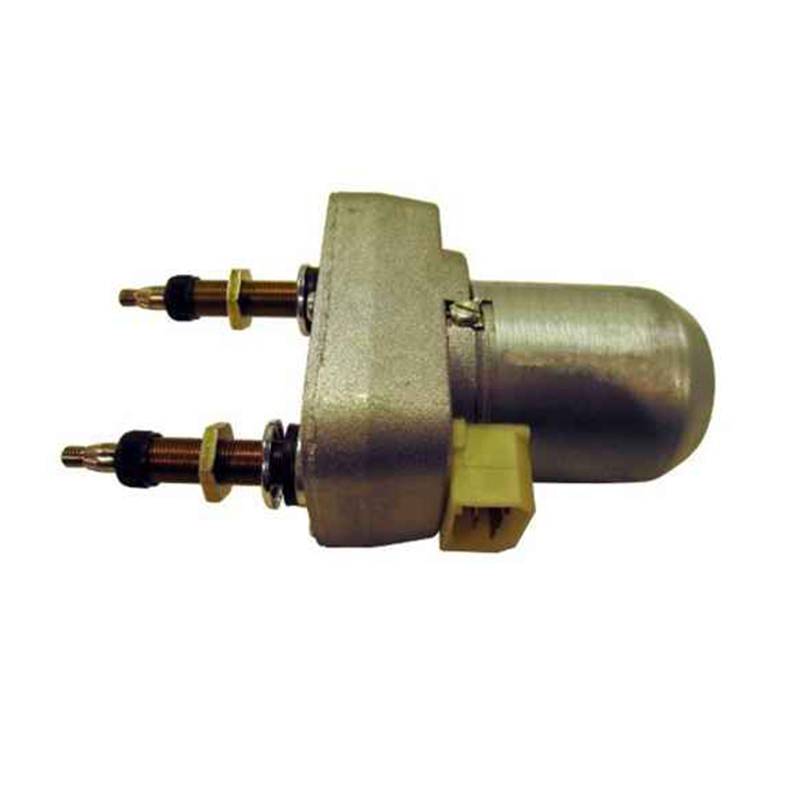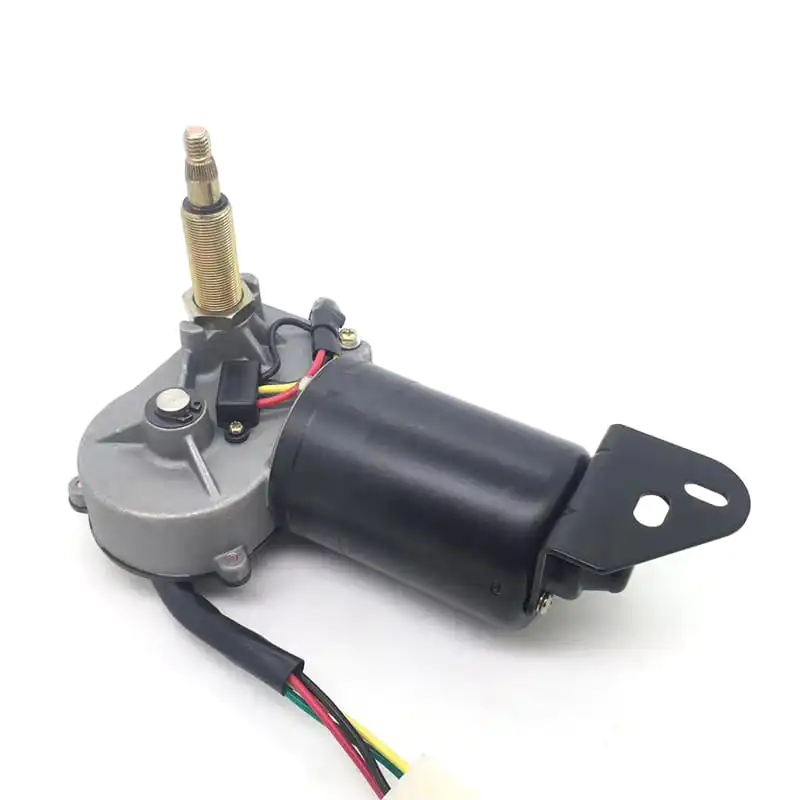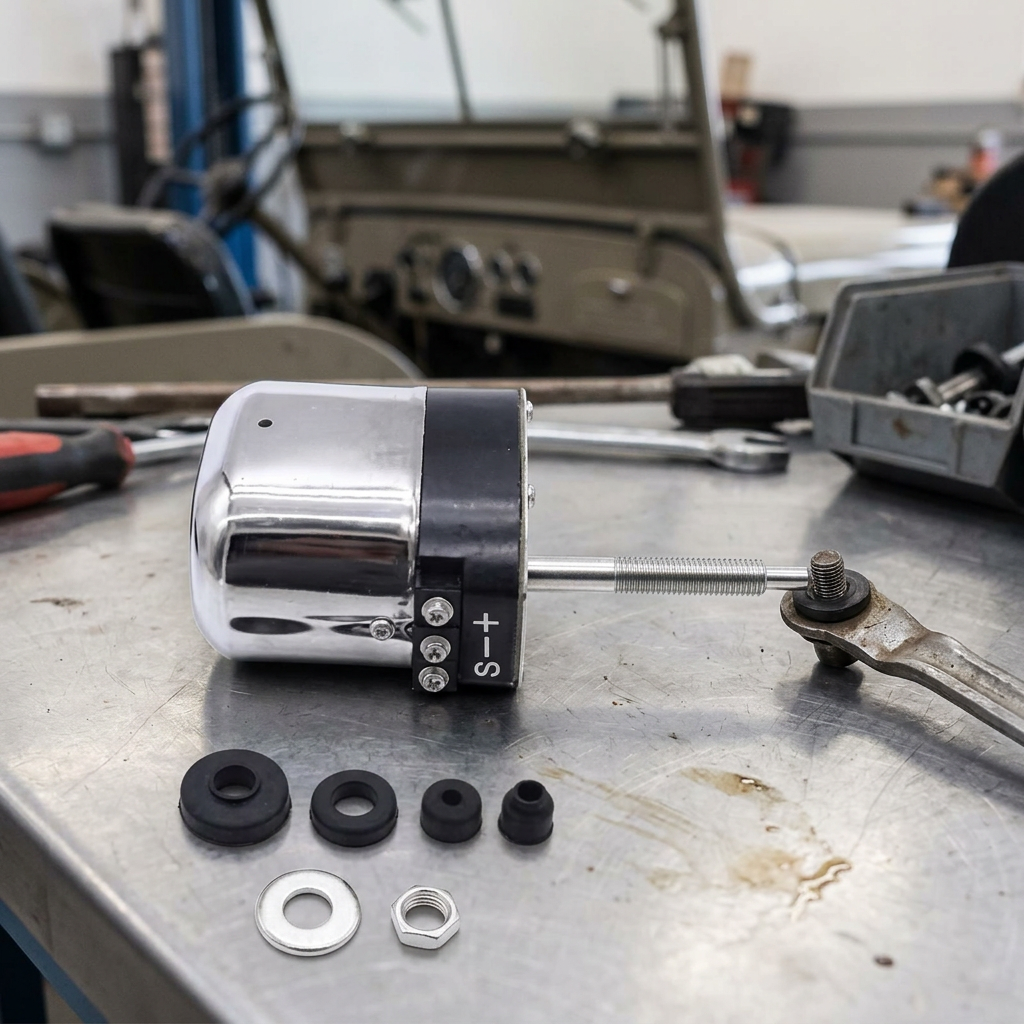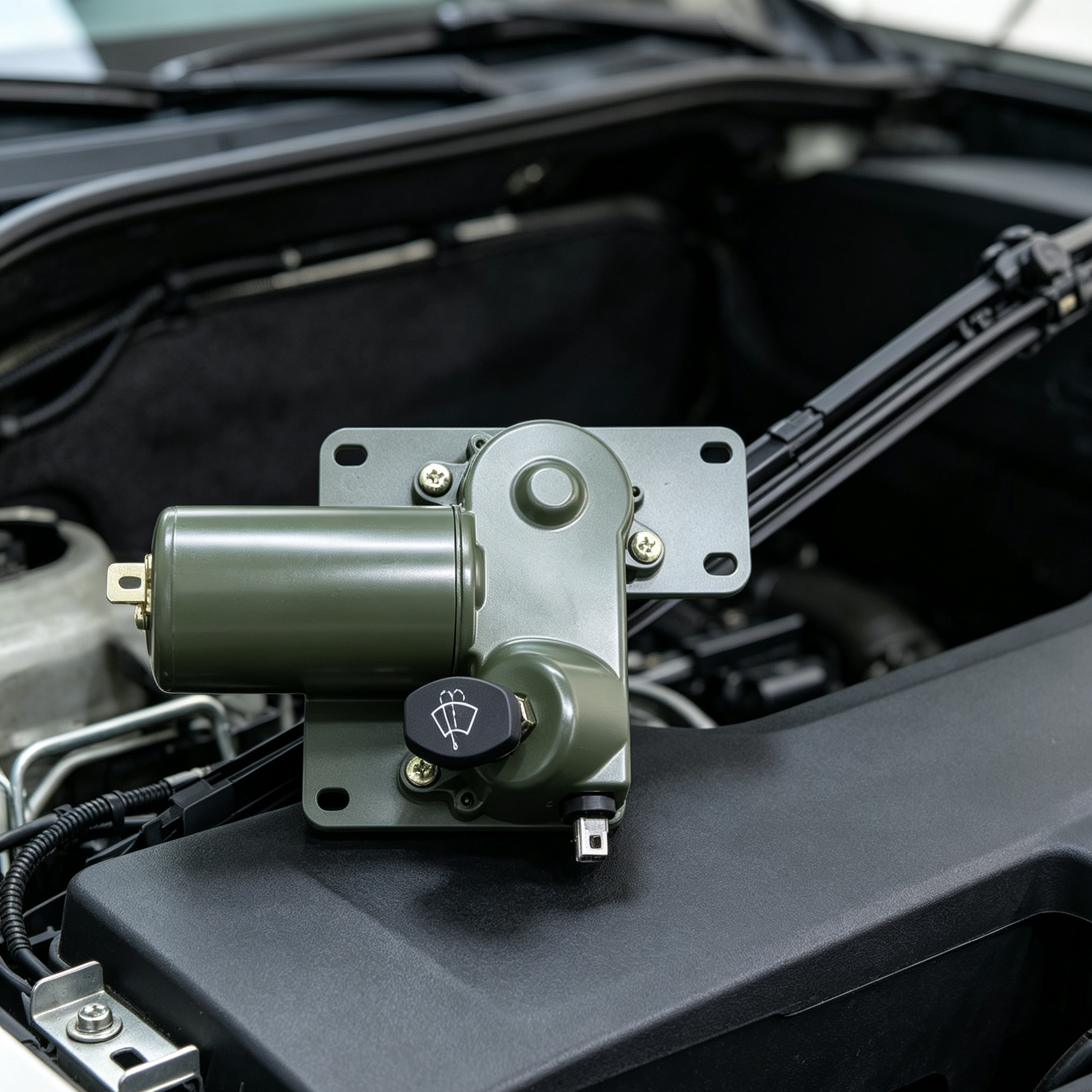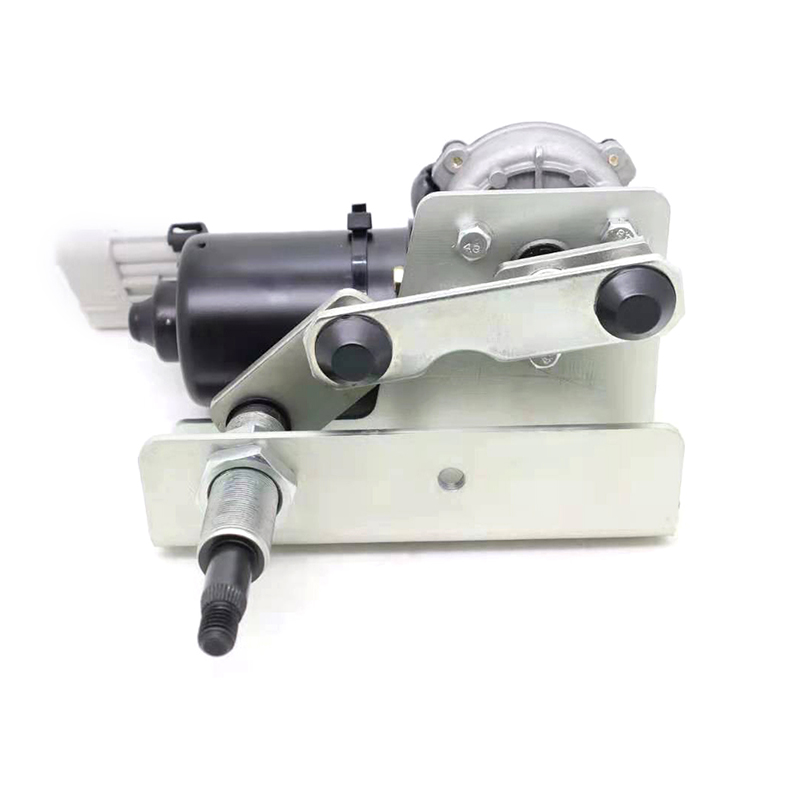

During the manufacturing of 14675537 Wiper Motors, it is crucial to follow specific guidelines to ensure high performance, safety, and durability. These precautions help minimize defects and maintain quality standards throughout the production process.
· Quality Control of Components:
Thoroughly inspect all components, including the motor itself, brushes, gears, and housings. Any defects in these parts can compromise the motor’s performance.
Ensure that electrical connections are secure and properly insulated to prevent short circuits or damage.
· Testing for Durability:
Perform rigorous testing on motors to simulate real-world conditions, such as temperature fluctuations, moisture, and vibrations, to ensure they function reliably in various environments.
Test for longevity by running the motor through multiple cycles to evaluate its endurance over time.
· Alignment and Calibration:
Ensure that the gears, shafts, and other moving parts are properly aligned to prevent excessive wear and tear during operation.
Calibrate the motor to operate at the correct speeds and torque settings to match the vehicle’s wiper system requirements.
The 14675537 Wiper Motor is widely used in various vehicle types and plays a critical role in maintaining clear visibility during adverse weather conditions. Its applications extend across multiple domains:
· Passenger Cars
The primary application of the 14675537 Wiper Motor is in passenger vehicles. In these cars, it ensures that the windshield is properly cleared of rain, snow, and debris, contributing to safe driving conditions. The motor operates in tandem with the wiper blades, moving them across the windshield at varying speeds as needed.
· Commercial Vehicles
Wiper motors are also found in larger commercial vehicles, such as buses, trucks, and delivery vans. In these vehicles, the motors are typically more robust to handle larger windshields and often more demanding environmental conditions. They function in the same way as in passenger cars but are engineered for higher power and reliability.
· Specialized Vehicles
In addition to passenger and commercial vehicles, the 14675537 Wiper Motor is also used in specialized vehicles, such as construction equipment, agricultural machinery, and emergency vehicles. These applications often involve harsher operating environments, and the motors are designed to withstand challenging conditions like dust, mud, and extreme temperatures.
The materials used in the construction of 14675537 Wiper Motors play a key role in ensuring their performance, longevity, and resistance to wear and tear. The proper selection of materials is critical to achieving a reliable and durable motor that can withstand the demanding conditions it faces.
· High-Quality Metals:
The gears and shafts in the wiper motor are typically made from high-quality metals such as steel or stainless steel. These materials are chosen for their strength and resistance to wear. The durability of the metal components helps ensure that the motor operates smoothly over time, even under heavy loads and frequent use.
· Thermoplastics and Composites:
The housing and external parts of the motor are often made from high-quality thermoplastics and composite materials. These materials provide excellent insulation against electrical currents and are resistant to heat, moisture, and chemicals. The use of these materials ensures that the motor components remain intact and protected from environmental stressors, contributing to a longer lifespan.
· Rubber and Seals:
Rubber seals and gaskets are used to prevent moisture and dirt from entering the motor, protecting the internal components from damage. These seals are also resistant to various environmental factors such as UV rays, ozone, and temperature changes, ensuring that they maintain their effectiveness over time. The durability of rubber seals is crucial in preventing premature motor failure due to external contamination.


Tel:+86-0577-66009580
Mobile: +86-18858801083
E-mail:juntmotor@126.com
Whatsapp:+8618858801083
WeChat: +86-18858801083
 WeChat

Automotive Reduction Motors Manufacturer

 +86-0577-66009580
 juntmotor@126.com
 Language
  English
 Português