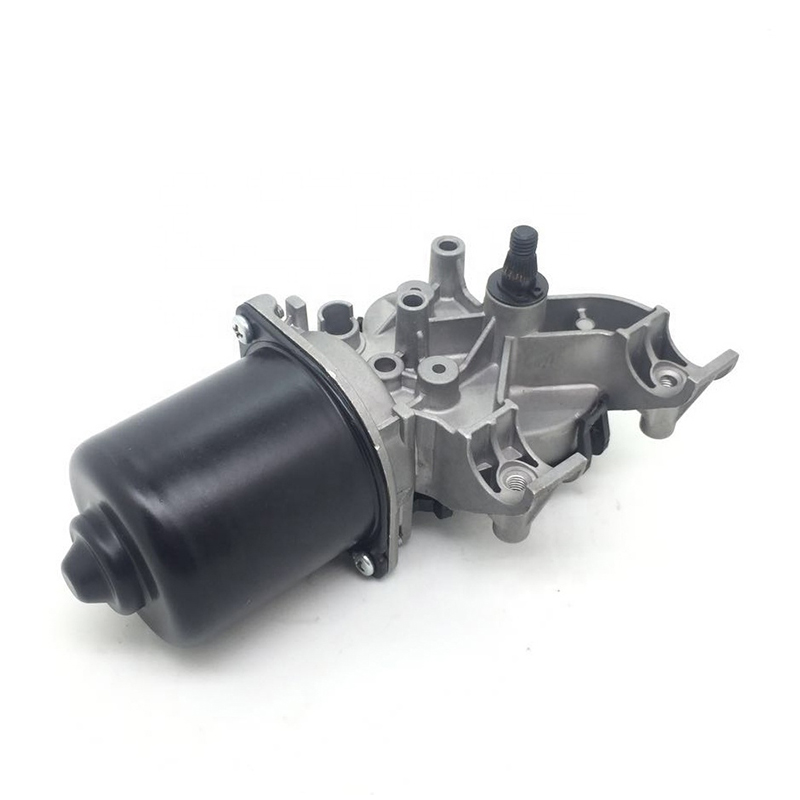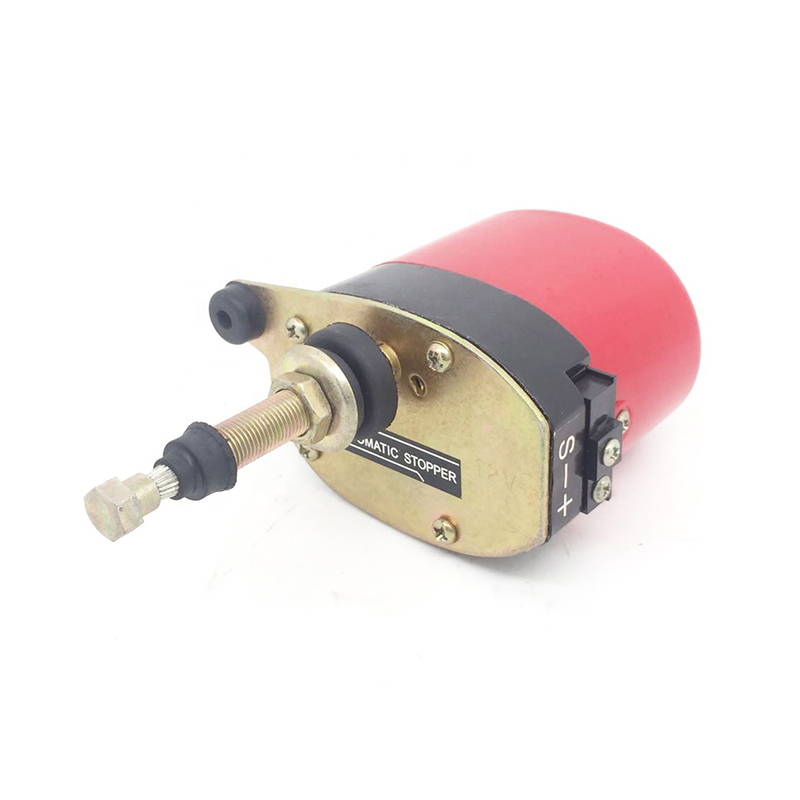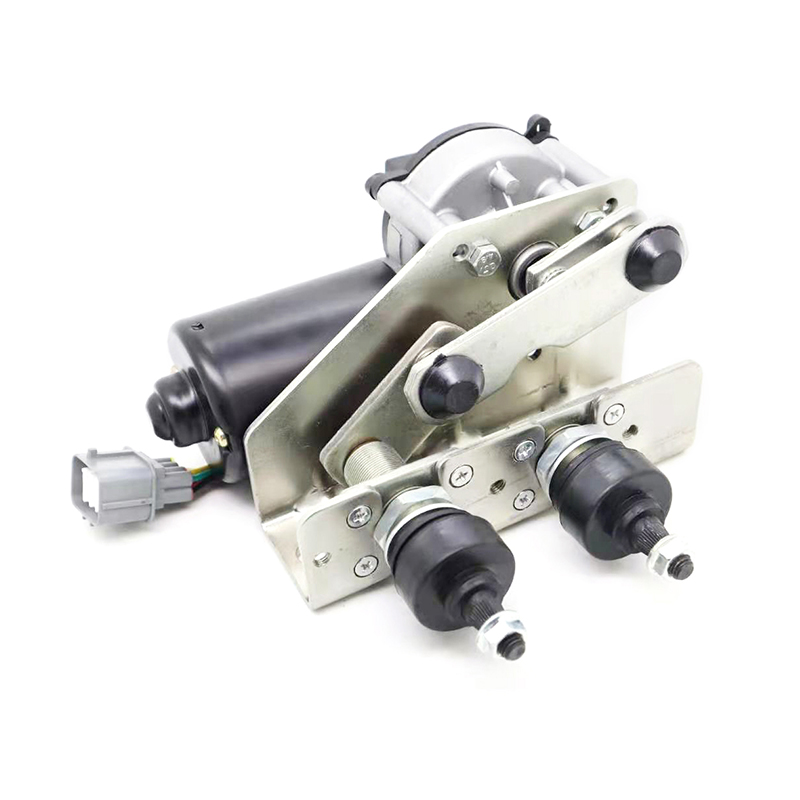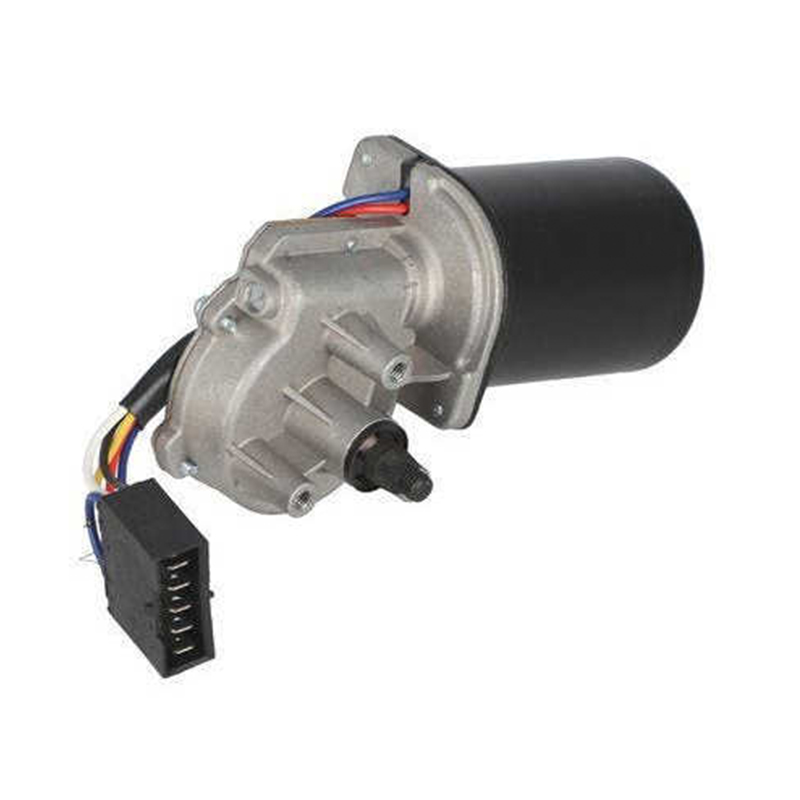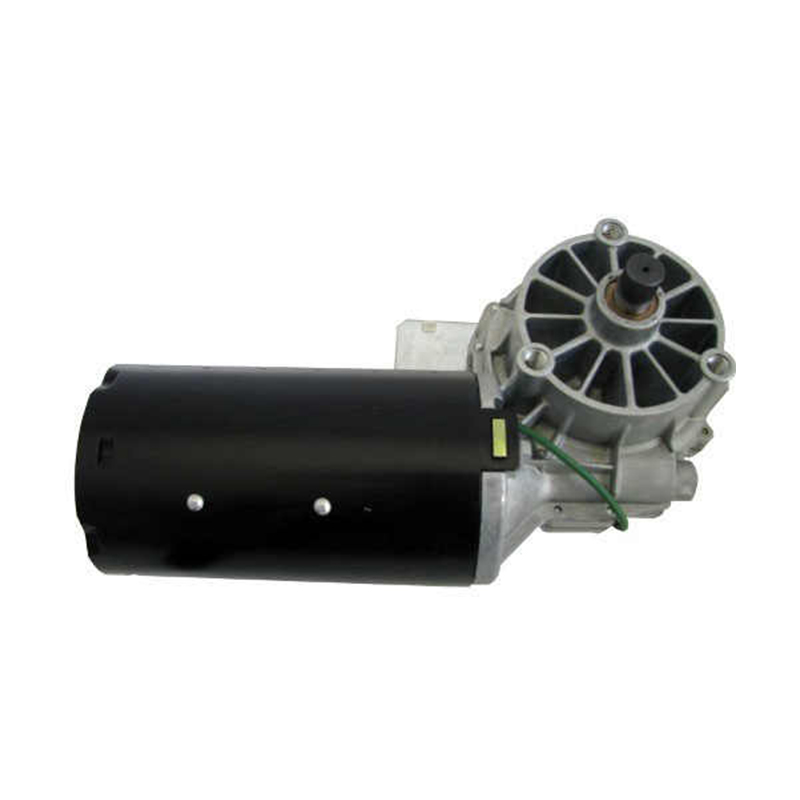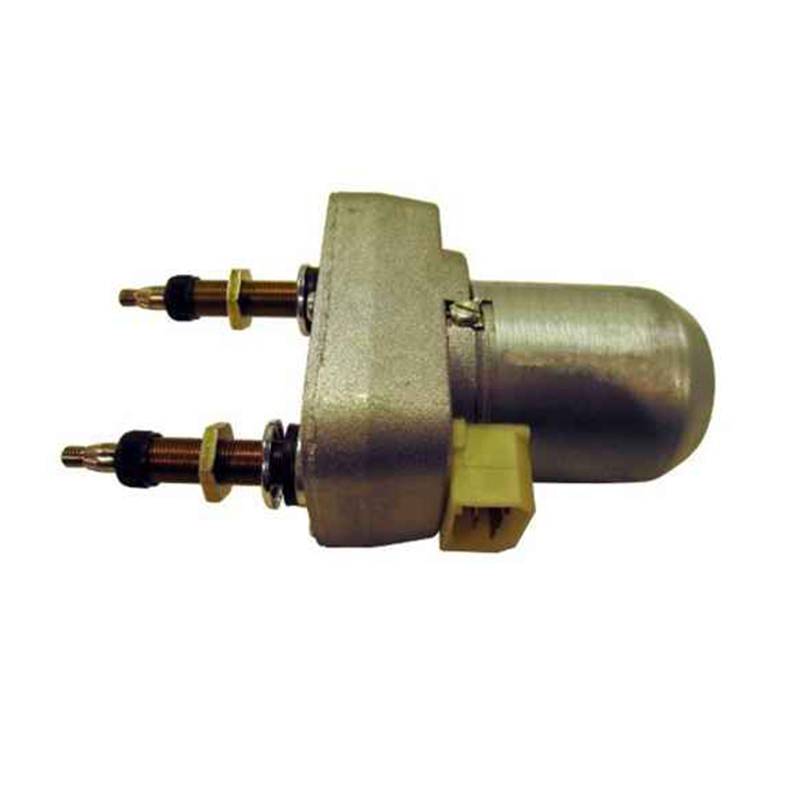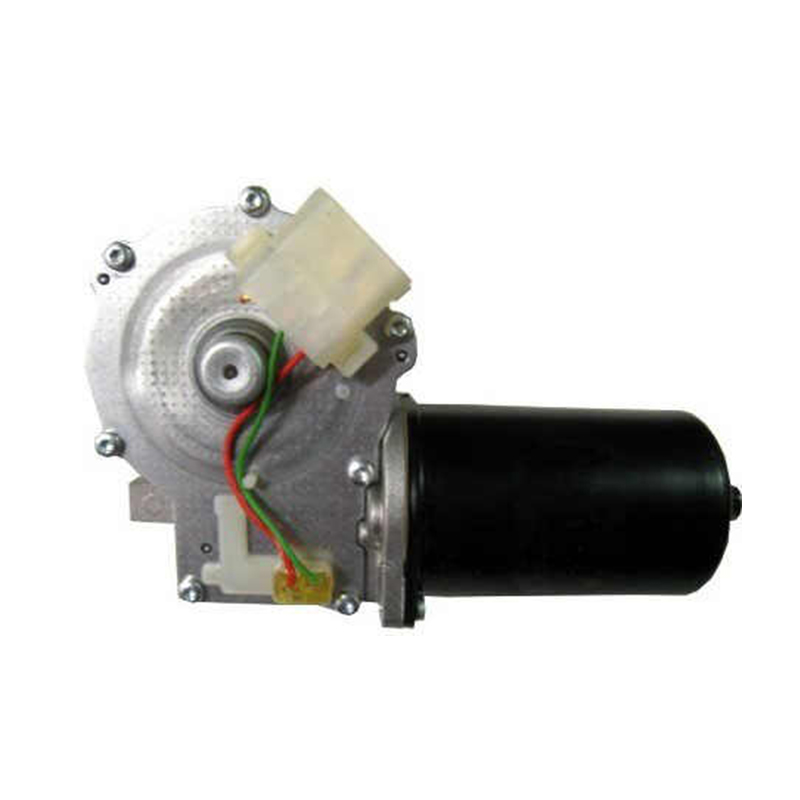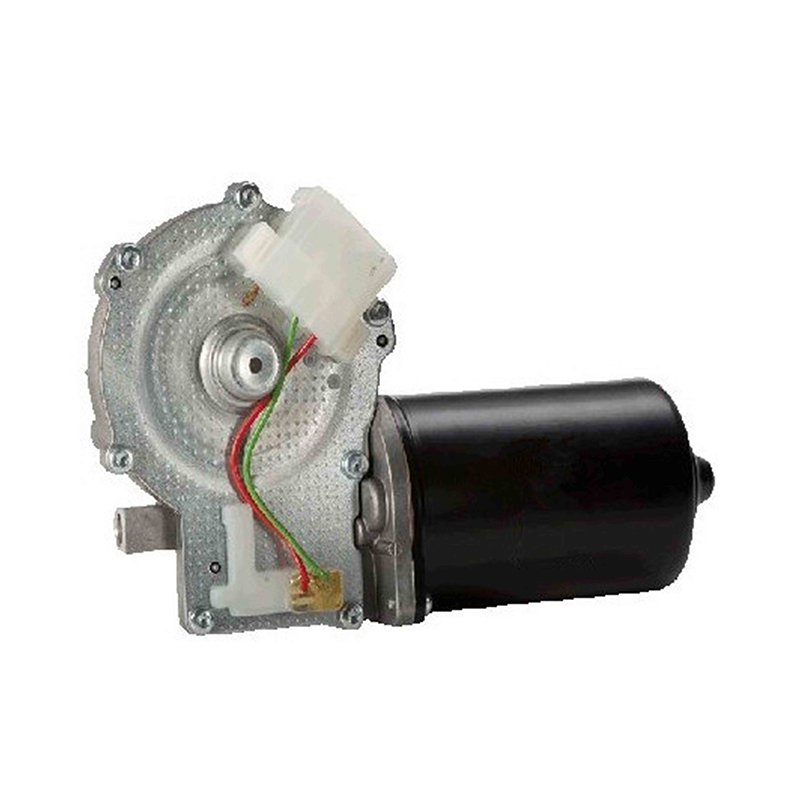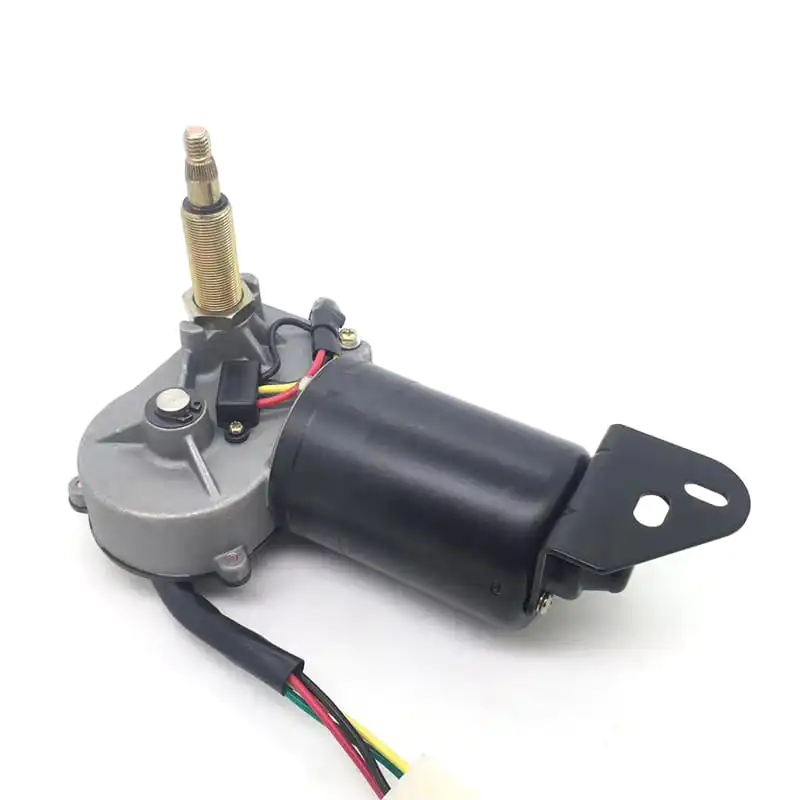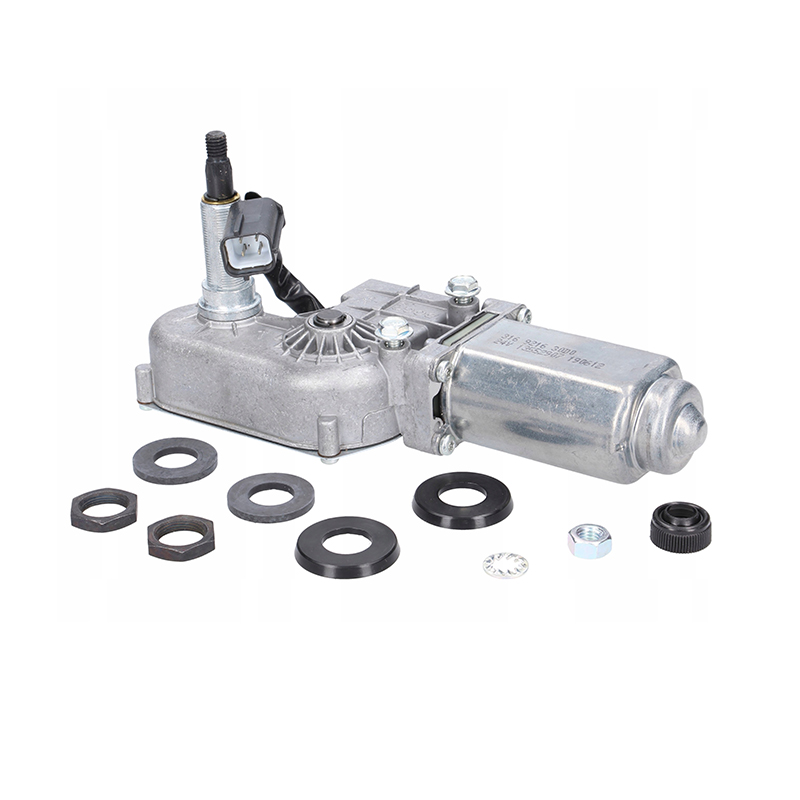
This wiper motor operates on a 12-volt DC electrical system, standard for most passenger vehicles. The motor uses a permanent magnet field design, which differs from electromagnetic field designs by eliminating the need for field windings. Key specifications include:
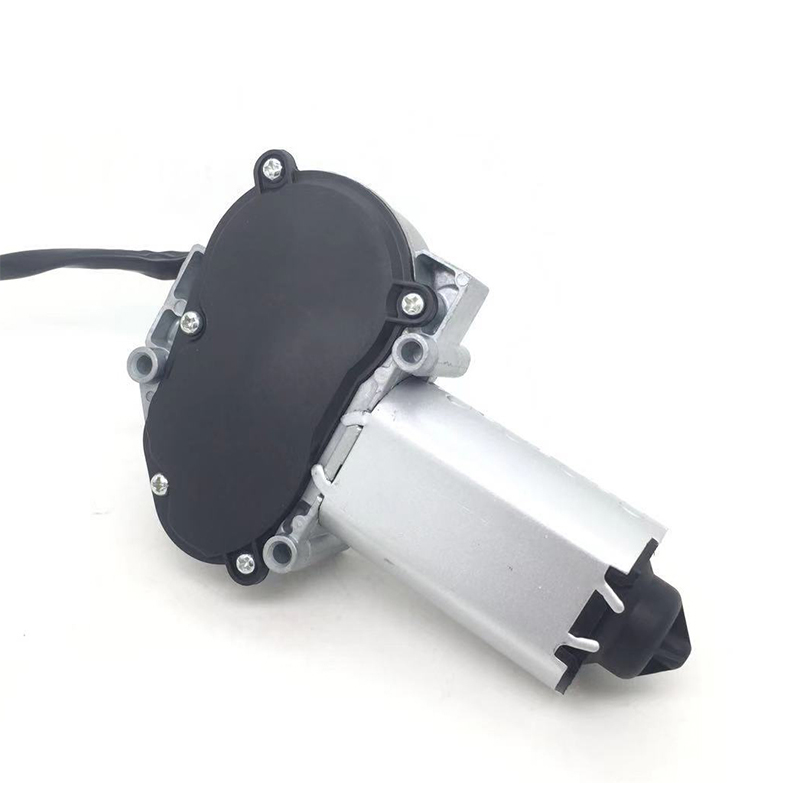
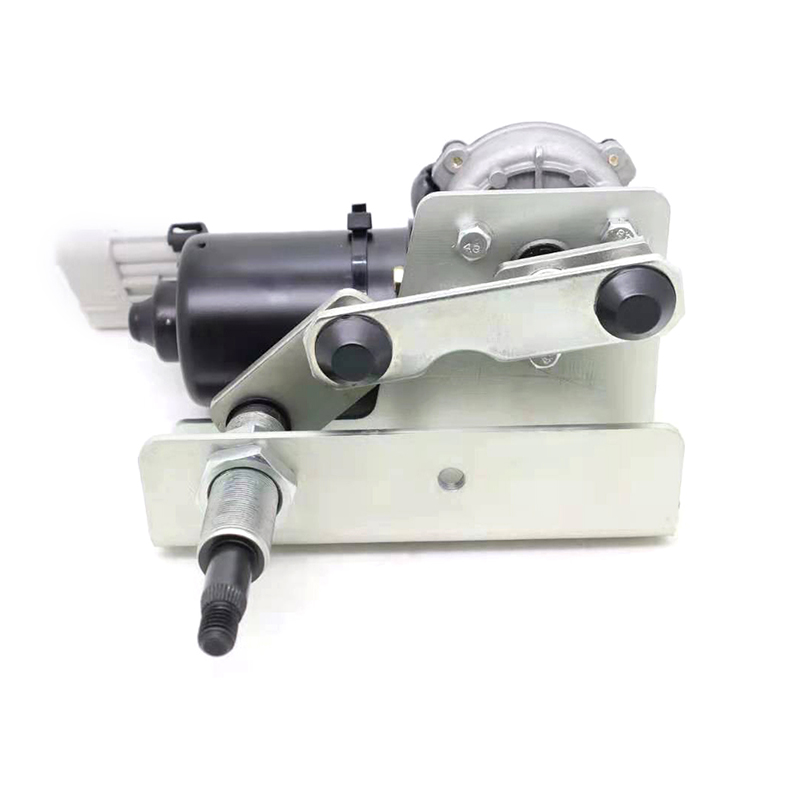
The motor housing is made of aluminum or coated steel, measuring approximately 120 mm in length, 85 mm in width, and 70 mm in height. The output shaft diameter is 12 mm with a knurled end or spline pattern specific to the wiper linkage arm. A built-in worm gear reduction mechanism reduces motor speed while increasing torque to the required level for moving wiper arms against windshield resistance.
The following table summarizes the performance behavior of the 14508630 wiper motor under various operating conditions, based on typical test data from remanufacturer specifications and vehicle service manuals.
|
Operating Mode |
Speed (RPM) |
Current Draw (A) |
Torque Output (N·cm) |
Typical Use Case |
|
Low speed (continuous) |
48–52 |
3.8–4.5 |
28–32 |
Light to moderate rain |
|
High speed (continuous) |
68–72 |
4.8–5.2 |
30–34 |
Heavy rain or reduced visibility |
|
Intermittent (park position) |
0 (motor off) |
0.01–0.03 (park switch circuit) |
0 |
Delay between sweeps (4–12 seconds) |
|
Stall condition (blocked) |
0 |
14–17 |
45–55 (internal stress) |
Ice or debris is preventing motion |
|
Park mode (return to base) |
25–30 |
2.5–3.0 |
20–25 |
End of wiping cycle, before cutoff |
The motor contains an internal park switch—a cam-operated contact that continues supplying power until the wiper arms reach the lowest resting position. This switch opens the circuit when the cam reaches a specific rotational angle. If the park switch fails, wipers may stop in the middle of the windshield or fail to return to the bottom after turning off.
Temperature performance:
Operating temperature range: -30°C to +85°C
At -20°C, current draw increases by 25–35% due to thicker lubricant and increased mechanical resistance
At +80°C, torque output decreases by approximately 10–15% due to magnet field weakening
Noise levels:
Normal operation: 55–65 dB measured at 0.5 meter distance
Worn bearings or gear damage: 70–80 dB (audible clicking or grinding)
Installation steps:
Disconnect the battery negative terminal to prevent accidental activation. Wait at least two minutes for the airbag system capacitors to discharge.
Remove wiper arms using a puller tool. Mark arm positions relative to the windshield with masking tape to assist realignment.
Remove the cowl panel (plastic cover at the windshield base) using trim removal tools. Set aside screws and clips in labeled containers.
Disconnect the electrical connector from the old motor. Note wire colors and pin positions. The 14508630 typically uses a 4-pin or 5-pin connector: pin 1 (low speed), pin 2 (high speed), pin 3 (park switch signal), pin 4 (ground), pin 5 (12V constant for park).
Unbolt motor from linkage – three or four M6 bolts with a torque specification of 8–10 Nm.
Remove linkage arm nut (15 mm or 14 mm) securing motor shaft to wiper transmission. Use penetrating oil if corroded.
Install the new motor in reverse order. Apply anti-seize compound to the shaft splines before attaching the linkage arm. Torque linkage nut to 20–25 Nm.

Tel:+86-0577-66009580
Mobile: +86-18858801083
E-mail:juntmotor@126.com
Whatsapp:+8618858801083
WeChat: +86-18858801083
 WeChat

Automotive Reduction Motors Manufacturer

 +86-0577-66009580
 juntmotor@126.com
 Language
  English
 Português