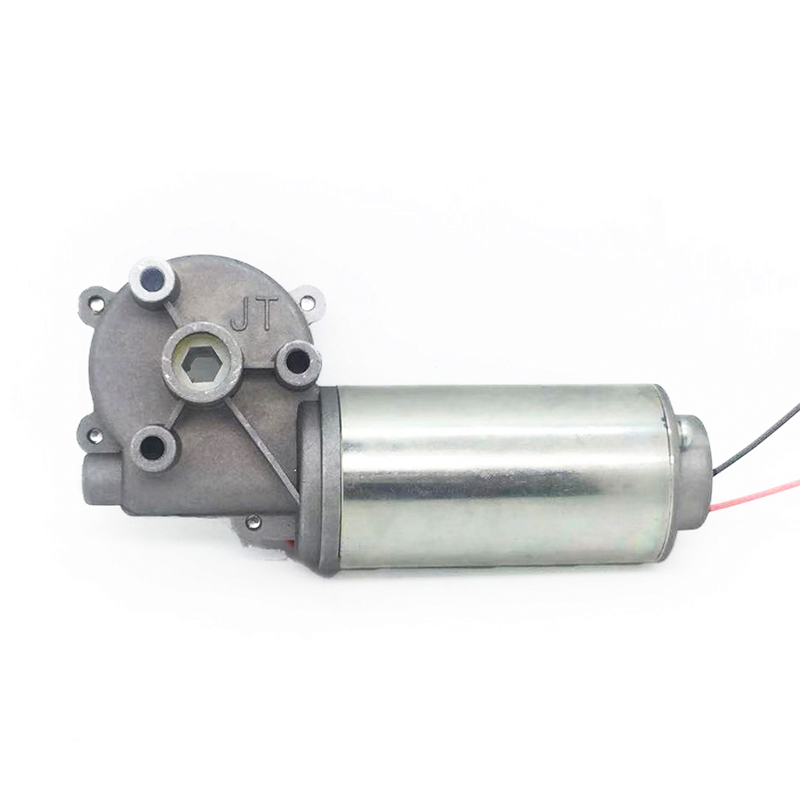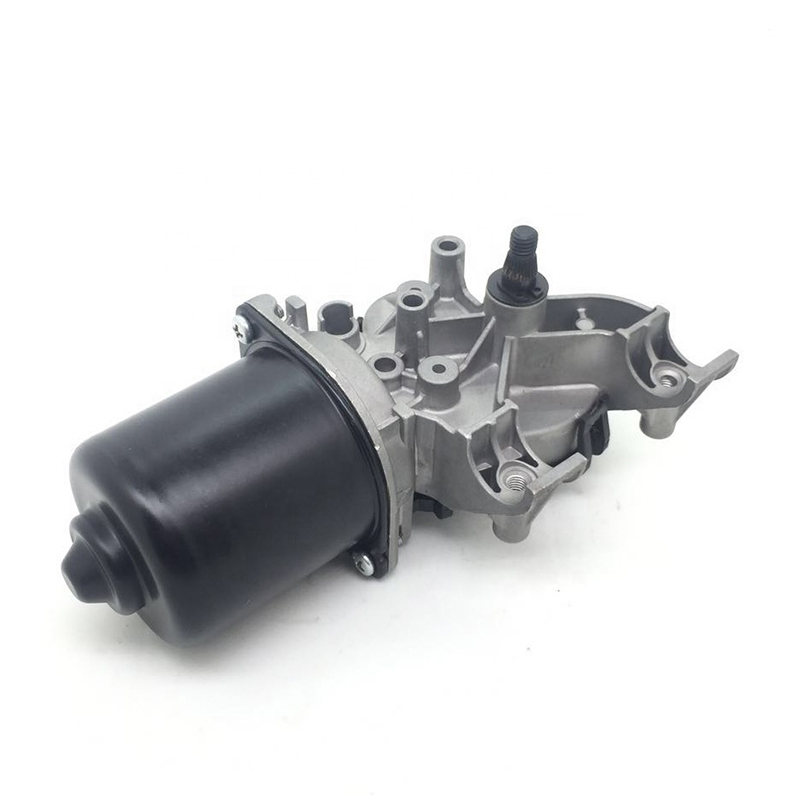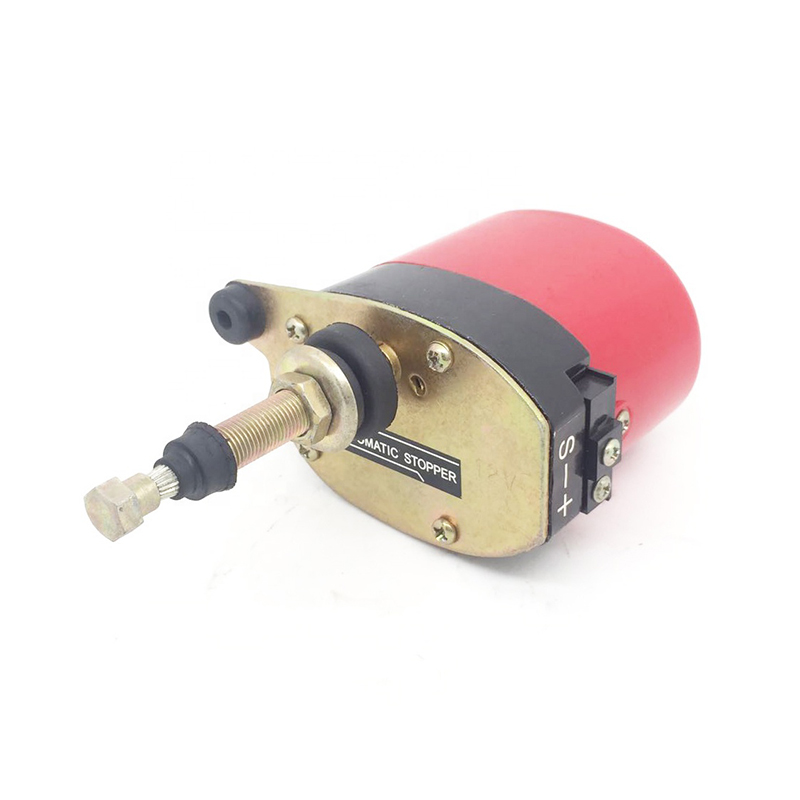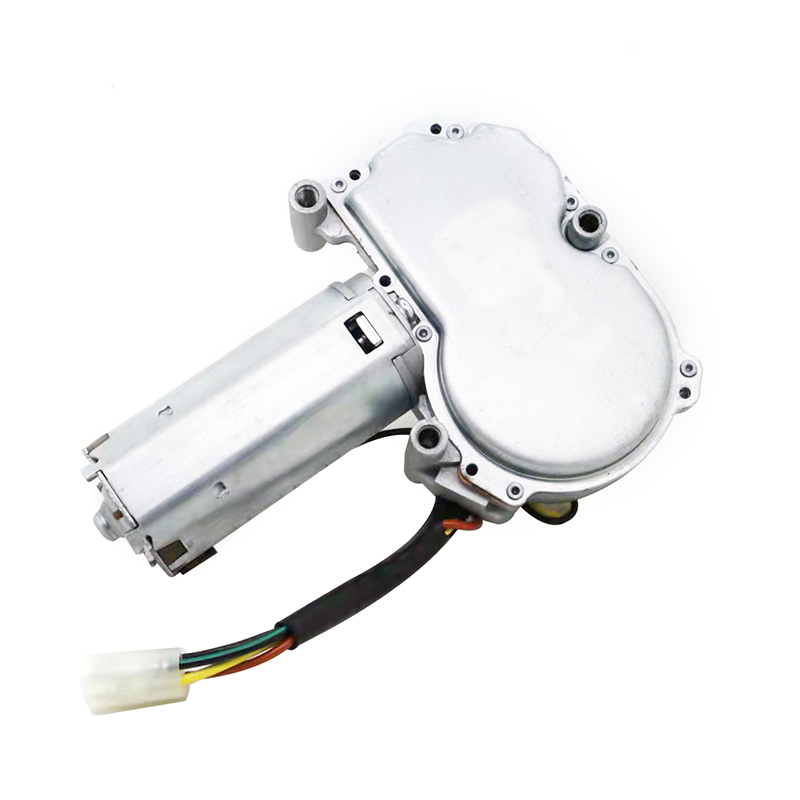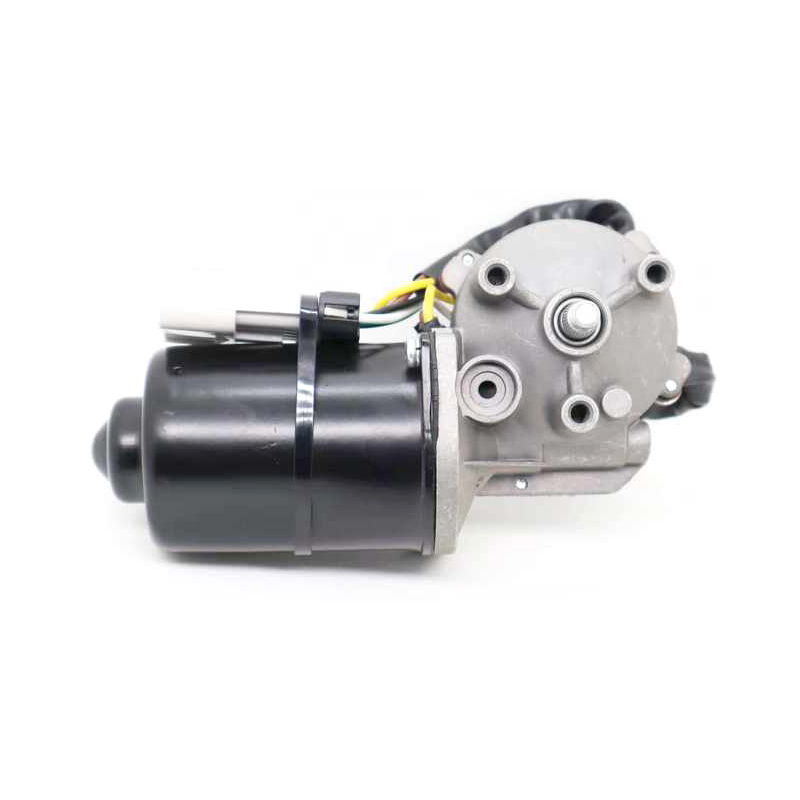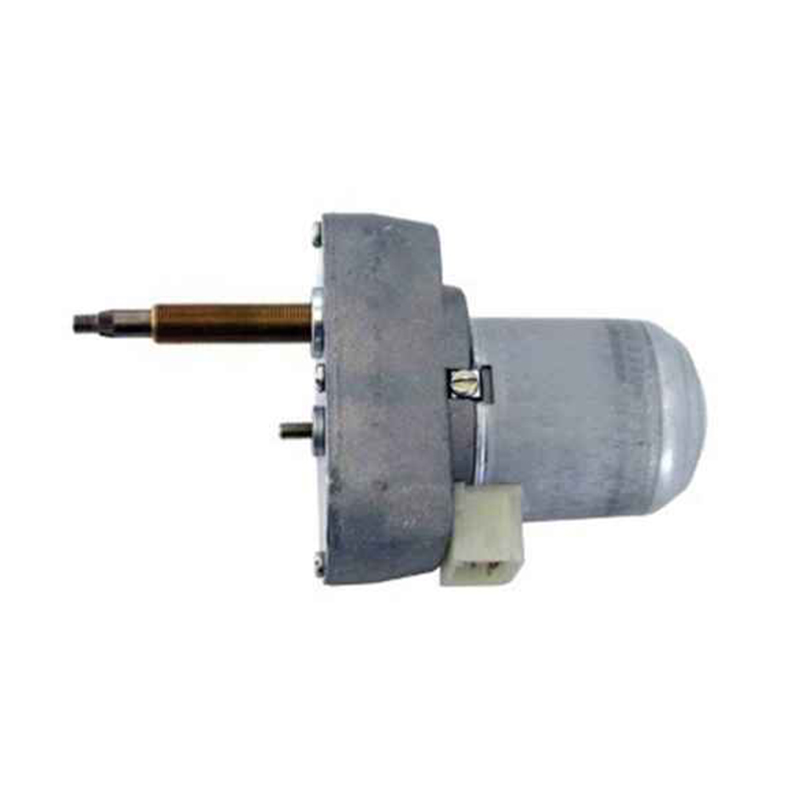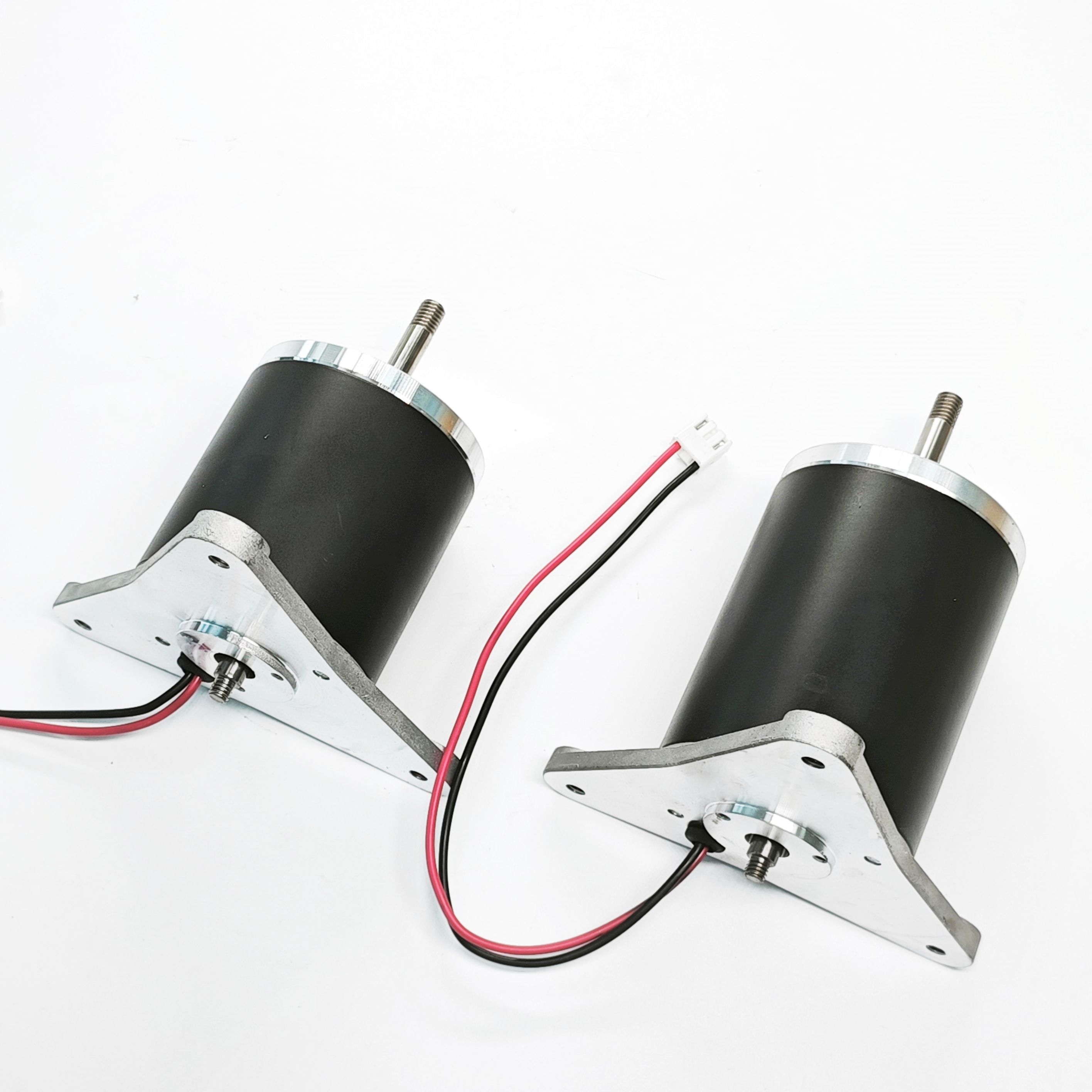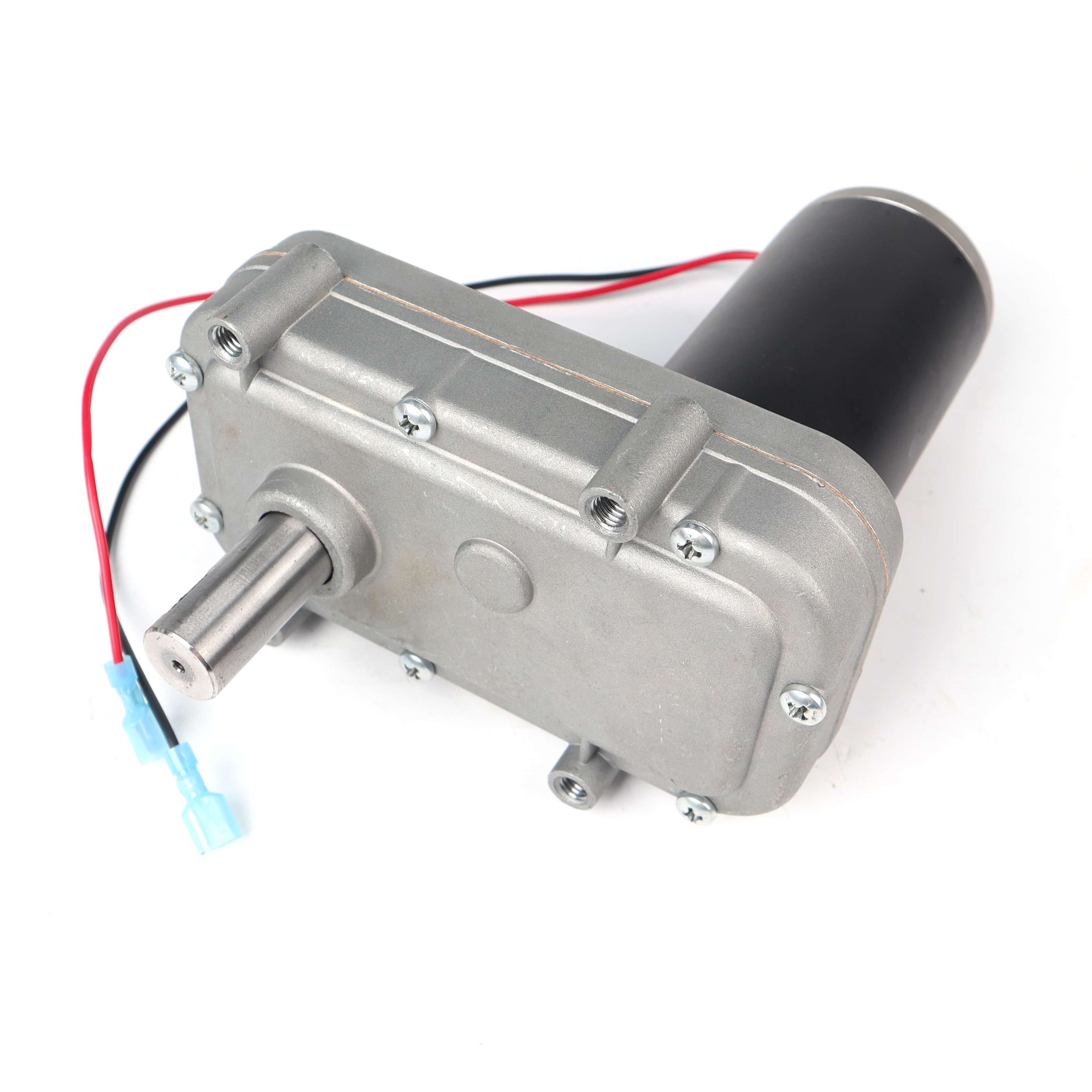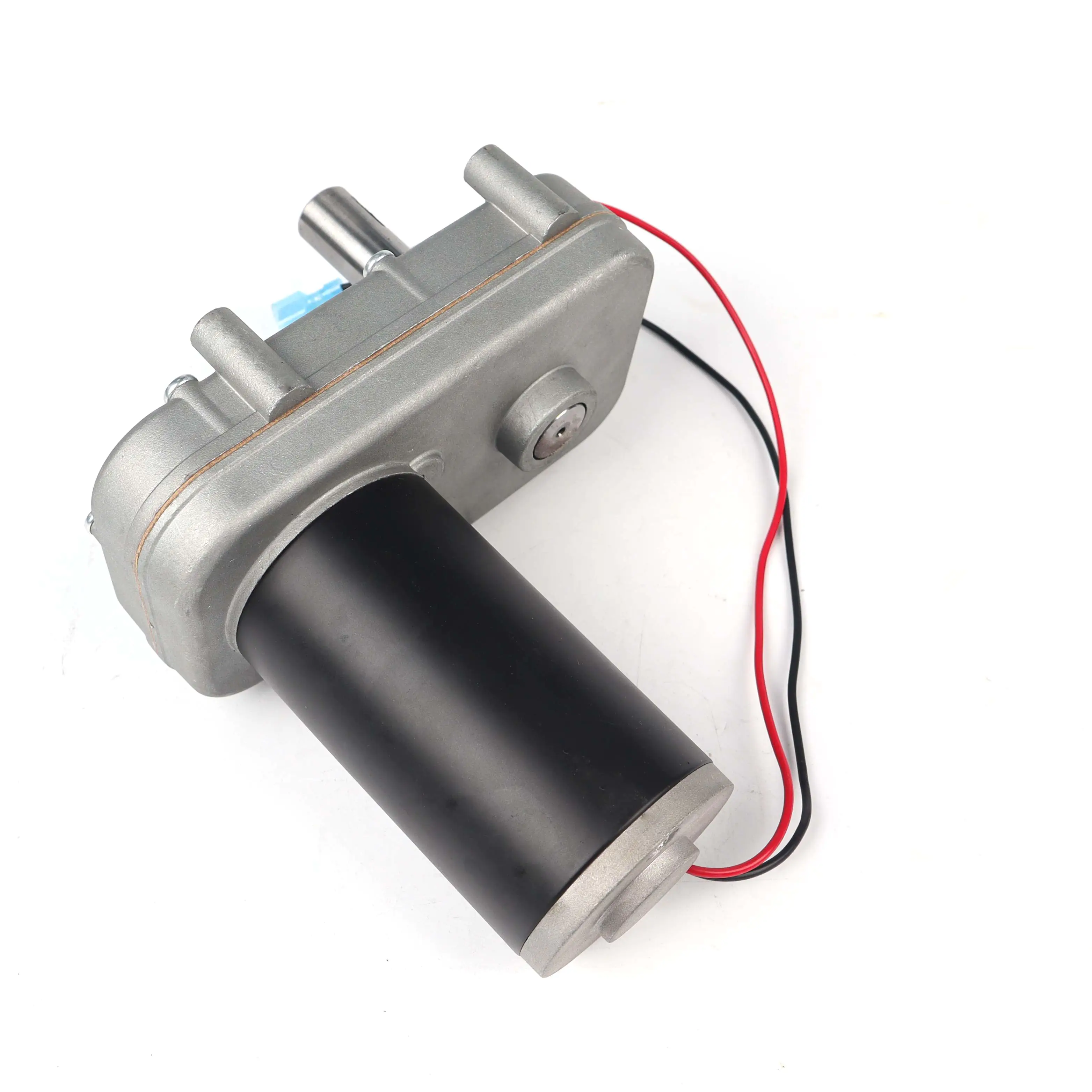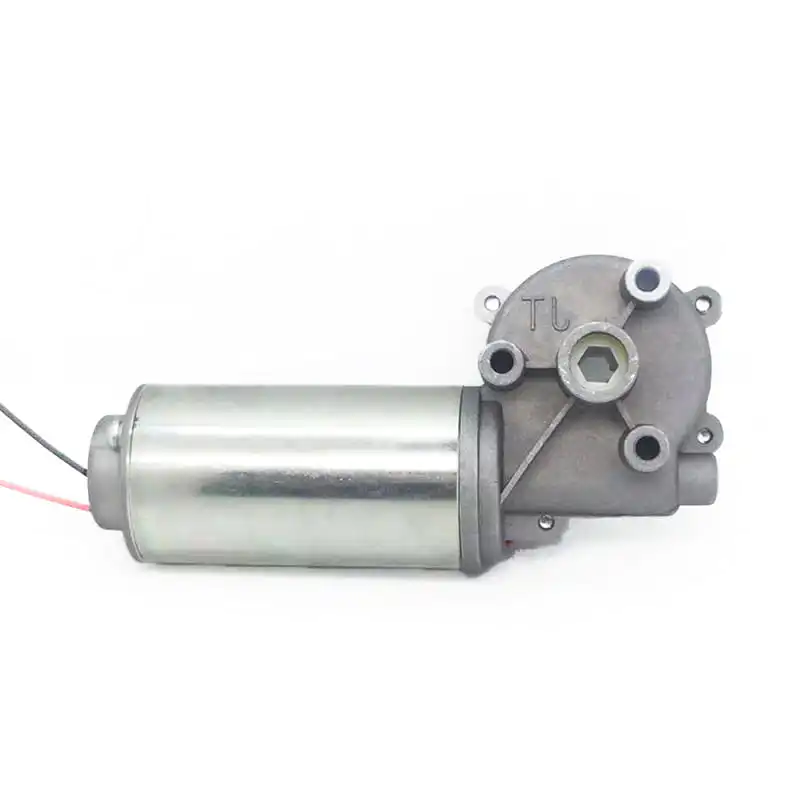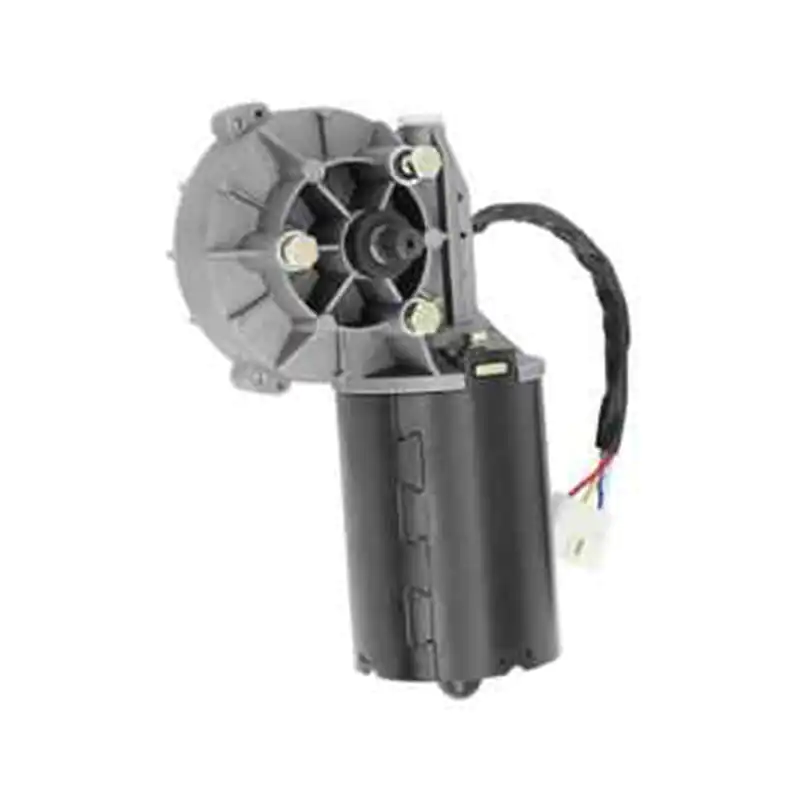
A windshield wiper motor is a relatively small automotive component, but producing one involves several operations that have a direct effect on its price. Copper wire must be wound into the motor, the magnetic components need to meet specified requirements, gears must mesh correctly, and the finished assembly has to pass electrical and mechanical tests.
The differences between two suppliers are not always obvious from the outside. One may use a different gear material, another may have tighter machining tolerances, while a third may be producing the same model in much larger quantities. For OEM purchasing teams, these details help explain why quotations for apparently similar motors can vary considerably.
Vehicle Requirements Shape the Motor Design
A wiper motor cannot be designed around voltage alone. The size of the windshield, resistance of the linkage and expected operating conditions all influence the required output.
A larger wiper system may need more torque to move the blades, particularly when they encounter heavy rain or increased friction. The motor and reduction gearbox must be designed to handle that load without excessive current consumption or overheating.
Engineers also have to work within the vehicle's available installation space. Mounting points, shaft dimensions, connector positions and linkage interfaces may differ between vehicle platforms. A design that requires a different housing or mounting arrangement can involve new tooling and additional validation.
These development expenses are particularly noticeable in small orders. Prototype production and engineering work cost much the same whether a factory makes a few hundred units or several thousand, so low-volume customized motors generally carry a higher cost per unit.
Material Choices Affect Both the Quotation and Service Life
Copper wire is used in the motor windings, making its market price an important purchasing consideration. The amount required depends on the motor's design and electrical specifications. Changes in copper prices can therefore affect production quotations, especially for large orders.
Other components also contribute to material costs:
A cheaper component is not necessarily an economical choice over the motor's service life. For example, excessive wear in a bearing or gear assembly can lead to noise, poor movement or early failure. On the other hand, specifying premium materials for parts that do not need them can raise costs without improving the motor's actual performance.
Gearbox Accuracy Requires Careful Manufacturing
The motor typically rotates faster than the wiper mechanism needs to operate. A reduction gearbox lowers the rotational speed and increases the available output torque.
Gear production is therefore more than a matter of cutting teeth into metal or molding plastic components. Tooth profile, hardness, alignment and dimensional accuracy all affect how the gears engage.
If the mesh is too tight, friction and operating noise may increase. Excessive clearance can produce backlash and inconsistent movement. Either condition may become more noticeable after repeated operating cycles.
Gearbox costs are influenced by:
The gearbox should provide the required reduction ratio without unnecessary mechanical complexity. Adding stages or using tighter tolerances where they are not needed can increase machining and inspection expenses.
How the Factory Produces the Motor Matters
Winding and assembly methods have a direct effect on labor requirements and production consistency.
An automated winding machine can produce repeated coil configurations with limited variation. Automated assembly and inspection equipment can also reduce manual handling. However, these machines require investment, maintenance and suitable production volumes to justify their cost.
For smaller customized orders, manual or semi-automated production may be more economical. The trade-off is that operators need clear work instructions and inspection controls to keep product quality consistent.
| Manufacturing factor | Main cost impact | Cost-control consideration |
|---|---|---|
| Motor design | Engineering and tooling expenses | Reuse compatible designs where possible |
| Raw materials | Direct material expenditure | Review specifications and purchasing volumes |
| Gearbox precision | Machining and inspection costs | Set tolerances according to actual requirements |
| Production automation | Equipment investment and maintenance | Match automation to expected output |
| Quality testing | Inspection and validation expenses | Define tests around product requirements |
| Production volume | Unit manufacturing cost | Plan orders and production schedules carefully |
Automation does not automatically produce the lowest unit cost. A factory needs enough stable demand to spread equipment expenses across production. For frequently changing designs, a more flexible assembly process may make better financial sense.
Testing Adds Cost, but Defects Cost More
A windshield wiper motor has to work repeatedly under changing electrical and environmental conditions. A motor that performs well on the assembly line may behave differently after prolonged operation, moisture exposure or temperature changes.
Manufacturers typically carry out several checks:
The required test program depends on the customer's specifications and the intended vehicle application. Extensive OEM validation naturally adds expense, but inadequate inspection can result in rejected batches, warranty claims and costly production interruptions.
Order Size and Customization Change the Unit Price
Production volume has a noticeable effect on manufacturing economics. Tooling, setup and engineering costs are divided across the finished quantity. Larger, repeat orders also give manufacturers more room to negotiate prices for copper, magnets, bearings and other purchased components.
Small orders are more difficult to price competitively. A supplier may need to change the production setup, purchase components in limited quantities or interrupt an existing production schedule.
Customization adds another layer of expense. Even a change to a connector, shaft dimension or mounting point can require a revised component, new samples and additional fitment checks.
Supply conditions should not be overlooked either. Material shortages, delivery delays and fluctuations in component prices can affect both production costs and delivery schedules. Suppliers with established component sources and stable production planning may offer more predictable quotations.
What Should Buyers Compare in Supplier Quotations?
A low quotation is difficult to evaluate without a matching technical specification. Two motors listed for the same vehicle may differ in torque, current consumption, gearbox materials or testing coverage.
Before comparing prices, check the following:
Request an itemized quotation that separates tooling, customization, testing and transportation costs from the motor price. This makes it easier to identify whether a price difference comes from the motor itself or from project-specific expenses.
For repeat orders, also clarify how long the quoted price remains valid and whether material price changes will affect subsequent batches. Those details can make a considerable difference to the actual procurement budget.

Tel:+86-0577-66009580
Mobile: +86-18858801083
E-mail:juntmotor@126.com
Whatsapp:+8618858801083
WeChat: +86-18858801083
 WeChat

Automotive Reduction Motors Manufacturer

 +86-0577-66009580
 juntmotor@126.com
 Language
 English
 Português