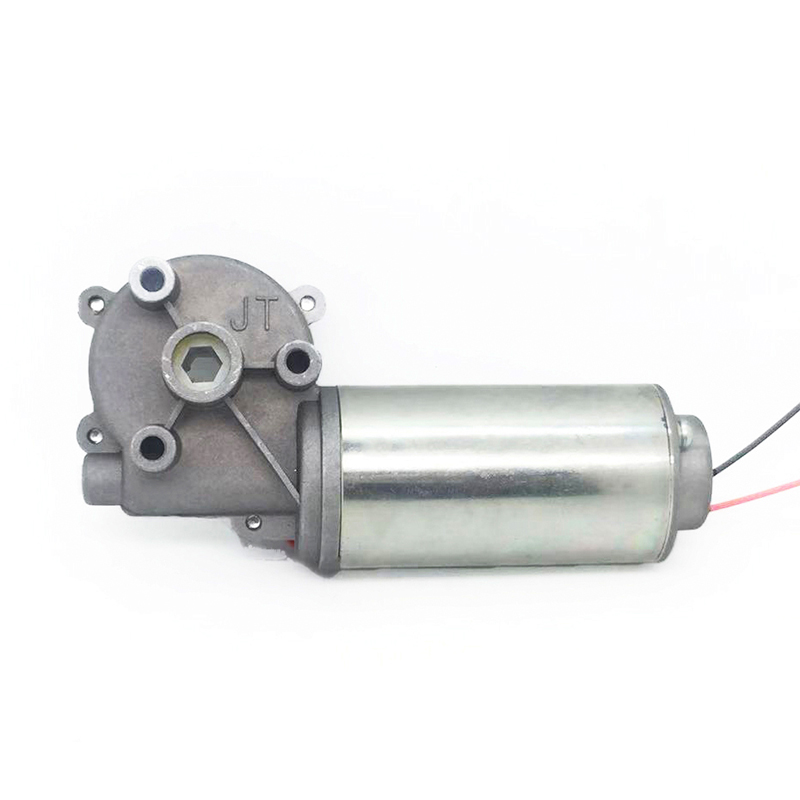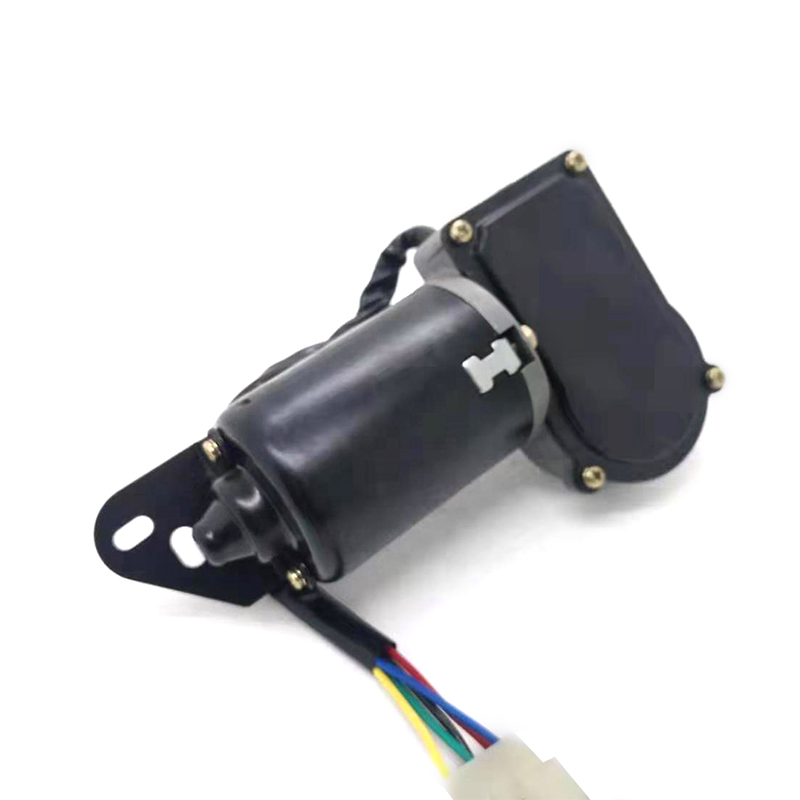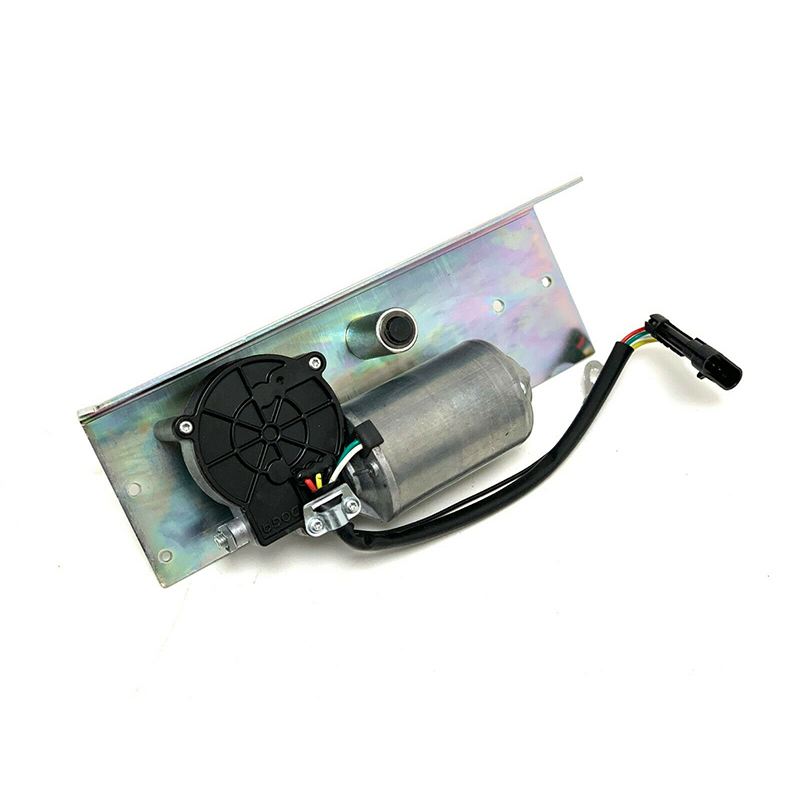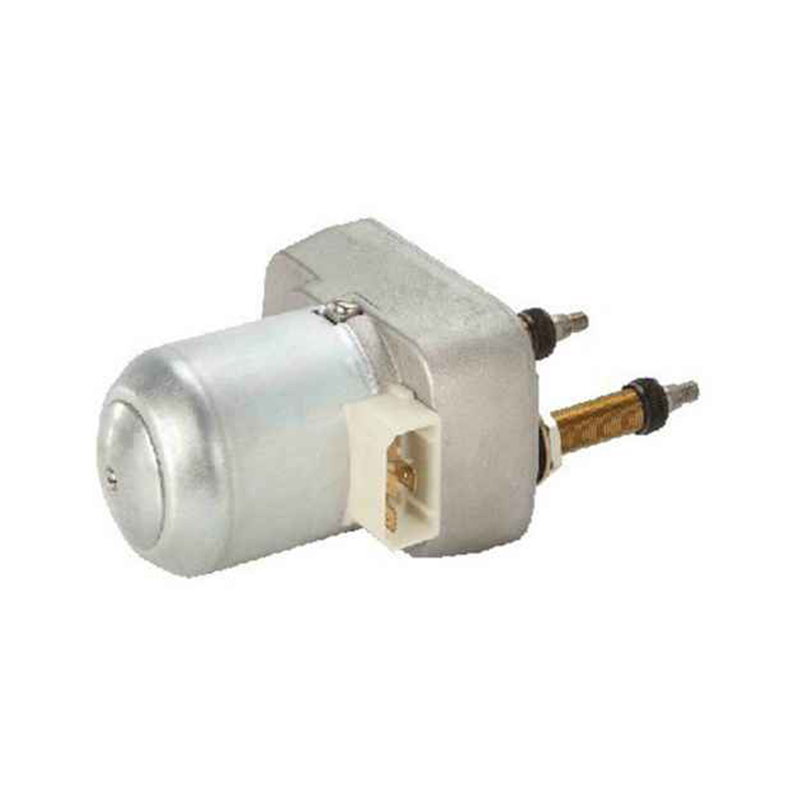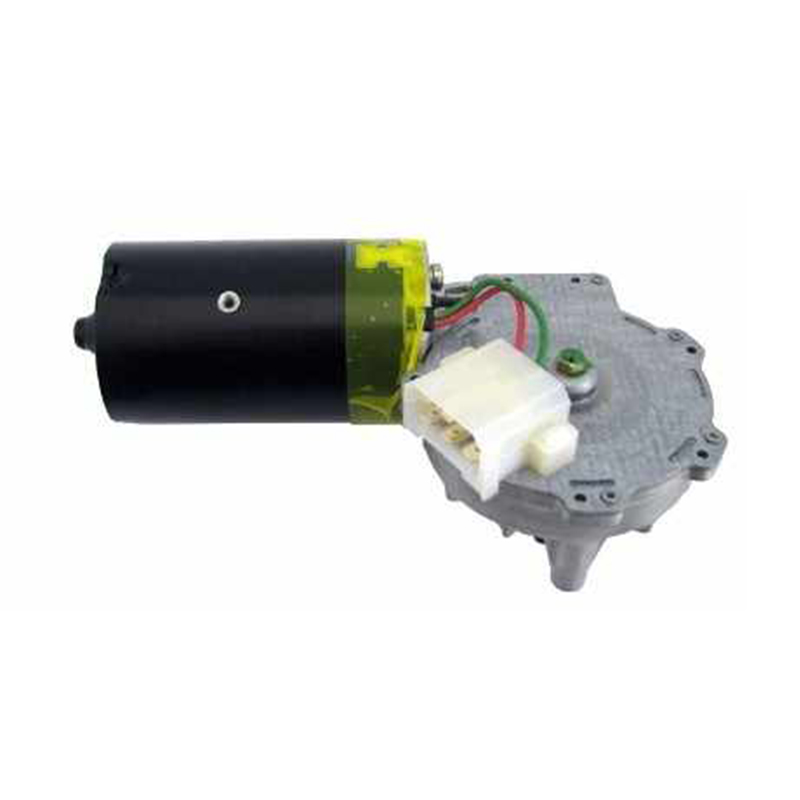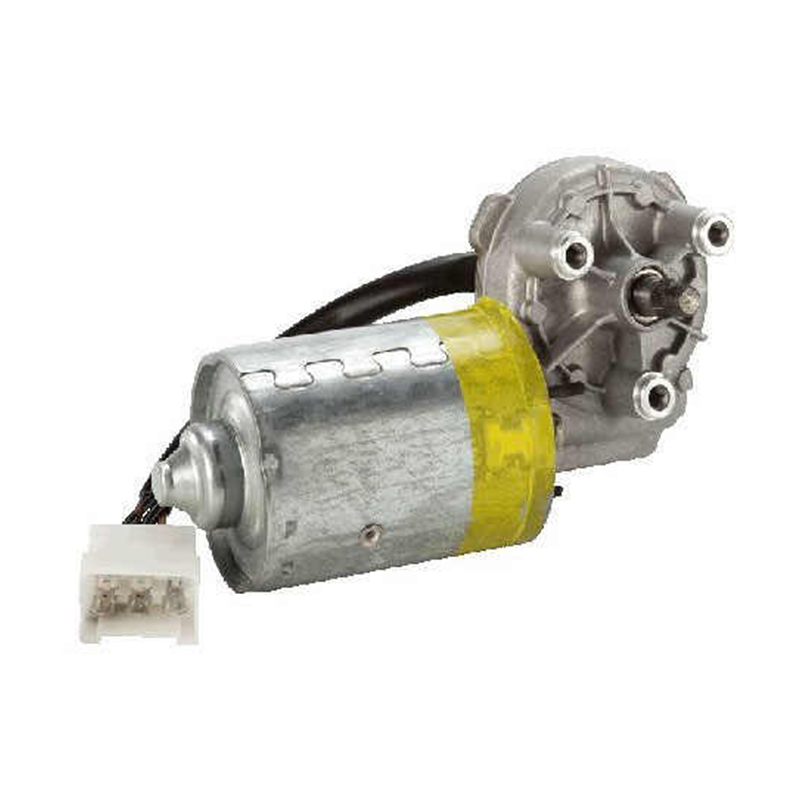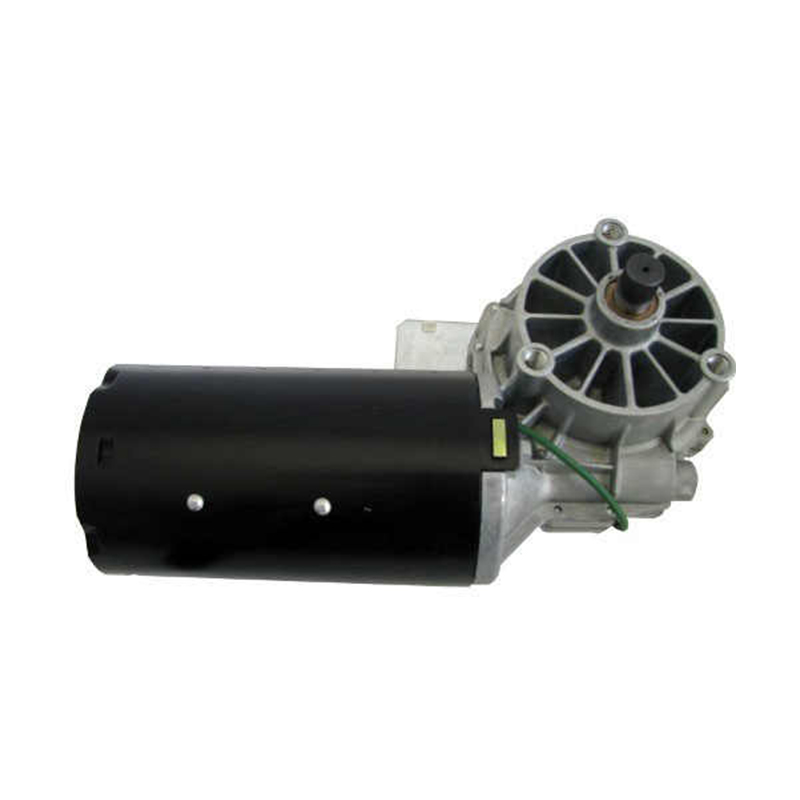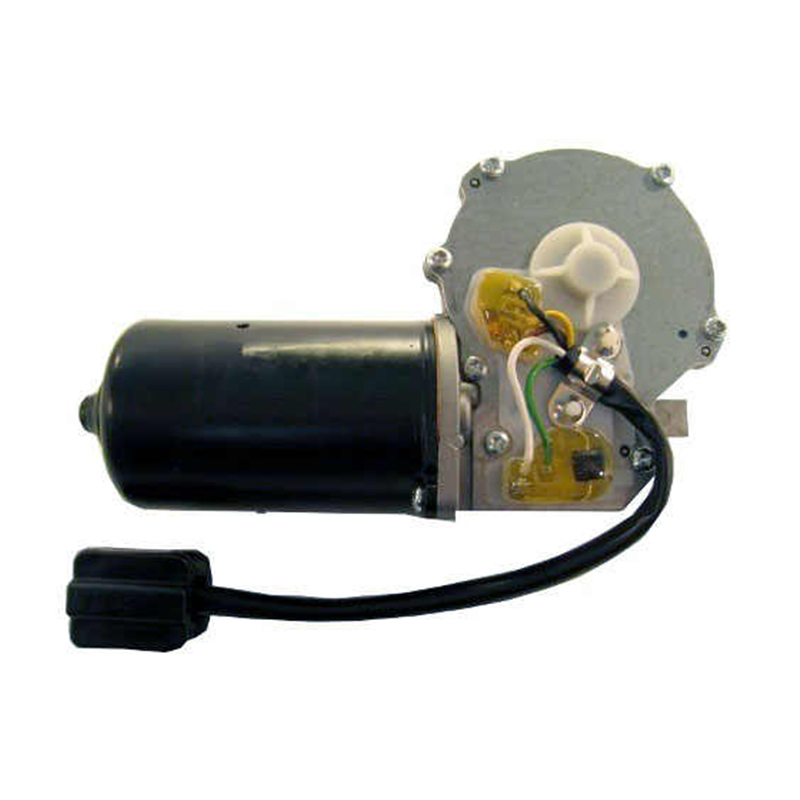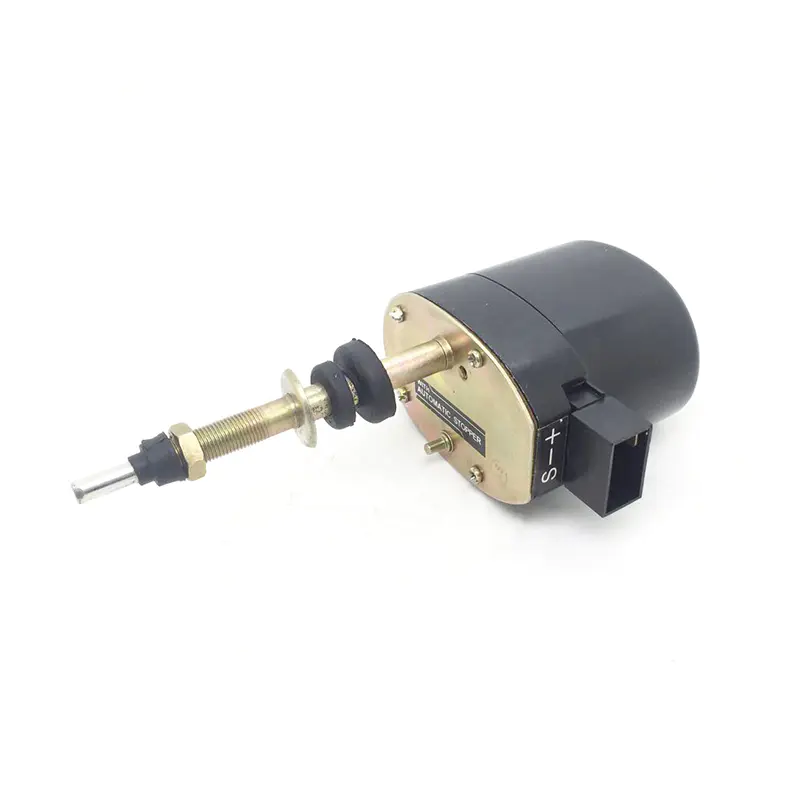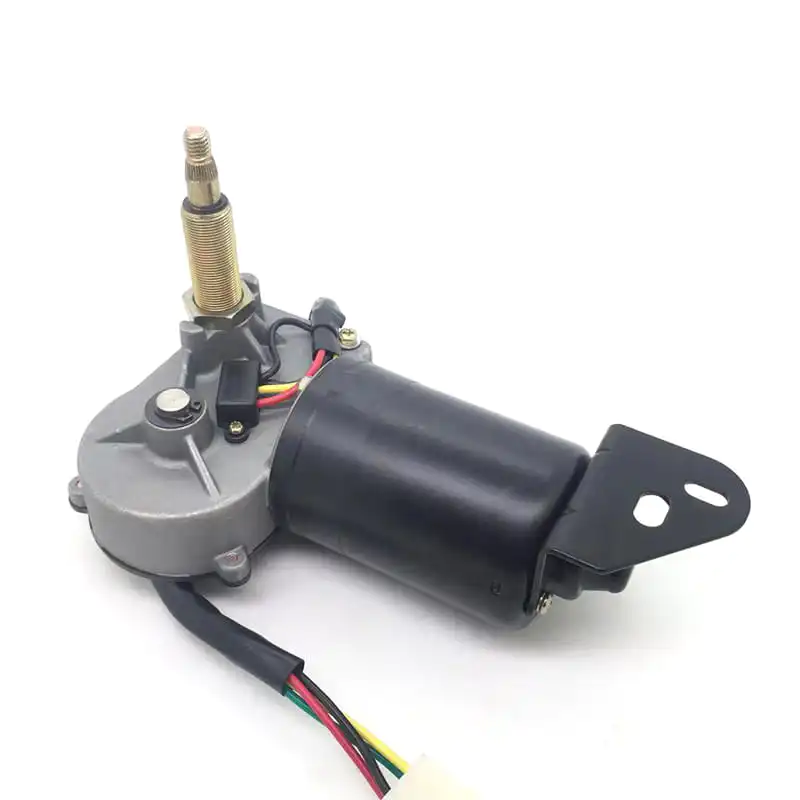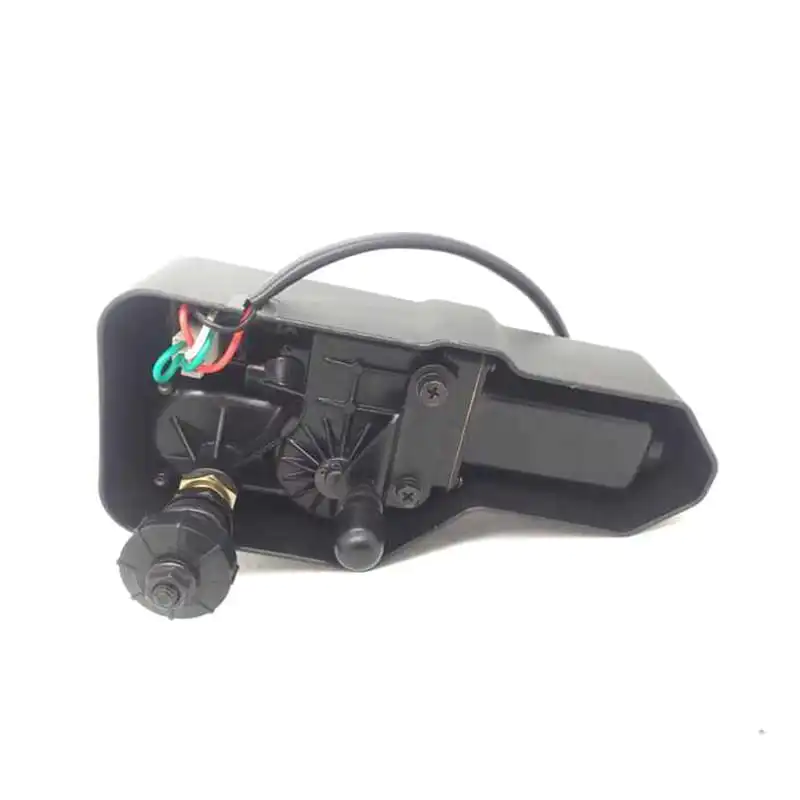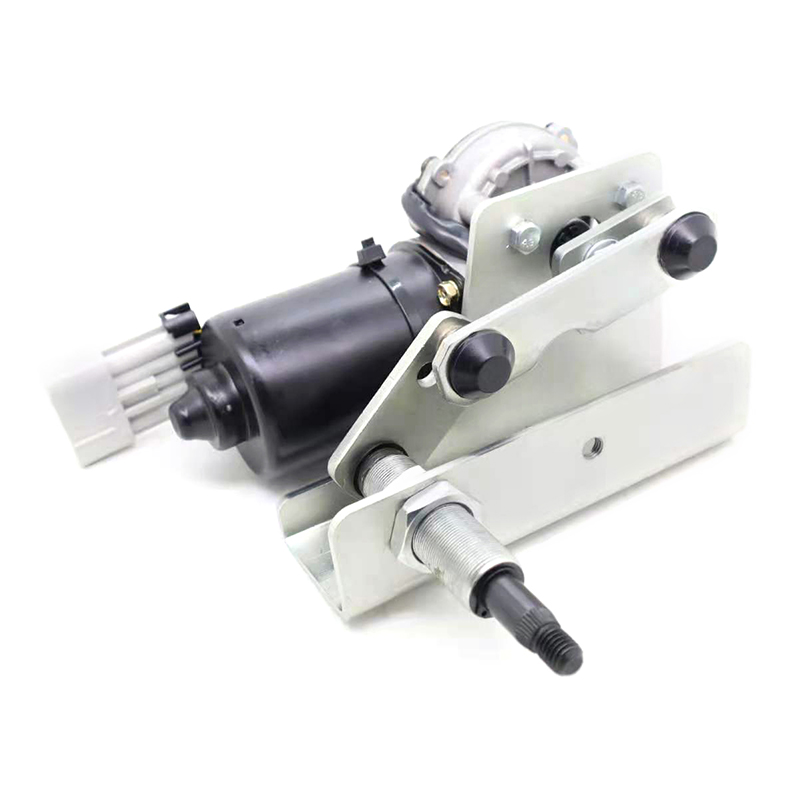
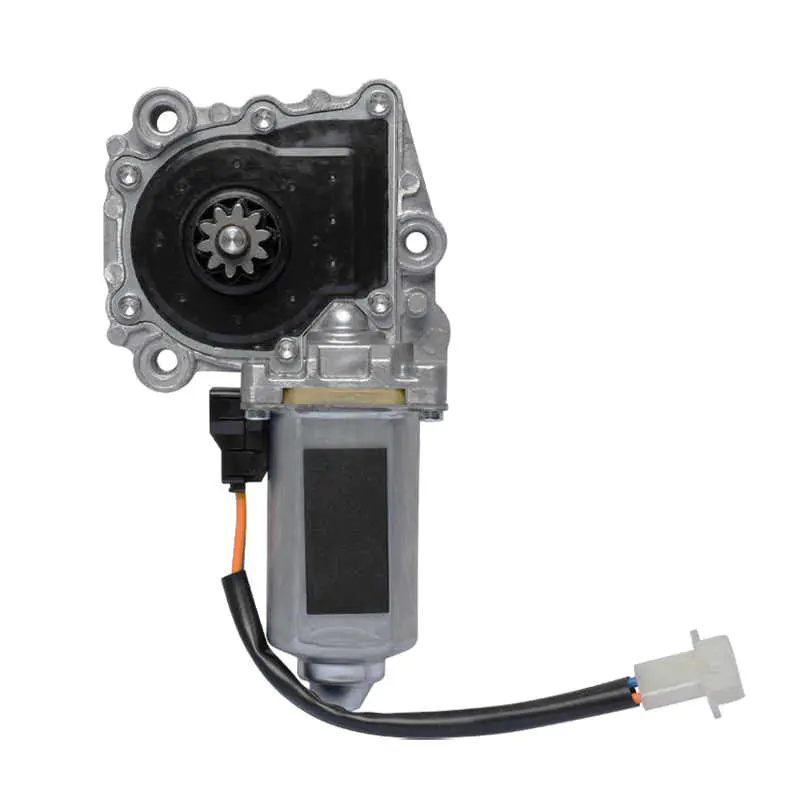
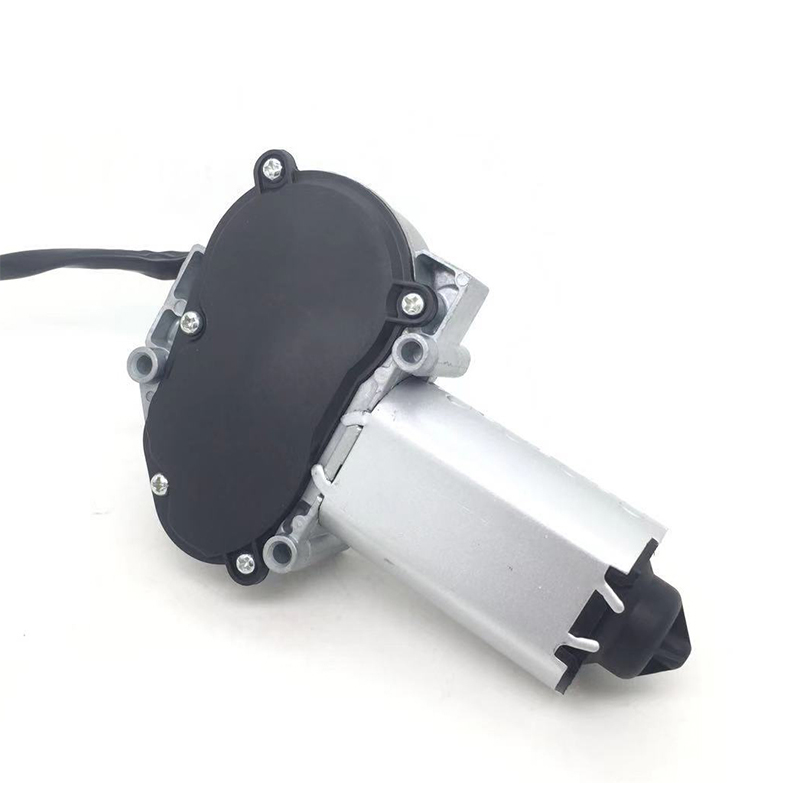
The 7168952 wiper motor is a 12V DC permanent magnet motor designed for windshield wiping systems in passenger vehicles. Its primary functions include rotating wiper arms at two or more speeds, returning blades to a parked position when turned off, and providing intermittent operation through an internal or external control module. The motor generates torque between 25 and 40 N·cm, sufficient to move wiper arms against wind resistance at vehicle speeds up to 120 km/h.
|
Structural Feature |
Traditional Design (pre-2010) |
Current Trend (2020–present) |
|
Housing material |
Steel or cast aluminum |
Glass-fiber reinforced PA66 plastic |
|
Gear type |
Bronze worm wheel |
Plastic-composite gear with steel insert |
|
Brush system |
Carbon brushes with coil springs |
Carbon brushes with leaf springs (lower friction) |
|
Park switch mechanism |
Exposed contact points |
Sealed hall-effect sensor (non-mechanical) |
|
Connector type |
4-pin Molex or Packard |
6-pin mini-ISO with terminal position assurance |
|
Weight |
1.2–1.5 kg |
0.7–0.9 kg |
|
Sealing rating |
IP54 |
IP67 (temporary immersion protection) |
Modern versions of the 7168952 motor show a trend toward reduced axial length (from 130 mm to 95 mm) by repositioning the park switch from the end cap to the gear housing side. The control electronics for intermittent wiping are increasingly integrated into the motor cover rather than mounted separately on the firewall. This integration reduces wiring harness length by approximately 0.8 meters per vehicle.
1. Variable intermittent timing based on rain sensors
Modern vehicles equipped with optical rain sensors send pulse-width modulated (PWM) signals to the 7168952 motor. The motor's control circuit interprets these signals to adjust delay intervals from 1 to 20 seconds. Unlike fixed-interval intermittent wipers of previous decades, this system requires the motor to maintain consistent starting torque after repeated stop-start cycles. The 7168952 achieves this through a soft-start circuit that limits inrush current to 6–8 amperes, preventing voltage drops that could affect other vehicle electronics.
2. Communication with body control modules (BCM)
The 7168952 motor now includes a feedback line that reports its rotational position to the vehicle's BCM. This signal, generated by a hall-effect sensor rather than mechanical contacts, informs the BCM whether the motor has reached the park position or is stalled. The BCM uses this data to trigger diagnostic trouble codes (e.g., DTC B2415 for wiper motor circuit failure) and to automatically shut off power if a stall lasts longer than 5 seconds, reducing fire risk from overheated wiring.
3. Compatibility with automatic wiper activation systems
When a vehicle's rain sensor detects moisture, the BCM sends a wake-up signal to the wiper motor's standby circuit. The 7168952 motor draws 15–20 milliamperes in standby mode—a reduction from 50 mA in older designs. This lower standby draw allows the system to remain active during vehicle parking periods without draining the battery over several days. Upon receiving the activation signal, the motor reaches full speed within 0.2 seconds, compared to 0.5 seconds for non-standby designs.
1. Reduced mounting footprint for crowded engine compartments
Modern engine bays contain more components per cubic meter than vehicles from the 1990s: turbochargers, intercooler pipes, brake boosters, and electronic control units. The 7168952 motor's housing has been redesigned with a 32% smaller mounting footprint (78 mm × 65 mm versus 115 mm × 85 mm). Mounting bolt spacing now follows a standardized 56 mm × 42 mm pattern, allowing the motor to fit between the windshield wiper linkage and firewall insulation without interference.
2. Improved sealing against high-pressure water jets
Car wash systems and direct-pressure underhood cleaning expose wiper motors to water jets at 80–100 bar pressure. The 7168952 motor now incorporates triple-lip shaft seals made of fluorocarbon rubber (FKM) instead of single-lip nitrile seals. These seals maintain integrity after 10,000 actuation cycles of the output shaft, as tested in ISO 20653:2023 standard procedures. The electrical connector uses a matte seal (integrated rubber gasket) that compresses to form a watertight interface without requiring separate sealing tape or grease.
3. Thermal management for stop-start vehicle operation
Vehicles equipped with automatic engine stop-start systems experience more frequent battery voltage fluctuations (9.5V to 14.5V cycles). The 7168952 motor includes a copper winding with higher thermal class insulation (Class F, 155°C versus Class B, 130°C) to withstand the additional heat generated during low-voltage high-current operation. A thermal fuse embedded in the winding opens at 140°C, resetting automatically after cooling to 90°C. This design prevents permanent damage during extended idling periods in hot climates.

Tel:+86-0577-66009580
Mobile: +86-18858801083
E-mail:juntmotor@126.com
Whatsapp:+8618858801083
WeChat: +86-18858801083
 WeChat

Automotive Reduction Motors Manufacturer

 +86-0577-66009580
 juntmotor@126.com
 Language
  English
 Português