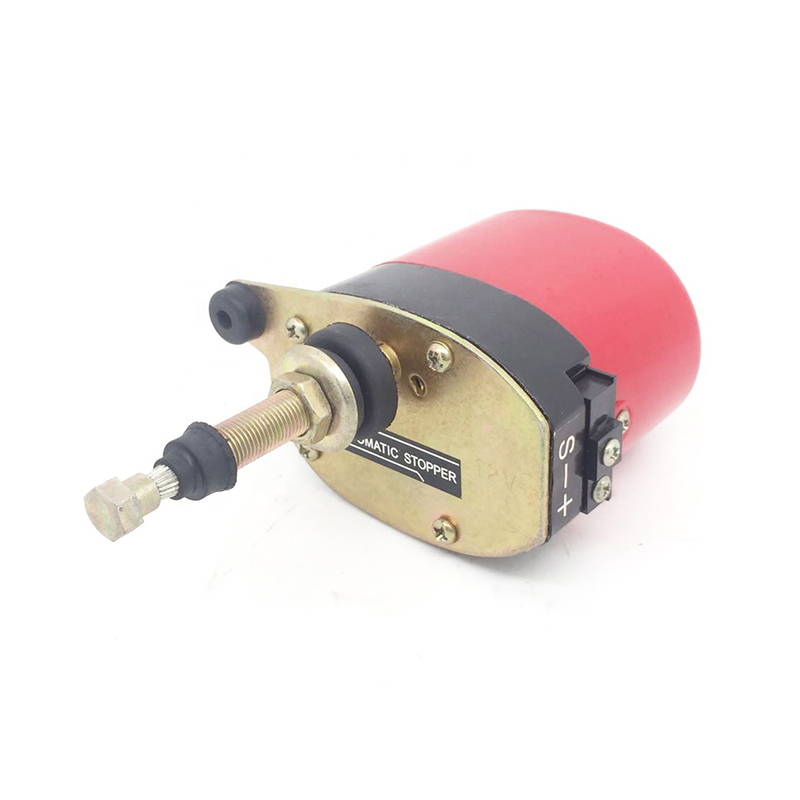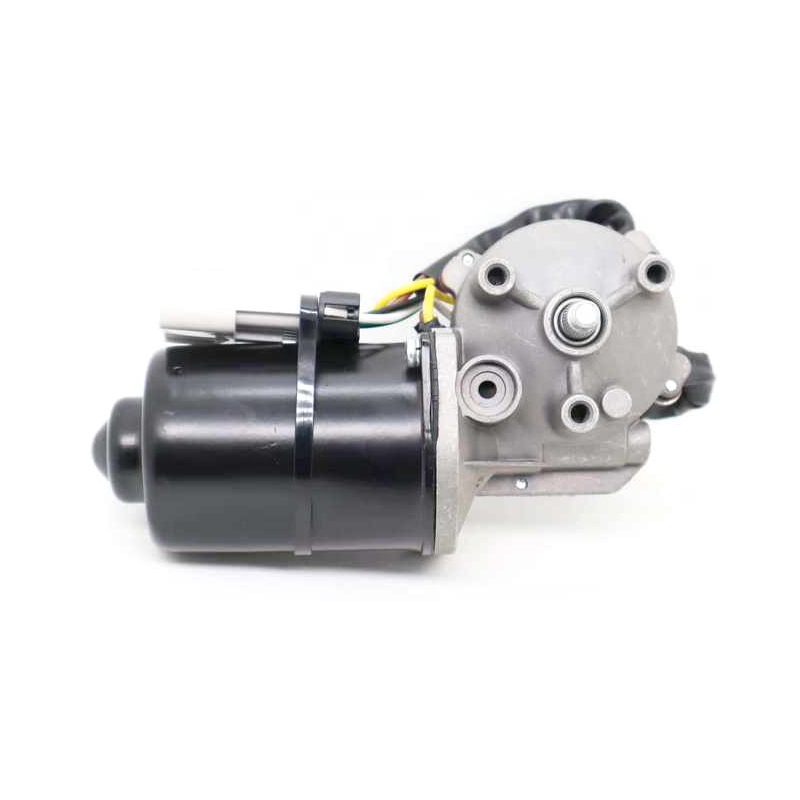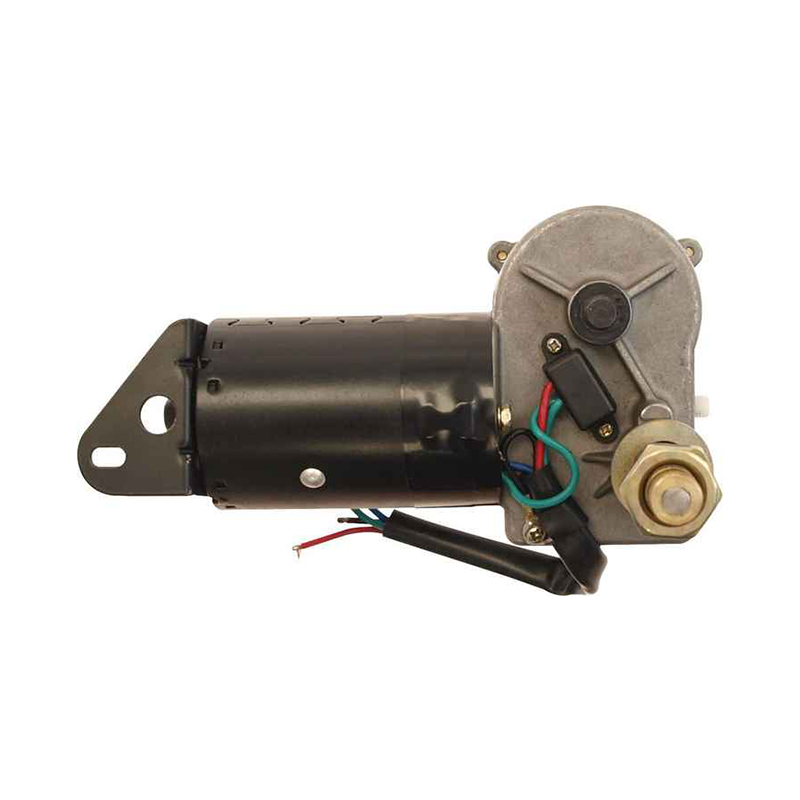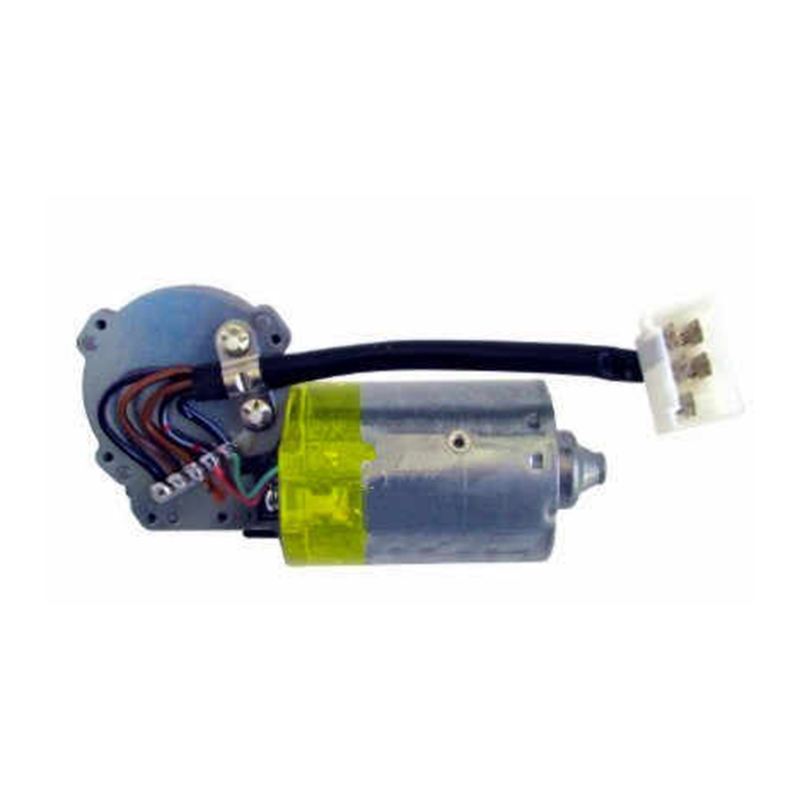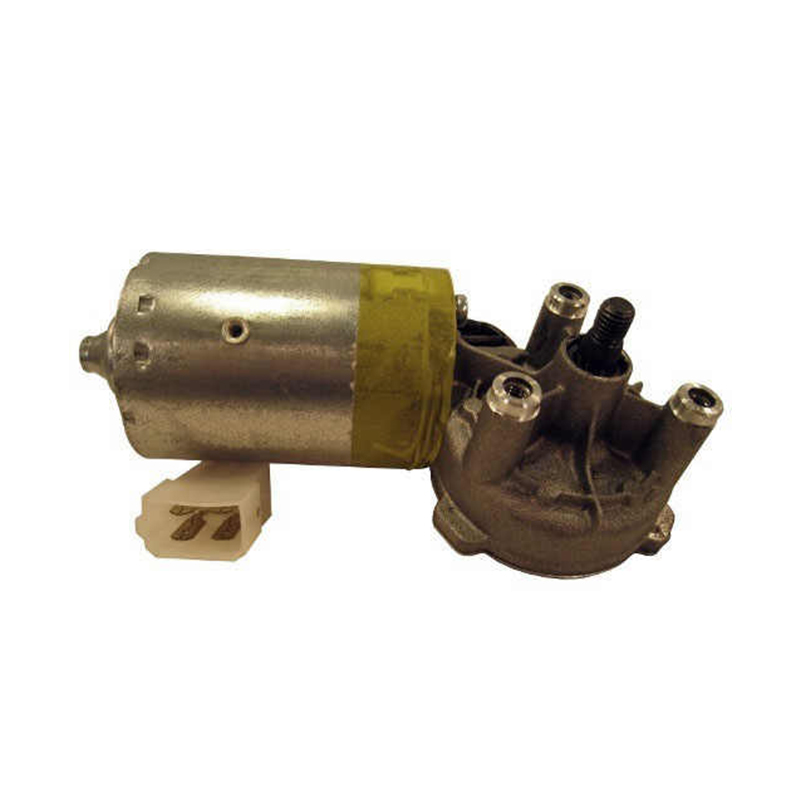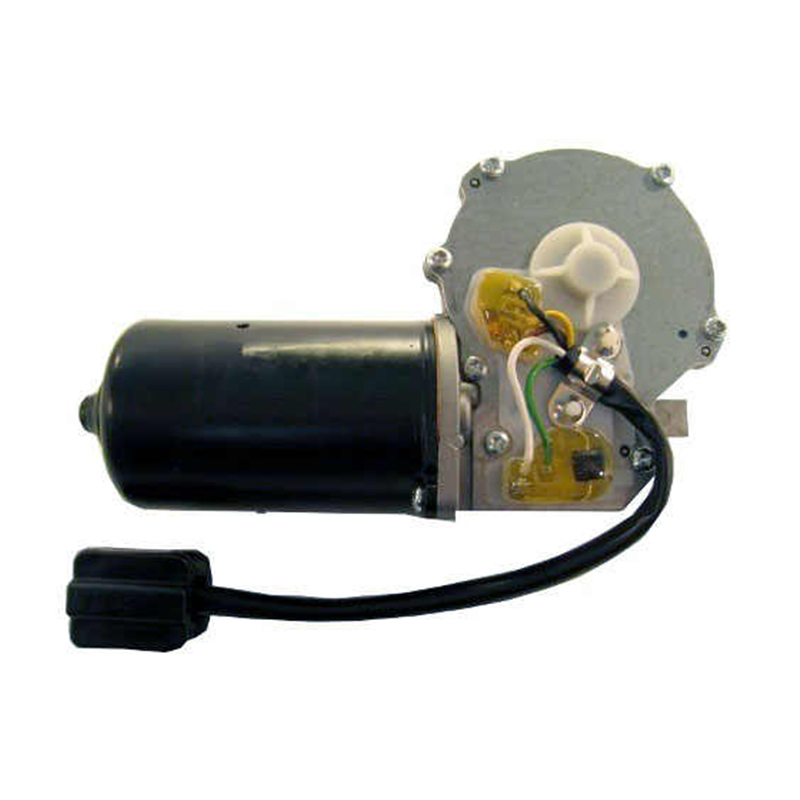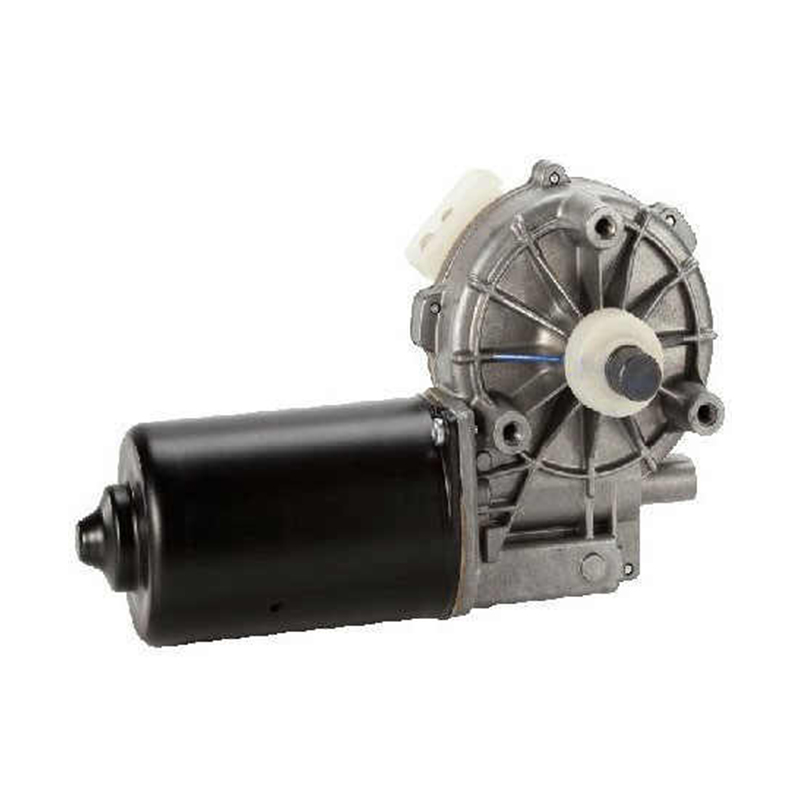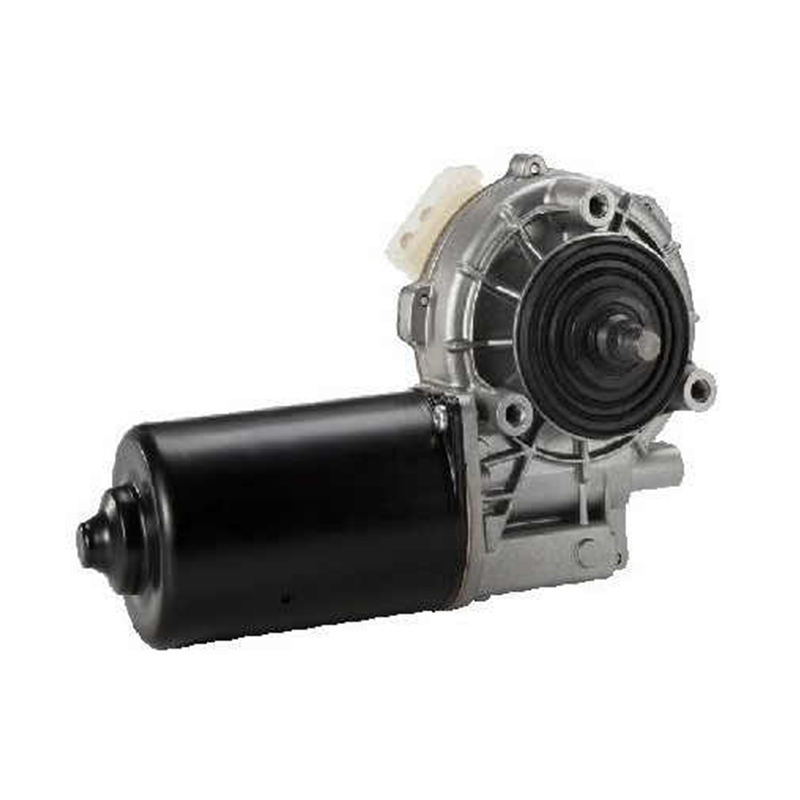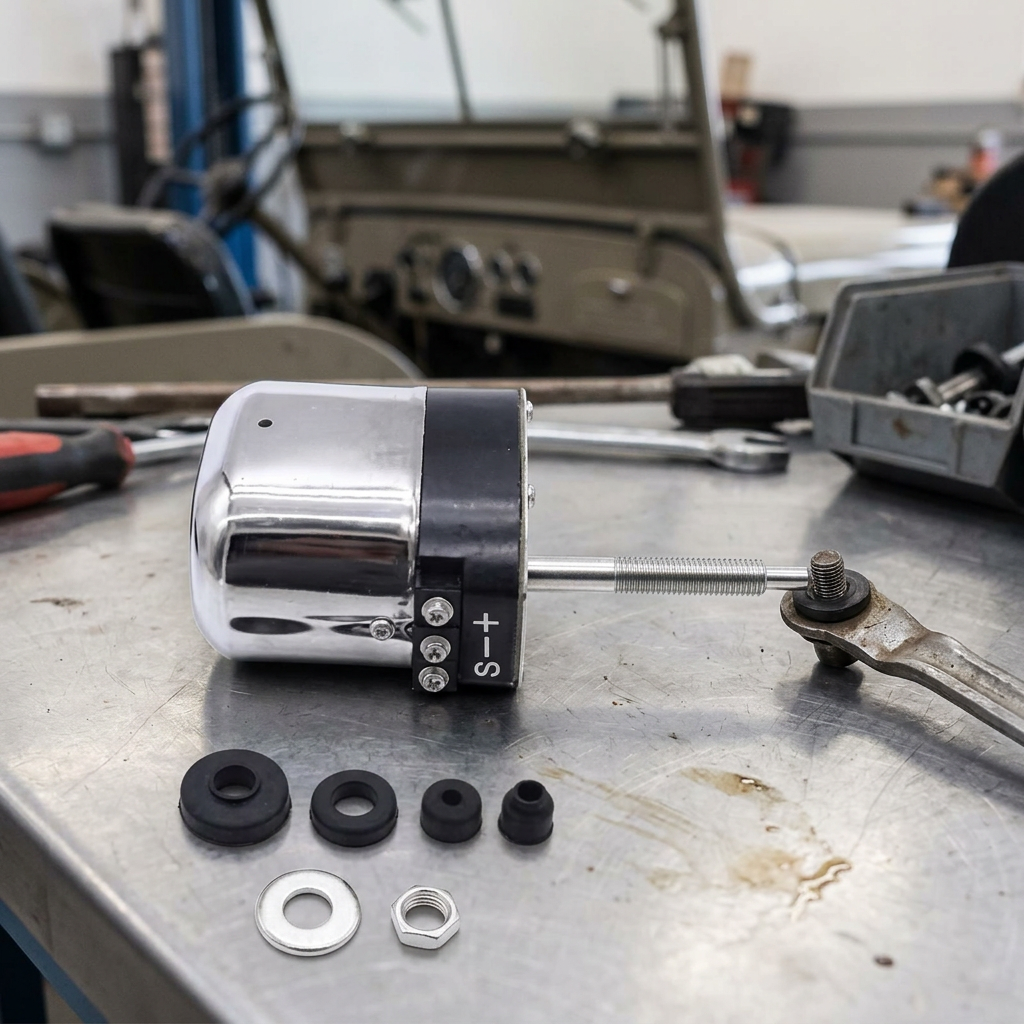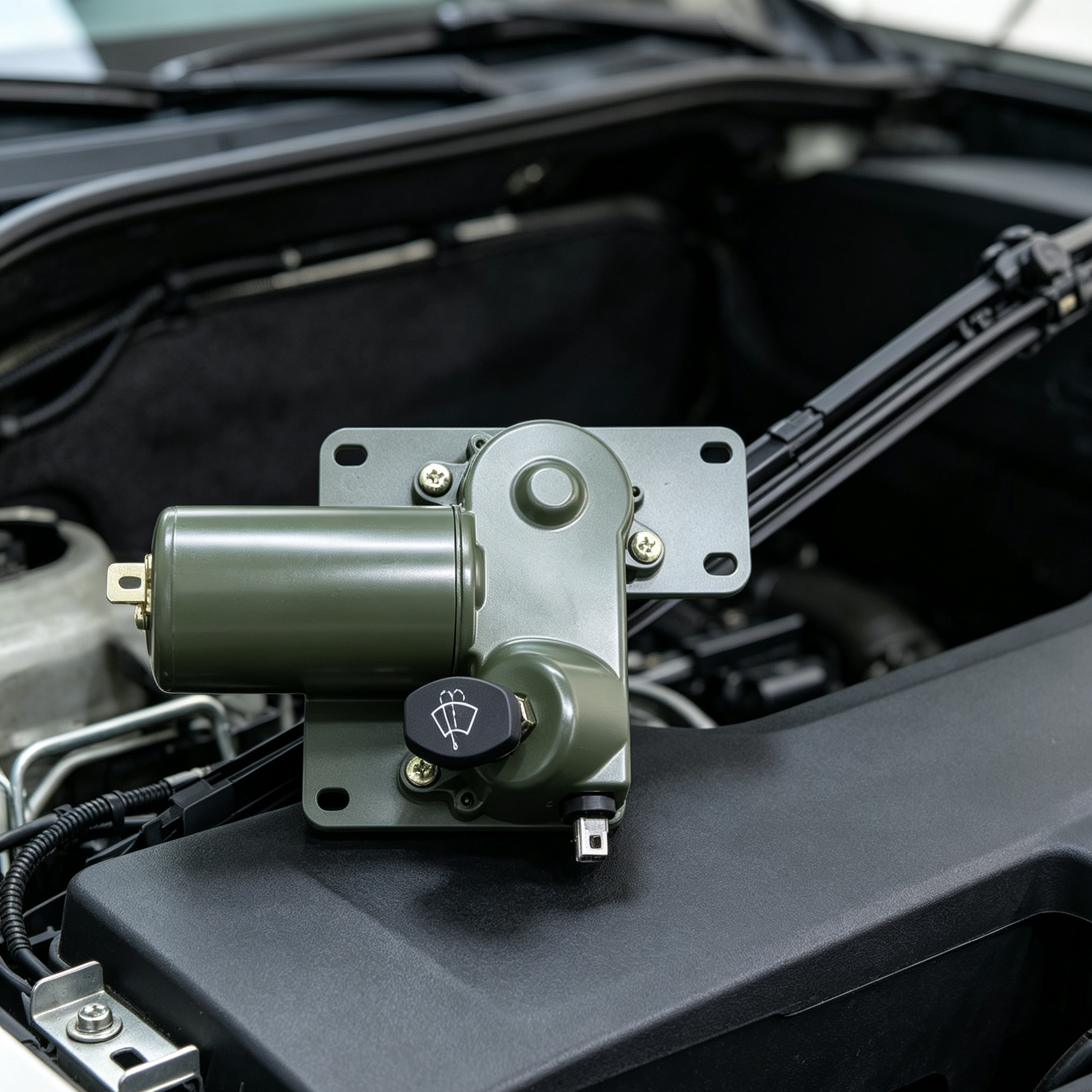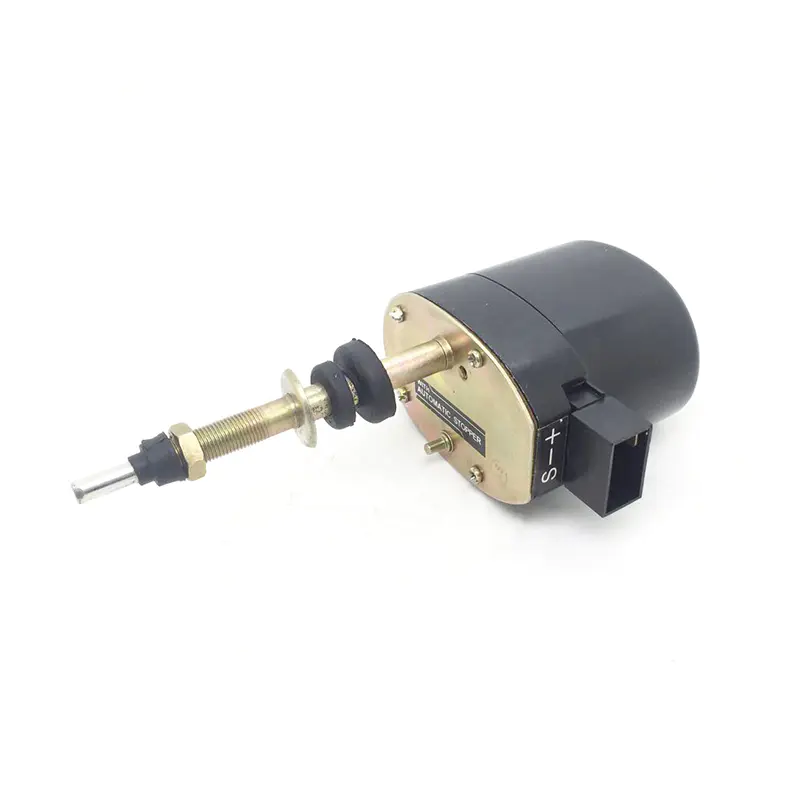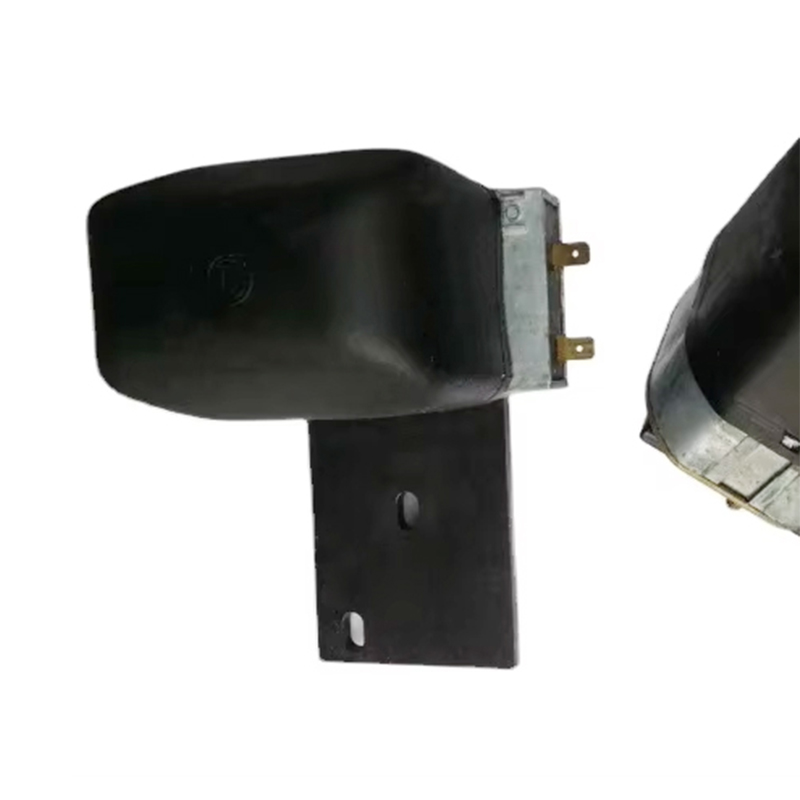
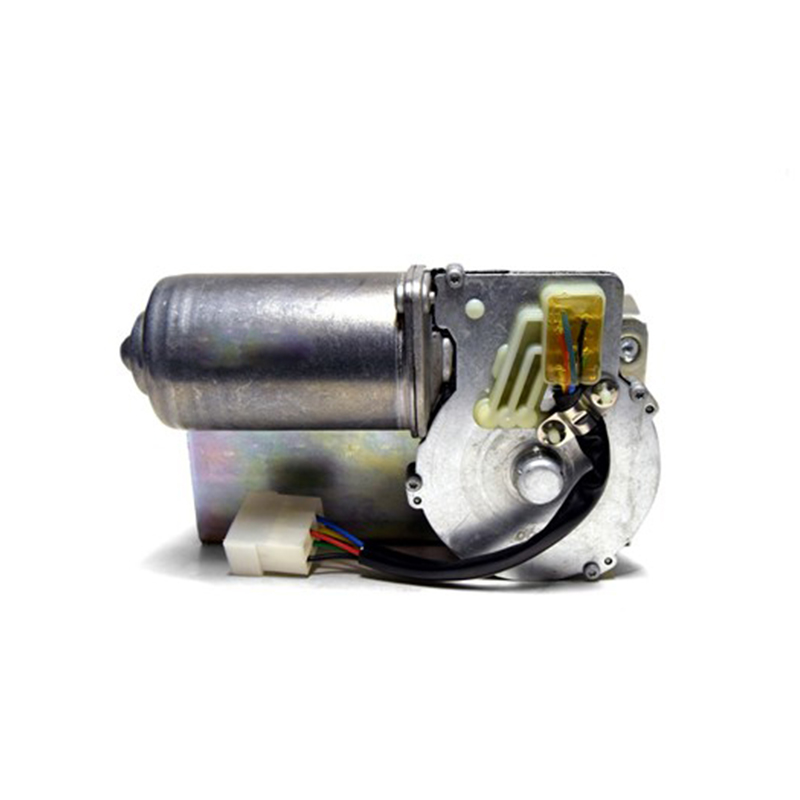
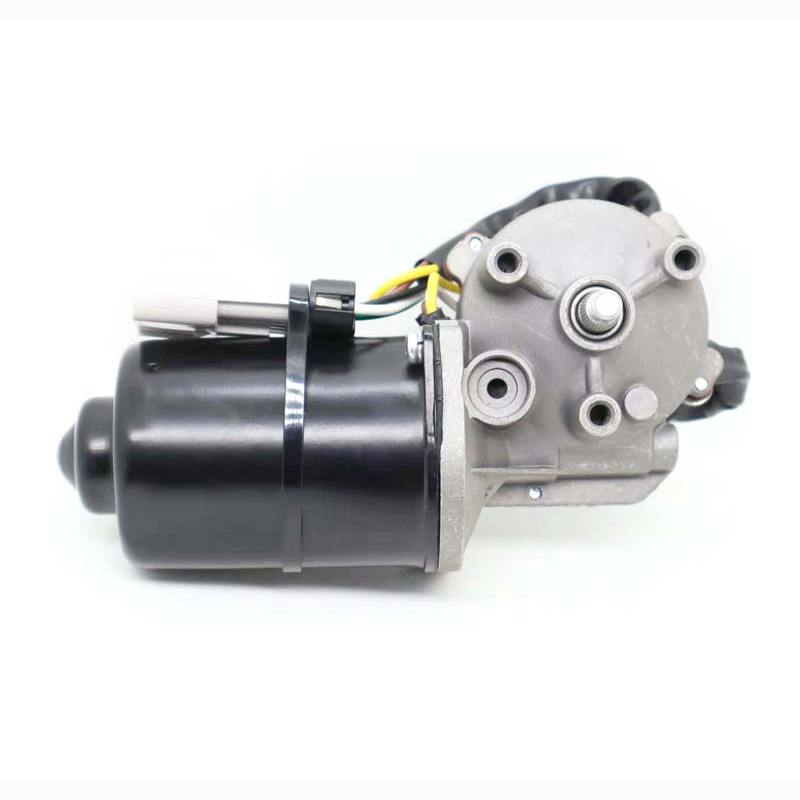
The 15411755 wiper motor is a specific component commonly used in automotive windshield wiper systems. It plays a crucial role in ensuring clear visibility during rain, snow, and other adverse weather conditions.
The 15411755 wiper motor is designed to meet the operational requirements of a vehicle's wiper system. Typically, wiper motors are rated based on parameters such as voltage, current, torque, and speed. For most passenger vehicles, the standard operating voltage is 12V DC, which matches the vehicle's electrical system. The motor's current draw varies with load and operating conditions, generally ranging from 3A to 8A during normal operation, and may increase during heavy loads such as when the windshield is frozen or heavily soiled.
Torque is a key performance parameter because it determines the motor's ability to move wiper arms against wind resistance and friction. The 15411755 motor is engineered to provide sufficient torque to ensure smooth movement and consistent speed under varying conditions. Wiper motors also include internal gear reductions to convert high-speed motor rotation into lower-speed, higher-torque output suitable for wiper arms.
Another important specification is the motor's speed. Wiper systems commonly have multiple speed settings, such as low, high, and intermittent. The 15411755 motor is compatible with these multi-speed operations through the vehicle's wiper control module, allowing drivers to adjust wiping frequency according to weather conditions.
The primary function of the 15411755 wiper motor is to convert electrical energy into mechanical motion that drives the wiper linkage and blades. When the driver activates the wiper switch, the motor receives a signal from the control circuit. The motor then rotates, driving a crank or gear mechanism that converts rotational motion into the oscillating motion of the wiper arms.
This motor also supports the “park” function, which ensures the wipers return to their resting position at the bottom of the windshield when turned off. The park function is achieved through an internal switch or sensor mechanism that detects the wiper position and maintains motor operation until the wipers reach the park position. This feature is essential for safety and aesthetics, as it prevents the wipers from stopping in the middle of the windshield.
In some systems, the wiper motor is integrated with the washer pump or linked to a control module that manages intermittent wiping intervals. The 15411755 motor is designed to work reliably within such systems, maintaining consistent performance across different operating modes.
When replacing or installing a 15411755 wiper motor, compatibility with the vehicle model is a primary consideration. Wiper motors are not universally interchangeable because they differ in mounting points, electrical connectors, gear ratios, and linkage interfaces. Therefore, it is important to verify the part number and confirm fitment with the vehicle's make, model, and year.
Installation typically involves removing the wiper arms, accessing the wiper motor assembly under the cowl panel, and disconnecting the electrical connector and linkage. The old motor is then unbolted and replaced with the new unit, ensuring correct alignment of the linkage and park position. After installation, the wiper system should be tested to verify proper operation in all modes and confirm that the wipers park correctly.
In addition to physical compatibility, electrical compatibility is also essential. The 15411755 motor must match the vehicle's voltage and control system. Using a motor with incorrect electrical specifications can lead to insufficient wiping performance or damage to the vehicle's electrical system.
Regular maintenance of the wiper system helps prolong the life of the 15411755 wiper motor. Common maintenance tasks include checking wiper blade condition, ensuring the wiper linkage is lubricated, and keeping the windshield clean to reduce load on the motor. A wiper motor can experience increased wear when the blades are worn or when the wiper arms are misaligned.
Common issues with wiper motors include failure to operate, intermittent operation, slow movement, or failure to park. These problems can be caused by electrical issues such as blown fuses, faulty switches, corroded connectors, or worn brushes inside the motor. Mechanical issues such as binding linkage, seized gears, or excessive resistance from frozen windshield surfaces can also affect motor performance.
To troubleshoot, start with a visual inspection of the wiring and connectors, and check the fuse related to the wiper circuit. If the motor does not operate at all, testing voltage at the motor connector can help determine whether the issue is electrical or mechanical. If the motor runs but does not park correctly, the internal park switch or linkage alignment may need adjustment or replacement.
|
Issue |
Possible Cause |
Typical Solution |
|
Motor not running |
Blown fuse, bad connector |
Replace fuse, clean/repair connector |
|
Slow wiping |
High load, worn motor brushes |
Inspect blades, check motor condition |
|
Intermittent operation |
Faulty control module |
Test/replace control module |
|
Wipers not parking |
Park switch failure |
Replace motor or adjust linkage |

Tel:+86-0577-66009580
Mobile: +86-18858801083
E-mail:juntmotor@126.com
Whatsapp:+8618858801083
WeChat: +86-18858801083
 WeChat

Automotive Reduction Motors Manufacturer

 +86-0577-66009580
 juntmotor@126.com
 Language
  English
 Português