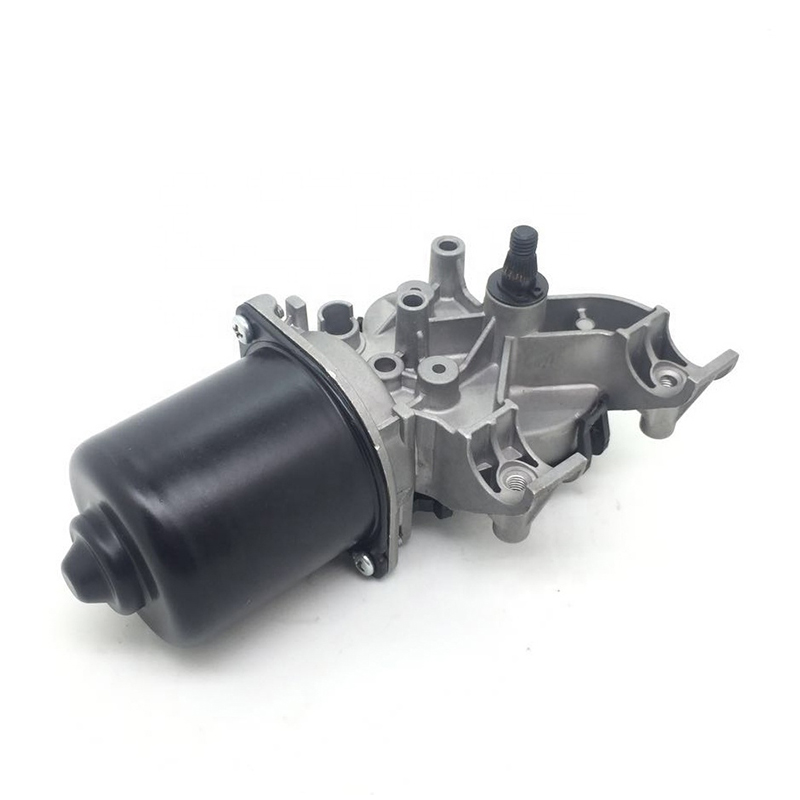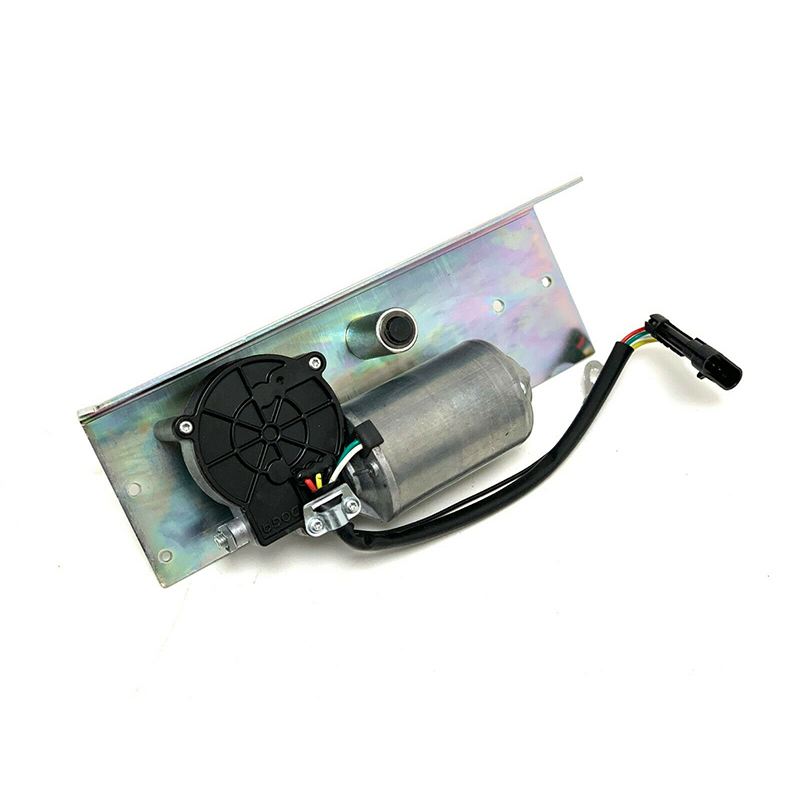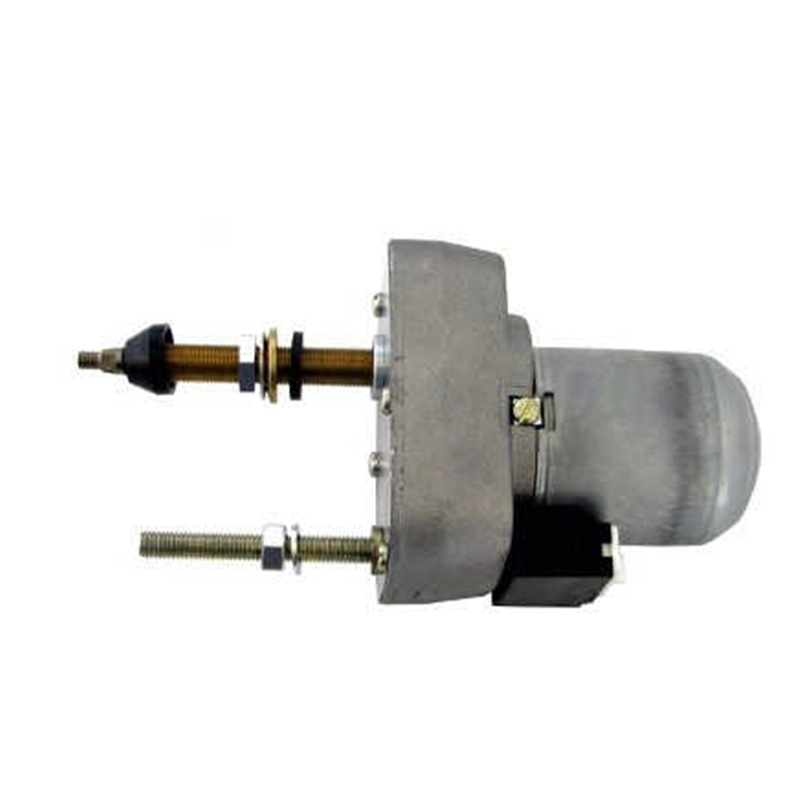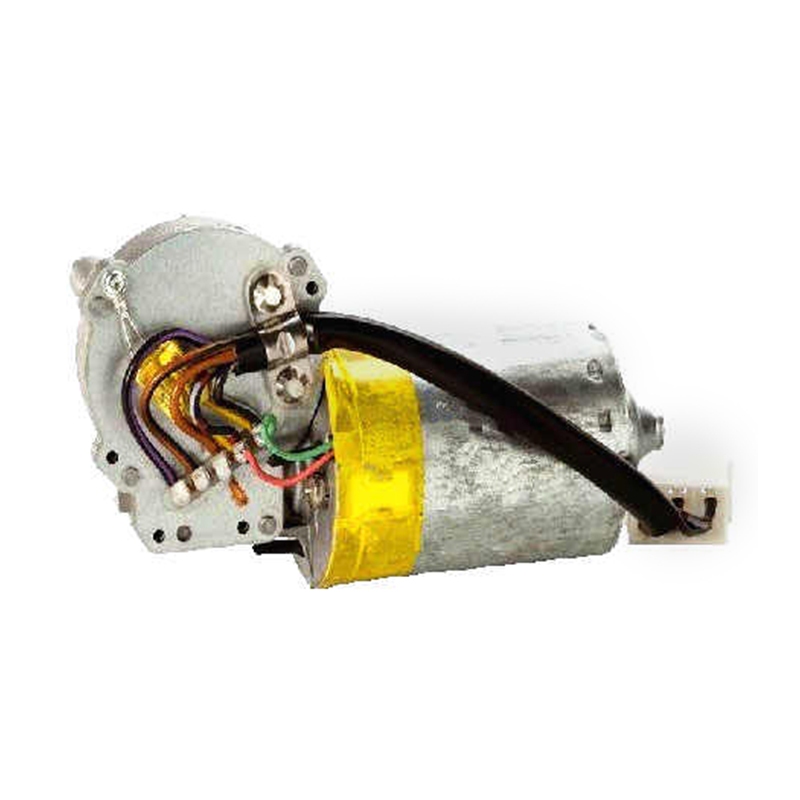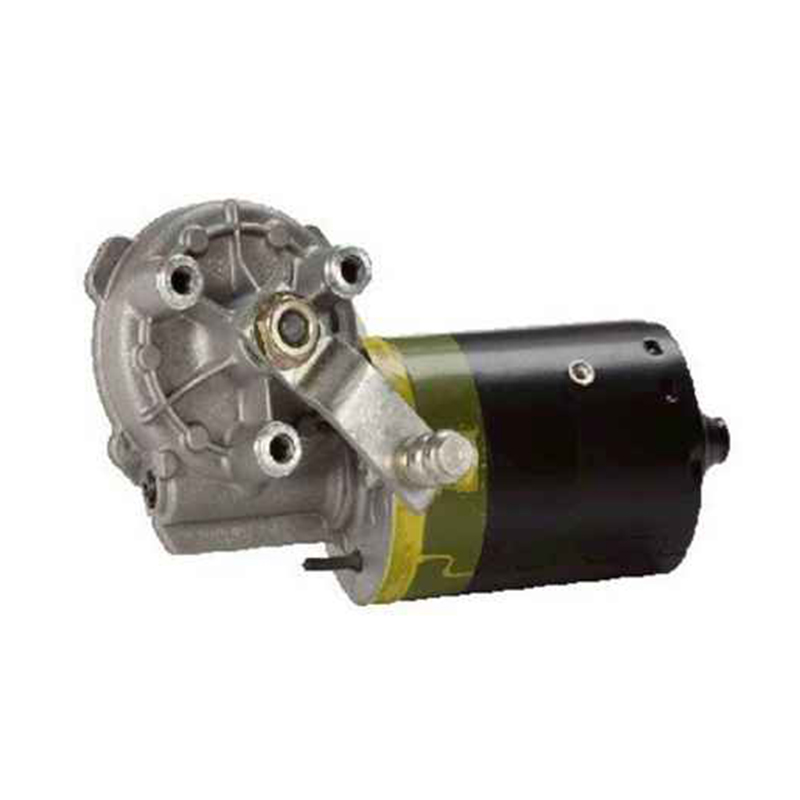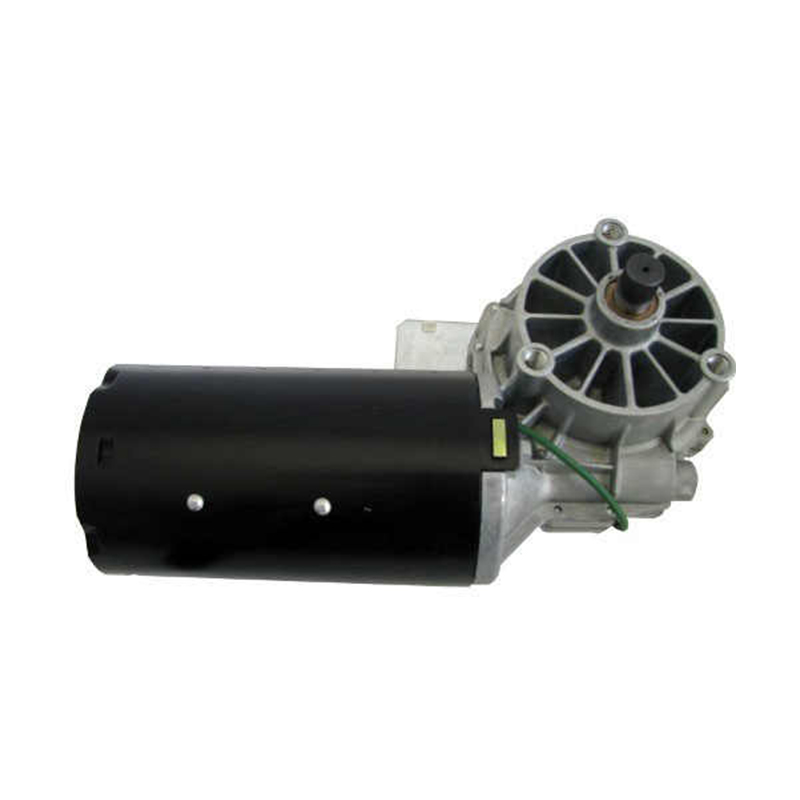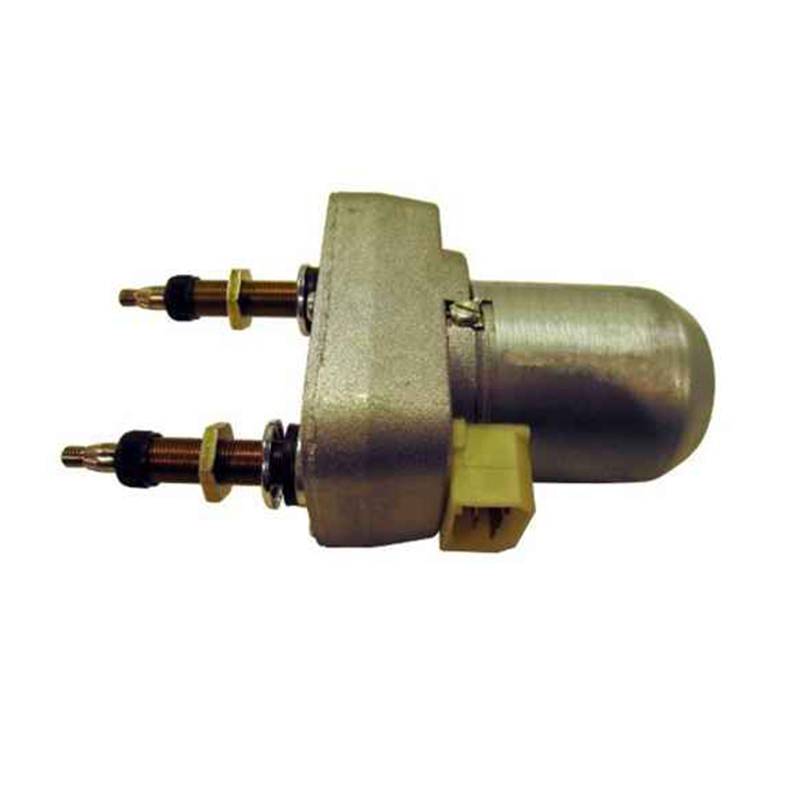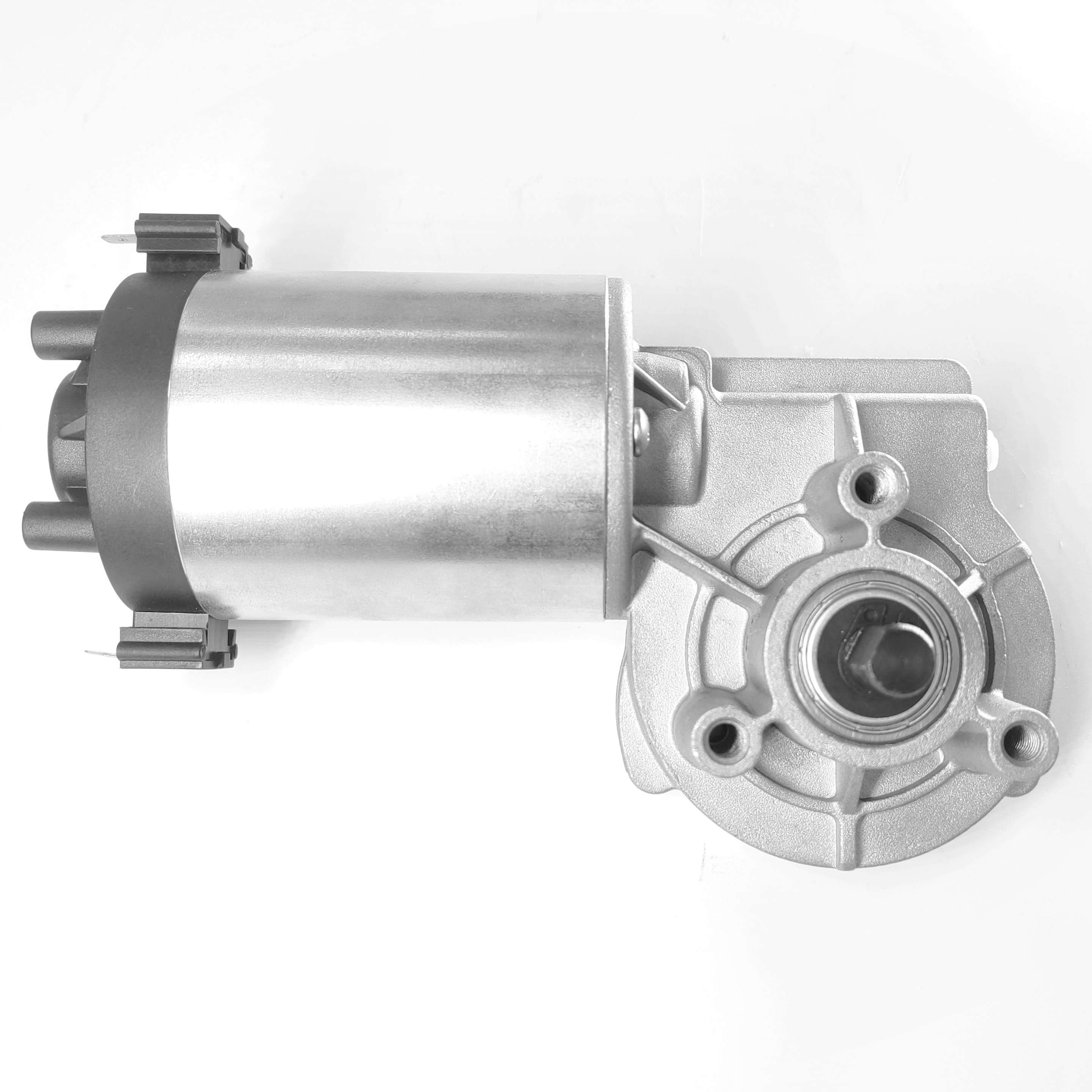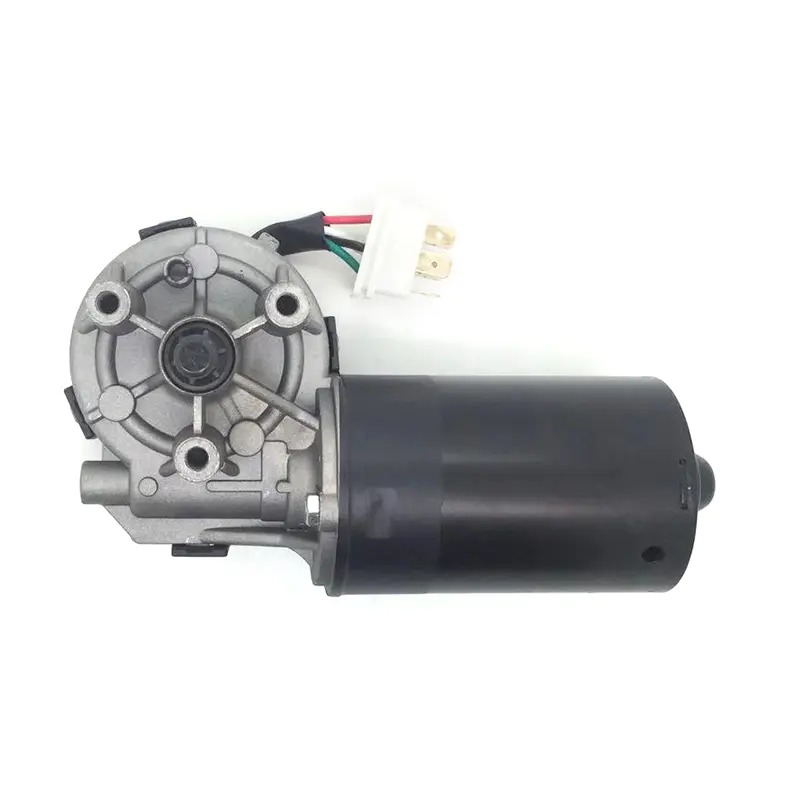
The power of a windshield wiper motor like the 14675537 is a crucial factor in determining how efficiently and quickly it operates. Its ability to move the wiper blades at the required speed, especially in adverse weather conditions, is dependent on several factors, including electrical power, torque, and motor design.
1. Voltage and Electrical Power
Most windshield wiper motors, including the 14675537 model, typically operate on a 12-volt electrical system, which is standard in most passenger vehicles. The motor receives power from the car's battery and, in turn, converts this electrical energy into mechanical energy to drive the wiper mechanism.
Electrical Conversion: When the driver activates the wiper switch, electrical current flows through the motor, causing it to spin. The motor's rotor, which is powered by this current, generates the force needed to move the wiper blades across the windshield.
Current Draw and Power Efficiency: A typical wiper motor, such as the 14675537, draws anywhere from 3 to 10 amps depending on its design and power requirements. The efficiency of the motor determines how much energy is consumed in relation to the output power. High-efficiency motors reduce strain on the vehicle's electrical system, extending battery life and ensuring that the motor operates smoothly without excessive power draw.
2. Torque and Motor Performance
Torque is the force that causes the wiper blades to move in their arc across the windshield. The 14675537 motor is designed to provide enough torque to move the blades at various speeds, including low, medium, and high settings, depending on the intensity of the weather.
Variable Speed Control: Many modern vehicles equipped with the 14675537 motor feature adjustable speed settings. The motor can deliver variable torque to adjust the blade speed, based on driver preference or conditions. On high-speed settings, the motor generates greater torque to ensure fast and efficient wiper blade movement, while on low settings, the torque is reduced for smoother, slower motion.
Overload Protection: In some cases, motors like the 14675537 are also equipped with overload protection features. This ensures that the motor doesn't get damaged if it encounters resistance, such as a buildup of ice on the windshield or a malfunctioning wiper blade. If too much resistance is detected, the motor automatically shuts down or slows down to prevent damage.
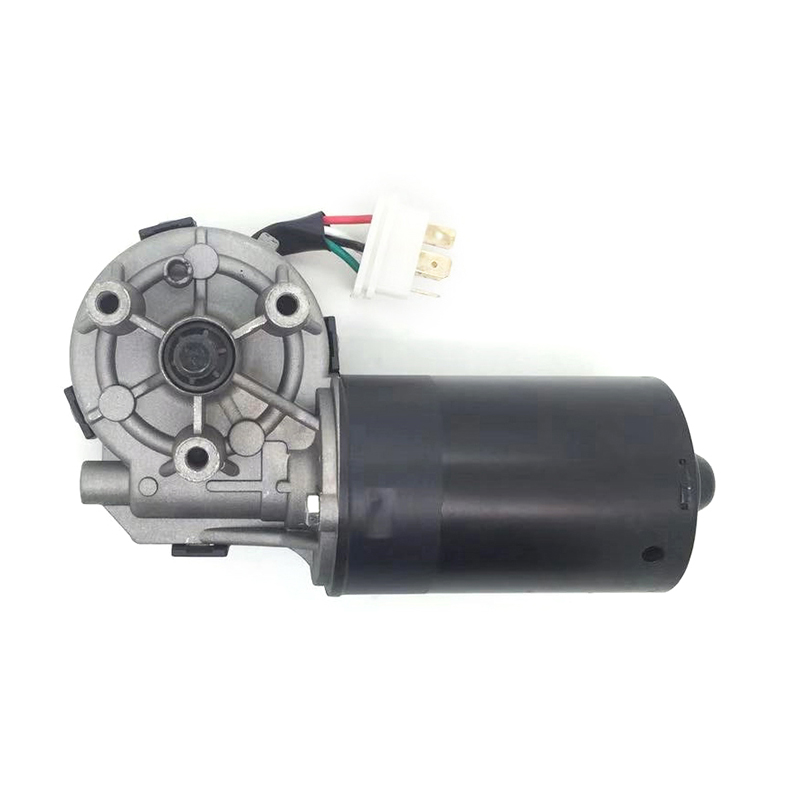
The durability and reliability of the 14675537 windshield wiper motor are largely determined by the materials used in its construction. These materials must be carefully selected to withstand the challenges posed by harsh weather, constant use, and the mechanical stresses involved in motor operation.
1. Steel and Metal Alloys
The housing and internal components of the 14675537 motor are generally made from steel or metal alloys. Steel is commonly used for its strength and ability to withstand high temperatures, while also providing a solid foundation for the motor's internal parts.
2. Copper Wiring
Copper wiring is integral to the motor's function. Copper is used in the windings of the motor to conduct electricity, providing an efficient path for electrical current to flow. The copper coils in the stator create the electromagnetic field that powers the rotor and drives the motor's mechanical movement.
3. Plastic Components
Several non-metal components of the 14675537 motor are made from durable plastics. These include parts such as the casing, gears, and seals. Plastic materials are selected for their lightweight, cost-effective, and insulating properties, making them ideal for certain applications in the motor's construction.
4. Rubber and Elastomers
Rubber components, such as seals, gaskets, and bushings, play a vital role in preventing moisture and dirt from entering the motor. The flexibility and durability of rubber ensure that these seals can withstand repeated motion and exposure to the elements without cracking or losing their effectiveness.
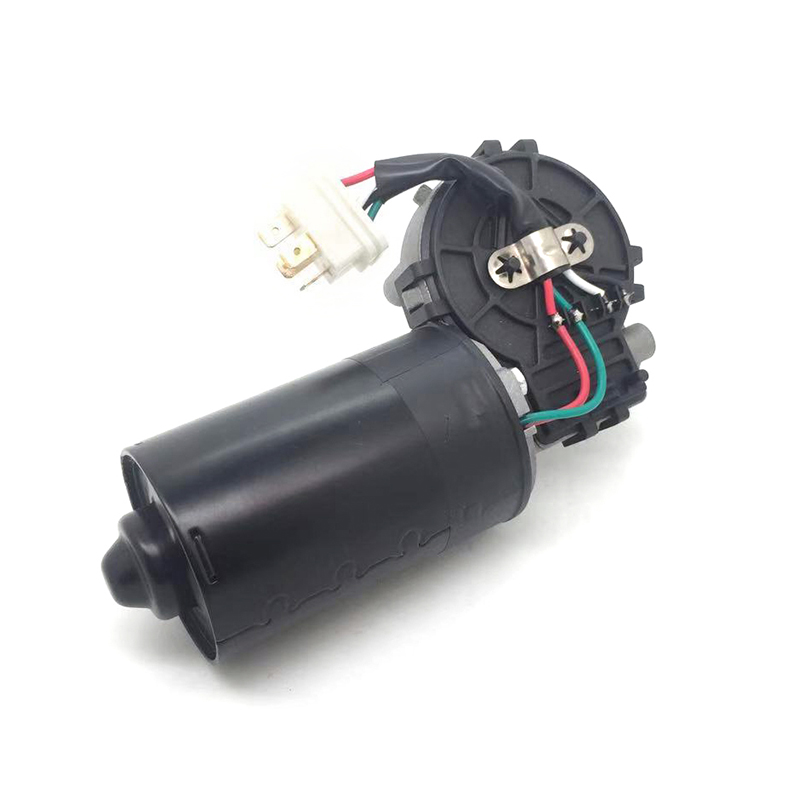
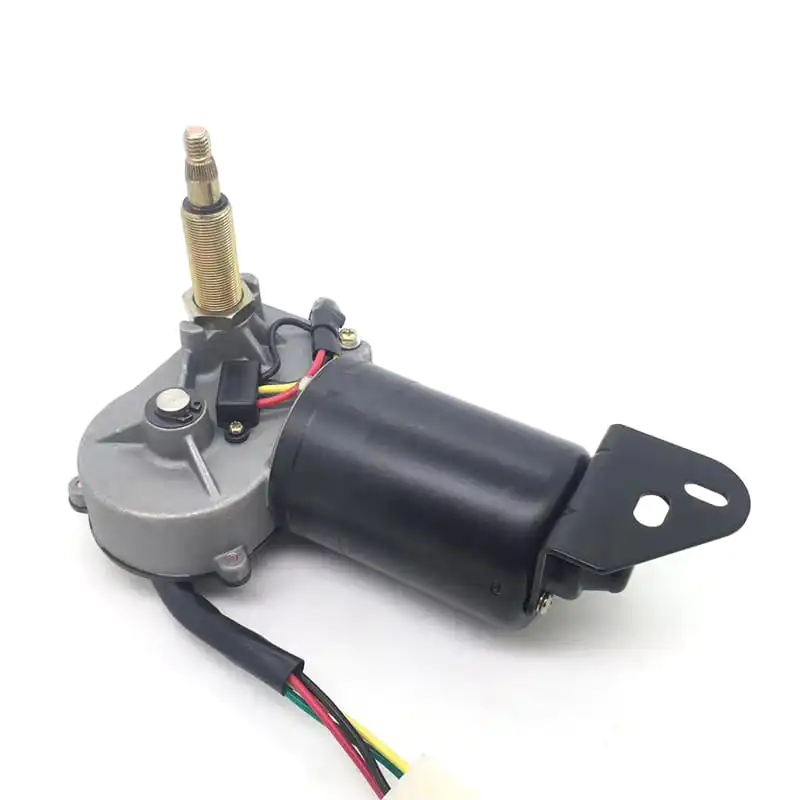
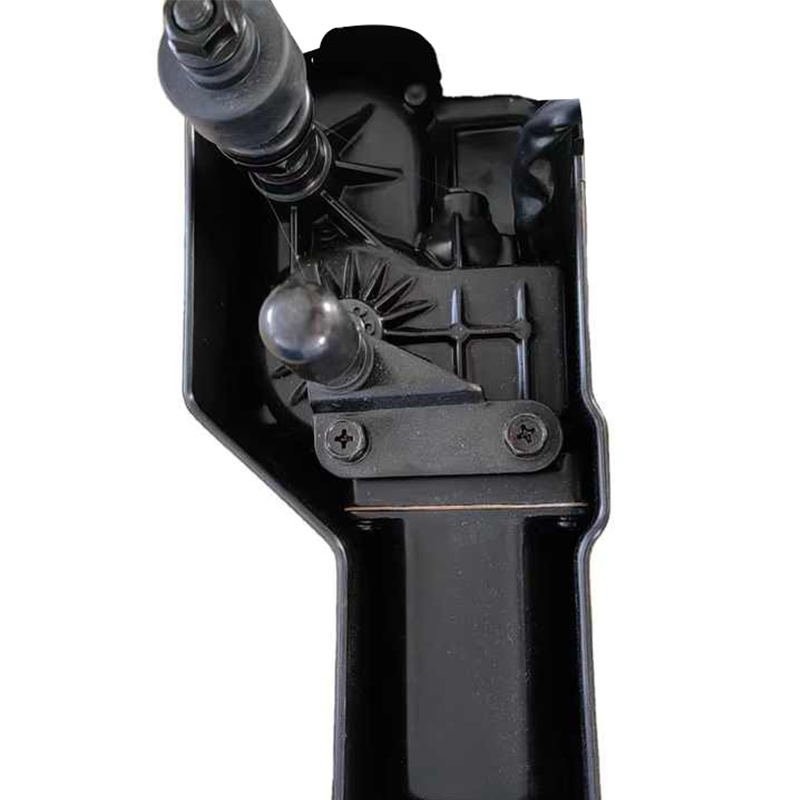
The 14675537 Windshield Wiper Motor provides the rotational force required to move the windshield wiper linkage. Through an internal gear reduction system, the motor converts high-speed, low-torque rotation into a slower, higher-torque output suitable for sweeping wiper blades across the windshield. This ensures consistent wiping speed and adequate force to remove rain, snow, and debris, supporting safe driving visibility.
Unlike general-purpose electric motors, the 14675537 Windshield Wiper Motor is specifically designed for intermittent and continuous-duty cycles typical of automotive use. It incorporates:
These features allow it to operate reliably in outdoor environments and under frequent start-stop conditions.
Several indicators may suggest that the motor requires inspection or replacement:
These symptoms may result from internal gear wear, electrical faults, or mechanical resistance in the wiper linkage.
Installation complexity depends on vehicle design, but the motor is generally engineered for straightforward replacement. It is typically mounted beneath the windshield cowl and connected to the wiper transmission assembly. Proper installation requires:
Professional installation is recommended if access is limited or if the linkage system requires adjustment

Tel:+86-0577-66009580
Mobile: +86-18858801083
E-mail:juntmotor@126.com
Whatsapp:+8618858801083
WeChat: +86-18858801083
 WeChat

Automotive Reduction Motors Manufacturer

 +86-0577-66009580
 juntmotor@126.com
 Language
  English
 Português