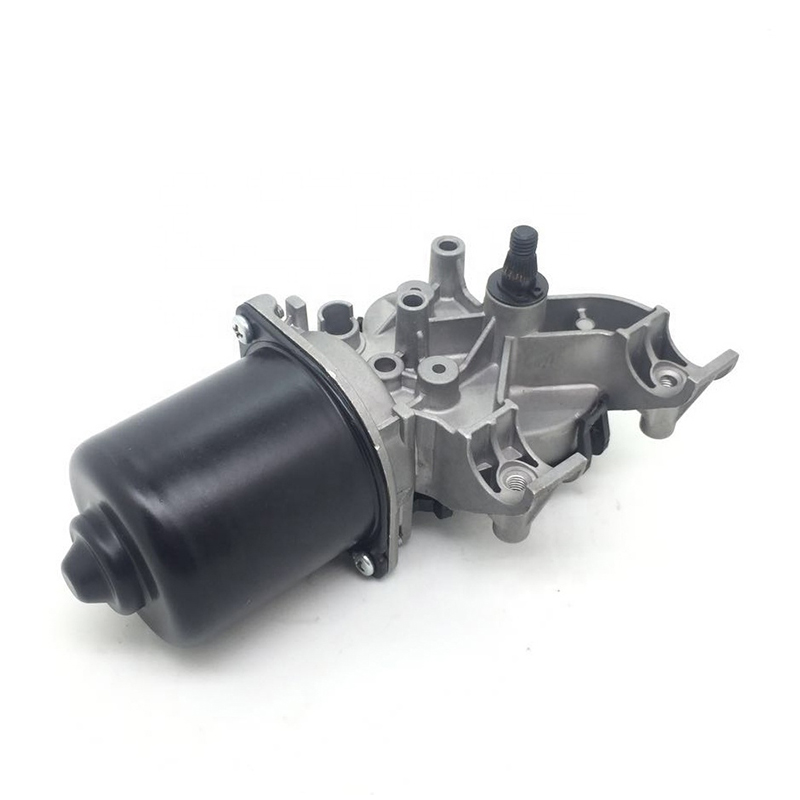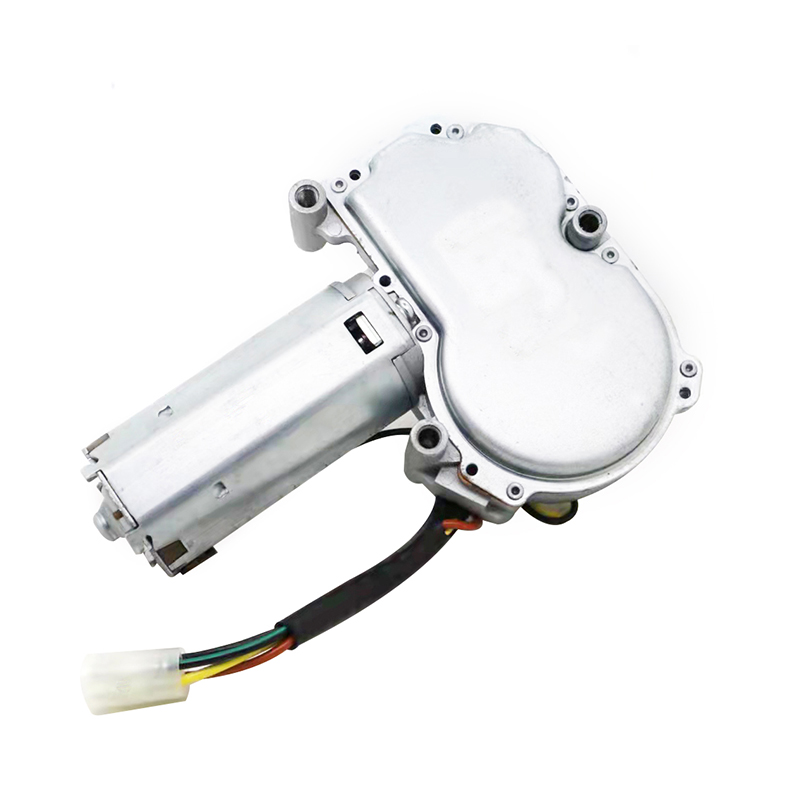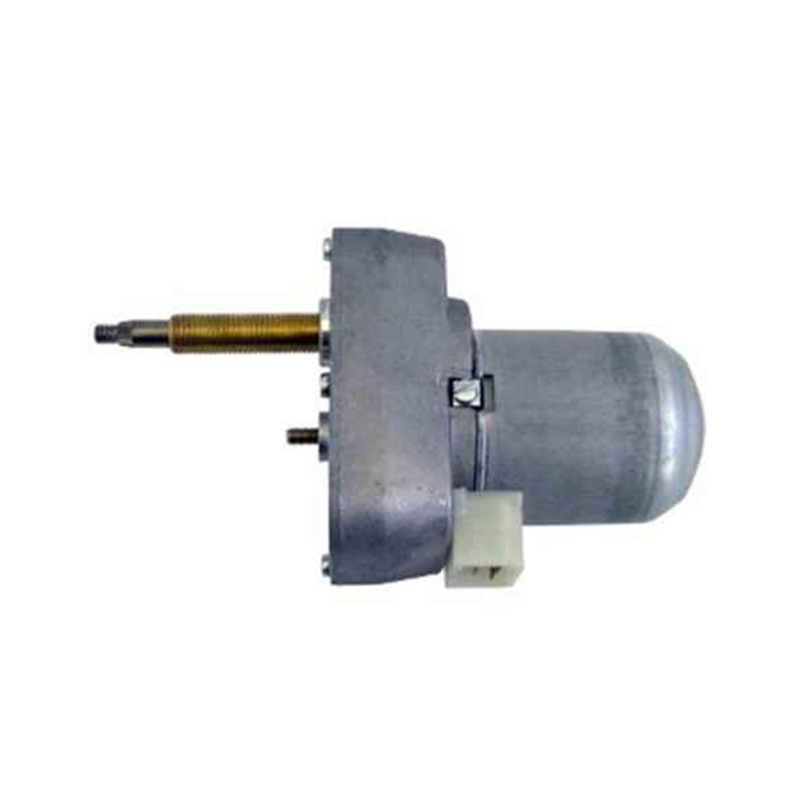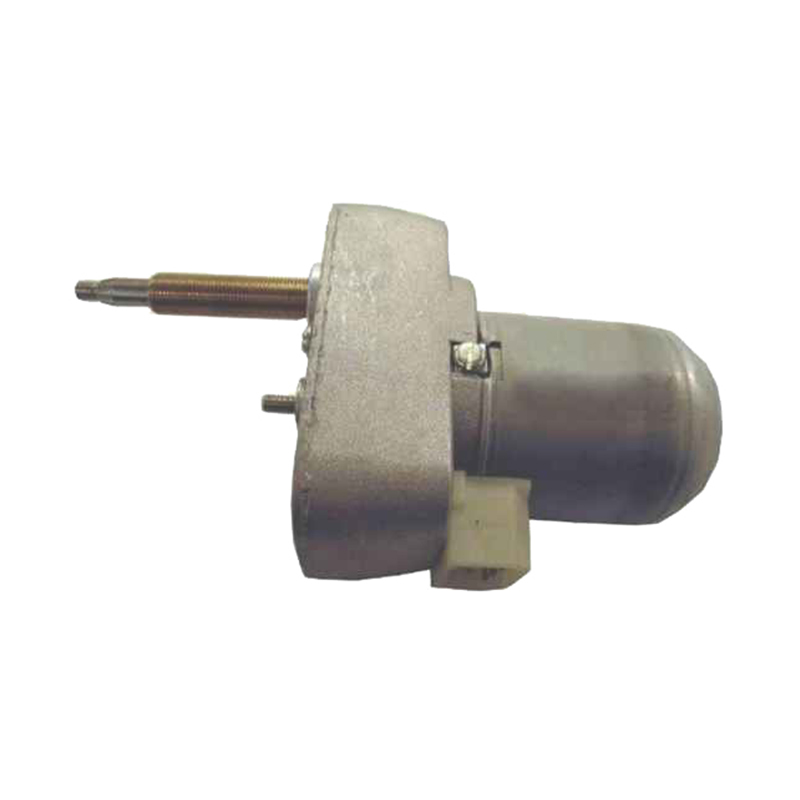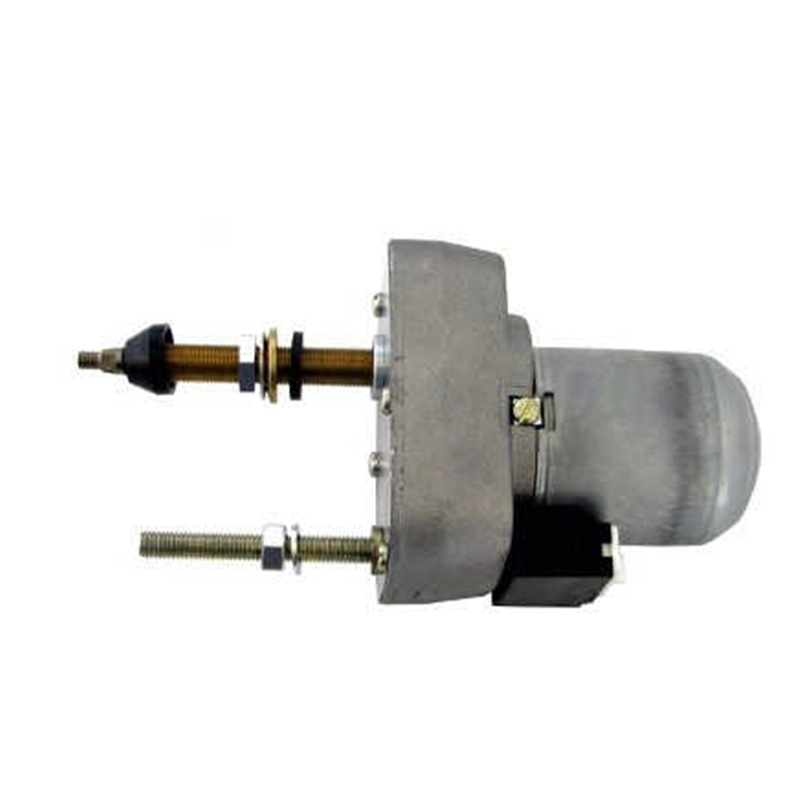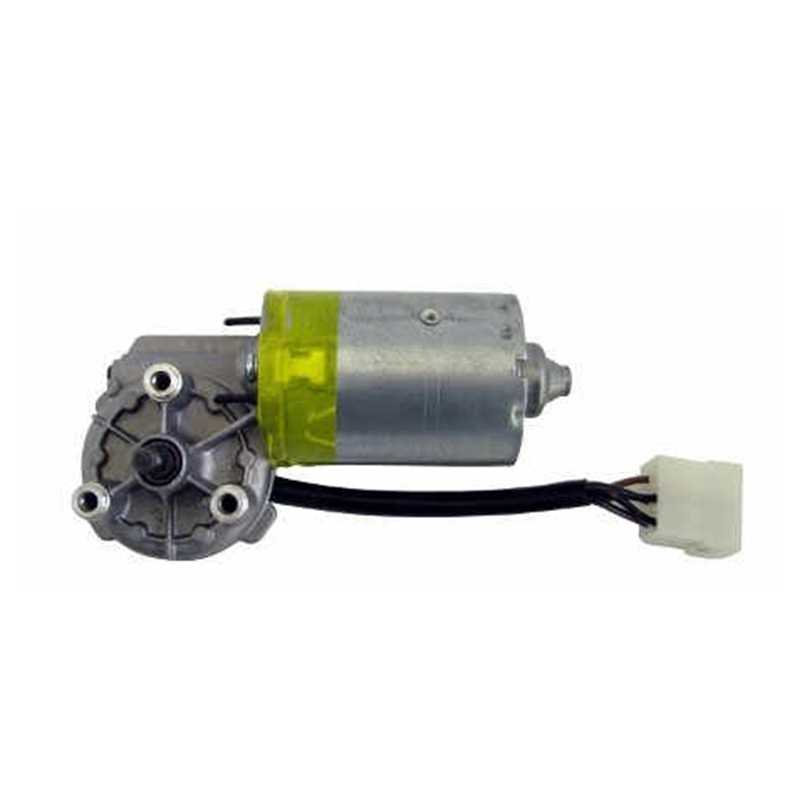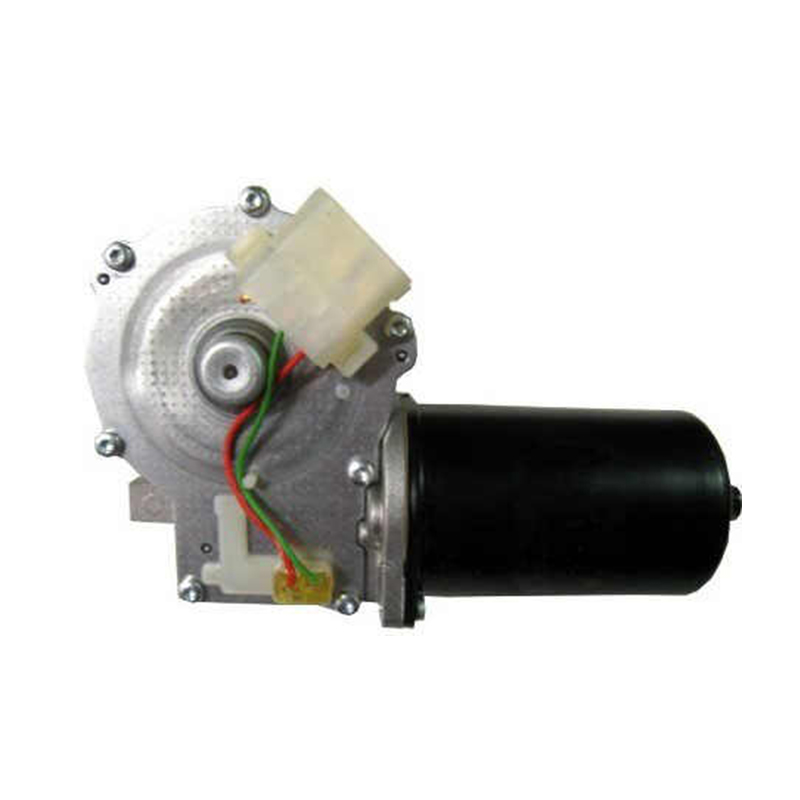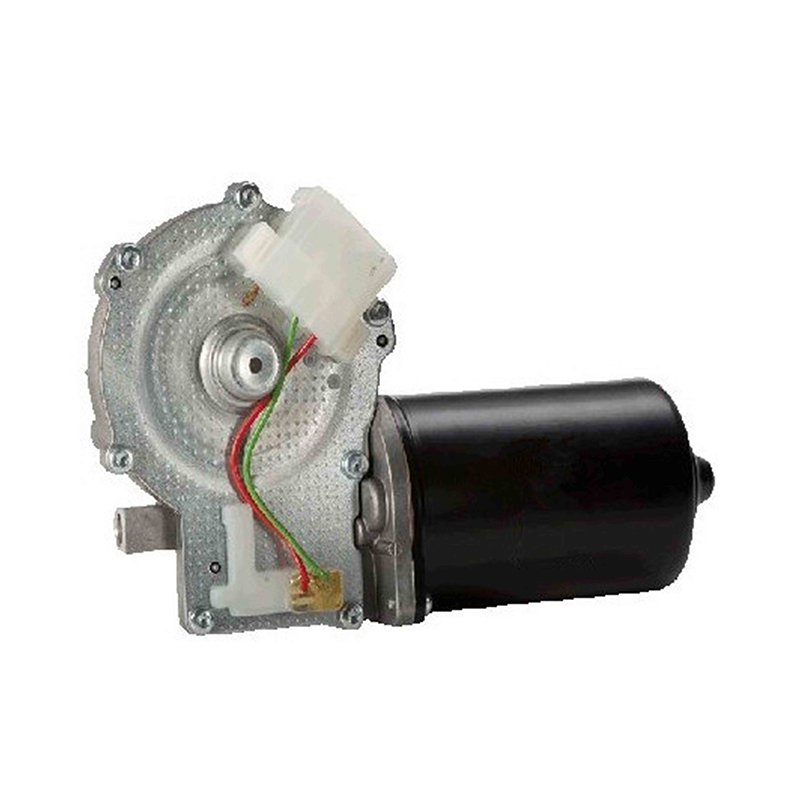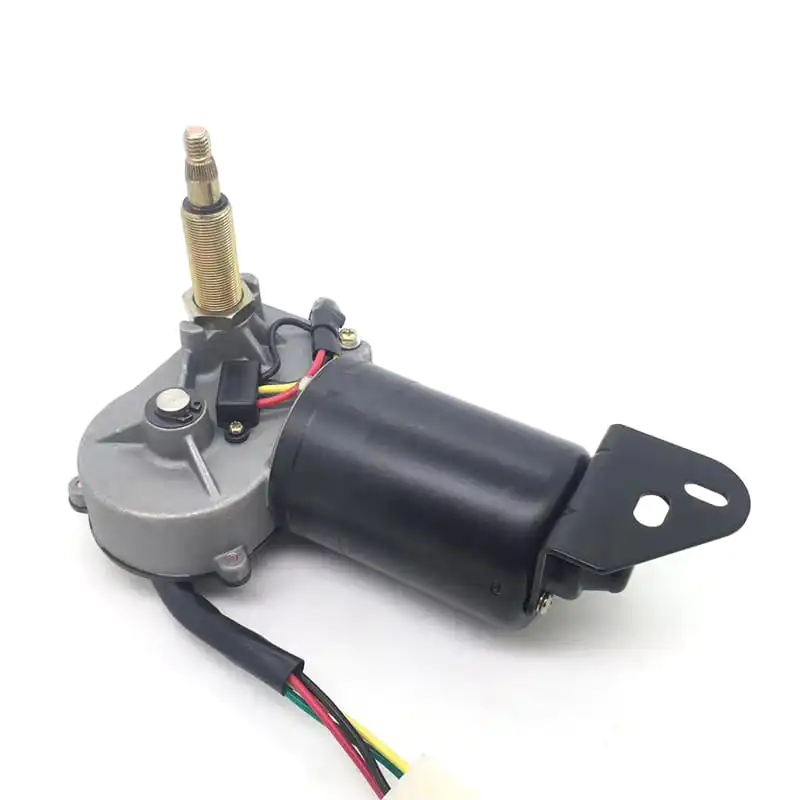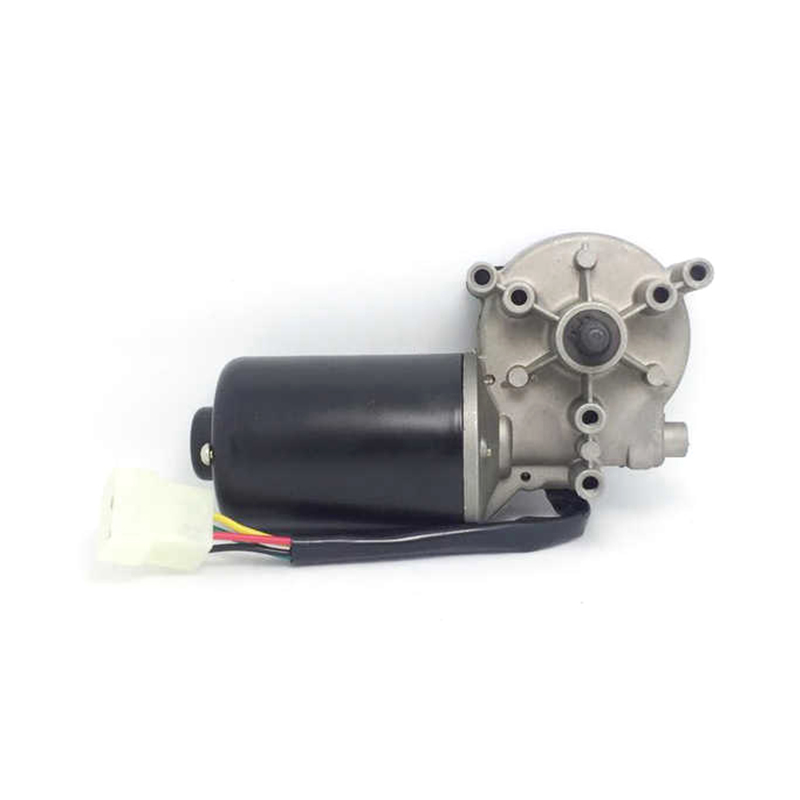
The 14508630 is a specific part number identifying a wiper motor assembly used in certain General Motors (GM) vehicles. As a component within the windshield wiper system, its primary function is to convert electrical energy from the vehicle into controlled mechanical motion, which drives the wiper linkage and arms across the windshield. This part number denotes a complete motor and gearbox assembly with particular electrical and mechanical specifications, designed as a direct-service replacement for original equipment that has failed.
The 14508630 motor is a permanent-magnet direct current (DC) electric motor integrated with a gear reduction system. When the driver activates the wiper switch, a signal is sent to the wiper control module or a multi-function switch, which then provides power to the motor's armature. The rotation of the armature within the magnetic field generated by the permanent magnets creates the initial high-speed, low-torque output.
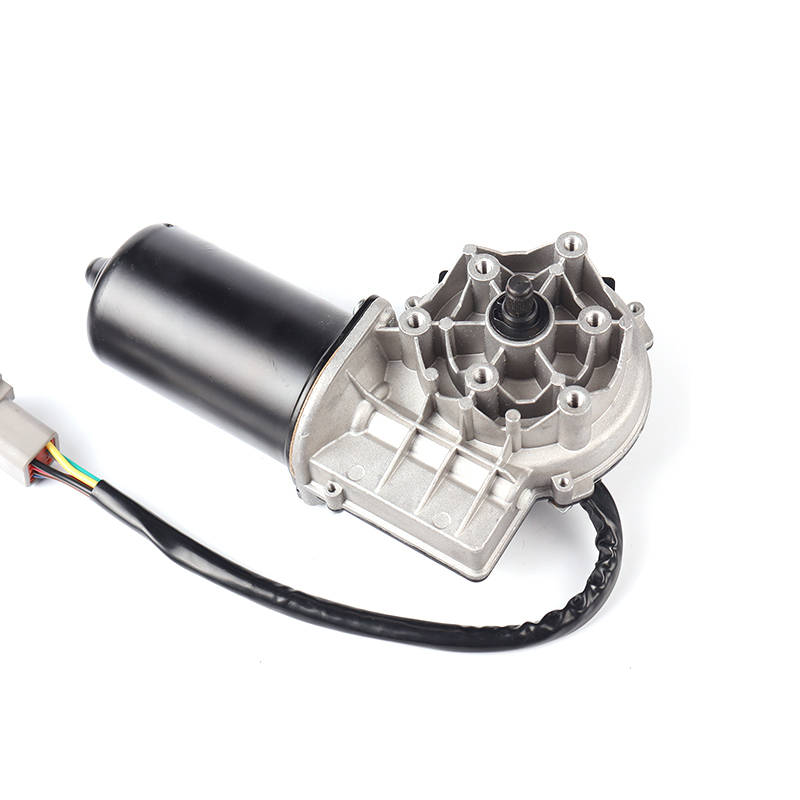
This output is not directly suitable for driving the wiper arms. Therefore, the motor shaft is connected to a worm gear on its end. This worm gear meshes with a larger, composite gear, creating a significant gear reduction. This reduction converts the motor's high rotational speed into a lower, more usable speed while simultaneously multiplying the torque to a level sufficient to move the wiper linkage against friction, wind pressure, and potentially light ice or snow. The gearbox housing also contains the necessary mounting points and an output crank arm. This crank arm converts the rotary motion of the gear into the oscillating, back-and-forth motion required for the wiper blades via a series of linked rods.
This wiper motor does not operate in isolation; it is a critical node within the vehicle's body control and driver assistance systems. Electrically, it interfaces with the vehicle's wiring harness, receiving power and ground, as well as control signals for different speed settings (typically low, high, and intermittent). The intermittent function is usually governed by a separate control module or a timer circuit within the switch, which cycles power to the motor at set intervals.
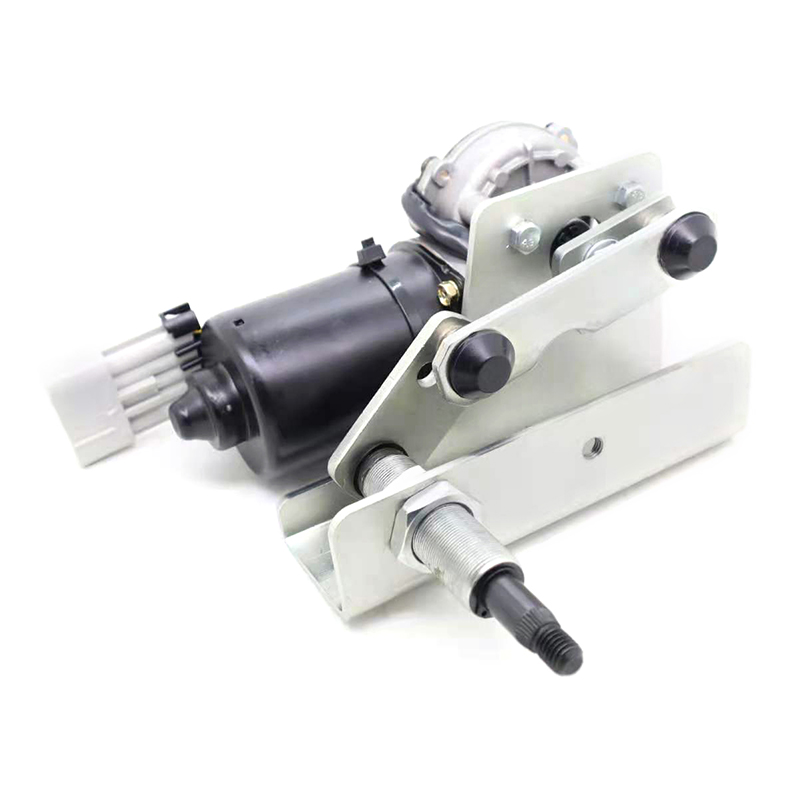
Mechanically, the motor is bolted to the vehicle's body, often under the cowl panel at the base of the windshield. The output crank arm is connected to the wiper linkage, which is a series of pivoting arms that translate the motor's motion to the wiper pivots on which the wiper arms are mounted. The correct synchronization of the two wiper arms is maintained by this linkage geometry. The motor's performance is integral to driver visibility and safety, making its reliable operation a functional priority, especially in adverse weather conditions.
Over time and through use, the 14508630 assembly can experience failures that render the wiper system inoperative or partially functional. The failures can be electrical or mechanical in nature.
A common electrical failure involves worn-out carbon brushes inside the motor. These brushes conduct current to the spinning armature and gradually wear down. When they become too short, electrical contact becomes inconsistent, causing symptoms like the wipers stopping intermittently, operating only at certain speeds, or failing to work entirely. Another electrical issue can be a failed internal park switch. This switch ensures the wiper blades return to a parked position at the base of the windshield when turned off. If it fails, the wipers may stop in the middle of the windshield.
Mechanical failures often originate in the gearbox. The plastic composite gear, while durable, can wear its teeth down over many cycles or, in colder climates, can crack if the wipers are activated while frozen to the windshield. This leads to a situation where the motor runs but the output crank does not move, often accompanied by a grinding noise. Bearings within the motor or gearbox can also wear, leading to increased noise and eventual seizure. Diagnosing these issues typically involves checking for power and ground at the motor connector with a multimeter when the switch is activated. If power is present but the motor does not run, or runs but does not drive the linkage, the motor assembly is likely faulty.
Replacing the 14508630 wiper motor is a standard repair procedure. The following table outlines key aspects of this process and related considerations.
|
Aspect |
Details and Considerations |
|
Vehicle Compatibility |
The part number 14508630 is specified for a range of GM vehicles, including certain model years of the Chevrolet Silverado, GMC Sierra, and Cadillac Escalade. Always verifying compatibility via the Vehicle Identification Number (VIN) is necessary before purchase. |
|
Replacement Steps |
The general procedure involves disconnecting the battery, removing the wiper arms and cowl cover, disconnecting the electrical connector and linkage from the motor, unbolting the motor from the vehicle, and then reversing the steps with the new unit. |
|
Technical Adjustments |
After installation, ensuring the wiper motor is in its "park" position before attaching the linkage and wiper arms is critical for proper blade placement and sweep. A diagnostic scan tool may be required to recalibrate or clear fault codes related to the wiper system in some modern vehicles. |
|
Part Sourcing |
The part is available as a new OEM (Original Equipment Manufacturer) unit, a remanufactured unit (where a failed core is rebuilt), or from aftermarket suppliers. Remanufactured units offer a cost saving but may have variability in longevity. |

Tel:+86-0577-66009580
Mobile: +86-18858801083
E-mail:juntmotor@126.com
Whatsapp:+8618858801083
WeChat: +86-18858801083
 WeChat

Automotive Reduction Motors Manufacturer

 +86-0577-66009580
 juntmotor@126.com
 Language
  English
 Português