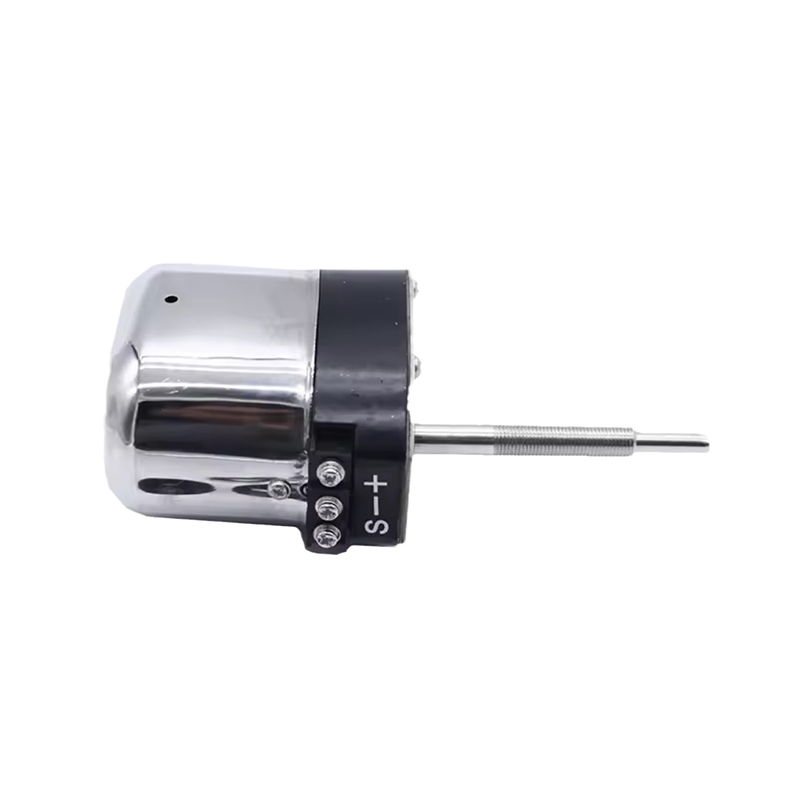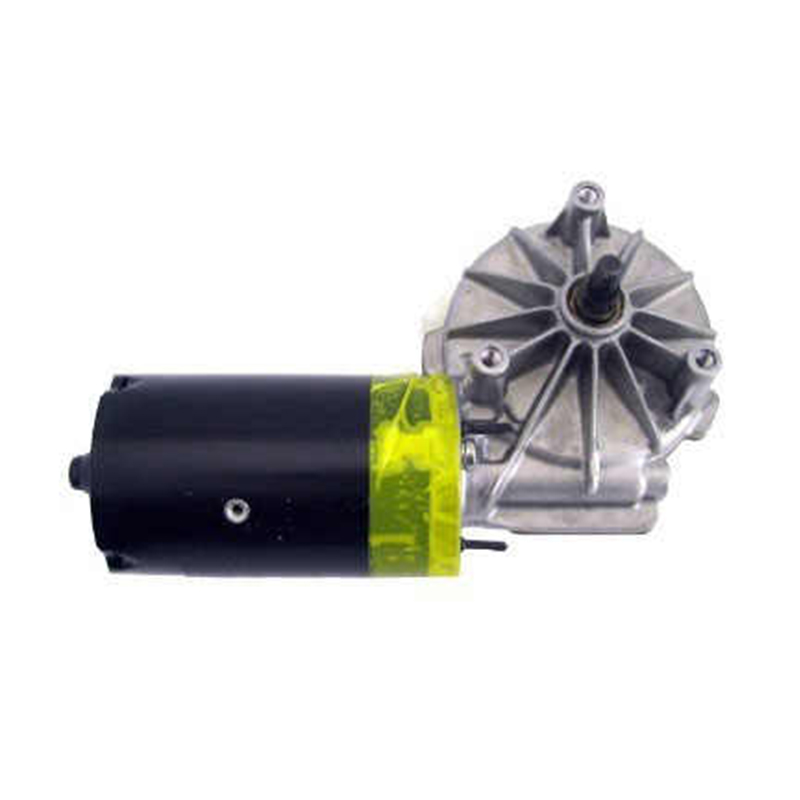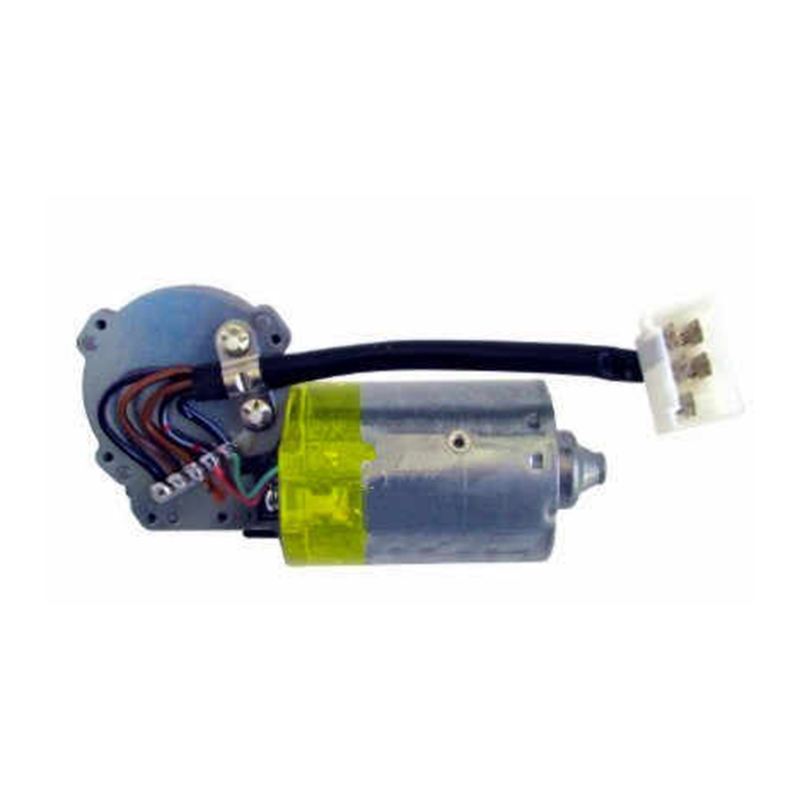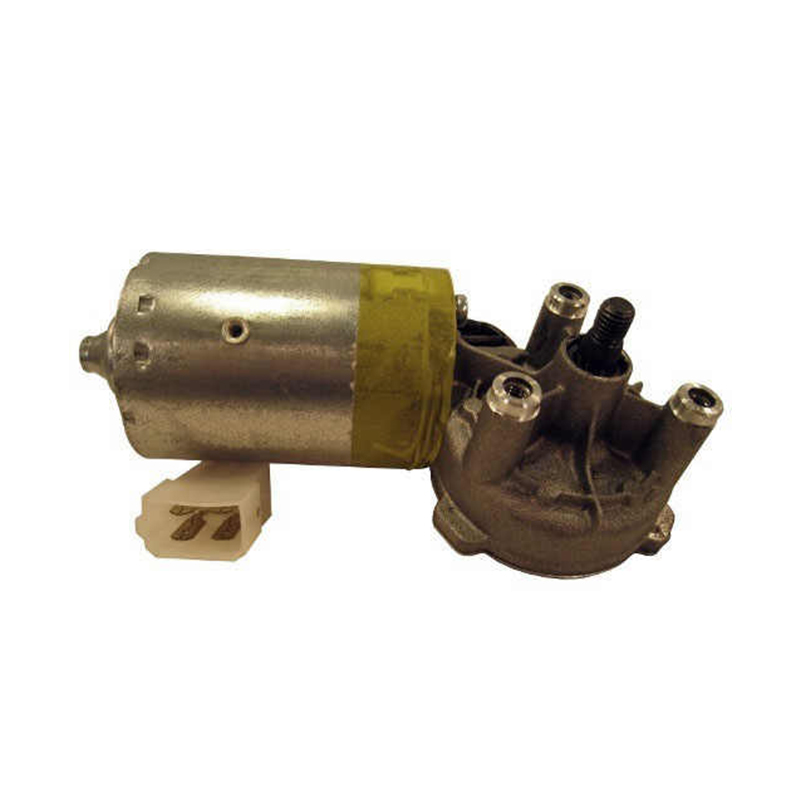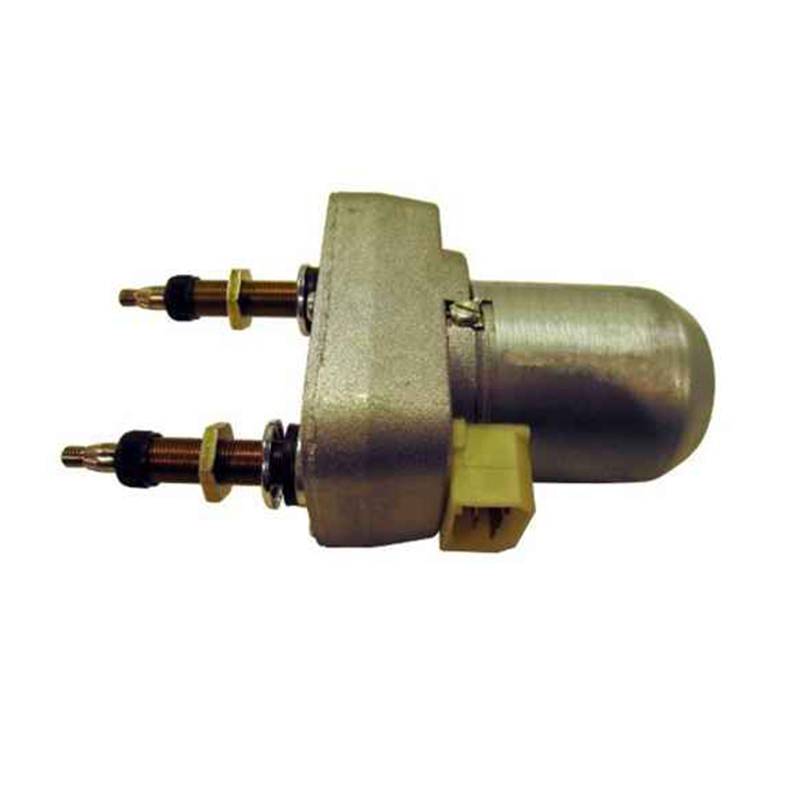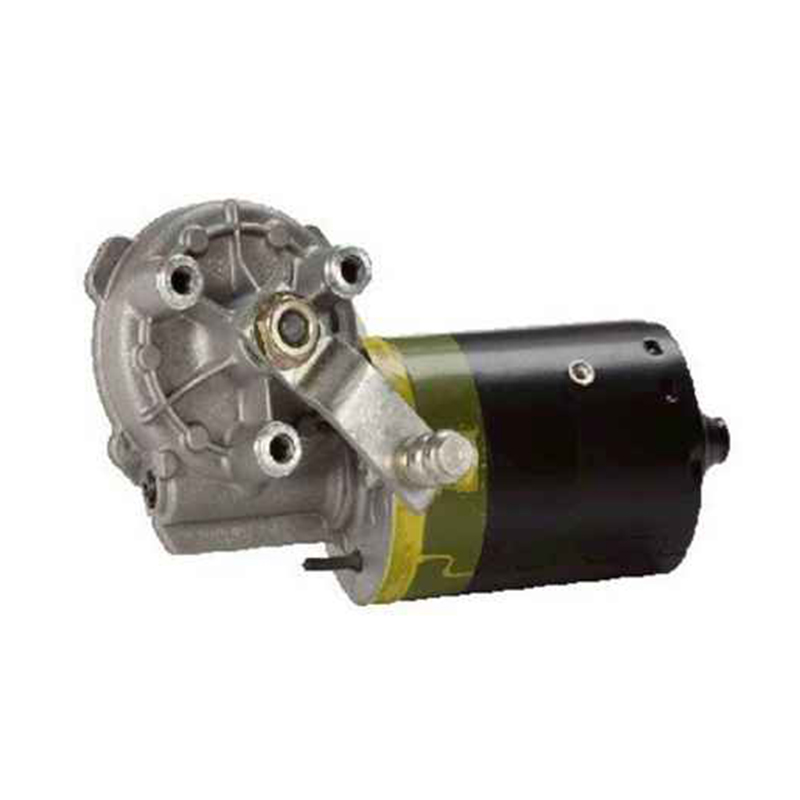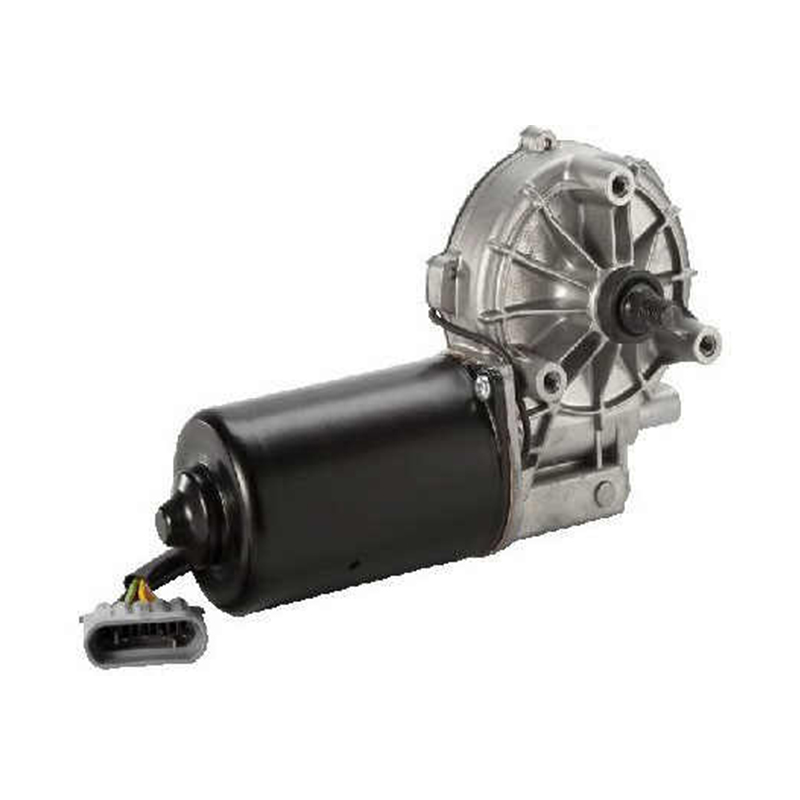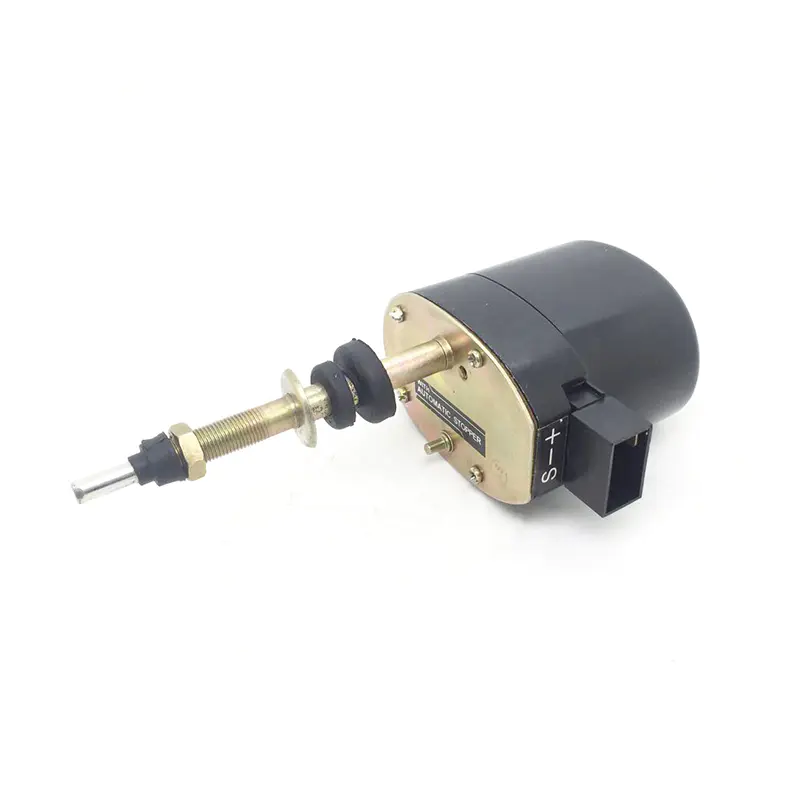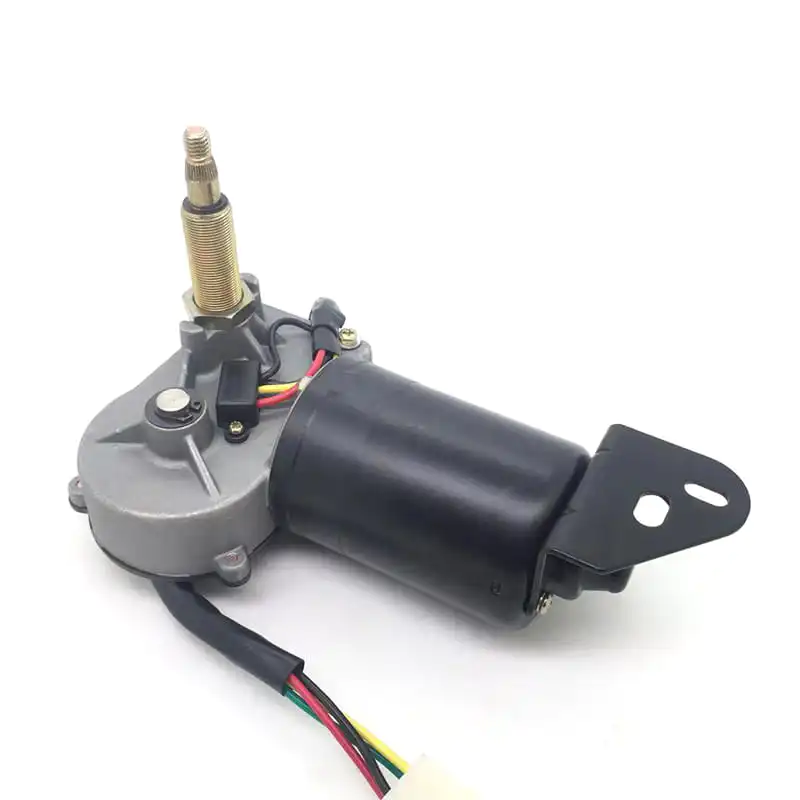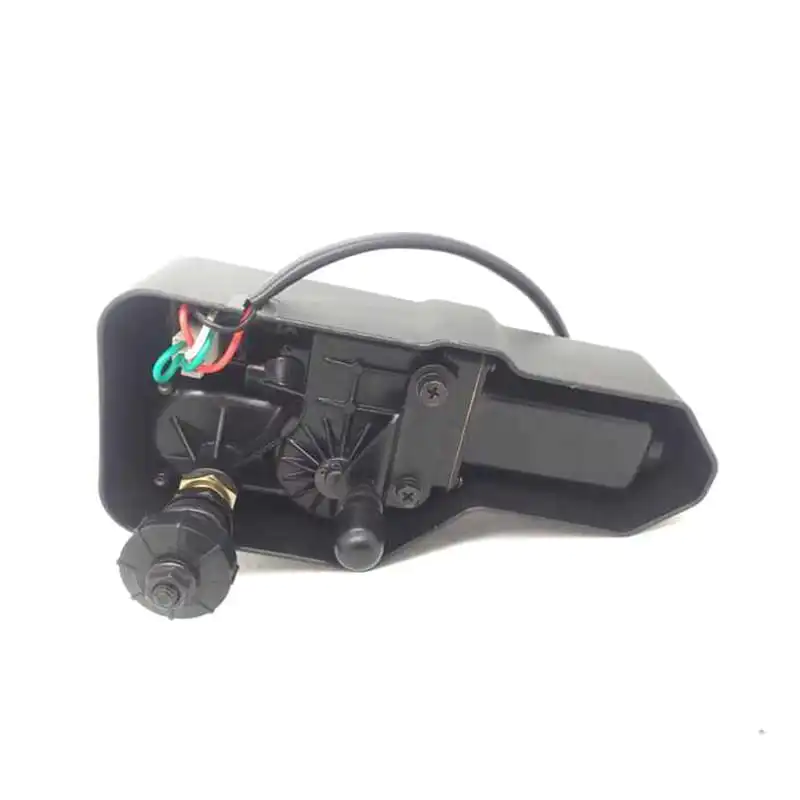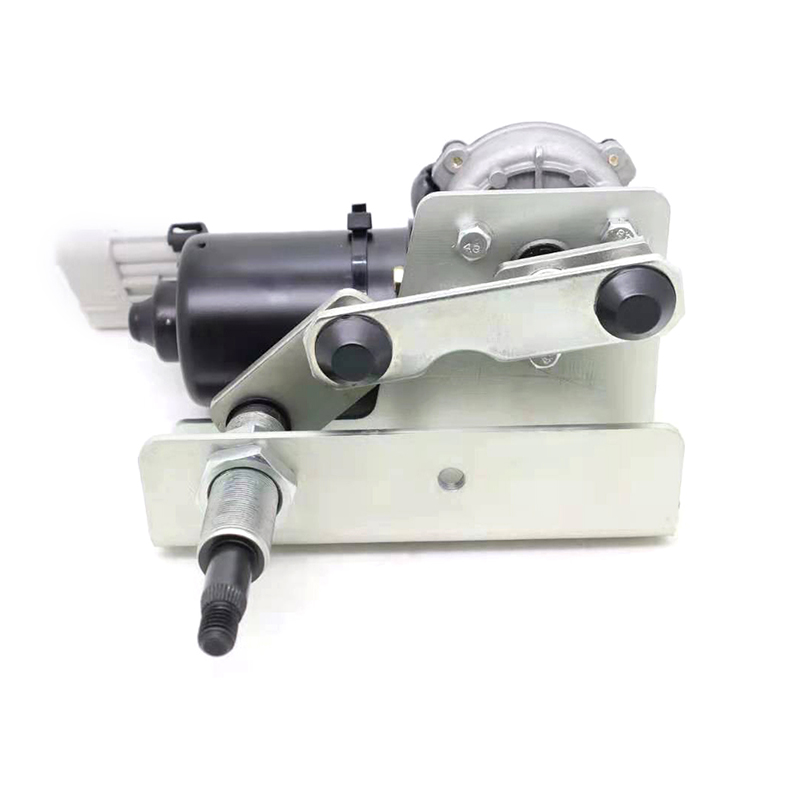
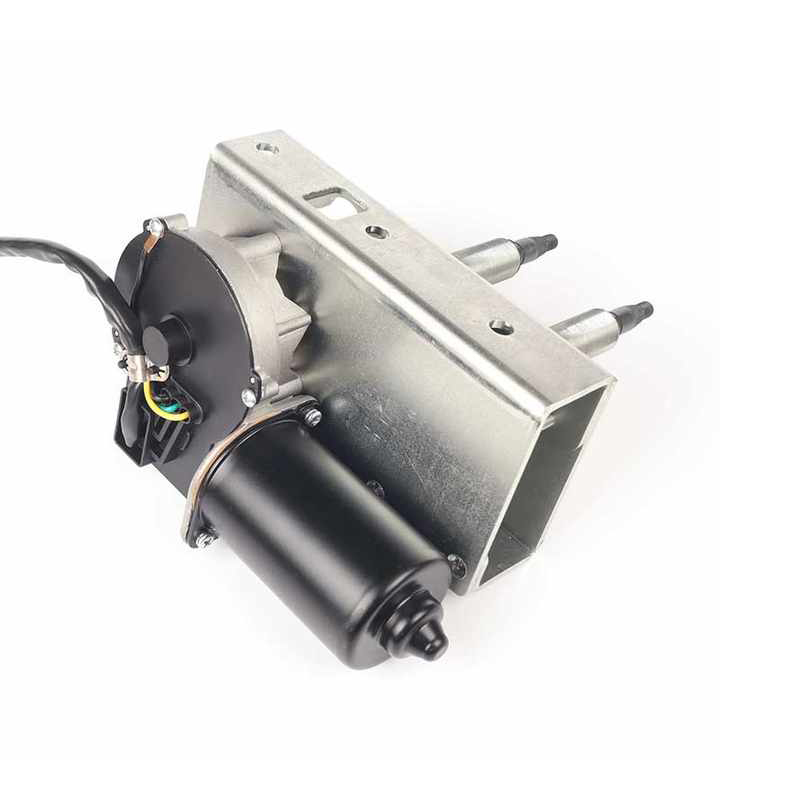
The 7168952 Wiper Motor plays a vital role in ensuring safe driving by powering the windshield wipers that clear rain, snow, and debris from the windshield. To function reliably under various environmental conditions, it is built using a combination of carefully selected materials. Each component of the motor must balance durability, weight, cost, and resistance to corrosion and wear. Understanding the materials used in the 7168952 Wiper Motor offers insight into how design and engineering work together to create a long-lasting and efficient automotive part. Below are the major materials used, discussed in detail under specific categories.
1. Aluminum Alloy – Motor Housing and Frame
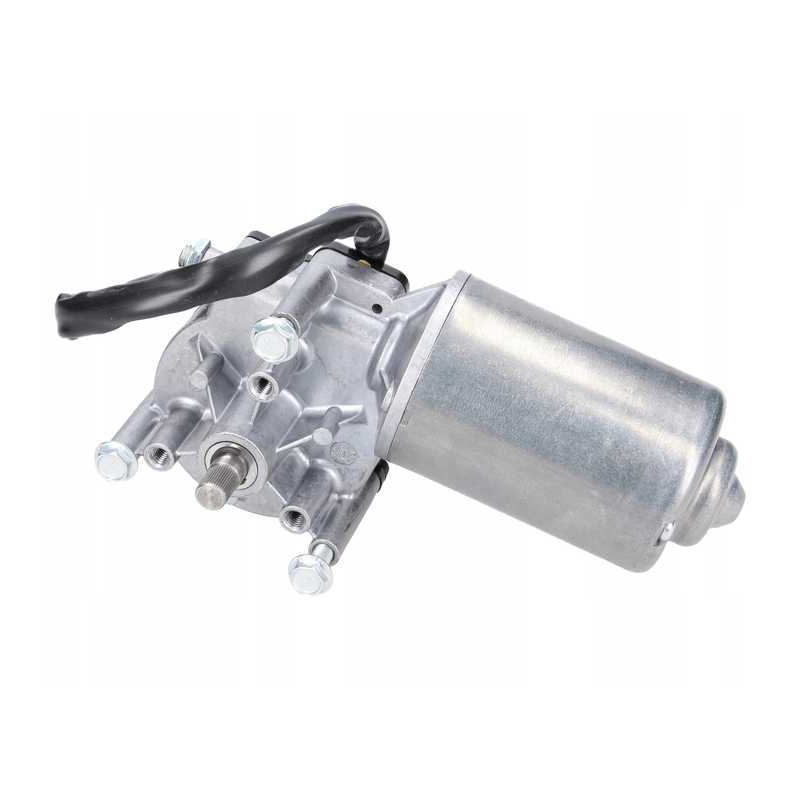
One of the key materials used in the 7168952 Wiper Motor is aluminum alloy, which forms the outer housing and structural frame. Aluminum is chosen for its lightweight properties, corrosion resistance, and heat dissipation ability. Since the motor operates near the engine compartment or under the windshield cowl, it is exposed to varying temperatures and moisture. Aluminum ensures the motor remains protected against rust while efficiently releasing the heat generated during operation.
The aluminum housing also adds to the mechanical stability of the 7168952 Wiper Motor, preventing damage from vibration and impact. Its non-magnetic nature helps reduce electromagnetic interference, supporting smoother operation of nearby vehicle electronics. The aluminum casing often includes a protective coating or anodized surface to enhance longevity and appearance.
2. Copper – Windings and Electrical Conductors
Another crucial material in the 7168952 Wiper Motor is copper, primarily used in the armature windings and electrical connectors. Copper’s high electrical conductivity allows efficient current flow through the motor’s coils, generating the magnetic fields that drive motion.
Inside the motor, fine copper wires are wound around the armature core. When electric current passes through these windings, the resulting magnetic force interacts with the permanent magnets to rotate the motor shaft. This copper wiring is insulated with a heat-resistant coating to prevent short circuits and ensure consistent performance over time.
Copper is also used in terminals, connectors, and brushes to maintain low electrical resistance and efficient power transfer. Its inclusion ensures that the 7168952 Wiper Motor operates reliably, even under high electrical loads or during extended use.
3. Steel – Gears and Shafts
Steel is widely used in the internal mechanical parts of the 7168952 Wiper Motor, particularly in the gears, drive shafts, and rotor components. Steel’s strength and wear resistance make it ideal for components that endure continuous rotation and torque transmission.
The motor’s worm gear mechanism, which converts the motor’s rotational motion into the back-and-forth sweeping action of the wiper arms, depends heavily on precision-engineered steel gears. These gears are often hardened through processes like carburizing or nitriding to enhance durability and minimize wear.
Additionally, steel shafts provide the rigidity needed to maintain alignment between the motor and the wiper linkage system. The use of high-quality steel ensures that the 7168952 Wiper Motor remains dependable throughout its service life, even under demanding weather conditions.
4. Plastic and Composite Materials – Covers and Mounting Components
Modern wiper motors, including the 7168952 Wiper Motor, incorporate plastic and composite materials in areas that require insulation, lightweight construction, or protection. Plastics such as nylon, polypropylene, and polycarbonate are used for covers, connector housings, and some mounting brackets.
These materials provide excellent resistance to water, dust, and temperature variations. They also contribute to reducing the overall weight of the motor assembly, which improves energy efficiency. Moreover, the electrical insulation properties of plastics prevent short circuits and ensure safe handling during maintenance or installation.
In some cases, reinforced composites with fiberglass are used to enhance structural integrity while maintaining flexibility. This thoughtful use of plastics ensures that the 7168952 Wiper Motor is both durable and easy to assemble.
5. Rubber and Silicone – Seals and Vibration Dampers
The 7168952 Wiper Motor also includes rubber or silicone components, primarily used for seals, grommets, and vibration-damping parts. Since the motor operates in an exposed environment, it must be well-sealed to prevent water, dust, and oil from entering the housing.
Rubber gaskets and O-rings provide this essential sealing function. Silicone, known for its temperature resistance, is used in high-heat areas or where flexibility is necessary over a wide temperature range. In addition, soft rubber mounts help minimize vibration and noise transmission, contributing to a quieter cabin experience.
Through these materials, the 7168952 Wiper Motor achieves both durability and comfort for the driver, maintaining smooth operation even in challenging driving conditions.
6. Magnets – Permanent Magnetic Field Generation
Another vital component of the 7168952 Wiper Motor is its magnets, which are often made from ferrite or rare-earth materials such as neodymium. These magnets create the steady magnetic field necessary for the motor’s operation.
Ferrite magnets are popular due to their cost-effectiveness and resistance to demagnetization. In more advanced versions, neodymium magnets may be used for stronger magnetic fields in a smaller package. This improves efficiency and torque output, allowing the motor to operate more effectively even under heavy loads.

Tel:+86-0577-66009580
Mobile: +86-18858801083
E-mail:juntmotor@126.com
Whatsapp:+8618858801083
WeChat: +86-18858801083
 WeChat

Automotive Reduction Motors Manufacturer

 +86-0577-66009580
 juntmotor@126.com
 Language
  English
 Português