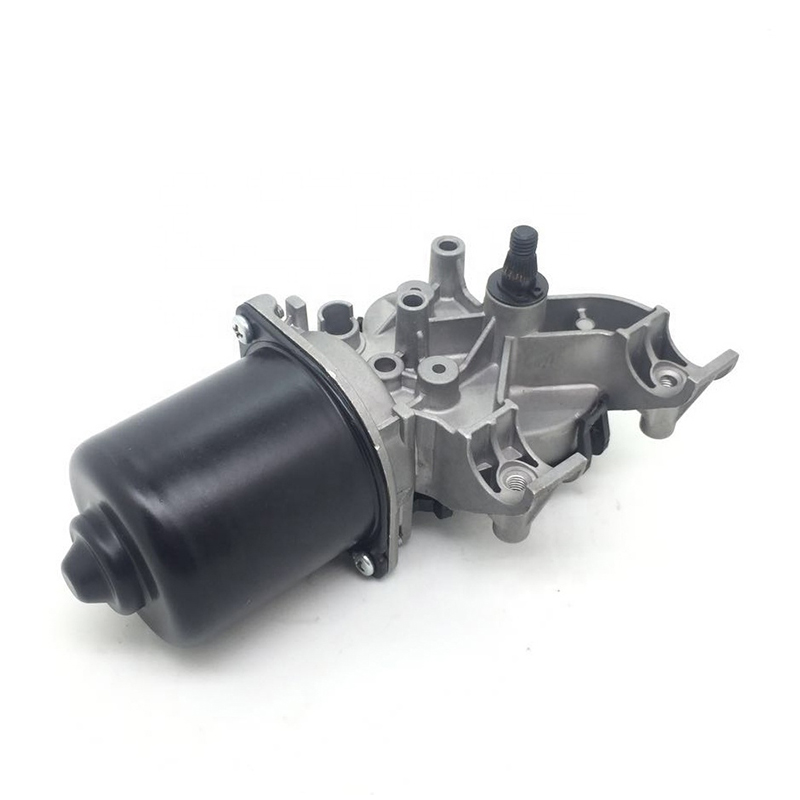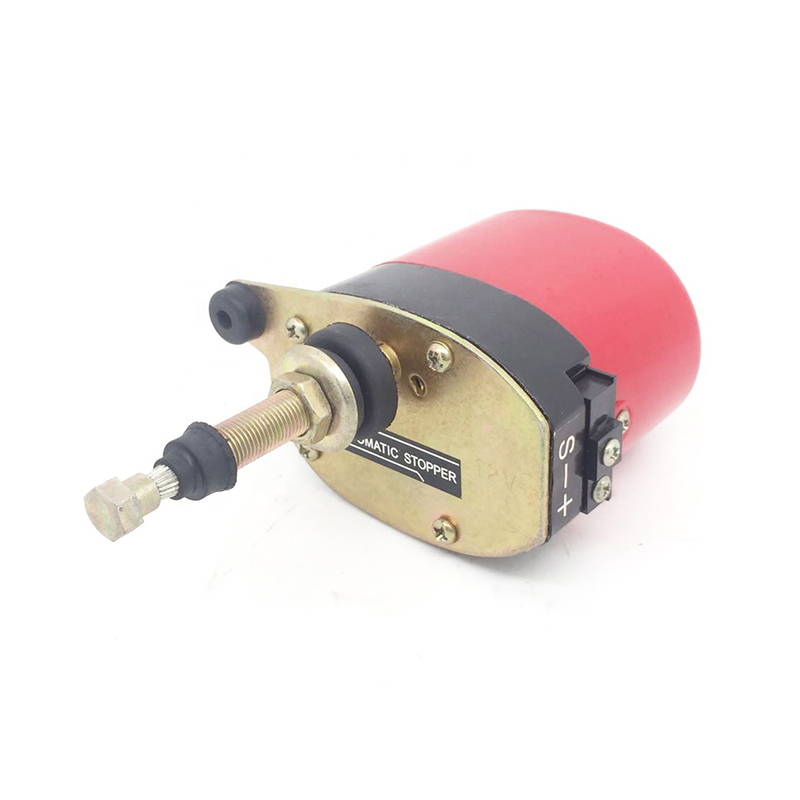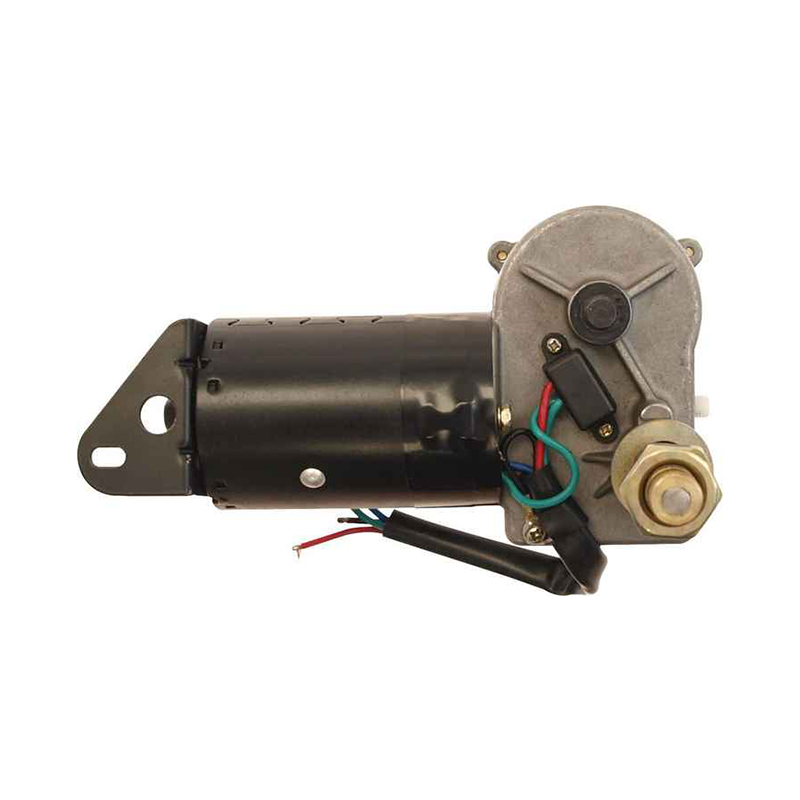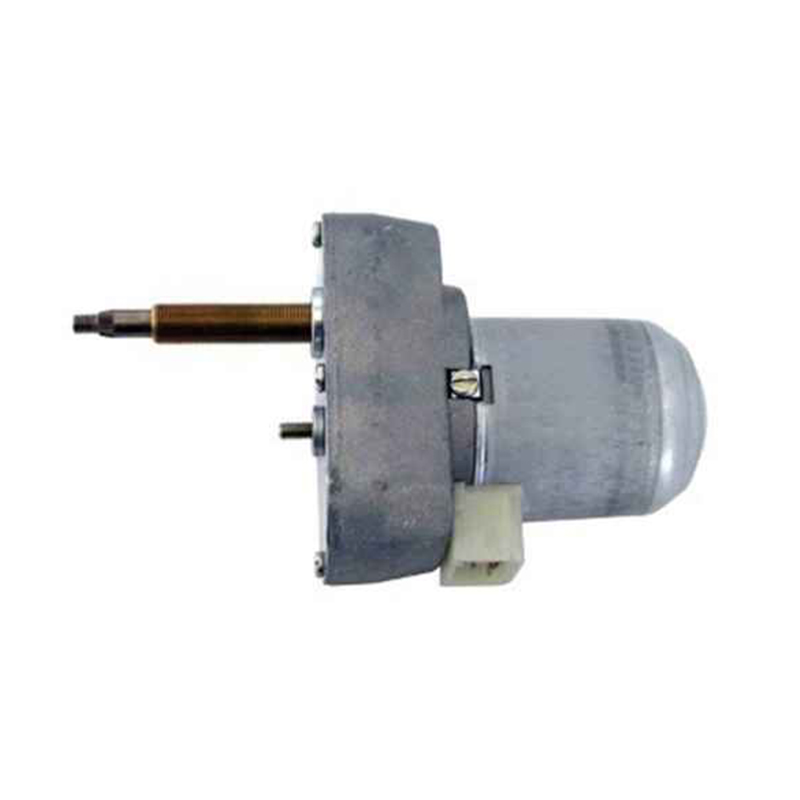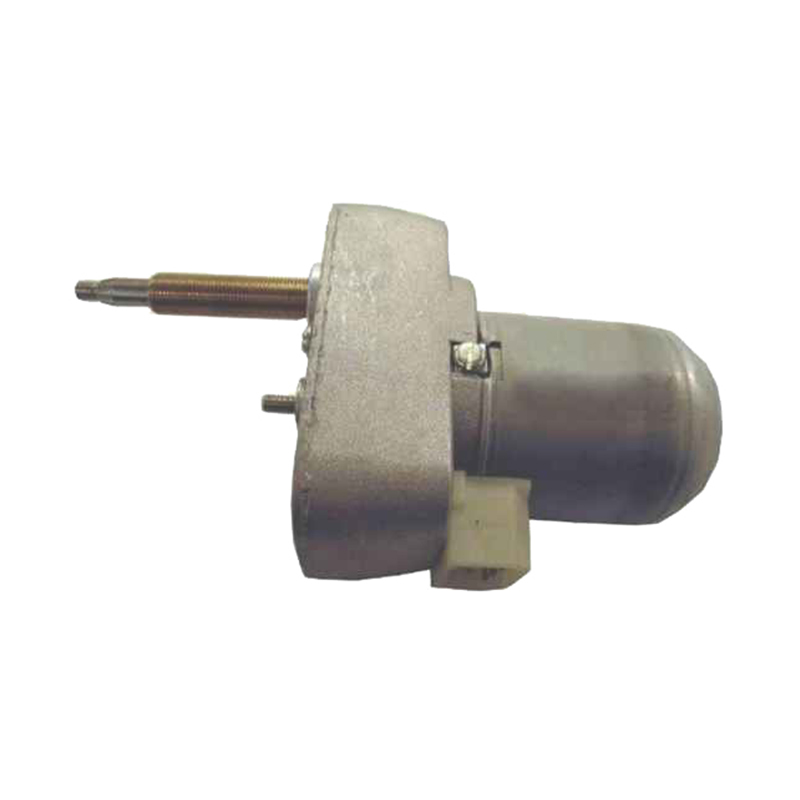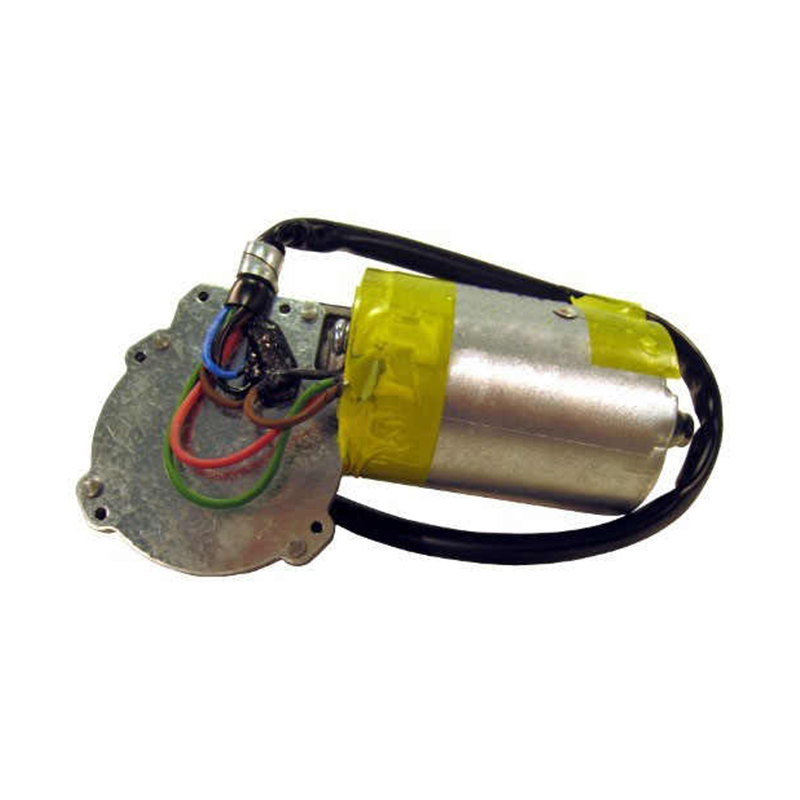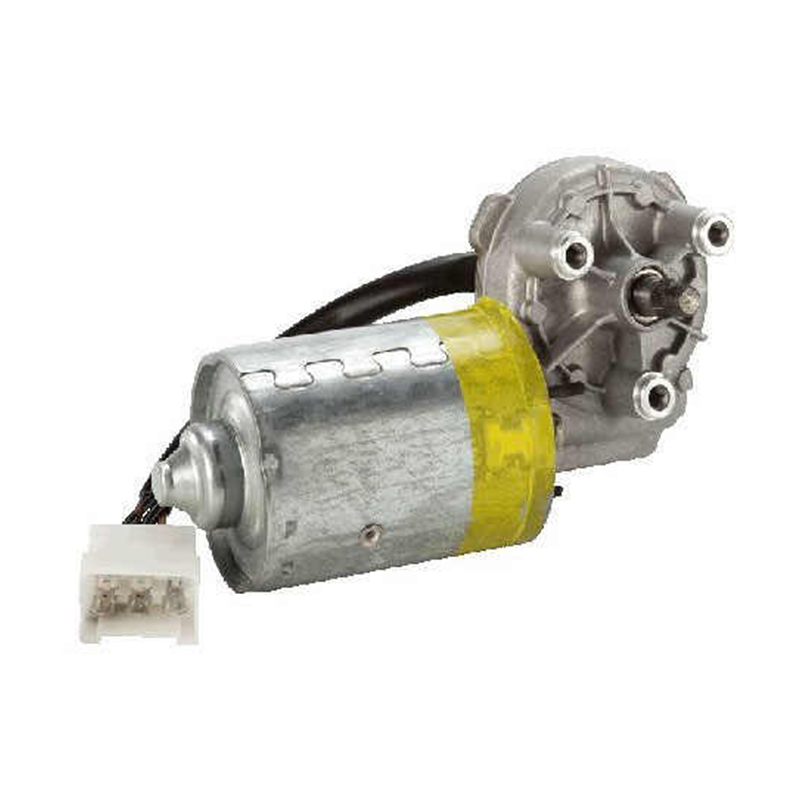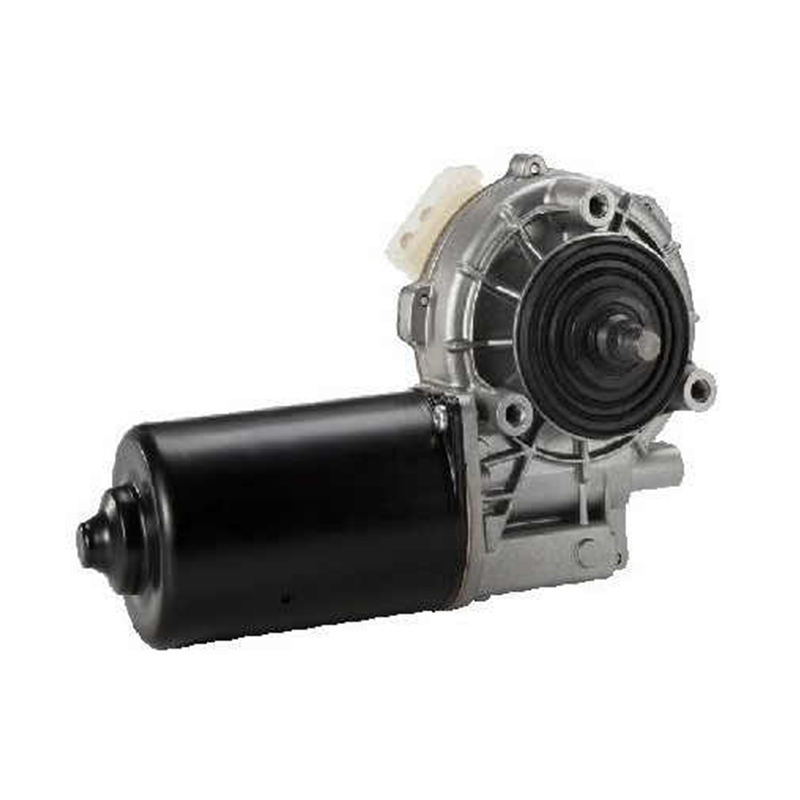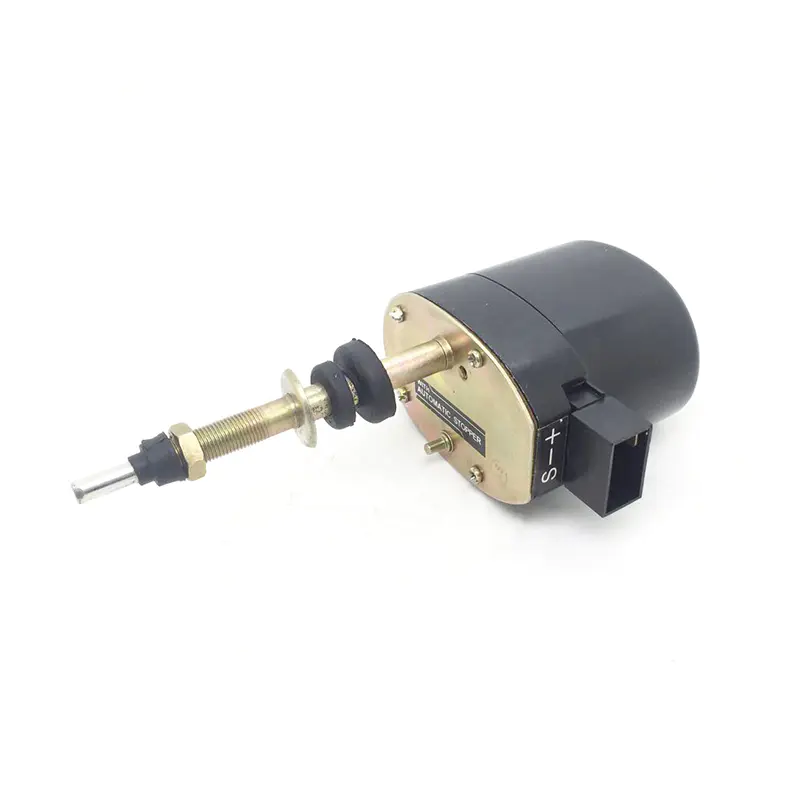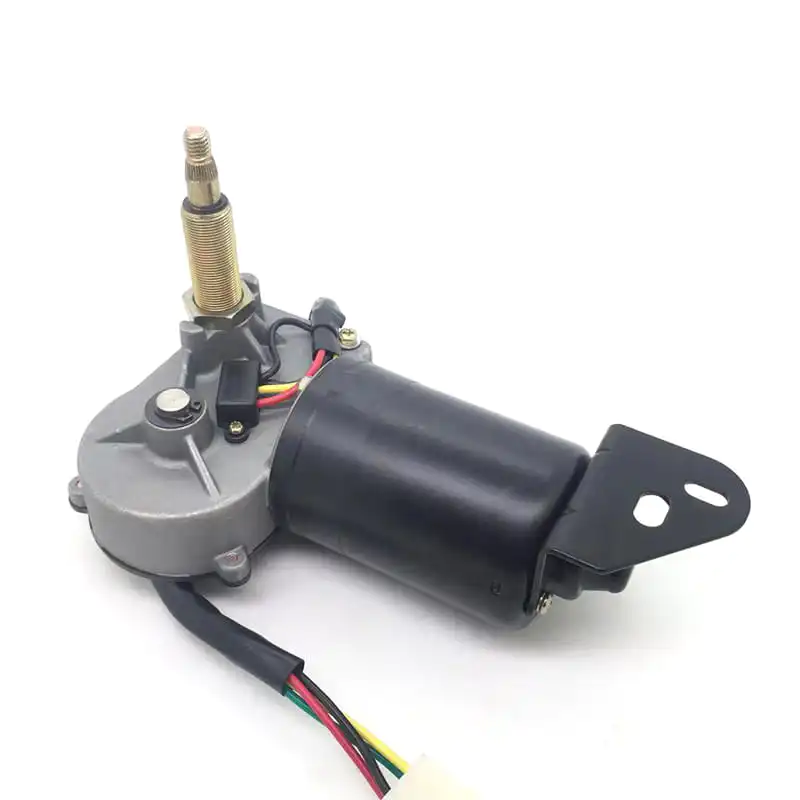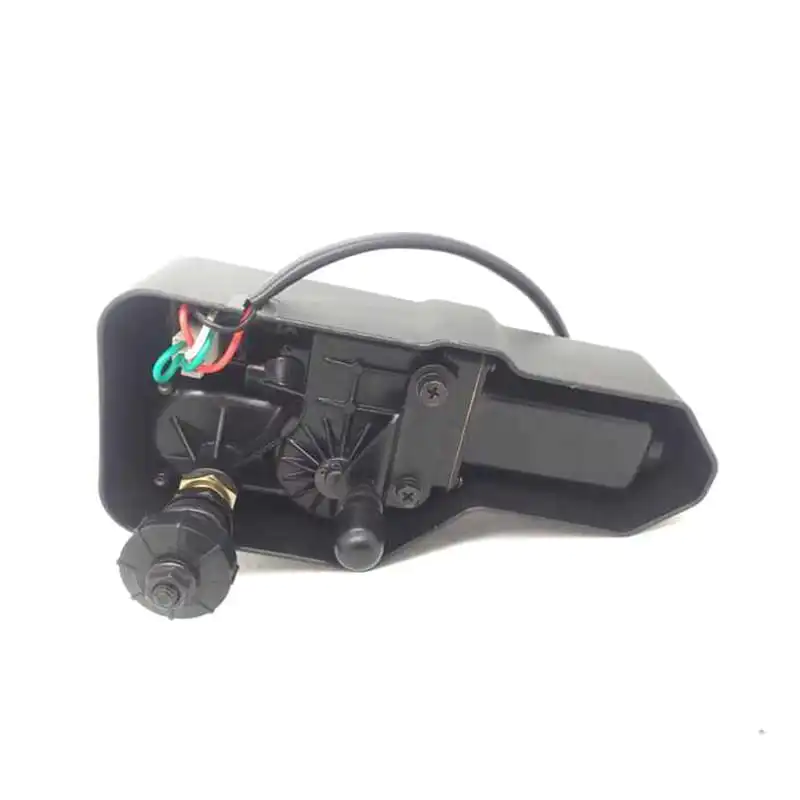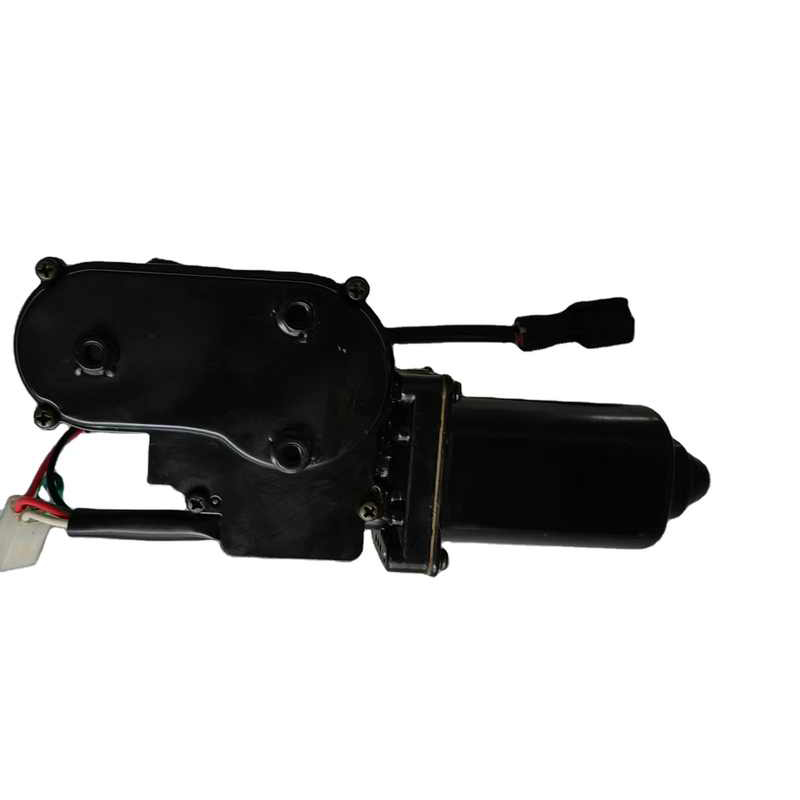
The replacement of an automotive component, such as a wiper motor, is a task that balances technical specifications with practical considerations. The selection of a specific part, in this case designated as 15190412, may appear straightforward, yet a considered approach ensures compatibility, performance, and value. This process involves more than simply matching a numerical code; it requires attention to vehicle compatibility, product source and quality, design features, and the balance between cost and long-term reliability. The following discussion outlines a structured method for making this selection, moving from broad verification to specific technical details.
The initial and critical step is confirming precise compatibility. The part number 15190412 is typically an Original Equipment Manufacturer (OEM) number, originally assigned by a vehicle manufacturer for a specific range of models, years, and trim levels. The primary risk here is assuming universality. Therefore, the action is to use this number as a key for cross-referencing. One should consult reliable parts databases, either through reputable auto parts retailers or online vehicle-specific forums, to generate a list of compatible vehicles. It is necessary to verify that your vehicle’s make, model, production year, and specific features (such as the presence of an intermittent wipe setting or a rear wiper) are included in this list. Furthermore, one must determine if this motor is designed for the front or rear wiper system, as they are often not interchangeable. This verification phase mitigates the fundamental error of purchasing a physically or electrically incompatible unit.
Once compatibility is established, the focus shifts to the source and type of the motor available for purchase. Generally, three categories exist, each with distinct characteristics. The table below summarizes these primary options:
|
Source/Type |
Typical Characteristics |
Considerations |
|
OEM/Genuine Part |
Produced by the original manufacturer or its licensed supplier; exact specification match. |
Often carries a higher cost; represents the benchmark for fit and initial performance. |
|
OEM-Service Part |
Manufactured by the original OEM but sold through independent channels under their own brand. |
May be identical or very similar to the genuine part, sometimes at a reduced price; requires supplier research. |
|
Aftermarket Part |
Produced by a third-party company to meet or exceed OEM specifications. |
Price can be competitive; quality spectrum is broad, ranging from to inadequate. |
Choosing among these involves research. For aftermarket parts, investigating the manufacturer’s reputation in the automotive industry is necessary. Brands with a documented history of supplying reliable components are generally preferable. One should also examine product descriptions for claims of improved specifications, such as increased torque or sealed bearings, and seek out user reviews or technical assessments for validation.
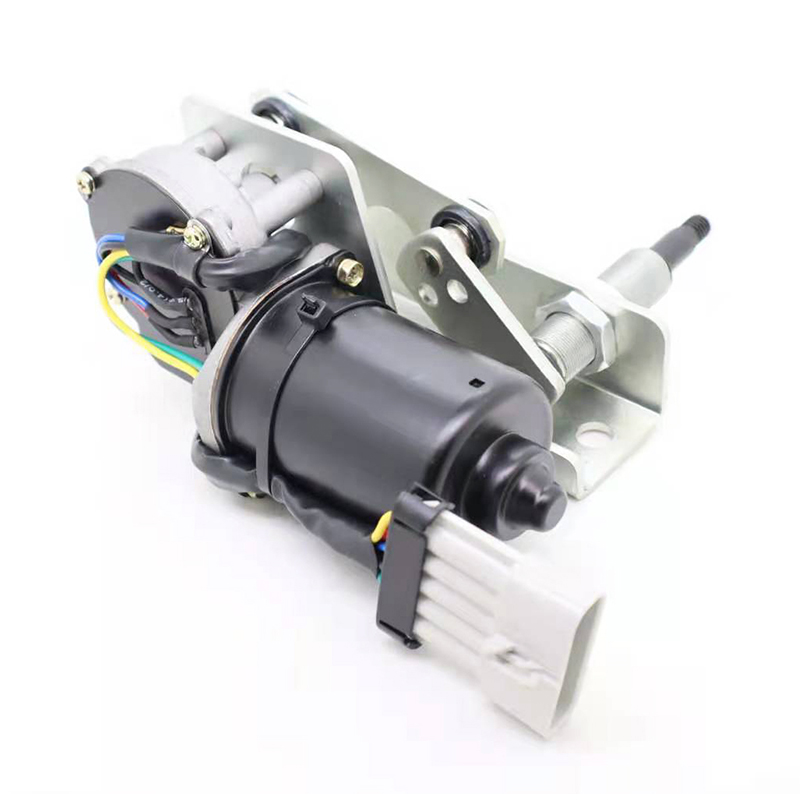
Beyond the basic source, specific design and performance attributes warrant examination. Two key aspects are the output torque and the gear configuration. Torque, the rotational force of the motor, must be sufficient to move the wiper linkage and blades under various conditions, including heavy rain or light snow. A motor with inadequate torque may strain or stall. The gear mechanism, typically a worm gear for its self-locking and torque-increasing properties, should be noted. Some manufacturers may use different gear materials or lubrication formulas that affect noise levels and longevity. Attention should be paid to the electrical connector type and the number of pins. A connector that does not match the vehicle’s wiring harness will require modification, introducing potential for electrical faults. The physical mounting points and the output arm socket must also align precisely with the existing linkage in the vehicle.
The evaluation must integrate cost with the broader context of value and installation. Price comparison between the different sources is a practical step, but it should be weighed againstthe included warranties. A longer warranty period can indicate the manufacturer’s confidence in the product’s durability. One should also consider the completeness of the purchase. Some listings may be for the motor alone, while others might include the linkage assembly or mounting hardware, which can affect the overall project cost and complexity. For individuals performing the installation, assessing the clarity of available installation guides or the accessibility of instructional resources for that specific part number is a sensible preparatory step. A lower-cost motor that is difficult to install correctly may prove to be a more costly choice in terms of time and potential for error.

Tel:+86-0577-66009580
Mobile: +86-18858801083
E-mail:juntmotor@126.com
Whatsapp:+8618858801083
WeChat: +86-18858801083
 WeChat

Automotive Reduction Motors Manufacturer

 +86-0577-66009580
 juntmotor@126.com
 Language
  English
 Português