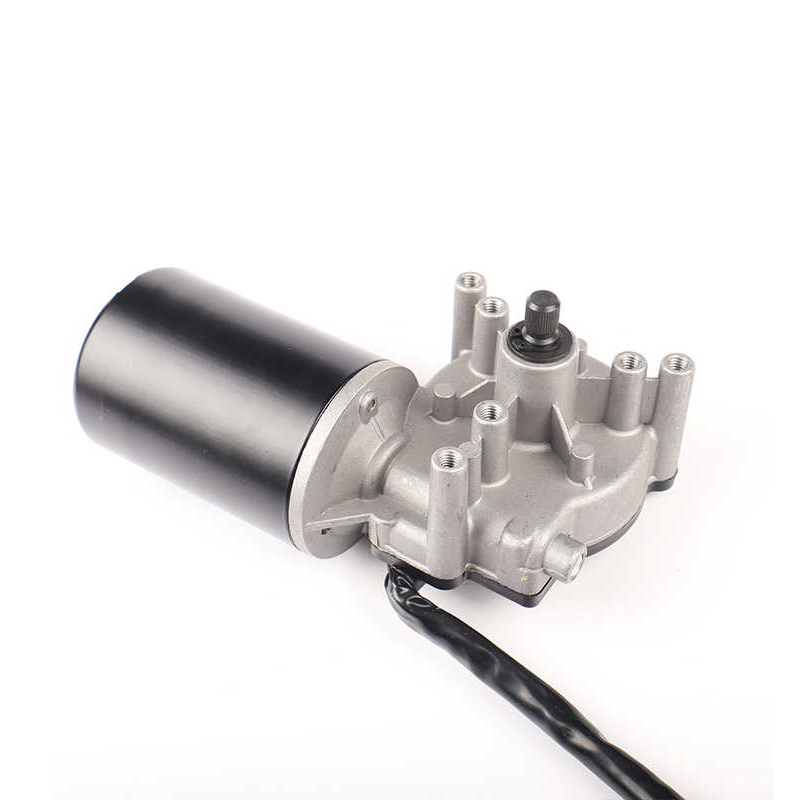
1. Material Quality Issues
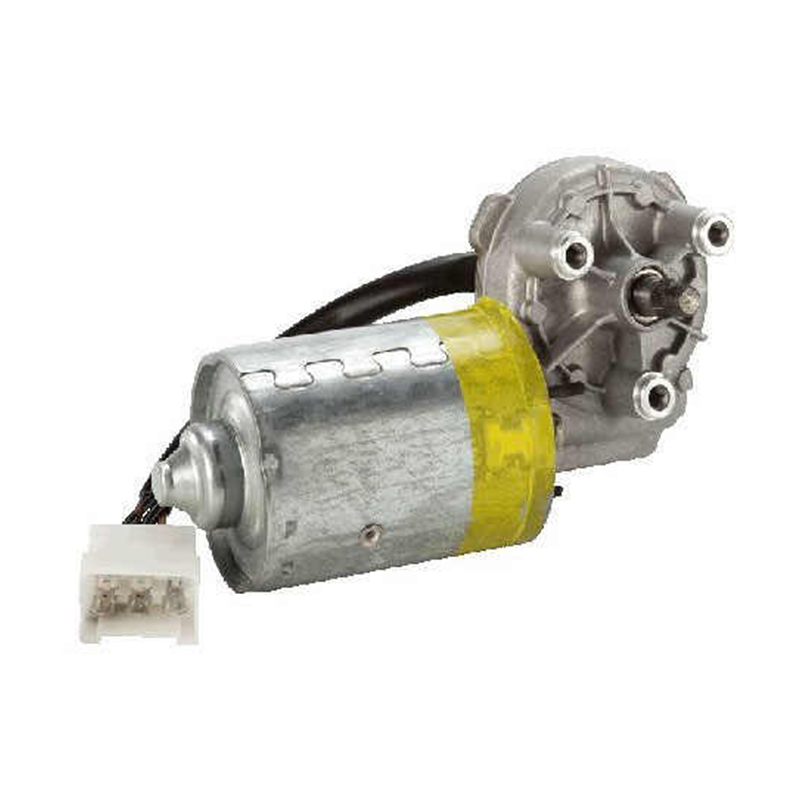
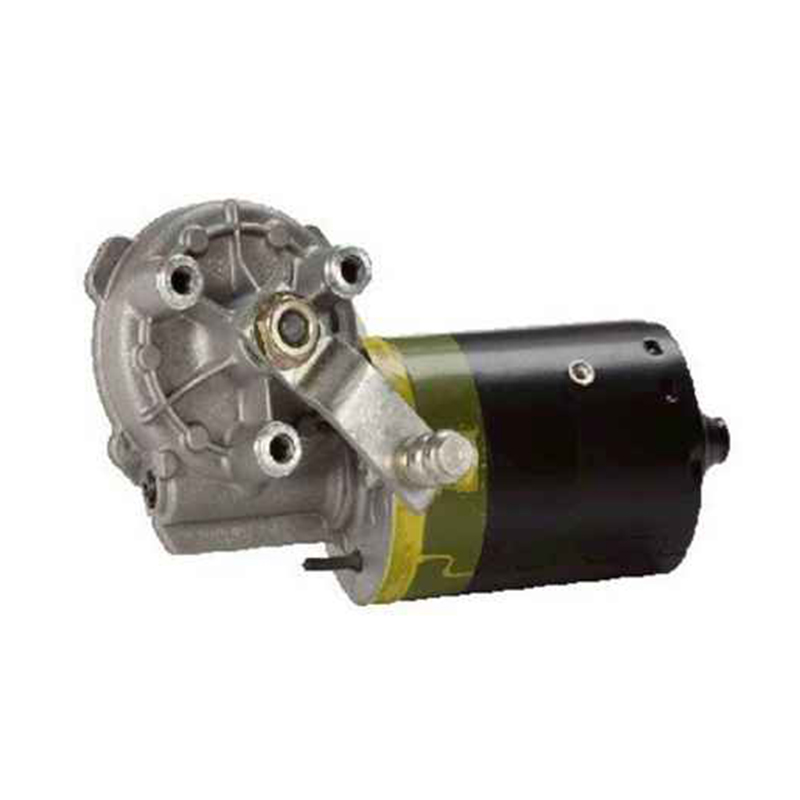
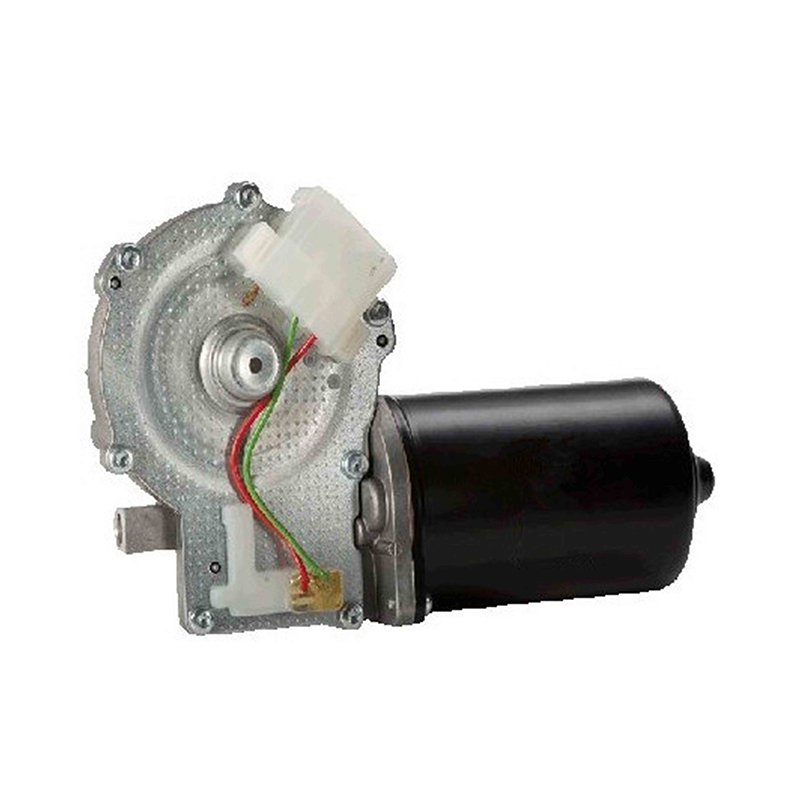
One of the first potential problems in the production of the 111.3761.30.00 motor is the quality of materials used in its construction. Motors like these typically require high-grade metals, plastics, and other components to ensure their durability and performance. If the materials used in production are substandard, the motor may fail to meet the required specifications, leading to poor performance and early wear and tear.
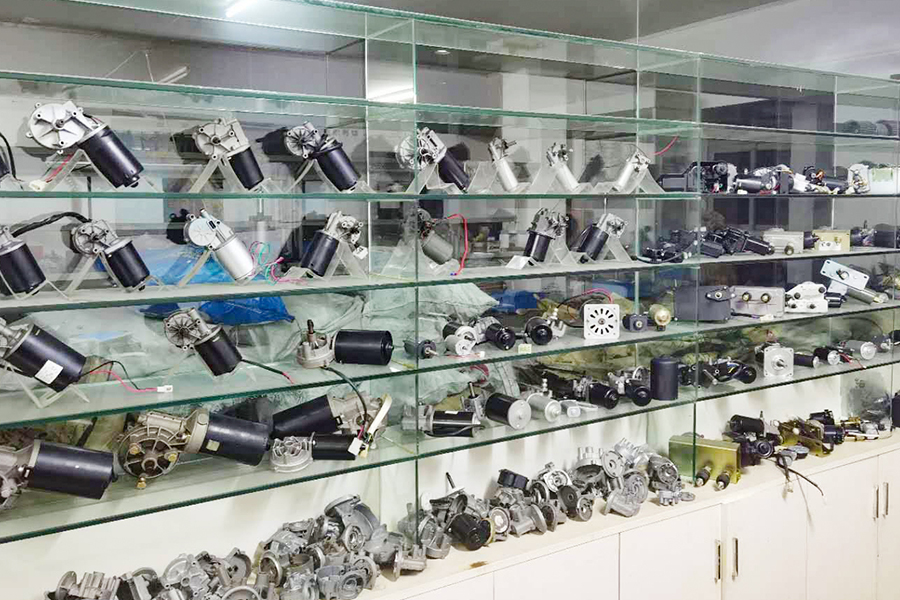
Possible Causes:
Inconsistent Material Supply: Variations in material quality from suppliers can lead to defects in the motor’s parts, including stators, rotors, and bearings.
Improper Storage Conditions: Materials exposed to improper environmental conditions (like humidity or temperature fluctuations) can degrade, affecting the motor's performance.
Solutions:
Quality Control at Incoming Stages: Establishing strict quality checks when materials are received can help detect issues early. This ensures only the highest-grade materials are used in production.
Supplier Evaluation: Maintaining relationships with reliable suppliers who meet industry standards can reduce material quality-related issues.
2. Assembly Line Errors
The assembly process of the 111.3761.30.00 motor requires precise handling and careful alignment of several critical components. Any errors during the assembly can lead to misalignment, improper connections, or even failure of the motor during operation.
Possible Causes:
Human Error: Manual labor on the production line can sometimes result in mistakes such as incorrect assembly of components or insufficient tightening of screws, which may impact the motor’s function.
Automation Failures: If the assembly line is automated, machine malfunctions or programming issues can lead to improper assembly and motor defects.
Solutions:
Automation and Standardization: Employing automation for repetitive tasks can reduce the risk of human error. Additionally, using standardized procedures and fixtures can help ensure precise assembly.
Regular Training: Regular training and refresher courses for assembly line workers can improve attention to detail and reduce the occurrence of errors.
3. Insufficient Testing or Quality Assurance
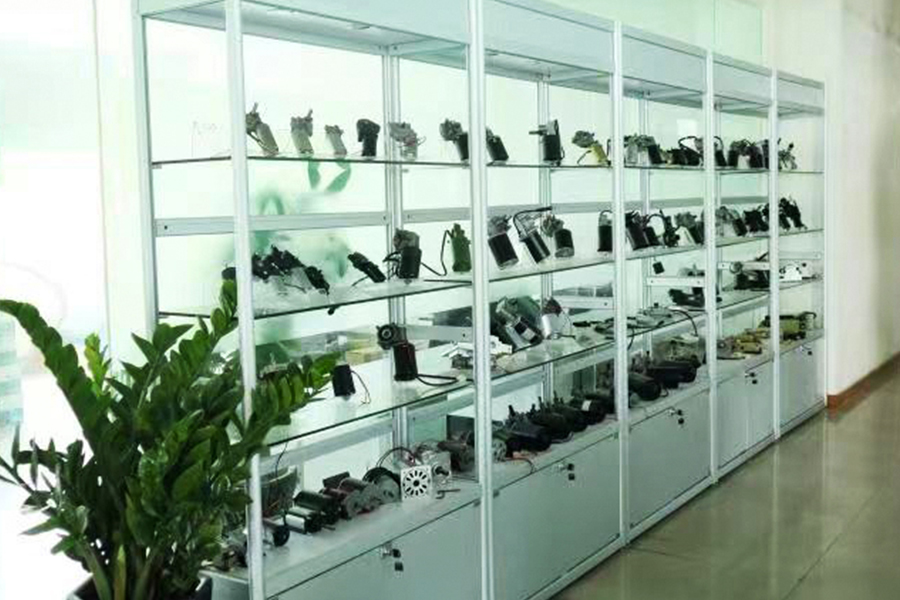
A lack of adequate testing during and after production can lead to motors that do not meet performance standards or even fail prematurely. It’s essential that each motor is tested for functionality, reliability, and safety before it leaves the factory.
Possible Causes:
Inadequate Testing Procedures: Some production lines may skip certain tests or reduce the thoroughness of testing to increase production speed.
Faulty Test Equipment: If the equipment used for testing isn’t calibrated correctly, it may fail to detect issues that could affect motor performance.
Solutions:
Comprehensive Testing Protocols: Implementing detailed, step-by-step testing procedures can ensure that every aspect of the motor is evaluated thoroughly. Testing for temperature tolerance, electrical load, and vibration resistance is critical.
Regular Calibration of Testing Equipment: Ensuring that all testing equipment is regularly calibrated can help prevent undetected faults and guarantee that the motors meet specifications.
4. Overheating and Cooling System Issues
The motor’s ability to manage heat is crucial to its longevity and performance. A common issue in the production of the 111.3761.30.00 motor is inadequate cooling or issues with heat dissipation systems, which can lead to overheating during operation.
Possible Causes:
Design Flaws in Cooling Mechanisms: If the motor’s cooling components, such as fans or heat sinks, are not designed or installed correctly, the motor may overheat under high loads.
Improper Assembly of Cooling Parts: Any misalignment or improper installation of heat management components during assembly could reduce the motor’s cooling efficiency.
Solutions:
Improved Design Reviews: Regularly reviewing and testing the motor’s thermal management design can help prevent overheating. Computational fluid dynamics (CFD) simulations can help optimize the motor’s heat dissipation features.
Quality Control for Cooling Parts: Ensuring that cooling components are installed properly during assembly is vital. Temperature sensors can also be integrated into the testing process to identify any overheating issues.
The following table summarizes the principal characteristics of the 111.3761.30.00 Motor and explains how each contributes to overall performance.
|
Characteristic |
Description |
Practical Benefit |
|
Compact Structure |
Optimized internal layout with minimal footprint |
Easy integration into space-limited equipment |
|
Stable Torque Output |
Designed to deliver consistent rotational force |
Predictable performance under varying loads |
|
Efficient Electromagnetic Design |
High-quality windings and magnetic materials |
Reduced energy loss and heat generation |
|
Durable Bearing System |
Bearings engineered for continuous operation |
Lower friction and longer operating life |
|
Robust Housing |
Rigid enclosure protecting internal components |
Resistance to vibration and mechanical stress |
|
Standardized Electrical Interface |
Clearly defined terminals and insulation systems |
Simplified wiring and safer installation |
|
Thermal Management Capability |
Housing and airflow paths aid heat dissipation |
Maintains performance stability over time |
These characteristics make the 111.3761.30.00 Motor suitable for applications where reliability and repeatability are more critical than short-term output variation.
From a mechanical perspective, the motor’s rotor and shaft assembly are designed for balanced rotation, which minimizes vibration and noise during operation. This balance reduces stress on bearings and connected equipment, supporting smoother motion transmission. The bearing system is selected to handle both radial and moderate axial loads, ensuring stable alignment during long duty cycles.
Electrically, the motor employs insulated copper windings arranged to generate a consistent magnetic field. This arrangement supports smooth start-up behavior and steady rotational speed when operated within rated parameters. The insulation system is designed to withstand normal thermal cycling, protecting against short circuits and insulation breakdown over time.
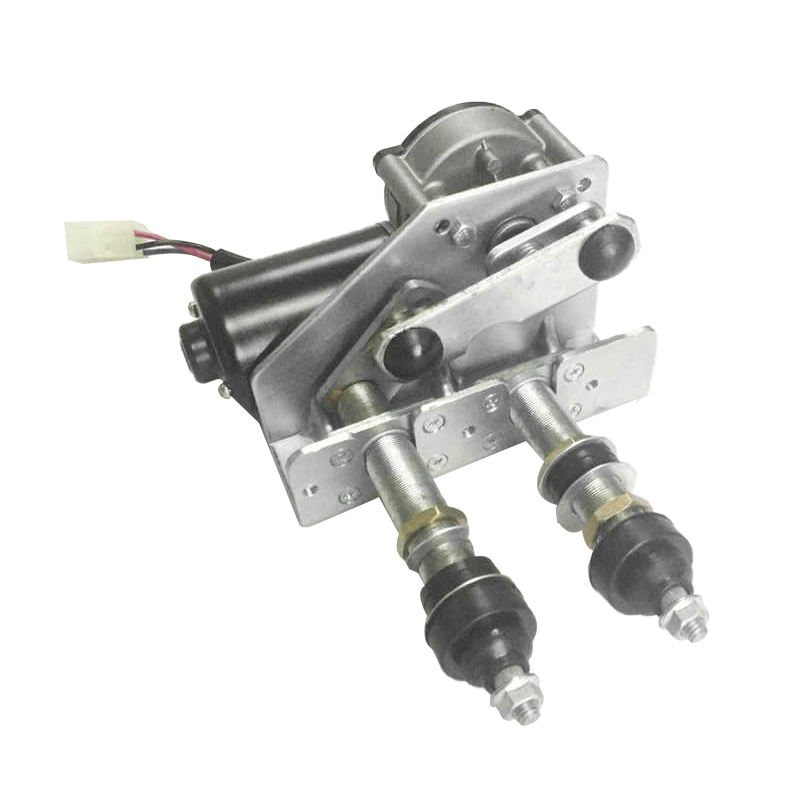
While the motor is engineered for dependable performance, proper usage practices are essential. The following precautions address installation, operation, and maintenance considerations.
Correct installation is the foundation of safe motor operation. The motor should be mounted on a flat, rigid surface to prevent misalignment and unwanted vibration. Shaft alignment with driven components must be carefully checked, as misalignment can increase bearing load and accelerate wear. Before energizing the motor, users should confirm that the power supply voltage and frequency match the rated specifications provided by the manufacturer.
Electrical connections should always be performed by qualified personnel. Secure grounding is necessary to protect operators and connected control systems. Terminal connections must be tightened to the recommended torque values to avoid overheating or intermittent contact. The use of appropriate protective devices, such as overload relays and fuses, is strongly recommended to guard against abnormal current conditions.
The motor should be operated within its rated load and duty cycle limits. Continuous operation under excessive mechanical load can result in higher operating temperatures and reduced efficiency. In applications with fluctuating loads, suitable control strategies should be applied to manage start-up currents and load transitions smoothly.
Adequate ventilation around the motor housing is necessary for proper heat dissipation. Obstructed airflow or installation in confined spaces may cause temperature rise beyond acceptable limits. The operating environment should be free from excessive moisture, conductive dust, or corrosive substances. If the motor must be used in challenging environments, additional protective enclosures or sealing measures may be required.

Tel:+86-0577-66009580
Mobile: +86-18858801083
E-mail:juntmotor@126.com
Whatsapp:+8618858801083
WeChat: +86-18858801083
 WeChat

Automotive Reduction Motors Manufacturer

 +86-0577-66009580
 juntmotor@126.com
 Language
  English
 Português