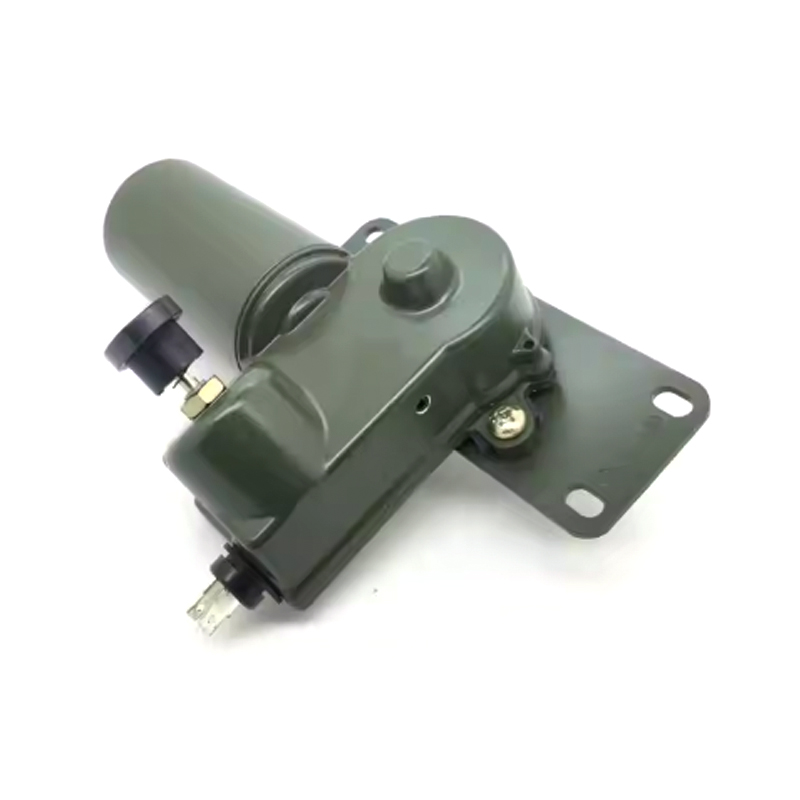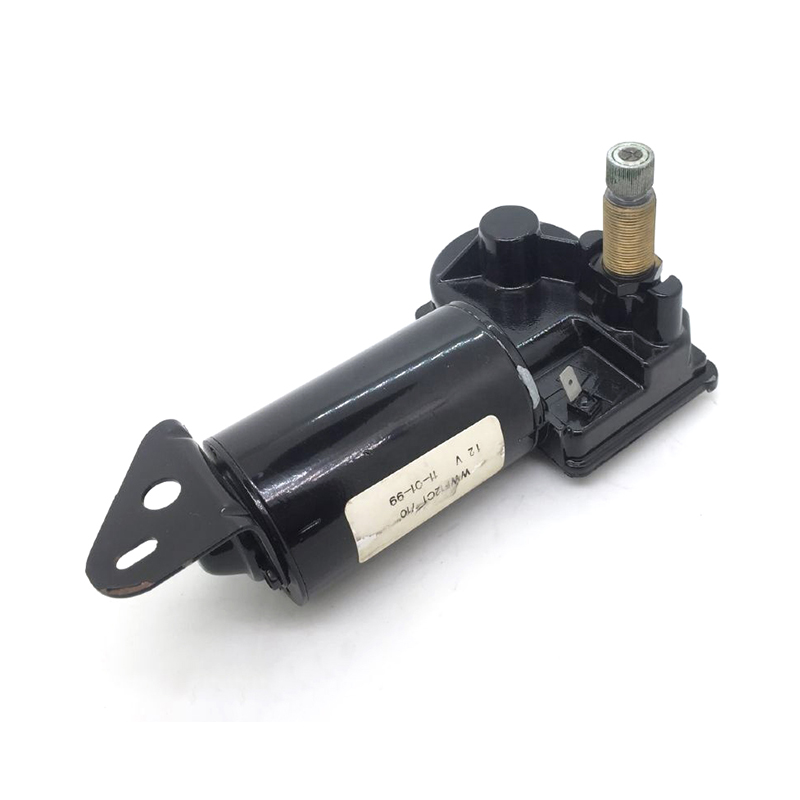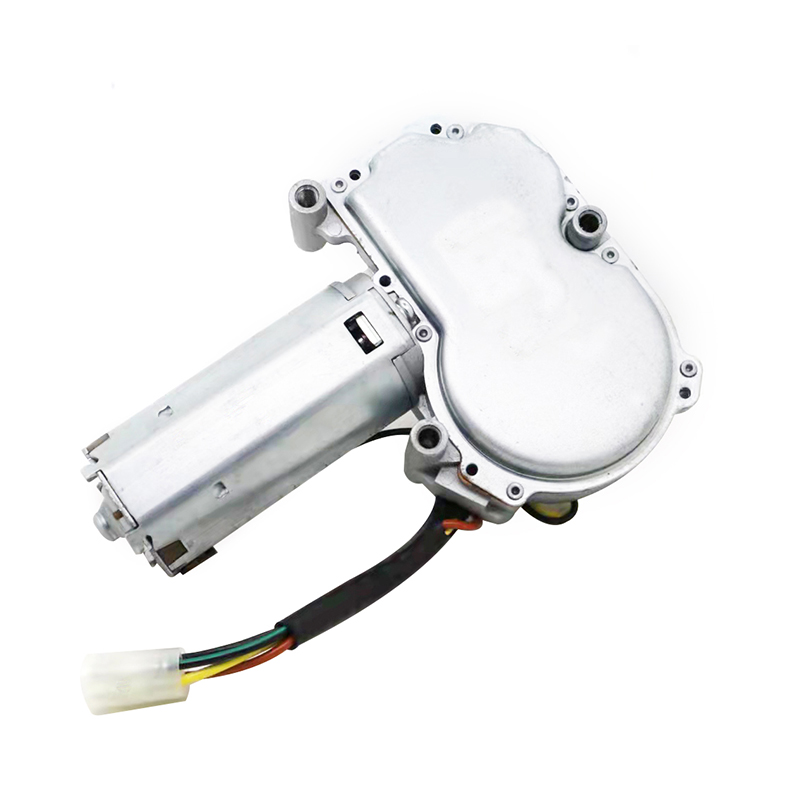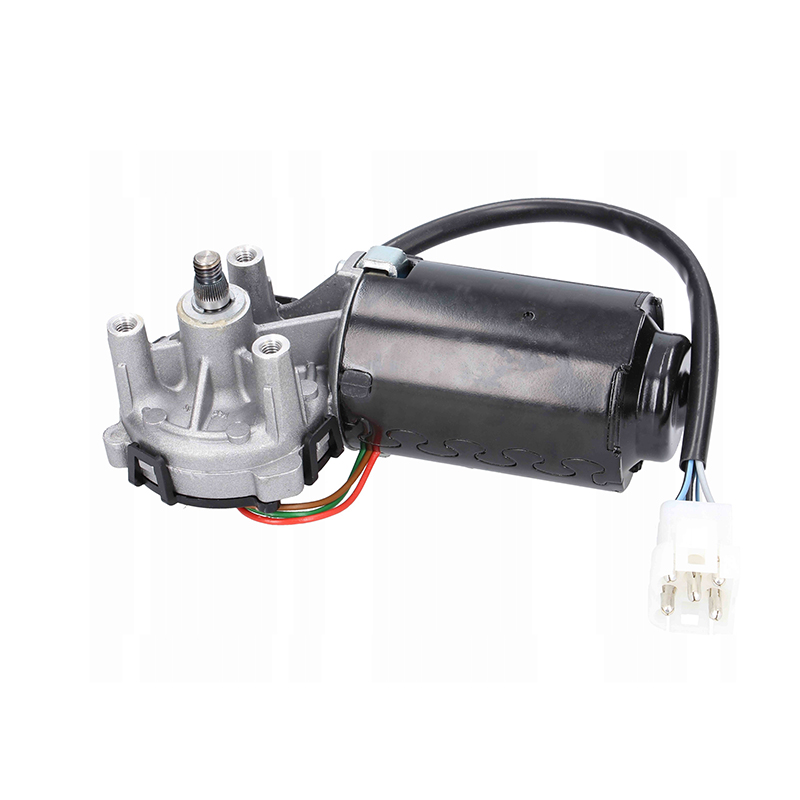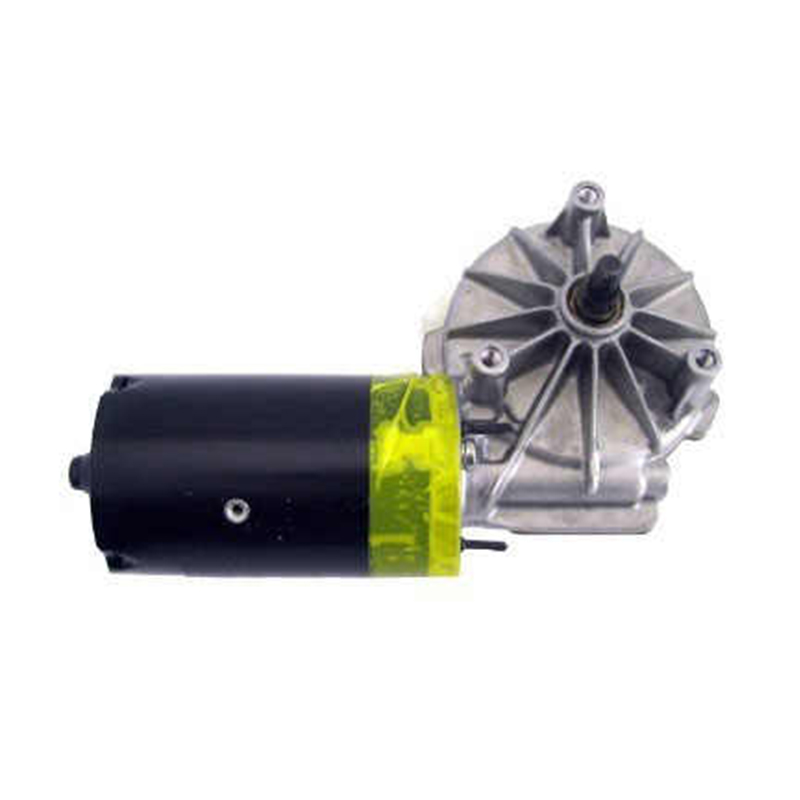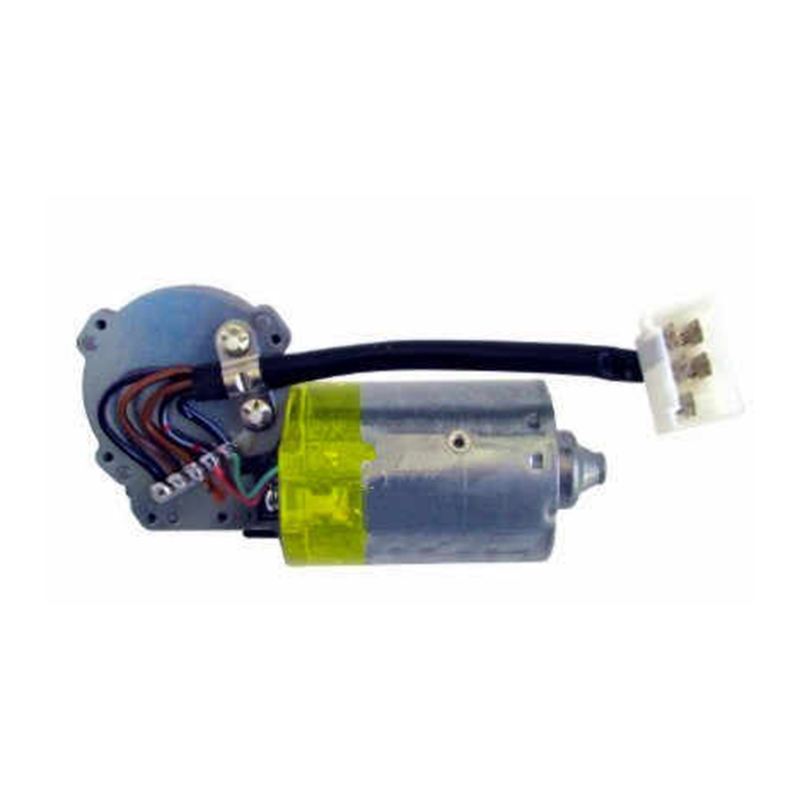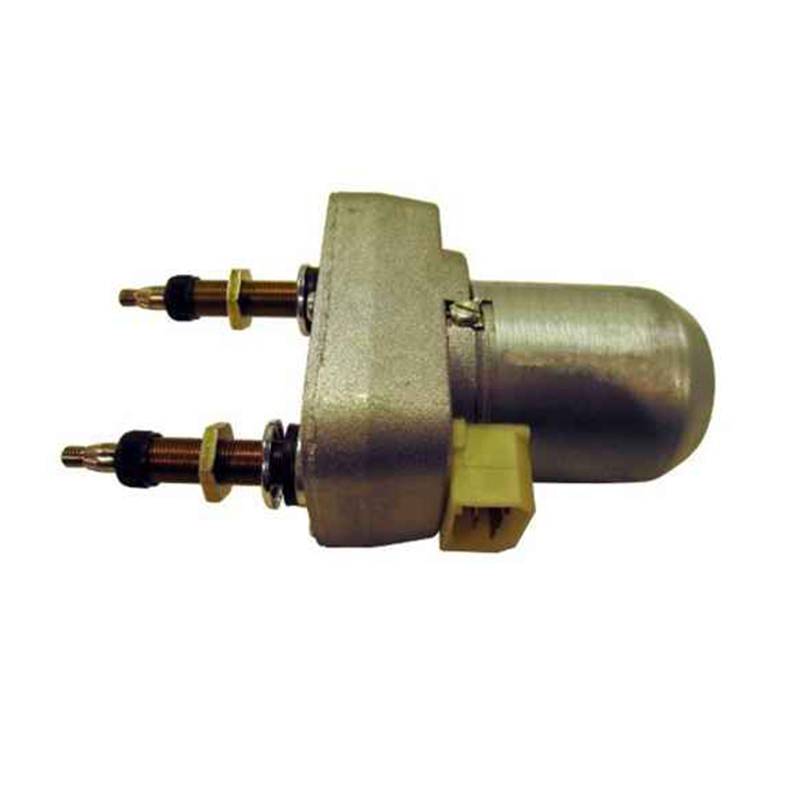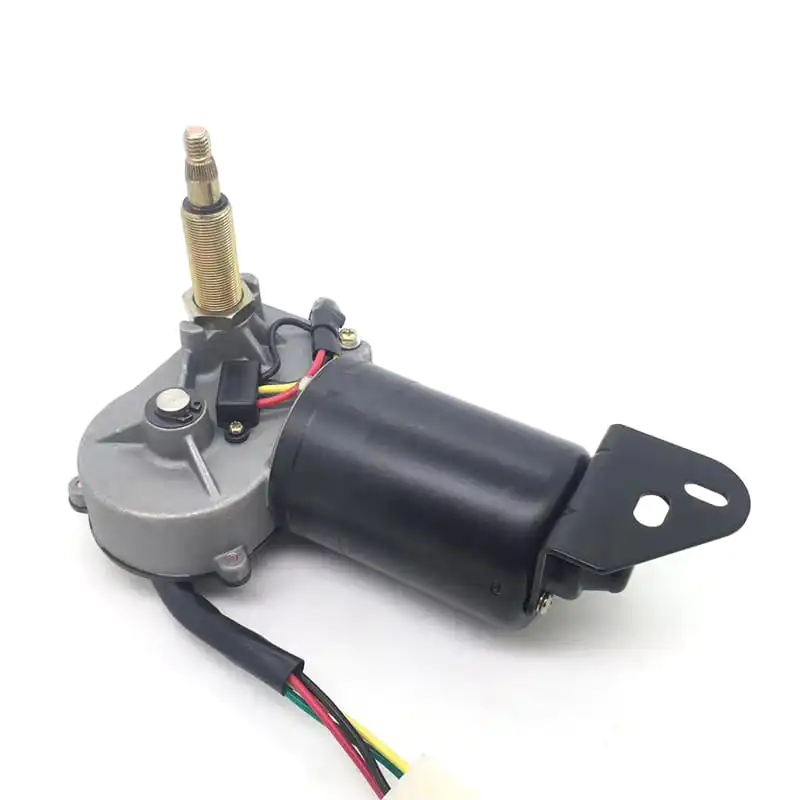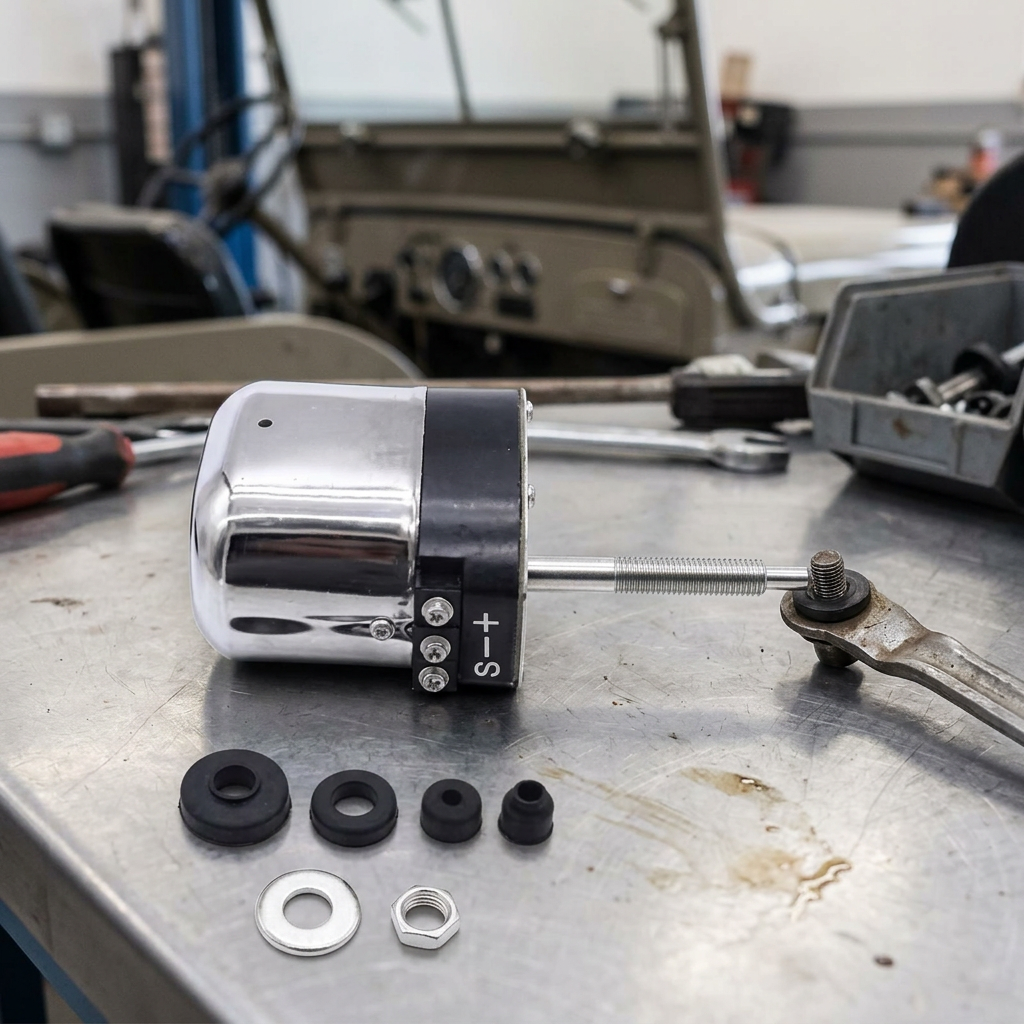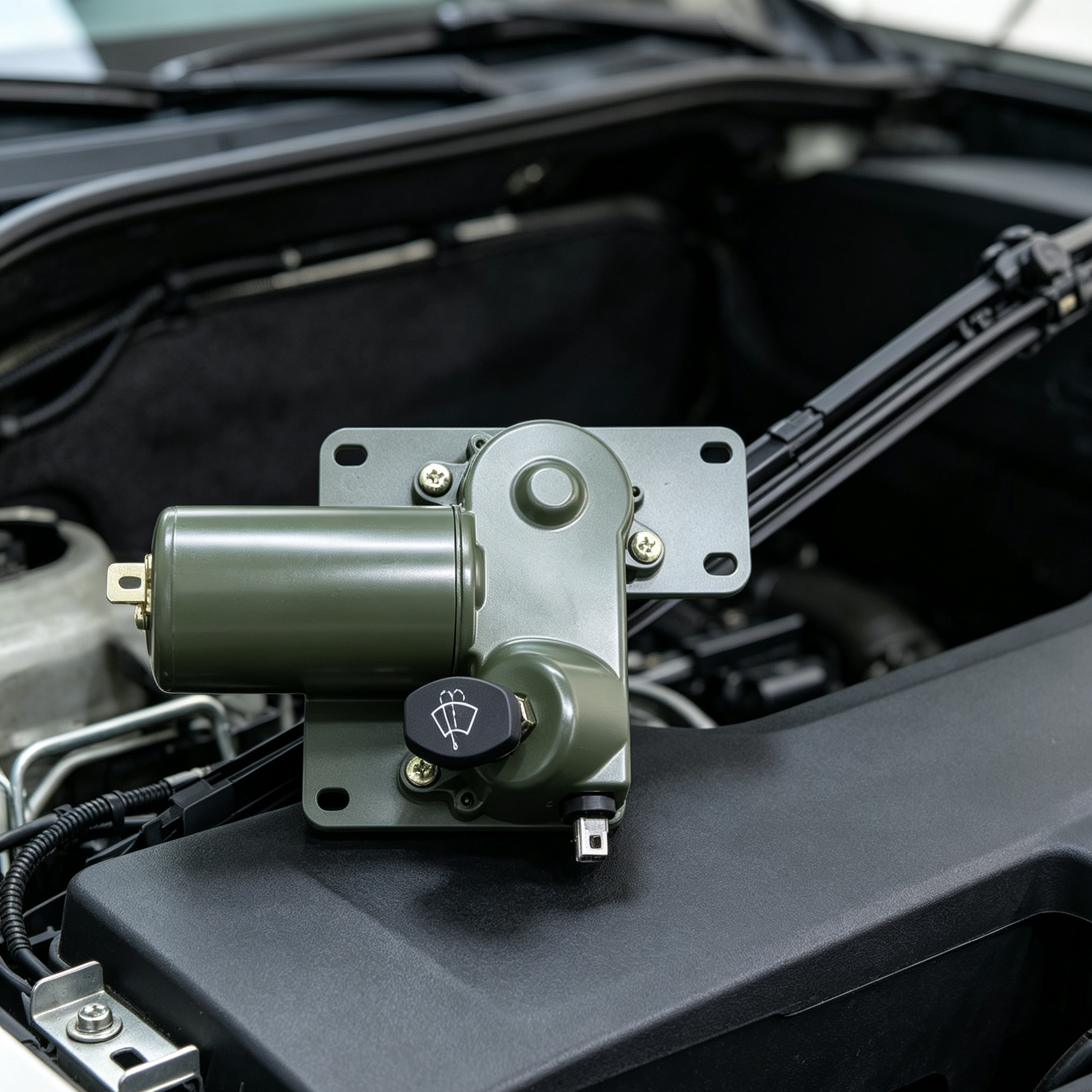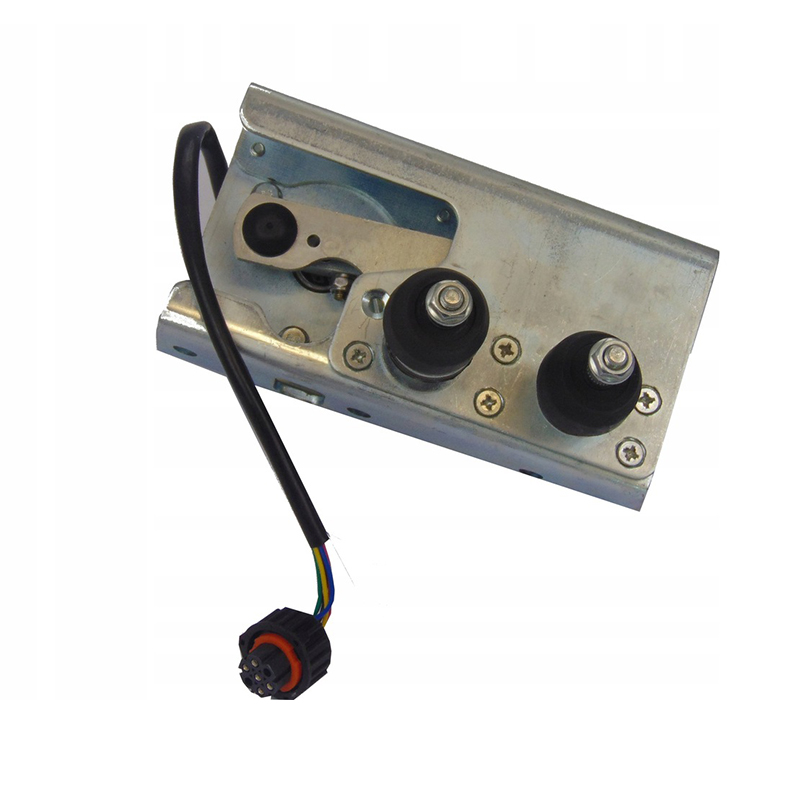
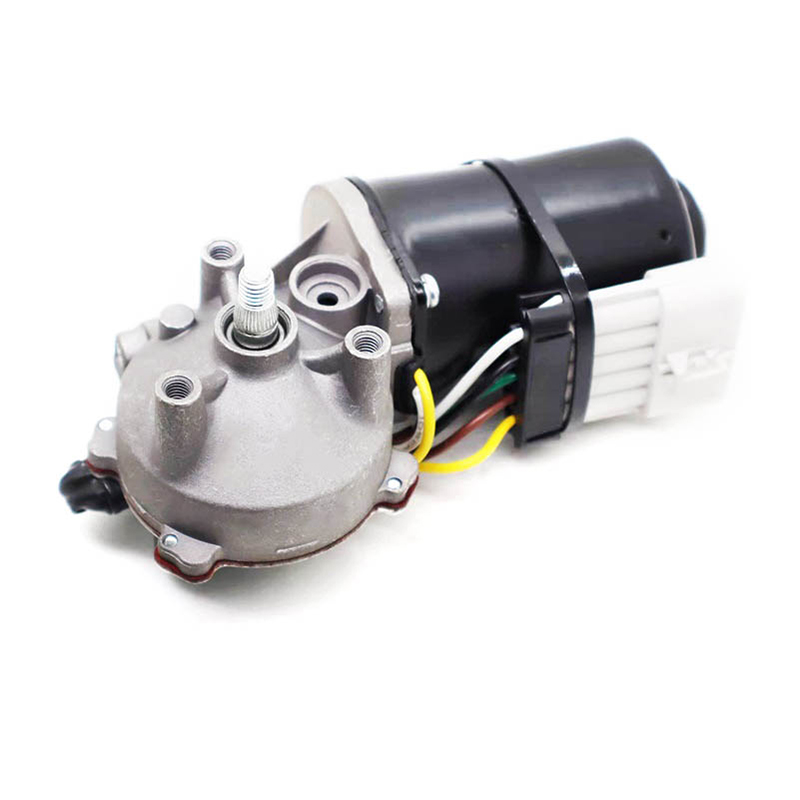
In automotive electrical systems, components like wiper motors serve a defined and necessary function. The VOE17200853 wiper motor, an OEM part number with specific applications, illustrates how such components are engineered to meet particular operational demands. An analysis of its characteristics and uses provides insight into its role within vehicle subsystems, offering a practical case study in automotive component design and integration. This examination will proceed by detailing its technical specifications and design, outlining its primary vehicle applications, and considering factors relevant to its maintenance and replacement.
The VOE17200853 is identified as a permanent magnet electric motor, a common design for automotive wiper systems due to its reliable torque output and compact size. Its specifications are defined by the requirements of the vehicle platforms for which it was originally designed. Key operational parameters include a defined voltage, typically 12V DC for standard passenger vehicles, and a rotational output suited to drive a specific wiper linkage geometry. The motor incorporates an internal gearbox, often a worm gear reduction system, which serves a dual purpose: it increases the output torque necessary to move wiper arms against resistance from wind and water, and it reduces the motor's high rotational speed to the slower, more powerful sweeps required for effective windshield clearing.
A notable feature integrated into such motors is an automatic park mechanism. This circuit ensures that when the wiper switch is turned off, the blades complete their current sweep and return to a resting position at the base of the windshield, out of the driver's line of sight. This function depends on a dedicated contact within the motor assembly. Thermally protected circuits are also a standard design element, intended to prevent motor damage from prolonged operation against high friction, such as from frozen wiper blades. The physical construction involves a sealed housing to protect the electrical components and gear mechanism from moisture and road contaminants, which is a necessary consideration given its typical mounting location within the vehicle's engine compartment or under the cowl panel.
The VOE17200853 part number corresponds to specific vehicle applications, primarily within certain General Motors models. Cross-referencing parts databases indicates its use in a range of vehicles from the mid-2000s to early 2010s, including various iterations of the Chevrolet Impala, Monte Carlo, and some Buick and Pontiac sedans. Its application is generally for the front wiper system. Integration into the vehicle is systemic; the motor's output shaft connects to a series of linked arms, known as the wiper transmission or linkage, which converts the motor's rotary motion into the back-and-forth arc of the wiper arms.
The motor's operation is managed by the vehicle's body control module or a dedicated wiper switch, which provides user-selected modes such as intermittent, low, and high speed. These speeds are achieved through different power feed circuits within the motor or its attached control module. The compatibility of the VOE17200853 is therefore not solely mechanical but also electrical. Its connector type, pin configuration, and signal response must match the vehicle's wiring harness and control logic. This specificity underscores that while the motor's core function is universal, its implementation is tailored to the electrical architecture and physical layout of particular vehicle platforms.
Understanding the characteristics of this motor informs practical decisions regarding its service life and replacement. Common failure modes for units of this type include wear in the gear mechanism, failure of the internal thermal protection, burnout of the armature due to binding linkage, or malfunction of the park switch. Symptoms often present as inoperative wipers, wipers that stop in an arbitrary position on the windshield, or wipers that operate only at a single speed.
When replacement becomes necessary, identifying the correct part is a logical step. While the VOE17200853 is an OEM reference, aftermarket manufacturers may offer equivalent units under different catalog numbers. A suitable replacement should match not only the physical mounting points and output shaft spline but also the electrical characteristics and connector. During installation, attention to the condition of the wiper linkage is advised; a binding linkage will place an immediate strain on a new motor. The process typically involves accessing the motor from within the engine compartment or after removing necessary cowl panels, disconnecting the electrical connector and mechanical linkage, and reversing the steps with the new unit. Ensuring the wiper arms are properly indexed to the parked position before connecting the new motor is a standard procedural step to maintain correct system calibration.
The VOE17200853 wiper motor is a component defined by its specific engineering parameters and its role within designated vehicle systems. Its design balances torque output, durability, and integrated control features to perform a consistent safety function. Its applications are linked to particular models, highlighting the tailored nature of automotive components. For technicians and vehicle owners, an awareness of its characteristics aids in diagnosing faults and executing a methodical replacement, supporting the continued reliable operation of an essential vehicle system.
Write an essay of at least 650 words on the following requirements, avoiding superlative terms, with a clear structure, and a title no more than ten words: Biodegradable Tray, including dimensions, applications, and data.
The growing global emphasis on mitigating plastic waste has driven innovation in the realm of single-use packaging. Among the developed alternatives, biodegradable trays have emerged as a subject of both public interest and industrial application. These containers are designed to offer functional utility for a defined period before undergoing microbial decomposition under specific environmental conditions. This essay examines the characteristics of biodegradable trays through three interconnected lenses: the dimensional standards that facilitate their practical use, the spectrum of applications they serve, and the empirical data that informs assessments of their performance and environmental impact.
The physical dimensions of a biodegradable tray are not arbitrary but are instead dictated by the demands of the supply chain and end-use. Standardization is a common feature, with sizes often aligning with those of conventional plastic or fiberboard trays to ensure compatibility with existing filling, sealing, and transportation infrastructure. Common footprint dimensions might include 200mm x 150mm for individual meal portions, 300mm x 400mm for family-sized food presentations, or circular diameters of 150mm to 250mm for deli and baked goods. Depth is another variable dimension, ranging from shallow 20mm profiles for confectionery or sliced meats to deeper 80mm cavities suitable for ready meals with sauces or fresh produce.
The structural design incorporates considerations of rigidity and barrier properties. Unlike inert plastics, the materials used—such as molded pulp from sugarcane bagasse, polylactic acid (PLA) derived from corn starch, or composites of starch and polybutylene adipate terephthalate (PBAT)—have distinct physical behaviors. Dimensional stability under refrigeration, during microwave heating, or when containing oily or moist foods is a key factor in design. For instance, a PLA-coated bagasse tray might be engineered with slightly reinforced corners to prevent sogginess and deformation when holding a refrigerated, high-moisture salad for several days. The dimensional tolerances must account for potential minor expansion or contraction due to ambient humidity, a factor less pronounced in petroleum-based plastics.
The deployment of biodegradable trays spans several sectors, each with its own set of functional prerequisites. In the food service and retail industry, they are used for ready-to-eat meals, pre-packaged fruits and vegetables, raw meat and poultry (often with an absorbent pad), and baked goods. Here, the trays must provide adequate containment, resist grease, and present food in a manner that is acceptable to consumers. For catered events or airline meals, the trays must stack securely and maintain integrity during transit.
Beyond fresh food, biodegradable trays find application in horticulture as seed-starting pots or planters. In this context, the tray itself is part of the product; it is planted directly into soil, where it biodegrades, allowing roots to penetrate without transplant shock. The dimensional design for this application prioritizes a shape that encourages root growth and a material composition that breaks down predictably in a soil environment. Another emerging application is in the packaging of consumer goods, such as cosmetics or electronics, where the tray serves as a protective cradle within a larger cardboard box. In this role, its shock-absorbing properties and custom-molded dimensions to hold a specific item are more critical than liquid resistance.
The term "biodegradable" is defined by specific scientific criteria, and data from standardized tests provide the basis for understanding a tray's environmental profile. Key metrics include the rate and extent of biodegradation under defined conditions. For example, testing under the European standard EN 13432 for industrial composting requires that 90% of the organic material convert to carbon dioxide, water, and biomass within six months in a controlled composting facility. Data sheets for certified trays will provide this percentage breakdown, along with information on heavy metal content, which must be below stipulated thresholds.
Further empirical data relates to material properties. A technical datasheet for a bagasse tray might list a tensile strength of 15-20 MPa, a moisture content of 5-8% after production, and a maximum safe operating temperature of 120°C for short periods (e.g., microwave use) and 220°C for oven use. For PLA-based trays, data on the glass transition temperature (typically around 55-60°C) is relevant, as it indicates the point at which the material may begin to soften. Life Cycle Assessment (LCA) data offers a broader perspective, quantifying inputs like water and agricultural land used in feedstock production, energy consumption during manufacturing, and greenhouse gas emissions from production through to end-of-life. An LCA might indicate that while a biodegradable tray diverts waste from landfills, its production could have a different energy footprint compared to recycled PET plastic, presenting a nuanced picture for environmental decision-making.

Tel:+86-0577-66009580
Mobile: +86-18858801083
E-mail:juntmotor@126.com
Whatsapp:+8618858801083
WeChat: +86-18858801083
 WeChat

Automotive Reduction Motors Manufacturer

 +86-0577-66009580
 juntmotor@126.com
 Language
  English
 Português